
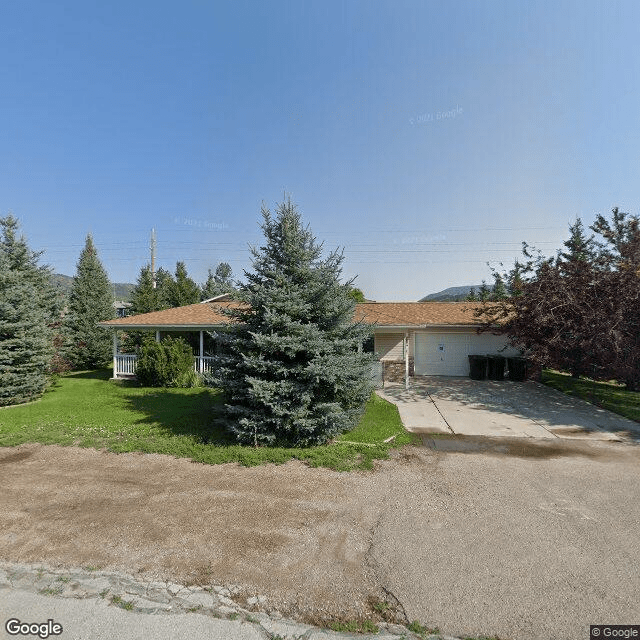
580 West Elm, Lava Hot Springs, ID 83246
For more information about senior living options: (866) 208-4318
Diamond Peak of Lava Costs & Pricing
At Diamond Peak of Lava, the monthly cost for a private room is set at $2,500, offering an appealing option compared to both Bannock County, where similar accommodations average around $2,883, and the broader state of Idaho with an even higher average of approximately $3,906. This pricing structure positions Diamond Peak as a more affordable alternative within the region while still providing quality care and services. The competitive rates reflect the commitment to accessibility in senior living options, ensuring that residents receive value without compromising on comfort or amenities.
| Floor plans | Diamond Peak of Lava | Bannock County | Idaho |
|---|---|---|---|
| Private | $2,500 | $2,883 | $3,906 |
Overall Review of Diamond Peak of Lava
Pros
 They took difficult situations and made them good.
- They genuinely cared about the mother-in-law.
- It was a good facility.
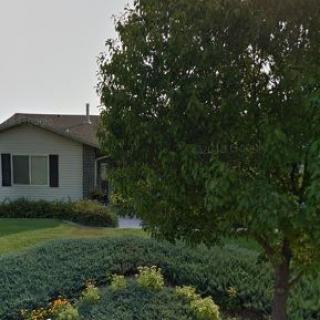
- The setting is smaller and residential, with a higher level of care.
- Residents receive more individual attention due to the small size.
- They do a great job.
Cons
 None found in the provided reviews.
Review
Diamond Peak of Lava is best suited for seniors who want a small, home-like, residential setting where staff-to-resident interactions are frequent and genuinely attentive. The community appears to cater to residents who require a higher level of care but prefer a calm, intimate atmosphere over a bustling campus. Families report that staff handle difficult situations with competence and warmth, which translates into tangible peace of mind for caregivers. For those who prize continuity of relationships with caregivers and a sense of being known as individuals rather than room numbers, Diamond Peak delivers. The takeaway is clear: this is a tight-knit, caregiver-centered option for mid-to-late stage needs that still values dignity and independence where possible.
Alternatives should be considered for families seeking a larger community with a wider array of on-site activities, robust campus life, or broader social opportunities. The reviews portray Diamond Peak as distinctly small and residential, with care levels that align with that environment. If a resident requires ongoing social breadth, ongoing programming, or a facility that feels more like a campus than a house, a bigger operator or a more expansive setting may be preferable. The caveat is not dissatisfaction with care; rather, it is a different fit. Those prioritizing intimate attention and higher care should interpret it as a strength, not a limitation.
On the positive side, the standout advantages are undeniable: intimate size yields more individualized attention, and staff seem consistently aligned with the residents’ needs. The reviews describe staff who genuinely care, who are capable of navigating tough situations, and who maintain a tone of respect and empathy. The smaller setting lends itself to closer relationships, which in turn supports more precise care planning and quicker response times. Those advantages counter the natural trade-offs of a limited footprint, fewer random interactions, less anonymity, and tighter schedules, by ensuring that each resident receives visible, ongoing attention from caregivers who know their preferences.
Two families repeatedly emphasize that Diamond Peak feels right for their loved ones and that the facility earns high marks across categories. The sentiment that the mother-in-law benefited from a supportive, attentive environment, and that the only reason she no longer resides there is a family move, underscores genuine satisfaction. This isn't a generic endorsement; it’s a signal that the daily experience aligns with expectations around safety, responsiveness, and emotional warmth. In practical terms, families can reasonably expect a staff culture that prioritizes individual well-being, timely problem-solving, and respectful engagement with residents and families alike.
For families actively evaluating Diamond Peak, a practical decision framework is warranted. Schedule a visit to observe how staff interact with residents, ask to review daily routines and care plans, and verify how transitions are managed if a resident’s needs evolve. Probe for response times, consistency of care across shifts, and the availability of a dedicated point person. Given the emphasis on higher care in a small setting, confirm that the resident’s specific needs can be met without sacrificing the personal, home-like atmosphere. If a broader calendar of activities or a larger community network is a priority, plan to compare Diamond Peak with alternatives that emphasize scale.
Overall, Diamond Peak of Lava stands out as a practical, compassionate choice for families prioritizing intimate care, personal attention, and a nurturing environment. It is especially well-suited for residents who benefit from a smaller, residential setting that still delivers a higher level of care. The main caveat is the inherent limits of size and scope that accompany such settings; those limits are not misrepresented, but they are real considerations for families weighing options against larger communities. When the goal is quality relationships, consistent care, and a home-like feel, Diamond Peak deserves a serious, comparative look, followed by on-site conversations that confirm fit before any transition.
 10 resident community capacity
 Assisted Living
 Board and Care Home
 Cats allowed
 Dogs allowed
 Activities off-site
 Bath tubs
 Cable or satellite TV
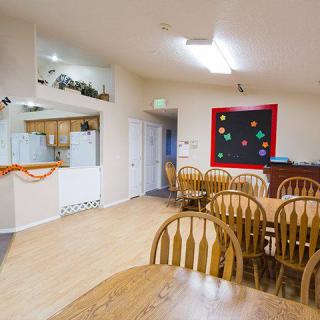
 Dining room
 Fully furnished
 Garden
 Housekeeping services
 Indoor common areas
 Move-in coordination
 Outdoor common areas
 Private
 Private bathrooms
 Respite or short term stays offered
 Telephone
 Wheelchair accessible showers
 Wi-Fi/high-speed internet available
 24-hour supervision
 Ambulatory care
 Assistance with bathing
 Assistance with dressing
 Assistance with transfers
 Diabetes diet
 High acuity care
 Incontinence care
 Meal preparation and service
 Medication management
 Special dietary restrictions
 Transportation arrangement (medical)
 Transportation to doctors appointments


 When to Transition from Assisted Living to Memory Care: Key Indicators, Steps, and Finding the Right Community
 Assisted Living and Memory Care: Understanding Their Core Differences
 Beyond the Bingo Hall: 50+ Enriching Activities for Seniors in Assisted Living