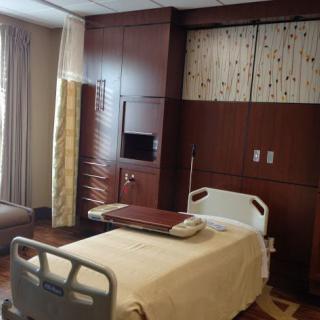
Caribou Memorial Living Center

300 South Third West, Soda Springs, ID 83276

For more information about senior living options: (844) 490-3973

4.7 from 38 reviews
5 stars
32
4 stars
3
3 stars
1
2 stars
0
1 stars
2

Skilled Nursing Facility

Overall Review of Caribou Memorial Living Center

Pros

  • pro The staff was amazing.
  • pro The ER team, including Tina, Kyrsten, and Tanner, and the radiology department helped him on the way to recovery.
  • pro Dr. Franson, Dr. Christensen, and Denise in case management were appreciated for helping locate specialists and arranging appointments.
  • pro The CMC team provided support, care, and kindness that was greatly appreciated.
  • pro The entire team at CMC was amazing.
  • pro Dr. Gambrell explained everything before and after surgery in a wonderful way.
  • pro The OR nurses were attentive and compassionate.
  • pro Dr. Franson, Dr. Retherford, Dr. Judy, and Tanner Davis provided care that was deeply appreciated.
  • pro Cherysh Stock, NP, was wonderful.
  • pro Dr. Hansen was described as a wonderful sports and orthopedic physician with great bedside manner.
  • pro The nursing staff were knowledgeable and kind; the procedure went great, and the facility was highly recommended.
  • pro Surgery at CMC went smoothly with excellent care from the staff.

Cons

  • pro One reviewer called Caribou Medical Center a joke and said they can't even call in a prescription, forcing patients to pick up paper prescriptions.
  • pro They stated the staff were unorganized and frankly uneducated about feeding tubes.
  • pro They claimed nurses repeatedly used IVs despite the patient having a heart port, causing unnecessary procedures.
  • pro They alleged an overdose of pain medication that had to be reversed with Narcan.
  • pro They described the nurses as extremely disrespectful and not taking responsibility for their mistakes.
  • pro They concluded that the hospital should be fired and the staff's licenses revoked.

Review

The experiences shared about Caribou Medical Center (CMC) paint a picture of a community hospital where many patients - even in moments of fear or pain - encounter care that blends efficiency, compassion, and clear communication. A recurring thread throughout the stories is how promptly and attentively emergency department teams respond, turning what could be a stressful, chaotic moment into a smoother path toward evaluation and comfort. In one recent ER visit for a fall while being a bit "clumsy," the patient noted an efficiency and warmth that carried through the team - Tina, Kyrsten, and Tanner in the ER, along with the radiology staff - helping to set a patient firmly on the road to recovery. The overarching impression is that the ER personnel are not only professional but sincerely invested in easing anxiety while securing timely, practical care.

Care extended beyond the ED into the inpatient and outpatient spectrum, where the hospital's physicians, nurses, and support staff consistently earned praise for their communication and follow-through. A family staying with their two-month-old son at CMC highlighted a team that moved swiftly to assemble the specialists their infant needed. Tanner Davis in the ER was singled out for clear explanations and for helping ensure everyone was on the same page with every development, while Dr. Franson, Dr. Christensen, and Denise in case management were lauded for their roles in identifying the appropriate specialists and arranging follow-up appointments. Even the parts of the hospital that aren't directly bedside - such as case management and coordinated appointments - seemed to leave a lasting impression of thoughtful, proactive care.

The spine and orthopedic care pathway at CMC was consistently described as reliable and empathetic, with patients appreciating the sense of local, trusted care. One patient who underwent cervical spine surgery emphasized being treated by a team they trusted - PCP, pain and spine specialists, the operating room team, nursing staff, and neurosurgeon Dr. Cindrich. The sentiment echoed across stories is that receiving complex surgical care close to home, from a cohesive team, can be a profoundly comforting experience. The message was not merely technical expertise but a holistic approach grounded in empathy, making the entire process - from diagnosis to postoperative recovery - feel seamless and supported.

Pediatric care and family-centered communication also stood out in multiple accounts. Daughters' surgeries were described as well explained both before and after procedures, with Dr. Gambrell commended for his ability to clarify what to expect and his attentiveness to the children's needs. The OR team received praise for attentiveness and compassion, reinforcing a theme that pediatric care at CMC is characterized by clear explanations, patient and family engagement, and steady reassurance during what can be a stressful time for families.

Across a broader spectrum of services - clinic visits, lab work, radiology, outpatient care, and surgeries - patients repeatedly expressed gratitude for kindness, skill, and steadfast support. In one extended testament, a patient reflected on experiences across many hospital departments, from labs and radiology to ER and surgery, naming several physicians and noting how their care demonstrated both expertise and compassion. They described the experience as a privilege, underscoring the value of being cared for by a team that treats patients with respect, takes time to listen, and maintains a steady focus on comfort and understanding throughout the treatment journey.

Individual providers also drew explicit praise for their bedside manner and professional competence. Cherysh Stock, NP, was highlighted for listening carefully and taking a holistic approach to care. Dr. Kellen Hansen received high marks for being an educated sports and orthopedic physician whose bedside manner helped patients feel heard, diagnosed accurately, and wisely referred for the right further treatment. The sentiment extended to quick, efficient interactions with the care team, with comments like "Quick fast friendly very professional" underscoring the value patients place on timely and respectful service. In several instances, patients traveled from elsewhere to receive care at CMC, a testament to the confidence they placed in the local facility and its providers.

There were, of course, contrasting reflections that remind us medical experiences are not monolithic. One account described a head-laceration visit where the staff's helpfulness and efficiency stood out, with a patient remarking that the experience left them feeling cared for and impressed by the professionalism of the team. They noted that the staff's positive attitudes and well-organized care helped them recover with breath and relief after a potentially frightening incident. On the other end of the spectrum, another review expressed strong dissatisfaction with systemic elements of care - specifically around prescription handling and overall coordination. The reviewer described being told to obtain a paper prescription rather than having it called in, and labeled the service as a detour from life-saving treatment, indicating a desire to avoid future encounters.

The most sobering entry among these experiences concerned a family's severe and painful encounter with hospital care during a relative's advanced cancer journey. They reported significant gaps in communication, preparation, and resource availability, including difficulties with feeding-tube management, a lack of necessary supplies, and a misalignment between patient needs and the nursing staff's training. According to this account, the patient experienced a port-related issue and multiple care missteps, culminating in a frightening episode that required Narcan to reverse an overdose risk. The family described unprofessional and disrespectful behavior from staff and expressed a belief that the nurses involved required further training and accountability. They concluded with a strong warning against relying on the hospital for serious medical treatment, emphasizing a perceived need for organizational changes to prevent similar harm in the future.

Taken together, these reflections sketch a Caribou Medical Center that embodies the strengths many patients seek in a community hospital: compassionate, competent clinicians; clear communication; and a care culture that often makes heavy medical experiences feel manageable and humane. They also highlight a spectrum of patient experiences that includes both exceptional, life-affirming care and serious concerns about gaps in safety, coordination, and staff preparedness. For families and individuals navigating medical issues - from routine ER visits and routine surgeries to complex spine procedures and pediatric care - the hospital's teams appear to offer a blend of expertise, empathy, and responsiveness that many value highly. At the same time, the more challenging narratives remind us that continuous improvement in system-wide communication, staff training, and resource availability remains essential to ensuring every patient receives consistently safe, respectful, and thorough care.

Features

Housing

  • 30 resident community capacity 30 resident community capacity

Types of Care

  • Skilled Nursing Facility Skilled Nursing FacilitySkilled Nursing Facilities are crucial for seniors as they provide round-the-clock medical care, rehabilitation services, and assistance with daily activities. These facilities ensure that seniors receive the specialized care they need to maintain their health and well-being as they age.

Amenities

  • Beauty salon Beauty salonBeauty salons are important for seniors because they provide a space for them to feel pampered, socialize, and maintain their personal grooming and hygiene. Regular visits to a beauty salon can help boost seniors' self-esteem and overall well-being.
  • Cable or satellite TV Cable or satellite TVCable or satellite TV is important for seniors because it provides entertainment, news, and companionship, helping to combat loneliness and boredom. It also offers a wide range of programming options tailored to different interests and preferences.
  • Dining room Dining roomDining rooms are important for seniors as they provide a space for socialization, connection, and nutritious meals. They offer opportunities for residents to bond over shared meals, foster a sense of community, and promote healthy eating habits. Dining rooms also ensure that seniors have access to well-balanced meals tailored to their dietary needs and preferences.
  • Fully furnished Fully furnishedFully furnished senior living communities are important for seniors because they provide convenience, comfort, and a hassle-free moving experience. Seniors can easily settle into their new living space without the stress of having to buy and move furniture. This allows them to focus on enjoying their new home and community.
  • Garden GardenGardens are important for seniors as they provide a peaceful and therapeutic environment for relaxation, physical activity, and socialization. Being in nature has been shown to reduce stress, improve mood, and promote overall well-being. Gardens also offer opportunities for seniors to engage in gardening activities, which can improve mobility, flexibility, and cognitive function. Additionally, gardens create a sense of community and connection with others who share a passion for plants and outdoor spaces.
  • Housekeeping services Housekeeping servicesHousekeeping services are important for seniors because they help maintain a clean and safe living environment, promote independence, and reduce the risk of accidents or illnesses. Additionally, having assistance with household chores can alleviate physical strain and allow seniors to focus on other aspects of their well-being.
  • Kitchenette KitchenetteKitchenettes are important for seniors living in senior living communities because they provide the convenience and independence of being able to prepare simple meals and snacks in the comfort of their own living space. This can help promote a sense of autonomy and well-being for seniors, allowing them to maintain some level of control over their dietary choices and daily routines.
  • Move-in coordination Move-in coordinationMove-in coordination is important for seniors because it helps ease the transition into their new living environment. It ensures that all logistics, such as packing, organizing movers, and setting up utilities are taken care of, allowing seniors to focus on settling in and adjusting to their new home. Having a smooth move-in process can alleviate stress and anxiety, making the transition smoother and more enjoyable for seniors.
  • Outdoor space Outdoor spaceOutdoor spaces are important for seniors as they provide opportunities for physical activity, social interaction, exposure to natural light and fresh air, and a sense of connection to nature. Having access to outdoor spaces can improve overall well-being and quality of life for older adults living in senior communities.
  • Restaurant-style dining Restaurant-style diningRestaurant-style dining is important for seniors because it allows them to enjoy delicious, nutritious meals in a social and upscale setting. This enhances their dining experience, promotes healthy eating habits, and fosters socialization with fellow residents, ultimately contributing to their overall well-being and quality of life.
  • Small library Small librarySmall libraries are important for seniors as they provide access to a variety of reading materials, including books, newspapers, and magazines. This can help stimulate their minds, keep them engaged, and provide a sense of community through book clubs and other social activities. Additionally, reading has been shown to improve cognitive function and overall mental well-being in older adults.
  • Telephone TelephoneTelephones are important for seniors as they provide a lifeline for communication with loved ones, emergency services, and healthcare providers. They offer a sense of security and independence, enabling seniors to stay connected and access assistance when needed.
  • Wi-Fi/high-speed internet available Wi-Fi/high-speed internet availableWi-Fi/high-speed internet is important for seniors to stay connected with loved ones, access online resources, and participate in virtual activities to combat feelings of loneliness and isolation. It also allows them to easily manage healthcare needs, access entertainment, and engage in lifelong learning opportunities.

Care Services

  • 24-hour call system 24-hour call system24-hour call systems are important for seniors because they provide peace of mind and immediate assistance in case of emergencies. This technology ensures that help is always available, promoting safety and security for elderly individuals living alone or in assisted living facilities.
  • 24-hour supervision 24-hour supervision24-hour supervision is important for seniors to ensure their safety, well-being, and access to immediate assistance in case of emergencies or health issues. This constant support provides peace of mind for both seniors and their loved ones, allowing them to age in place with dignity and security.
  • Activities of daily living assistance Activities of daily living assistanceActivities of daily living assistance are important for seniors because they provide essential support with tasks such as eating, bathing, dressing, and mobility. This assistance helps seniors maintain their independence, dignity, and overall quality of life as they age.
  • Assistance with bathing Assistance with bathingAssistance with bathing is crucial for seniors as it helps maintain personal hygiene, prevents infections, and ensures their overall well-being and comfort. It also provides a sense of dignity and independence for seniors who may struggle with this task on their own.
  • Assistance with dressing Assistance with dressingAssistance with dressing is important for seniors because it helps maintain their independence, promotes personal hygiene, prevents accidents and injuries, and improves overall quality of life. This service ensures that seniors can continue to dress comfortably and confidently, despite any physical limitations they may have.
  • Assistance with transfers Assistance with transfersAssistance with transfers is crucial for seniors as it helps prevent falls and injuries, maintains their independence, and ensures they can safely navigate their living environment. It also provides peace of mind for both seniors and their loved ones.
  • Diabetes diet Diabetes dietA diabetes diet is crucial for seniors as it helps manage blood sugar levels, reduce risks of complications, and improve overall health and well-being. By following a balanced and nutritious diet tailored to their specific needs, seniors can better control their diabetes and enhance their quality of life.
  • Meal preparation and service Meal preparation and serviceMeal preparation and service are crucial for seniors as they may have limited mobility or energy to cook nutritious meals. Having access to healthy and convenient food options can ensure they are getting the proper nutrition needed to maintain their overall health and well-being.
  • Medication management Medication managementMedication management is crucial for seniors to ensure they are taking the right medications at the correct dosages and times. This helps prevent adverse drug interactions, reduces the risk of medication errors, and promotes overall health and well-being. Proactive management also allows for adjustments as needed based on changing health conditions or new prescriptions.
  • Mental wellness program Mental wellness programMental wellness programs are essential for seniors as they promote cognitive stimulation, emotional support, and social engagement. These programs help prevent isolation, depression, and cognitive decline, ultimately enhancing the overall quality of life for older adults.
  • Special dietary restrictions Special dietary restrictionsSpecial dietary restrictions are important for seniors because age-related changes in metabolism and health conditions can make it difficult for their bodies to process certain foods. By following a diet tailored to their specific needs, seniors can maintain their overall health and well-being, manage chronic conditions, and reduce the risk of complications such as malnutrition or food interactions with medications.

Dining

  • Diabetes diet Diabetes dietA diabetes diet is crucial for seniors as it helps manage blood sugar levels, reduce risks of complications, and improve overall health and well-being. By following a balanced and nutritious diet tailored to their specific needs, seniors can better control their diabetes and enhance their quality of life.
  • Special dietary restrictions Special dietary restrictionsSpecial dietary restrictions are important for seniors because age-related changes in metabolism and health conditions can make it difficult for their bodies to process certain foods. By following a diet tailored to their specific needs, seniors can maintain their overall health and well-being, manage chronic conditions, and reduce the risk of complications such as malnutrition or food interactions with medications.

Activities

  • Community-sponsored activities Community-sponsored activitiesCommunity-sponsored activities are important for seniors as they provide opportunities for social interaction, mental stimulation, and physical activity. These activities can help improve overall well-being, combat loneliness and isolation, and promote a sense of belonging and purpose among older adults.
  • Resident-run activities Resident-run activitiesResident-run activities are important for seniors as they encourage social interaction, creativity, and a sense of autonomy. These activities empower seniors to stay engaged and active in their community while fostering meaningful connections with their peers.
  • Scheduled daily activities Scheduled daily activitiesScheduled daily activities are important for seniors because they provide structure, socialization, mental stimulation, and physical activity. Engaging in regular activities can improve overall well-being and quality of life for seniors living in a community setting.

Description

Caribou Memorial Living Center, located in Soda Springs, ID, is an exceptional assisted living community that provides a comfortable and supportive environment for seniors. The facility offers a range of amenities to ensure residents have a fulfilling lifestyle.

Each room at Caribou Memorial Living Center is fully furnished and includes cable or satellite TV for entertainment. Residents can enjoy delicious meals in the elegant dining room, which offers restaurant-style dining with special dietary restrictions taken into consideration. The kitchenette allows residents to prepare snacks or beverages as desired.

The community features beautiful outdoor spaces and gardens where residents can relax and enjoy nature. Inside, there is a small library for reading enthusiasts and Wi-Fi/high-speed internet access for those who wish to stay connected with loved ones online. Housekeeping services are provided, ensuring that each resident's living space remains tidy and comfortable.

Caribou Memorial Living Center excels in providing care services tailored to individual needs. Trained staff members are available 24/7 to provide supervision and assistance with activities of daily living such as bathing, dressing, and transfers. Medication management ensures that residents receive their prescribed medications on time. Additionally, there is a mental wellness program to promote emotional well-being among residents.

The community is conveniently located near various amenities such as cafes, parks, pharmacies, physicians' offices, restaurants, transportation options, places of worship, theaters, and hospitals. This proximity allows for easy access to additional services and recreational opportunities.

At Caribou Memorial Living Center in Soda Springs, ID seniors can expect an enriching assisted living experience filled with comfort, care, and a strong sense of community.

Nearby Places of Interest

Hospitals

  • Caribou Memorial Hospital (0 miles)

Places of Worship

  • Church of Jesus Christ of Latter Day Saints (0.1 miles)
  • Church of Jesus Christ of Latter Day Saints (0.1 miles)
  • Catholic St Marys Church Soda Springs (0.5 miles)
  • Catholic St Mary's Church (0.5 miles)
  • Presbyterian Church (0.8 miles)
  • Church of Jesus Christ of Latter Day Saints (1 miles)
  • Church of Jesus Christ of Latter Day Saints (1.1 miles)

Physicians

  • Bear River Vision (0.1 miles)
  • Health West Lava Clinic (20.7 miles)

Cafes

  • Soda Sip (0.2 miles)
  • Adies Attic Coffee Shop and Second Hand Store (0.2 miles)
  • Aura Soma Lava Rejuvination Center & Ho T Springs (20.2 miles)
  • Lost (20.3 miles)
  • 78 Main Street Eatery (20.3 miles)

Pharmacies

  • Broulim's Pharmacy (0.5 miles)
  • London Drug (7.9 miles)
  • Xindao Clinic (20.3 miles)

Restaurants

  • El Toro (0.5 miles)
  • Porter's Pub - The Meeting Eating Drinking Place (0.6 miles)
  • Geyser View Restaurant (0.7 miles)
  • Subway (0.7 miles)
  • Arctic Circle Restaurant (0.7 miles)
  • Trail Motel & Restaurant (0.9 miles)
  • Golden China (0.9 miles)

Transportation

  • U-Haul Neighborhood Dealer (0.6 miles)

Parks

  • Geyser Park (0.6 miles)

Theaters

  • Idan-Ha Theater (0.7 miles)

Frequently Asked Questions

Where is Caribou Memorial Living Center?

Nearby Communities

Related Resources

  • palliative care vs hospiceUnderstanding the Nuances of Palliative Care and Hospice: A Comprehensive Exploration

    Palliative care focuses on alleviating distress at any stage of a serious illness and can accompany curative treatments, while hospice care is for those nearing the end of life with a prognosis of six months or less, emphasizing comfort over curative measures. Both prioritize holistic care for patients and families but differ in timing, goals, and scope.

  • fecal incontinenceFecal Incontinence in Older Adults: A Comprehensive Guide

    Fecal incontinence, prevalent among older adults, arises from factors like weakened pelvic muscles and nerve damage, significantly affecting well-being and social interactions. Diagnosis involves clinical evaluation and tests to inform tailored treatments, while caregivers and preventive measures can aid in managing the condition effectively.

  • anticipatory griefRecognizing the Journey: Understanding and Navigating Anticipatory Grief

    Anticipatory grief is an emotional response to the impending loss of a loved one, characterized by complex emotions such as sadness and anger, and involves navigating stages similar to those identified by Kübler-Ross. Coping strategies are vital for managing this process, emphasizing compassionate communication, self-care, and support groups while recognizing the cultural influences on grieving.