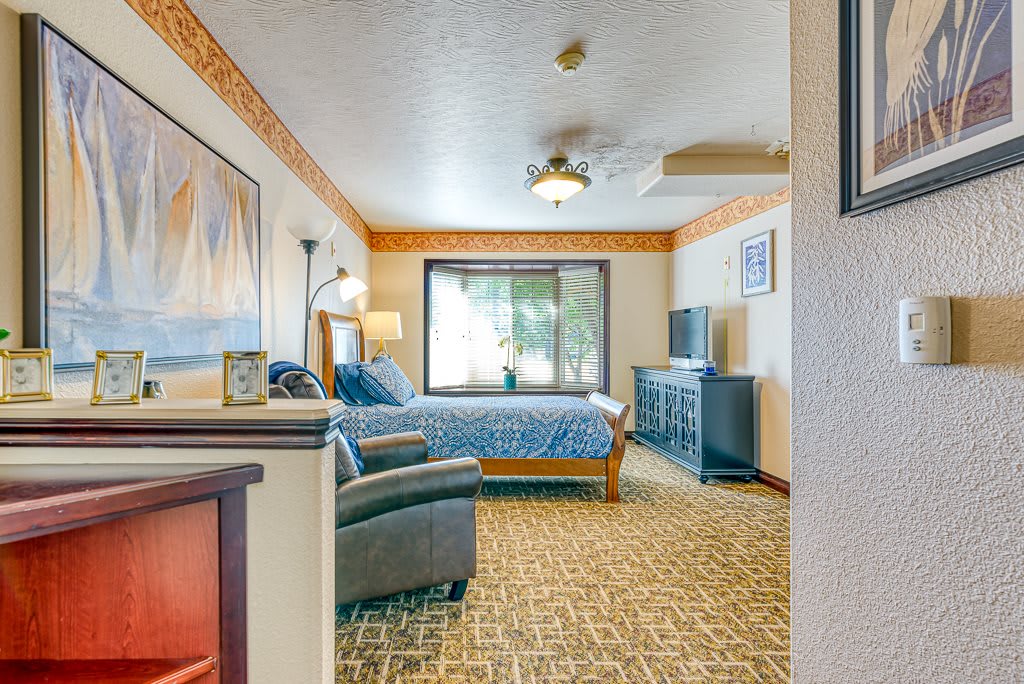
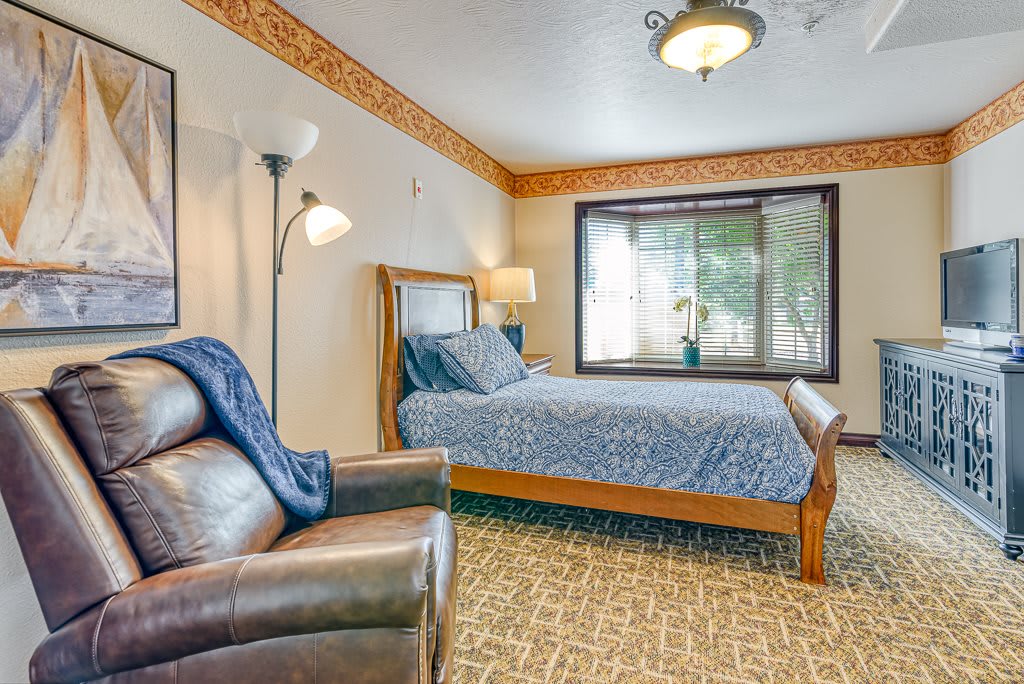
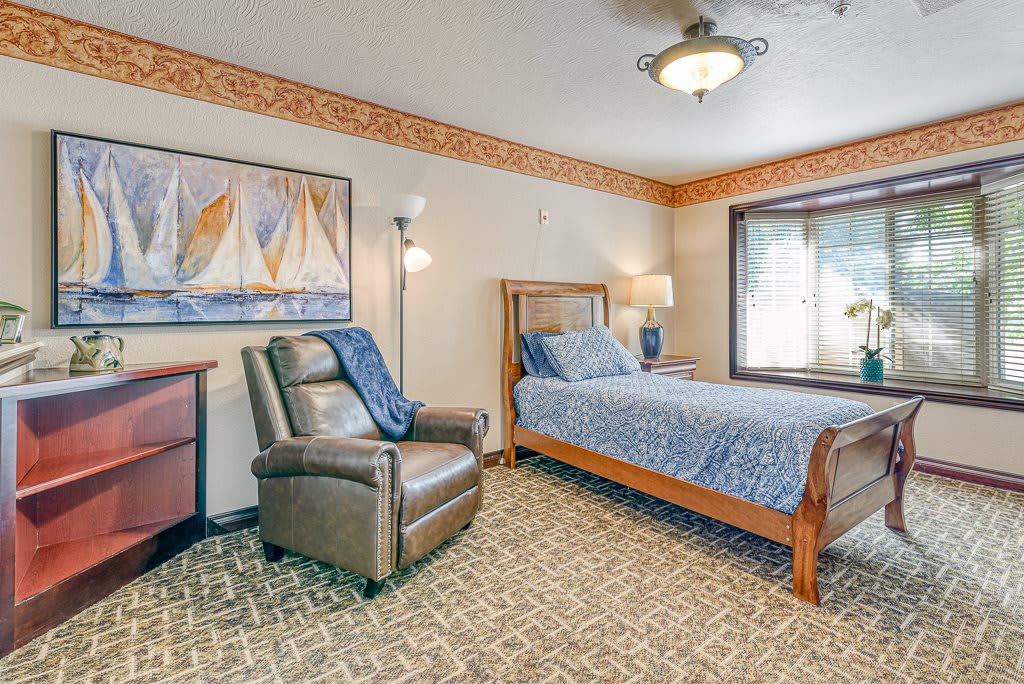
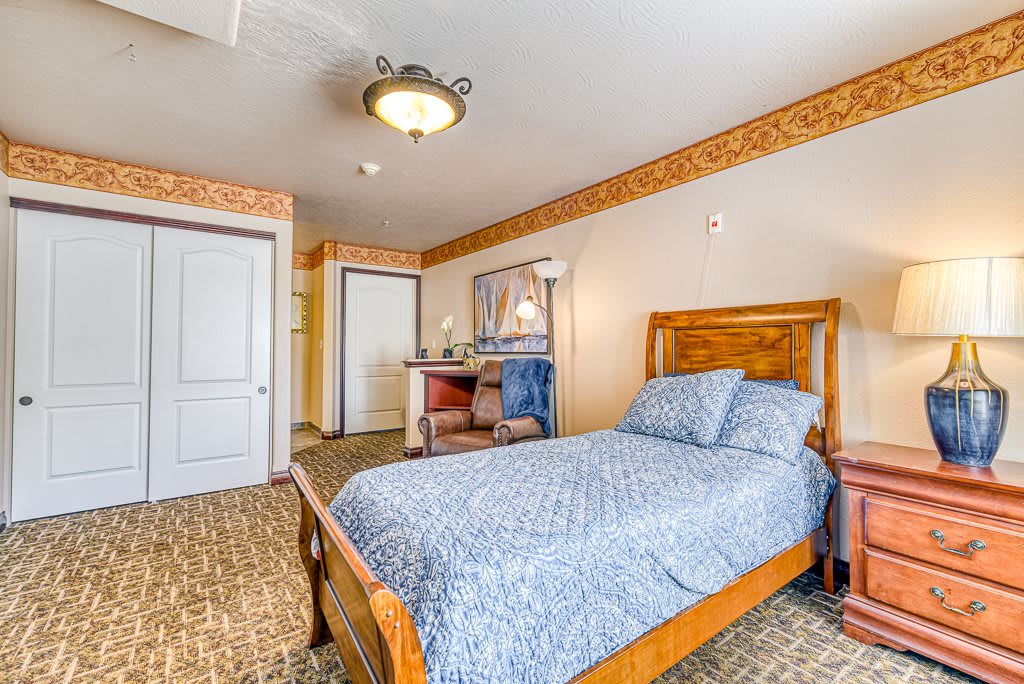
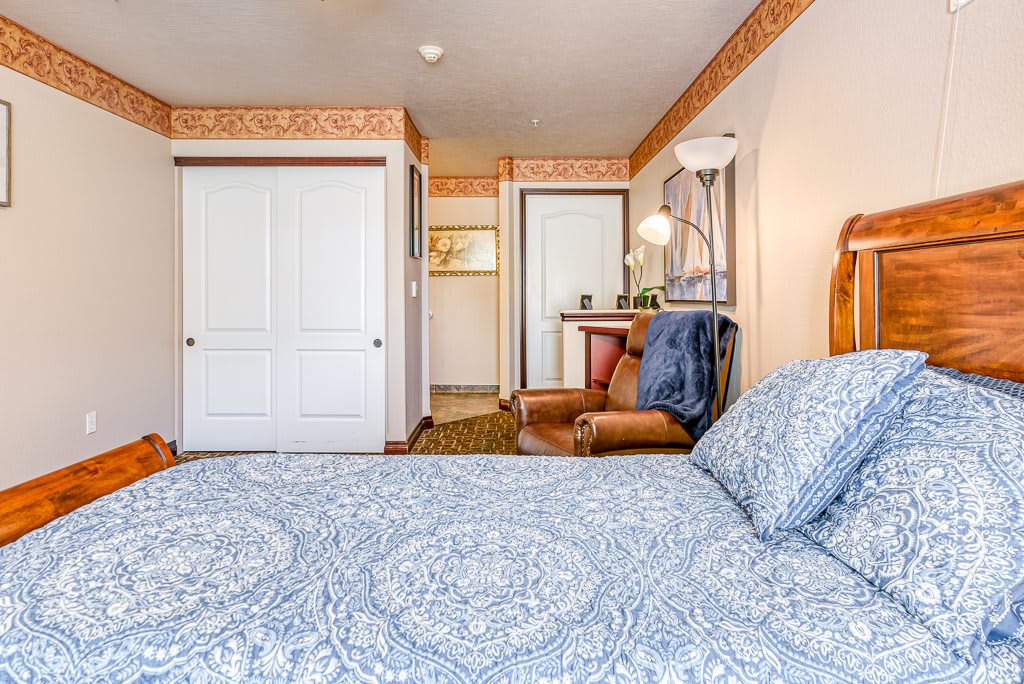
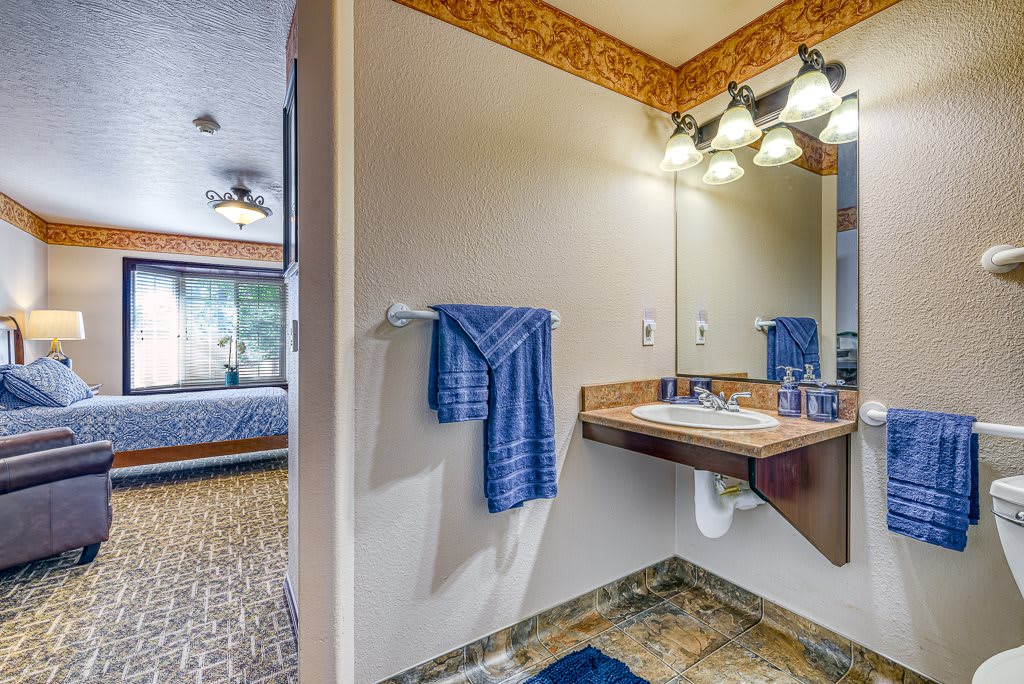
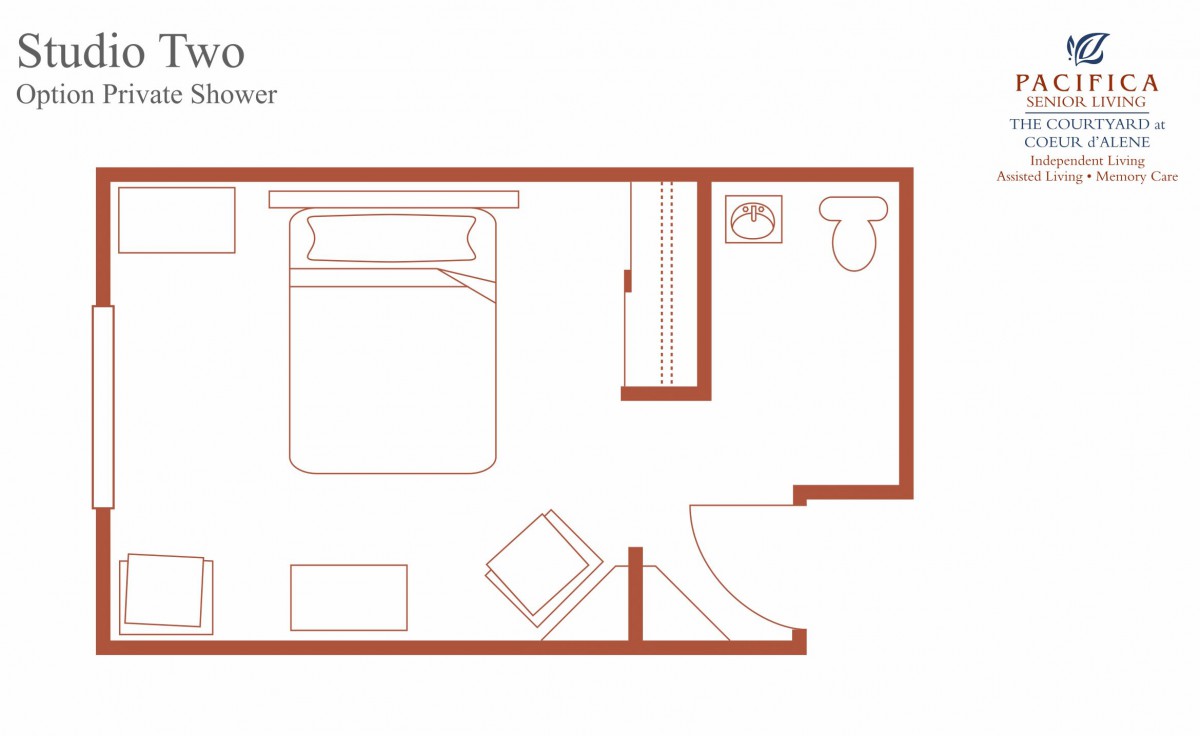
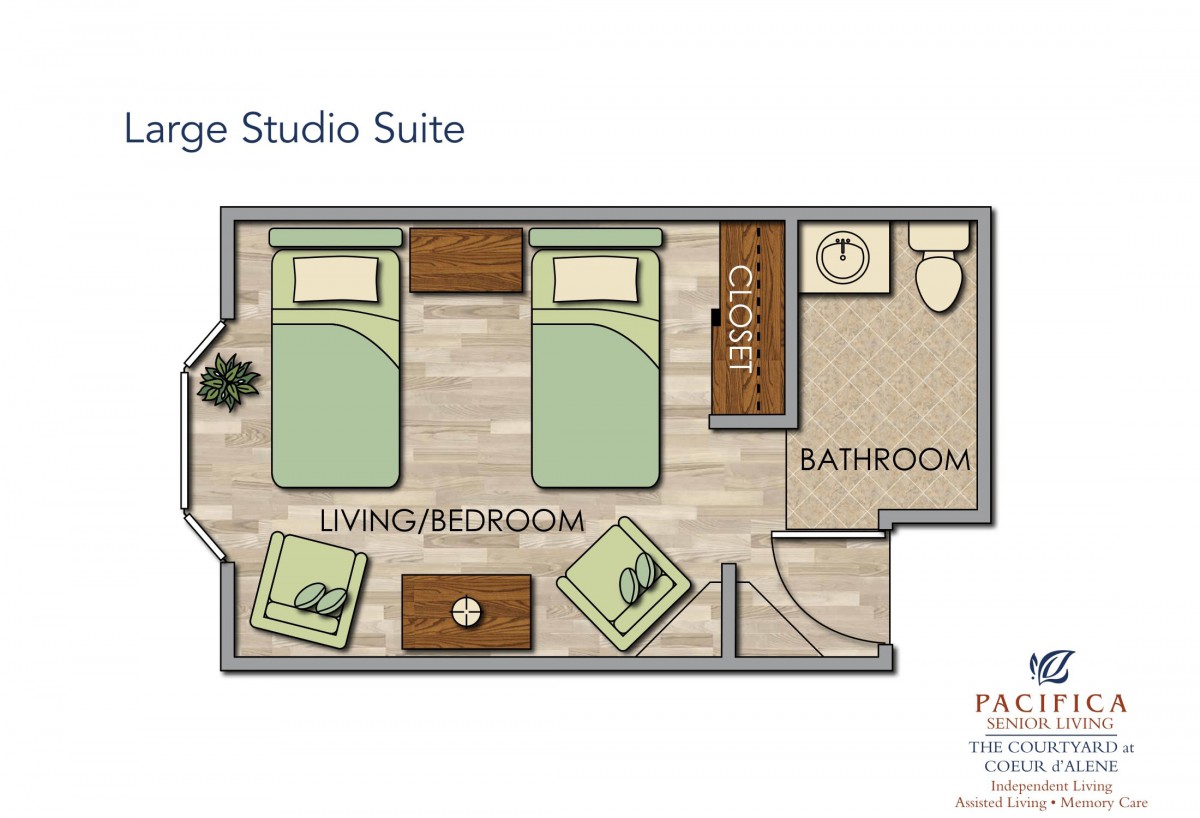
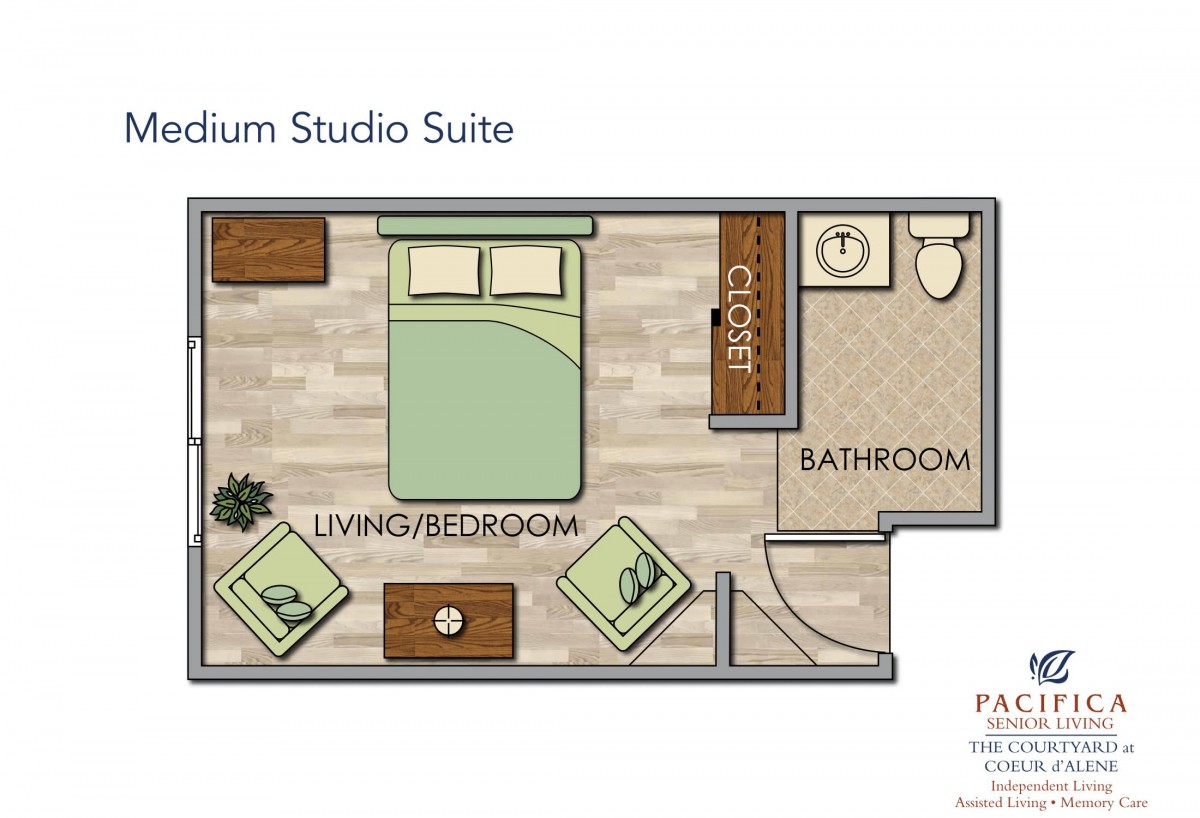
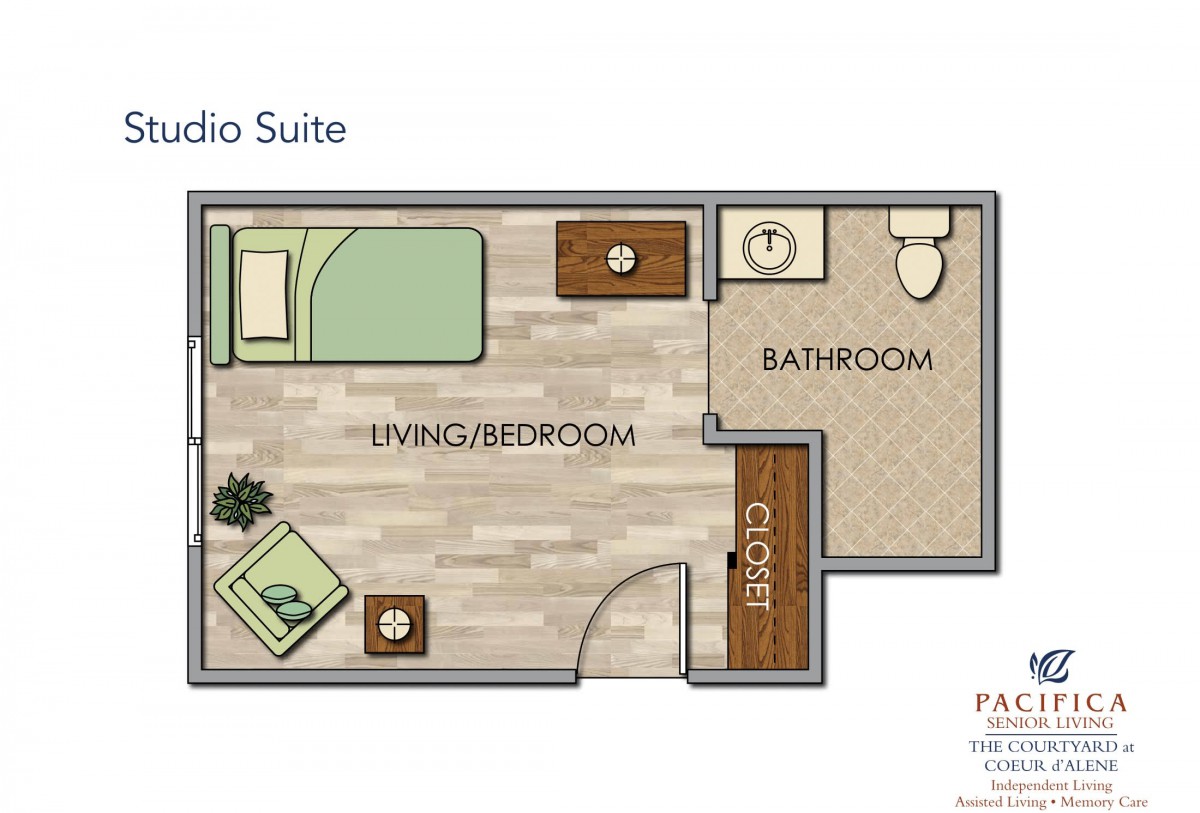
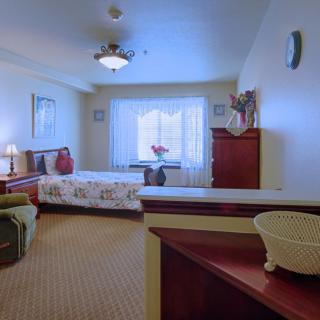
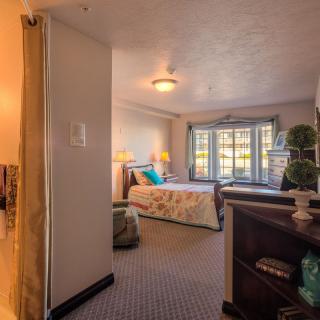
The Courtyard At Coeur d'Alene offers a studio room at a monthly cost of $3,600, which reflects the premium amenities and care provided at this facility. When comparing this price to the average costs in Kootenai County, which stand at $3,512, and in the broader context of Idaho, where the average is $3,213, it is evident that Courtyard At Coeur d'Alene positions itself slightly above both local and state averages. This pricing suggests a commitment to delivering enhanced services and an enriched living experience for its residents, catering to those who prioritize quality care and comfort in their chosen community.
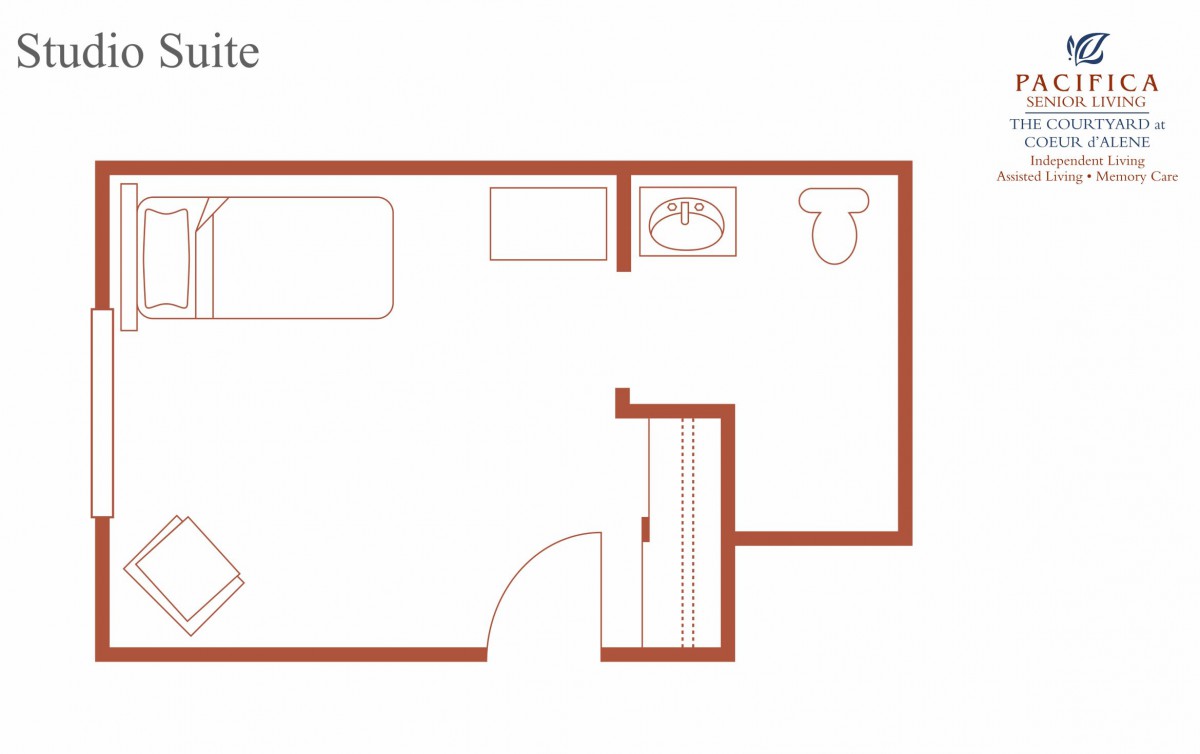
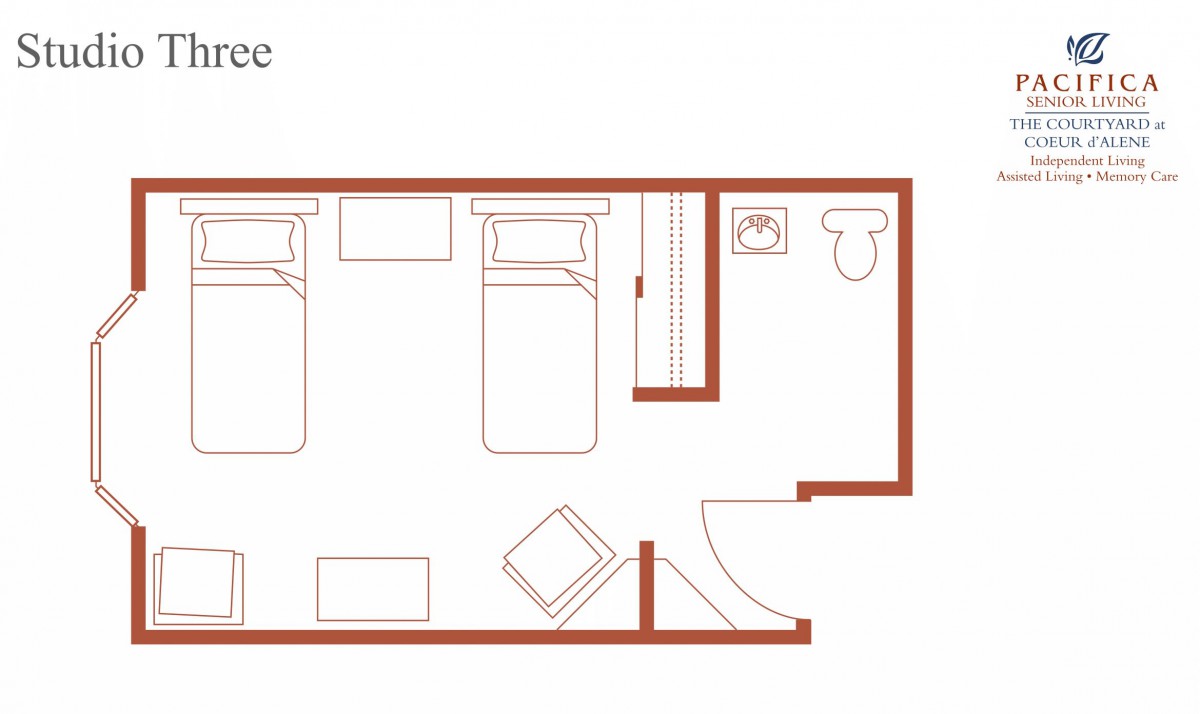
Floor plans
Courtyard At Coeur d'Alene
Kootenai County
Idaho
Studio
$3,600
$3,512
$3,213
Memory care communities with a similar price nearby
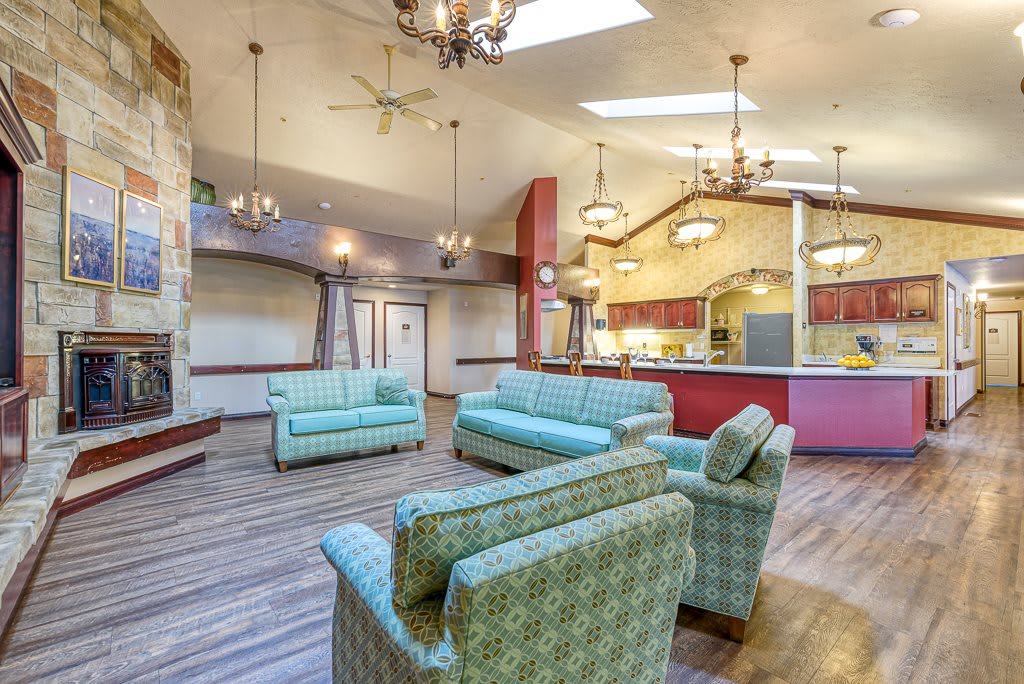
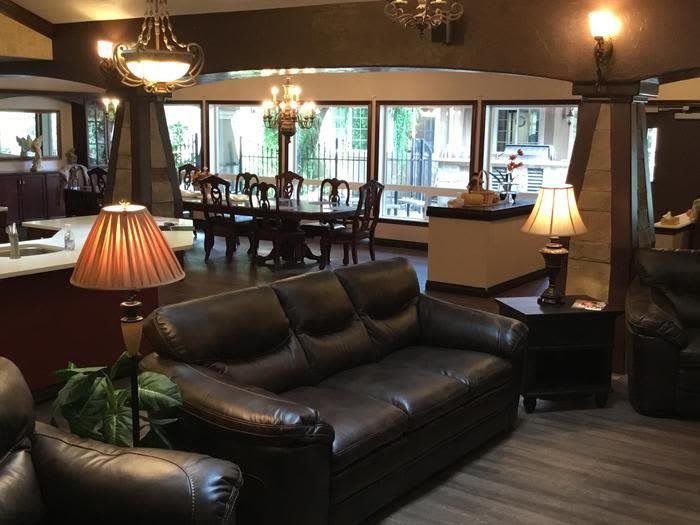
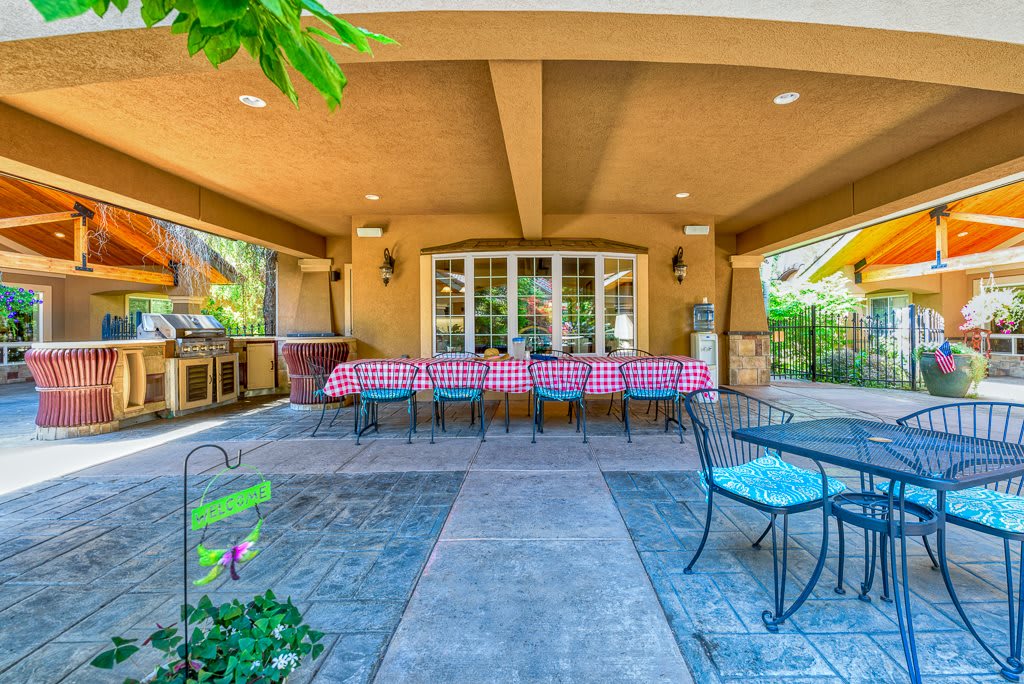
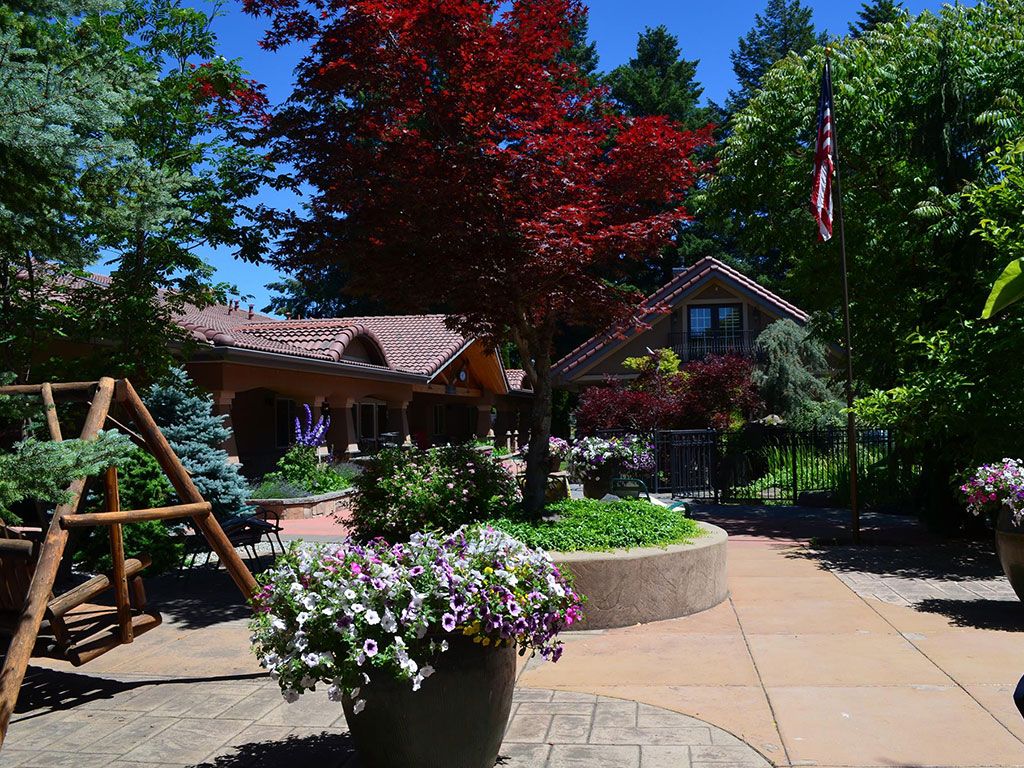
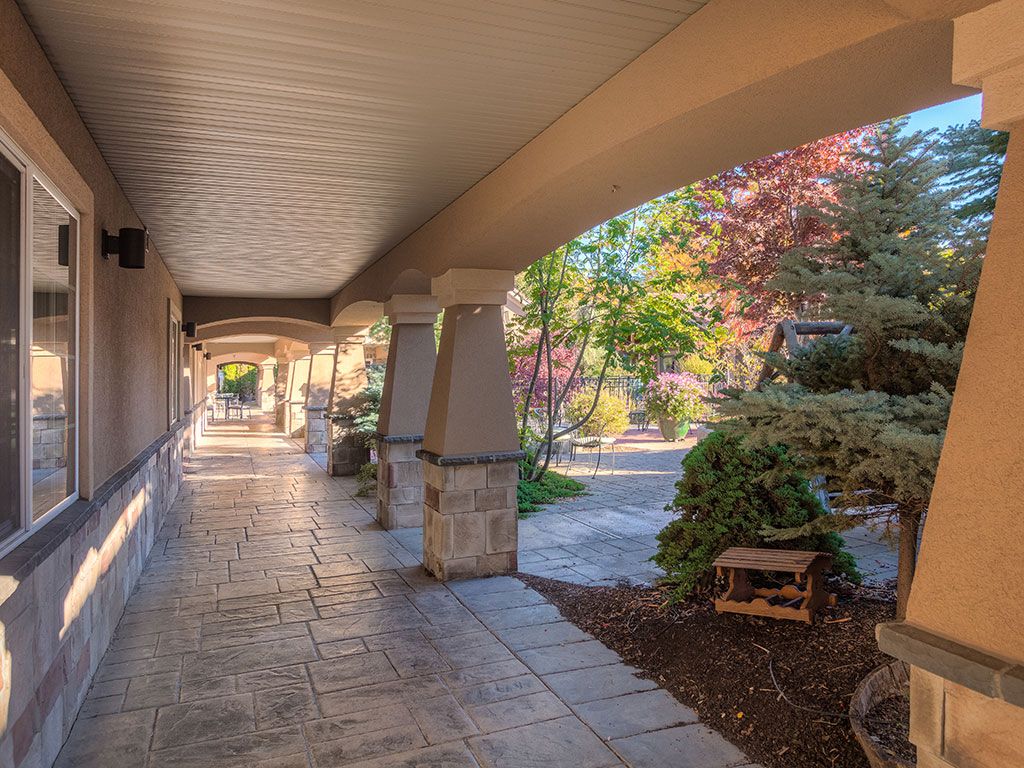
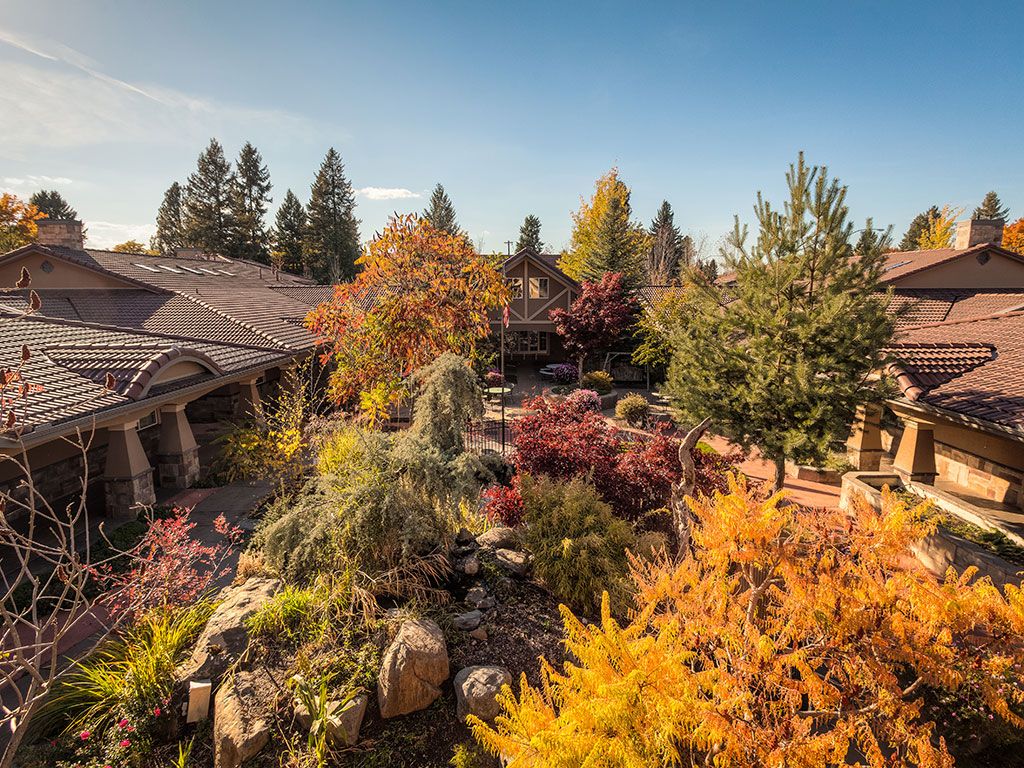
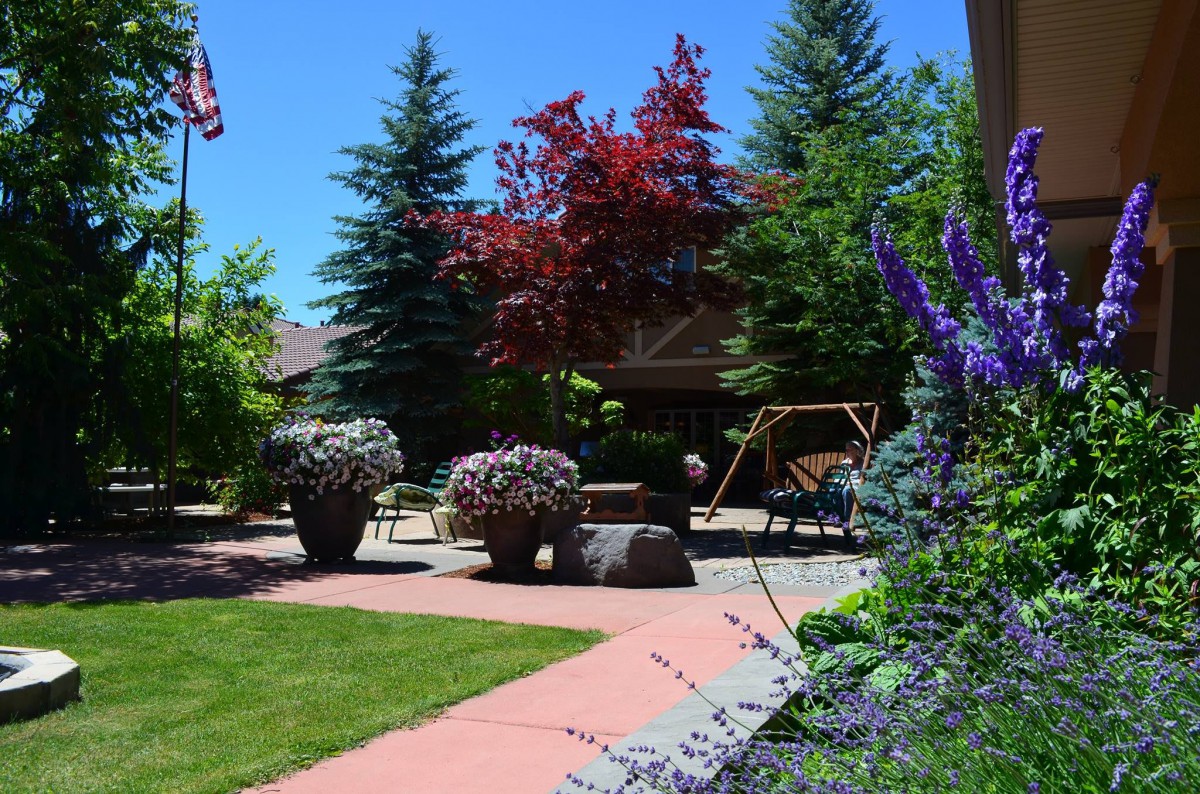
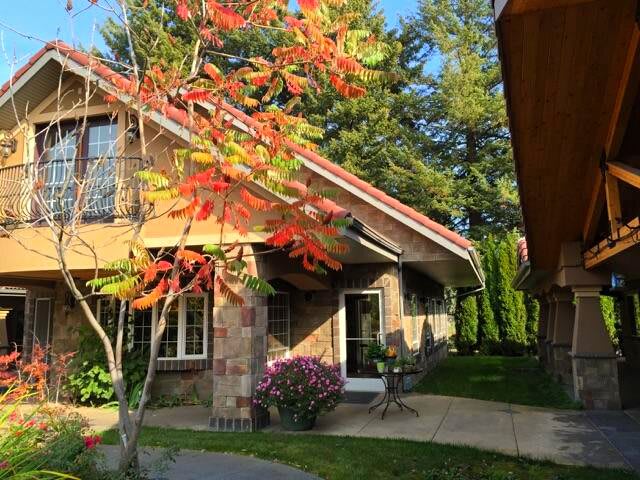
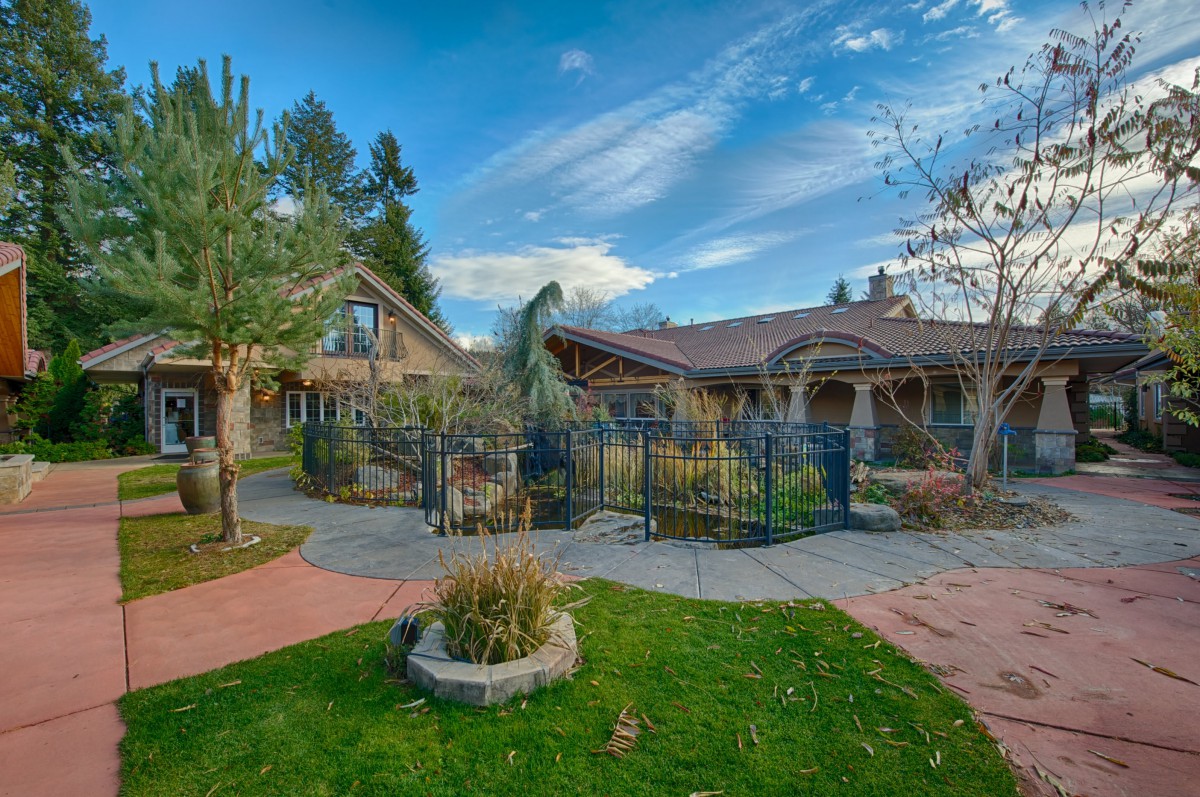
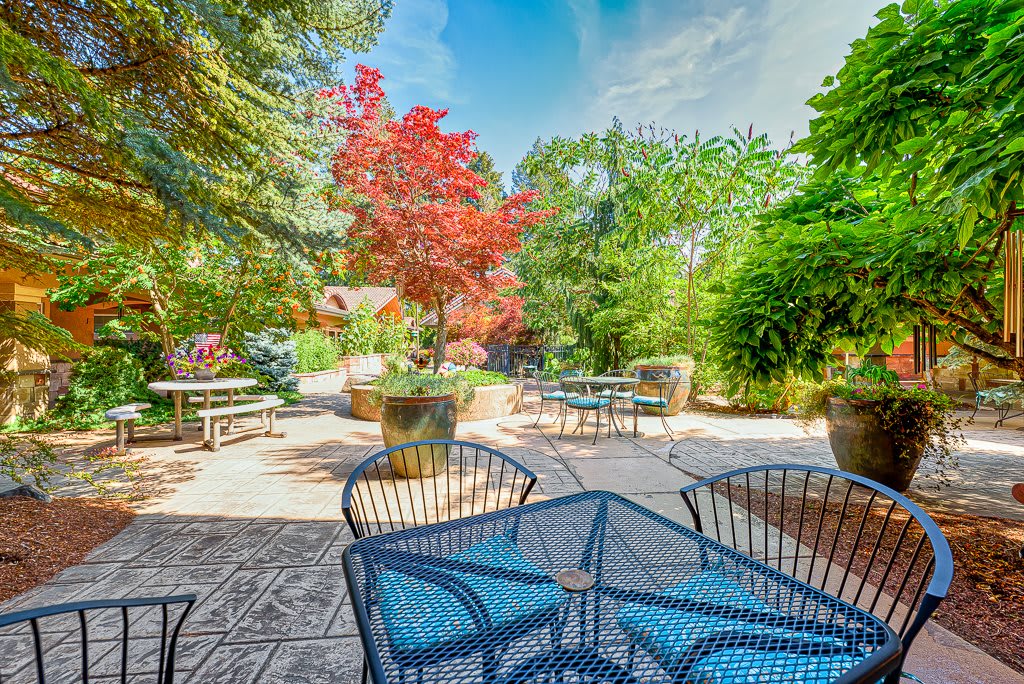
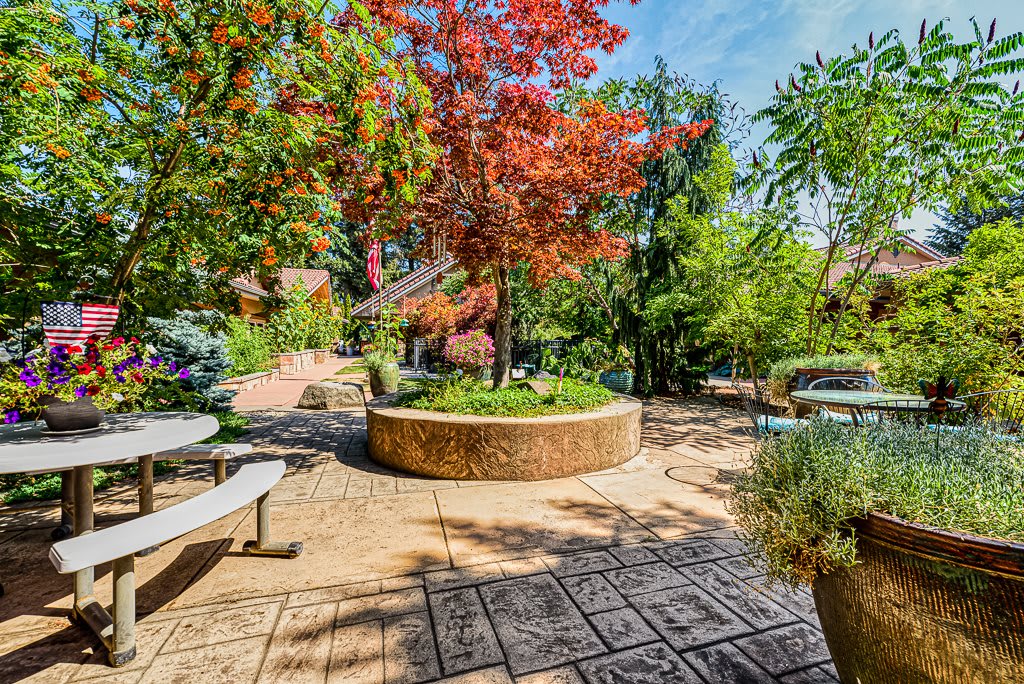
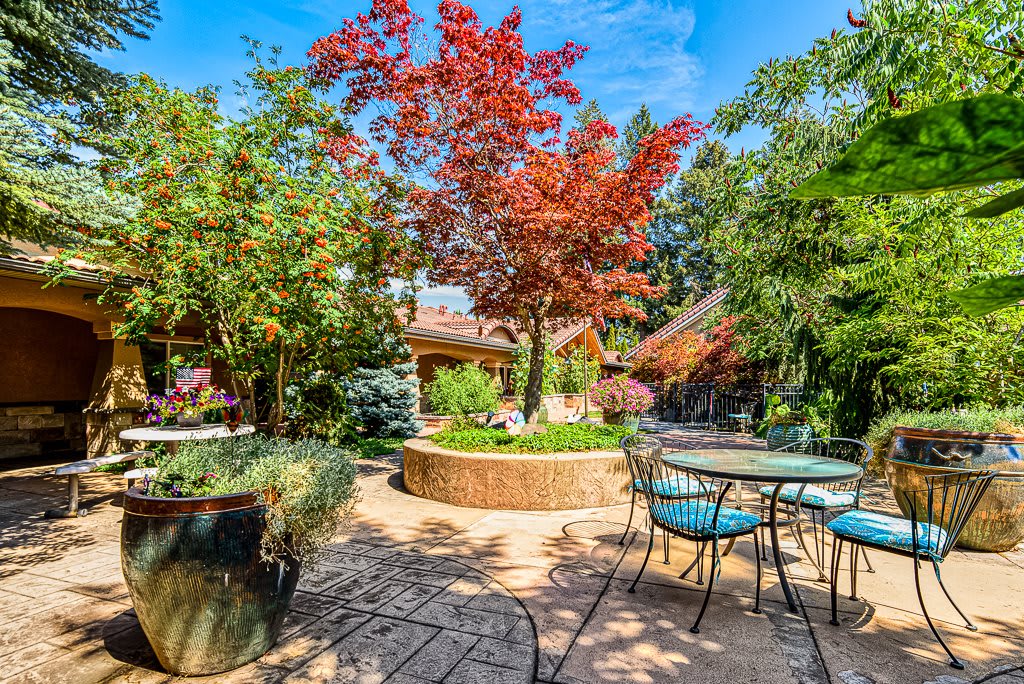
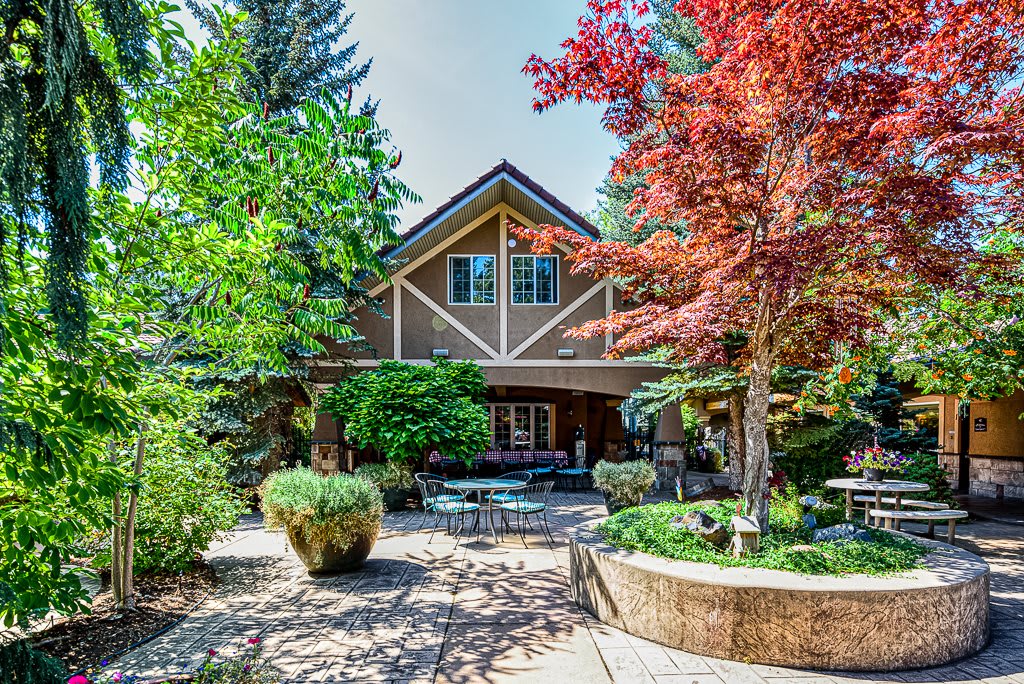
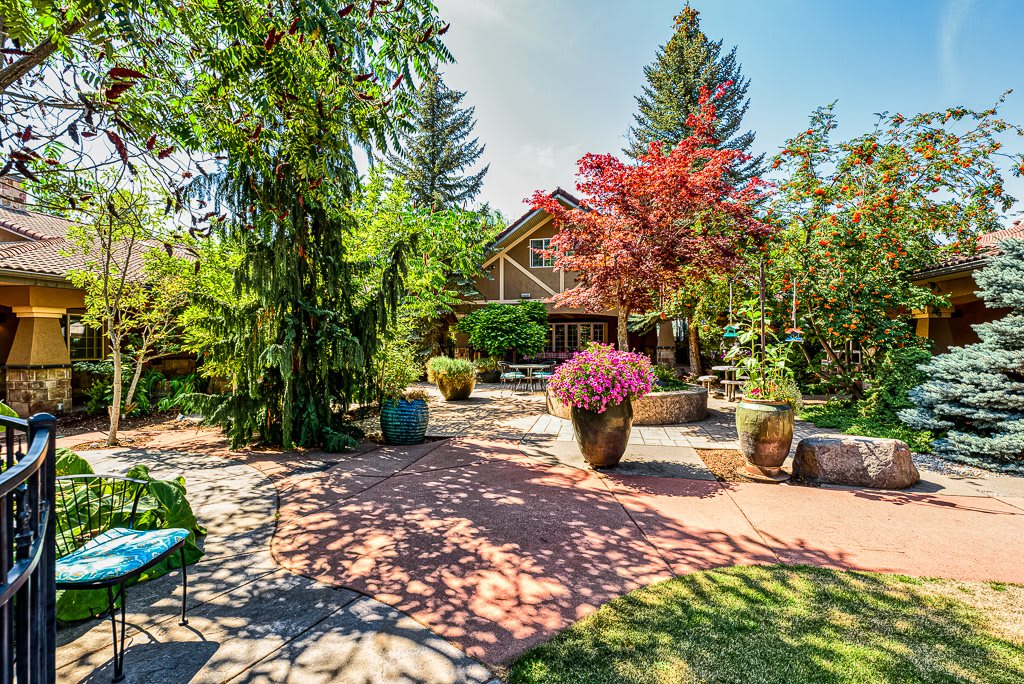
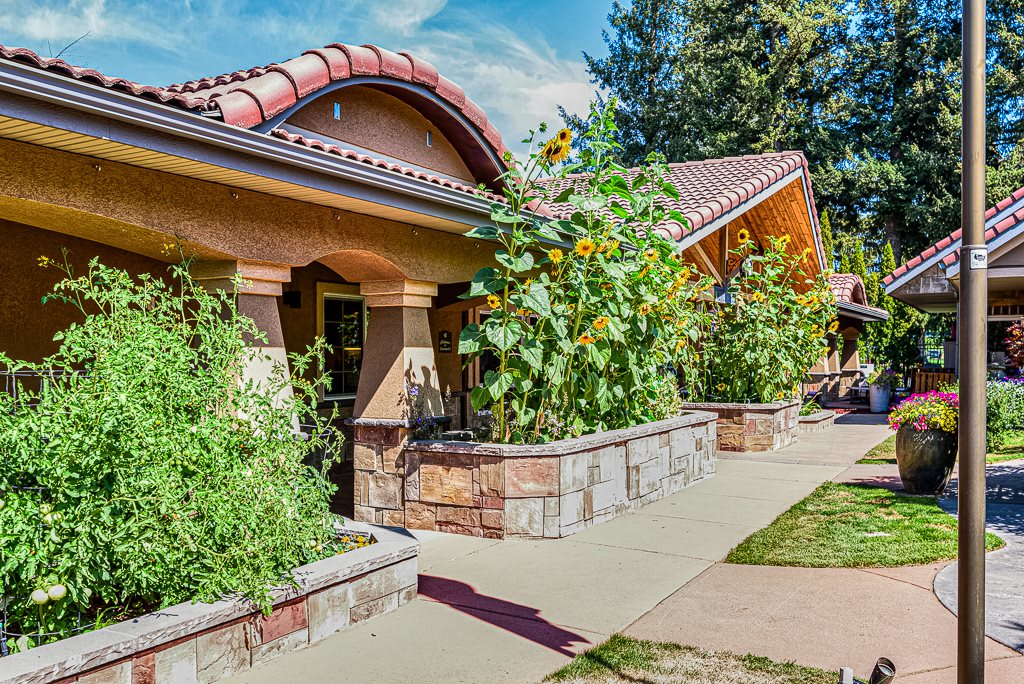
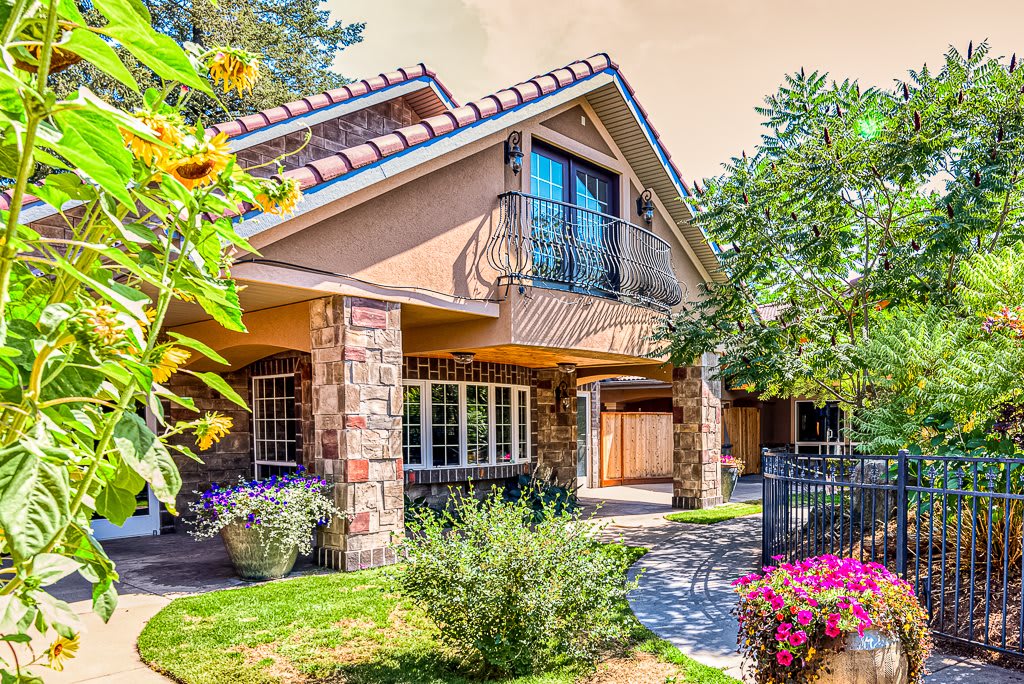
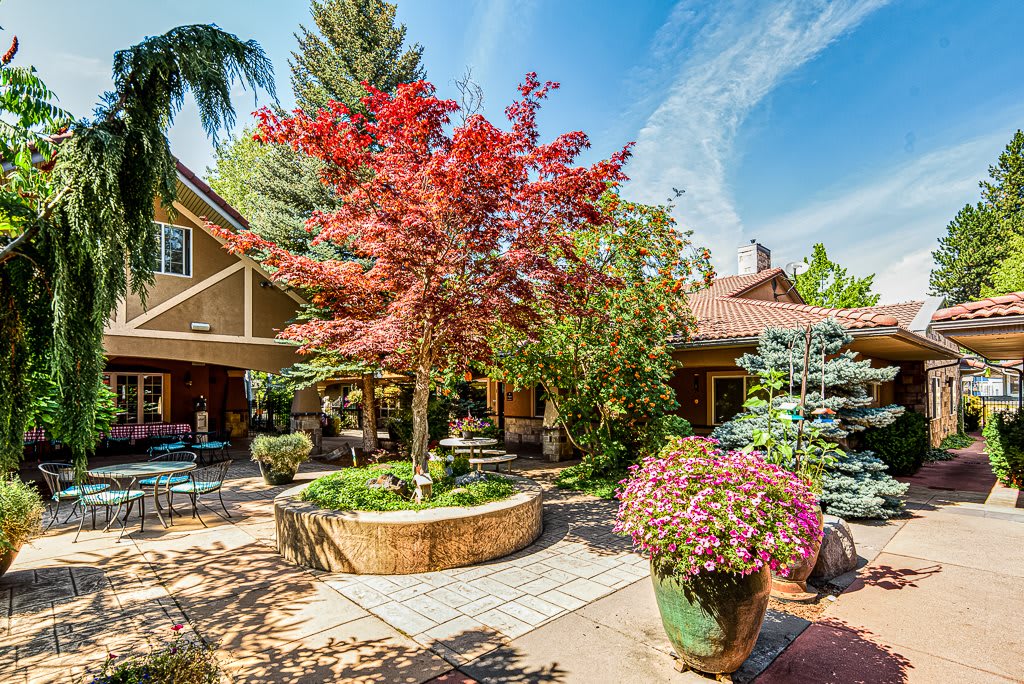
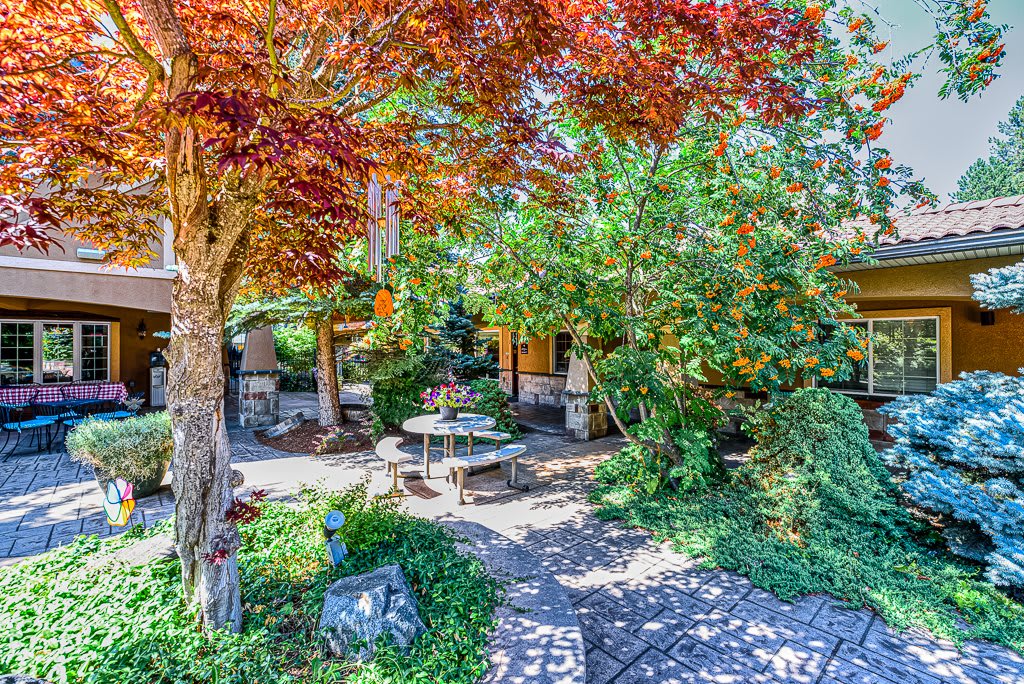
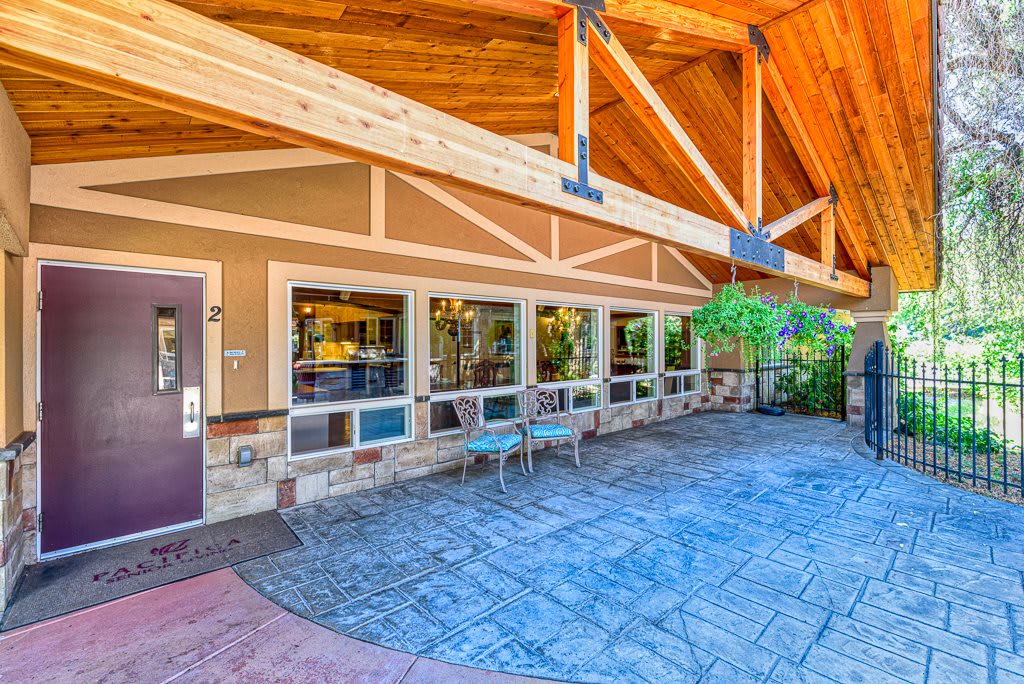
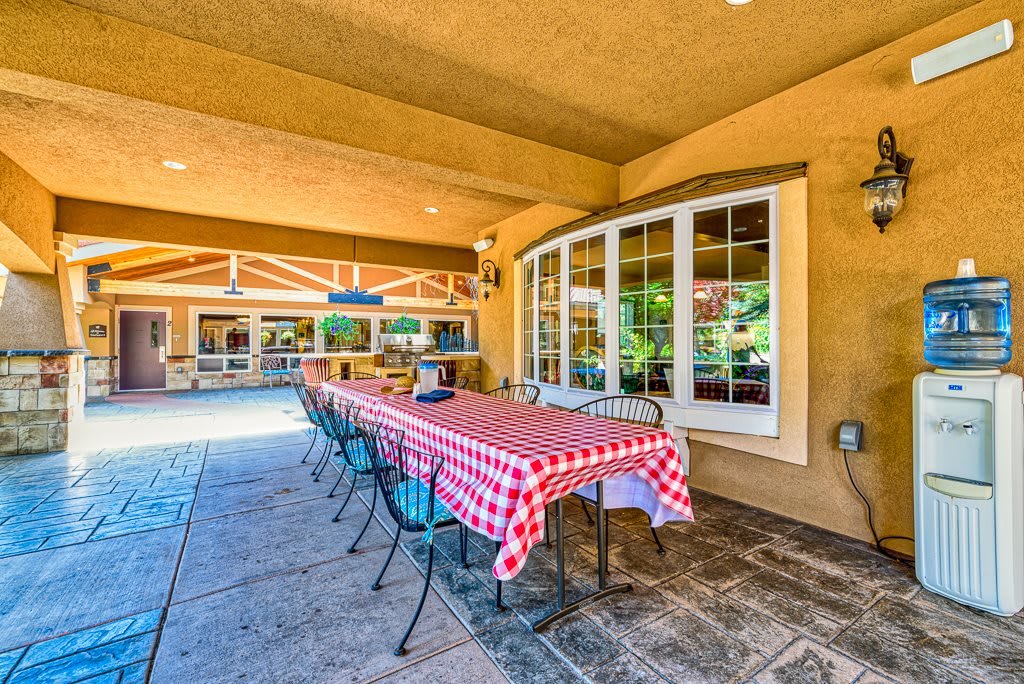
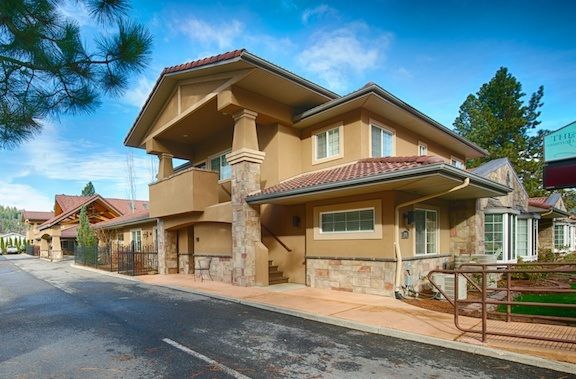
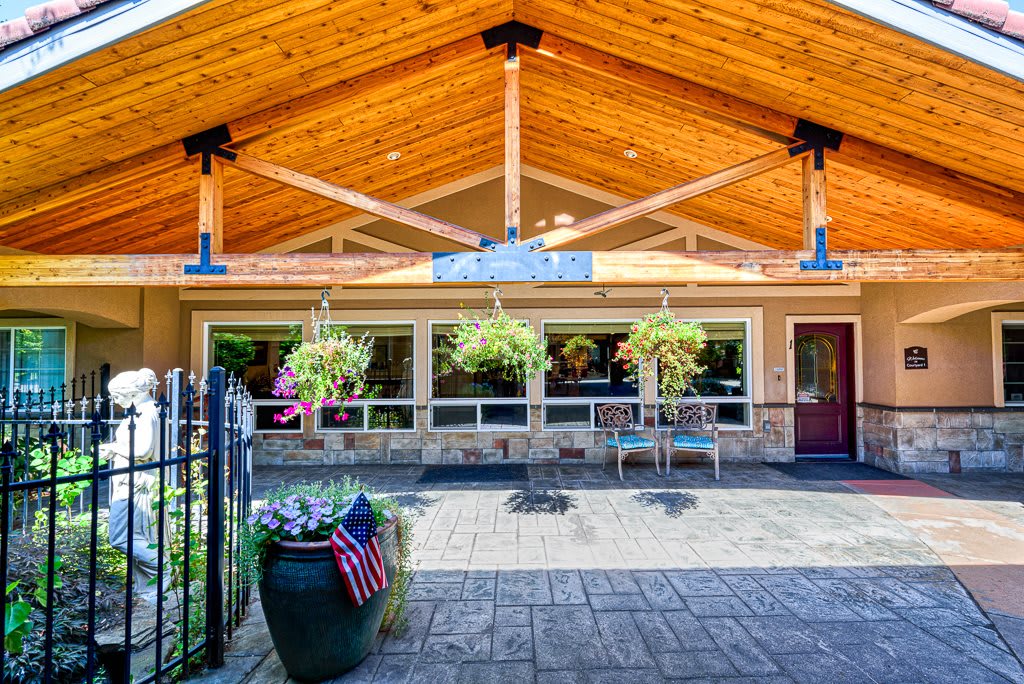
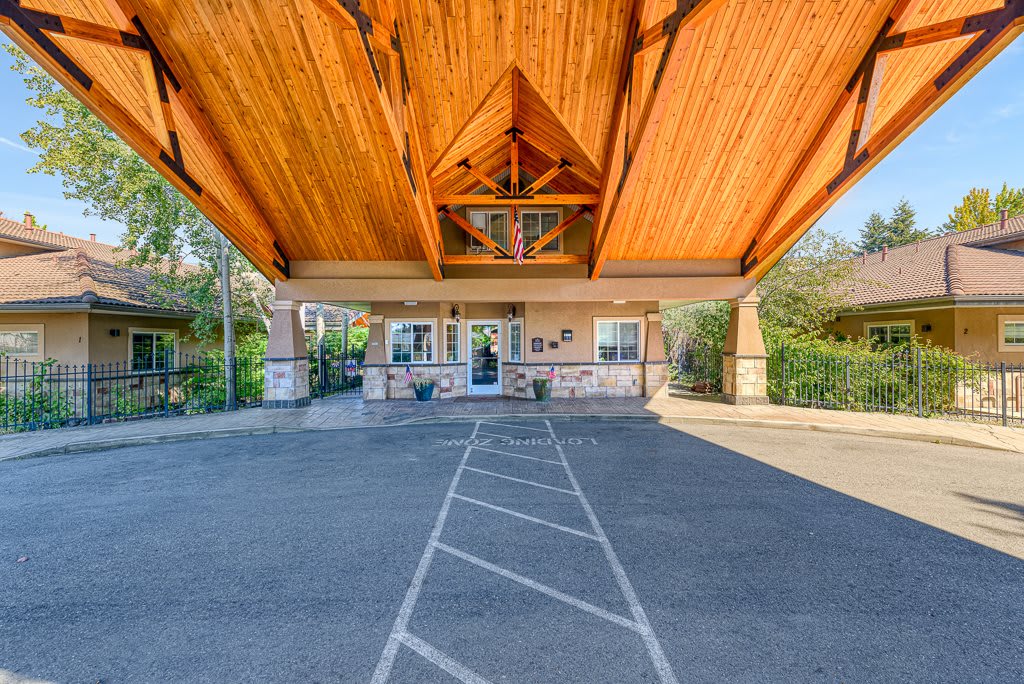
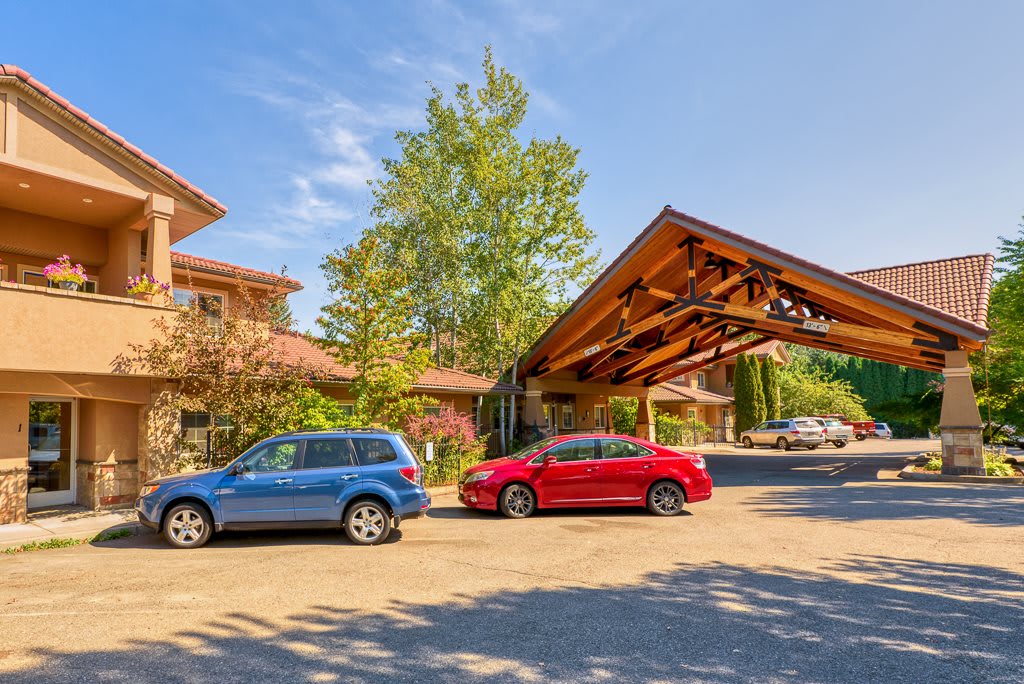
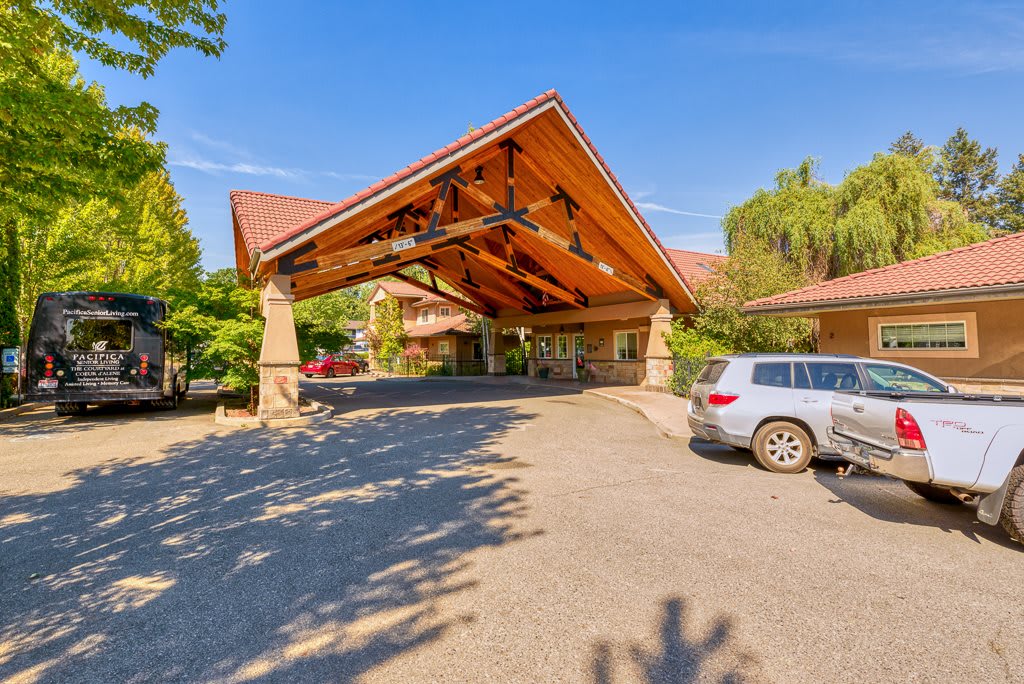
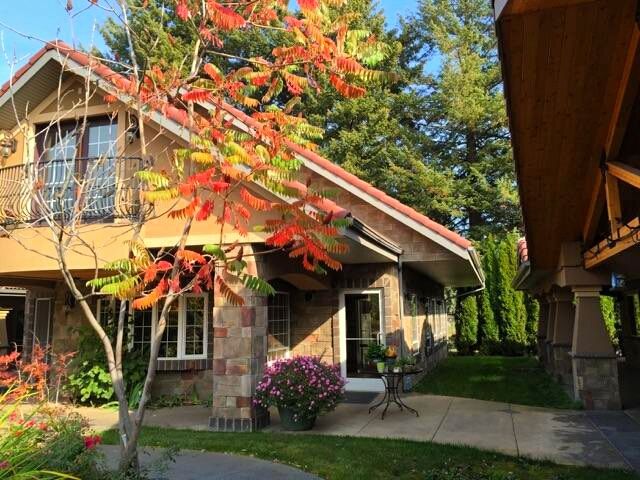
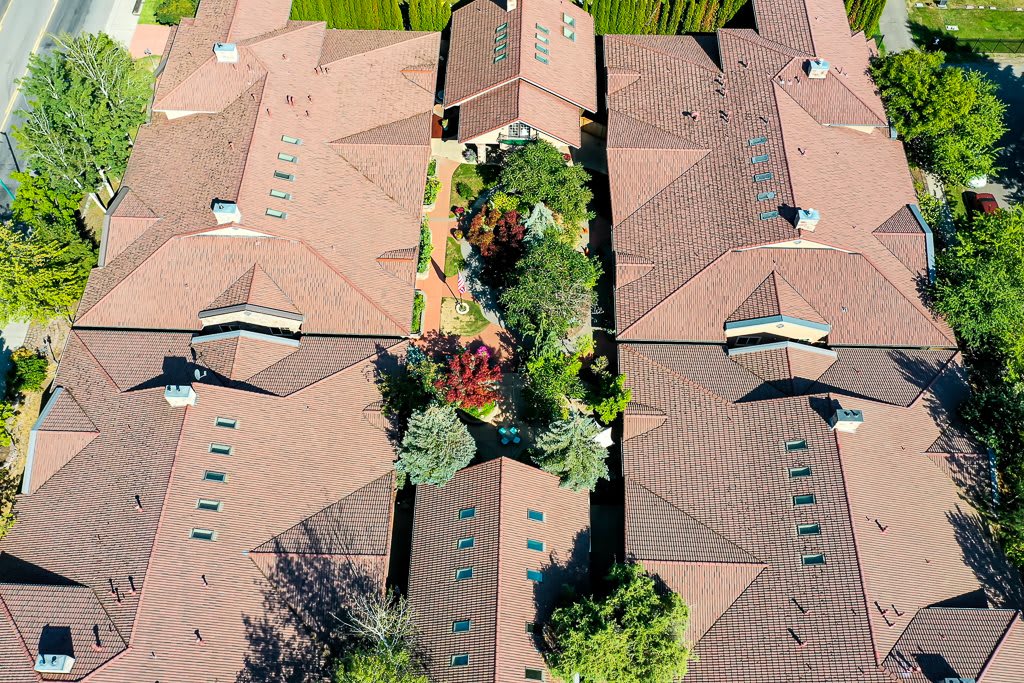
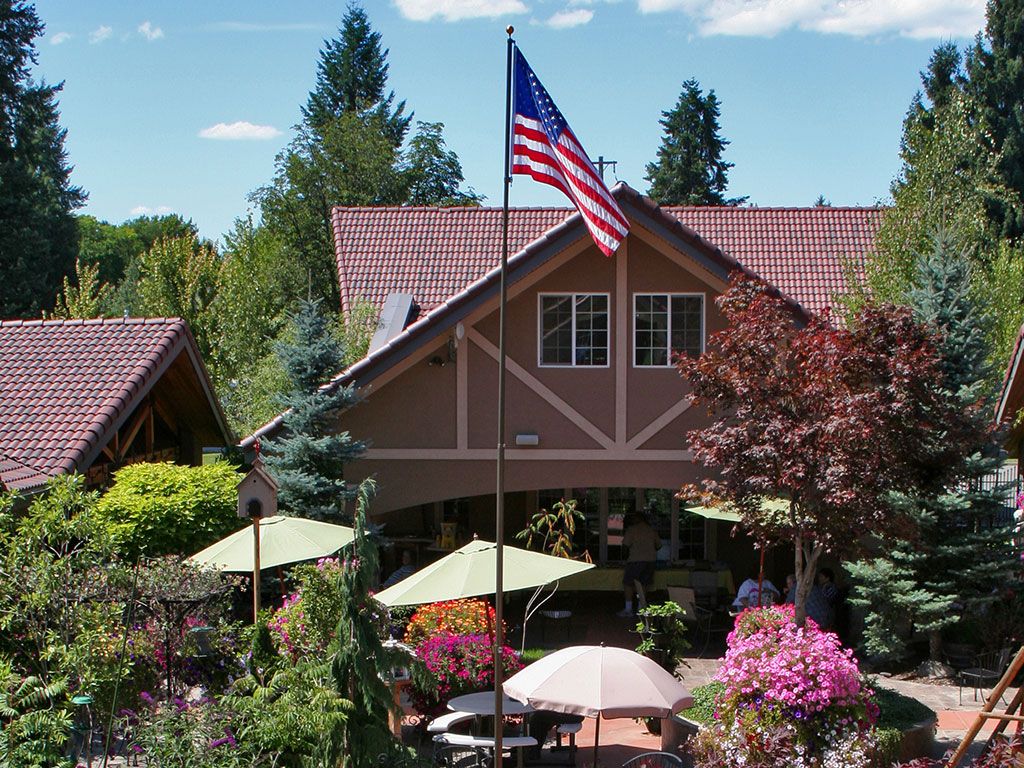
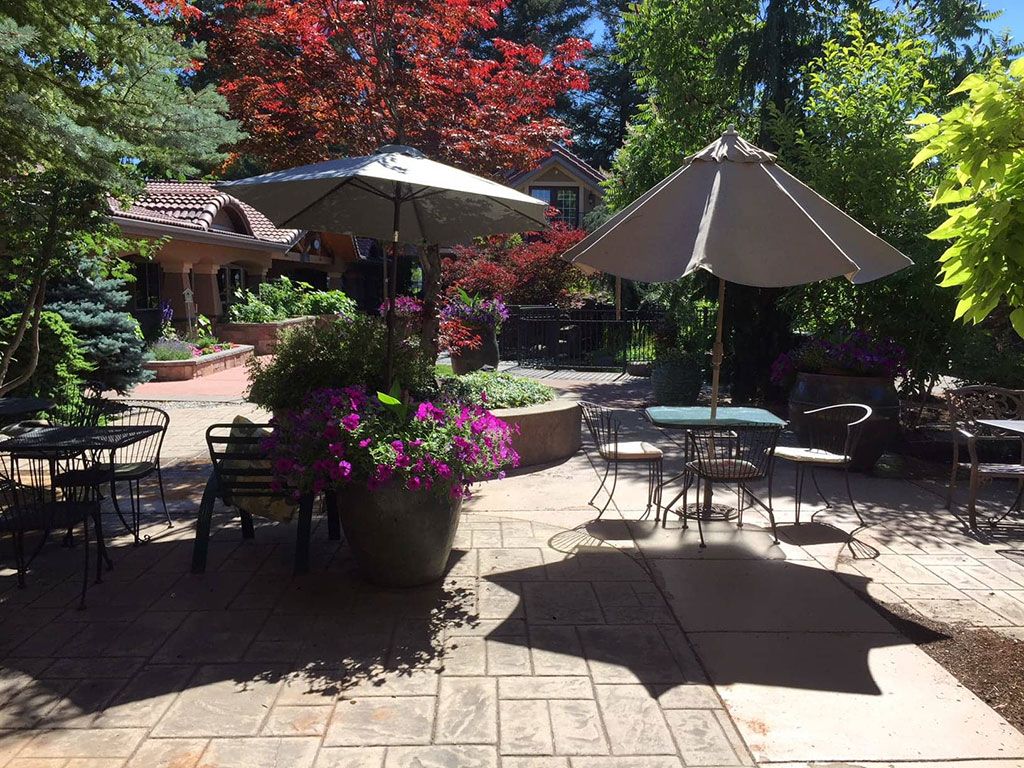
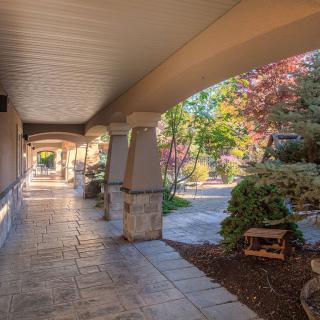
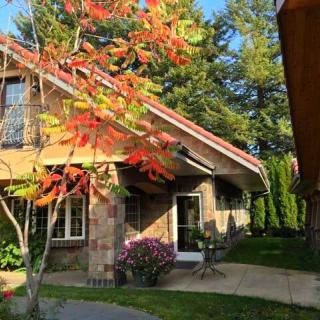
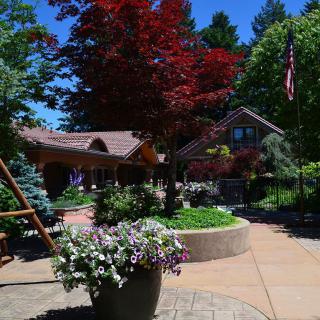
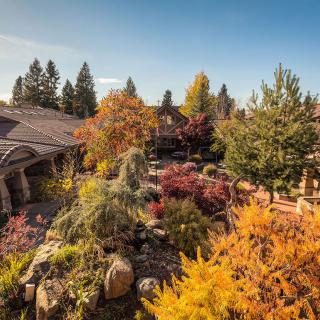
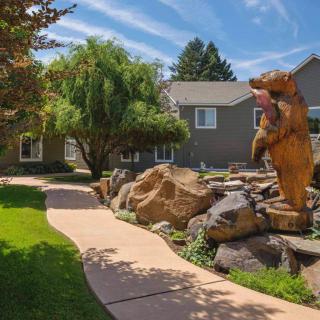
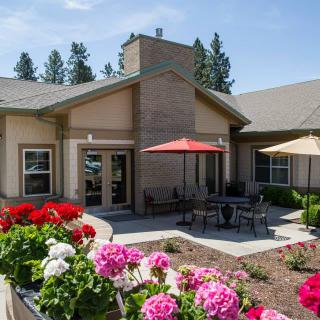
The courtyard-style grounds and outdoor features are a frequent highlight.
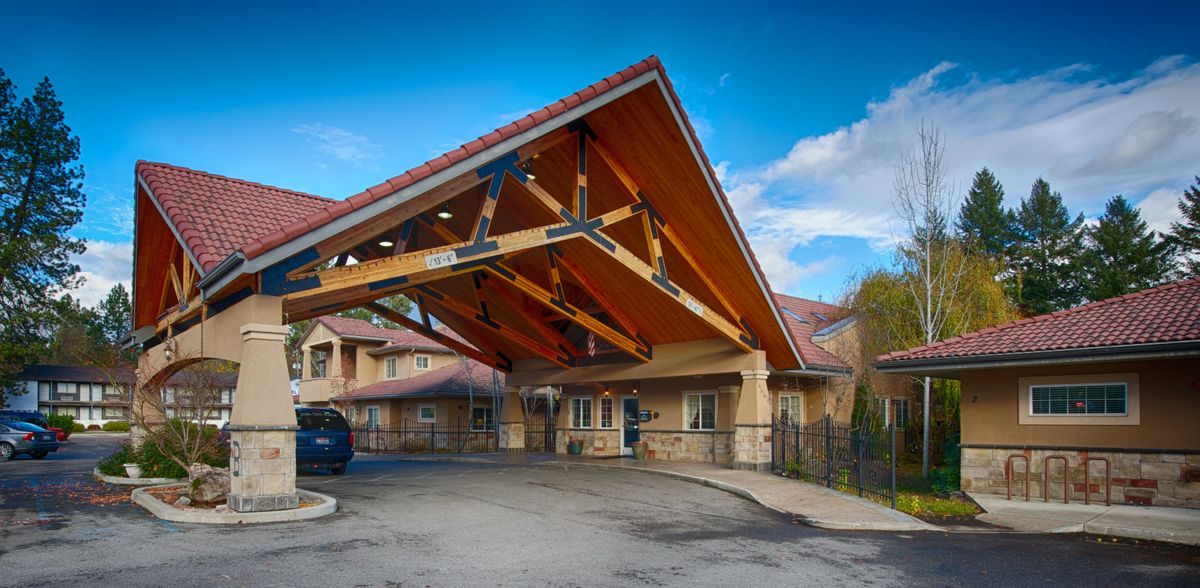
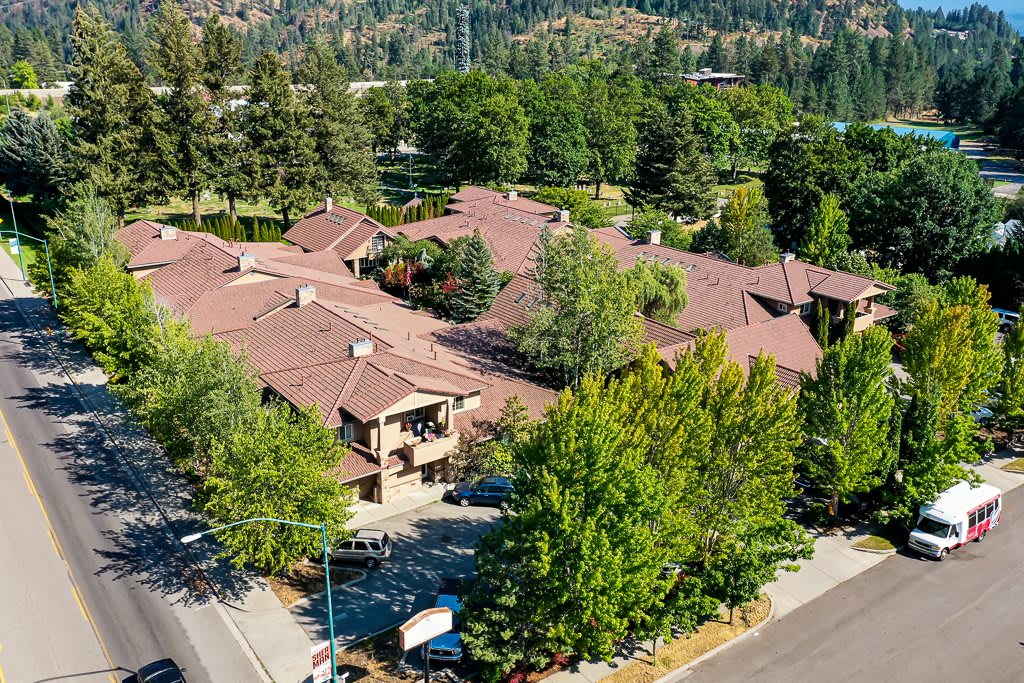
Residents and families describe the property as clean and well kept, with standout outdoor areas like courtyards and walking paths. Several people mention the overall layout feeling comfortable—beautiful common spaces with room for residents to have their own privacy. A few reviewers specifically bring up details like a fish pond and botanical surroundings, reinforcing that the setting is part of the day-to-day experience.
common30 reviews mention this
Caring, responsive staff
Residents and families consistently describe staff as kind and attentive.
Across the reviews, people repeatedly say caregivers are compassionate, patient, and supportive, and they communicate updates to families. Some reviews also say the staff anticipate needs and spend quality time with residents. The main downside mentioned around staffing is that a few families felt there were not enough people to meet demand, even while describing the team as caring.
common4 reviews mention this
Activities keep residents involved
Community activities and events are a common reason families feel at ease.
Reviews describe residents being engaged through regular events, including things like birthday celebrations and worship services. Families also mention ongoing community happenings such as BBQs, concerts, and bingo, with one reviewer saying residents get to participate almost daily. In memory care specifically, at least one review notes a support group for family members, which shows families are not just getting information but also a place to connect.
common3 reviews mention this
Meals and BBQs get praise
BBQs and meals come up positively in multiple reviews.
Some families highlight the community’s BBQs as a standout, mentioning them as memorable events. One reviewer also includes meals as part of their overall rating. While dining is discussed, it is not the only topic driving opinions—staff interactions and the setting appear to matter just as much in how people describe their experience.
caveat2 reviews mention this
Pricing is mixed
Pricing is described as either reasonable or steep depending on the situation.
One reviewer said the room and services rates felt reasonable, while another described pricing as steep for dementia care with a requirement to pay privately for a period before Medicaid reimbursement. Because these comments conflict, prospective residents may want to confirm the expected total cost for the level of care they need and how reimbursement timing works.
How we summarize
Counts show how many written reviews mention each theme; a review can touch several themes, and only frequently mentioned themes are displayed.
Features
Housing
64 resident community capacity
Types of Care
Assisted Living
Independent Living
Memory Care
Amenities
Activities off-site
Activities on-site
Air-conditioning
Bath tubs
Beautician on-site
Beauty salon
Cable or satellite TV
Computer center
Devotional services on-site
Dining room
Fitness room
Fully furnished
Gaming room
Garden
Ground floor units
Housekeeping services
Indoor common areas
Kitchenette
Move-in coordination
Outdoor common areas
Outdoor space
Pet friendly
Private bathrooms
Restaurant-style dining
Small library
Telephone
Wellness center
Wheelchair accessible showers
Wi-Fi/high-speed internet available
Transportation
Community operated transportation
Transportation arrangement
Transportation arrangement (non-medical)
Care Services
12-16 hour nursing
24-hour call system
24-hour supervision
Activities of daily living assistance
Ambulatory care
Assistance with bathing
Assistance with dressing
Assistance with transfers
Coordination with health care providers
Dementia waiver
Diabetes diet
Diabetic care
High acuity care
Hospice waiver
Incontinence care
Meal preparation and service
Medication management
Mental wellness program
Mild cognitive impairment
Special dietary restrictions
Specialized memory care programming
Transportation arrangement (medical)
Transportation to doctors appointments
Dining
Diabetes diet
Guest meals
Meals provided
Special dietary restrictions
Vegetarian
Activities
Art classes
Catholic services
Community-sponsored activities
Concierge services
Day trips and outings
Devotional activities on-site
Educational speakers / life long learning
Fitness programs
Happy hour
Live dance or theater performances
Live musical performances
Other religious services
Planned day trips
Resident-run activities
Scheduled daily activities
Stretching classes
Visiting chaplain or priest
Nearby Places of Interest
This area of Coeur d'Alene, Idaho, offers a variety of amenities and services that cater to the needs of seniors. With several physicians, including specialists like oral surgeons and eye care providers, in close proximity, residents have easy access to healthcare services. The abundance of cafes and restaurants within walking distance provide opportunities for socializing and enjoying meals outside of the home. Additionally, the nearby parks offer scenic spots for leisurely walks and outdoor activities. The availability of pharmacies and hospitals in the vicinity ensures convenient access to medications and medical care in case of emergencies. Overall, this part of Coeur d'Alene provides a well-rounded environment for senior living with a focus on health, entertainment, and convenience.
Physicians
Absolute Hearing Aid Center (0.1 miles)
Coeur D'alene Oral Surgery (0.7 miles)
Mind Q PA (1.4 miles)
Hutchinson Edwin PhD (1.4 miles)
Direct Radiology (2 miles)
North Idaho Eye Institute (2.1 miles)
Kootenai Clinic Diabetes and Endocrinology (2.2 miles)
Restaurants
Michael D's Eatery (0.1 miles)
Junior's Cocina Mexicana (0.2 miles)
Jimmy's Down the Street (0.3 miles)
Moon Time (0.3 miles)
Roger's Ice Cream & Burgers (0.6 miles)
Crafted Tap House & Kitchen (1 miles)
Bier Haus (1 miles)
Parks
Tubbs Hill (0.9 miles)
McEuen Park (1.1 miles)
Cherry Hill (1.2 miles)
Independence Point (1.5 miles)
City Park (1.5 miles)
Cafes
Coeur D'Alene Coffee C (1.1 miles)
Woops! (1.2 miles)
Vault Coffee (1.2 miles)
Calypsos Coffee & Creamery (1.3 miles)
Starbucks (2.1 miles)
Dutch Bros Coffee (2.4 miles)
CK Coffee (2.6 miles)
Places of Worship
Thirst - College Age - Young Adults (1.2 miles)
Pharmacies
Safeway Food & Drug (1.4 miles)
Rite Aid (2.1 miles)
Interlake Pharmacy (2.2 miles)
Walgreens (2.5 miles)
Medicine Man Pharmacy (2.7 miles)
Hospitals
Long Beach Memorial Med Center (1.4 miles)
Kootenai Occupational Medicine (2.2 miles)
Kootenai Health (2.4 miles)
Emergency Room, Kootenai Medical Center (2.4 miles)
The Courtyard At Coeur d'Alene offers a studio room at a monthly cost of $3,600, which reflects the premium amenities and care provided at this facility. When comparing this price to the average costs in Kootenai County, which stand at $3,512, and in the broader context of Idaho, where the average is $3,213, it is evident that Courtyard At Coeur d'Alene positions itself slightly above both local and state averages. This pricing suggests a commitment to delivering enhanced services and an enriched living experience for its residents, catering to those who prioritize quality care and comfort in their chosen community.
The features offered at Courtyard At Coeur d'Alene are specifically designed to enhance the quality of life for residents with dementia or Alzheimer's disease. The 24-hour supervision ensures that residents receive constant monitoring and immediate assistance, promoting safety and security. By providing activities of daily living assistance, including help with bathing, dressing, and transfers, staff can support personal hygiene and mobility, which can be challenging for individuals facing cognitive decline. Coordination with healthcare providers ensures a holistic approach to care, while the dementia waiver allows tailored services based on individual needs. Incontinence care is handled with dignity, meal preparation caters to nutritional requirements, and medication management helps prevent complications from missed doses. Additionally, a mental wellness program fosters engagement and emotional health through specialized memory care programming that stimulates cognitive function. Transportation arrangements facilitate access to necessary medical appointments, ensuring comprehensive support throughout all stages of dementia care.
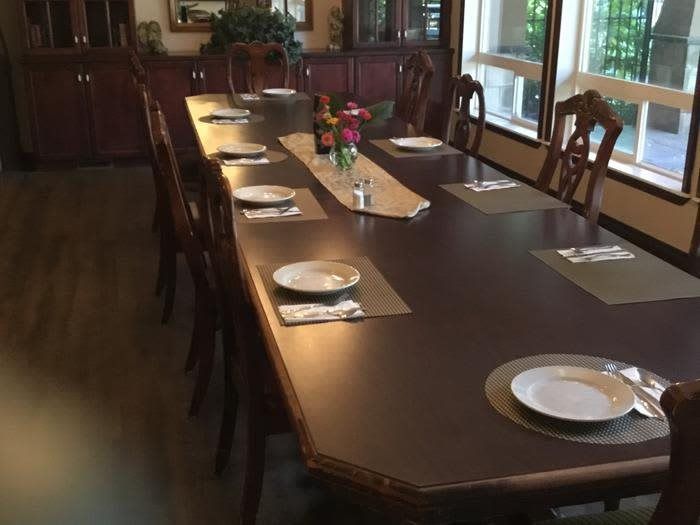
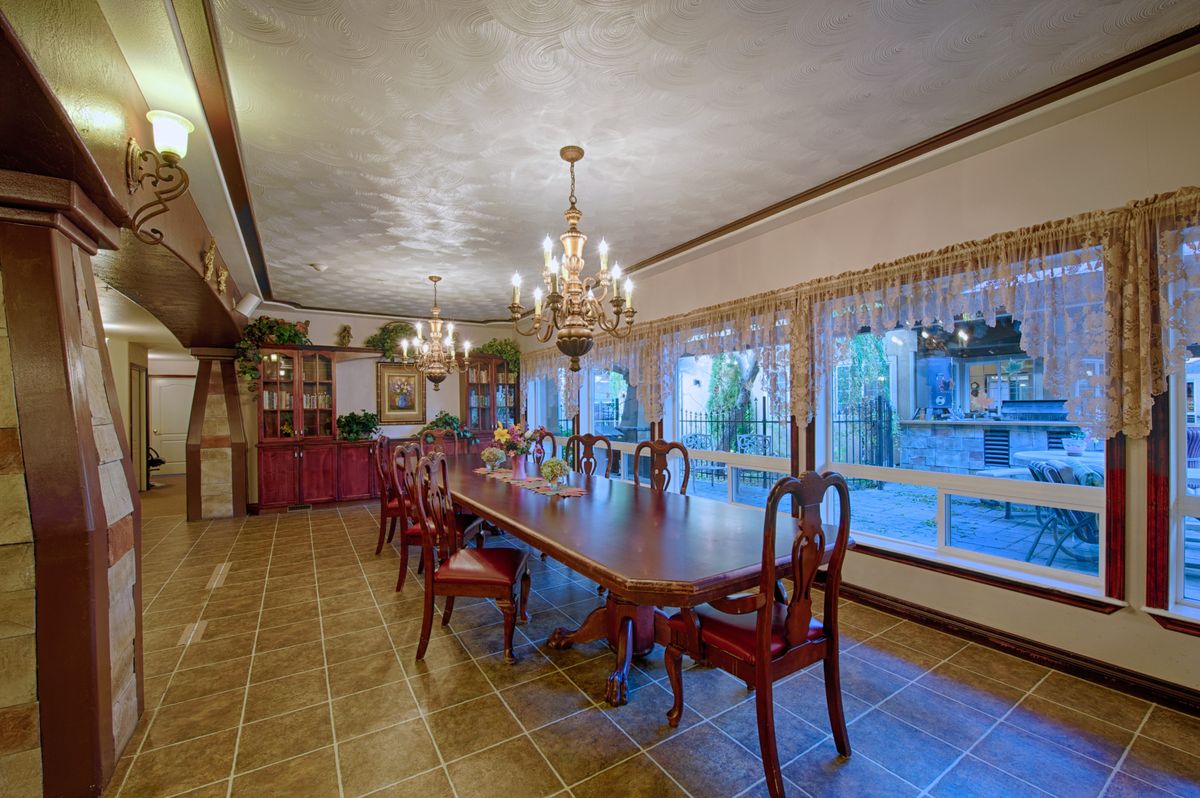
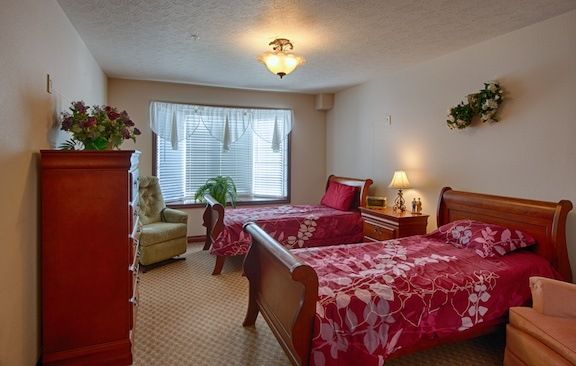
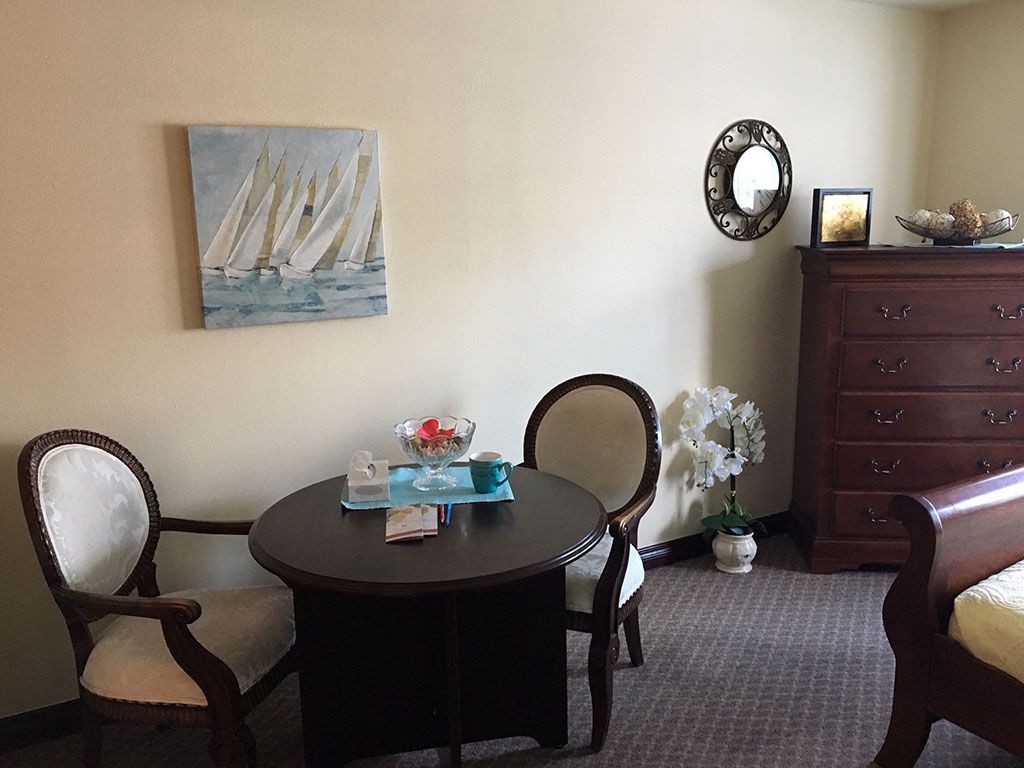
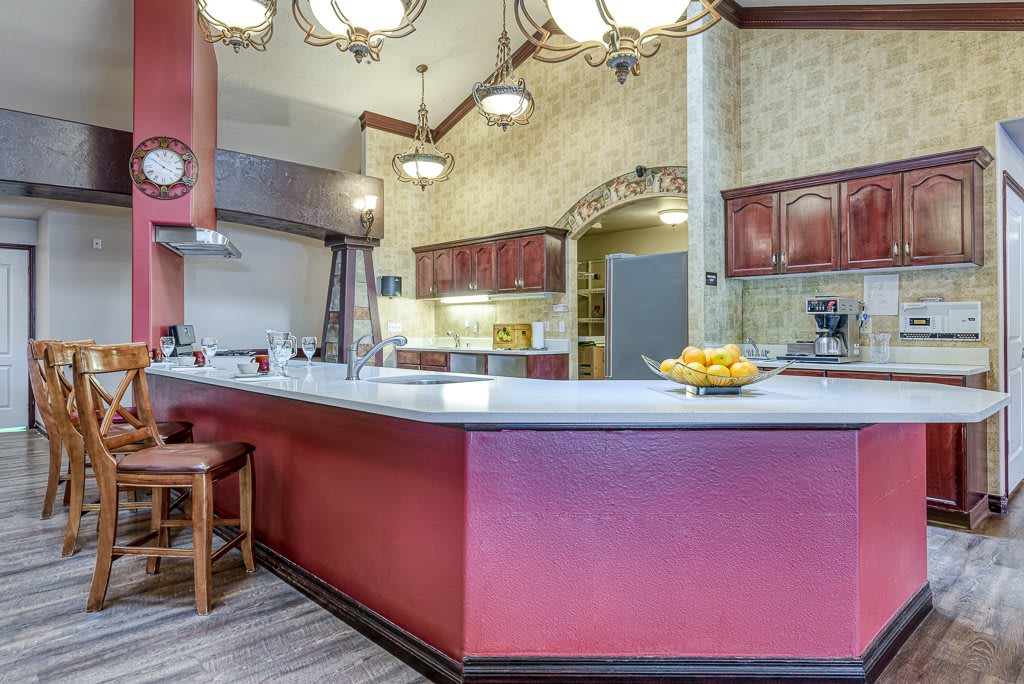
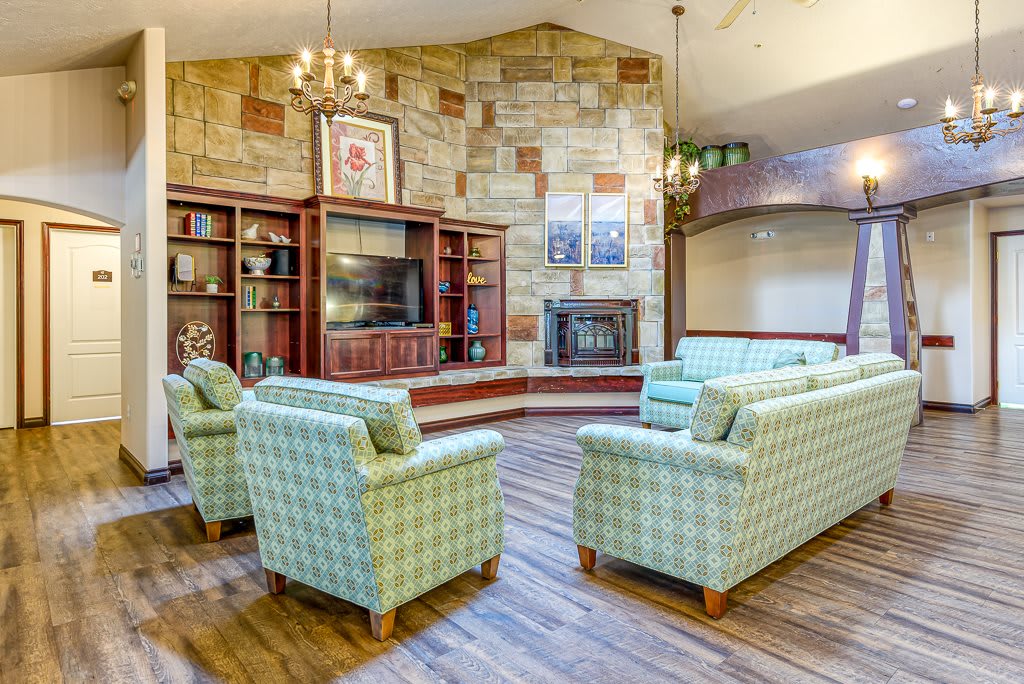
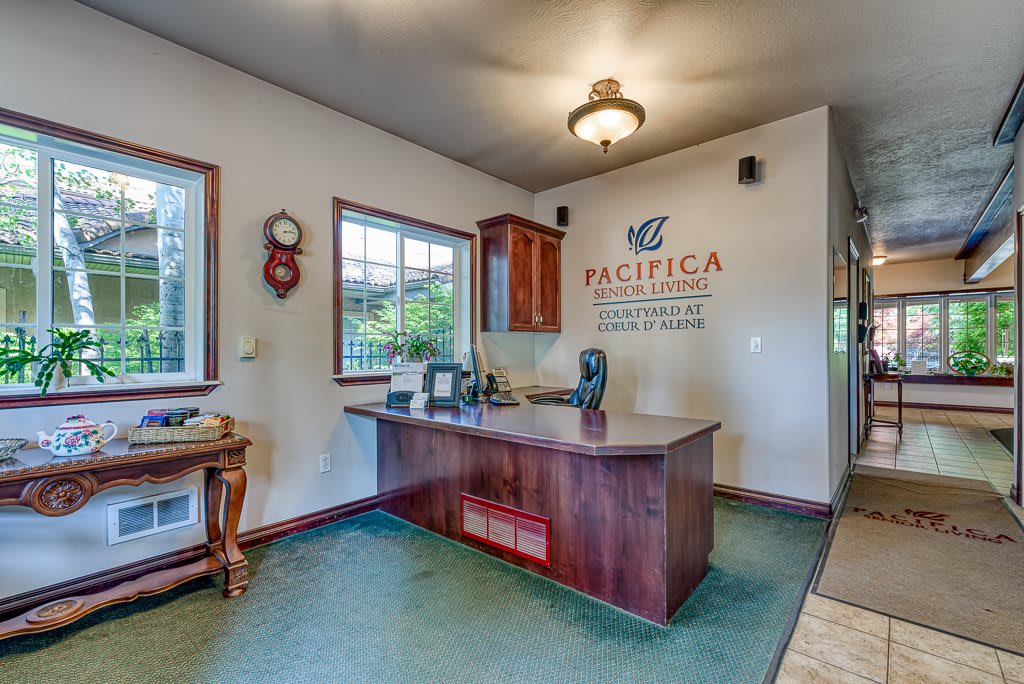
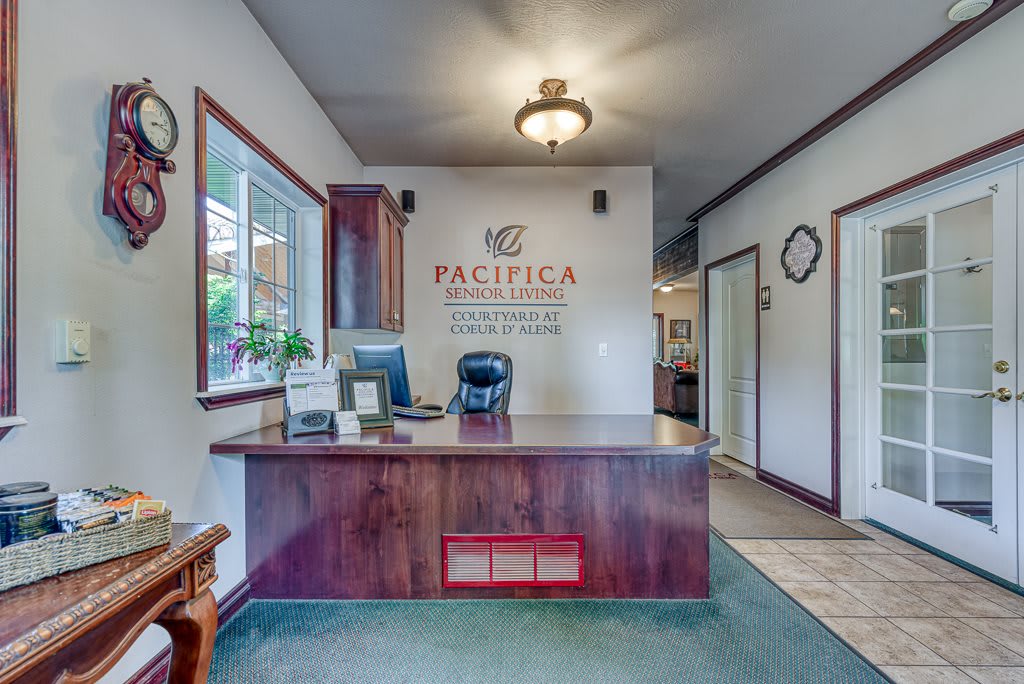
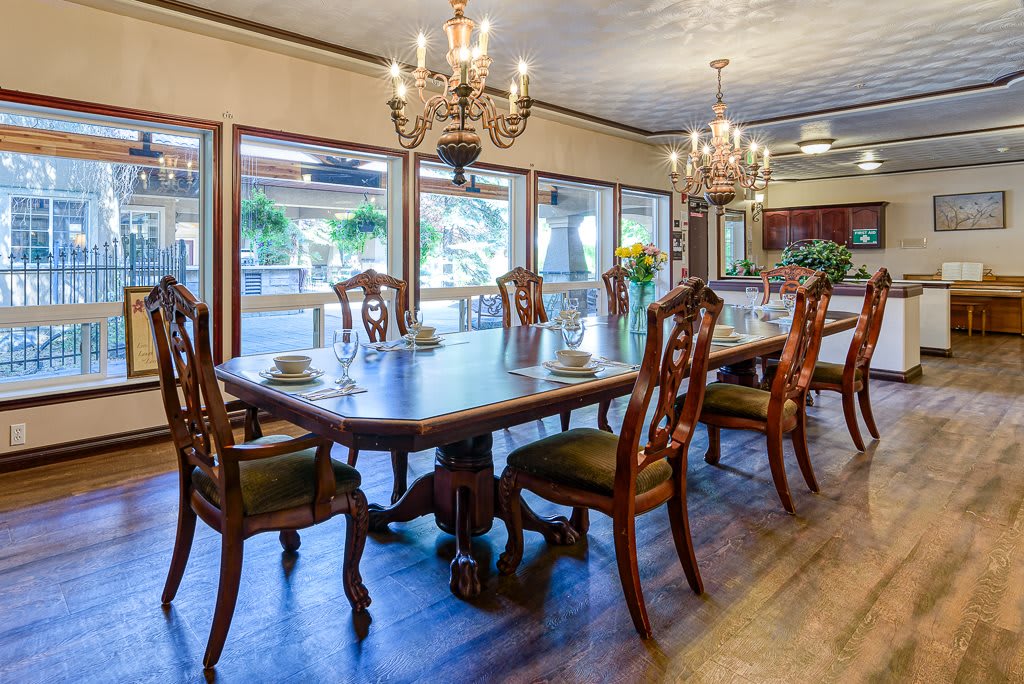
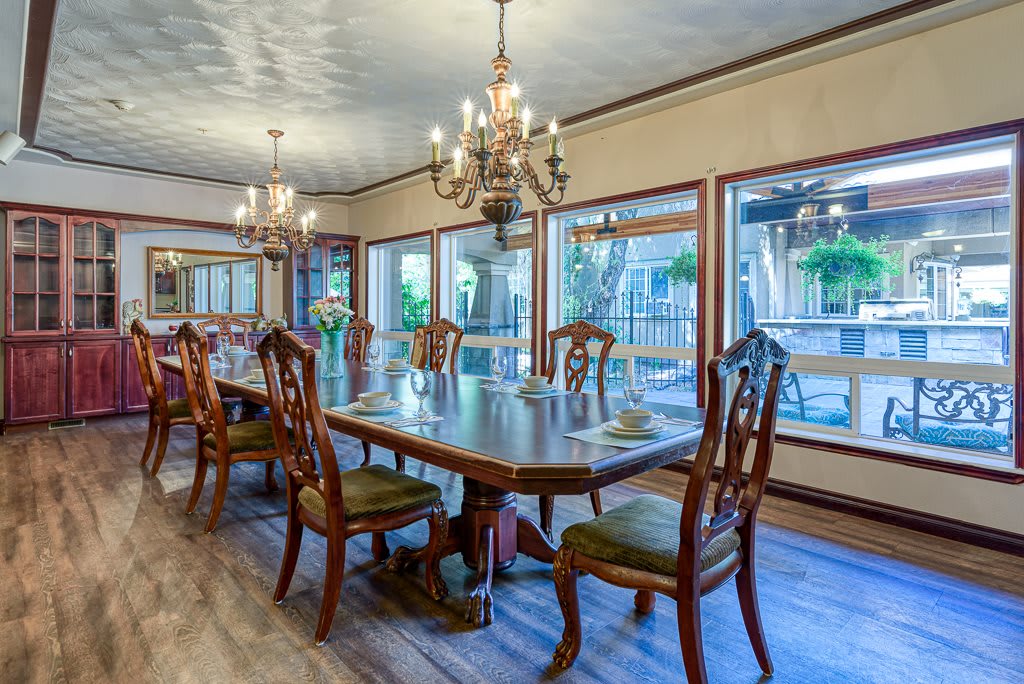
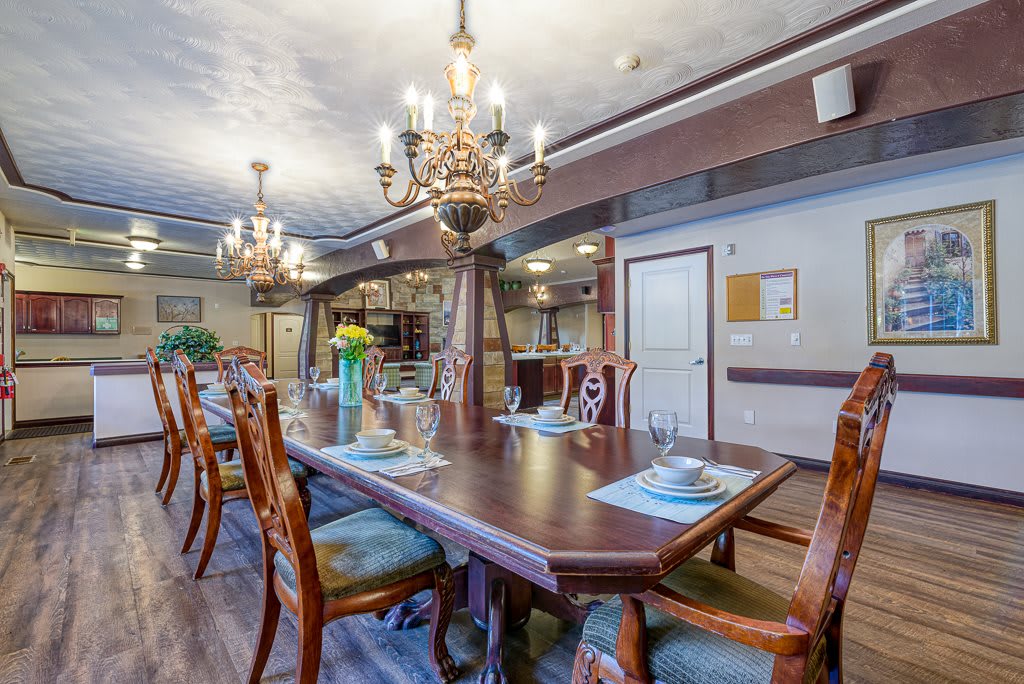
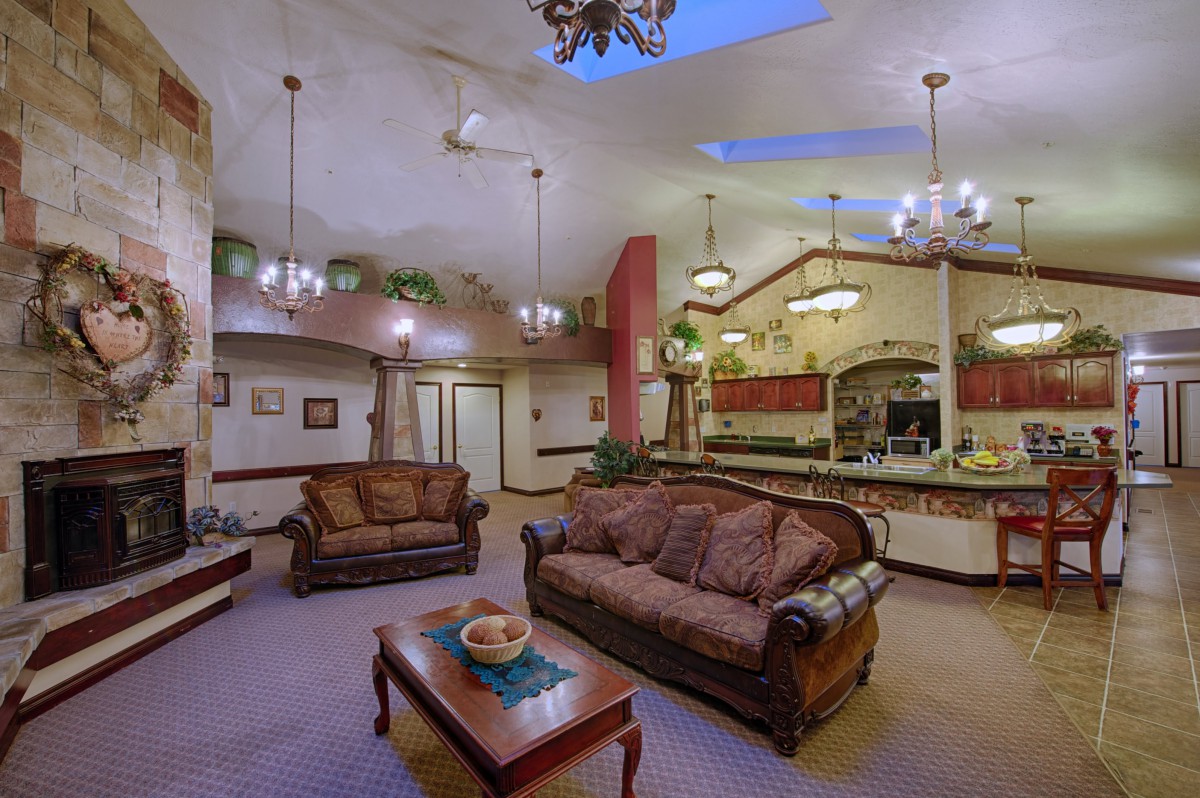
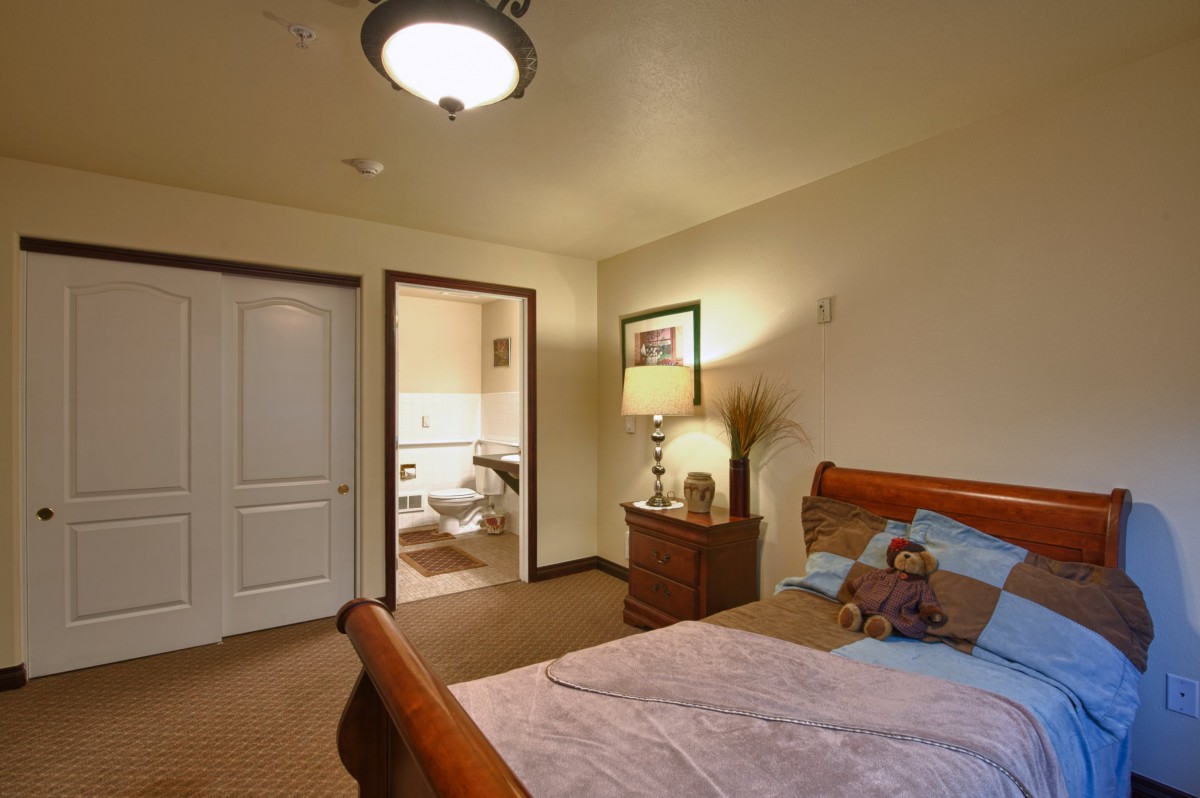
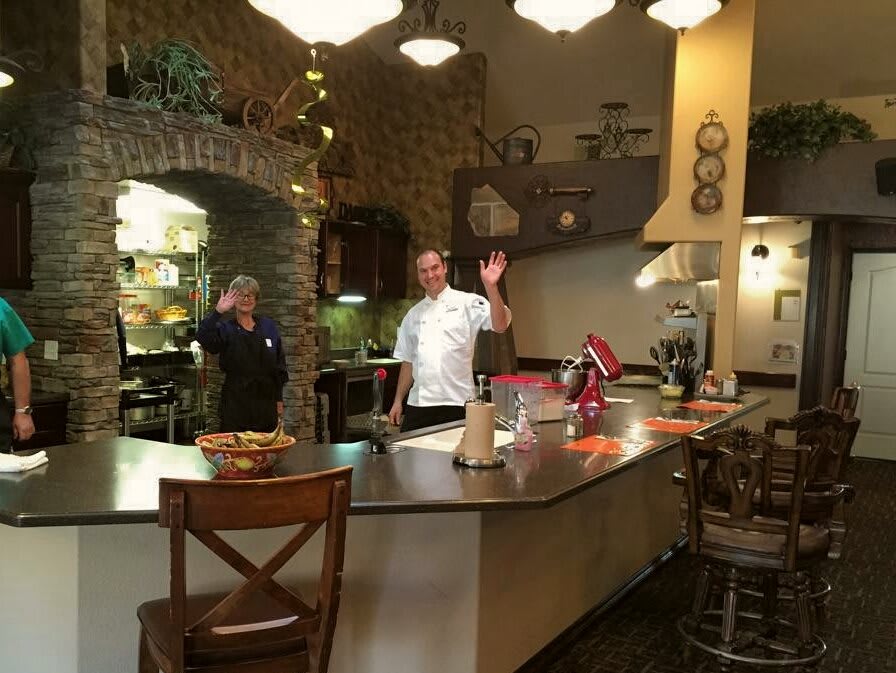
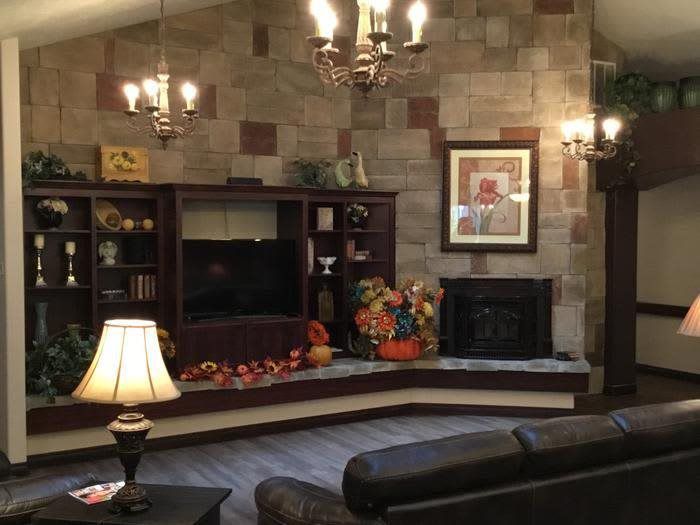
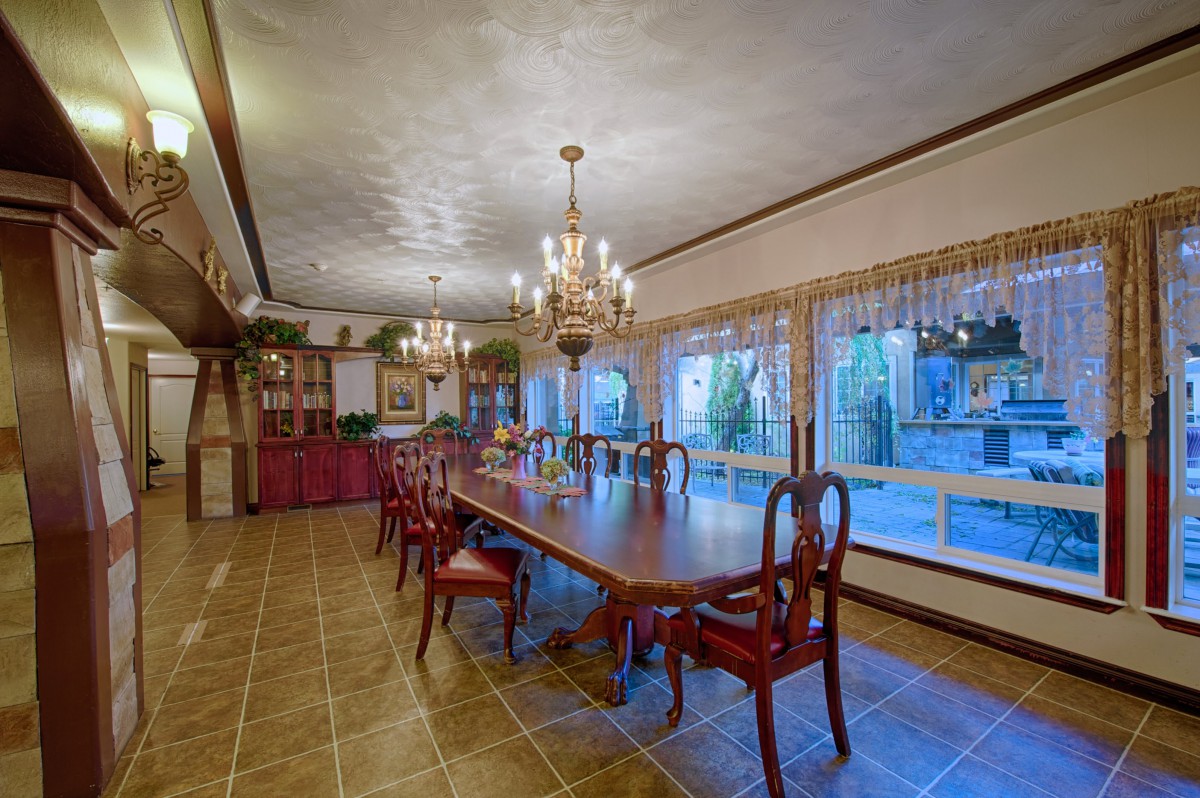
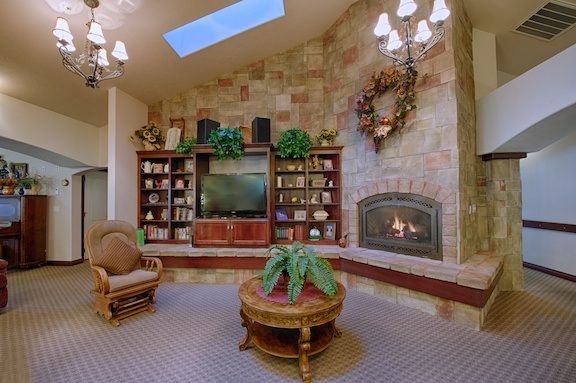
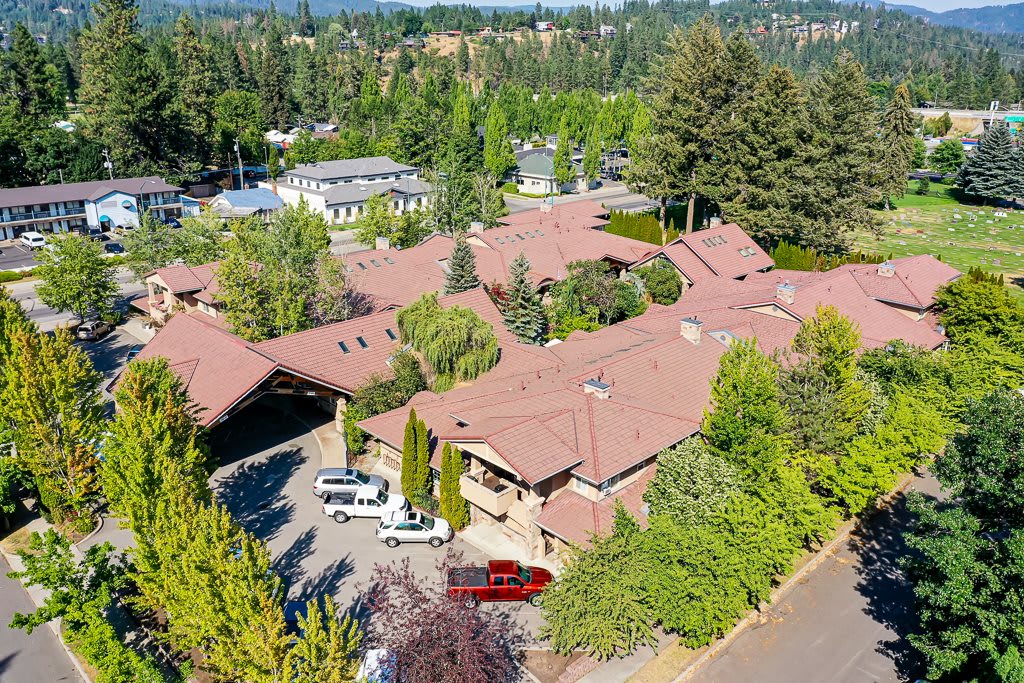
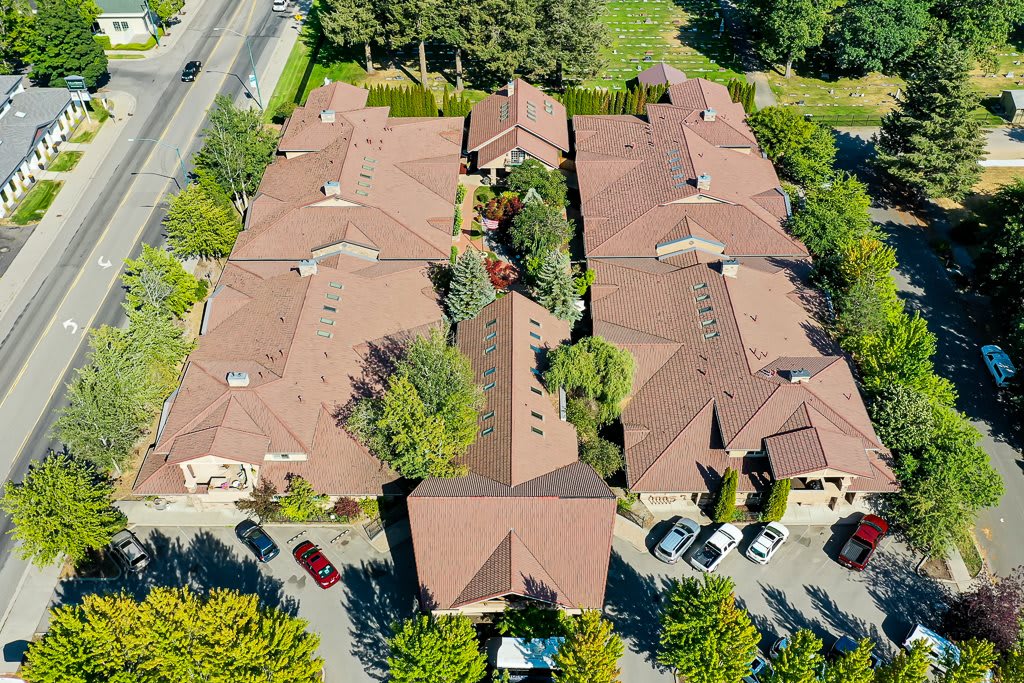
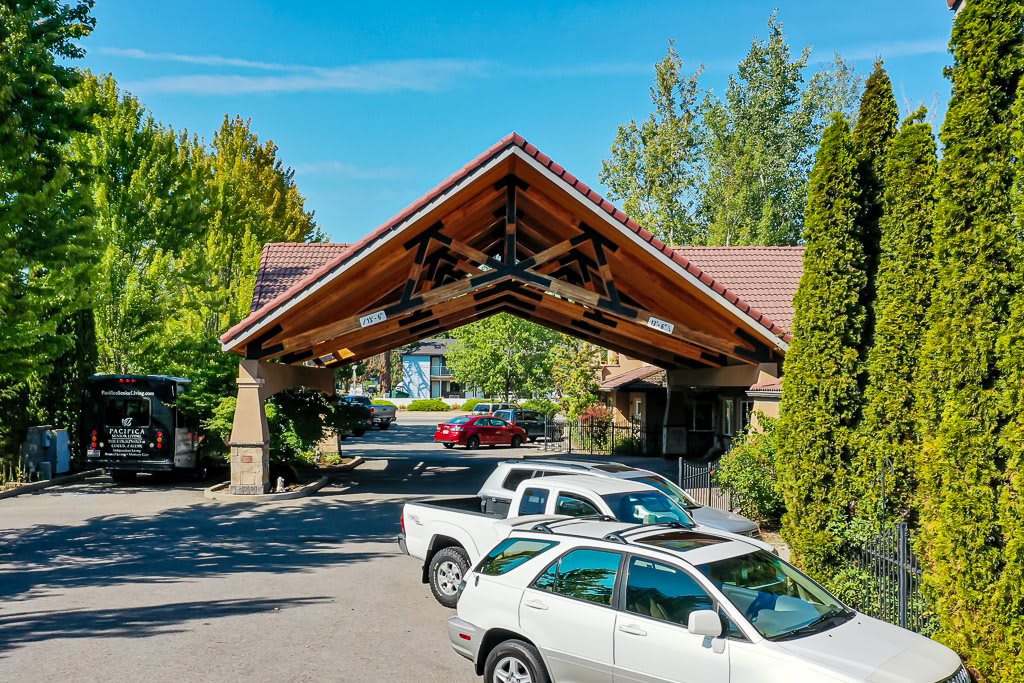
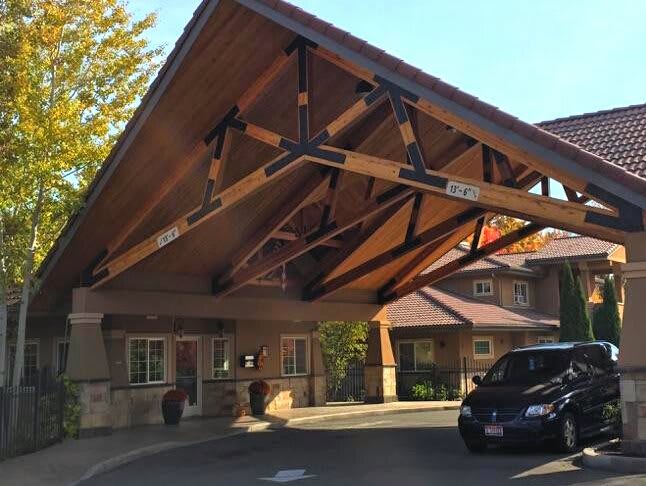
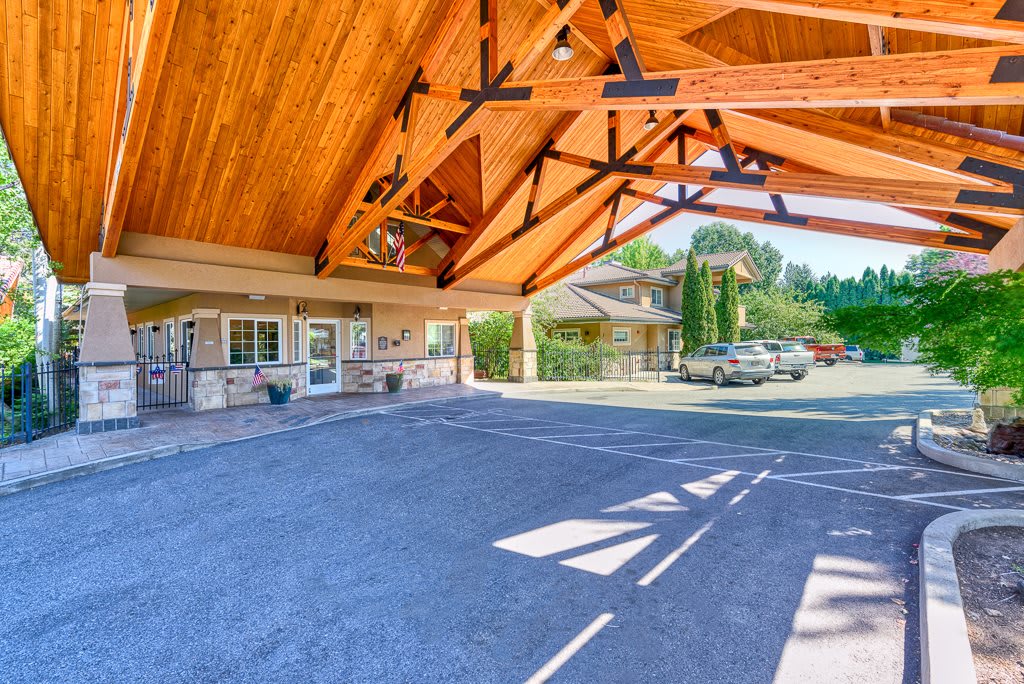
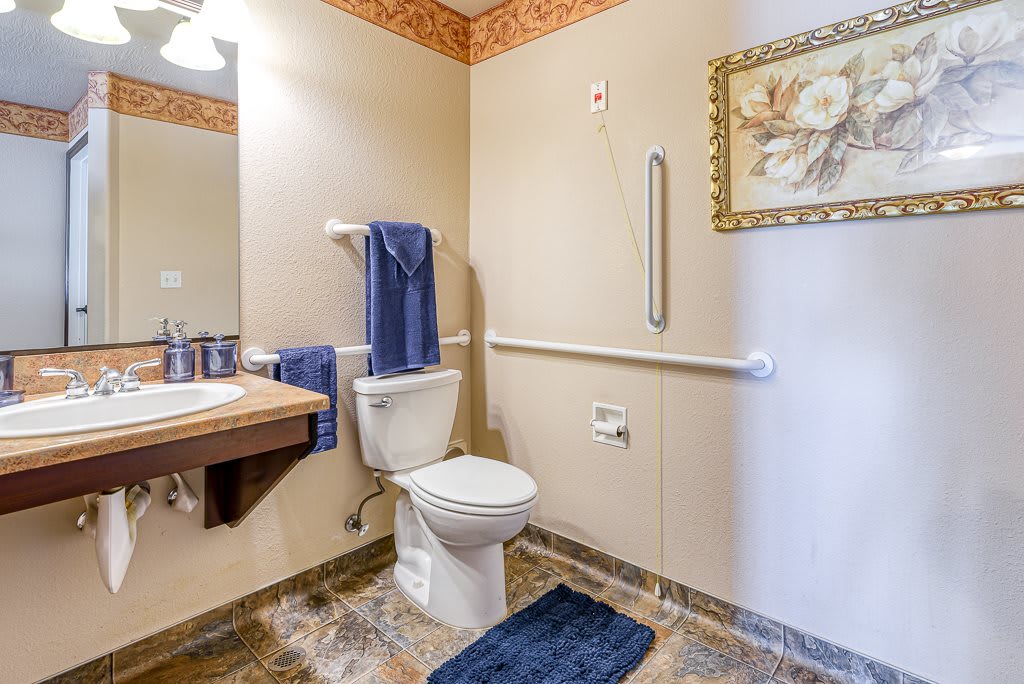
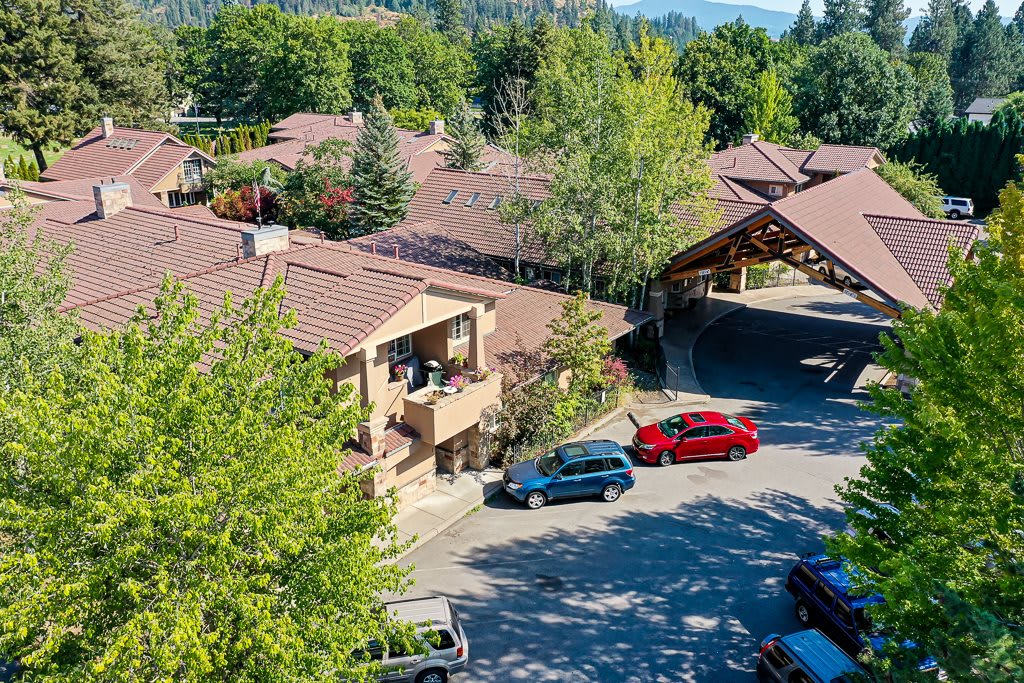
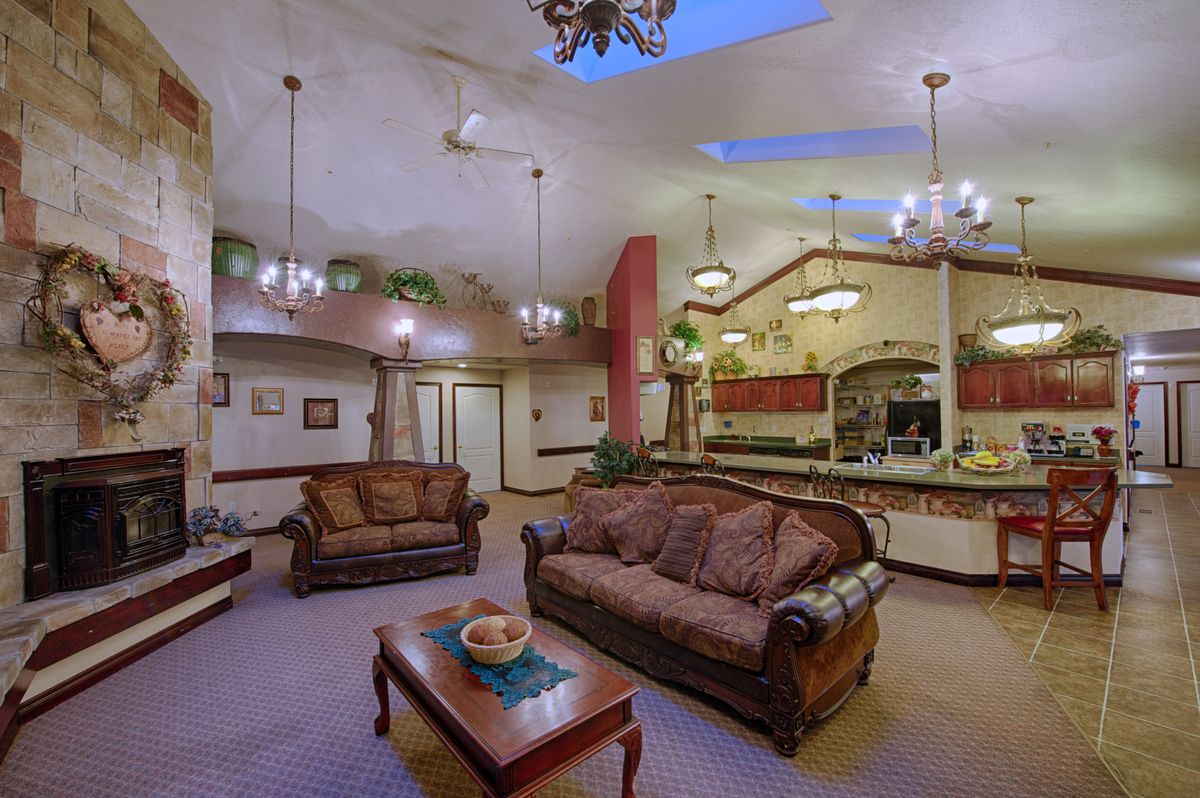
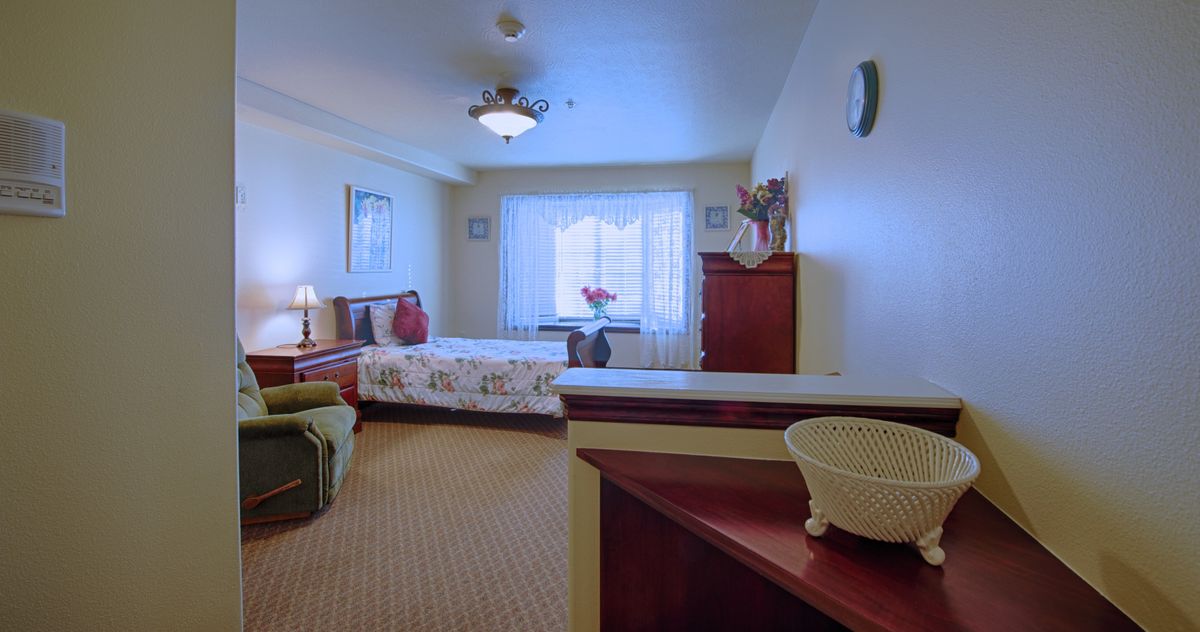
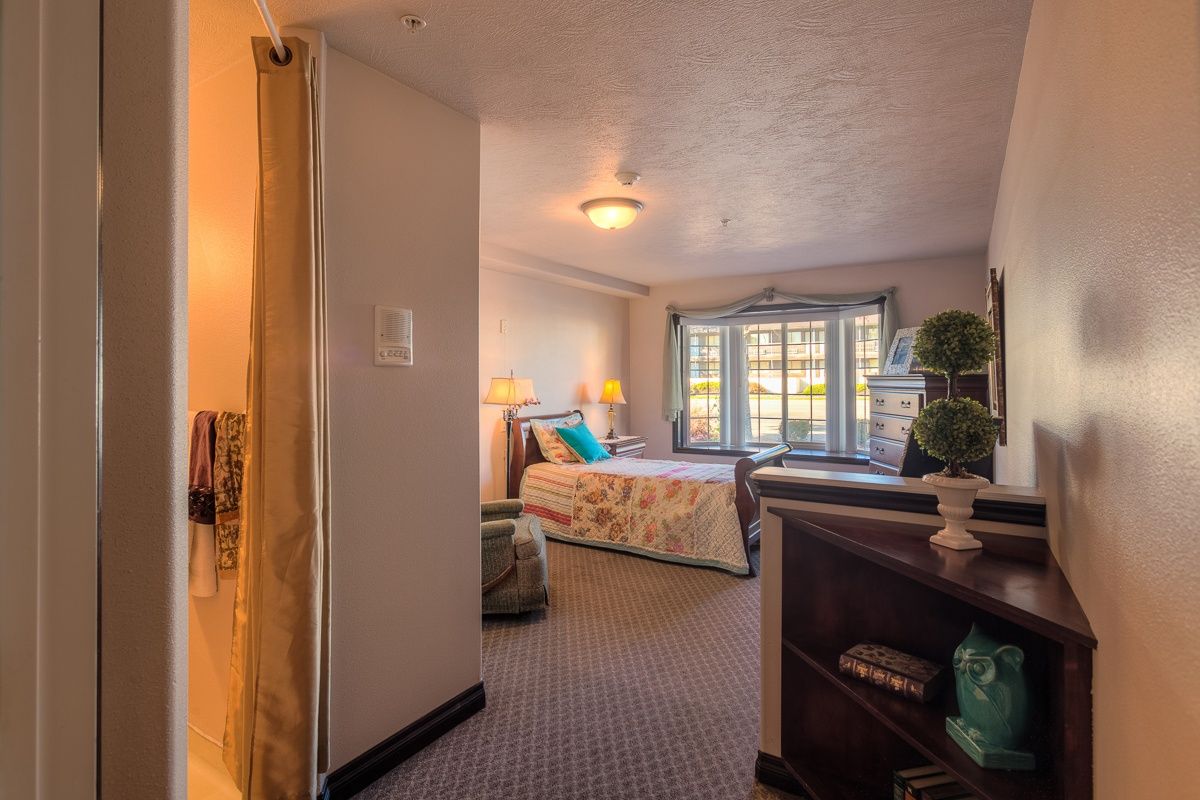
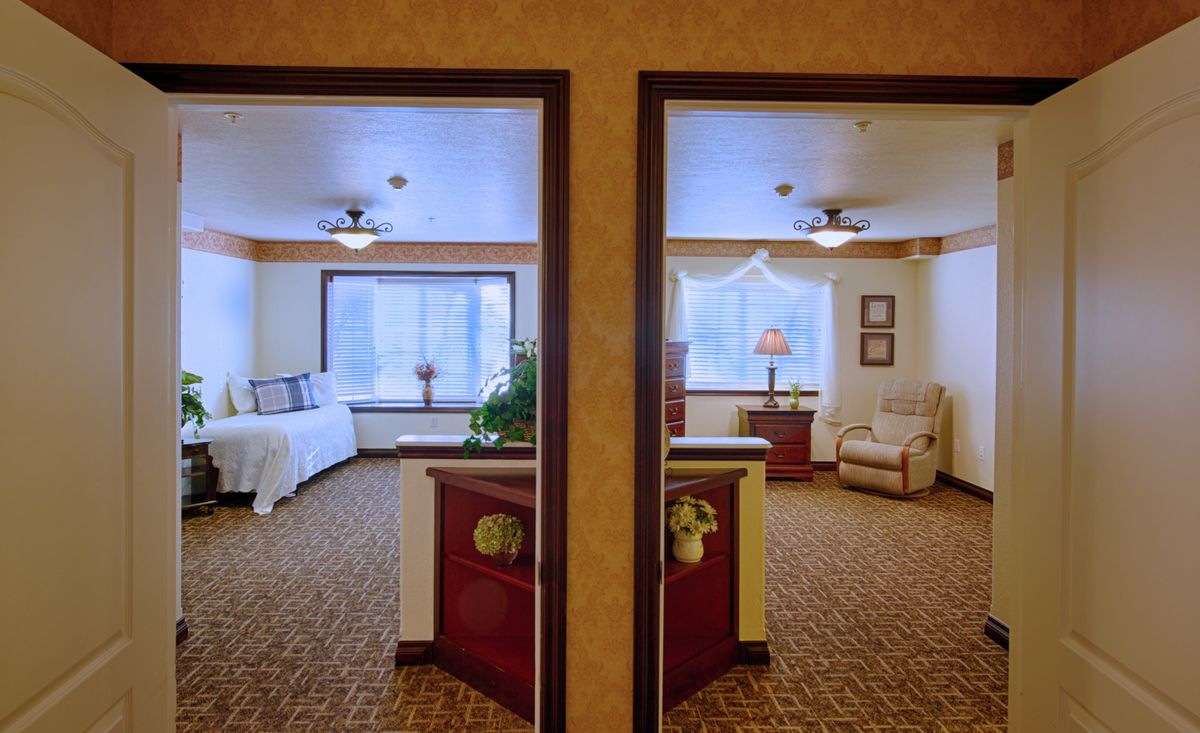
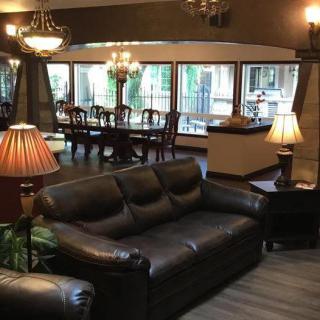
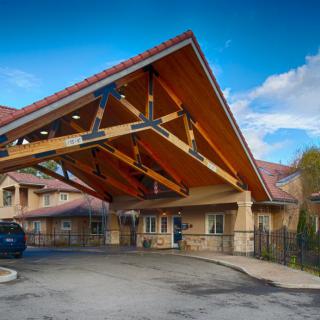
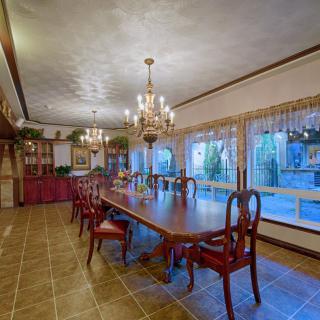
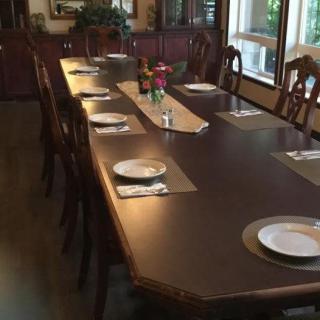
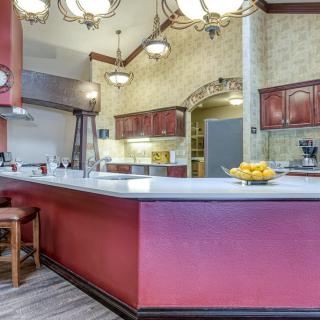
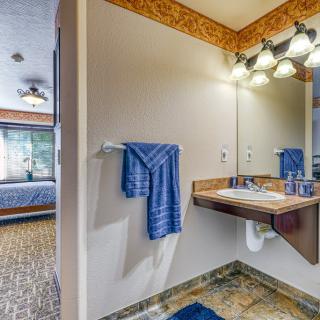
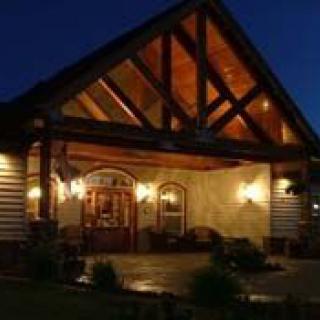
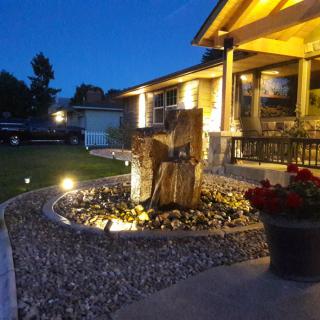
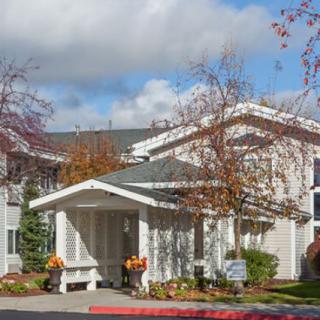
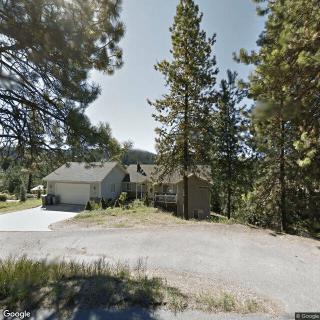
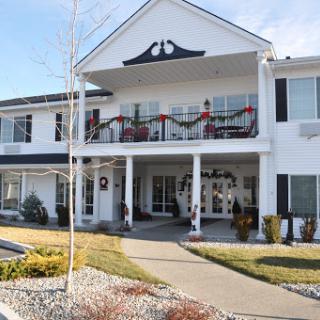
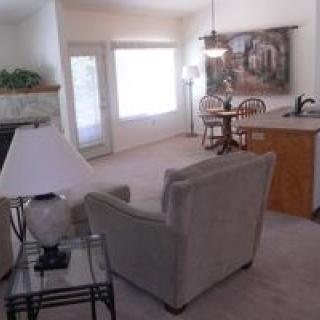
Courtyard At Coeur d'Alene on seniors.fyi includes 76 photos including images showing interior, trees, bedroom, garden, landscaping, architecture, windows, decor, and more.
Nearby Communities
Rose Terrace Cottages
Coeur D'alene, ID
3.8 from 16 reviews
$2,500 to $2,900 / month
Caring, supportive staff and a warm, positive atmosphere.
Beehive Homes of North Idaho
Coeur D Alene, ID
Excellent access to nearby healthcare, dining, and parks in a peaceful, welcoming setting.
Ghramm's Beehive Homes
Coeur D Alene, ID
4.4 from 29 reviews
Warm assisted living with vibrant social life and extensive nearby amenities (cafes, parks, pharmacies, hospitals, restaurants).
Country Comfort Residential Care
Coeur D'alene, ID
$2,600 / month
Competitive pricing with comprehensive care services.
Griswold Home Care
Couer D'Alene, ID
Warm, supportive environment with a focus on residents' social well-being.
Home Helpers
Coeur d'Alene, ID
3.8 from 16 reviews
Warm, welcoming assisted living with extensive nearby amenities (parks, cafes, healthcare, dining).
Leisure Park
Hayden Lake, ID
4 from 10 reviews
Excellent proximity to parks, dining, pharmacies, physicians, and transportation.
Guardian Angel Homes
Liberty Lake, WA
4.1 from 15 reviews
$1,050 to $2,400 / month
Friendly staff, pleasant decor, and a robust activities calendar.
Orchard Crest Retirement Community
Spokane, WA
3.4 from 48 reviews
$1,850 to $3,170 / month
Spacious, well-maintained apartments with friendly staff.
The transition from assisted living to skilled nursing care is often prompted by complex medical needs that assisted living cannot meet, with key indicators including frequent health declines, increased falls, severe memory issues, and caregiver burnout. Families should recognize these signs early to discuss options with healthcare providers and prepare for the emotional and logistical aspects of moving to a facility that offers comprehensive medical support.
Dementia is characterized by cognitive decline, with nutrition playing a vital role in brain health; while no specific diet can prevent or reverse it, a nutrient-dense diet rich in antioxidants and healthy fats may support cognitive function. The MIND diet, which emphasizes beneficial foods and limits processed items, along with proper hydration and individualized meal strategies, can enhance the well-being of dementia patients.
Dementia affects memory and cognitive function in older adults, presenting challenges for caregivers due to behavioral changes such as confusion and mood swings. Compassionate, person-centered care that considers individual history and preferences, along with effective communication and environmental modifications, is essential for supporting both patients and their caregivers.
Get PricingAsk A QuestionSchedule A TourContact Senior Advisor
By clicking submit, you agree to our Partner's Terms of Use. You
also consent to receive calls and texts, which may be autodialed, from our Partner. Your consent is not a condition to
using our Partner's service. Please visit our Partner's Privacy Policy for information about their privacy practices.





 64 resident community capacity
 Assisted Living
 Independent Living
 Memory Care
 Activities off-site
 Air-conditioning
 Bath tubs
 Beautician on-site
 Cable or satellite TV
 Computer center
 Devotional services on-site
 Dining room
 Fitness room
 Fully furnished
 Gaming room
 Garden
 Ground floor units
 Housekeeping services
 Indoor common areas
 Kitchenette
 Move-in coordination
 Outdoor common areas
 Pet friendly
 Private bathrooms
 Restaurant-style dining
 Small library
 Telephone
 Wellness center
 Wheelchair accessible showers
 Wi-Fi/high-speed internet available
 Community operated transportation
 12-16 hour nursing
 24-hour call system
 Ambulatory care
 Assistance with bathing
 Assistance with dressing
 Assistance with transfers
 Diabetes diet
 Diabetic care
 High acuity care
 Hospice waiver
 Incontinence care
 Medication management
 Mental wellness program
 Special dietary restrictions
 Transportation arrangement (medical)
 Art classes
 Catholic services
 Concierge services
 Day trips and outings
 Educational speakers / life long learning
 Happy hour
 Live dance or theater performances
 Live musical performances
 Caring, supportive staff and a warm, positive atmosphere.
 8 Key Indicators That Suggest It May Be Time to Transition from Assisted Living to Skilled Nursing Care
 Nourishing the Mind: Essential Dietary Approaches for Dementia
 Understanding Dementia Behaviors: Practical Insights and Strategies for Caregivers