

11099 Highmont Drive, Boise, ID 83713
To contact a resident: (208) 377-4107
For more information about senior living options: (866) 208-4318
Ashley Manor Care Centers - Highmont Costs & Pricing
Ashley Manor Care Centers - Highmont offers competitive pricing for its residential care services, reflecting a thoughtful consideration of local and state averages. For semi-private accommodations, the monthly fee is set at $3,000, which is slightly above the Ada County average of $2,996 but aligns closely with the statewide figure of $3,026. In terms of private rooms and studio options, both are priced at $3,500 - this is more economical than the county average for private rooms ($3,556) yet remains slightly below Idaho's overall average ($3,906). Conversely, the studio rate at Ashley Manor is higher than both local and state averages ($3,387 in Ada County and $3,213 statewide), suggesting a premium for this type of living space. Overall, Ashley Manor strikes a balance between affordability and quality care in the context of regional pricing dynamics.
| Floor plans | Ashley Manor Care Centers - Highmont | Ada County | Idaho |
|---|---|---|---|
| Semi-Private | $3,000 | $2,996 | $3,026 |
| Private | $3,500 | $3,556 | $3,906 |
| Studio | $3,500 | $3,387 | $3,213 |
Overall Review of Ashley Manor Care Centers - Highmont
Pros
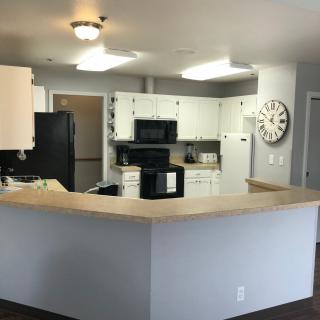
 The home is wonderful and clean.
- The staff are really friendly.
- The residents seem really happy.
- The place is nice.
Cons
 The new house manager is rude.
Review
Ashley Manor Care Centers - Highmont is best suited for families seeking a warm, home-like Boise setting where cleanliness and a friendly, sociable atmosphere are the standout positives. It works well for residents who prioritize a cheerful daily environment, easy-to-navigate routines, and staff who are approachable. This is not the pick for those who require rock-solid, consistent leadership at all times or specialized care oversight; those with a need for highly predictable management and unwavering responsiveness should consider alternatives and compare options more closely before choosing.
The feedback from multiple residents and families paints a clear pattern: the facility generally conveys a bright, inviting living space. Reviews highlight a clean home and staff that genuinely treats residents with kindness, contributing to residents appearing happy and engaged. At its best, the community feels like a hospitable, well-kept home where daily life can be comfortable and pleasant. A simple compliment, “Nice place”, also sits alongside the more robust endorsements, underscoring a generally positive daily living experience for many residents.
However, a significant caveat threads through the impressions. One review bluntly cautions against bringing family to this community because of a new house manager described as rude, signaling potential issues with leadership style and resident-family communications. A second, similarly charged note from a reviewer who would rather assign zero stars underscores that management behavior can color the entire experience. These signals point to a real risk: the day-to-day experience may hinge more on who leads the house at any given moment, rather than on the steady, predictable routines families expect from a well-run assisted-living setting.
Pros do matter, yet they do not fully neutralize the main con. The clean, comfortable environment and the visible warmth of staff create a favorable baseline for daily life, meals, activities, and socializing often feel approachable and enjoyable, which directly supports residents’ happiness and well-being. When management is steady and responsive, these strengths can translate into reliable communication and smooth problem-solving. Yet the negative commentary about leadership style cannot be dismissed, because it risks inconsistent follow-through on family expectations, care planning, and timely issue resolution. For families who must rely on consistent, respectful governance, this is the factor that warrants careful exploration before committing.
Alternatives deserve careful consideration for anyone prioritizing stable oversight or specialized care needs. If a resident requires heightened clinical management, memory-care experience, or consistently proactive family communication, other communities with documented leadership stability and a track record of steady operations may prove a better fit. Prospective residents should probe leadership turnover, ask for a tour during a busy period to gauge responsiveness, and request direct contact with current families or residents about how concerns are handled. Comparing staffing ratios, activity planning, and how daily notes or care plans are shared can reveal whether the Highmont environment will meet long-term expectations.
In the final assessment, Ashley Manor Highmont delivers a capable, comfortable home with notable strengths in cleanliness, warmth, and resident happiness. Those strengths become decisive when matched against the risk of inconsistent management behavior. Families planning to move a loved one here should enter with a clear plan: meet the house manager, observe interactions with residents and families, review the activities calendar, and demand transparent channels for updates and issue resolution. The decision should hinge on whether the family can tolerate the possibility of leadership variation and still rely on steady daily life, or whether a more consistently managed setting is essential for peace of mind.
 10 resident community capacity
 Assisted Living
 Board and Care Home
 Memory Care
 Beauty salon
 Cable or satellite TV
 Dining room
 Fully furnished
 Garden
 Housekeeping services
 Kitchenette
 Move-in coordination
 Outdoor space
 Private
 Respite or short term stays offered
 Restaurant-style dining
 Small library
 Telephone
 Wi-Fi/high-speed internet available
 Boise Air Terminal (6 miles away)
 24-hour supervision
 Activities of daily living assistance
 Assistance with bathing
 Assistance with dressing
 Assistance with transfers
 Diabetes diet
 Medication management
 Mental wellness program
 Special dietary restrictions






 Medications Associated with Dementia Risk: A Comprehensive Overview
 Guiding Your Journey: Understanding Power of Attorney for Elderly Parents
 22 Remarkable Caregiver Support Groups Available Online and In-Person