Overland Court Senior Living offers competitive pricing for its residents compared to both Ada County and the broader state of Idaho. For a semi-private room, the monthly cost is $2,930, which is slightly below the county average of $2,996 and significantly lower than the state average of $3,026. The studio apartment option is available at $3,080, also undercutting both Ada County's average of $3,387 and Idaho's average of $3,213. For those seeking more space, the one-bedroom units are priced at $3,530 - again more affordable than the county's average of $3,691 and the state's average of $3,774. These figures reflect Overland Court's commitment to providing high-quality senior living at accessible prices in a competitive market.
Floor plans
Overland Court Senior Living
Ada County
Idaho
Semi-Private
$2,930
$2,996
$3,026
Studio
$3,080
$3,387
$3,213
1 Bedroom
$3,530
$3,691
$3,774
Memory care communities with a similar price nearby
from -$530 / mo
The Gables Assisted Living & Memory Care of Caldwell
Residents and families repeatedly describe staff as kind, responsive, and attentive to needs.
A large share of reviews focus on how residents are treated like family, with caregivers who are considerate and quick to respond when help is needed. Families also describe good day-to-day communication about care when they have concerns. Even in more critical reviews, some caregivers are singled out as compassionate, suggesting support quality varies by unit or moment-to-moment staffing.
common16 reviews mention this
Food gets mixed reactions
Dining quality and service show up as both strengths and frustrations in reviews.
Several residents and families say the food is good or even excellent, often pointing to menu choices and variety. Others describe the dining experience as inconsistent, including problems with meals, service timing, or taste. Reviews that mention dietary needs also align with the community offering meals and special diet programs, but day-to-day satisfaction depends on the visit or time period described.
common22 reviews mention this
Activities keep residents engaged
Many reviews say there are regular activities that help residents stay involved.
Reviews commonly mention scheduled activities, outings, and events that keep residents occupied, including social gatherings and resident-friendly programming. Some families specifically praise the activities director or the variety of things happening across the week. A smaller number of reviews suggest participation could be improved for certain residents, especially those who need extra encouragement or have memory-care needs.
common14 reviews mention this
Cleanliness is often praised
Multiple reviews describe the facility as clean and well kept.
Many reviewers comment on how clean the community looks and how well it is maintained, including housekeeping and upkeep. Some reviews also connect cleanliness with the comfort of the space and how it feels when visiting. There are also a few negative mentions, including reports of odor or concerns about whether cleaning is consistent, so cleanliness may vary by timing and area.
caveat3 reviews mention this
Communication lapses around incidents
Some families report they were not notified promptly after falls and ER visits.
A few reviews criticize communication when incidents occur, including falls that led to hospitalization without timely family notification. One reviewer also describes missing medical records being sent with the resident, which affected what the hospital staff knew. These concerns are distinct from general friendliness praise and focus specifically on notification and documentation during stressful events.
How we summarize
Counts show how many written reviews mention each theme; a review can touch several themes, and only frequently mentioned themes are displayed.
Features
Housing
22 resident community capacity
1-bedroom apartments
Studio apartments
Types of Care
Assisted Living
Memory Care
Pets
Cats allowed
Dogs allowed
Amenities
Activities off-site
Activities on-site
Air-conditioning
Beautician on-site
Beauty salon
Cable or satellite TV
Devotional services on-site
Dining room
Fully furnished
Garden
Garden view
Ground floor units
Handicap accessible
Housekeeping services
Indoor common areas
Kitchenette
Move-in coordination
Outdoor common areas
Outdoor space
Respite or short term stays offered
Spa
Telephone
Wheelchair accessible showers
Wi-Fi/high-speed internet available
Transportation
Boise Air Terminal (5 miles away)
Care Services
24-hour call system
24-hour supervision
Activities of daily living assistance
Ambulatory care
Assistance with bathing
Assistance with dressing
Assistance with transfers
Coordination with health care providers
Dementia waiver
Diabetes diet
Diabetic care
High acuity care
Hospice waiver
Incontinence care
Meal preparation and service
Medication management
Mental wellness program
Mild cognitive impairment
Special dietary restrictions
Specialized memory care programming
Transportation arrangement (medical)
Transportation to doctors appointments
Dining
Diabetes diet
Low / no sodium
Meals provided
Professional chef
Restaurant style dining
Special dietary restrictions
Special dining programs
Activities
Bible study group
Book club
Catholic services
Community-sponsored activities
Day trips and outings
Devotional activities on-site
Gardening club
Happy hour
Live musical performances
Live well programs
Mormon/LDS services
Other religious services
Resident-run activities
Scheduled daily activities
Trivia games
Wii bowling
Wine tasting
Nearby Places of Interest
This part of Boise, Idaho, offers convenient access to essential amenities such as pharmacies, healthcare facilities, restaurants, cafes, hospitals, theaters, places of worship, and parks. With multiple pharmacies within a short distance for medication needs and various physicians' offices nearby for medical care, residents can easily address their health concerns. There are also a variety of dining options ranging from fast food to sit-down restaurants for enjoyable meals. Additionally, there are several hospitals and urgent care centers close by for emergency medical attention. For leisure activities, residents can visit theaters or local parks like Ridiculous Roundabout for entertainment and relaxation. With its diverse range of services and recreational opportunities in close proximity, this area of Boise would be a convenient and vibrant location for senior living.
Overland Court Senior Living offers competitive pricing for its residents compared to both Ada County and the broader state of Idaho. For a semi-private room, the monthly cost is $2,930, which is slightly below the county average of $2,996 and significantly lower than the state average of $3,026. The studio apartment option is available at $3,080, also undercutting both Ada County's average of $3,387 and Idaho's average of $3,213. For those seeking more space, the one-bedroom units are priced at $3,530 - again more affordable than the county's average of $3,691 and the state's average of $3,774. These figures reflect Overland Court's commitment to providing high-quality senior living at accessible prices in a competitive market.
Overland Court Senior Living's comprehensive features are specifically designed to address the diverse needs of residents experiencing dementia or Alzheimer's disease. The 24-hour supervision ensures a safe environment, allowing staff to promptly respond to any challenges that may arise. Assistance with daily living activities, such as bathing and dressing, helps maintain residents' dignity while promoting their independence. Coordination with healthcare providers and medication management establishes a cohesive approach to health, ensuring that medical needs are met efficiently. Incontinence care and meal preparation further enhance comfort and nutrition for residents. Programs focused on mental wellness and specialized memory care programming provide cognitive engagement tailored to individual abilities, fostering an enriching atmosphere. Additionally, transportation arrangements facilitate access to necessary medical appointments, thereby supporting overall health management in a compassionate manner.
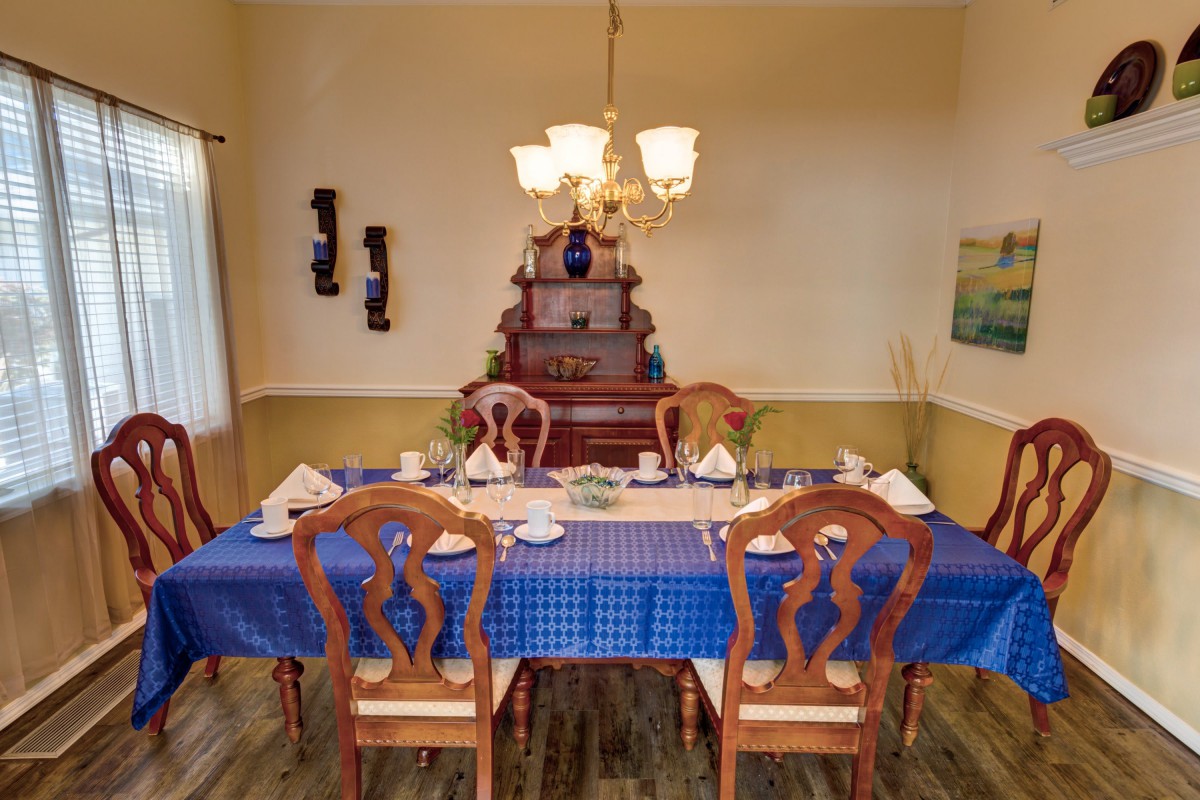
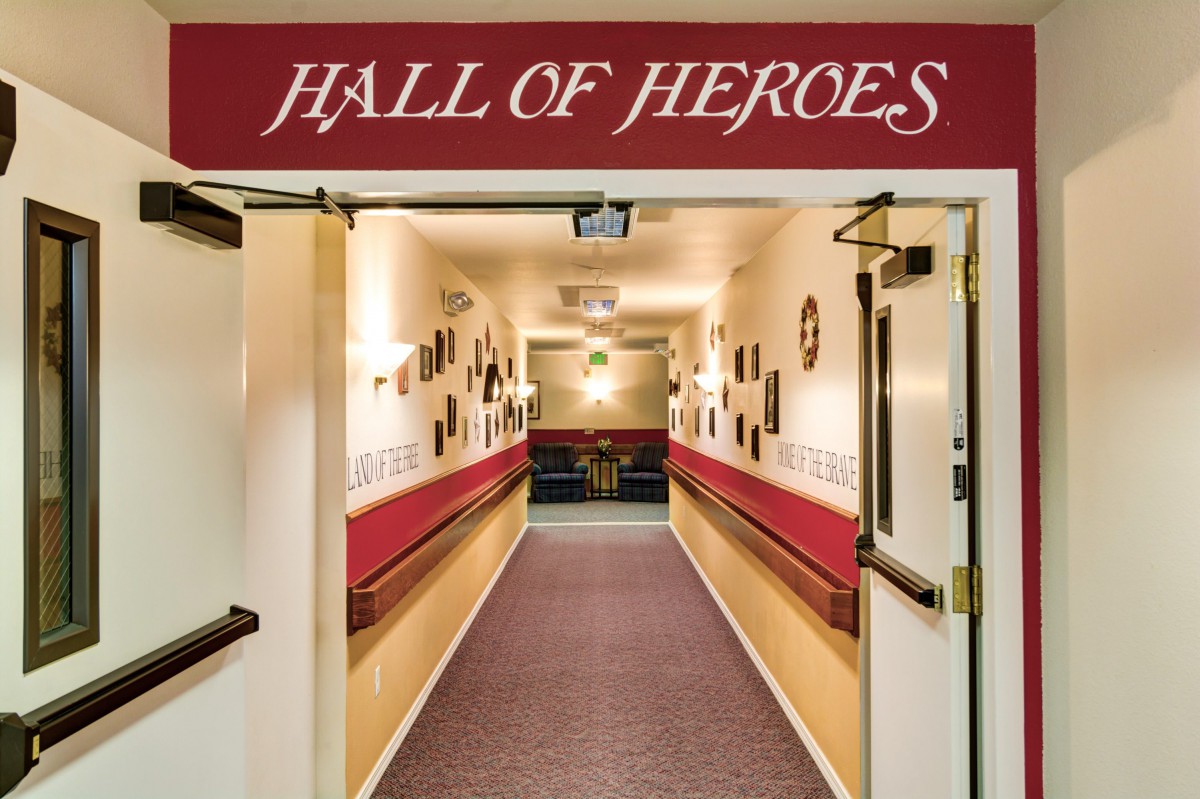
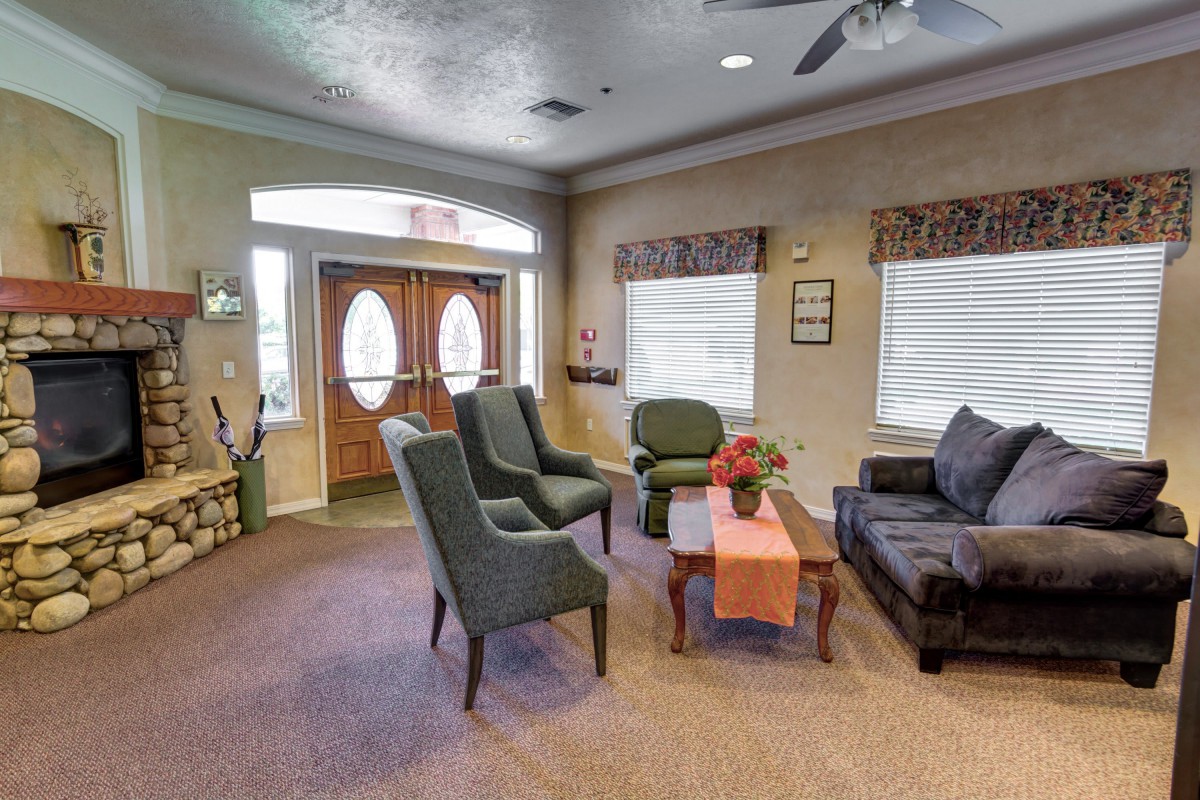
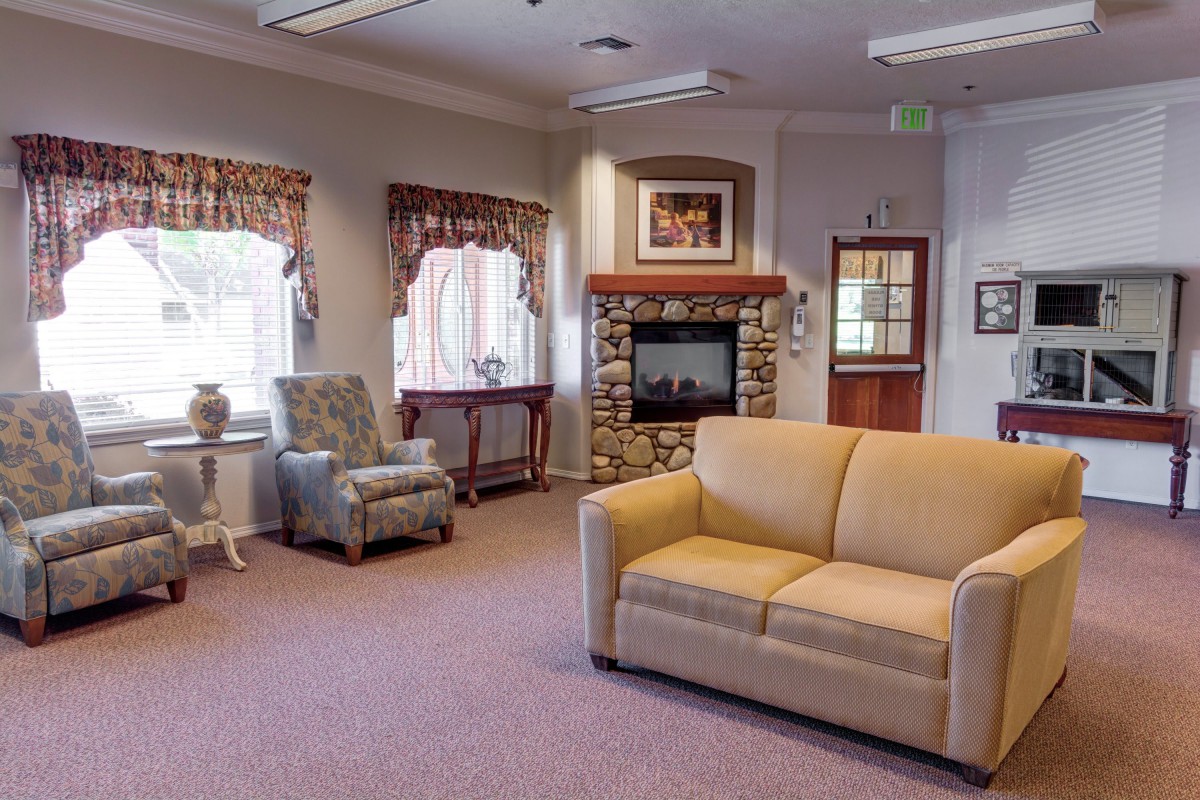
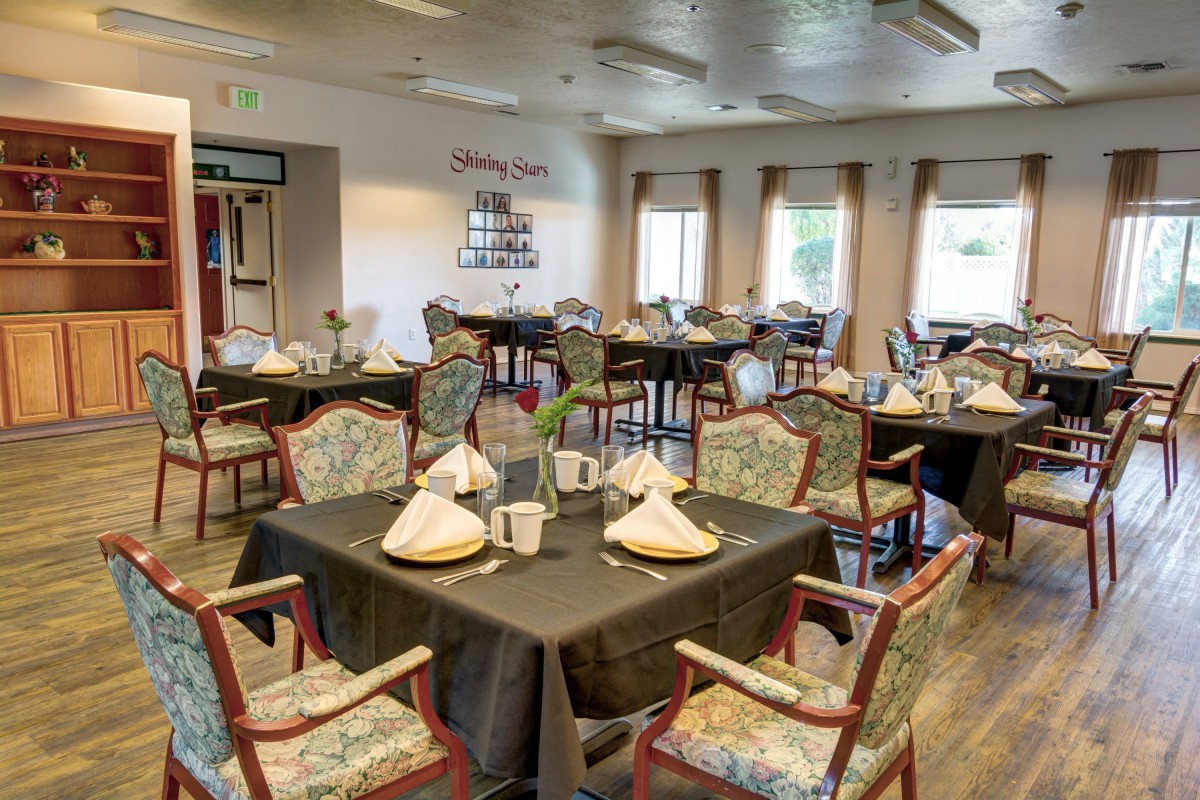
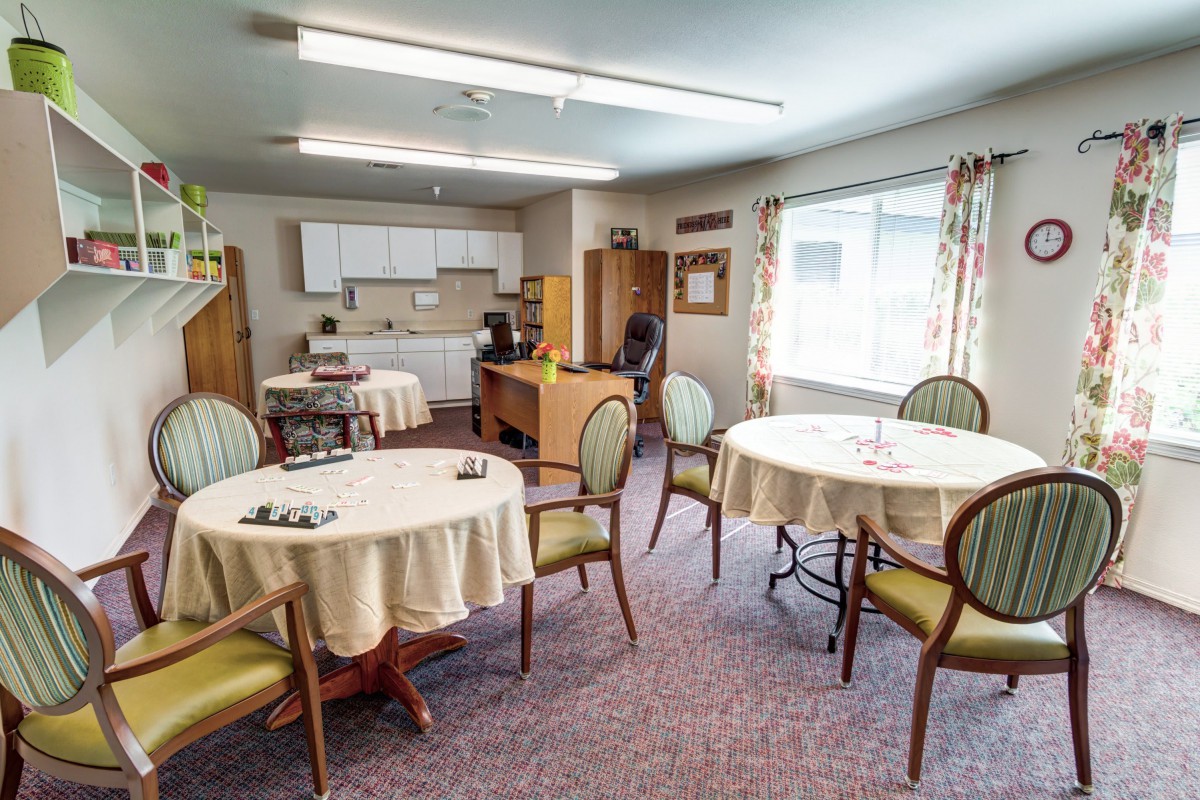
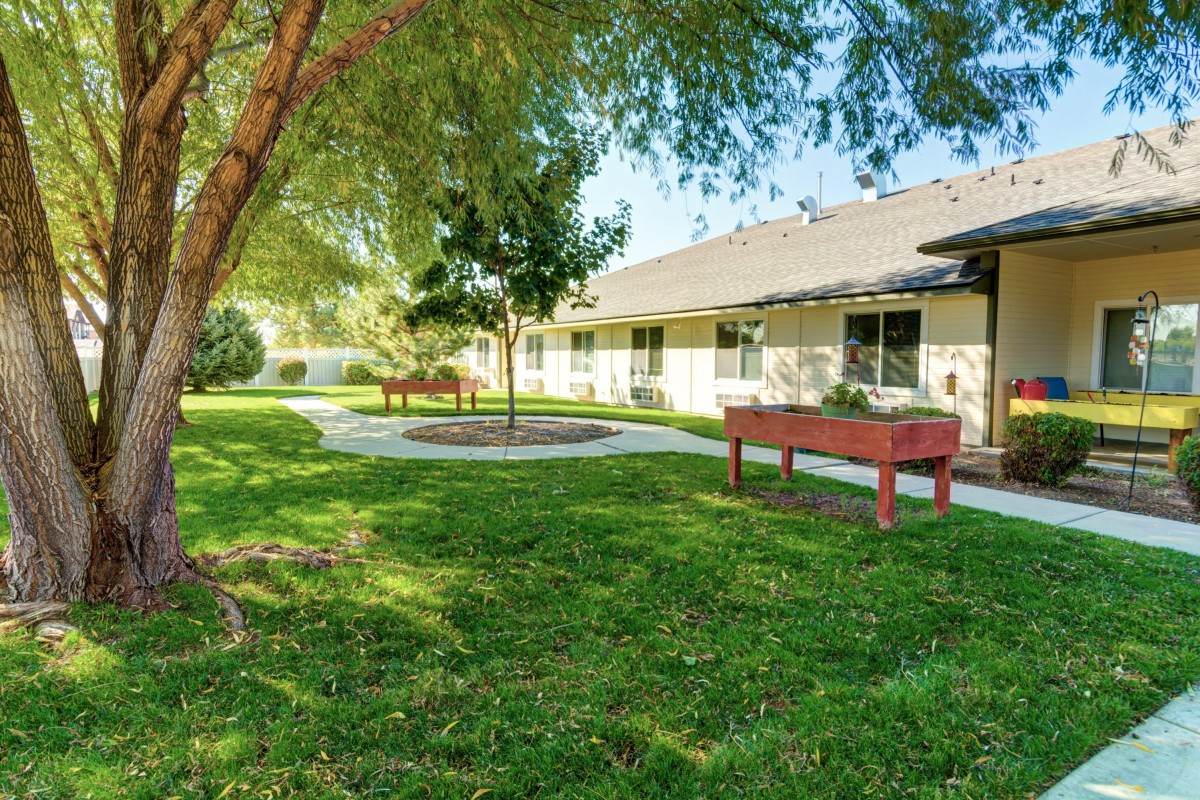
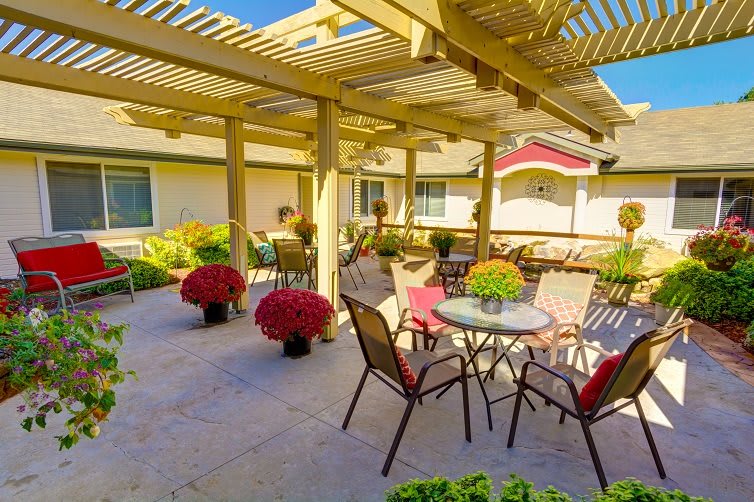
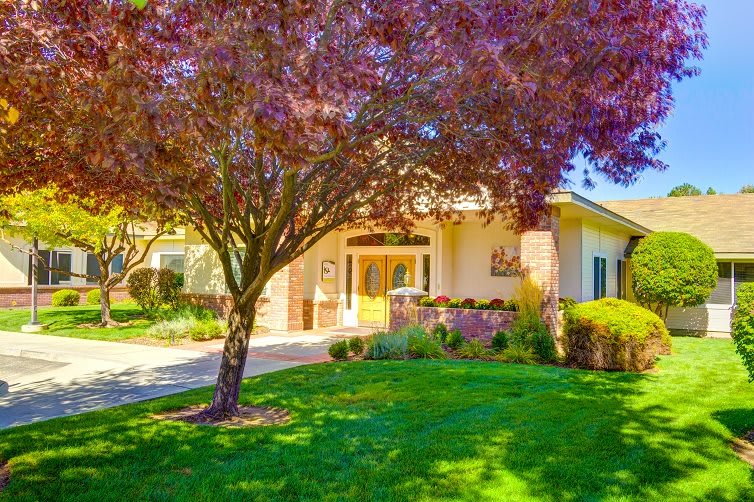
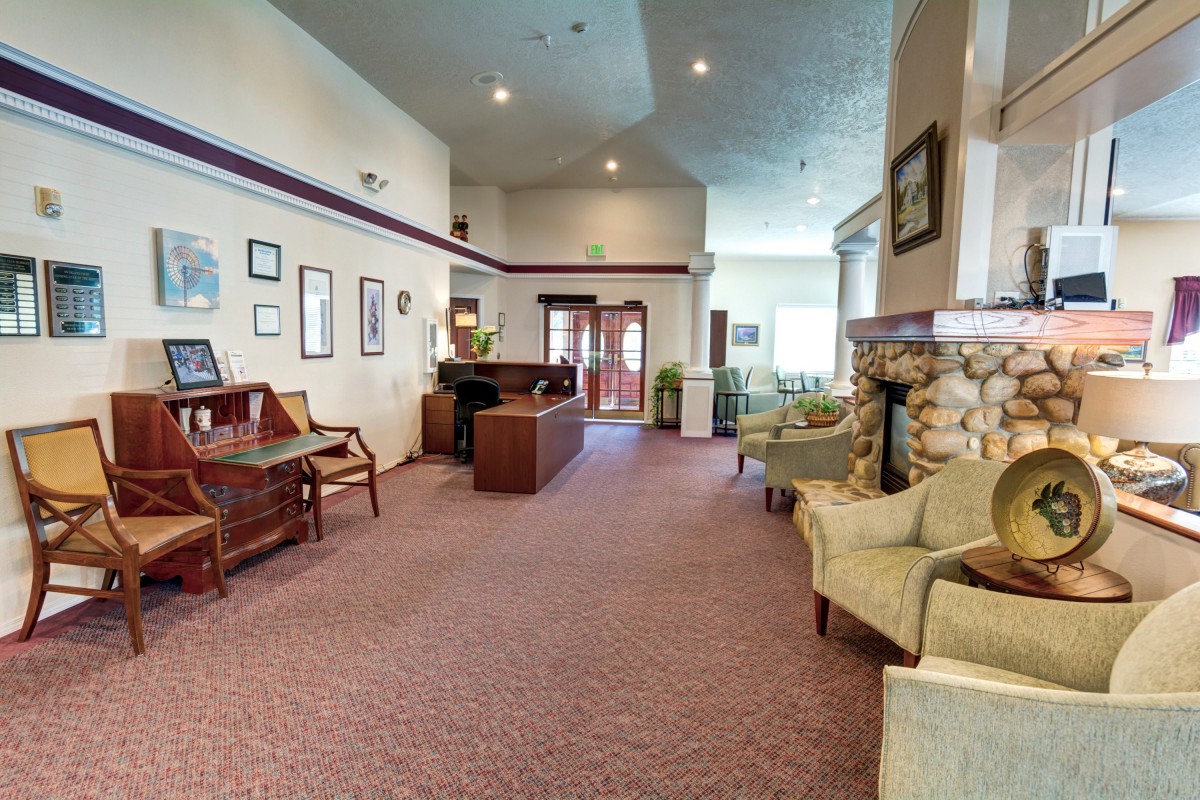
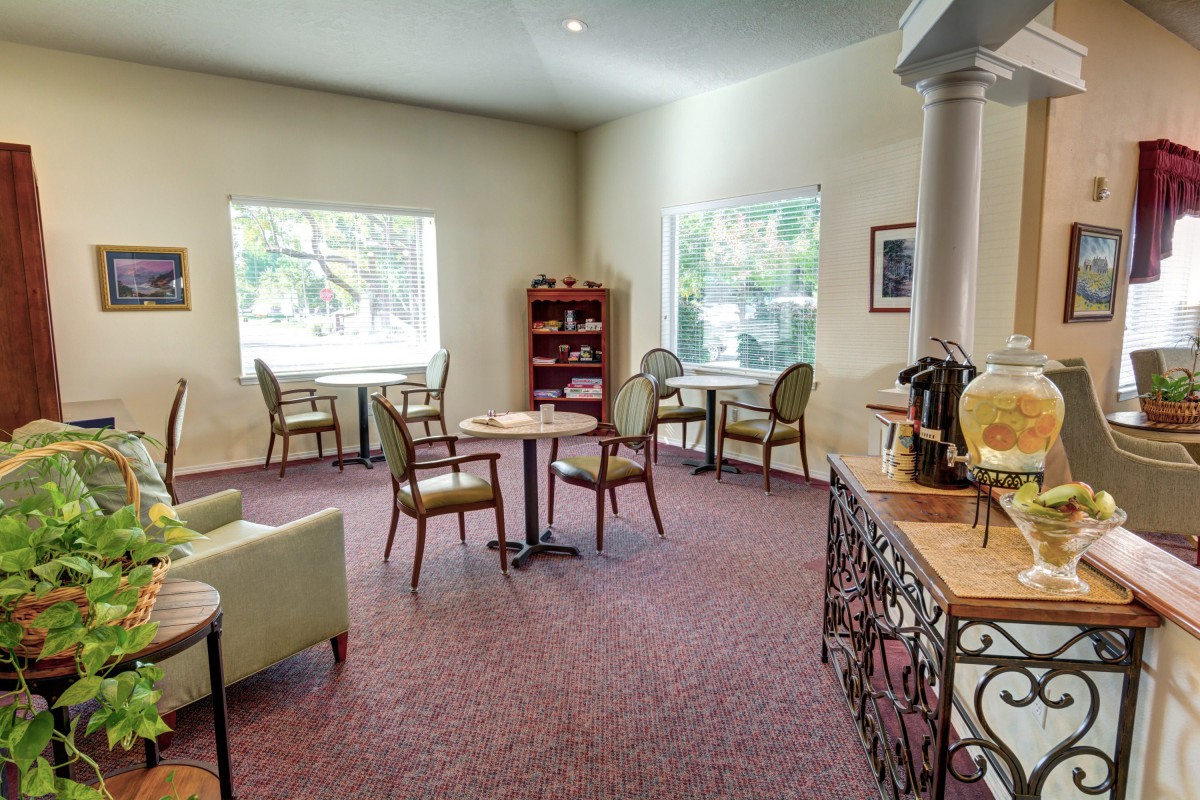
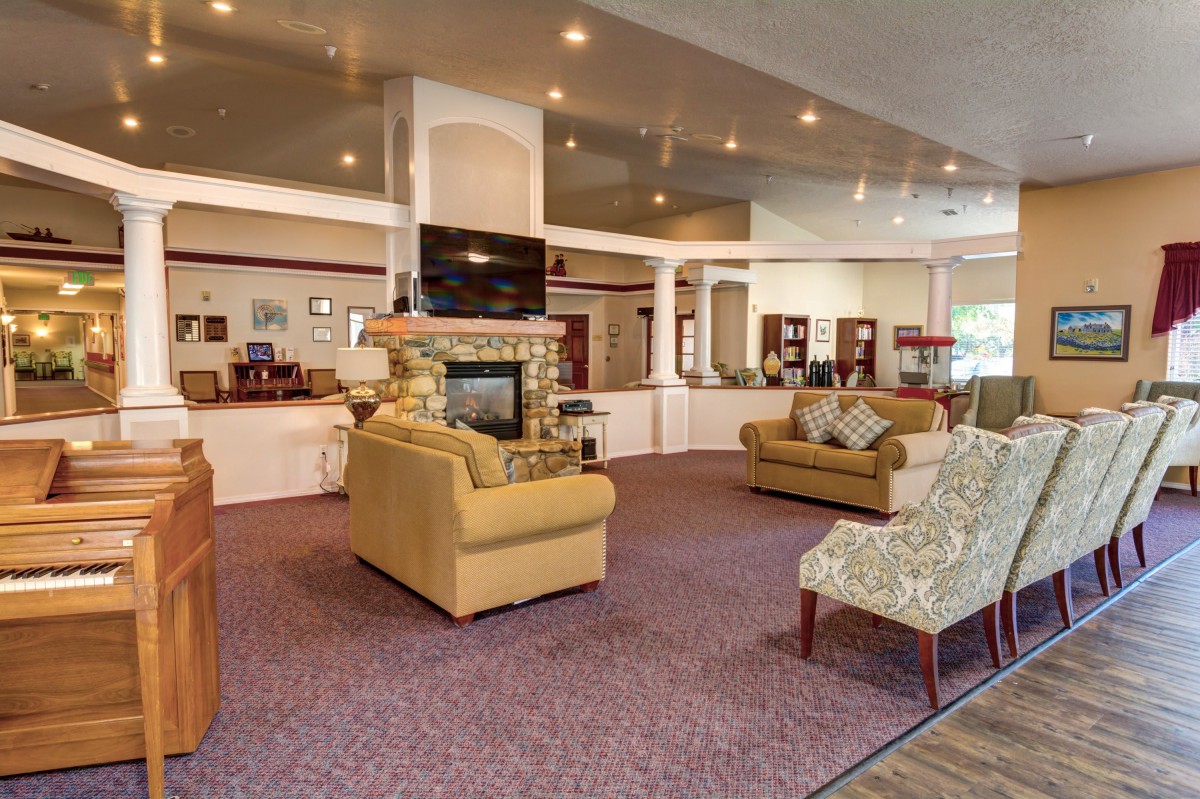
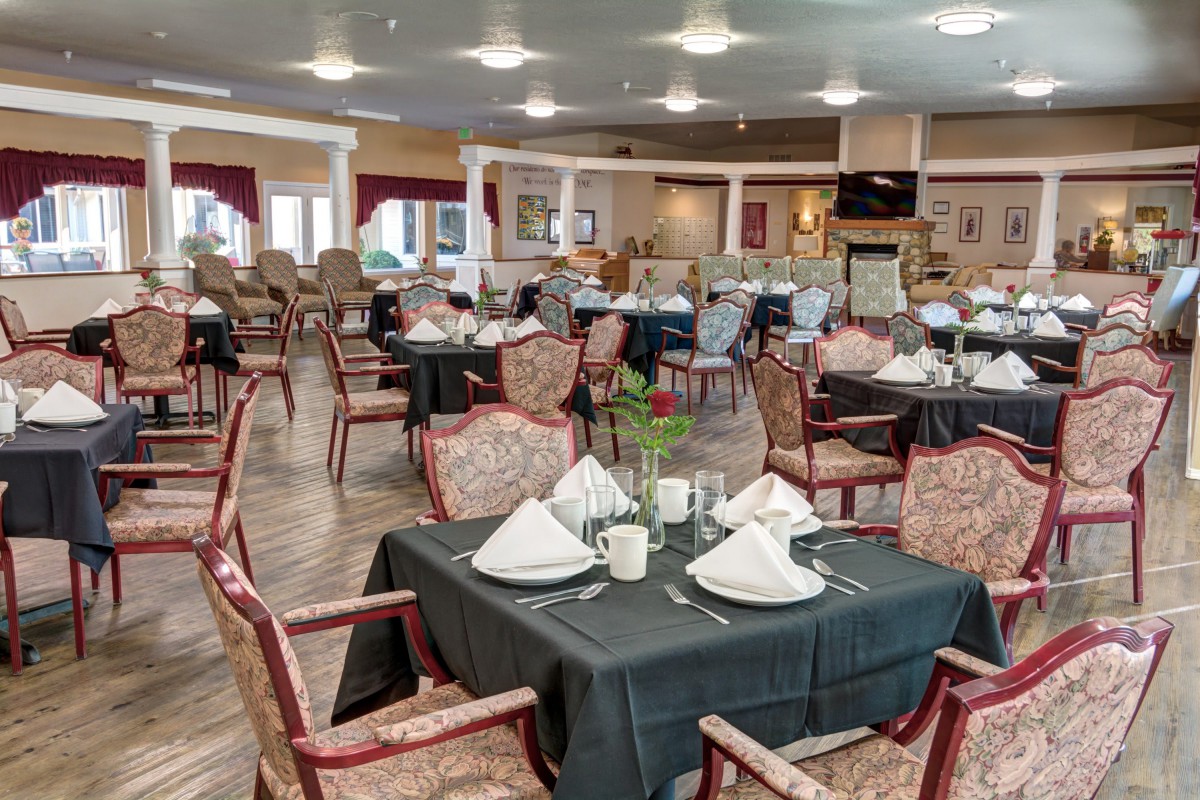
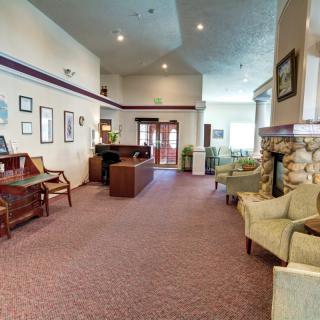
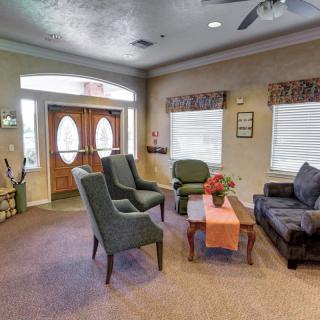
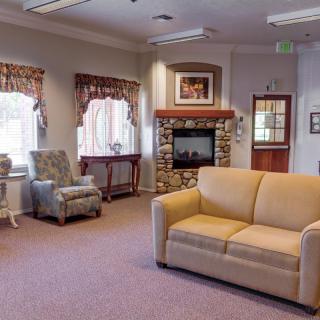
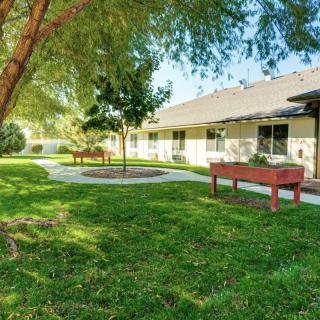
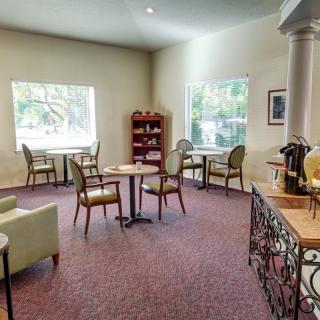
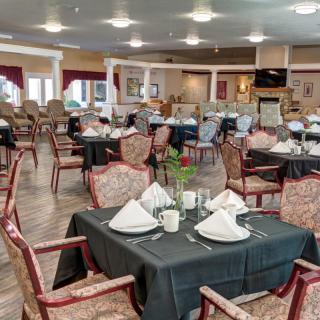
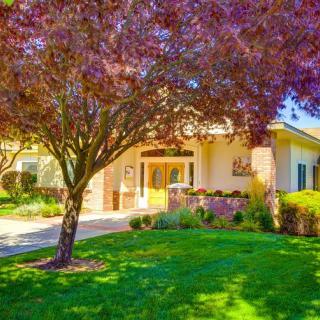
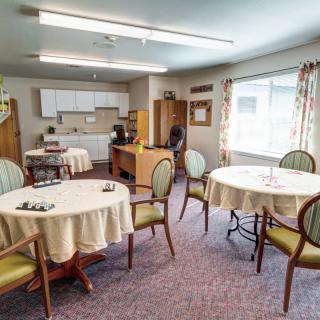
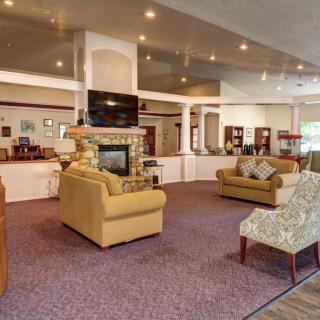
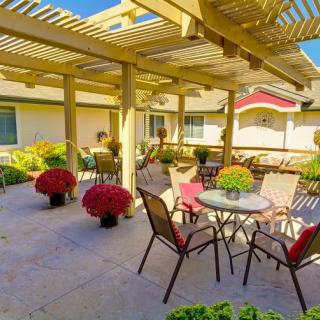
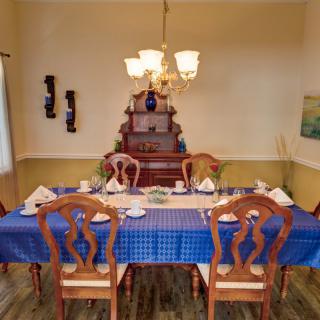
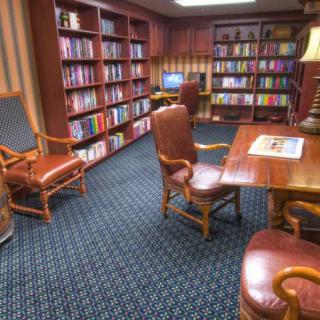
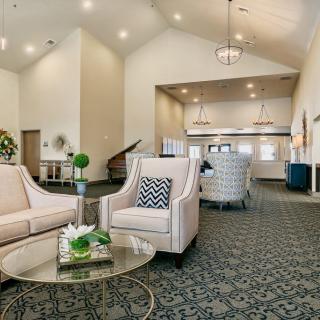
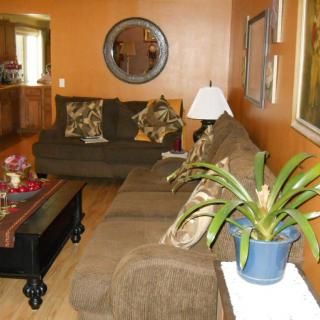
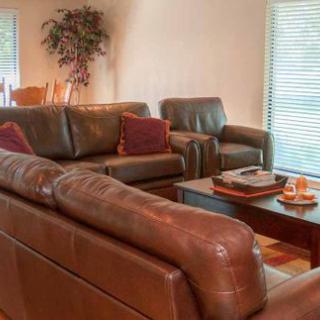
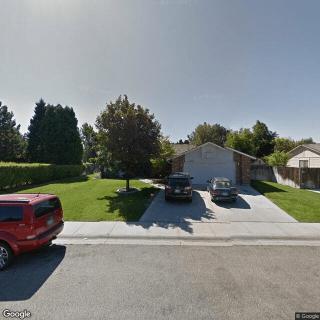
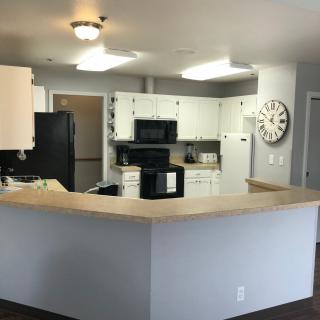
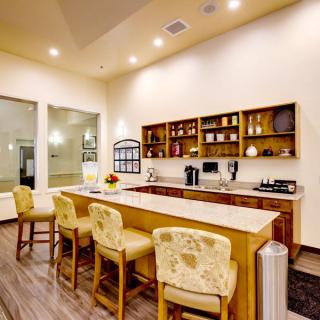
Overland Court Senior Living on seniors.fyi includes 14 photos including images showing interior, dining, landscaping, fireplace, decor, windows, garden, lobby, and more.
Nearby Communities
Overland Court Generations Memory Care
Boise, ID
4.3 from 60 reviews
Memory-care focused services with 24/7 supervision, personalized care, engaging activities, and restaurant-style dining.
Edgewood Spring Creek Overland
Boise, ID
4.3 from 48 reviews
$4,800 to $6,240 / month
Smaller, friendly community with personable staff and engaging activities; strong collaboration with hospice services.
Lebois Quality Care
Boise, ID
4.3 from 30 reviews
$3,000 to $3,500 / month
Extensive amenities, on-site activities, and accessible private living.
Poppy Fields Assisted Living
Boise, ID
3 from 4 reviews
Intimate 22-resident community with 24/7 supervision and personalized care.
Ashley Manor Care Centers - Highmont
Boise, ID
4 from 5 reviews
Intimate, small-scale community with restaurant-style dining and memory-care support.
Siggy
Boise, ID
$595 / month
Very affordable pricing relative to Ada County and Idaho averages.
Applewood Assisted Living
Boise, ID
3.6 from 17 reviews
$3,800 / month
Clean, welcoming environment with attentive staff and quality on-site amenities.
Touchmark at Meadow Lake Village
Meridian, ID
4.6 from 124 reviews
$5,750 / month
Luxurious, hotel-like setting with attentive staff and extensive amenities.
CornerStone Senior Living
Boise, ID
3.9 from 11 reviews
Excellent staff, pleasant layout, and engaging activities.
Vibrant Senior Living emphasizes active senior living communities that promote independence and engagement through diverse amenities and activities, fostering wellness and social interaction among older adults. These communities range from independent to assisted living, with a focus on personal growth, family involvement, financial planning, and leveraging technology to enhance residents' experiences.
Assisted living provides moderate support for seniors seeking independence, while memory care offers specialized support for individuals with dementia or cognitive impairments through structured routines and trained staff. Key differences include care approaches, environment security measures, staff training levels, activity types, and cost considerations.
Choosing between assisted living and nursing homes involves evaluating emotional and financial factors, with assisted living offering independence and support for daily activities at a lower cost, while nursing homes provide intensive medical care for individuals with significant health needs. The decision is influenced by personal preferences, health status, cognitive function, and varying Medicaid coverage across states.
Get PricingAsk A QuestionSchedule A TourContact Senior Advisor
By clicking submit, you agree to our Partner's Terms of Use. You
also consent to receive calls and texts, which may be autodialed, from our Partner. Your consent is not a condition to
using our Partner's service. Please visit our Partner's Privacy Policy for information about their privacy practices.





 22 resident community capacity
 1-bedroom apartments
 Assisted Living
 Memory Care
 Cats allowed
 Dogs allowed
 Activities off-site
 Air-conditioning
 Beautician on-site
 Cable or satellite TV
 Devotional services on-site
 Dining room
 Fully furnished
 Garden
 Ground floor units
 Handicap accessible
 Housekeeping services
 Indoor common areas
 Kitchenette
 Move-in coordination
 Outdoor common areas
 Respite or short term stays offered
 Spa
Spa Telephone
 Wheelchair accessible showers
 Wi-Fi/high-speed internet available
 Boise Air Terminal (5 miles away)
 24-hour call system
 Ambulatory care
 Assistance with bathing
 Assistance with dressing
 Assistance with transfers
 Diabetes diet
 Diabetic care
 High acuity care
 Hospice waiver
 Incontinence care
 Meal preparation and service
 Medication management
 Mental wellness program
 Special dietary restrictions
 Transportation arrangement (medical)
 Transportation to doctors appointments
 Bible study group
 Book club
 Day trips and outings
 Happy hour
 Live musical performances
 Trivia games
 Wii bowling
 Wine tasting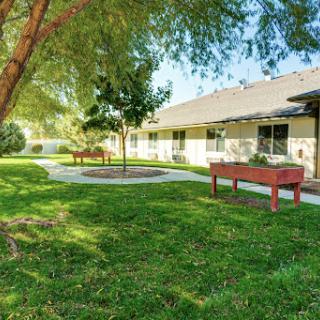
 Memory-care focused services with 24/7 supervision, personalized care, engaging activities, and restaurant-style dining.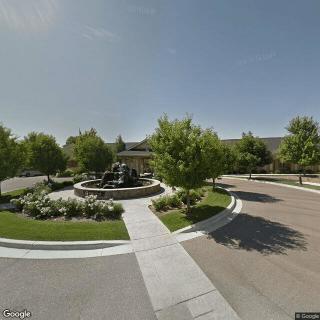


 Vibrant Senior Living: A Comprehensive Guide for Active Older Adults
 Assisted Living and Memory Care: Understanding Their Core Differences
 Choosing the Right Senior Care: A Detailed Exploration of Assisted Living and Nursing Homes