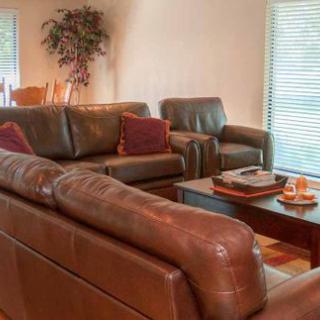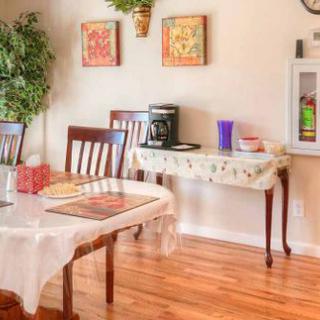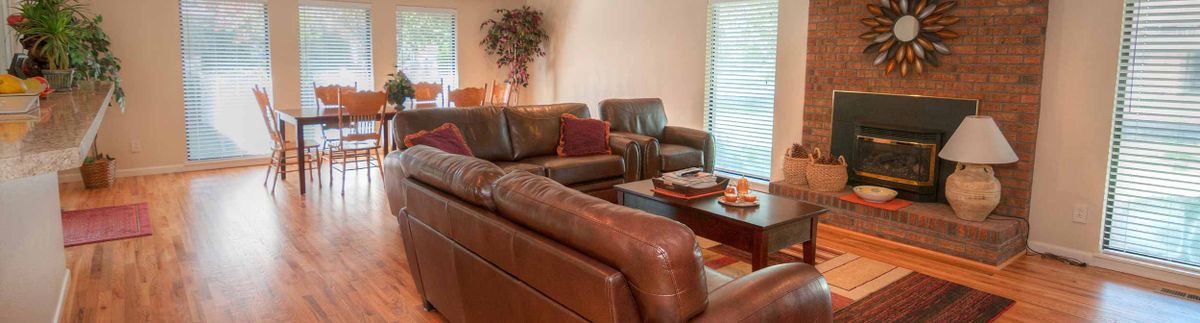
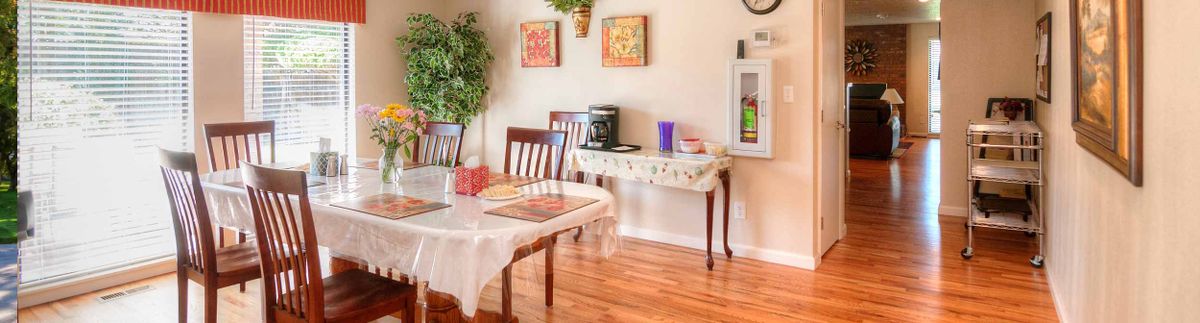



11325 West Camas Street, Boise, ID 83709
For more information about senior living options: (866) 208-4318
Overall Review of Poppy Fields Assisted Living
Pros
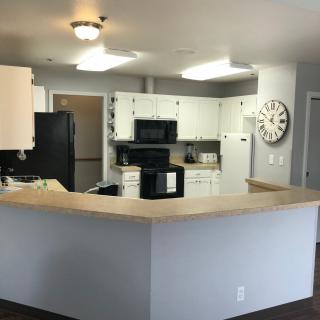
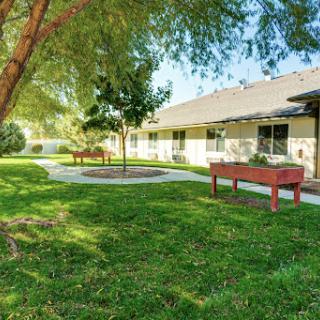
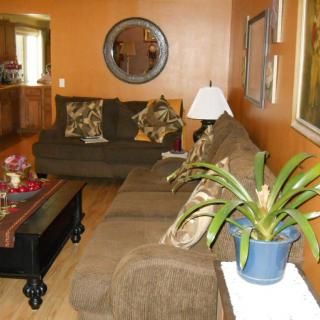
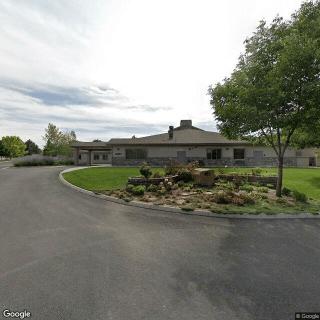
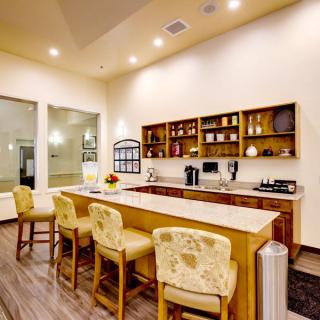
 This facility is very nice inside and out.
- The owners and staff seem very nice as well.
- Highly recommended; the facility is super clean and has great food.
- It is one of the very few under-12-bed facilities, with each room having a half bath.
Cons
 The reviewer says the facility clearly states they only want "easy people."
- They suggest the facility wants to be a certified family home but be paid like an assisted living.
- They state they are overall disappointed with the facility's approach.
- They claim the bad reviews are obviously disgruntled about something other than the quality of the facility.
Review
Poppy Fields Assisted Living in Boise is best suited for families seeking a small, home-like setting where seniors receive highly personalized attention. The community’s intimate size, under 12 resident beds, and the presence of a half-bath in each room create a private, comfortable environment that appeals to those who prize dignity and ease of daily living. The facility’s interior and exterior appear well-kept, and reports consistently describe the owners and staff as courteous and engaging. In short, this is not a typical, cookie-cutter assisted living; it is a tight-knit, low-key option for residents who want a quiet, manageable pace with attentive hands-on daily care.
That said, this model is not for every family. The strongest caution from families evaluating Poppy Fields centers on care breadth and admission philosophy. One review describes a clear preference for residents who require less intensive assistance and hints at a market-ready mindset more akin to a certified family home than a full-service assisted living. In practical terms, that means higher-need seniors or those with complex medical routines may encounter a mismatch between expectations and what the community provides. For families needing robust medical oversight, multiple daily interventions, or flexible acceptance criteria, alternatives should be considered.
On the plus side, the small footprint brings tangible advantages. Cleanliness is repeatedly praised, meals are described as solid or even notable, and the room design, each with its own half bath, supports independence and privacy. The intimate setting also tends to translate into quicker, more personal responses from staff and owners, and residents are likely to experience a sense of belonging within a close-knit group. For families prioritizing predictable routines, stable staffing, and a home-like atmosphere over glossy amenities, these are meaningful benefits that can justify choosing a smaller facility.
Yet the same small scale can be a practical drawback. The reviews suggest a deliberate policy around the type of resident accepted, which can feel restrictive to families whose loved ones require more extensive daily support. Capacity is inherently limited by the under-12 bed model, and that constraint may force difficult choices about timing and placement. The perception that the business is selecting residents based on ease of care introduces a risk: expectations about what assisted living should deliver may clash with the reality of a boutique operation. Those concerns deserve careful, direct discussion during tours.
Still, the strong points can offset these caveats for the right resident. The private, house-like environment fosters intimacy and oversight that larger facilities often cannot match, and the quality of daily life, crisp cleanliness and good food, matters significantly for ongoing wellbeing. The tiny resident population means closer supervision and potential for more tailored activities, routines, and social ties. If the priority is a calm, predictable setting where staff can know each resident well and care can be calibrated around a defined scope, the pros align well with the cons.
In the practical decision process, Poppy Fields is best chosen for a senior who needs light to moderate assistance rather than high-acuity medical care, and who values privacy, independence, and a homelike atmosphere. Families considering alternatives should look toward larger communities with broader admission policies and stronger capability to accommodate escalating care needs. Prospective buyers should visit, observe firsthand how staff interact with residents, and ask explicit questions about care boundaries and admission criteria to ensure alignment with the elder’s care plan. A candid tour will reveal whether the tight-knit model delivers the right balance of safety, comfort, and support.
 22 resident community capacity
 Assisted Living
 Board and Care Home
 Beauty salon
 Cable or satellite TV
 Dining room
 Fully furnished
 Garden
 Housekeeping services
 Kitchenette
 Move-in coordination
 Outdoor space
 Telephone
 Wi-Fi/high-speed internet available
 Boise Air Terminal (5 miles away)
 24-hour call system
 Activities of daily living assistance
 Assistance with bathing
 Assistance with dressing
 Assistance with transfers
 Diabetes diet
 Meal preparation and service
 Medication management
 Mental wellness program
 Special dietary restrictions
 Transportation arrangement (medical)
 Transportation to doctors appointments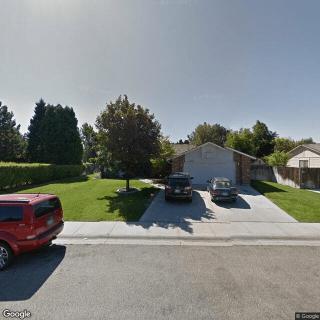


 Senior Transition Services: Understanding Their Role, Cost, and Importance
 Exploring the Path to Senior Living: A Comprehensive Look at Independent Living and Assisted Living
 Is Assisted Living Deductible on Your Taxes? Understanding the Complexities of Assisted Living Expenses and Deductions