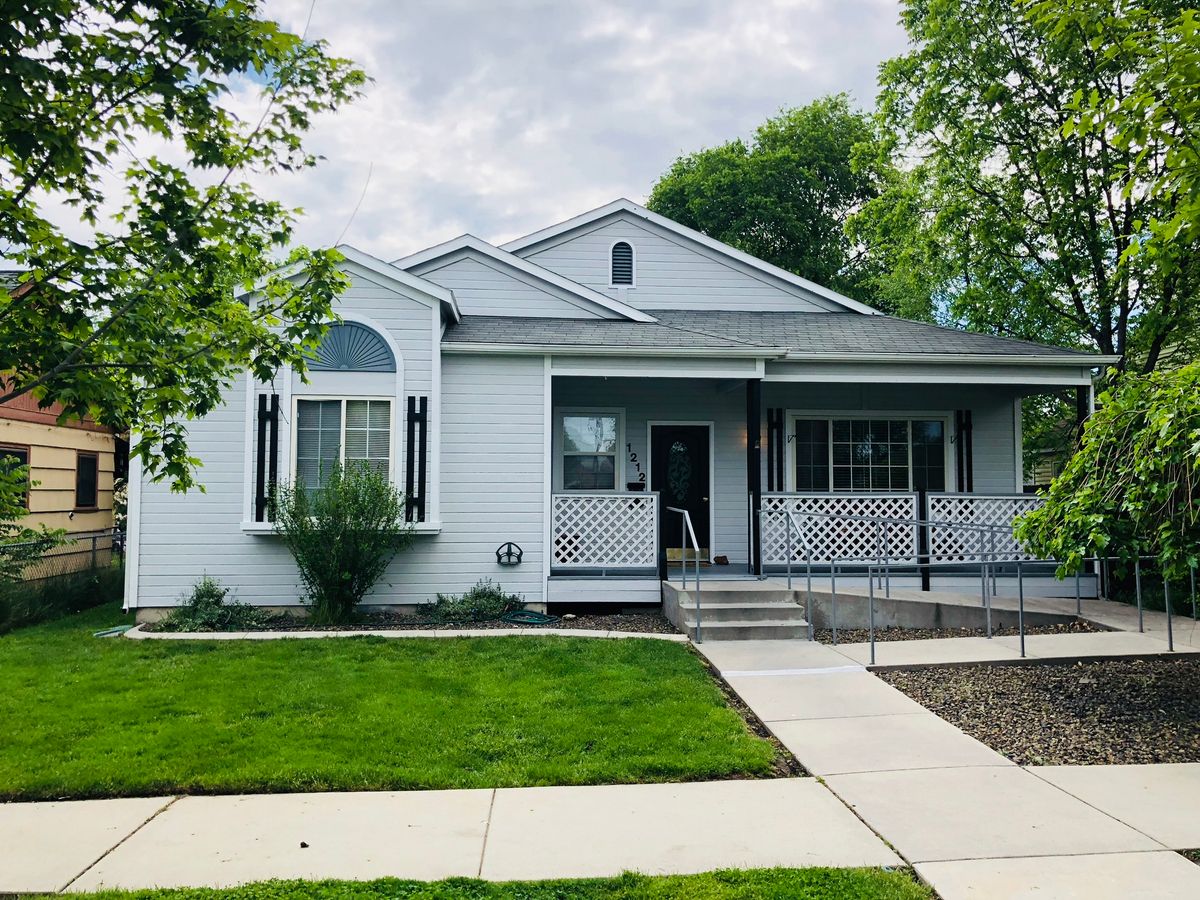
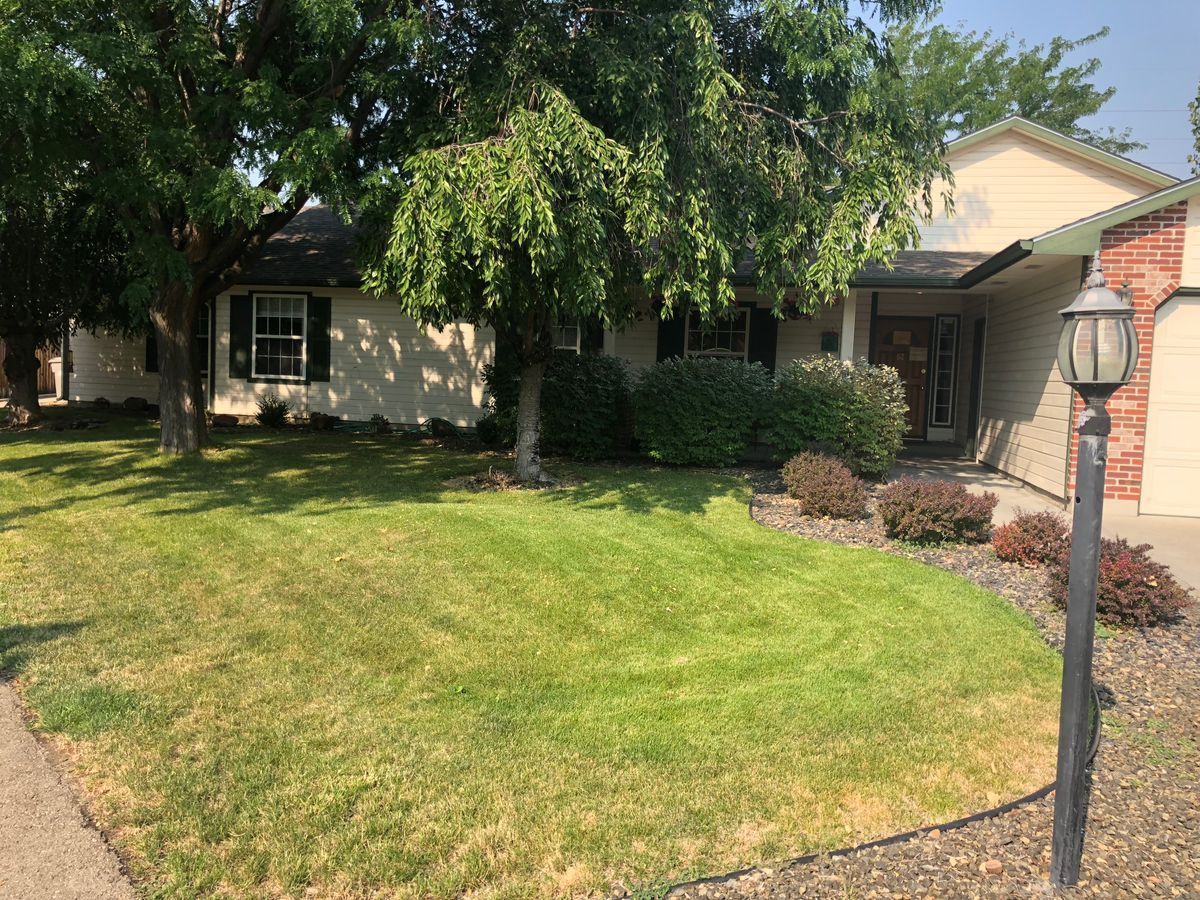
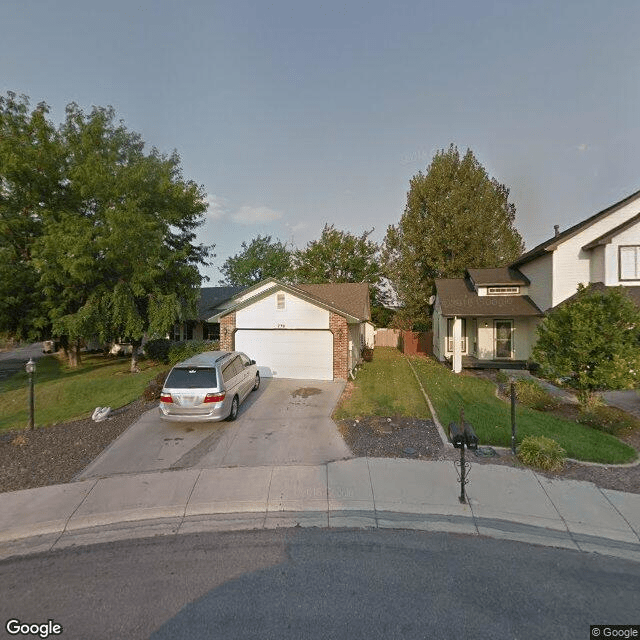
779 Tennyson Way, Boise, ID 83709
For more information about senior living options: (866) 208-4318
Applewood Assisted Living Costs & Pricing
Applewood Assisted Living offers private room accommodations at a competitive rate of $3,800 per month. When compared to the averages in Ada County and Idaho, Applewood's pricing falls slightly above the county average of $3,556, but remains below the state average of $3,906. This positioning underscores Applewood's commitment to providing quality care within a supportive environment while remaining mindful of regional pricing trends. Residents can expect not only personalized services but also an enriching lifestyle that justifies this investment in their well-being.
| Floor plans | Applewood Assisted Living | Ada County | Idaho |
|---|---|---|---|
| Private | $3,800 | $3,556 | $3,906 |
Assisted Living communities with a similar price nearby
-
from +$700 / mo

Mountain View Crossing
$4,500 / month4.2 miles away -
from +$445 / mo
Meridian Meadows Assisted Living and Memory Care
$4,245 to $5,145 / month1.4 miles away -
About the same
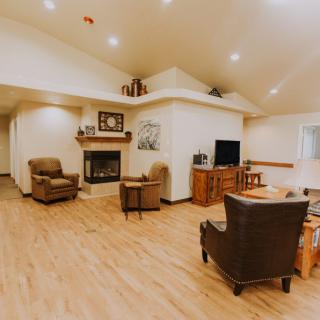
Swan Falls Assisted Living
$3,700 to $3,900 / month7.8 miles away -
from -$500 / mo
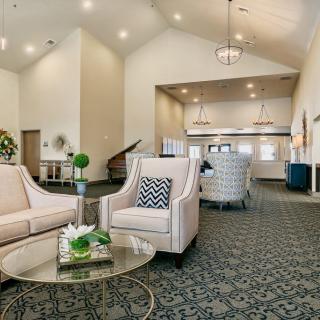
Veranda at Paramount
$3,300 to $5,000 / month5.6 miles away -
About the same
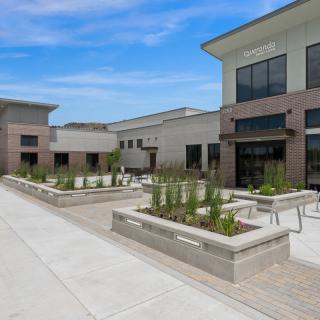
Barber Station Senior Living
$3,900 to $5,500 / month9.6 miles away
Overall Review of Applewood Assisted Living
Pros
 The facility is great, with amazing staff and a very clean environment.
- The caregivers are nice and enthusiastic.
- The staff are friendly and the care is attentive, offering good value.
- The staff go beyond what is expected, giving families peace of mind.
- Visitors are favorably impressed by the facility and its staff.
- The facility is gorgeous inside, very clean, with easily accessible spaces and five-star dining.
Cons
 The facility was a little too small for her mom.
- The owner has poor follow-through and does not do what he promises.
- The facility has numerous maintenance issues or renovations that are not being addressed.
- Supervisors did not seem concerned or interested in correcting the issues.
- The staff are uneducated and do not portray professionalism, and the care provided is very poor.
Review
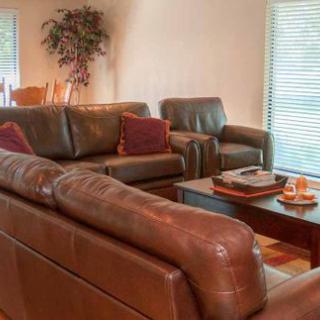
Applewood Assisted Living in Boise is best suited for families seeking a clean, home-like environment where staff warmth and attentive caregiving are routinely praised, and where meals and daily routines are reliably solid. The community works well for residents who prefer a smaller, more intimate setting and who value visible, hands-on attention from caregivers. The strong cleanliness standard and the sense of personal, family-like care can translate into real peace of mind for relatives. At the same time, the compact size may feel constraining for seniors who want a broader activity slate or more expansive social opportunities.
Those weighing alternatives should consider options if the priority is a facility with heavier medical oversight, more formal governance, or a robust maintenance program. Several reviews flag issues with ownership follow-through and with a facility that sometimes seems slow to act on renovations or repairs. Other comments describe staff professionalism as inconsistent, with some caregivers perceived as uneducated or less-than-professional. For families prioritizing relentless emphasis on flawless operations and seamless problem-solving, these patterns suggest that other communities could deliver greater certainty.
On the plus side, the strongest advantages at Applewood are tangible and meaningful. Residents frequently commend the cleanliness of the grounds and interiors, the friendly and attentive demeanor of caregivers, and the consistency of meals, often highlighted as a standout feature. Family members repeatedly note experiences of real care, with phrases describing peace of mind and gratitude toward staff who go “beyond” expectations. When care needs are moderate and daily routines align with a family’s expectations, these positives can offset some less reliable elements.
However, the drawbacks are neither rare nor trivial. The most persistent concerns center on ownership follow-through and responsiveness, repeatedly mentioned as a weakness in executing promised actions. Maintenance issues and possible renovations that do not progress promptly can erode confidence over time, especially for families tracking schedules and budgets. Reports of staff issues and uneven professionalism further complicate consistency of care. Taken together, these factors create a risk that day-to-day reliability may hinge on who is supervising or whether maintenance requests are actively managed.
For families evaluating Applewood, a practical decision framework is essential. Request a candid, in-depth tour with focus on caregiving routines, ask about the administrator’s accessibility, and seek recent examples of how repairs or renovations were completed. Inquire about staff training, turnover, and supervision across shifts, and request to speak with current residents or family members about daily life and meal experiences. If possible, observe a meal service and a care moment to gauge responsiveness and warmth beyond the glossy impression. Clarify how problems are escalated and resolved, and verify the anticipated schedule for any needed upgrades or renovations.
In the end, Applewood stands as a solid choice for families seeking warmth, cleanliness, and reliable meal quality in a small, personable setting. It delivers genuine peace of mind in many stories and can feel like a trusted home away from home when care needs are moderate and family oversight remains engaged. But for those prioritizing flawless consistency, uniform staff professionalism, and rapid, comprehensive maintenance and governance, better-aligned alternatives should be explored. A guided tour, direct conversations with caregivers, and a clear view of maintenance plans will reveal whether Applewood fits the long-term care map or if another Boise option better matches the required level of reliability and scope of services.
 20 resident community capacity
 Studio apartments
 Assisted Living
 Board and Care Home
 Cats allowed
 Dogs allowed
 Activities on-site
 Beautician on-site
 Cable or satellite TV
 Dining room
 Fully furnished
 Garden
 Housekeeping services
 Indoor common areas
 Kitchenette
 Move-in coordination
 Outdoor common areas
 Private
 Private bathrooms
 Respite or short term stays offered
 Telephone
 Wheelchair accessible showers
 Wi-Fi/high-speed internet available
 Boise Air Terminal (6 miles away)
 24-hour call system
 Ambulatory care
 Assistance with bathing
 Assistance with dressing
 Assistance with transfers
 Diabetes diet
 Diabetic care
 High acuity care
 Incontinence care
 Meal preparation and service
 Medication management
 Mental wellness program
 Special dietary restrictions
 Transportation arrangement (medical)
 Transportation to doctors appointments
 English



 8 Key Indicators That Suggest It May Be Time to Transition from Assisted Living to Skilled Nursing Care
 Vibrant Senior Living: A Comprehensive Guide for Active Older Adults
 When to Transition from Assisted Living to Memory Care: Key Indicators, Steps, and Finding the Right Community