Overall Review of Good Samaritan Society Pohai Nani
differentiator4 reviews mention this
Nursing support feels responsive
Residents describe quick help from nurses and practical oversight for daily care.
Several reviewers mention that nurses are quick to respond and that staff assist with care needs when timing matters. In one review, a visitor noted a limited illness area that can feel crowded, with nursing and doctors onsite when needed. Another family member described getting direction and medication help with kindness, while also mentioning nighttime bathroom assistance timing as something that can take longer. Together, the feedback matches the community’s care setup that includes around-the-clock monitoring and medication support services.
common10 reviews mention this
Activities fill the week
Residents have frequent activities, classes, and outings to stay engaged.
Reviewers repeatedly describe a busy schedule that can include exercise classes, arts and crafts, cooking classes, movies, and entertainment. Multiple people also mention recreation spaces for socializing and viewing programs, plus options like day trips or excursions. Several reviews also call out how accessible these activities are for residents, not just visitors on a tour. The community also emphasizes scheduled daily programming, which aligns with how often residents talk about what’s going on.
common8 reviews mention this
Dining gets praise with caveats
Food quality stands out, though variety and menus can be a concern.
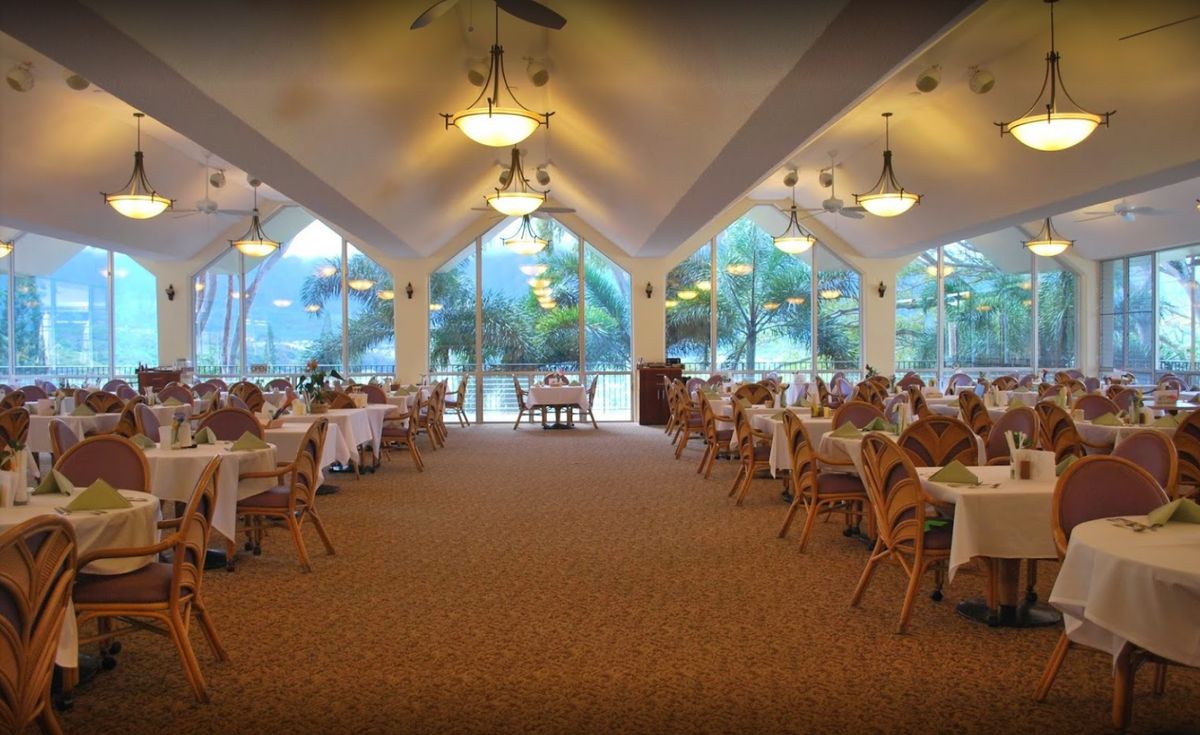
Many reviewers say they enjoyed meals, with some highlighting lunch choices and describing food as good or excellent. Others mention dietary-style options such as sugar-free and lower-calorie or lower-carb meals, which ties to residents who report food working for their needs. A couple of reviews note downsides, including feeling like the menu repeats every week and comments about dining rules like a dress code. Overall, dining is a frequent discussion point—often positive, but not without friction for everyone.
common11 reviews mention this
Views and grounds are repeatedly praised
The setting—especially the views—shows up again and again in reviews.
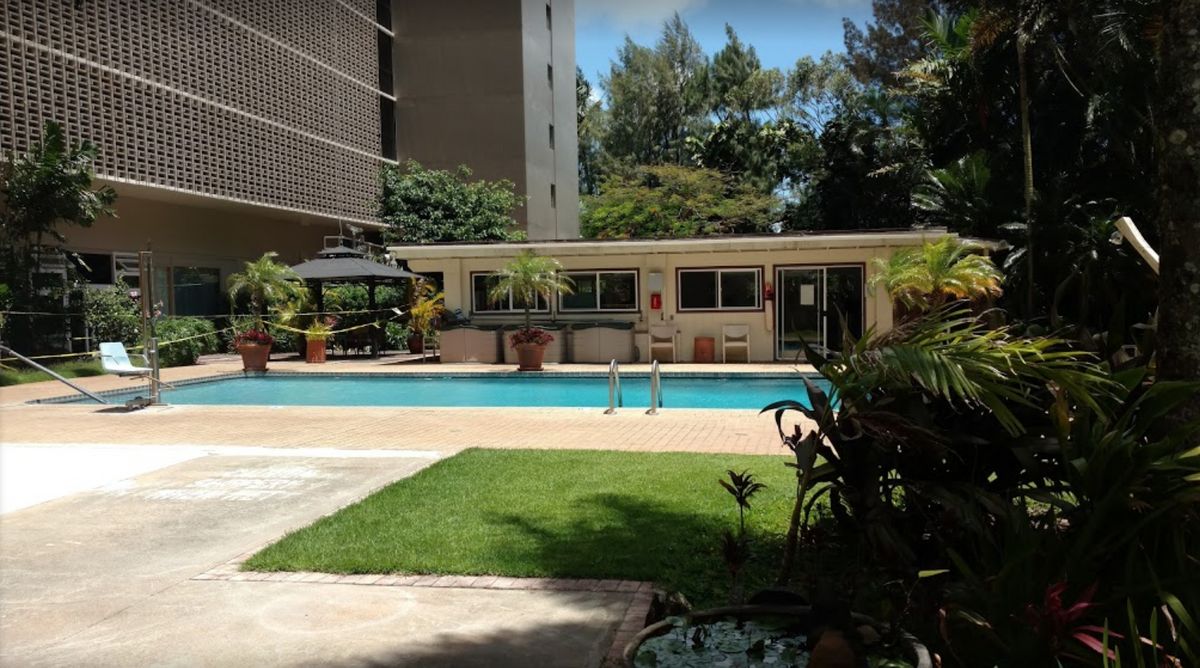
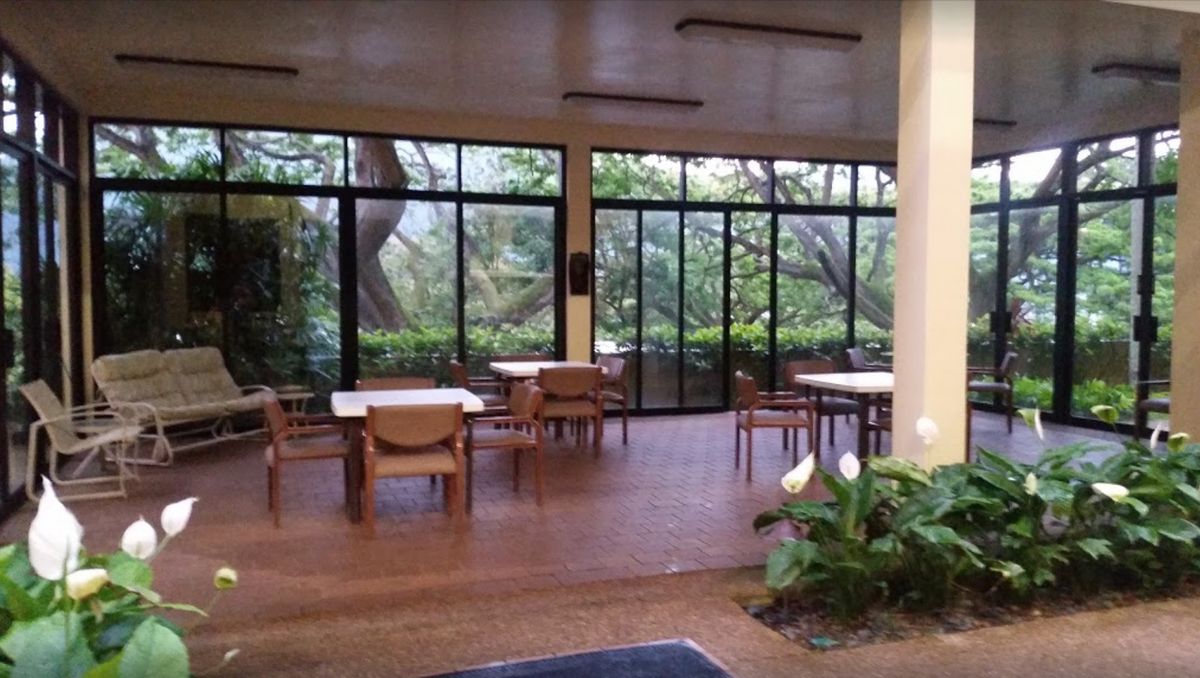
Reviewers frequently describe the community as beautifully maintained with landscaped grounds and a view of the bay and mountains. Several also mention outdoor and common-area spaces that support walks, socializing, and day-to-day enjoyment. A few reviews add details like balconies in units, hillside location, and the general feeling of a well-kept campus. Taken together, the feedback suggests the physical environment is a major part of what residents and families notice right away.
caveat4 reviews mention this
Cost is reasonable, but still steep
Pricing comes up as both “reasonable for what you get” and too expensive.
Some families describe the cost as reasonable compared with the peace of mind and care they feel their loved ones receive. Others, however, call it expensive and say they would like to be able to afford it. One reviewer also notes mixed opinions: the community is worth it if you can pay, but cost is part of the decision pressure. Overall, the reviews show a split—value for some, affordability concerns for others.
How we summarize
Counts show how many written reviews mention each theme; a review can touch several themes, and only frequently mentioned themes are displayed.
The features offered by Good Samaritan Society Pohai Nani play a critical role in enhancing the quality of life for residents with dementia or Alzheimer's disease. Assistance with dressing, bathing, and transfers ensures that residents maintain their dignity while receiving the necessary support for personal hygiene and mobility. Medication management and coordination with healthcare providers promote adherence to treatment plans, minimizing health complications. Meal preparation and service are tailored to meet nutritional needs, which is vital for overall well-being. Additionally, assistance with activities of daily living fosters independence as much as possible, while 24-hour supervision provides a safe environment where residents can feel secure. Physical therapy helps maintain mobility and strength, addressing physical decline associated with these conditions. Finally, specialized care for behavioral issues allows staff to respond appropriately to challenging situations, ensuring comfort and reducing anxiety among residents.
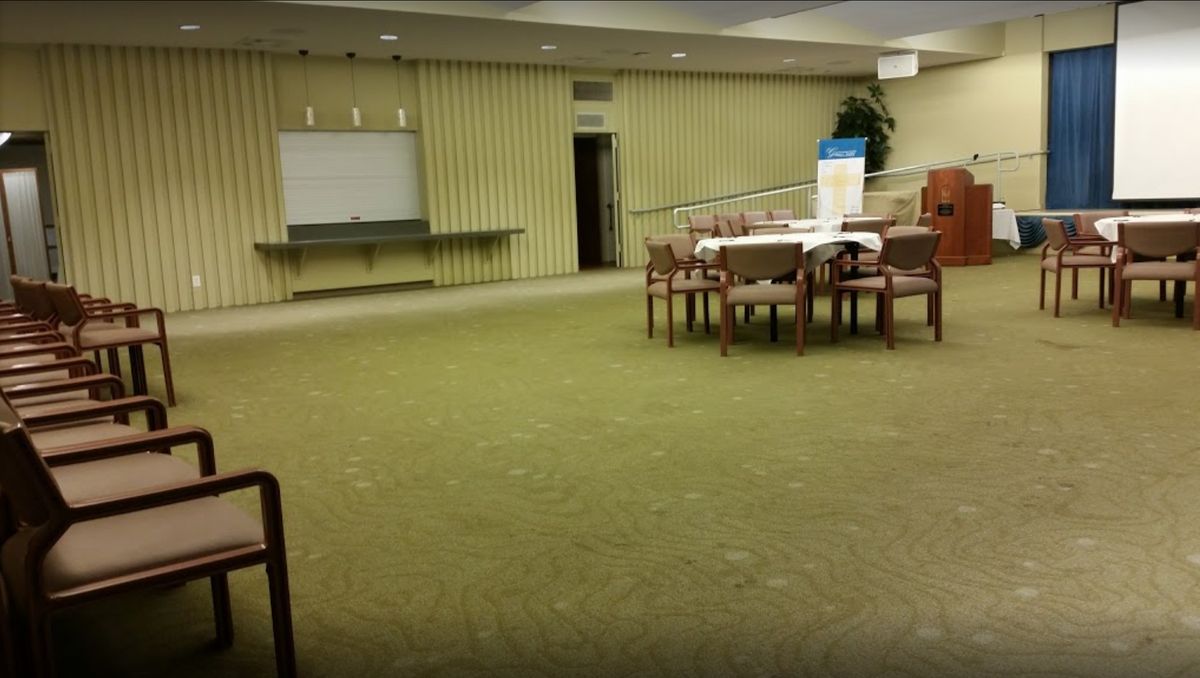
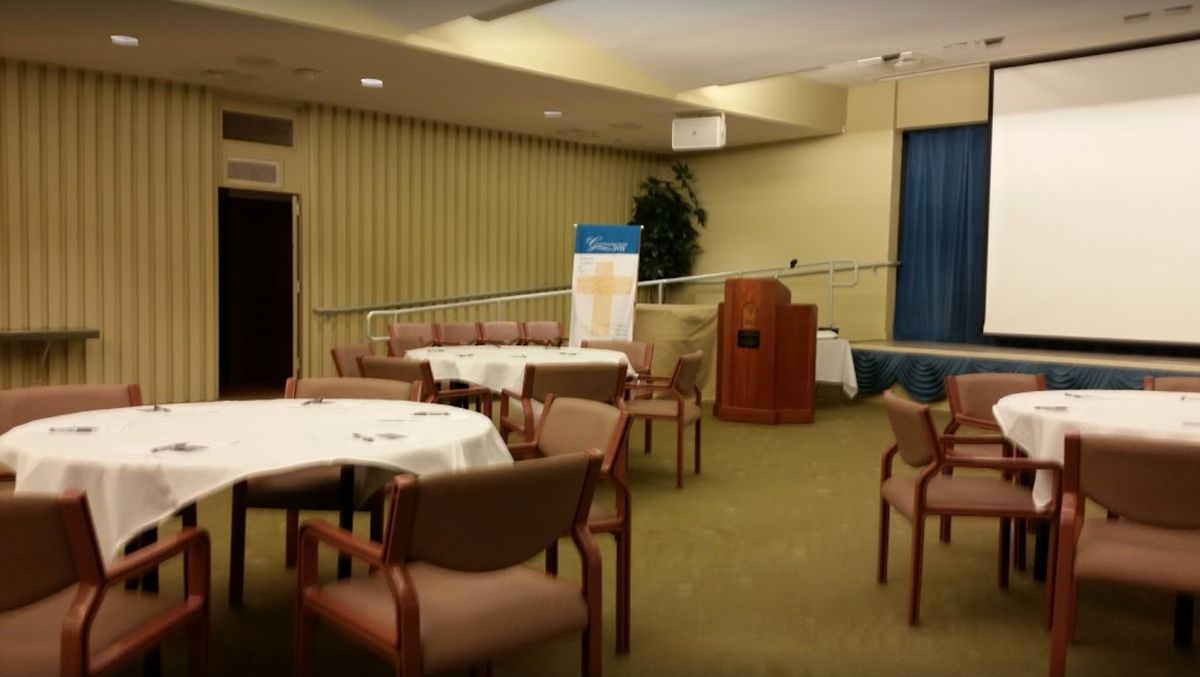
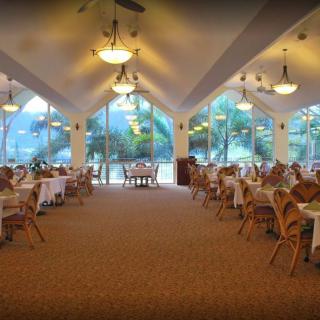
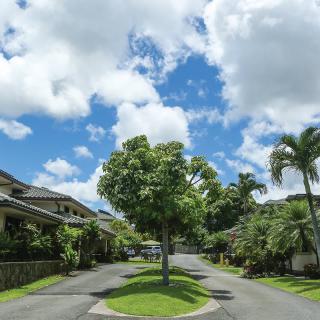
Good Samaritan Society Pohai Nani on seniors.fyi includes 8 photos including images showing interior, landscaping, dining, windows, conference room, meeting space, nature, swimming pool, and more.
Nearby Communities
Pohai Nani Good Samaritan
Kaneohe, HI
4.7 from 39 reviews
Spacious, clean facility with long-term, consistent caregivers and home-like common areas.
Hale Ku'Ike Bayside
Kaneohe, HI
4.2 from 5 reviews
Welcoming assisted living with comprehensive daily support and modern, furnished accommodations.
J & A
Kaneohe, HI
Fully furnished assisted living with comprehensive care (meals, daily living assistance, medication management, housekeeping) and transportation to medical appointments.
T & F Home Services
Kaneohe, HI
Fully furnished accommodations with meals, housekeeping, and 24/7 supervision.
Golden Acres
Kaneohe, HI
Comprehensive care and amenities with transport and connectivity.
Cej Charity Arch-Ec
Kaneohe, HI
4 from 1 review
Small, intimate assisted living with comprehensive care (24/7 supervision, ADL support, medication management) and diabetes-friendly dining.
Aloha Nursing & Rehab Centre
Kaneohe, HI
4.4 from 9 reviews
Attentive staff and high-quality meals.
Kina 'Ole Estate
Kaneohe, HI
4.8 from 45 reviews
$8,500 to $8,900 / month
Small, home-like setting with dedicated staff and modern amenities.
The Plaza at Kaneohe
Kaneohe, HI
3.5 from 14 reviews
Clean, well-maintained facility with friendly staff and flexible private/semi-private living options.
The article compares assisted living and skilled nursing facilities, detailing their differing levels of assistance, medical support, cost structures, and day-to-day experiences. It emphasizes that assisted living is for those needing help with daily activities while maintaining independence, whereas skilled nursing facilities provide intensive medical care with 24-hour staff supervision.
Vibrant Senior Living emphasizes active senior living communities that promote independence and engagement through diverse amenities and activities, fostering wellness and social interaction among older adults. These communities range from independent to assisted living, with a focus on personal growth, family involvement, financial planning, and leveraging technology to enhance residents' experiences.
Assisted living provides moderate support for seniors seeking independence, while memory care offers specialized support for individuals with dementia or cognitive impairments through structured routines and trained staff. Key differences include care approaches, environment security measures, staff training levels, activity types, and cost considerations.
Get PricingAsk A QuestionSchedule A TourContact Senior Advisor
By clicking submit, you agree to our Partner's Terms of Use. You
also consent to receive calls and texts, which may be autodialed, from our Partner. Your consent is not a condition to
using our Partner's service. Please visit our Partner's Privacy Policy for information about their privacy practices.










 22 resident community capacity
 Assisted Living
 Continuing Care Retirement Community (CCRC)
 Independent Living
 Memory Care
 Respite Care
 Skilled Nursing Facility
 Air-conditioning
 Beauty salon
 Cable or satellite TV
 Continuing learning programs
 Fully furnished
 Garden
 Housekeeping services
 Move-in coordination
 Outdoor space
 Telephone
 Wi-Fi/high-speed internet available
 Honolulu International (11 miles away)
 Transportation arrangement
 24-hour call system
 24-hour nursing
 Activities of daily living assistance
 Assistance with bathing
 Assistance with dressing
 Assistance with transfers
 Care with behavioral issues
 Diabetes diet
 Diabetic care
 Meal preparation and service
 Medication management
 Physical therapy
 Special dietary restrictions
 Concierge services
 Fitness programs
 Planned day trips
 Spacious, clean facility with long-term, consistent caregivers and home-like common areas.


 Exploring the Contrasts Between Assisted Living and Skilled Nursing
 Vibrant Senior Living: A Comprehensive Guide for Active Older Adults
 Assisted Living and Memory Care: Understanding Their Core Differences