Kina 'Ole Estate presents a unique proposition in the real estate market, with its monthly rental costs significantly surpassing both Honolulu County and the broader state of Hawaii. For instance, a studio at Kina 'Ole Estate is priced at $8,500, which notably exceeds the county's average of $4,880 and the state average of $4,687. Similarly, a one-bedroom unit commands a monthly rate of $8,900 compared to Honolulu County's $4,557 and Hawaii's $4,452. This substantial difference in pricing reflects not only the estate's premium offerings but also its distinctive location and amenities that may justify such an investment for those seeking luxury living options in a desirable area.
Floor plans
Kina 'Ole Estate
Honolulu County
Hawaii
Studio
$8,500
$4,880
$4,687
1 Bedroom
$8,900
$4,557
$4,452
Overall Review of Kina 'Ole Estate
differentiator5 reviews mention this
Around-the-clock care gives peace of mind
Residents and families describe reliable 24/7 support that reduces worry.
Multiple reviews emphasize around-the-clock help, including families who wanted 24/7/365 assistance and residents who had 24/7 support available nearby. Others specifically mention 24/7 care and managed support for daily routines like medication and staffing. One reviewer also ties the ongoing managed care to their ability to relax and focus on family visits.
differentiator9 reviews mention this
Memory care is a recurring focus
Families describe experience with dementia and Alzheimer’s care that helps residents adjust.
Several reviews reference severe dementia, Alzheimer’s, or a dementia diagnosis when explaining why they chose Kina 'Ole Estate. Families say their loved ones received gentle, specialized support and that staff could help with changing needs over time. One reviewer also highlights dementia-related expertise when discussing enrollment help.
common4 reviews mention this
Dining and meals affect day-to-day life
Meals and snack routines are important to residents and families.
Reviews mention residents enjoying food and snacks, with one person calling out that they liked the food specifically. Another reviewer describes improved eating after moving in, including weight gain and more regular engagement with meals. Others also mention what’s being served during the day and describe fresh produce offered.
caveat2 reviews mention this
Not enough activities for everyone
Some reviewers say the activity and social schedule didn’t meet expectations.
While many people describe residents staying busy, a couple of reviews raise concerns about limited social contact and insufficient activities. One reviewer says their grandmother wanted more physical and mental engagement, and another says there were not enough activities for residents. These comments stand out against the overall positive activity mentions in other reviews.
How we summarize
Counts show how many written reviews mention each theme; a review can touch several themes, and only frequently mentioned themes are displayed.
Features
Types of Care
Assisted Living
Memory Care
Amenities
Activities on-site
Air-conditioning
Beautician on-site
Cable or satellite TV
Devotional services off-site
Fully furnished
Garden
Ground floor units
Handicap accessible
Housekeeping services
Indoor common areas
Kitchenette
Move-in coordination
Outdoor space
Respite or short term stays offered
Wheelchair accessible showers
Transportation
Honolulu International (11 miles away)
Care Services
24-hour supervision
Activities of daily living assistance
Ambulatory care
Assistance with bathing
Assistance with dressing
Assistance with transfers
Diabetes diet
Incontinence care
Meal preparation and service
Medication management
Mental wellness program
Mild cognitive impairment
Special dietary restrictions
Specialized memory care programming
Dining
Anytime dining
Diabetes diet
Gluten-free
Guest meals
International cuisine
Low / no sodium
Meals provided
No Sugar
Organic
Professional chef
Restaurant style dining
Room service
Special dietary restrictions
Special dining programs
Vegan
Activities
Art classes
Community-sponsored activities
Cooking classes
Day trips and outings
Devotional activities offsite
Educational speakers / life long learning
Forever fit
Happy hour
Karaoke
Live dance or theater performances
Live musical performances
Live well programs
Scheduled daily activities
Stretching classes
Nearby Places of Interest
Kaneohe, Hawaii, offers a peaceful and convenient location for senior living. With various dining options such as Adela's Country Eatery and Creekside nearby, residents can enjoy delicious meals without having to travel far. The availability of pharmacies like Times Super Market and Walgreens ensures easy access to medications and healthcare supplies. Additionally, there are reputable physicians in the area such as Windward Vision Center Kaneohe and Hawaii Dermatology Center for medical care needs. For recreational activities, parks like Kualoa Regional Park and He‘eia State Park provide opportunities for outdoor enjoyment. In case of emergencies, hospitals like Hawaii State Hospital and Castle Medical Center are within close proximity. Places of worship like Byodo-In Temple offer spiritual fulfillment, while cafes such as Kalapawai Cafe present a cozy atmosphere for socializing. Overall, this part of Kaneohe provides a well-rounded community with amenities suitable for seniors looking for a comfortable and welcoming environment to call home.
Kina 'Ole Estate presents a unique proposition in the real estate market, with its monthly rental costs significantly surpassing both Honolulu County and the broader state of Hawaii. For instance, a studio at Kina 'Ole Estate is priced at $8,500, which notably exceeds the county's average of $4,880 and the state average of $4,687. Similarly, a one-bedroom unit commands a monthly rate of $8,900 compared to Honolulu County's $4,557 and Hawaii's $4,452. This substantial difference in pricing reflects not only the estate's premium offerings but also its distinctive location and amenities that may justify such an investment for those seeking luxury living options in a desirable area.
Kina 'Ole Estate's range of features is designed to support residents with dementia or Alzheimer's by addressing their unique needs comprehensively. Assistance with dressing and bathing helps maintain personal hygiene and dignity, while 24-hour supervision ensures safety and immediate response to any challenges that may arise. Medication management plays a crucial role in maintaining residents' health, preventing complications from missed doses or incorrect medications. Meal preparation and service cater to nutritional needs, promoting overall well-being, while assistance with transfers enhances mobility and independence. Activities of daily living assistance fosters engagement in everyday tasks, essential for cognitive stimulation. Additionally, the mental wellness program and specialized memory care programming provide tailored activities that encourage mental engagement and social interaction. Incontinence care further supports comfort and dignity, making Kina 'Ole Estate a nurturing environment conducive to both physical health and emotional well-being for its residents facing cognitive challenges.
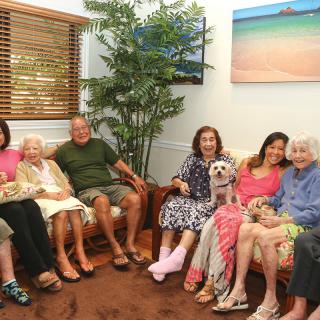
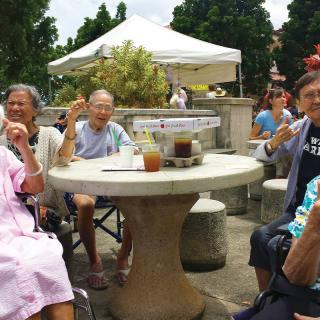
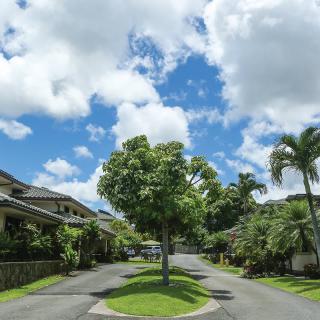
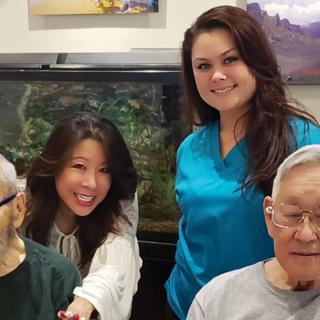
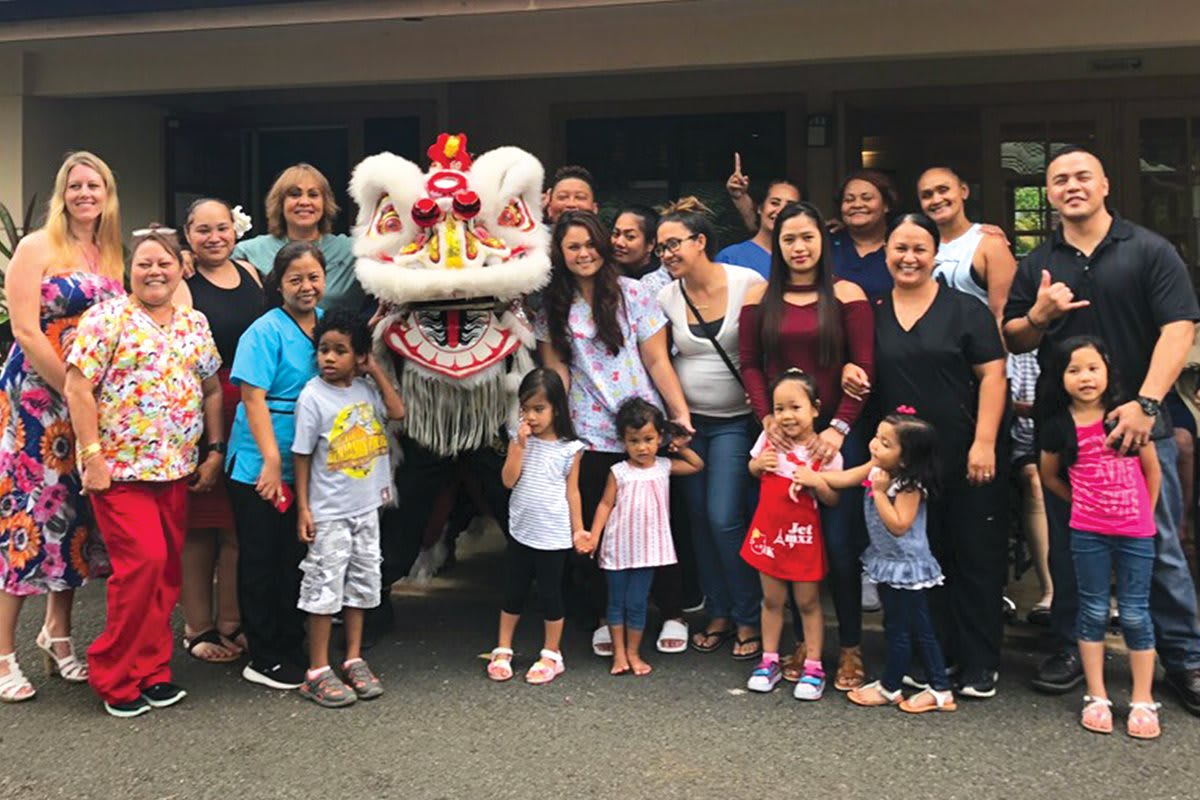
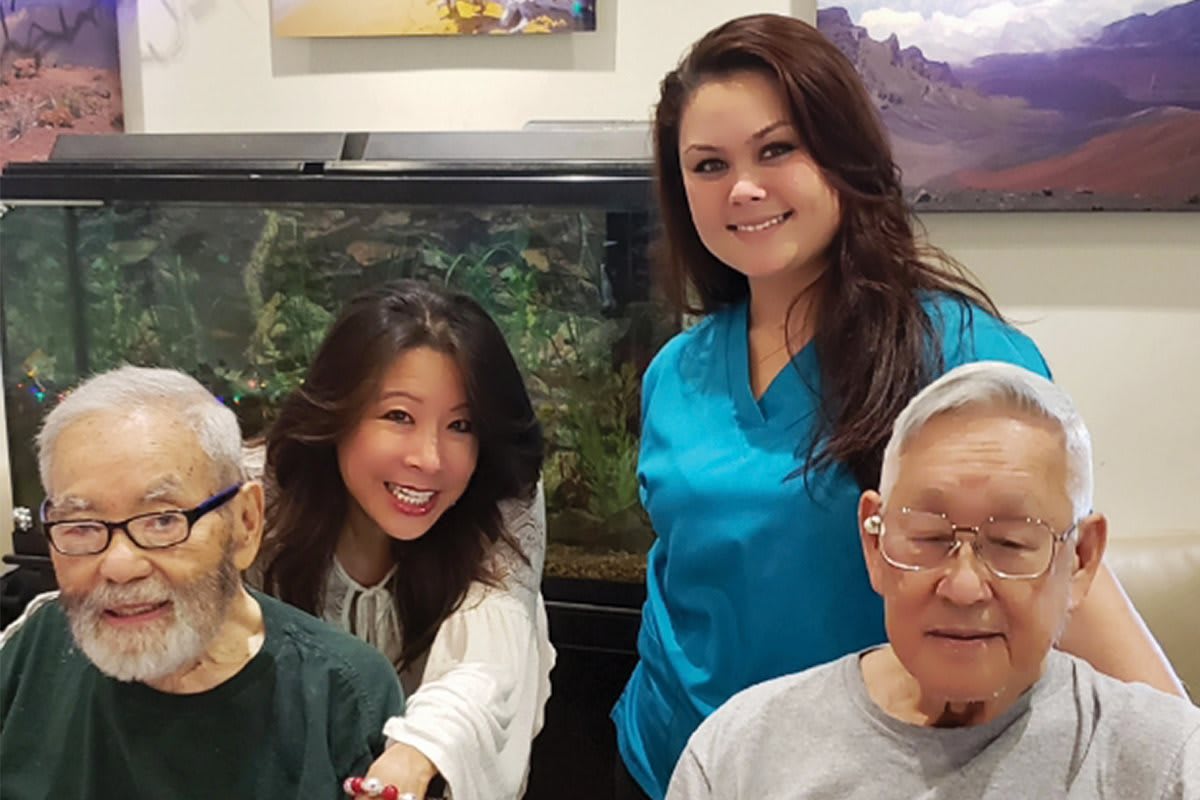
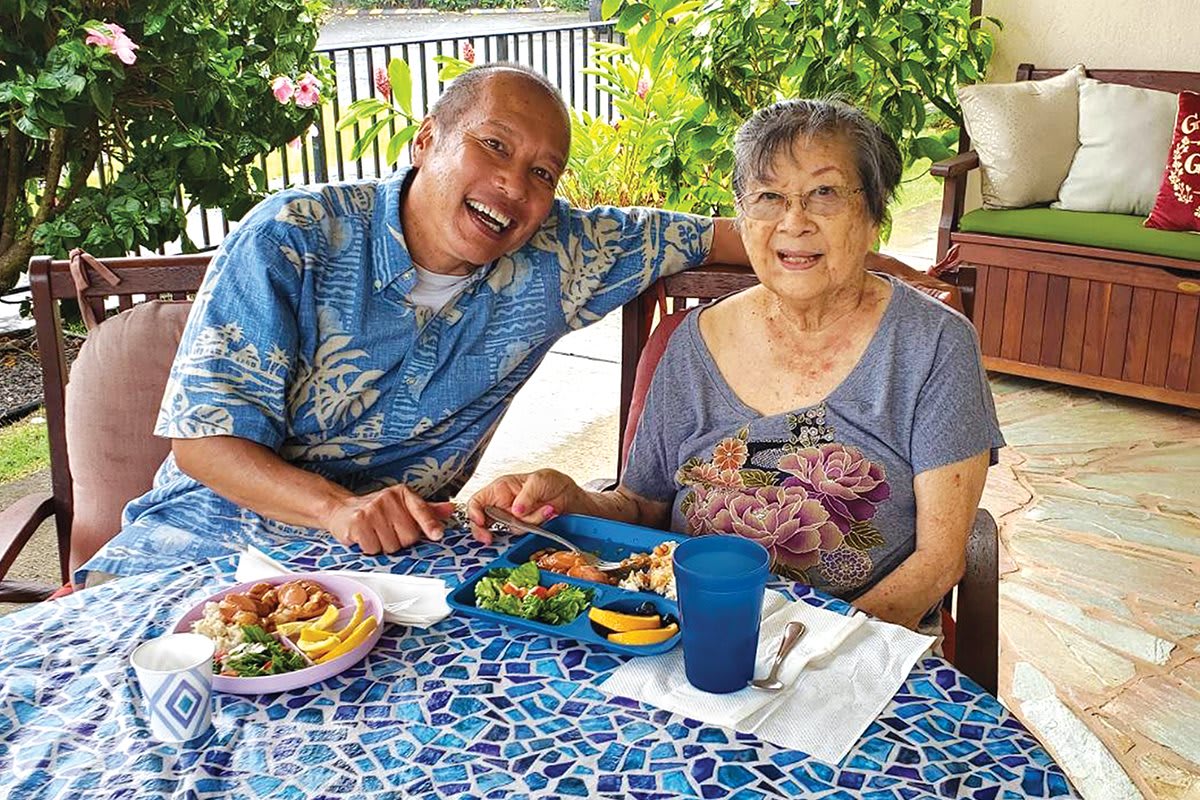
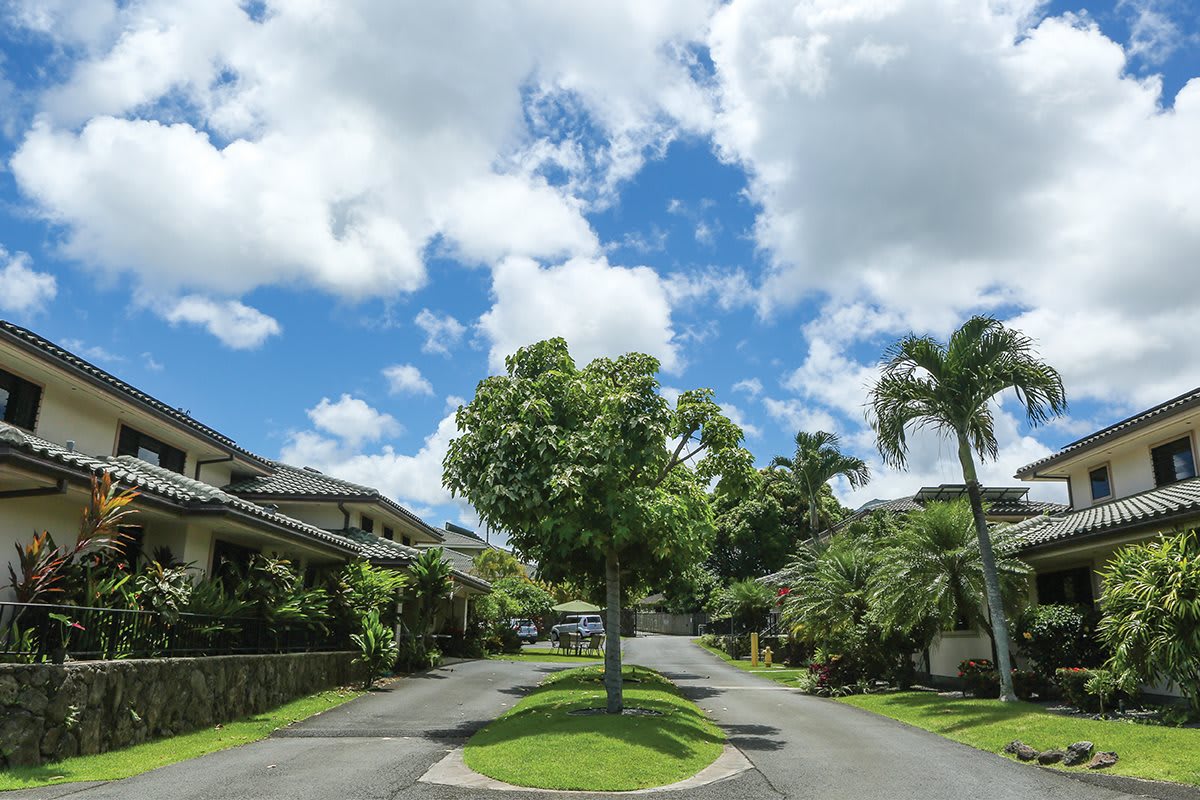
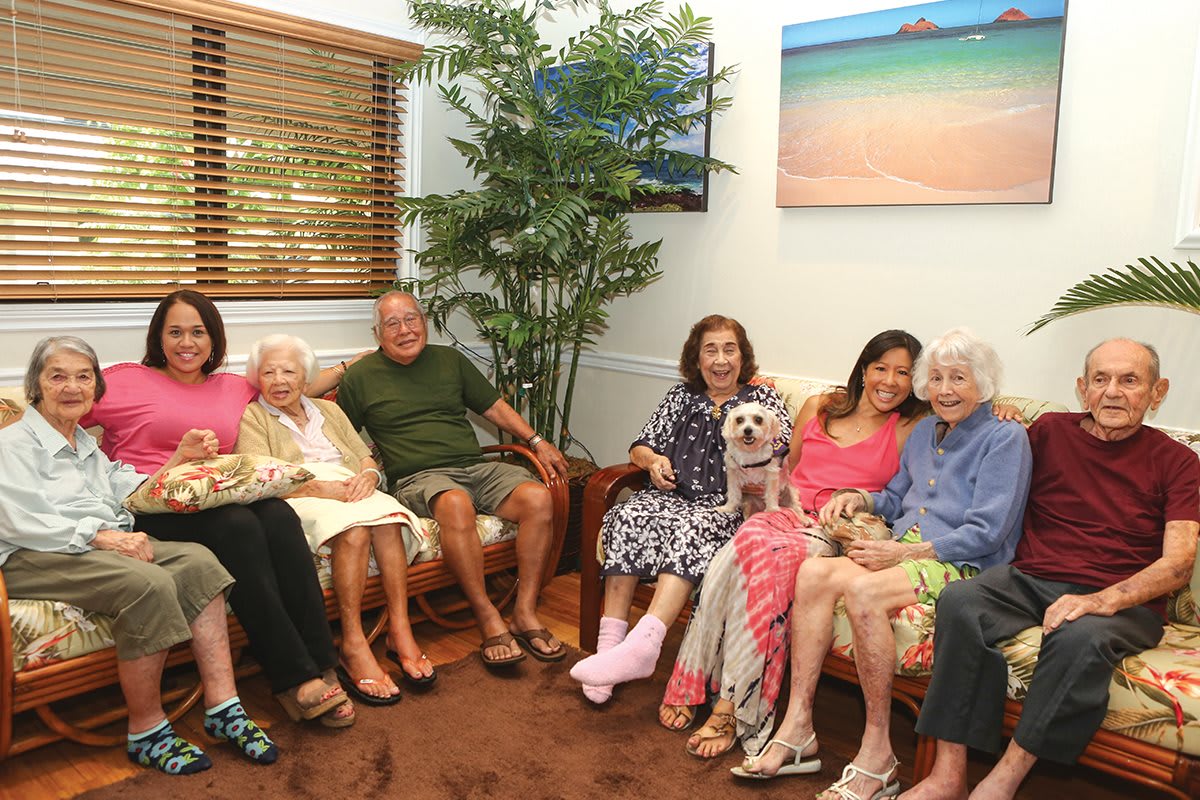
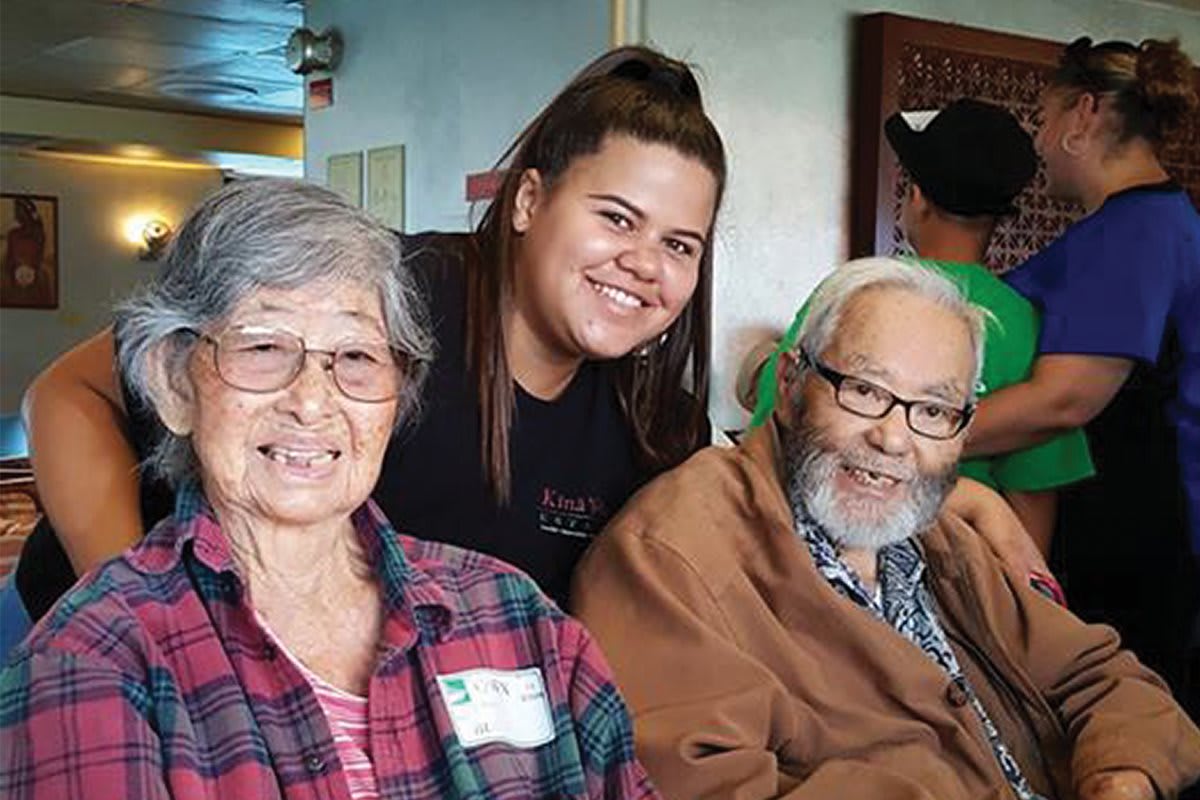
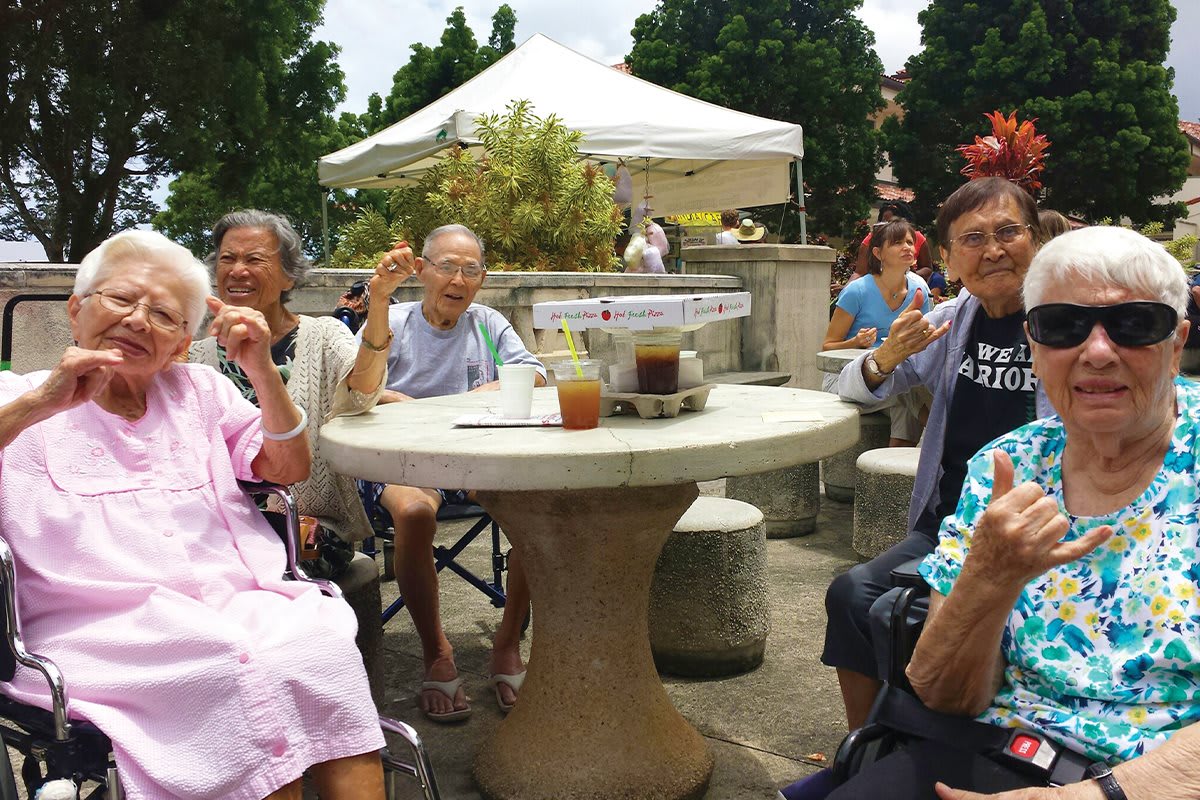
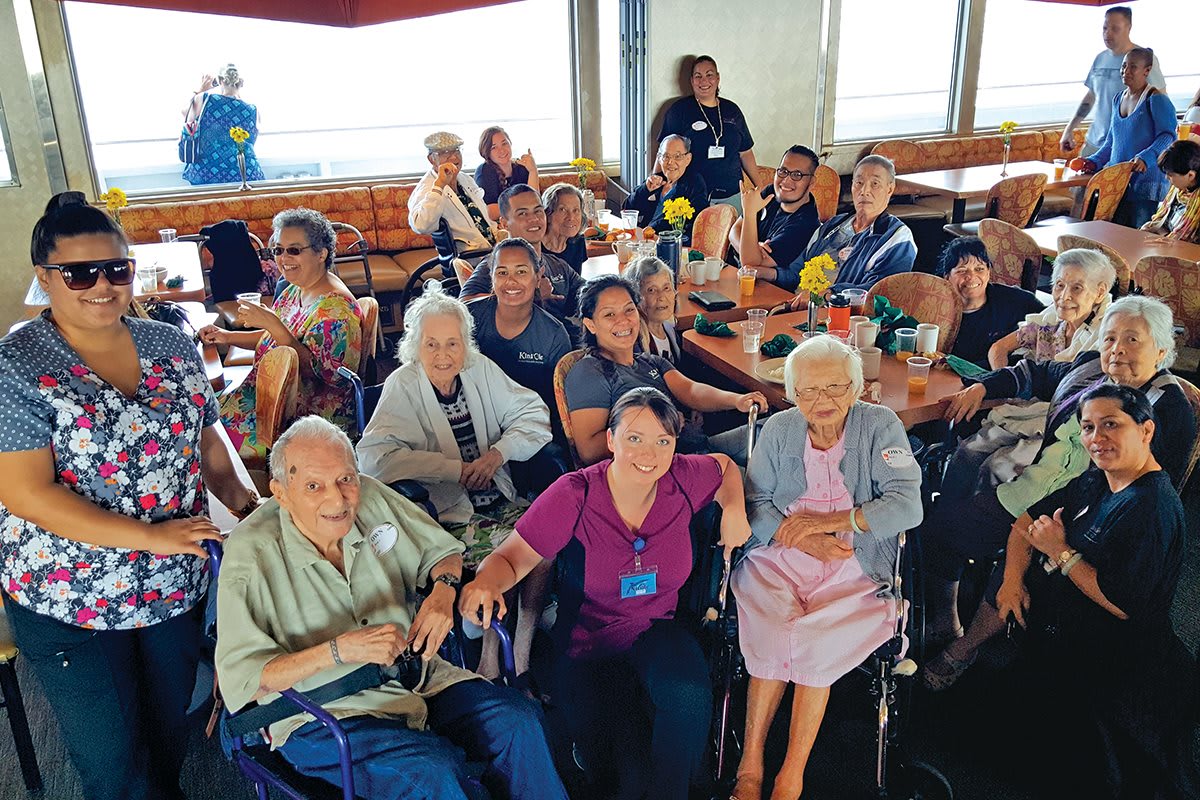
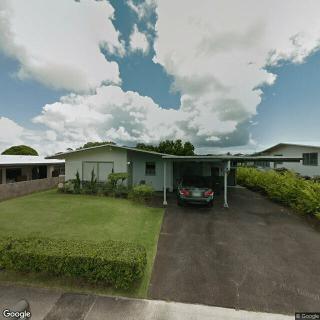
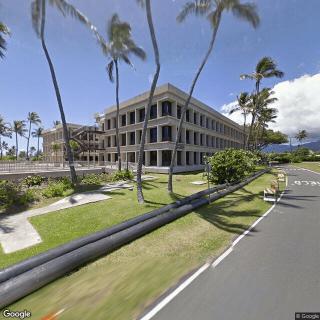
Kina 'Ole Estate on seniors.fyi includes 8 photos including images showing interior, outdoors, clouds, living room, outdoor dining, healthcare, trees, palm trees, and more.
Nearby Communities
Kina 'Ole Estate
Kaneohe, HI
4.8 from 43 reviews
Small, homelike setting with personalized care and engaging activities.
Kina 'Ole Estate Ekolu
Kaneohe, HI
4.9 from 32 reviews
Intimate, personalized care in a small 8-bed community.
Olalani Senior Care
Kaneohe, HI
5 from 4 reviews
Small, intimate setting with personalized care.
Hokulaki Senior Living
Kaneohe, HI
4.9 from 32 reviews
Small, intimate community with comprehensive care and medical transport.
Kina 'Ole Estate Elua
Kaneohe, HI
4.9 from 32 reviews
Small, intimate assisted living with 24-hour supervision, ADL support, care coordination, and essential amenities.
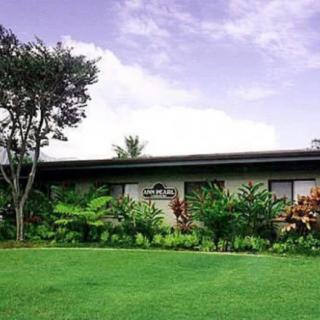
Ann Pearl Nursing Facility
Kaneohe, HI
3.6 from 14 reviews
Private rooms with caring staff.
The Plaza at Kaneohe
Kaneohe, HI
3.5 from 14 reviews
Clean, well-maintained facility with friendly staff and flexible private/semi-private living options.
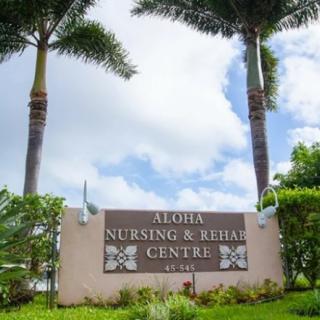
Aloha Nursing & Rehab Centre
Kaneohe, HI
4.4 from 9 reviews
Attentive staff and high-quality meals.
Home Instead - Kailua, HI
Kailua, HI
4.8 from 20 reviews
$4,500 / month
Peaceful Kailua setting with easy access to parks, healthcare, dining, and shops.
Dementia, influenced by aging and certain medications, may be exacerbated by drug classes such as anticholinergics, benzodiazepines, and antipsychotics, which are associated with cognitive impairment. Regular medication reviews by healthcare professionals are crucial for older adults to manage risks and optimize cognitive health.
Dementia often results in disrupted sleep patterns, leading to excessive daytime sleeping due to factors like brain damage affecting circadian rhythms, medication side effects, and lack of structure in daily activities. Caregivers must monitor these changes closely, as oversleeping can increase risks such as malnutrition or dehydration, and provide necessary support and routines to enhance patient engagement and well-being.
The transition from assisted living to skilled nursing care is often prompted by complex medical needs that assisted living cannot meet, with key indicators including frequent health declines, increased falls, severe memory issues, and caregiver burnout. Families should recognize these signs early to discuss options with healthcare providers and prepare for the emotional and logistical aspects of moving to a facility that offers comprehensive medical support.
Get PricingAsk A QuestionSchedule A TourContact Senior Advisor
By clicking submit, you agree to our Partner's Terms of Use. You
also consent to receive calls and texts, which may be autodialed, from our Partner. Your consent is not a condition to
using our Partner's service. Please visit our Partner's Privacy Policy for information about their privacy practices.

 Assisted Living
 Memory Care
 Activities on-site
 Air-conditioning
 Beautician on-site
 Cable or satellite TV
 Devotional services off-site
 Fully furnished
 Garden
 Ground floor units
 Handicap accessible
 Housekeeping services
 Indoor common areas
 Kitchenette
 Move-in coordination
 Outdoor space
 Respite or short term stays offered
 Wheelchair accessible showers
 Honolulu International (11 miles away)
 24-hour supervision
 Ambulatory care
 Assistance with bathing
 Assistance with dressing
 Assistance with transfers
 Diabetes diet
 Incontinence care
 Meal preparation and service
 Medication management
 Mental wellness program
 Special dietary restrictions
 Art classes
 Cooking classes
 Day trips and outings
 Educational speakers / life long learning
 Forever fit
 Happy hour
 Karaoke
 Live dance or theater performances
 Live musical performances
 Live well programs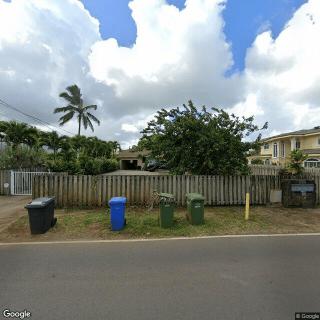
 Small, homelike setting with personalized care and engaging activities.
 A Thorough Discussion of Medications Potentially Linked to Dementia Risk
 Why Do Dementia Patients Sleep So Much? Understanding Oversleeping, Stages, and Care Approaches
 8 Key Indicators That Suggest It May Be Time to Transition from Assisted Living to Skilled Nursing Care