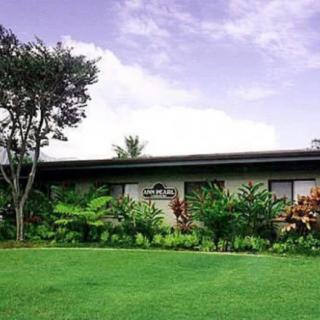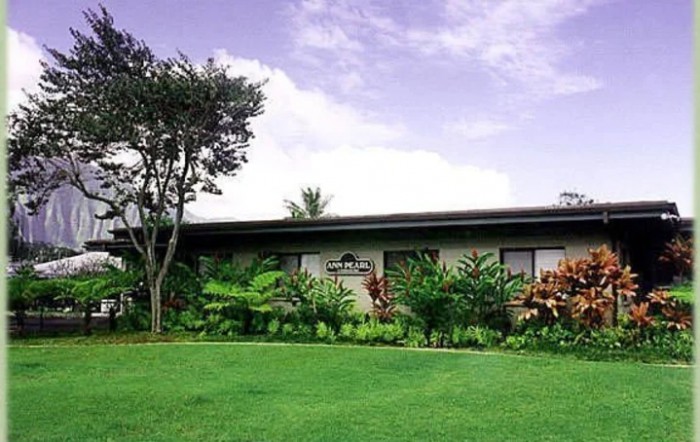
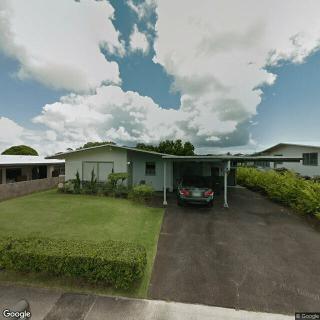
45-181 Waikalua Road, Kaneohe, HI 96744
For more information about senior living options: (866) 208-4318
Overall Review of Ann Pearl Nursing Facility
Pros
 The staff is great.
- They have good staff who do their best and are always there to help.
- The staff and nurses were outstanding.
- The staff are pretty nice and caring for the most part.
- The residents look generally clean and well cared for.
- The caregivers were great, having been there for nearly 20 years.
Cons
 There were over 50 dead chickens with babies crying and upsetting all the residents.
- The staff became incredibly hostile when rehabbers showed up to help.
- For immobile residents, the facility is not recommended.
- They do not listen or act when concerns are raised, leading to hospitalization.
- No one would want a loved one to be there.
- The environment is not very therapeutic; it is noisy and the floors are dingy.
- There is a lot of turnover, indicating inconsistent care.
Review
Ann Pearl Nursing Facility in Kaneohe is best suited for seniors who need skilled rehab or short- to mid-term nursing care and who prize dependable, hands-on staff attention within a long-standing community. The facility offers private rooms and a shared dining area, with an emphasis on Alzheimer’s care as part of its program. Families choosing Ann Pearl should expect nurses and aides who are consistently present, friendly, and willing to work with therapy teams to move a resident toward discharge. In practice, that means residents who can engage in therapy, participate in routine care, and benefit from a familiar, older-leaning setting tend to do well here. It is not a luxury campus, but it delivers practical care in a predictable, if traditional, framework.
Those who may want alternatives are primarily families seeking a quieter, more modern environment, or those with heightened concerns about medical responsiveness. If a resident is non-ambulatory, highly medically complex, or requires rapid escalation of care with strong oversight, other options may offer more consistent proactive management. Likewise, anyone sensitive to environmental factors, noise from dementia programming, dingy aesthetics, or odor after meals, might prefer a facility with a more contemporary physical plant and stronger environmental comfort standards.
On the upside, the strongest asset is the caregiving staff. Reviews routinely praise compassionate aides and nurses who do their best, and several accounts highlight standout rehab therapists who help a patient regain function. The presence of private rooms and a common cafeteria contributes to a sense of personal space and shared social life, while a facility with a multi-decade footprint can offer a steady, familiar routine. For families, those elements create a reliable baseline of daily care and the potential to coordinate rehab goals with the therapy team. These strengths offset the facility's other drawbacks for residents focused on rehabilitation and consistent day-to-day care, but they cannot entirely overcome environmental and consistency gaps that emerge in longer-term stays.
Yet the downsides temper that reliability. Notable concerns include experiences where medical concerns were not promptly acted upon or were dismissed, risking avoidable hospital visits. Staff turnover and changes in management appear to have affected consistency in some departments, with some long-tenured caregivers leaving as leadership shifted. The environment itself is described as old-school and not particularly therapeutic, with frequent noise from dementia programming, dingy floors, and occasional odors after meals. These factors can erode comfort for residents who rely on a calm, predictable atmosphere to support recovery and daily well-being.
Environment and culture matter when deciding placement, and Ann Pearl leans heavily into an established, community-focused ethos. For families prioritizing continuity and a no-surprise care model, this can be a strength. For those who place a premium on modern facilities, built-in activity centers, or turnkey clinical reliability, it may fall short. The program does include dementia care components, and some residents benefit from the dedicated attention of staff who have stayed with the facility for years, but the overall setting can feel noisy and dated to those used to more contemporary care environments.
Decision-makers should use a careful, hands-on evaluation. If rehab potential and straightforward, staff-driven care are the priorities, Ann Pearl offers meaningful value, especially when a solid therapy plan is in place and current staff demonstrate steadiness. If the resident requires tightly coordinated medical oversight, quieter surroundings, or a facility with a newer physical plant, alternatives should be pursued. Practical steps include touring with a checklist focused on response times to medical signals, sitting in on a therapy session, querying recent staff turnover, inspecting private rooms and common areas, and speaking with current residents and families about day-to-day life and the feel of care. A clear impression of both care quality and environment will guide a confident choice.
 104 resident community capacity
 Skilled Nursing Facility
 Air-conditioning
 Beauty salon
 Cable or satellite TV
 Computer center
 Dining room
 Fitness room
 Fully furnished
 Gaming room
 Garden
 Housekeeping services
 Kitchenette
 Move-in coordination
 Outdoor space
 Private bathrooms
 Restaurant-style dining
 Small library
 Telephone
 Wellness center
 Wi-Fi/high-speed internet available
 Honolulu International (11 miles away)
 Community operated transportation
 12-16 hour nursing
 24-hour call system
 Activities of daily living assistance
 Assistance with bathing
 Assistance with dressing
 Assistance with transfers
 Diabetes diet
 Medication management
 Mental wellness program
 Special dietary restrictions
 Concierge services
 Planned day trips

 A Detailed Examination of Nursing Home Costs Across the U.S.
 Exploring Nonmedical Home Care: Understanding Services, Costs, and Financial Approaches
 Engaging Brain Games and Innovative Apps to Keep Senior Minds Active