
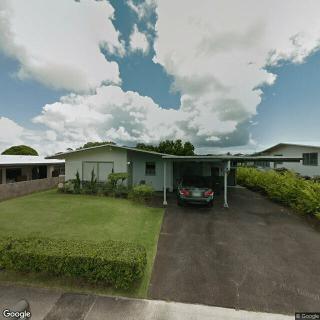
45-212 Kaneohe Bay Drive, Kaneohe, HI 96744
For more information about senior living options: (866) 208-4318
Overall Review of Hale Ku'Ike Bayside
Pros
 Hale Kūʻike is praised for its beautiful facility, welcoming staff, and top-tier Alzheimer’s care.
- The Bayside team is described as extremely professional, thoughtful, and hard-working, keeping residents happy and relaxed.
- Hale Kūʻike is considered the best option on O’ahu, with outstanding facilities, grounds, and food.
- The staff’s memory-care training creates a homey, calming environment that supports residents’ well-being.
- A family member notes that their mother is happier living at Hale Kūʻike than at home, reflecting positive outcomes.
Cons
 They were given notice less than two weeks after moving him in that they would need to find a different home for him in the next 30 days.
- They question whether he was given adequate time by Hale Ku’ike Bayside to adjust to his new environment.
- Hale Kūʻike is selective in the Alzheimer’s behaviors it’s willing to handle.
- The unexpected discharge, and having to move their Dad a second time, was an emotional challenge for their family.
Review
Hale Kuʻike Bayside in Kaneohe is best suited for families seeking a memory-care focused community that delivers both a polished, home-like setting and staffing trained specifically to support Alzheimer's and related conditions. The environment is designed to be calming and approachable, with facilities, grounds, and dining arranged to foster comfort and stability for residents in the moderate stages of memory loss. For families prioritizing consistent, professional care in a place that feels like a residential home rather than a clinical wing, this community stands out. When the primary objective is to keep a loved one nurtured by caregivers who understand memory behaviors and respond with practiced insight, Hale Kuʻike is a compelling option.
Nevertheless, no choice is without caveats. The reviews reveal that Hale Kuʻike is selective about the Alzheimer’s behaviors it will manage, which can leave families facing a mismatch if a loved one presents more challenging or unpredictable symptoms. A particularly hard reality surfaced when one resident was discharged within weeks of moving in, prompting a second relocation and emotional stress for the family. That experience underscores the risk of abrupt transitions and highlights the importance of confirming admission criteria, discharge policies, and the scope of care before committing. For families hoping for a completely open-ended stay with no risk of move-timing surprises, alternatives may need to be explored.
On the upside, the most meaningful strengths here lie in the people and the care culture. The staff is consistently described as professional, thoughtful, and hardworking, with a level of memory-specialist training that stands out on Oʻahu. Families repeatedly note that caregivers “know all the right things to do and say” for memory patients, creating a homey, comforting atmosphere that reduces agitation and promotes happiness. The combination of trained personnel and a calming milieu appears to produce a daily life that many residents prefer over living at home, and one caregiver, identified by name as part of the team, receives positive recognition for leadership and dedication. These advantages directly address the core needs of memory-care residents: safety, meaningful engagement, and respectful interaction.
The care strengths do not erase the practical concerns, however. The potential for a short-notice discharge remains the dominant risk factor, with emotional fallout for families who must relocate a loved one again after a transition already made. The admission decision hinges on whether a resident’s behavioral profile aligns with the facility’s capabilities and limits. For some families, the reward of a well-trained staff and a calmer environment outweighs the possibility of a future move; for others, the idea of a fixed, guaranteed timeline, or a broader range of behaviors being accommodated, may favor exploring other options first. The message is clear: verify fit with honesty and clarity, especially around how behaviors are assessed and managed over time.
To navigate this decision effectively, prospective families should enter with a concrete plan. Ask how care plans are tailored to individual restlessness or sleep disturbances, and what specific behaviors the team can safely handle. Inquire about admission ranges, the typical pace of adjustment, and the policy around transfers so that the anticipated trajectory is understood. Request a candid read from current or recent families about daily routines, meals, and meaningful activities, then observe interactions during a tour, especially between residents and staff. Meeting the owner, David Fitzgerald, and the core caregiving team can provide crucial insight into the culture, communication norms, and ongoing commitment to memory-care excellence.
In sum, Hale Kuʻike Bayside offers a well-regarded, memory-focused environment with clearly strong staffing and an emphasis on comfort and stability. It is a particularly strong match for families whose priority is high-quality memory-care expertise in a warm, home-like setting and who can accept the possibility of a discharge if a resident’s needs outgrow the program’s scope. For those who require absolute certainty about ongoing stay without the risk of relocation, or whose loved one presents behavior profiles beyond the facility’s stated capabilities, it may be prudent to compare other options as well. A visit to see the community in operation, coupled with direct conversations about care boundaries and transition plans, will illuminate the best path forward.
 28 resident community capacity
 Assisted Living
 Beauty salon
 Cable or satellite TV
 Dining room
 Fully furnished
 Garden
 Housekeeping services
 Kitchenette
 Move-in coordination
 Outdoor space
 Telephone
 Wi-Fi/high-speed internet available
 Honolulu International (11 miles away)
 24-hour call system
 Activities of daily living assistance
 Assistance with bathing
 Assistance with dressing
 Assistance with transfers
 Diabetes diet
 Meal preparation and service
 Medication management
 Mental wellness program
 Special dietary restrictions
 Transportation arrangement (medical)
 Transportation to doctors appointments




 Comprehensive Residential Support and Assisted Living Solutions for Individuals with Disabilities
 Comprehensive Supportive Living Arrangements for Adults with Disabilities
 Funding and Affording Assisted Living: A Thorough Overview