
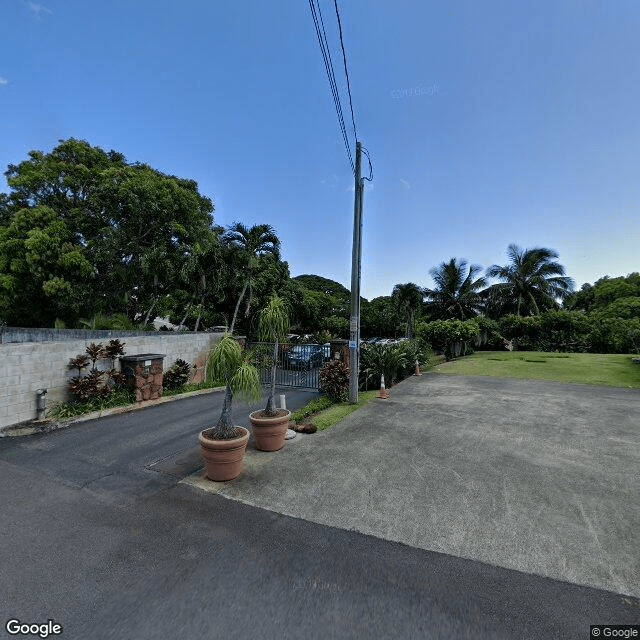
95 Kawananakoa Place, Honolulu, HI 96817
For more information about senior living options: (866) 208-4318
Hale Kuike Costs & Pricing
Hale Kuike offers competitive pricing for its accommodations compared to the broader market in Honolulu County and across Hawaii. For a semi-private room, residents can expect to pay $6,557 per month, which is notably higher than the county average of $4,228 and the statewide average of $4,244. Similarly, the cost for a studio at Hale Kuike stands at $7,900, exceeding both the county's average rate of $4,880 and the state's average of $4,687. While these figures indicate a premium pricing structure at Hale Kuike, they may also reflect enhanced amenities or services that cater to residents seeking specialized care or an elevated living experience.
| Floor plans | Hale Kuike | Honolulu County | Hawaii |
|---|---|---|---|
| Semi-Private | $6,557 | $4,228 | $4,244 |
| Studio | $7,900 | $4,880 | $4,687 |
Overall Review of Hale Kuike
Pros
 The staff are loving and supportive, nurturing residents.
 - Hale Ku’ike is specifically designed to meet the unique needs of dementia patients.
- Dorothy Colby’s dementia care seminars provide valuable guidance.
- Delicious meals, engaging activities, and social connections reinvigorate residents.
- Therapy pets provide a sense of normalcy and fun.
- The compassionate care by the entire staff is amazing.
- The training enables staff to identify dementia types and bring out the positive in each resident.
- The on-site RN ensures medical needs are professionally managed with clear family communication.
- Hale Ku’ike feels like a home away from home.
- The dining room is open and encourages residents to sit and eat together.
- The facility is clean, well-maintained, and reasonably priced.
Cons
 The reviewer urged readers to avoid Hale Ku’ike at all costs, accusing the staff of a blatant lack of concern and of not taking proper care of residents.
- The reviewer stated that Hale Ku’ike is not worth the investment of time or money.
- The reviewer described the accommodations as basic and not luxurious, noting showers in every room and no televisions to encourage socialization.
Review
Hale Ku’ike is best suited for families seeking a dementia-focused environment where specialized memory-care design and attentive, consistently available staff are the core of daily life. The community centers its philosophy on understanding the stages of dementia, with an RN on site and staff trained to identify and respond to residents’ changing needs. Families report meals that restore weight, purposeful daily activities, social connections, and even therapy pets that provide a sense of normalcy. The campus-style approach, open dining rooms, and opportunities to participate in meaningful routines help residents remain engaged rather than isolated. This is not a generic senior living option; it is a purpose-built home for memory care, with a track record of nurturing quality of life through structured care and community.
For families whose loved one does not require memory-specific care, or who prioritize upscale amenities and private, hotel-like surroundings, Hale Ku’ike may not be the best fit. Alternatives make sense for those seeking broader assisted living without dementia specialization, or for residents who want larger private rooms, in-room entertainment, and more luxurious bathroom or decor features. One review underscores the variability that can exist in caregiving experiences, urging shoppers to compare multiple facilities and scrutinize staffing, responsiveness, and overall culture. Prospective residents should also consider whether the “home away from home” model aligns with expectations around privacy, autonomy, and the desire for more self-directed activity outside memory-care routines.
The strongest positives, specialized dementia care, a dedicated staff, and proactive family communication, substantially offset the main limitations. The facility’s design and programming emphasize cognitive-appropriate activities, regular oversight by nursing staff, and care plans that adapt to each resident’s abilities. Families note reliable weight restoration through meals and movement toward socialization rather than isolation, which is crucial in dementia care. The ability to choose single or shared rooms within a clear care framework, together with open dining that encourages communal meals, reinforces a sense of belonging. In short, the caring culture and structured routines tend to trump the absence of luxury touches, delivering meaningful daily life for residents with memory impairments.
Yet no care setting is without caveats. A particularly strong negative review raises a red flag, an outlier that should prompt due diligence rather than a blanket judgment. The contrast with the positive feedback suggests that experiences can vary, making it essential to verify on-site realities: staff-to-resident ratios at peak times, responsiveness to alerts, and the consistency of medical communication to families. Other potential drawbacks are the basic, non-luxury room configurations and the deliberate choice to minimize in-room entertainment to foster socialization. These aren’t flaws for everyone; they simply indicate trade-offs between a focused, community-centered model and high-end residential comforts.
To decide, families should structure tours around dementia-specific care proof points: observe how staff interact with residents, inquire about individualized care plans and how they are communicated to families, and review daily programming for opportunities to exercise choice and dignity. Ask for recent staffing schedules, nurse availability, and how emergencies are handled after hours. Inspect room options, bathrooms, and how the open dining model actually works in practice. Clarify costs, contract terms, and what supports exist for transitioning between care levels if needs change. In parallel, compare Hale Ku’ike against other memory-care communities in Honolulu to gauge relative strengths, including engagement quality, transparency, and community mood.
Bottom line: Hale Ku’ike stands out for dementia-focused care delivered by a trained, caring team, with engaging activities, good nutrition, and a sense of home that resonates with families choosing memory care. It is a practical, not pretentious, choice that often delivers real peace of mind through reliable staff and structured routines. However, for families prioritizing luxury accommodations, privacy via private rooms with in-room TVs, or non-memory-care needs, alternatives should be explored. The negative review serves as a caution to verify consistent quality and responsiveness, but it should not eclipse the broader pattern of positive experiences. A thoughtful visit paired with candid conversations will reveal whether Hale Ku’ike aligns with the resident’s needs and the family’s expectations.
 26 resident community capacity
 Assisted Living
 Memory Care
 Activities on-site
 Beauty salon
 Cable or satellite TV
 Devotional services on-site
 Dining room
 Fully furnished
 Garden
 Housekeeping services
 Indoor common areas
 Kitchenette
 Move-in coordination
 Outdoor common areas
 Telephone
 Wi-Fi/high-speed internet available
 Honolulu International (5 miles away)
 24-hour call system
 Ambulatory care
 Assistance with bathing
 Assistance with dressing
 Assistance with transfers
 Diabetes diet
 Incontinence care
 Meal preparation and service
 Medication management
 Mental wellness program
 Special dietary restrictions
 Transportation arrangement (medical)
 Transportation to doctors appointments




 A Detailed Exploration of Assisted Living Medicaid Waivers Across the United States
 Exploring the Contrasts Between Assisted Living and Skilled Nursing
 Vibrant Senior Living: A Comprehensive Guide for Active Older Adults