Residents and families repeatedly praise the therapy team and rehab progress.
Several reviewers describe rehabilitation support that helped loved ones regain strength or mobility, with staff working across physical and occupational therapy needs. Families mention being encouraged through the recovery process and note regular progress discussions. A few reviews also call out specific therapy staff as professional and kind, and residents describe feeling comfortable while working toward goals.
common26 reviews mention this
Nurses and CNAs go above
Many reviews highlight nurses and CNAs as compassionate, responsive caregivers.
A large portion of reviews name nursing and CNA team members and say they provide attentive, respectful care. Reviewers describe staff spending time to check in, talk with residents, and help with daily needs, including during difficult transitions. Families also mention support that eased admission and helped residents and relatives feel informed and cared for.
caveat3 reviews mention this
Some reviews question condition
A small set of reviews raises concerns about the facility’s upkeep.
One review points to visible maintenance and room condition issues, including comments about the roof, bathroom condition, and room size. Two additional reviews use strong negative language about the facility condition, including describing it as extremely poor. These comments contrast with other reviews that specifically mention cleanliness and a well-kept interior.
How we summarize
Counts show how many written reviews mention each theme; a review can touch several themes, and only frequently mentioned themes are displayed.
Assisted living communities offer diverse activities beyond traditional games to enhance seniors' physical health, cognitive well-being, emotional enrichment, and social connections, including fitness classes, creative expression, and intergenerational interactions. These enriching programs foster community bonds and support residents' independence and happiness.
The article differentiates between assisted living and memory care, explaining that assisted living supports seniors with daily activities while promoting independence, whereas memory care provides specialized services for individuals with dementia, focusing on secure environments and cognitive support. It also addresses staff training, safety considerations, costs, family involvement, and transition strategies for families navigating these care options.
Family caregivers face emotional, legal, and practical challenges when elderly parents refuse assisted living, often due to fears of losing autonomy. Open conversations and professional assessments can help address these concerns while exploring alternatives and ensuring safety, potentially leading to legal guardianship if necessary.
Get PricingAsk A QuestionSchedule A TourContact Senior Advisor
By clicking submit, you agree to our Partner's Terms of Use. You
also consent to receive calls and texts, which may be autodialed, from our Partner. Your consent is not a condition to
using our Partner's service. Please visit our Partner's Privacy Policy for information about their privacy practices.


 21 resident community capacity
 Assisted Living
 Beauty salon
 Cable or satellite TV
 Dining room
 Fully furnished
 Garden
 Housekeeping services
 Kitchenette
 Move-in coordination
 Outdoor space
 Restaurant-style dining
 Small library
 Telephone
 Wi-Fi/high-speed internet available
 24-hour call system
 Activities of daily living assistance
 Assistance with bathing
 Assistance with dressing
 Assistance with transfers
 Diabetes diet
 Medication management
 Mental wellness program
 Special dietary restrictions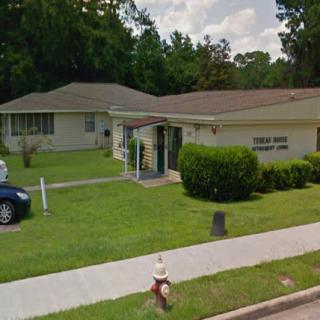
 Competitive pricing with semi-private and studio options; small, intimate community for personalized care.




 Beyond the Bingo Hall: 50+ Enriching Activities for Seniors in Assisted Living
 Understanding the Distinctions: Assisted Living and Memory Care Explained
 Guiding Elderly Parents Who Refuse Assisted Living: 6 Practical Steps