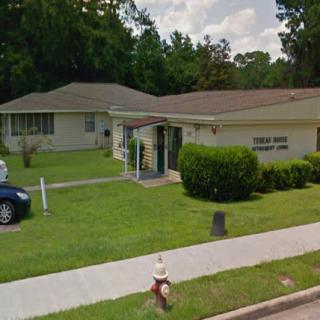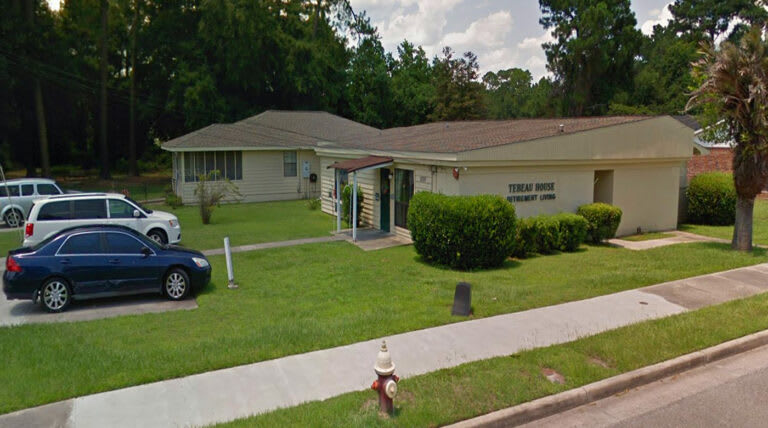
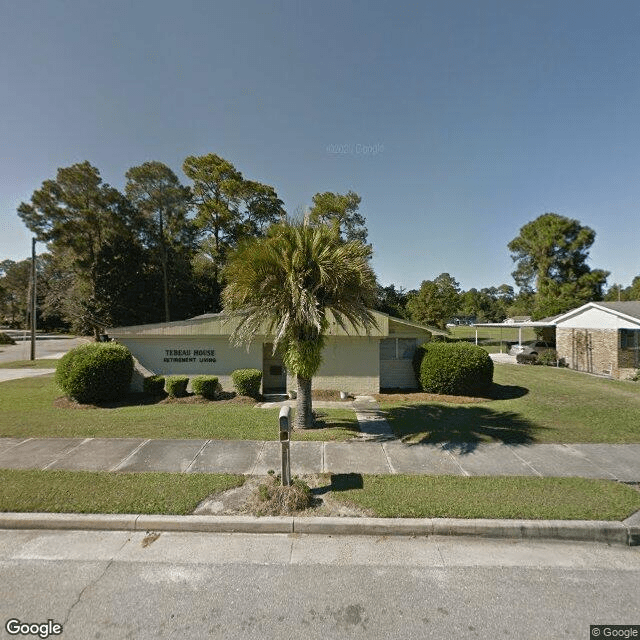
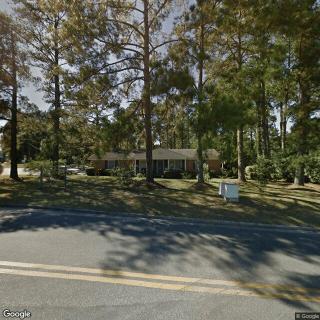
2019 Tebeau Street, Waycross, GA 31501
For more information about senior living options: (866) 208-4318
Tebeau House Costs & Pricing
Tebeau House offers competitive pricing for its accommodations, with costs that stand favorably against both Ware County and the broader state of Georgia. For a semi-private room, Tebeau House charges $1,950 per month, which is notably lower than the county average of $2,063 and substantially less than the state average of $2,529. Similarly, its studio option is priced at $2,295 per month - matching the local rate in Ware County but remaining significantly more affordable than the state's average of $3,520. This positioning makes Tebeau House an attractive choice for residents seeking quality care without straining their budgets.
| Floor plans | Tebeau House | Ware County | Georgia |
|---|---|---|---|
| Semi-Private | $1,950 | $2,063 | $2,529 |
| Studio | $2,295 | $2,295 | $3,520 |
Overall Review of Tebeau House
Pros
 The staff were very friendly and accommodating.
Cons
 The manager Jimmy is very rude to people.
- The company will go down if they don’t teach him to talk to people.
- The reviewer is glad to move his father-in-law and no longer have to talk with that boy (the manager).
- The facility is not up to code to accommodate the tenants.
- The rooms are very small.
- There are no emergency buttons in the rooms.
- The bathrooms have normal doorknobs and locks but cannot be locked while in use, and there are no emergency devices for assistance.
- The bathrooms are marked male-only or female-only, which is unsafe.
- There is a backdoor that isn’t locked, allowing anyone to come and go without monitoring.
- Visitors have been entering unmonitored, and staff were unaware.
- On Sundays there were only two staff, which is not enough.
- The office door is often left open and medication storage is not securely locked.
- The owner needs to make serious upgrades to accommodate the elderly.
Review
Tebeau House in Waycross, GA is best suited for seniors who want a low-cost, home‑like setting and for families that can stay actively involved in oversight. The community may work for a relatively independent resident who only needs occasional assistance, and for households willing to monitor daily care, advocate with management, and push for safety improvements. The strongest asset is a perception of friendly, accommodating staff at times, and the smaller, intimate environment can feel approachable to residents who do not require intensive supervision. This is not a facility built around high‑level medical oversight, but rather a value option where engagement from family and a tolerant tolerance for variability in service are essential.
Those considering this community should weigh alternatives carefully. The most salient deal-breakers are safety and security gaps that could be unacceptable for residents with cognitive impairment or mobility challenges. Questions about emergency call systems, room-level safety features, and controlled access should be non-negotiable for anyone who requires reliable monitoring. Additionally, the facility’s apparent inconsistency in staffing and leadership raises red flags for families who cannot be present daily to supervise operations. If dependable safety, predictable staffing, and clear, respectful management are priorities, other options in the area deserve serious consideration.
The favorable elements, notably the friendliness of some staff and a willingness to accommodate reasonable requests, do not meaningfully offset the core concerns. In practice, one visit may reveal a compassionate tone, but the lack of universal consistency in demeanor and responsiveness undermines reliability. When safety gaps are paired with reports that management can be abrupt or unhelpful, the positive impression from a single interaction dissolves quickly. Prospective residents should not rely on transient warmth as a substitute for robust safety protocols and steady, well‑supervised care.
Management and staffing consistency emerge as pivotal factors. A recently noted rude interaction with a new manager named Jimmy signals potential ongoing issues with resident and family communication. Meanwhile, another observer highlighted a capable staff presence on a given day, yet the broader pattern appears uneven. The Sunday staffing snapshot, described as only two staff on duty, compounds concerns about supervision and timely assistance. Families will want frank answers about shift coverage, caregiver training, and a reliable point of contact who can address problems without friction, defects that can erode trust quickly in daily life.
Physical and safety factors intensify the risk profile. Rooms described as small and bathrooms with standard doorknobs that cannot be locked during use raise immediate concerns about privacy and safety. The absence of in-room emergency buttons and any dedicated emergency devices in bathrooms creates a dependency on staff availability that may not be reliable at all hours. The back door, reportedly unmonitored and accessible to visitors, suggests a vulnerability to unauthorized entry, and the open handling of medications in an office space, ostensibly without stringent lock procedures, further undermines safety expectations. These elements, privacy, security, and medication control, are not minor irritants but potential liabilities for residents with increased care needs.
For families weighing a decision, practical next steps are clear. Schedule unannounced visits at different times to gauge actual staffing levels and responsiveness, and demand explicit confirmation about emergency call systems, room safety features, and controlled access measures. Request current inspection or licensing records, and ask for detailed policies on medication storage and incident reporting. Compare Tebeau House to nearby assisted living options that demonstrate stronger safety infrastructure, consistent management, and clear staffing plans. If choosing this community, frame the decision around a plan for vigilant oversight, explicit safety milestones, and a readiness to transition to a more secure environment if care needs escalate.
 15 resident community capacity
 Assisted Living
 Board and Care Home
 Respite Care
 Activities off-site
 Bath tubs
 Beautician on-site
 Cable or satellite TV
 Devotional services off-site
 Dining room
 Fully furnished
 Garden
 Housekeeping services
 Indoor common areas
 Move-in coordination
 Outdoor common areas
 Telephone
 Wheelchair accessible showers
 Wi-Fi/high-speed internet available
 24-hour supervision
 Ambulatory care
 Assistance with bathing
 Assistance with dressing
 Assistance with transfers
 Diabetes diet
 Diabetic care
 Meal preparation and service
 Medication management
 Special dietary restrictions
 Transportation arrangement (medical)
 Transportation to doctors appointments


 Comprehensive Insights into Activities of Daily Living (ADLs) and Their Assessment
 Medicare Coverage for Assisted Living: An In-Depth Exploration
 Choosing the Right Senior Care: A Detailed Exploration of Assisted Living and Nursing Homes