
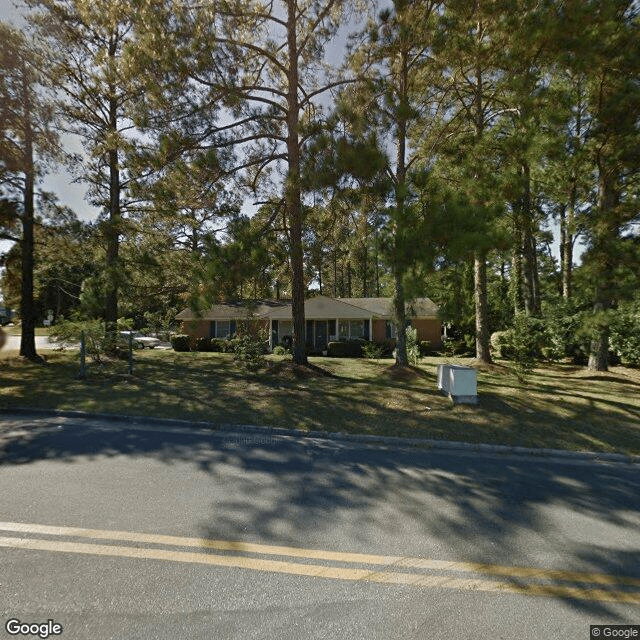
801 Darling Ave, Waycross, GA 31501
To contact a resident: (912) 283-4704
For more information about senior living options: (866) 208-4318
Beth-Shiloh Personal Care Home Costs & Pricing
Beth-Shiloh Personal Care Home offers competitive pricing for its residents, with both private and semi-private rooms available at $2,100 per month. This rate is notably lower than the average costs in Ware County, where private room accommodations average around $3,200, and even more advantageous compared to the statewide average in Georgia of $2,864 for similar rooms. For semi-private options, Beth-Shiloh also stands out with its pricing at $2,100, exceeding the local average of $2,063 while remaining below Georgia's state average of $2,529. Overall, Beth-Shiloh provides a cost-effective choice for individuals seeking personal care services without compromising on quality or comfort.
| Floor plans | Beth-Shiloh Personal Care Home | Ware County | Georgia |
|---|---|---|---|
| Private | $2,100 | $3,200 | $2,864 |
| Semi-Private | $2,100 | $2,063 | $2,529 |
Senior living communities with a similar price nearby
-
from -$150 / mo
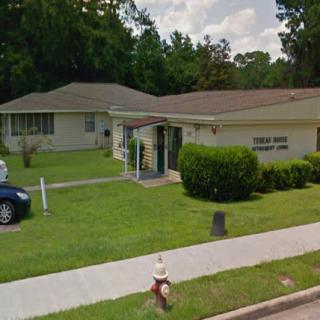
Tebeau House
$1,950 to $2,295 / month0.3 miles away
Overall Review of Beth-Shiloh Personal Care Home
Pros
 He is extremely happy there.
- His interaction with the staff and management is awesome to see.
- He feels cared for and is comfortable at Beth-Shiloh Residence.
- The staff are doing everything they can to help her adjust.
- The community is clean.
- Residents can plant their own things in the garden.
- The food is really good.
- The staff pay great attention to the residents.
- Residents receive personalized care and are treated on an individual basis.
Review
Beth-Shiloh Personal Care Home in Waycross is best suited for families seeking a compact, home-like living arrangement where residents are known by name, daily routines feel familiar, and a caring team provides steady, personalized support. It fits older adults who value intimate contact with caregivers, consistent interactions with management, and a setting that prioritizes comfort and emotional well-being over having a large, institutional footprint. The stories from families point to a place where residents settle in quickly, form attachments, and show clear happiness in the care environment. For seniors who want to avoid impersonal, corporate settings, this home delivers the kind of steady companionship and predictable care that reduces anxiety for relatives.
Key strengths emerge in how staff engage with residents. Families repeatedly describe outstanding interactions with caregivers and management, noting that their loved ones light up when staff appear and that trust builds over years. One relative notes a father-in-law has remained content for more than seven years and even becomes anxious to return after visits, proof that familiarity translates into genuine comfort. The care team shows an ability to tailor responses to individual personalities, moods, and preferences, which builds a sense of safety and belonging that is rarely matched in larger facilities.
Beyond staffing, the environment itself supports well-being. The home is described as cozy and inviting, with a clean, well-maintained ambiance that feels more like a private residence than a facility. A garden program offers residents hands-on involvement in planting and caring for greenery, delivering purposeful activity and opportunities for pride. Dining also emerges as a standout, with multiple accounts praising the quality and flavor of meals. Even visitors who sample a few dishes report generous portions and enjoyable experiences, underscoring that nutrition and taste are treated as a priority.
Still, prudent decision-makers should consider where this model may not fit. Those seeking intensive medical supervision, memory-care specialization, or a broad schedule of structured, campus-wide programming may find a small personal care home less able to meet every clinical need. The intimate setting means fewer on-site resources compared with larger communities, which can matter for residents with complex nursing requirements or couples who want varied, external activities on a larger campus. In such cases, alternatives with more robust clinical teams and diversified programming may be more suitable.
With these realities in mind, the strong pros, deep staff-resident relationships, personalized care, a warm, home-like atmosphere, and a satisfying dining experience, tend to offset the potential gaps. The continuity of care, the comfort of familiar faces, and the opportunity to contribute to daily life (gardening, kitchen requests, individualized routines) reduce anxiety for families and support a high level of daily happiness for residents. The result is a community where staying long-term feels natural, and the decision to entrust care to this team often becomes clear after a few weeks of observation.
Bottom line: Beth-Shiloh Personal Care Home offers a compelling choice for families prioritizing warmth, familiarity, and individualized attention in a small, well-kept setting. It is ideal for seniors who want to avoid the impersonality of larger facilities and value caregivers who know personal histories and preferences. For those who require advanced medical oversight or specialized memory-care programming, alternatives should be explored, but for the majority seeking steady companionship, good meals, and a garden-friendly daily rhythm, this community delivers. Pros outweigh the potential drawbacks in a practical, convincing way, making it a recommended option for families plotting a smooth transition into assisted living.
 Board and Care Home
 Dogs allowed
 Activities off-site
 Bath tubs
 Devotional services off-site
 Indoor common areas
 Outdoor common areas
 Private
 Private bathrooms
 Wheelchair accessible showers
 Ambulatory care
 Diabetic care
 Incontinence care
 Kosher

 California's Form 602A: An In-Depth Examination of Senior Care Assessment
 Comprehensive Look at Senior Blood Pressure Charts: Normal and Elevated Levels by Age
 Top Canine Companions for Older Adults