

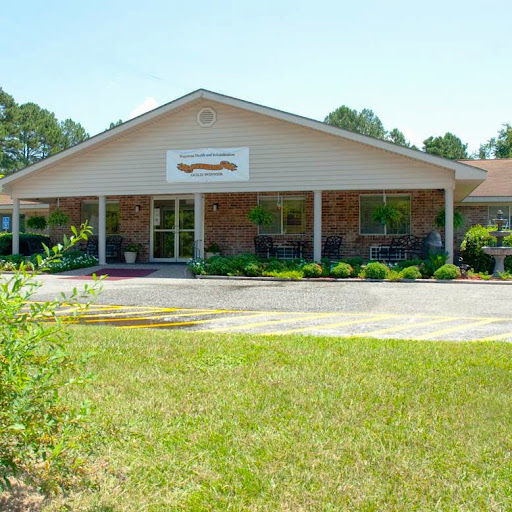
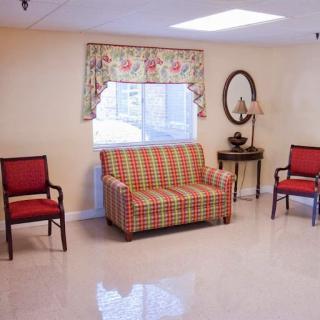
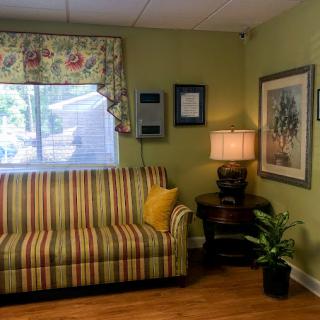

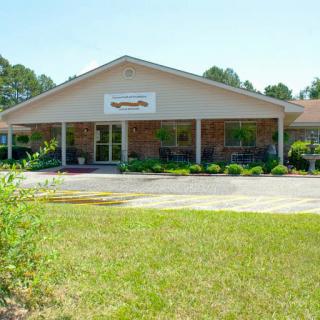



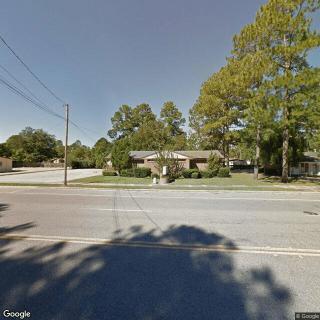
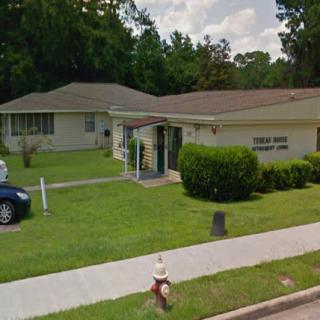
1910 Dorothy Street, Waycross, GA 31501
For more information about senior living options: (866) 208-4318
Overall Review of Waycross Health And Rehabilitation
Pros
 Waycross Health and Rehab has great people, great care, and a great location.
- It does a great job managing patients needing long-term care and shows a commitment to quality.
- The staff at Waycross Health and Rehab are awesome, provide excellent care, and are caring and compassionate.
- Waycross Health and Rehab exudes professionalism and a genuine desire to provide care.
- The nurses and CNAs at Waycross Health and Rehab are awesome, and residents are their top priority.
- The facility is very family-oriented and delivers excellent patient care.
Cons
 They described the mother-in-law’s care as neglectful, with bed sores, flies around the room, and a strong odor from bowel movements.
- They said personal items, including dentures, disappeared and staff were not compassionate.
- They claimed their father went days without pain medication and needed another surgery after a late-night call.
- They recounted a patient being locked in a rehab room with no one able to unlock the door.
- They described the facility as a huge mess, with top nursing staff rarely working, residents sick with COVID, and infected doors left open.
- They stated nurses prioritize titles and pay over patient care and should be fired.
- They called the place a death trap and warned others to stay away.
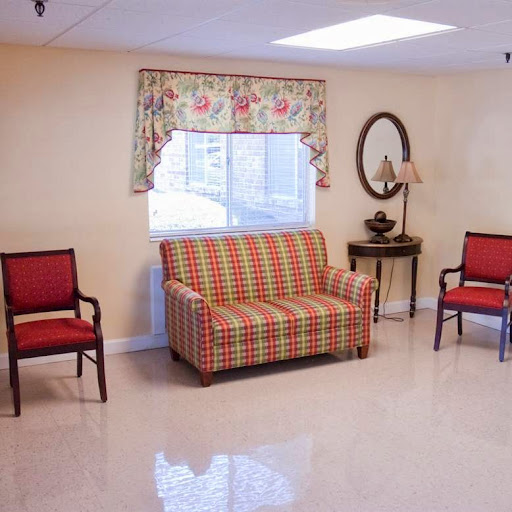
- They noted beds falling apart, old and dirty furniture, and residents not receiving assistance, leading to injuries.
Review
Waycross Health and Rehabilitation is best suited for families seeking a warm, person‑centered environment where caregivers genuinely strive to connect with residents and treat them as family. The community shows strength when the focus is on daily responsiveness, meaningful interpersonal care, and a homey atmosphere. For elders who respond well to familiar faces, regular check‑ins, and a sense of belonging, this facility can translate into a dignified, comforting routine even as medical needs persist. The strongest endorsements come from residents and families who prize relationships, careful listening, and coordinated care that feels cohesive. In short, this is a setting where the human connection can carry the day, making a meaningful difference in quality of life for those who thrive on consistent, compassionate contact rather than a clinical, impersonal environment.
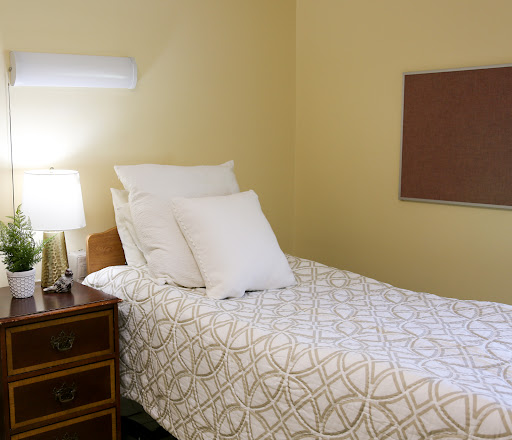
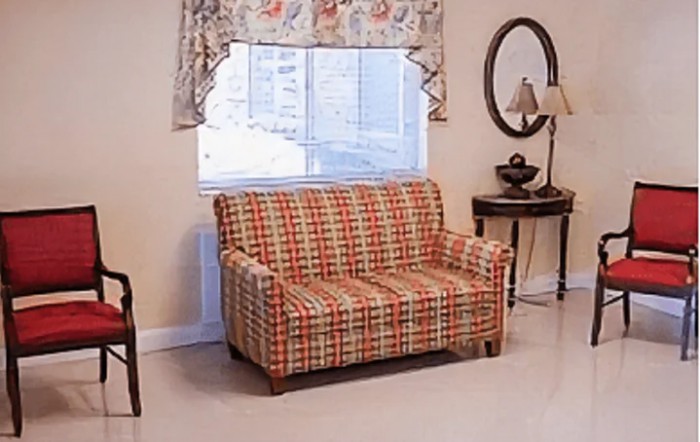
Conversely, anyone prioritizing flawless safety, spotless cleanliness, and consistently reliable clinical oversight should consider alternatives. The reviews flag serious concerns that bounce between praise and alarm: long‑term residents facing neglect in basic hygiene, broken or outdated furnishings, and conditions that raise questions about infection control and overall safety. Several accounts describe bedsores, odors, and items going missing, with family members reporting distressing lapses in daily monitoring and timely medical attention. Instances of staff miscommunication, inconsistent leadership presence, and rumors of staff being unavailable or disengaged further complicate the picture. For families that cannot tolerate the possibility of gaps between care plans and daily execution, it may be wise to widen the search to facilities with stronger reputations for rigorous supervision and consistently clean, well‑maintained environments.
The upside of Waycross Health and Rehabilitation centers on care delivery that can be highly attentive when the right staff are present. Numerous reviewers highlight excellent nurses and CNAs who demonstrate dedication, warmth, and a willingness to go the extra mile for residents and their families. A number of posts frame the staff as the facility’s core asset, capable of delivering compassionate, patient‑focused care and contributing to a positive, family‑oriented culture. When inquiries elicit steady engagement from caregivers and prompt, respectful interactions with families, the care experience feels markedly more reliable and reassuring. This positive dynamic, caregivers who remember preferences, communicate clearly about day‑to‑day needs, and foster a sense of belonging, offers a tangible offset to the facility’s more troubling reports by illustrating what high‑quality individual care can look like in practice.
Those same reviews do not shy away from a harsher reality: leadership and consistency problems can undermine the best intentions. Repeated mentions of top nursing staff not being consistently on site, administrators who appear dismissive, and routine lapses in supervision create a sense of instability that can erode trust quickly. Additional red flags include facilities that feel aged or poorly maintained, rooms that smell or look neglected, and reports of residents not receiving timely assistance during critical moments. Taken together, these patterns suggest that while the elation of strong day‑to‑day caregiving can bloom, it is vulnerable to management gaps and systemic weaknesses. Families must weigh whether the risk of episodic neglect or delayed responses is acceptable given the potential for improved interpersonal care on good days.
If a decision is being made, prospective residents and their families should approach a visit with a clear checklist and a candid line of inquiry. Demand a full tour that includes the nursing station, housekeeping, and patient rooms at different times of day. Request recent quality metrics, incident logs, and a transparent explanation of staff coverage, including RN availability around the clock. Observe bedside rounds and how quickly staff respond to call bells; ask about maintenance, safety devices, and fall prevention measures. Meet multiple staff members beyond the front desk, including a supervisor or the administrator, to gauge consistency in communication. And ask to review a resident’s current care plan, including how changes are communicated to families. These steps help illuminate whether the facility’s strengths can be reliably leveraged without becoming exposed to the highlighted weaknesses.
In the end, Waycross Health and Rehabilitation represents a pragmatic choice for families who prize personal warmth and a caregiver‑driven environment and are willing to vigilantly monitor operations. For elders whose needs include steady medical oversight, immediate safety, and a consistently pristine, well‑maintained setting, alternatives deserve strong consideration. The facility’s best days showcase a true, compassionate care culture that makes residents feel seen and valued; the worst days reveal avoidable risks that no amount of kindness can fully compensate for. The prudent path is to pursue a thorough, multi‑visit assessment, verifying staffing levels, cleanliness, and safety protocols, before committing. When care hinges on dependable oversight and unambiguous accountability, it is sensible to look beyond this community while keeping an eye on the potential strengths that dedicated staff can deliver if conditions are stabilized and leadership is consistently present.
 92 resident community capacity
 Skilled Nursing Facility
 Air-conditioning
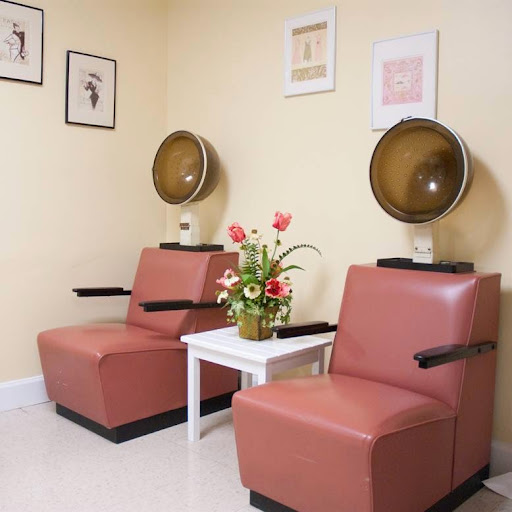
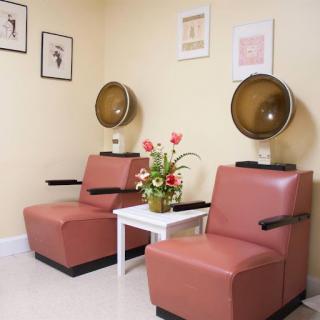
 Beauty salon
 Cable or satellite TV
 Computer center
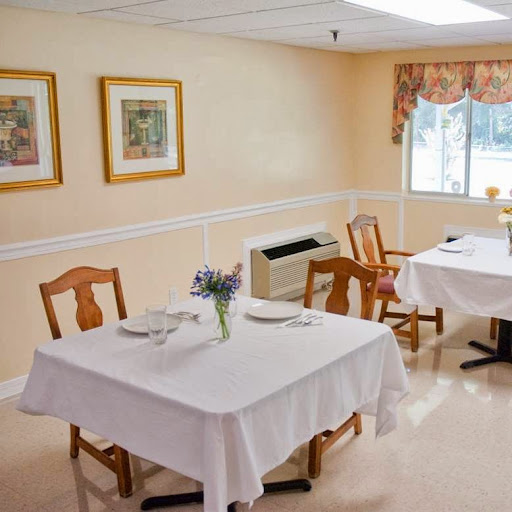
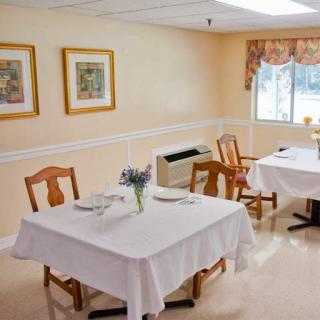
 Dining room
 Fitness room
 Fully furnished
 Gaming room
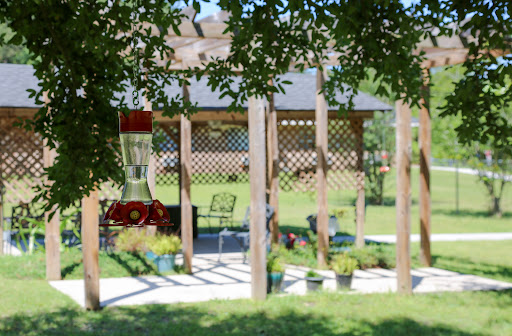
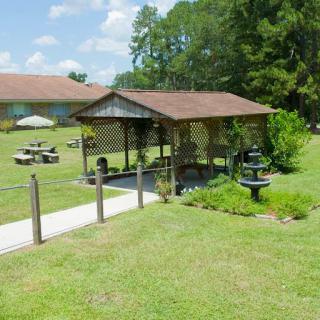
 Garden
 Housekeeping services
 Kitchenette
 Move-in coordination
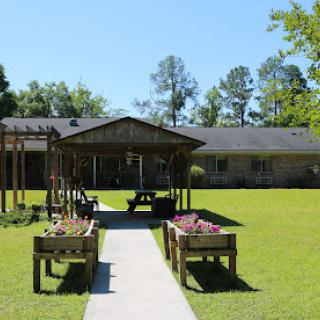
 Outdoor space
 Private bathrooms
 Restaurant-style dining
 Small library
 Telephone
 Wellness center
 Wi-Fi/high-speed internet available
 Community operated transportation
 12-16 hour nursing
 24-hour call system
 Activities of daily living assistance
 Assistance with bathing
 Assistance with dressing
 Assistance with transfers
 Diabetes diet
 Medication management
 Mental wellness program
 Special dietary restrictions
 Concierge services
 Planned day trips


 Comprehensive Approaches for Arthritis: A Detailed Guide to Symptoms, Causes, and Care
 Comprehensive Insights and Practical Strategies to Help Older Adults Avoid Falls
 6 Crucial Ways an Elder Law Attorney Assists Families