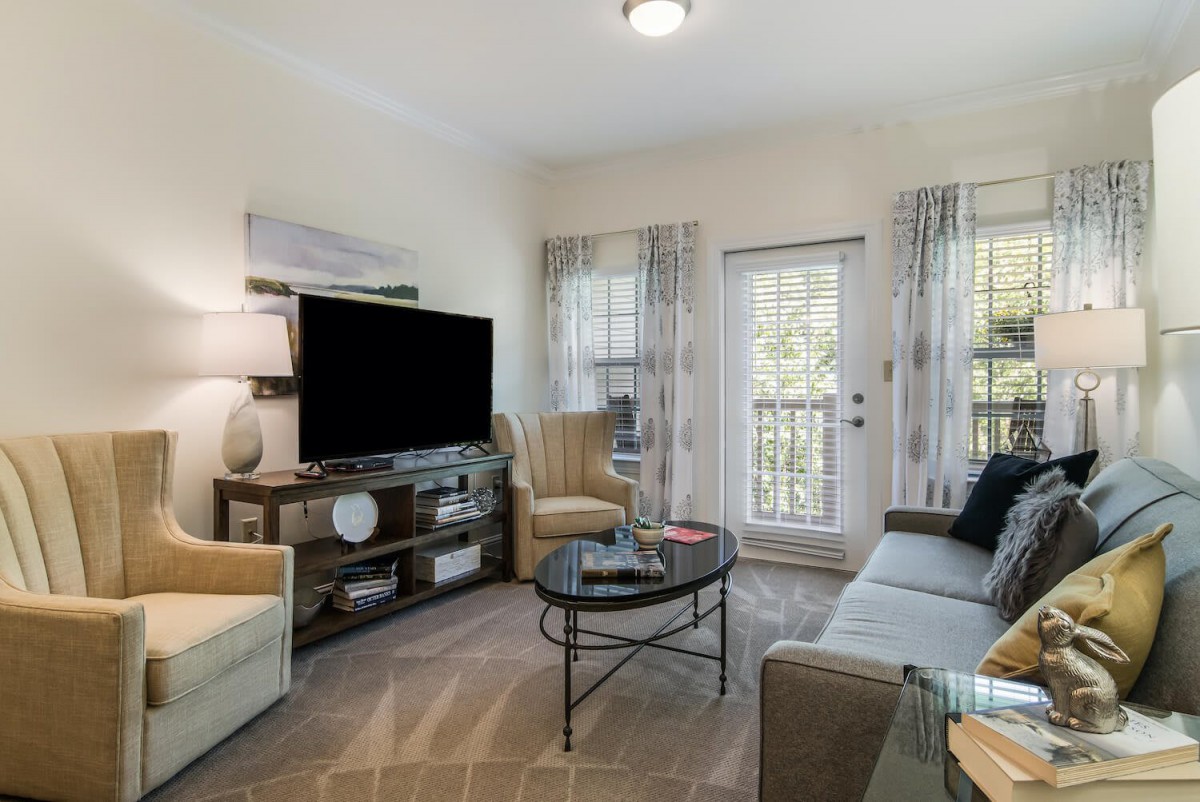
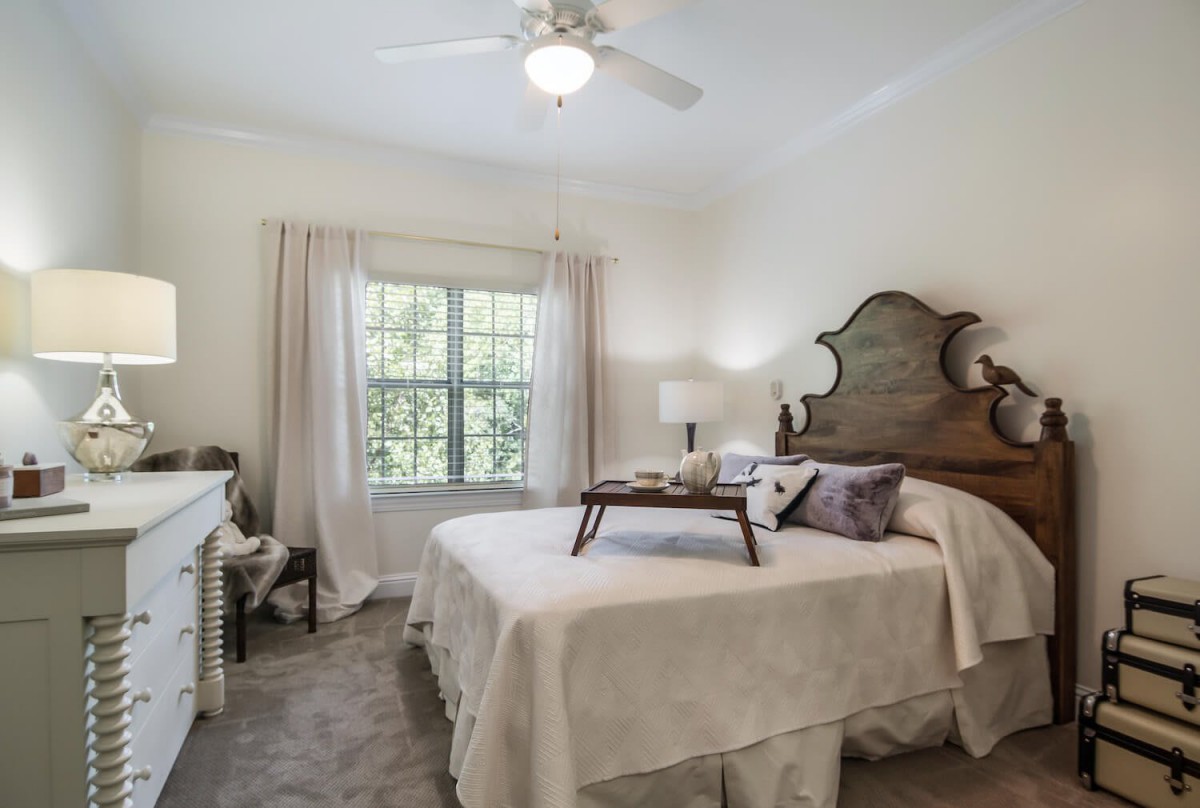
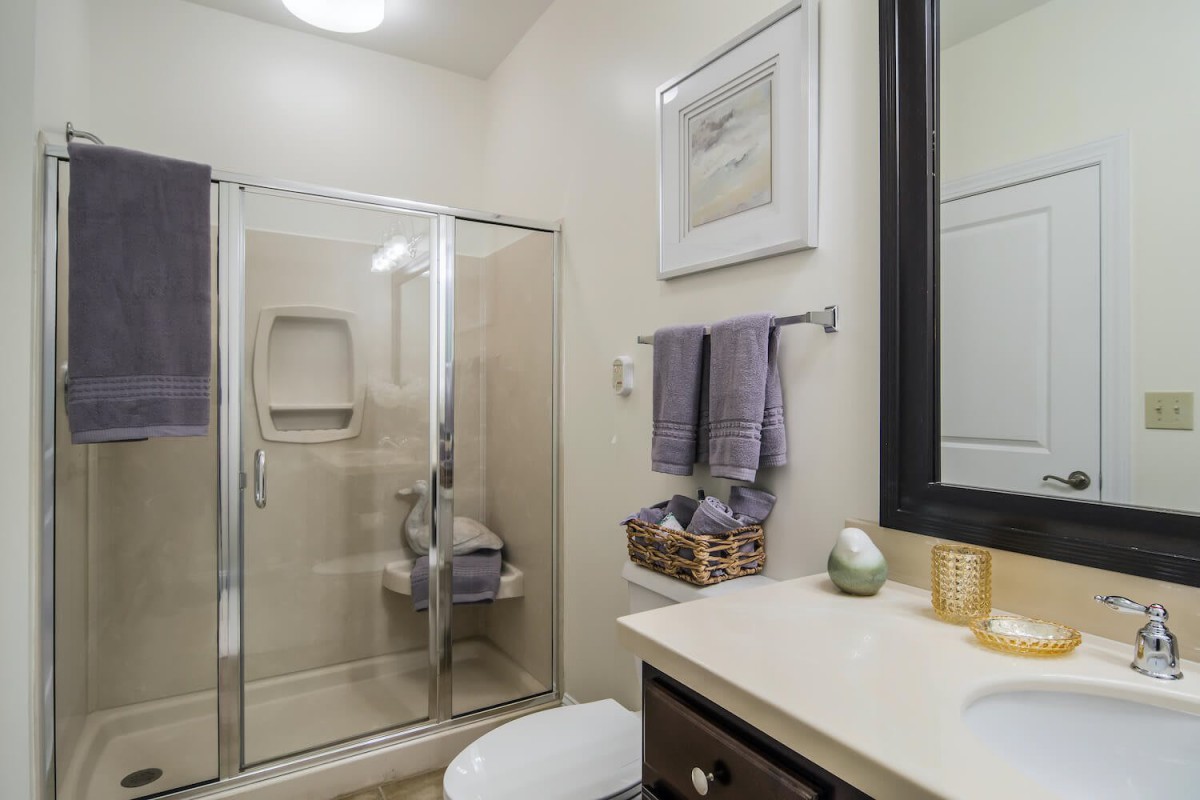
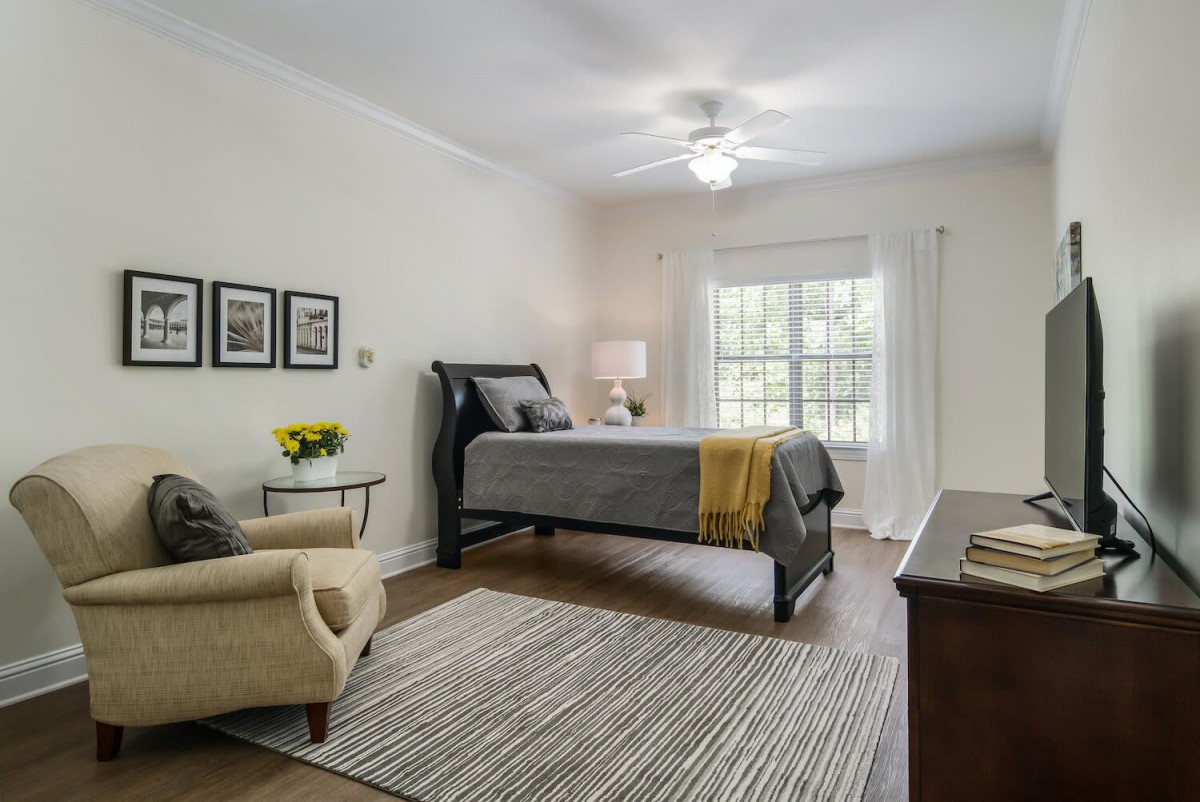
Arbor Terrace Peachtree City presents a range of monthly costs that reflect its premium offerings in comparison to Fayette County and the broader state of Georgia. For semi-private accommodations, residents can expect to pay $3,192, which is notably higher than both the county average of $2,236 and the state average of $2,529. One-bedroom units are priced at $4,002, surpassing Fayette County's rate of $3,643 and Georgia's average of $3,412. The cost for studio apartments at Arbor Terrace stands at $4,172, also exceeding local and state averages. Lastly, two-bedroom options are available for $5,073 - a significant increase compared to Fayette County's average of $4,789 and well above Georgia's statewide figure of $3,921. Overall, while Arbor Terrace Peachtree City commands higher prices across all room types, these costs reflect the quality and comprehensive services that enhance the living experience for its residents.
Floor plans
Arbor Terrace Peachtree City
Fayette County
Georgia
Semi-Private
$3,192
$2,236
$2,529
1 Bedroom
$4,002
$3,643
$3,412
Studio
$4,172
$3,530
$3,520
2 Bedrooms
$5,073
$4,789
$3,921
Skilled Nursing Facilities with a similar price nearby
Residents and families consistently describe the staff as attentive, friendly, and quick to help.
Across many reviews, people describe the staff as warm and accommodating, with frequent mentions of being responsive when residents need something. Several families also note supportive communication with relatives and care teams, including diabetes-related support and medication help. Even when reviews focus on tours or the move-in process, they still come back to the feeling of being cared for day to day once residents are settled.
common18 reviews mention this
Activities keep days busy
Reviews repeatedly point to lots to do, including scheduled activities and outings.
Many residents and families describe an active schedule with activities happening regularly, plus enough variety for different interests and levels of function. Reviews mention exercise and fitness-style programming, live entertainment, and faith-based services, along with social events and resident engagement. The activity emphasis is consistent with what the community offers across calendars and day-to-day programming.
common22 reviews mention this
Dining is a frequent focus
Dining draws both strong praise and some sharp complaints across reviews.
On the positive side, several reviews describe meals as good or even excellent, with many people specifically mentioning the quality and the dining experience. Others highlight that residents have access to choices at meals and that staff will help with meal delivery when needed. A smaller set of reviews, however, criticizes food quality over time and reports higher costs tied to meals and delivery. Overall, dining is central to the resident experience, but not everyone has the same take.
caveat9 reviews mention this
Pricing feels high for some families
Multiple reviews call out that the community can be expensive.
Several reviewers say the rent is pricey, and a few add that additional charges show up beyond base costs. One review notes dissatisfaction with add-on meal delivery pricing, while another points to value concerns for what is included. Even among generally positive reviews, price is mentioned as a drawback for those comparing affordability or weighing other options.
differentiator7 reviews mention this
Care support includes medication help
Residents describe care that includes help with medications and personal needs.
Some reviews explicitly mention nursing support, including assistance related to medical conditions like diabetes and ongoing attention to residents’ needs. Others reference medications being handled as part of assisted living care, alongside support with daily living tasks. This lines up with the types of care services the community offers, such as medication management and daily assistance.
common12 reviews mention this
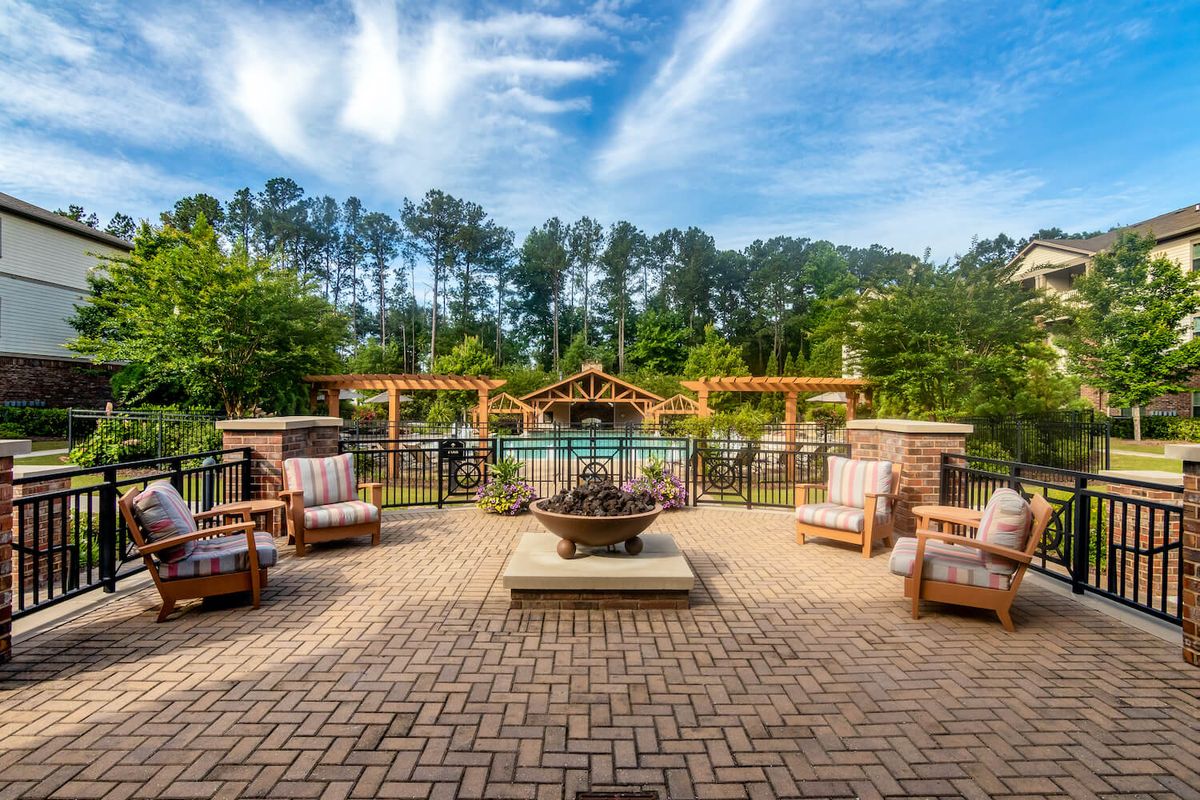
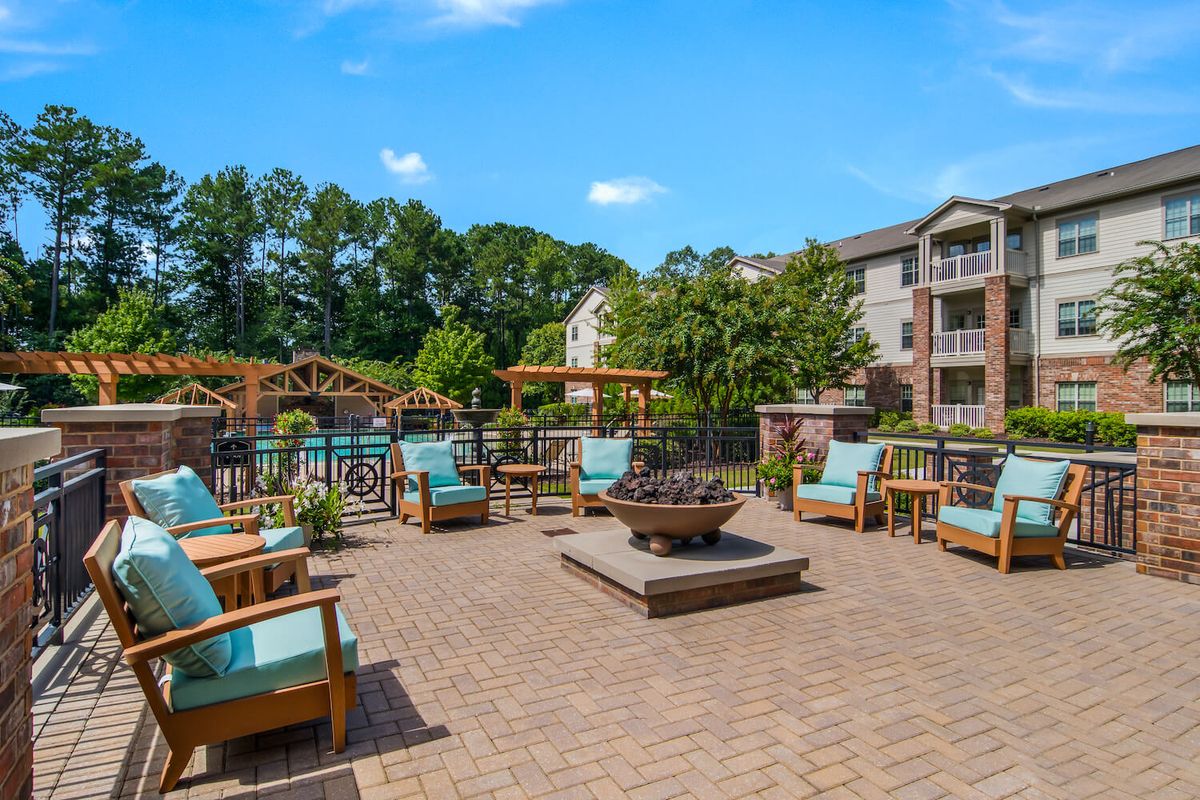
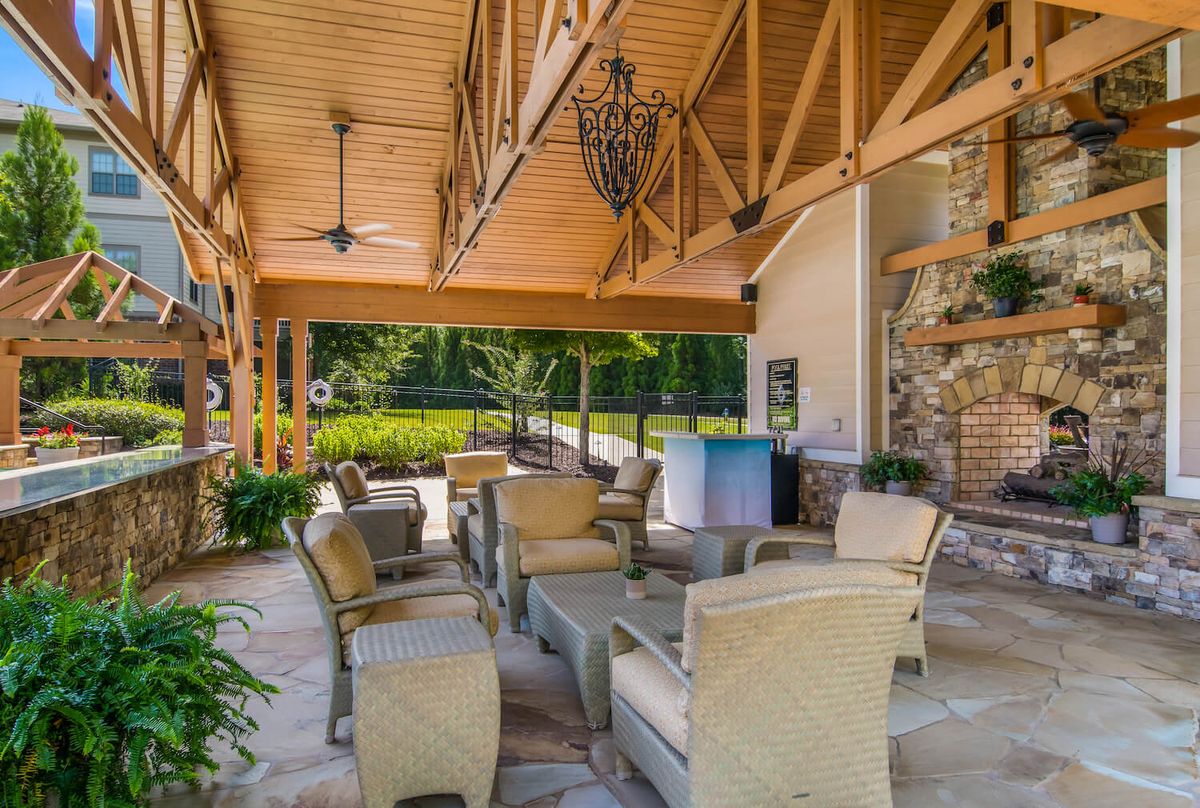
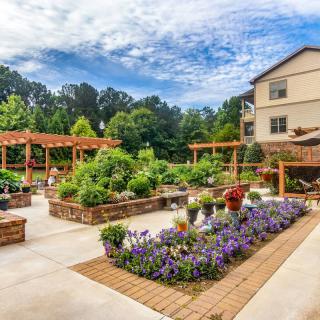
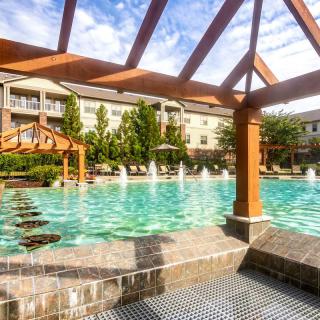
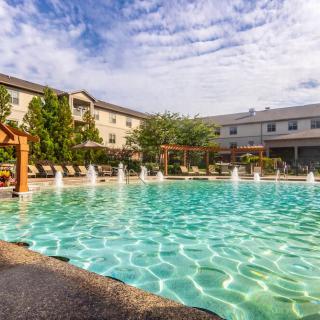
Outdoor space and pool are highlights
Reviews often mention well-kept outdoor areas and the swimming pool.
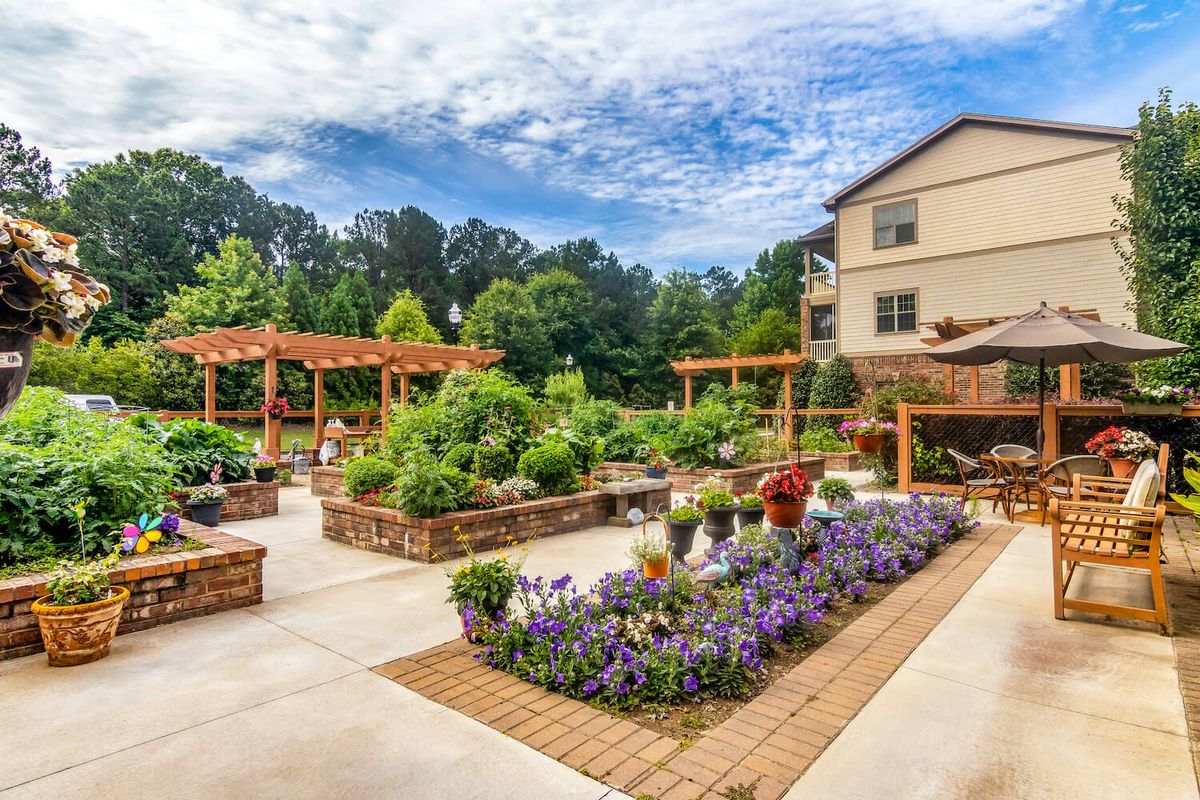
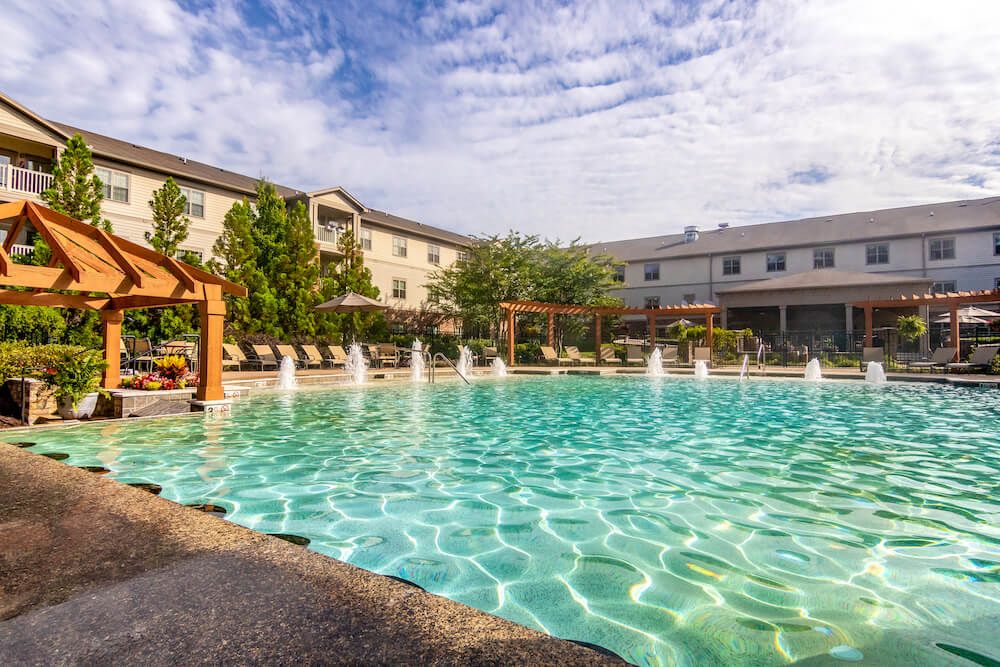
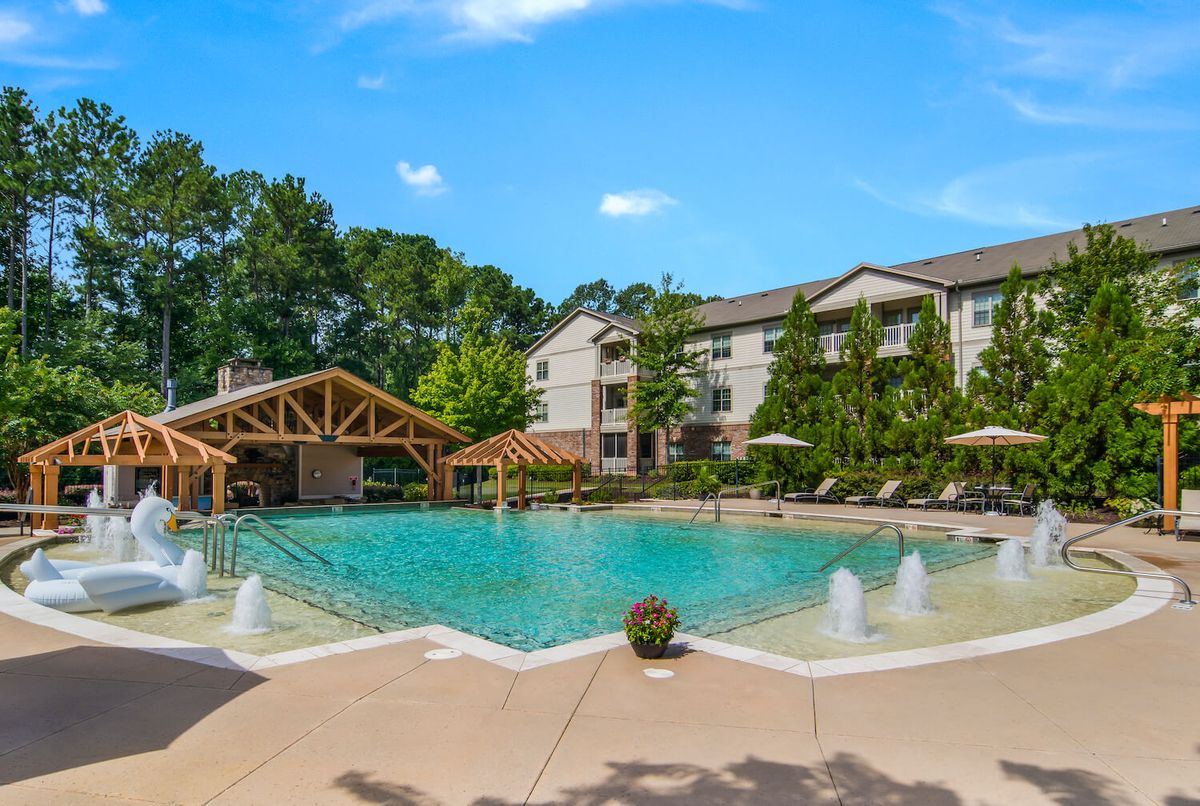
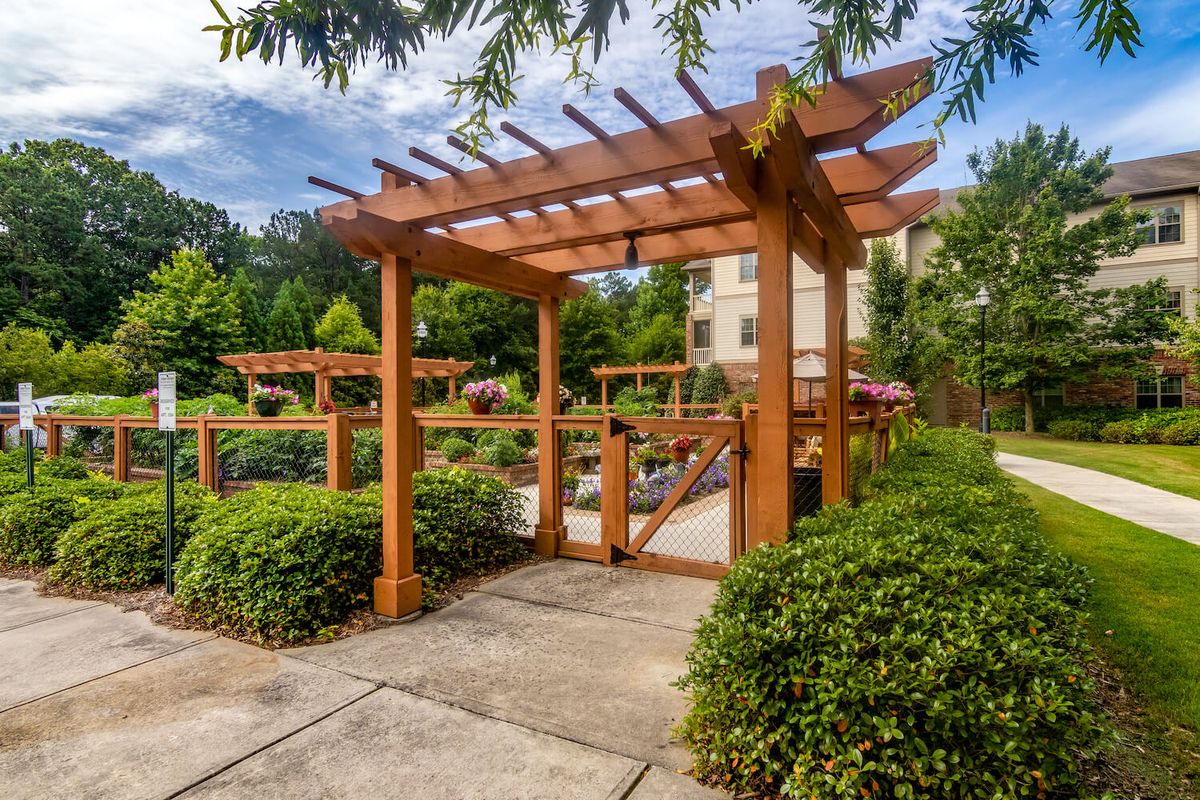
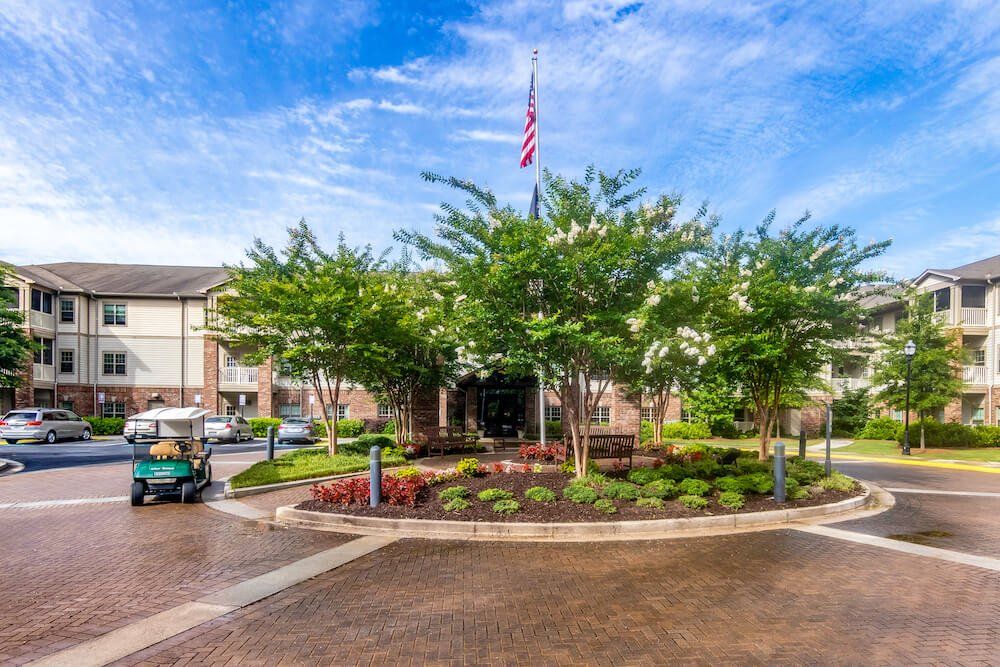
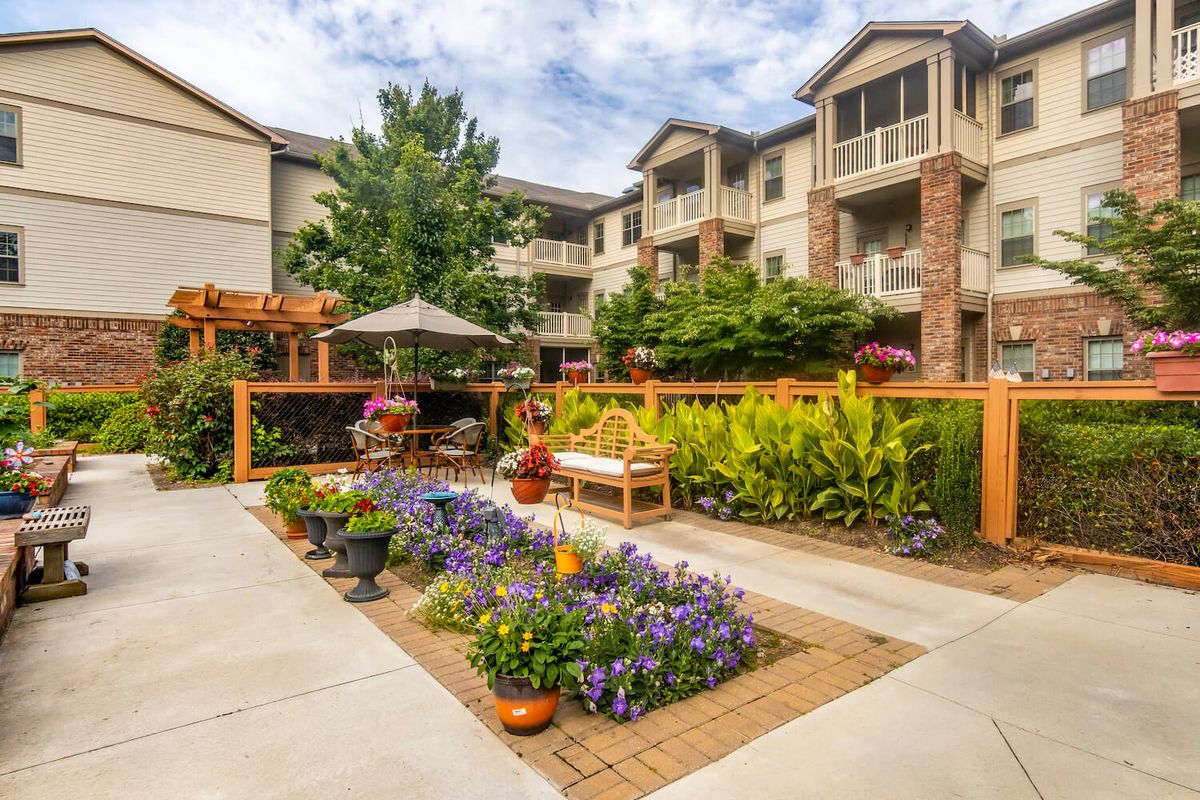
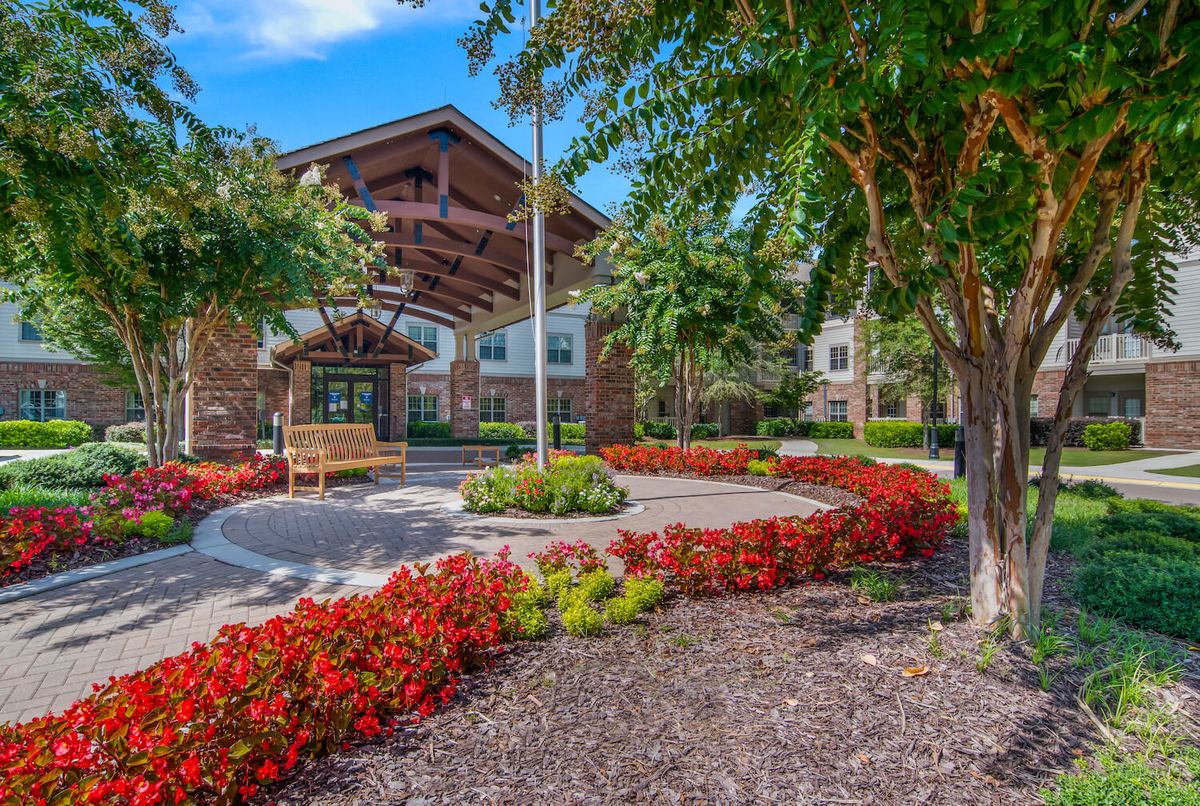
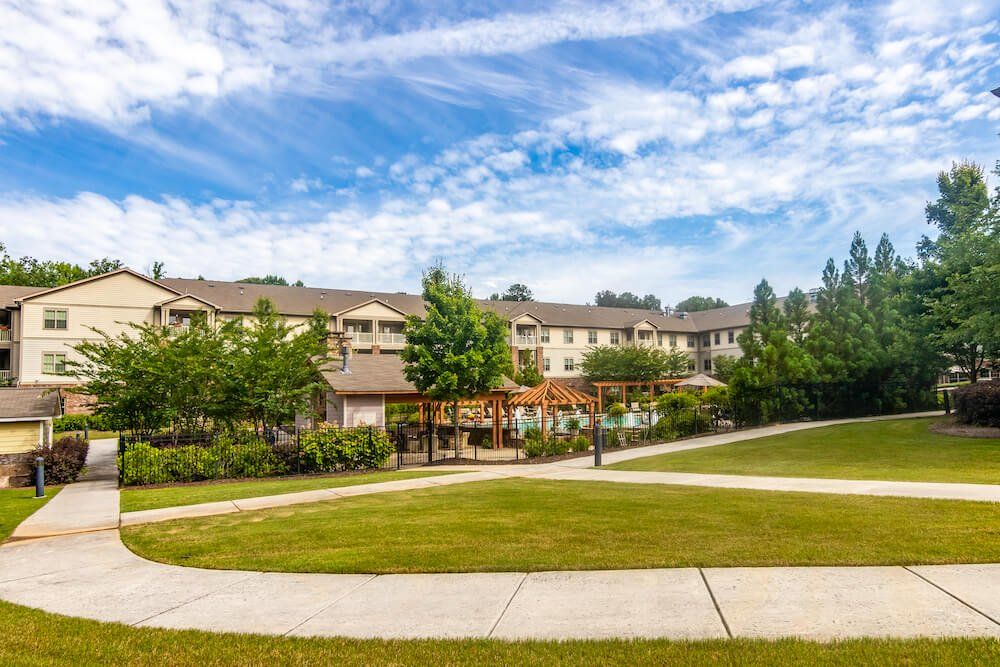
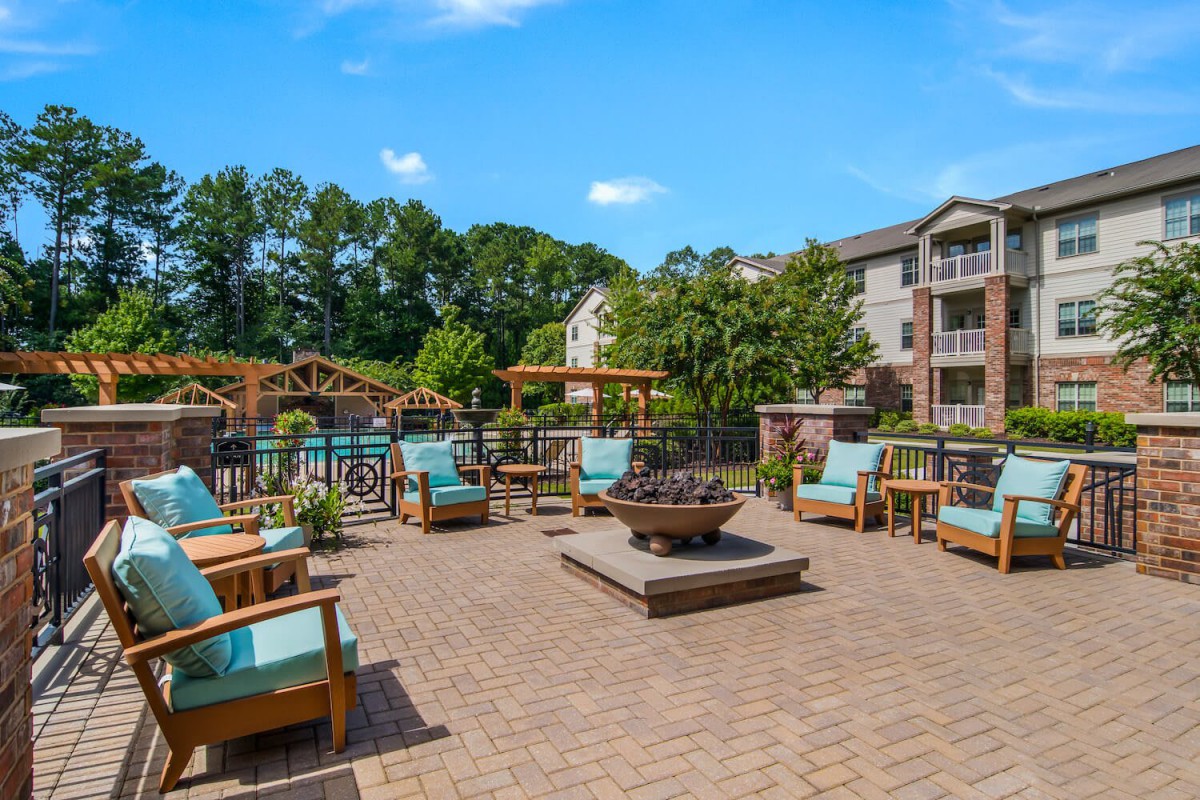
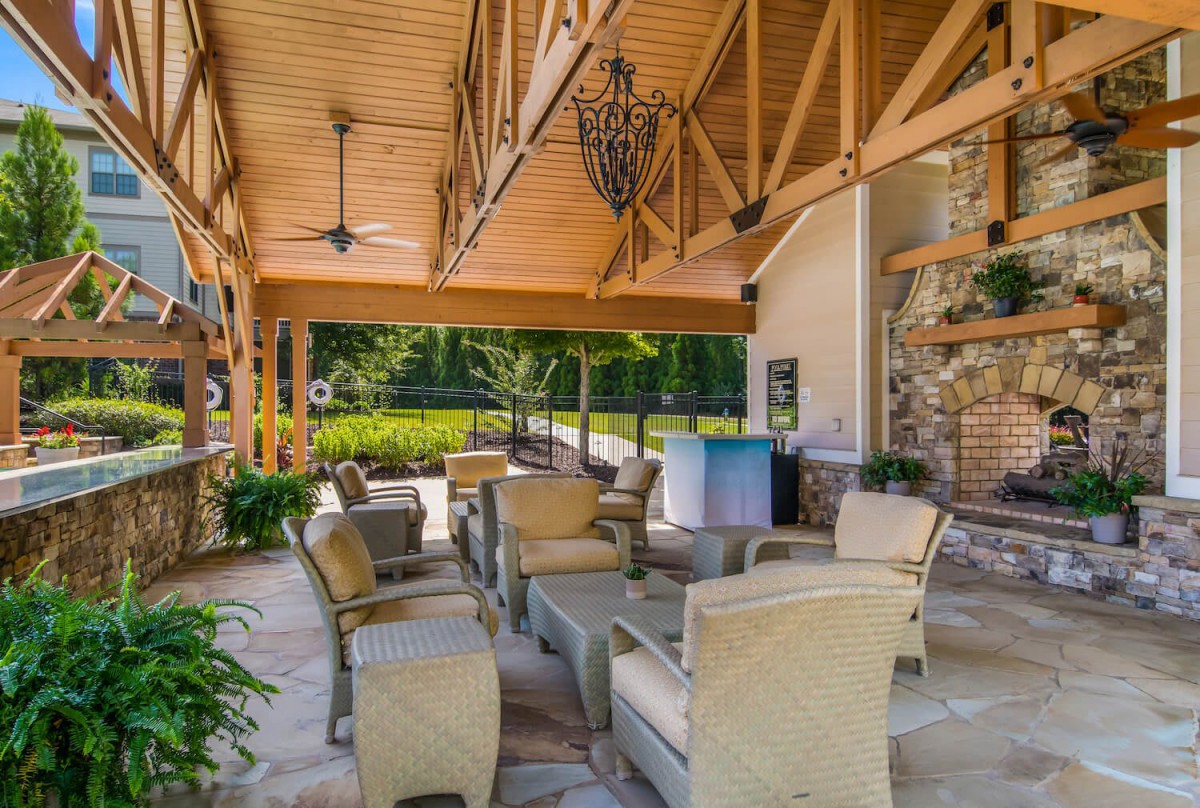
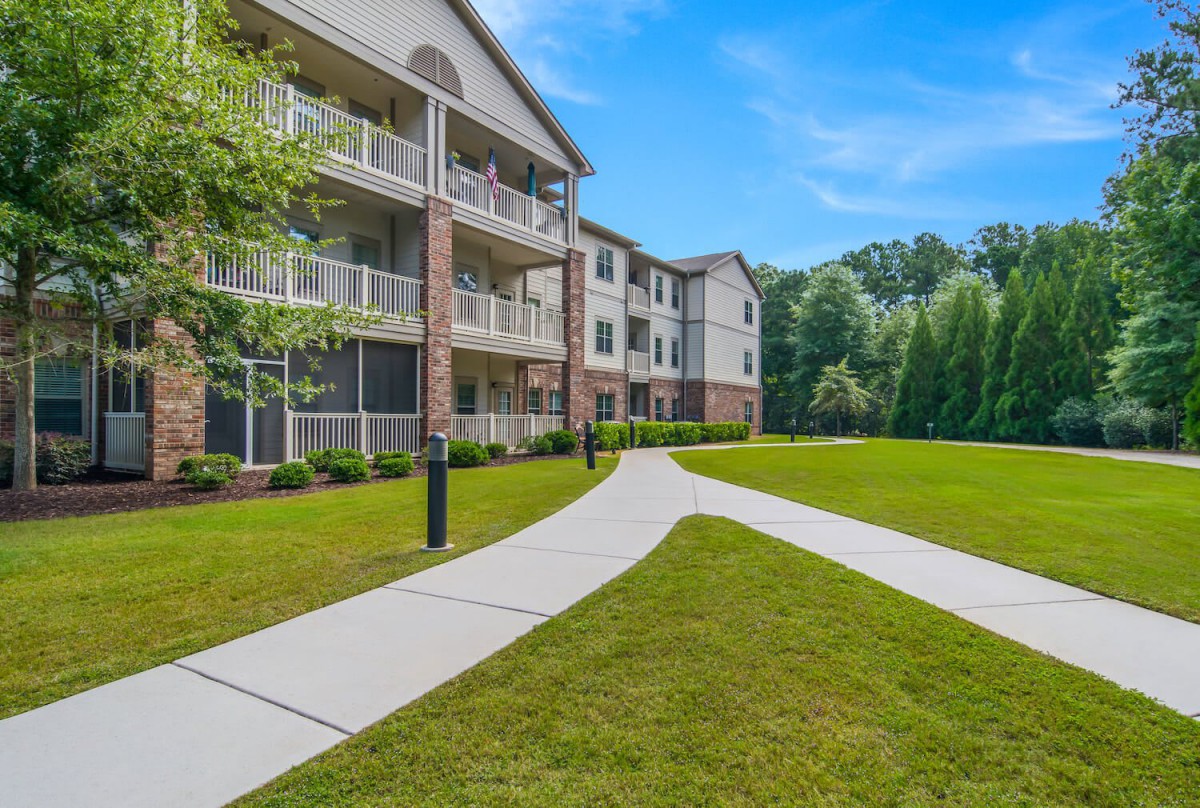
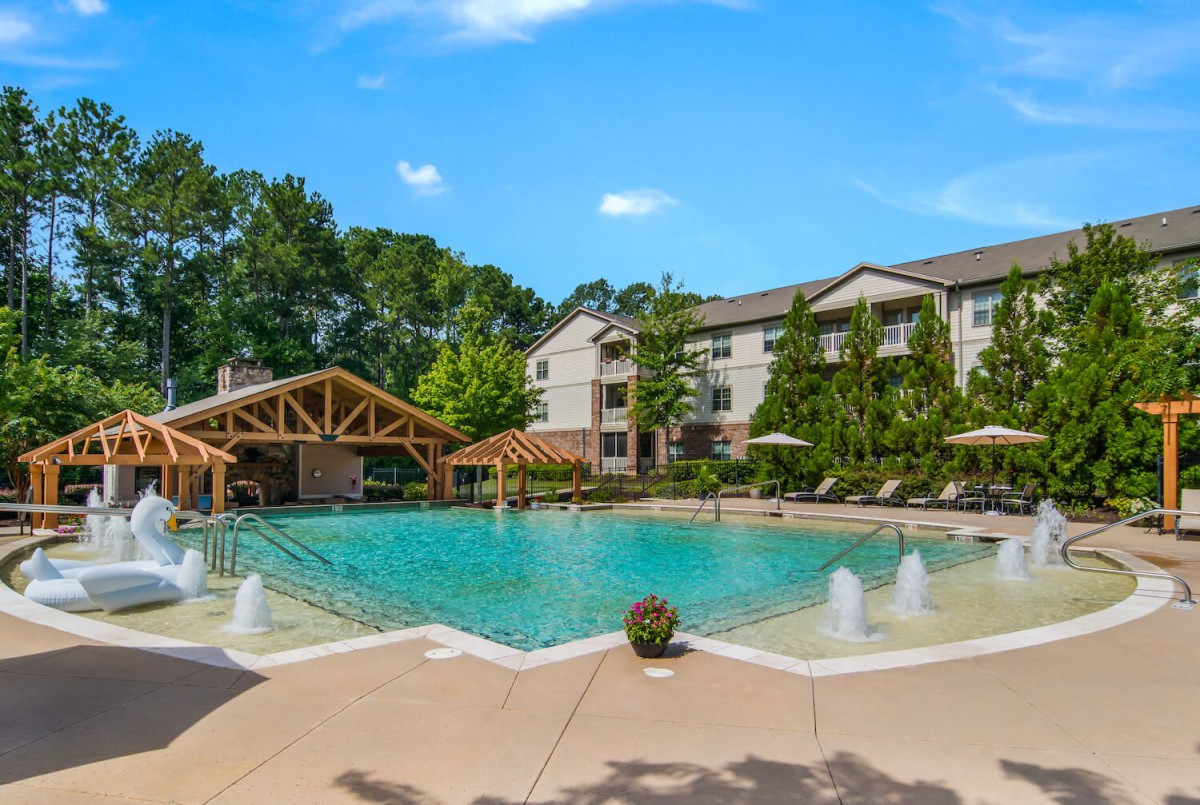
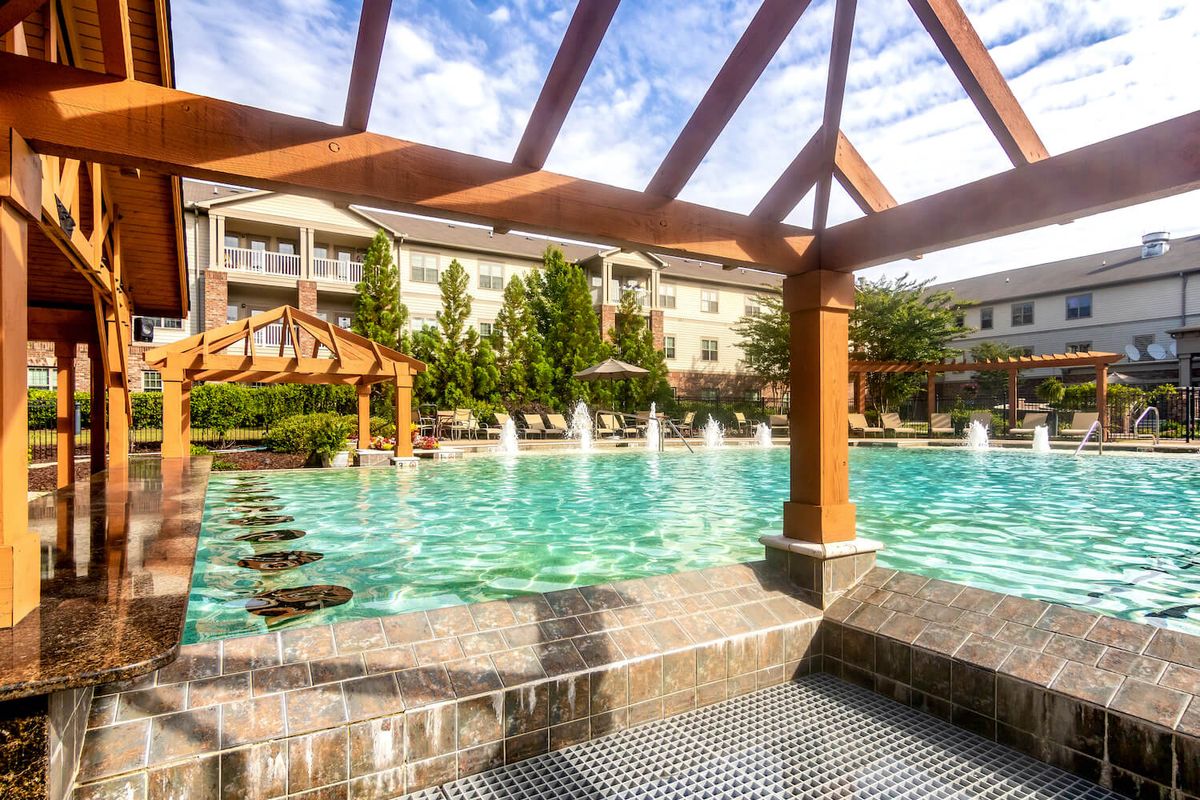
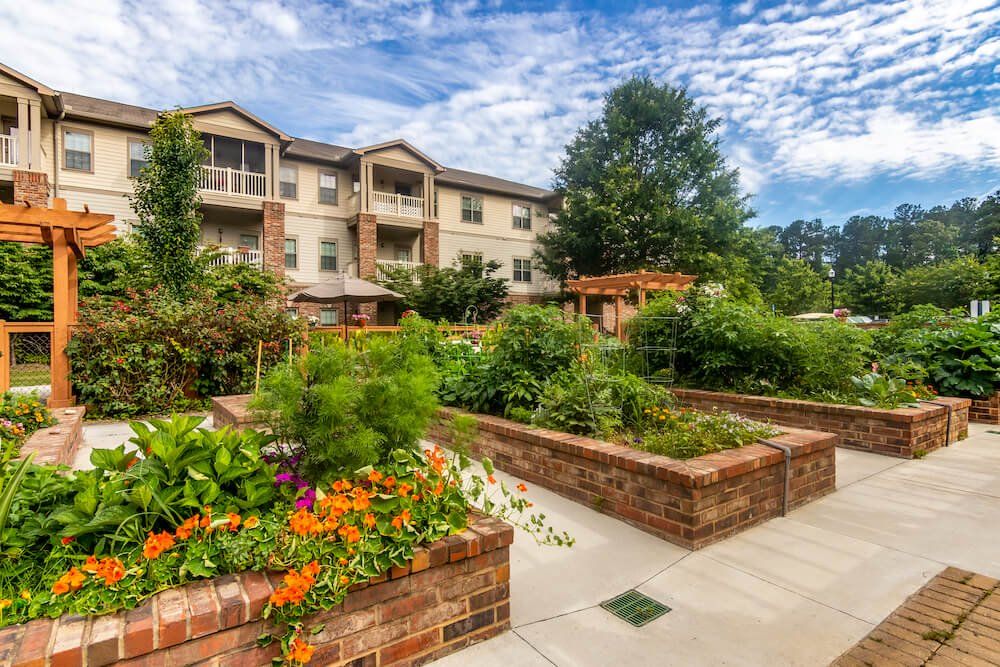
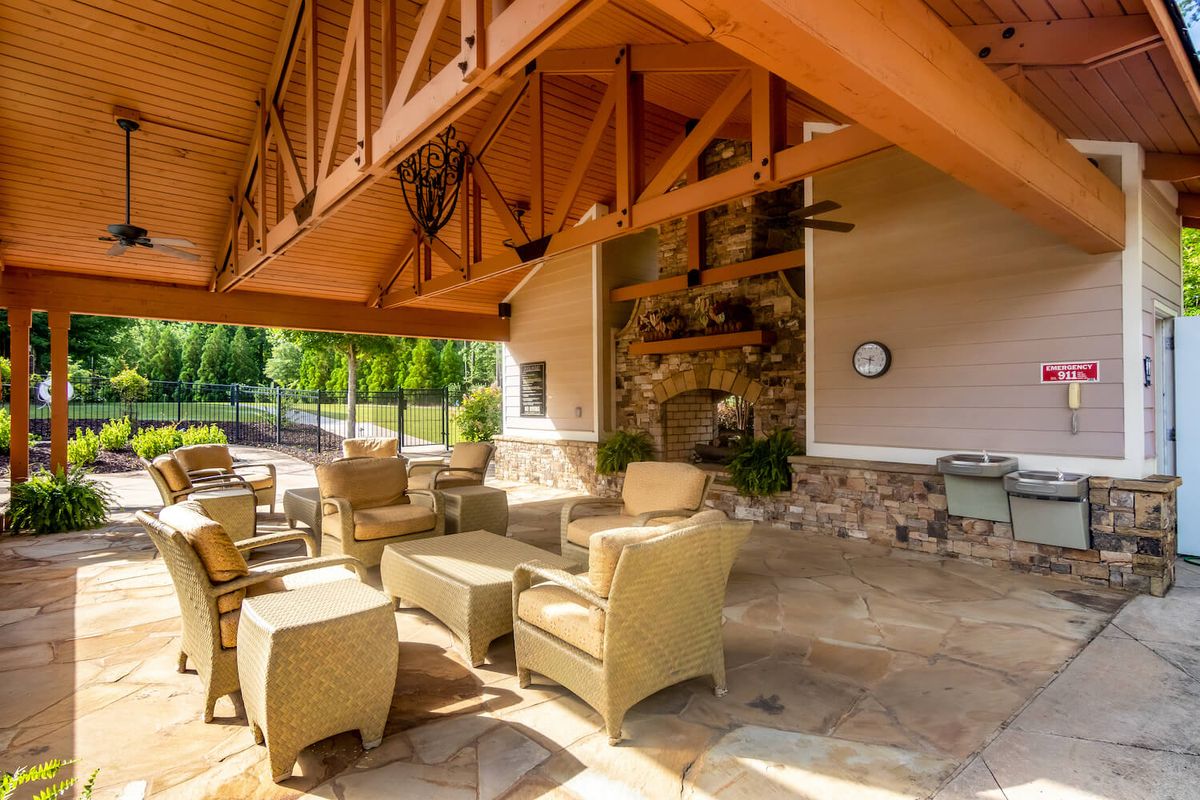
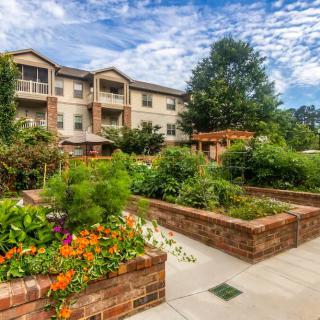
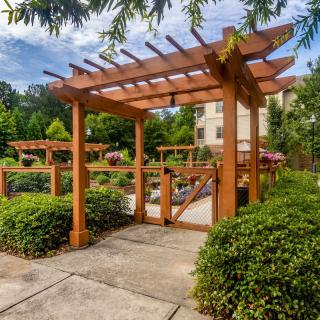
Many reviewers talk about the grounds, outdoor seating, and the pool as standout features they or their loved ones enjoy. Families also mention the atmosphere around the pool and gardens, along with day-to-day access to outdoor amenities. A few tours add details like the feel of the shared outdoor areas, reinforcing that outside space plays a visible role in the community experience.
How we summarize
Counts show how many written reviews mention each theme; a review can touch several themes, and only frequently mentioned themes are displayed.
Features
Housing
49 resident community capacity
1-bedroom apartments
2-bedroom apartments
Types of Care
Assisted Living
Independent Living
Skilled Nursing Facility
Amenities
Activities off-site
Activities on-site
Air-conditioning
Bath tubs
Beautician on-site
Beauty salon
Cable or satellite TV
Computer center
Devotional services off-site
Devotional services on-site
Dining room
Financial aid
Financing advice
Full kitchen
Fully furnished
Garden
Ground floor units
Guasts at mealtime
Guest parking
Handicap accessible
Home sale assistance
Housekeeping services
Indoor common areas
Kitchenette
Laundry
Move-in coordination
Outdoor common areas
Outdoor space
Private bathrooms
Resident parking
Respite or short term stays offered
Swimming pool
Swimming pool / hot tub
TV room
Telephone
VA Benefits Consultation
Wheelchair accessible showers
Wi-Fi/high-speed internet available
Transportation
William B Hartsfield-Atlanta International (20 miles away)
Transportation & parking
Transportation arrangement
Transportation arrangement (non-medical)
Care Services
24-hour call system
24-hour supervision
Activities of daily living assistance
Ambulatory care
Assistance with bathing
Assistance with dressing
Assistance with transfers
Coordination with health care providers
Diabetes diet
Diabetic care
Hospice waiver
Incontinence care
Meal preparation and service
Medication management
Mental wellness program
Special dietary restrictions
Transportation arrangement (medical)
Transportation to doctors appointments
Dining
Anytime dining
Diabetes diet
Gluten-free
Guest meals
Low / no sodium
Meals provided
No Sugar
Professional chef
Restaurant style dining
Room service
Special dietary restrictions
Vegan
Vegetarian
Activities
Art classes
Arts and crafts
Catholic services
Community-sponsored activities
Day trips and outings
Devotional activities offsite
Devotional activities on-site
Educational speakers / life long learning
Fitness programs
Games
Gardening club
Jewish services
Karaoke
Live musical performances
Live well programs
Mormon/LDS services
Protestant services
Resident-run activities
Scheduled daily activities
Visiting chaplain or priest
Wii bowling
Yoga / chair yoga
Languages Spoken
English
Videos
Nearby Places of Interest
This area of Peachtree City, Georgia offers a convenient and diverse array of amenities for senior living. There are several dining options nearby, ranging from fast food chains like Taco Bell and McDonald's to more upscale restaurants such as Due South Southern Cuisine and Ted's Montana Grill. Additionally, there are multiple pharmacies and healthcare facilities in close proximity, including Peachtree Pediatrics and Georgia Retina. For recreation, residents can enjoy parks like Picnic Park and Blue Smoke Park. Places of worship such as the Church of Jesus Christ of Latter Day Saints provide spiritual support, while cafes like Starbucks offer a place to relax and socialize. In case of emergencies, hospitals like Children's Healthcare of Atlanta and Piedmont Fayette Hospital are easily accessible. Overall, this area combines convenience with a sense of community for older adults looking to settle in Peachtree City.
Restaurants
Taco Bell (0.3 miles)
McDonald's (0.6 miles)
Due South Southern Cuisine (2.2 miles)
Chipotle Mexican Grill (2.4 miles)
Ted's Montana Grill (2.4 miles)
McDonald's (2.4 miles)
Beef 'o' Brady's (2.4 miles)
Transportation
Peachtree City Airport-Falcon Field (FFC) (1.4 miles)
Physicians
Peachtree City Obstetrics & Gynecology (2 miles)
Eyexam of Peachtree City (2.3 miles)
Peachtree Pediatrics (2.4 miles)
Georgia Retina (2.4 miles)
Center for Allergy & Asthma of Georgia (2.4 miles)
EyeCare Plus (2.6 miles)
The Skin Care Centre at Renaissance Plastic Surgery (2.6 miles)
Parks
Picnic Park (2.1 miles)
Blue Smoke Park (3.5 miles)
Pharmacies
Walgreens (2.2 miles)
Walgreens (2.8 miles)
Walmart Pharmacy (2.9 miles)
Eaudit Solutions (3.2 miles)
CVS Pharmacy (3.2 miles)
CVS Pharmacy (4.6 miles)
Target Pharmacy (4.6 miles)
Places of Worship
Church of Jesus Christ of Latter Day Saints (2.3 miles)
Arbor Terrace Peachtree City presents a range of monthly costs that reflect its premium offerings in comparison to Fayette County and the broader state of Georgia. For semi-private accommodations, residents can expect to pay $3,192, which is notably higher than both the county average of $2,236 and the state average of $2,529. One-bedroom units are priced at $4,002, surpassing Fayette County's rate of $3,643 and Georgia's average of $3,412. The cost for studio apartments at Arbor Terrace stands at $4,172, also exceeding local and state averages. Lastly, two-bedroom options are available for $5,073 - a significant increase compared to Fayette County's average of $4,789 and well above Georgia's statewide figure of $3,921. Overall, while Arbor Terrace Peachtree City commands higher prices across all room types, these costs reflect the quality and comprehensive services that enhance the living experience for its residents.
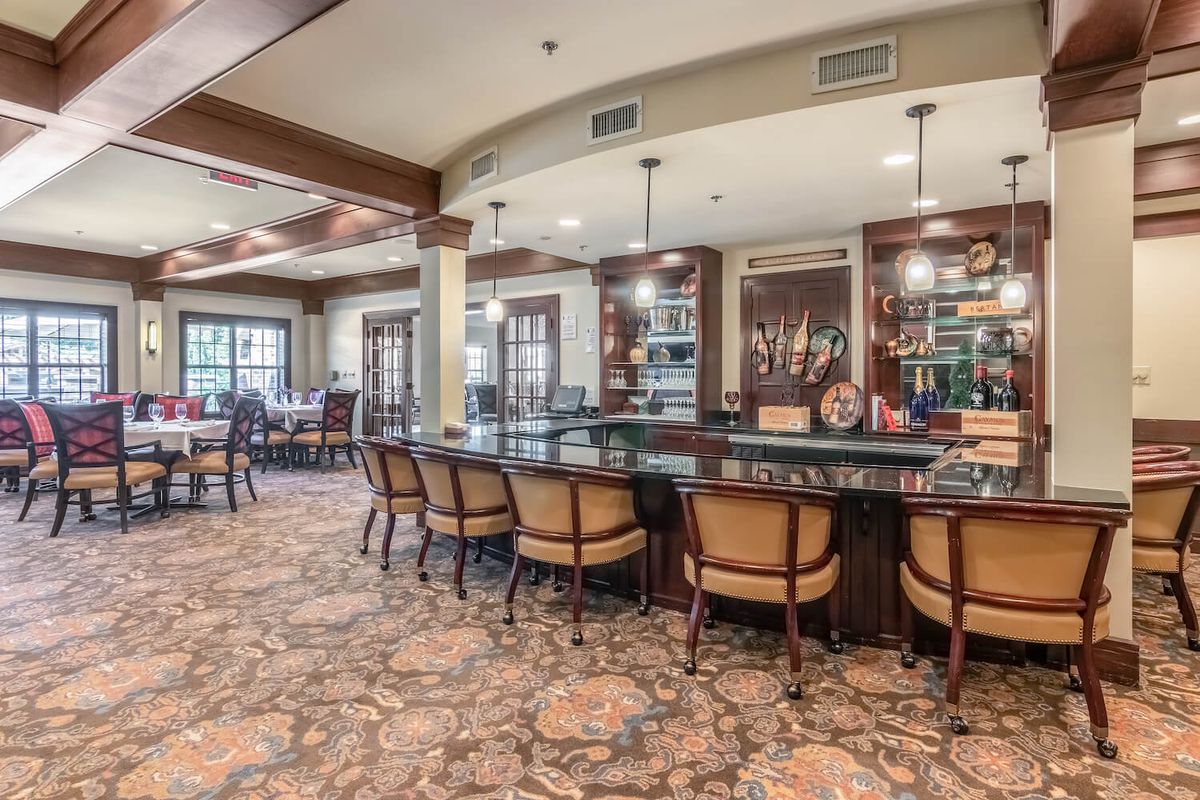
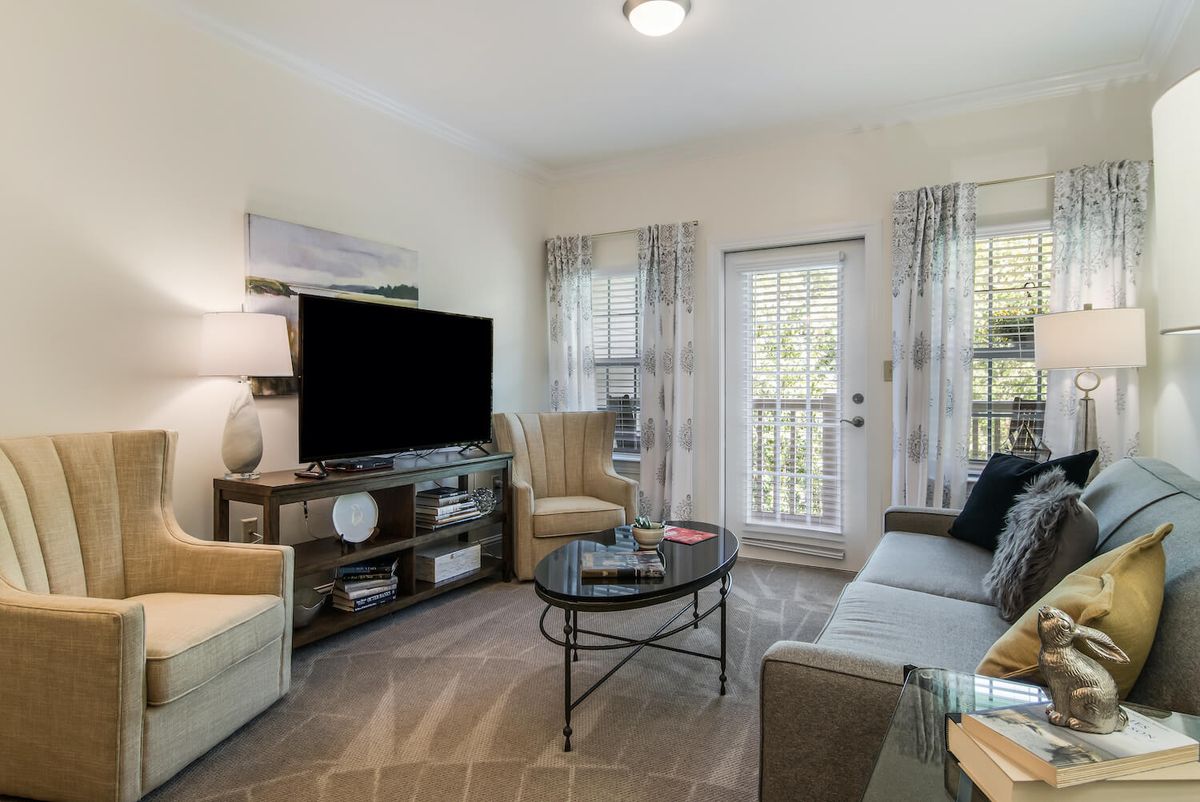
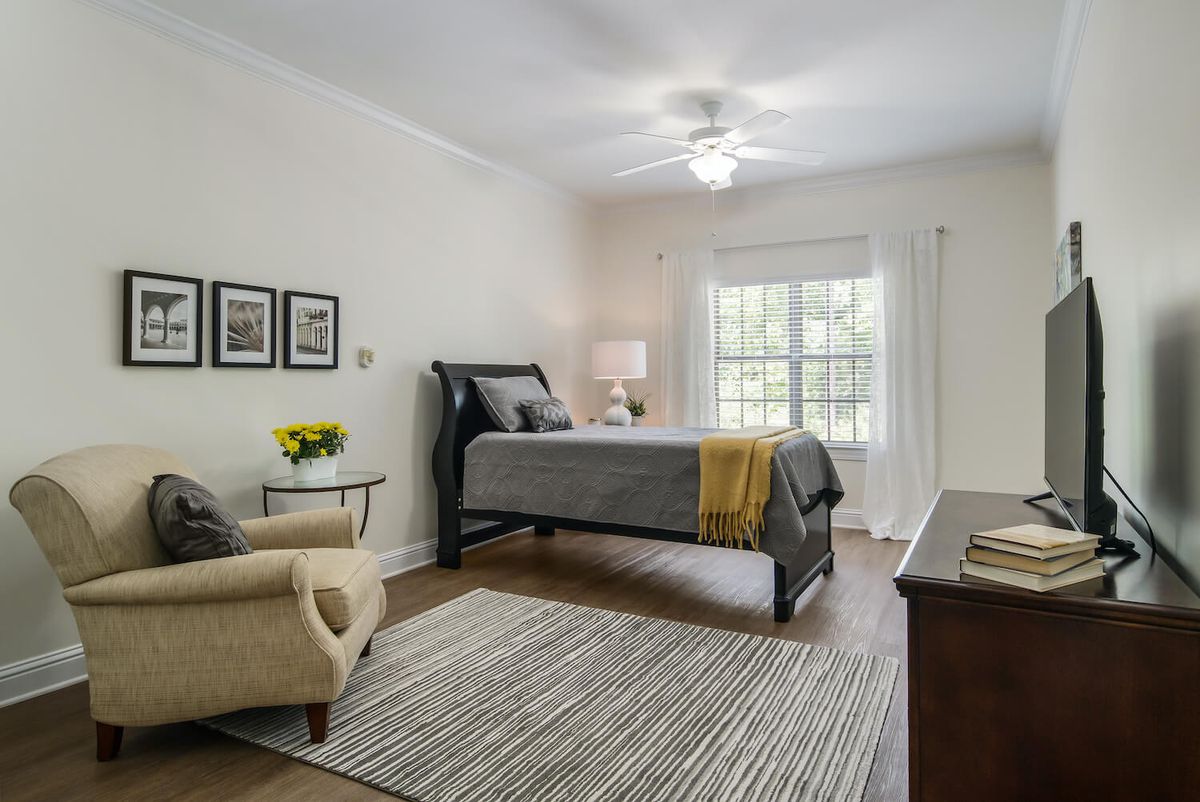
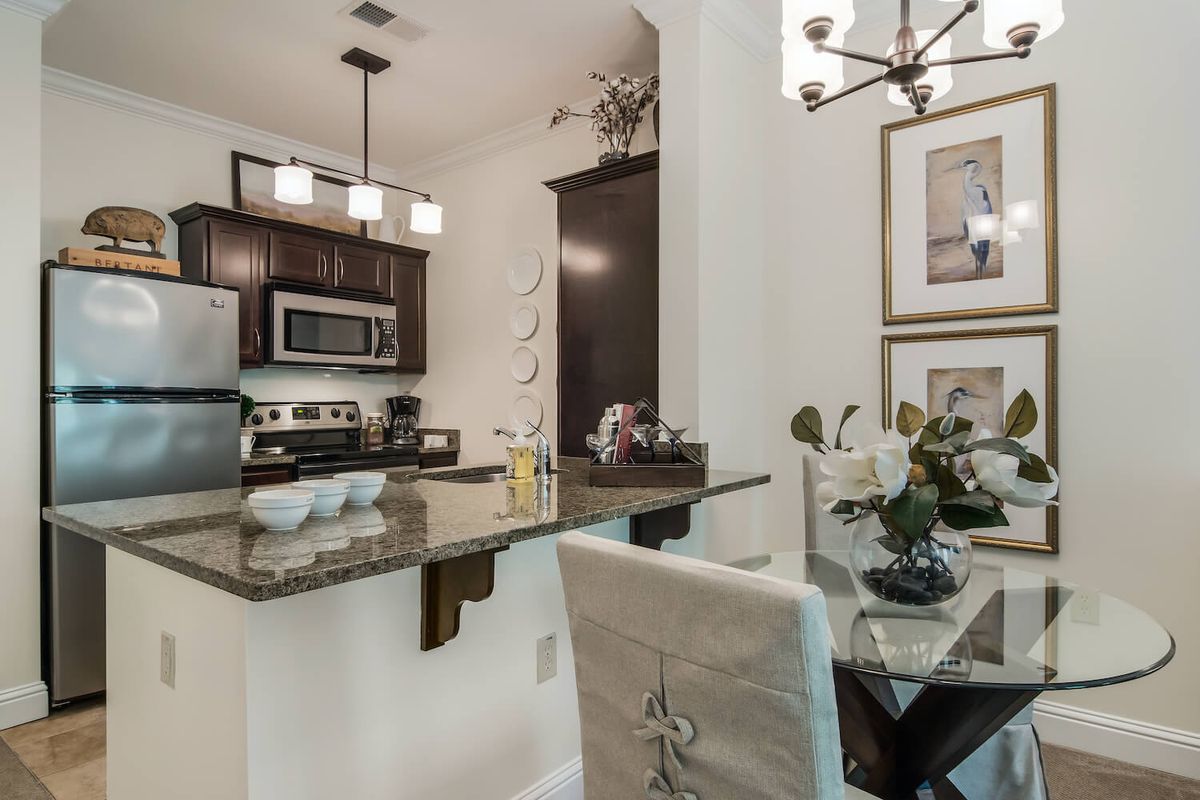
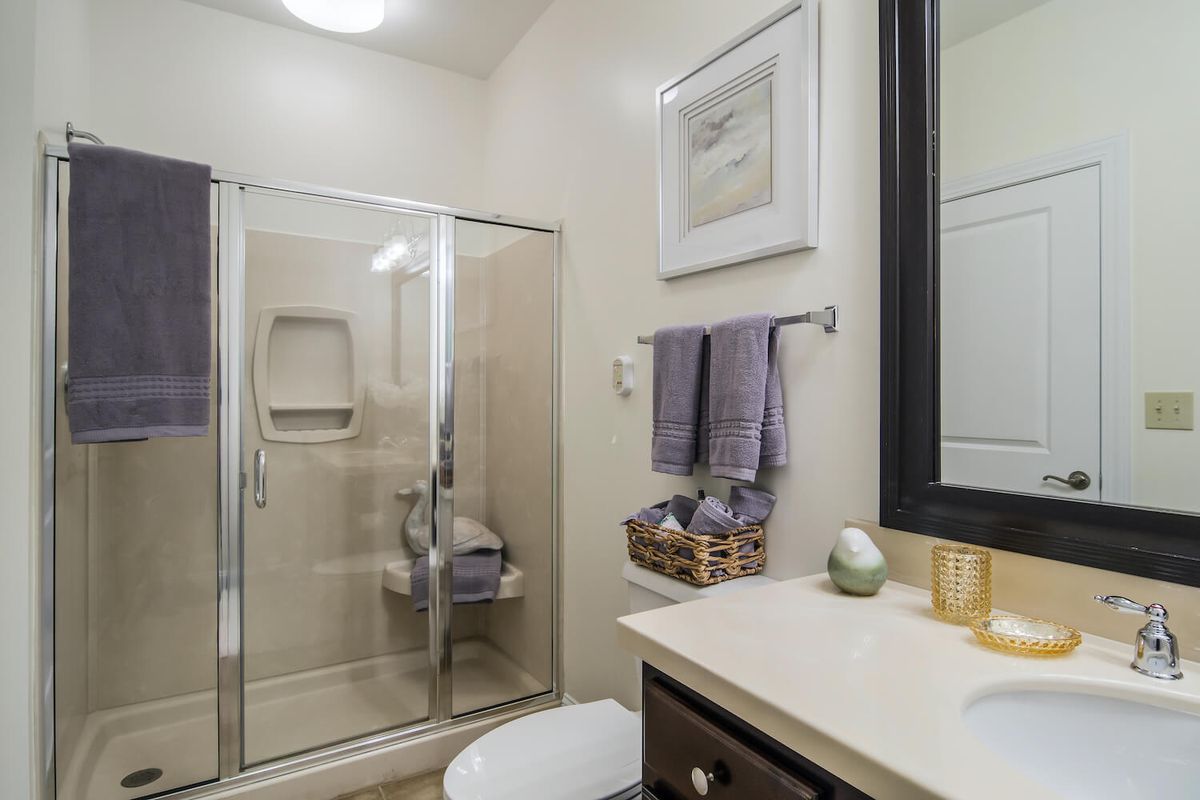
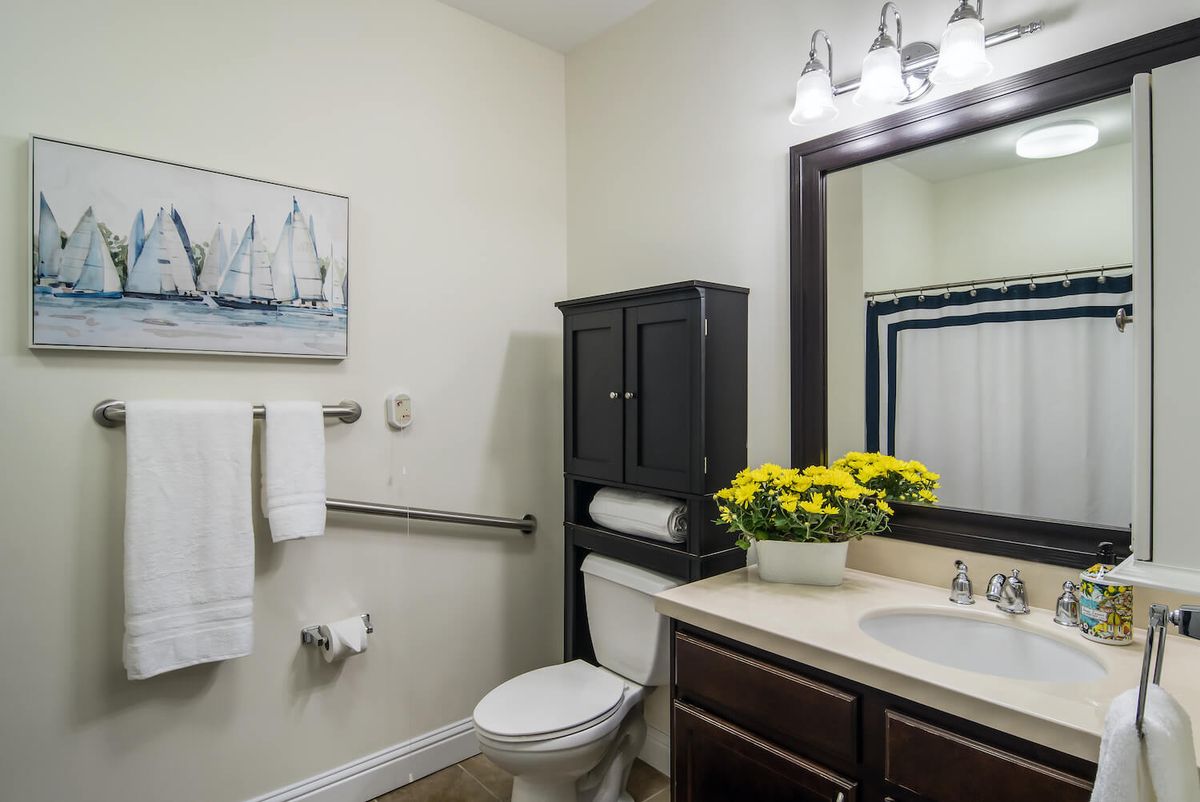
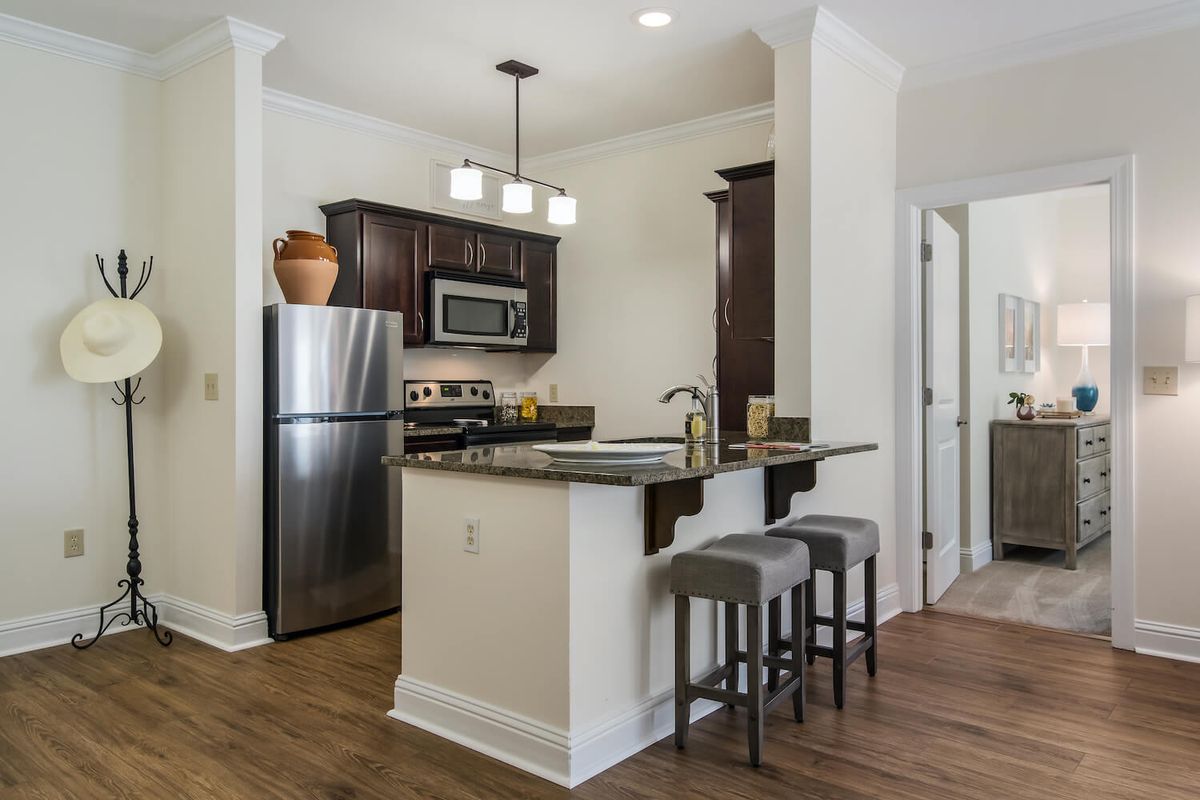
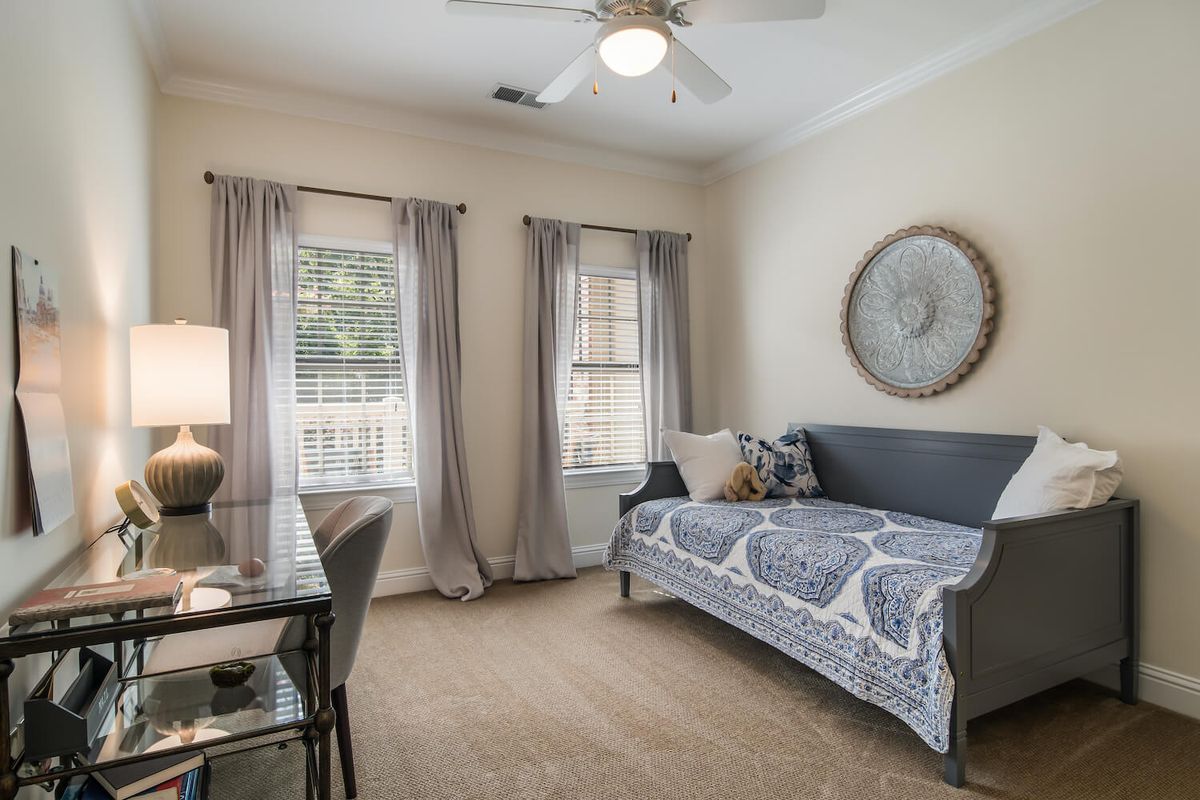
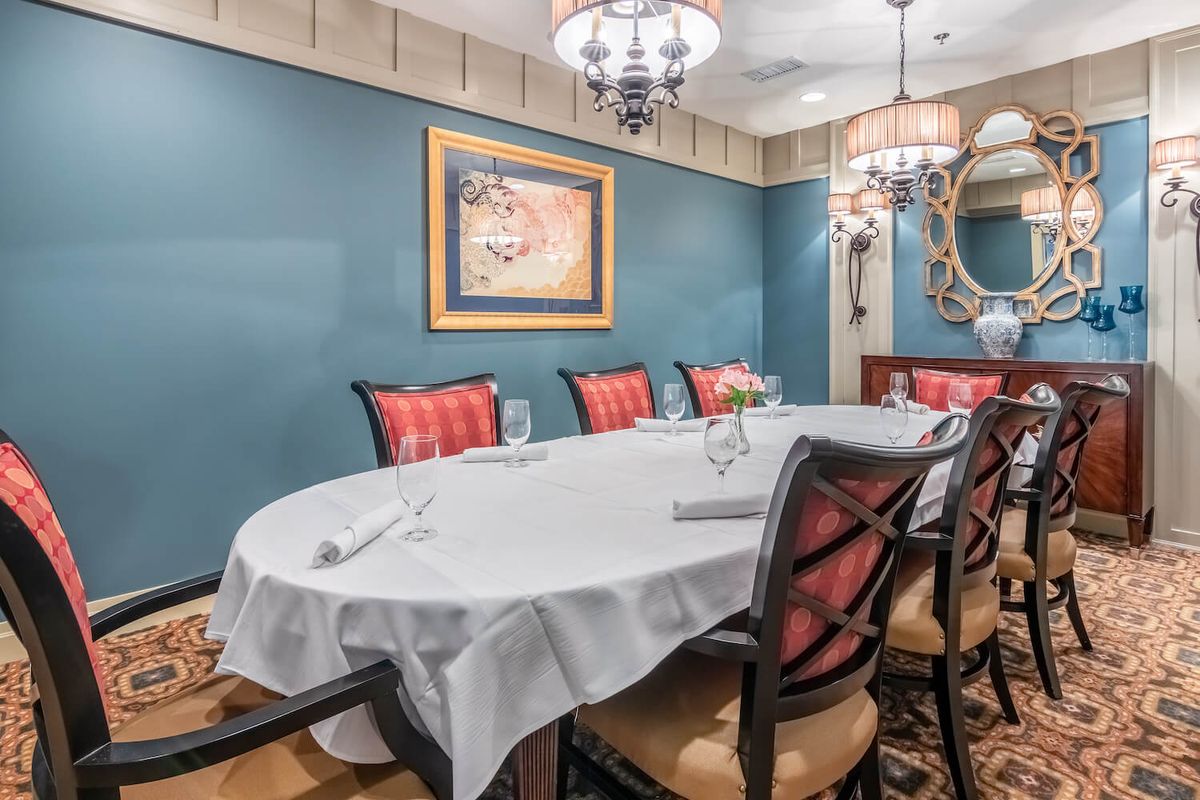
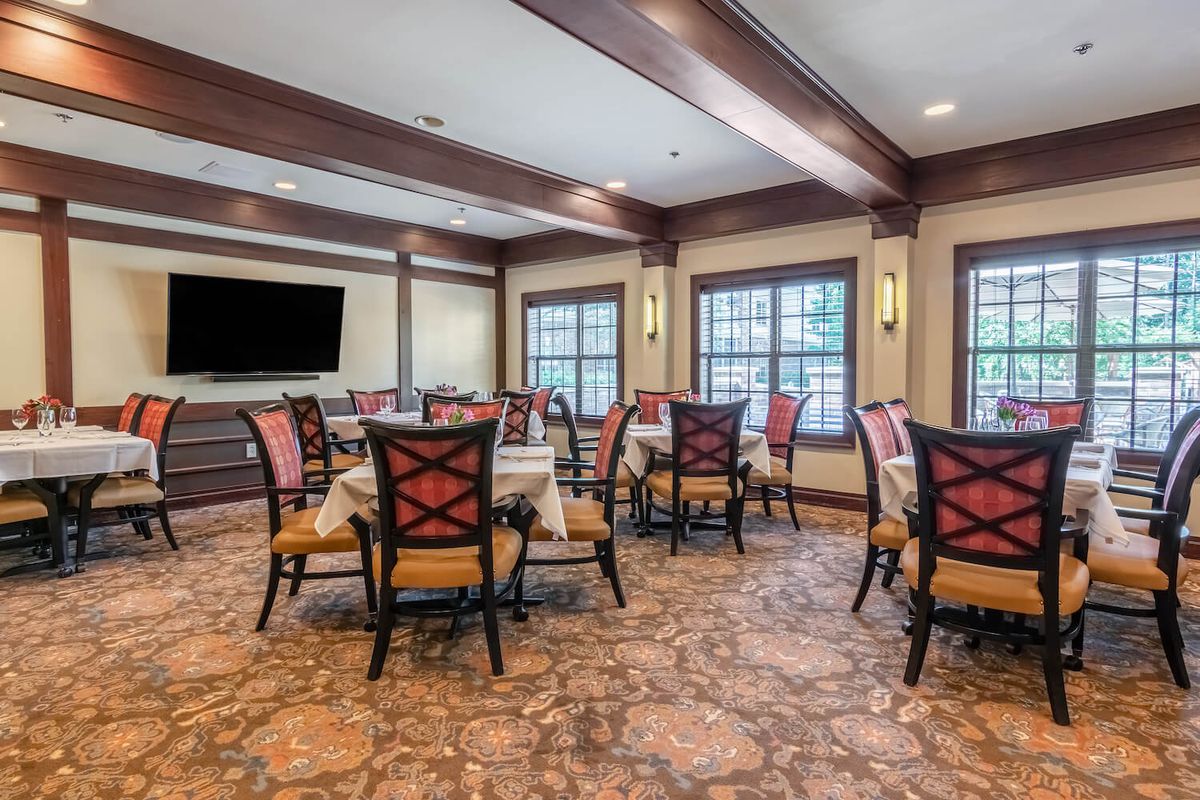
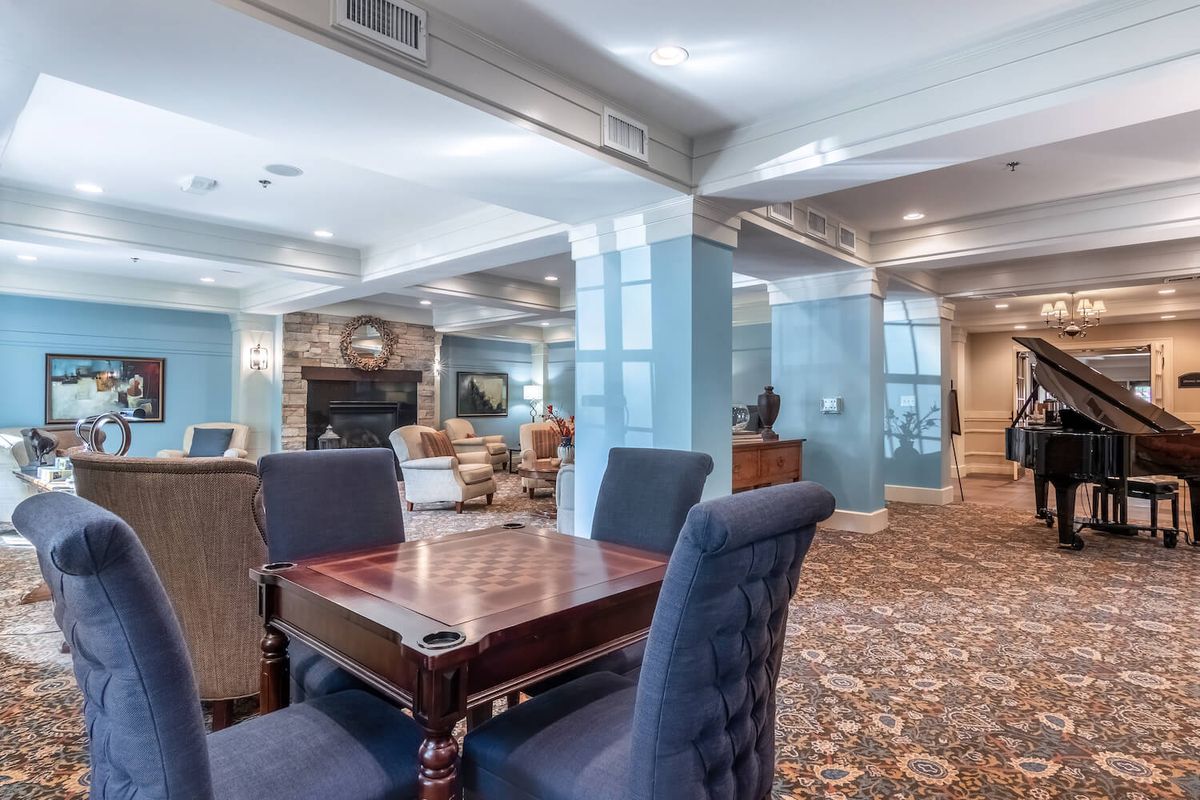
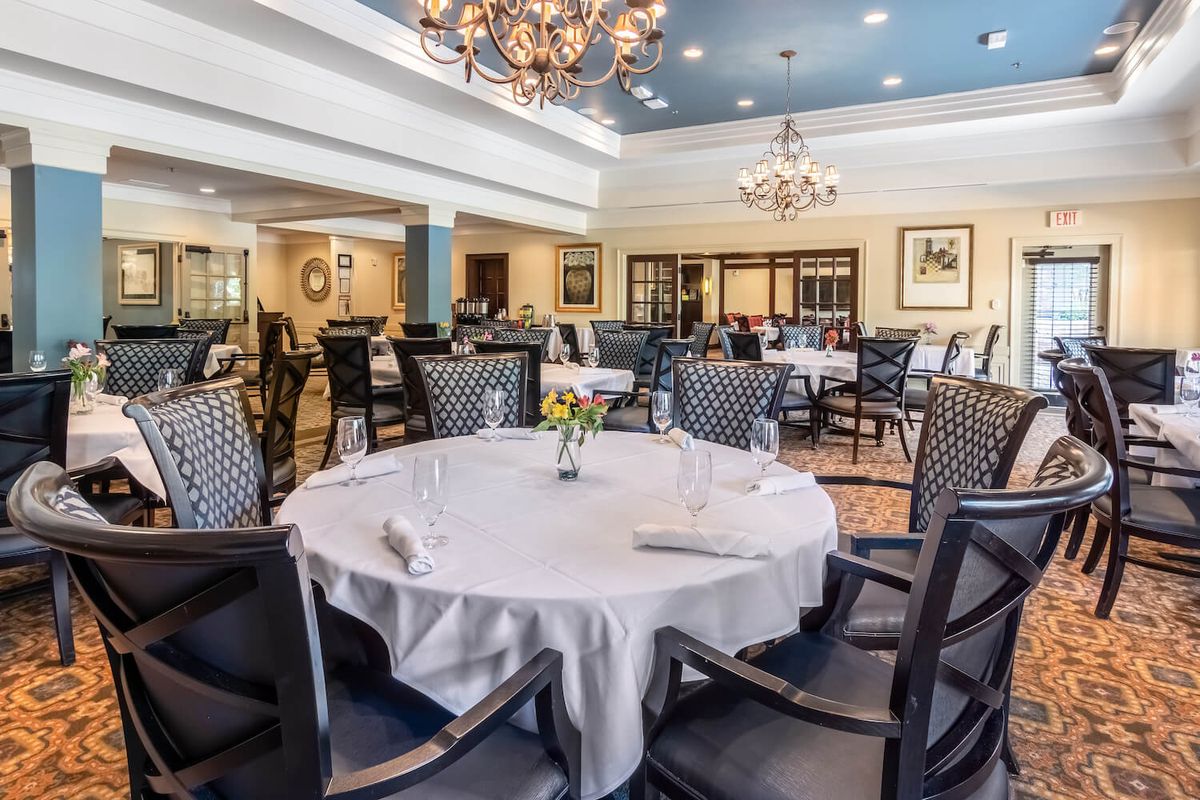
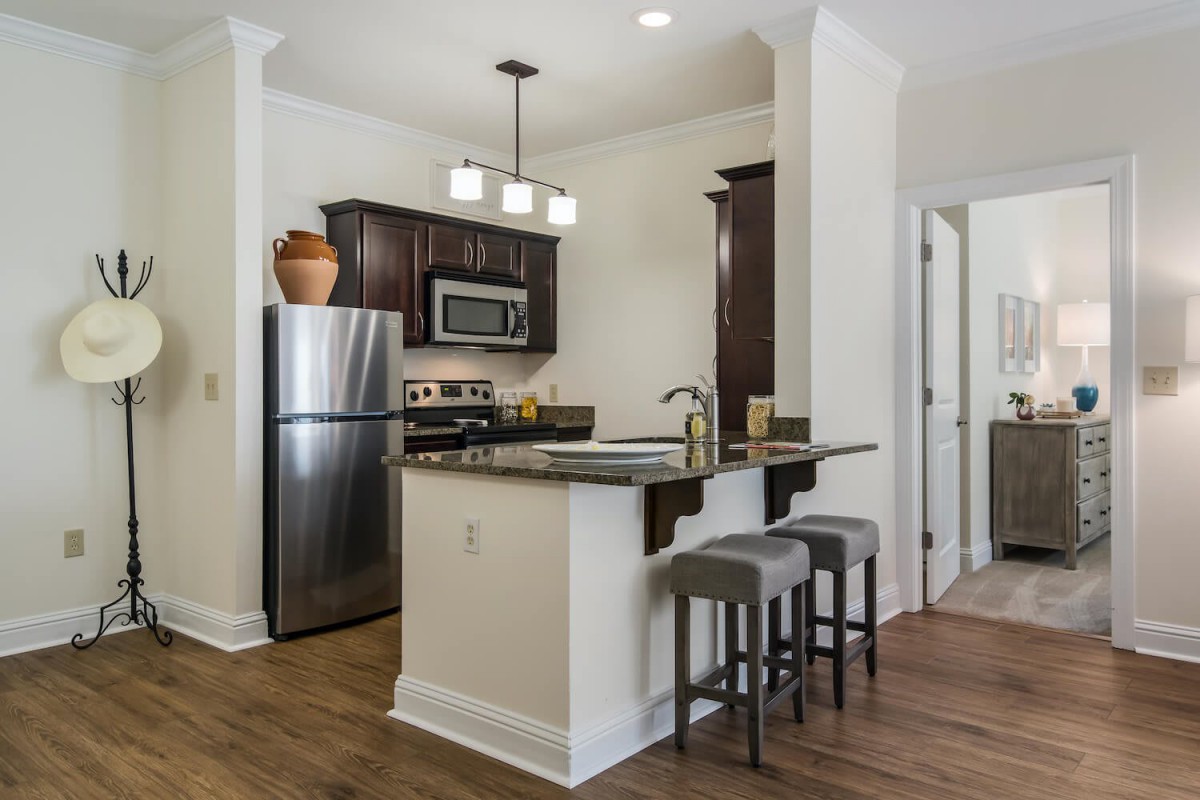
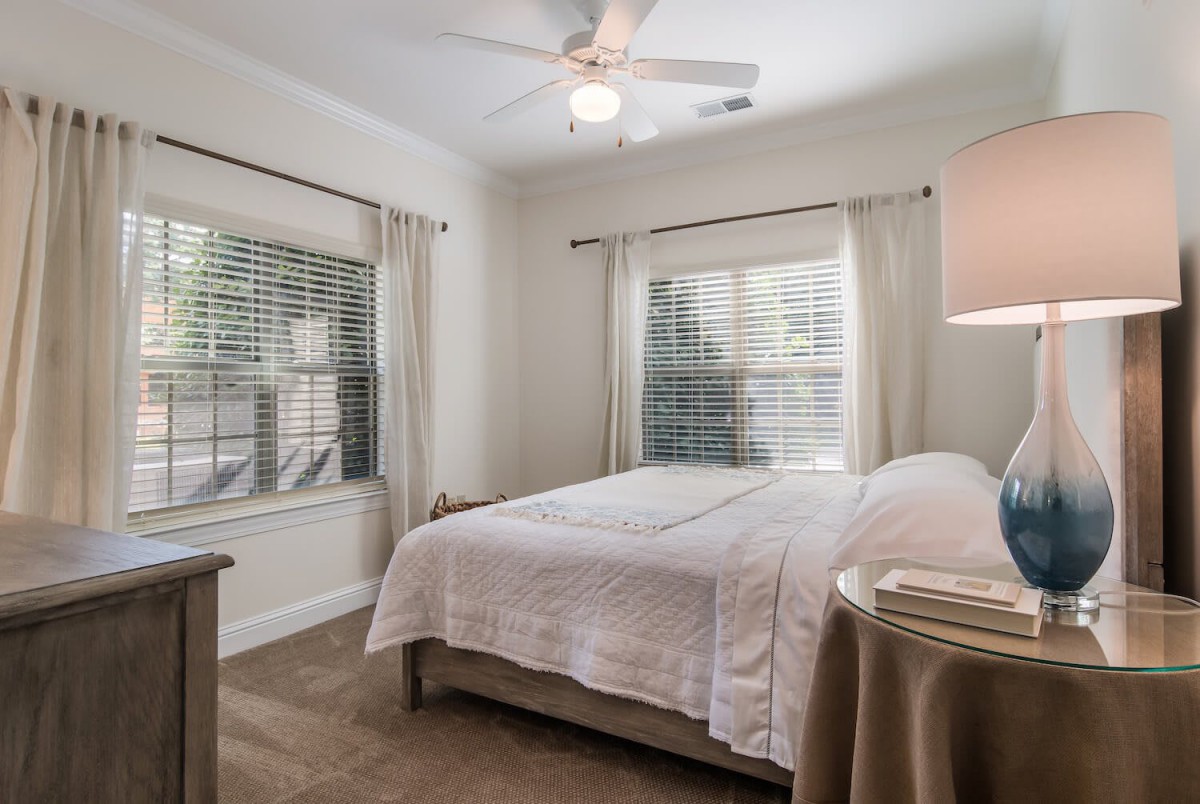
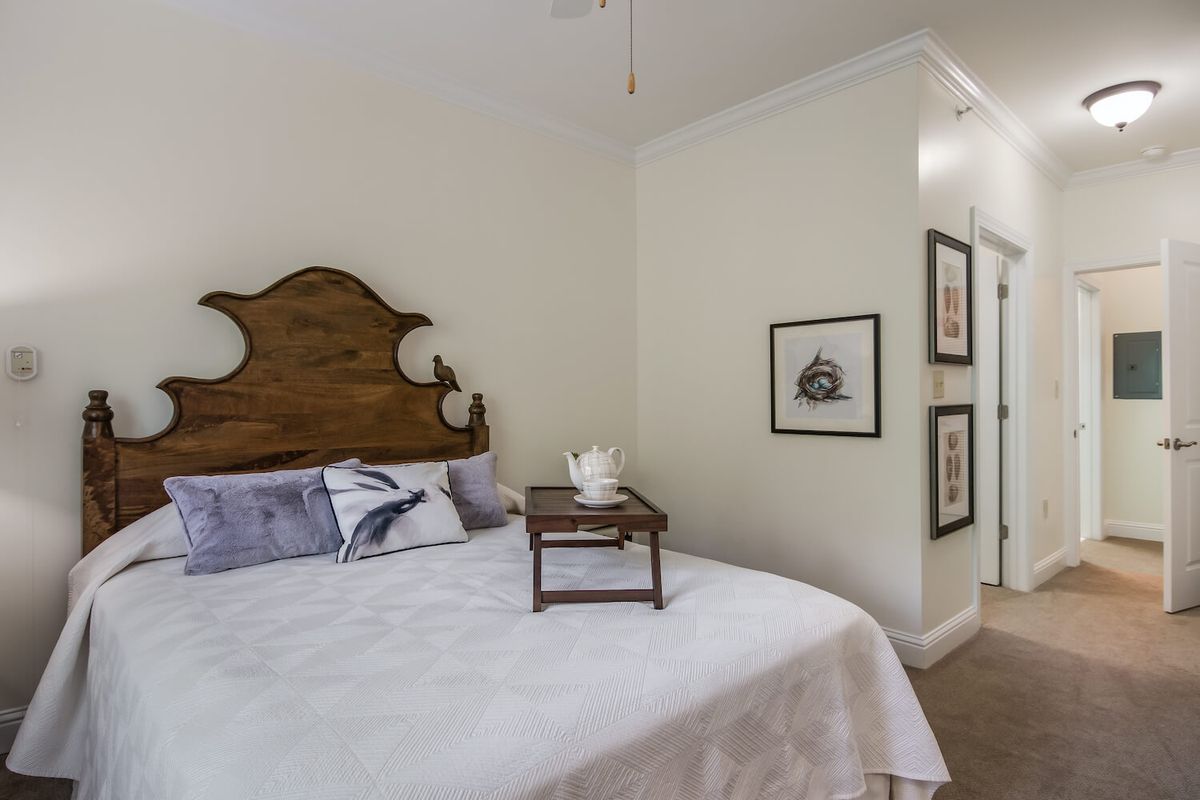
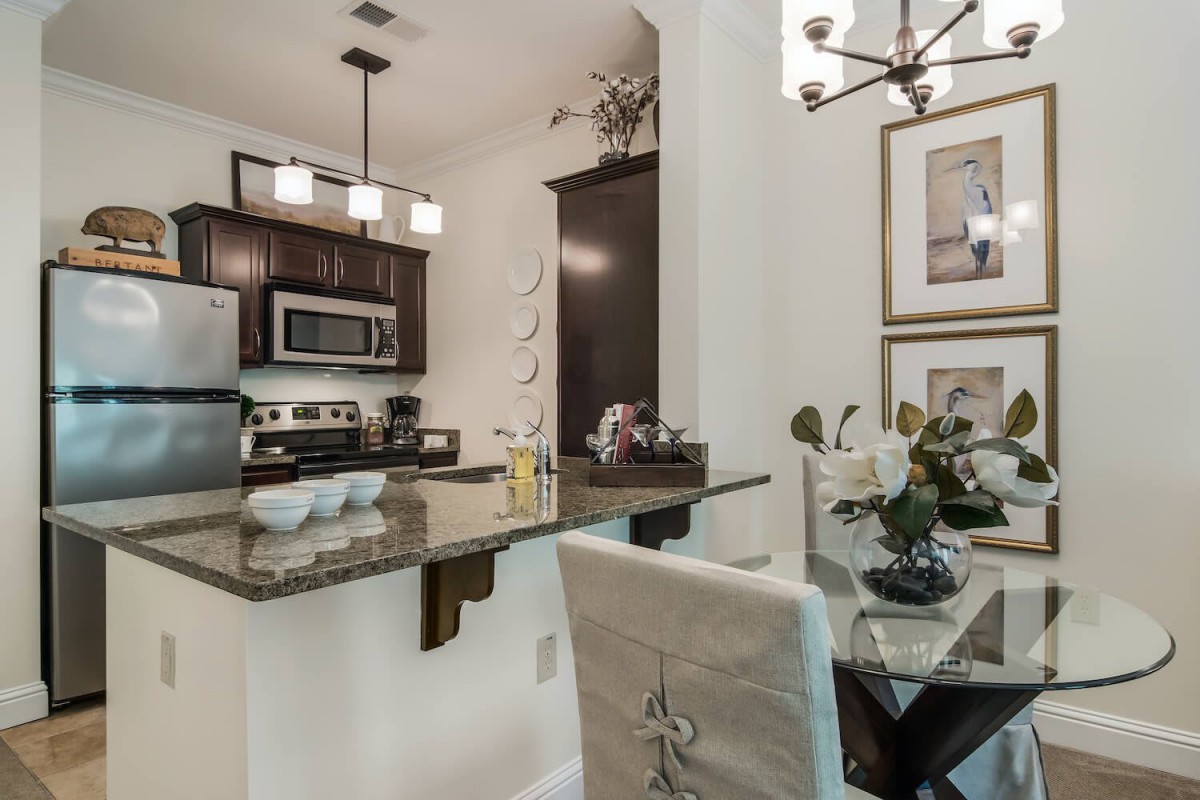
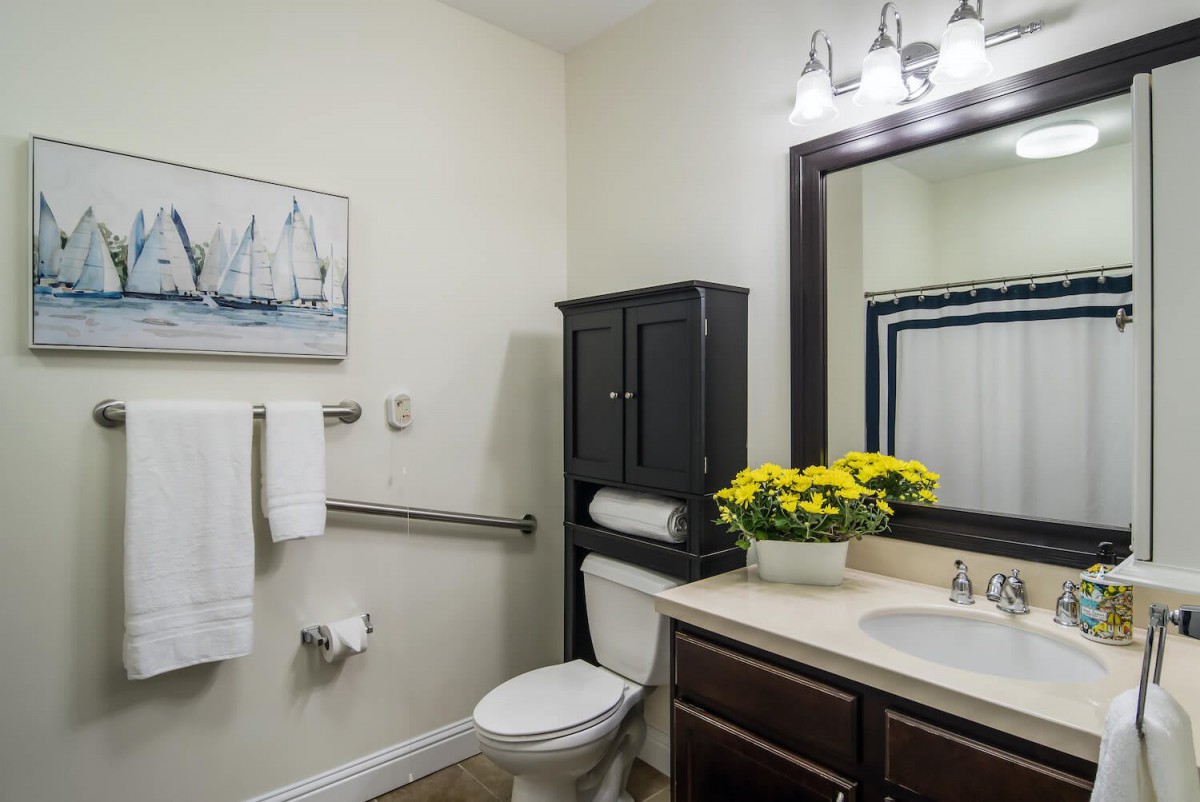
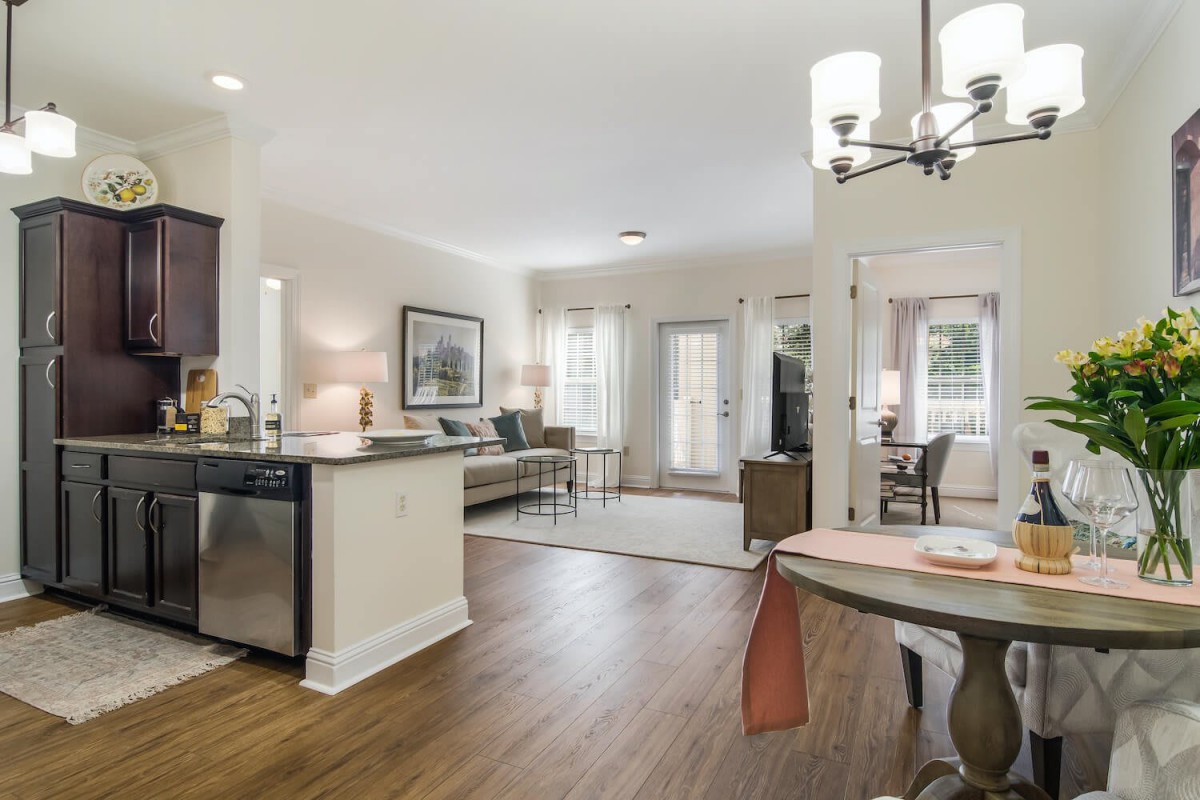
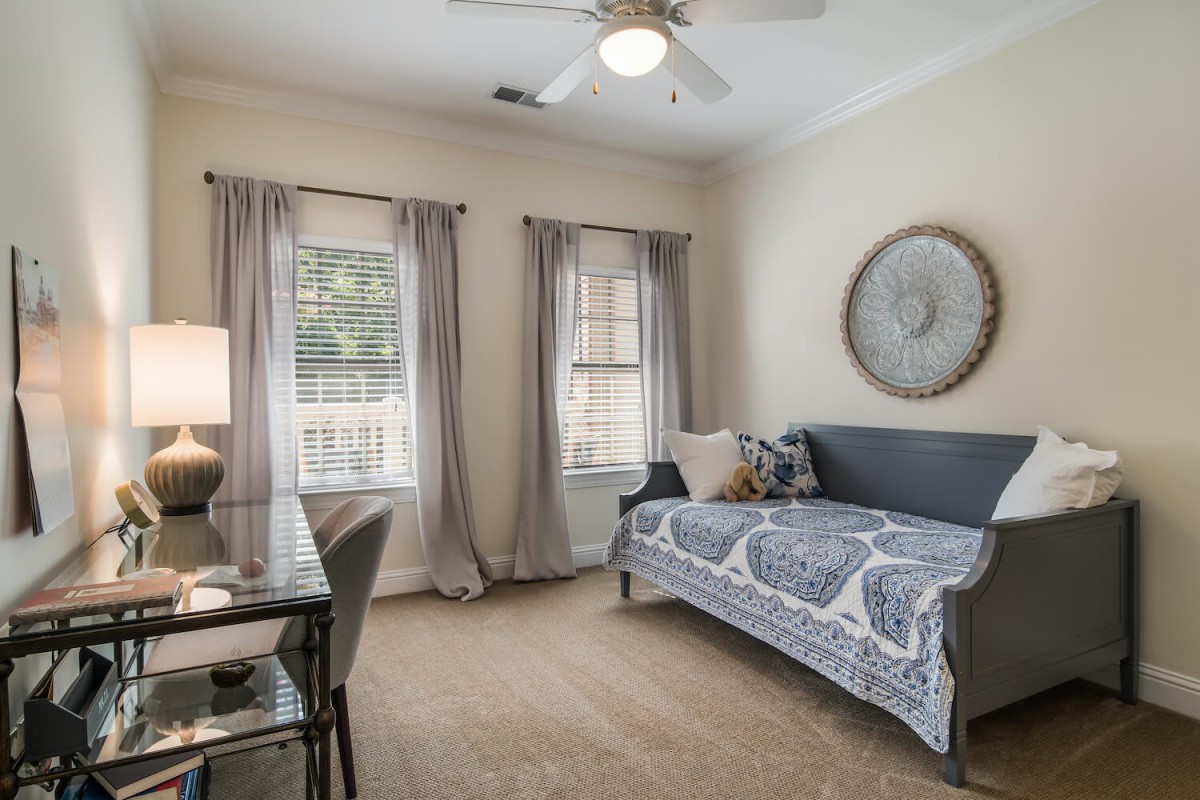
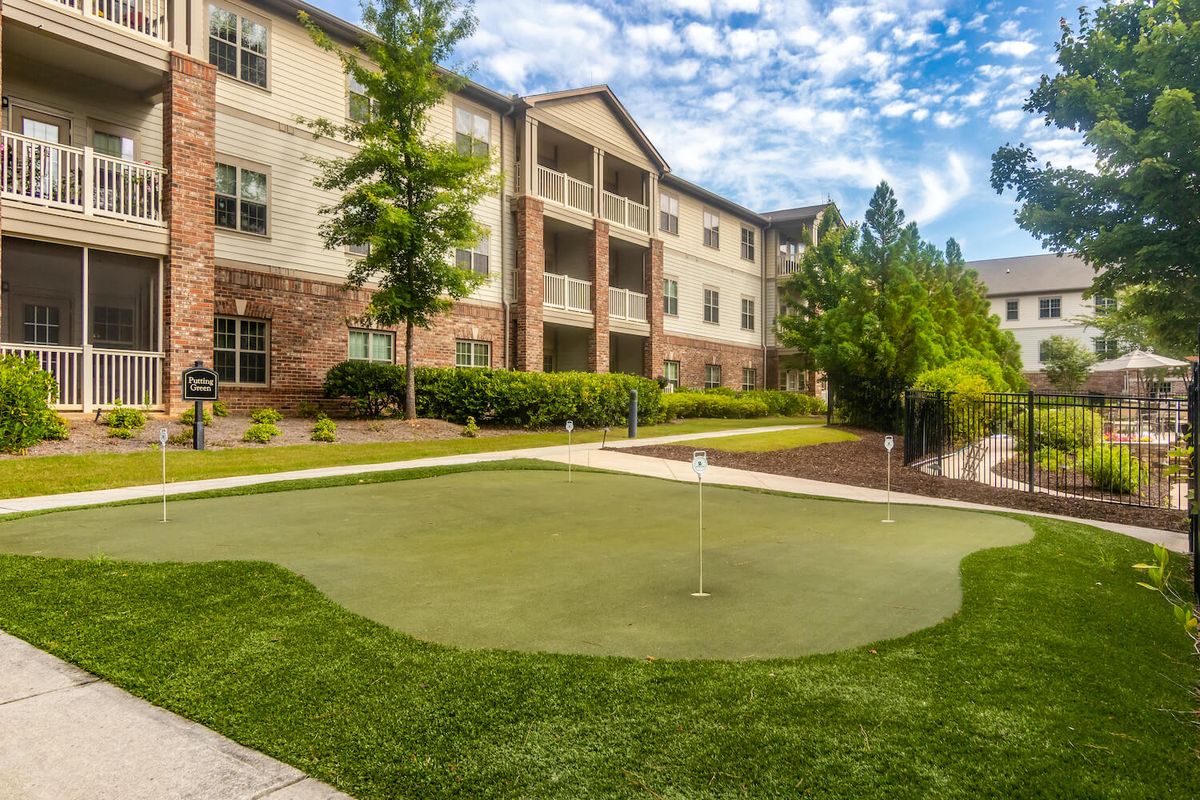
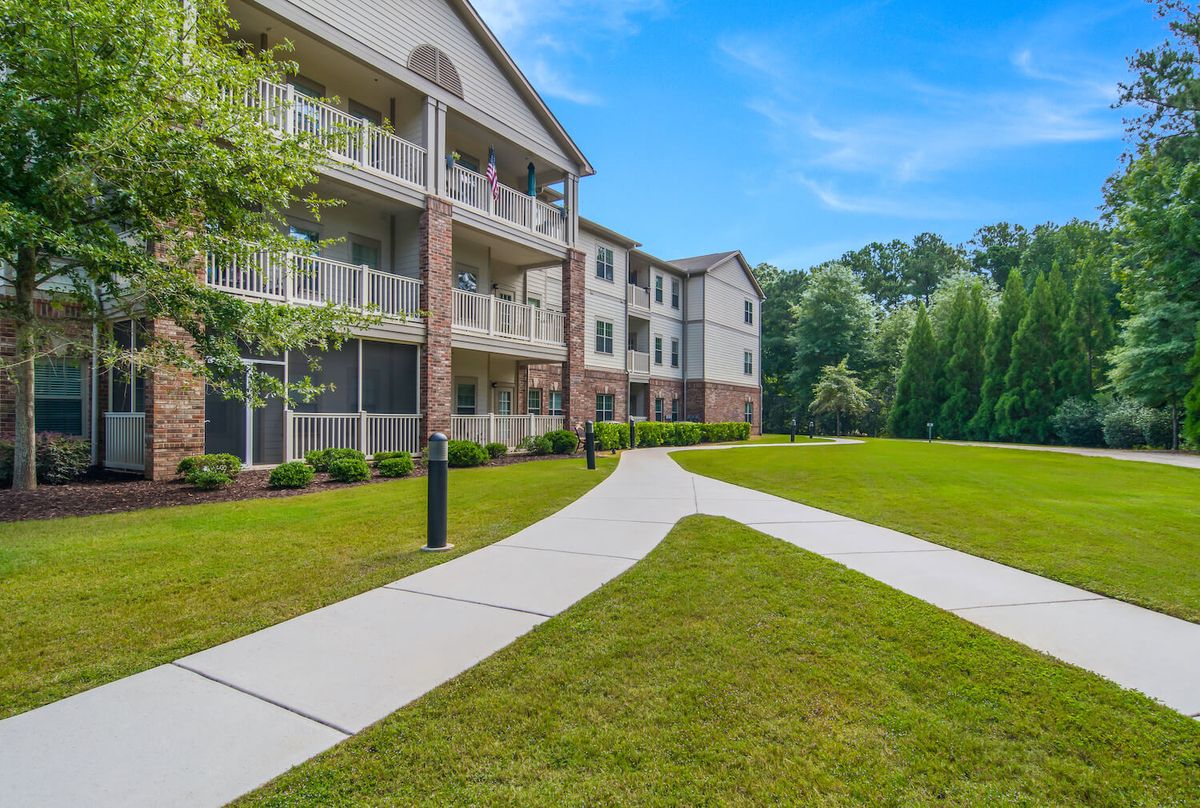
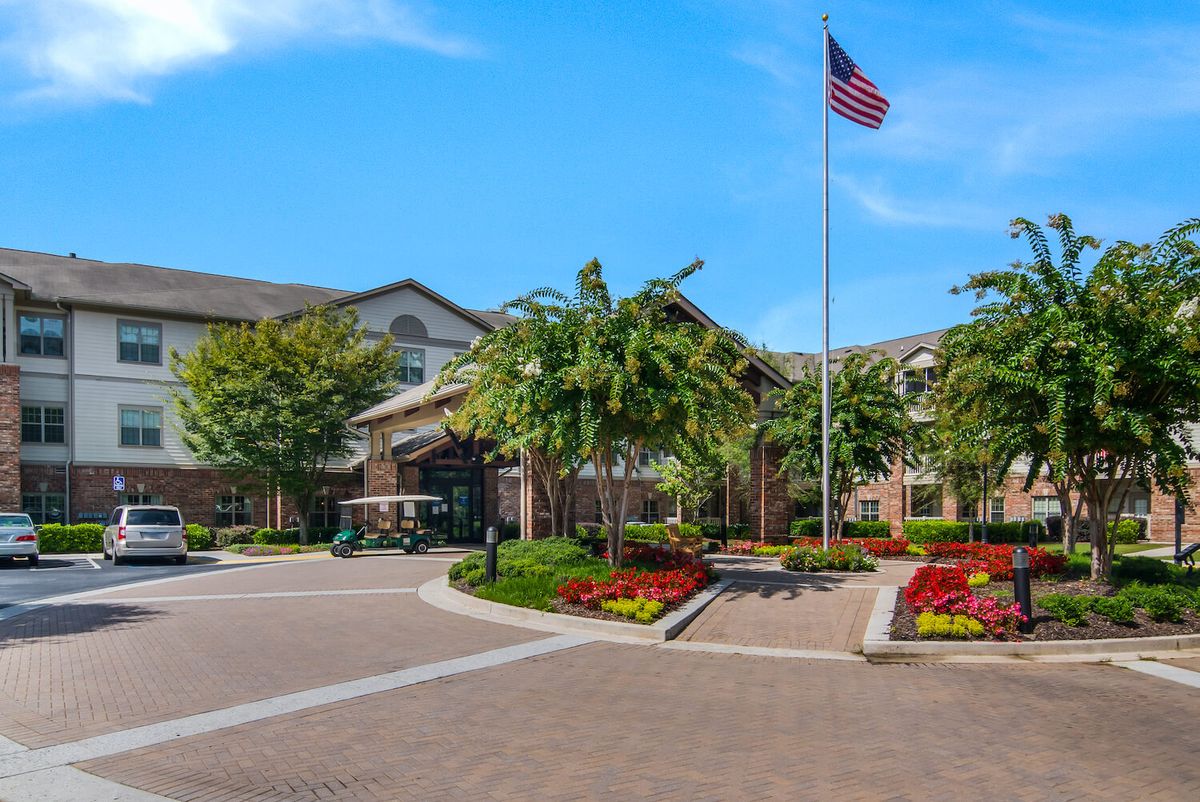
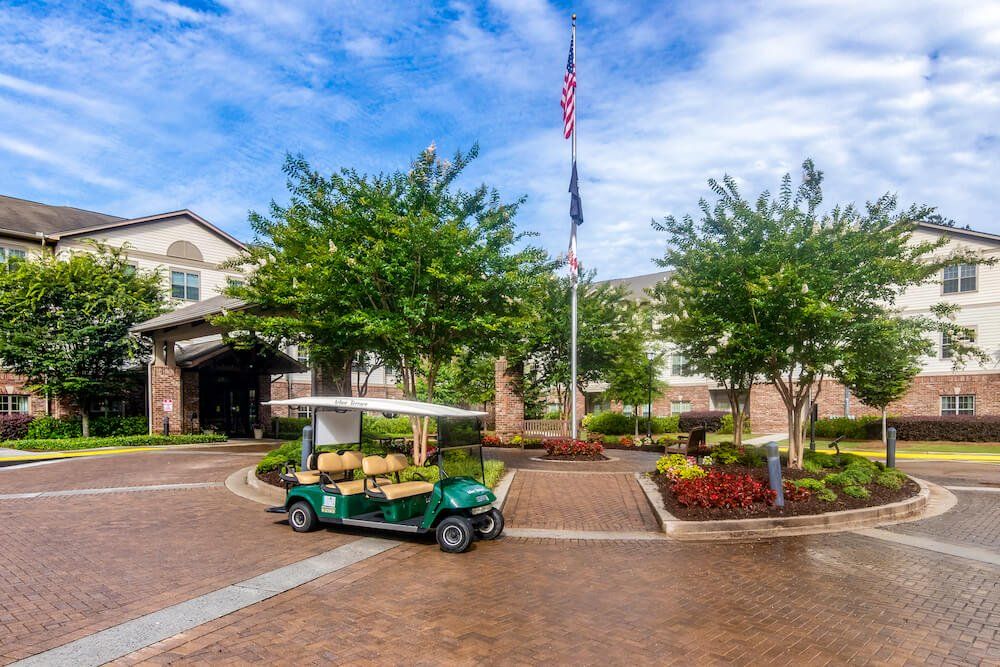
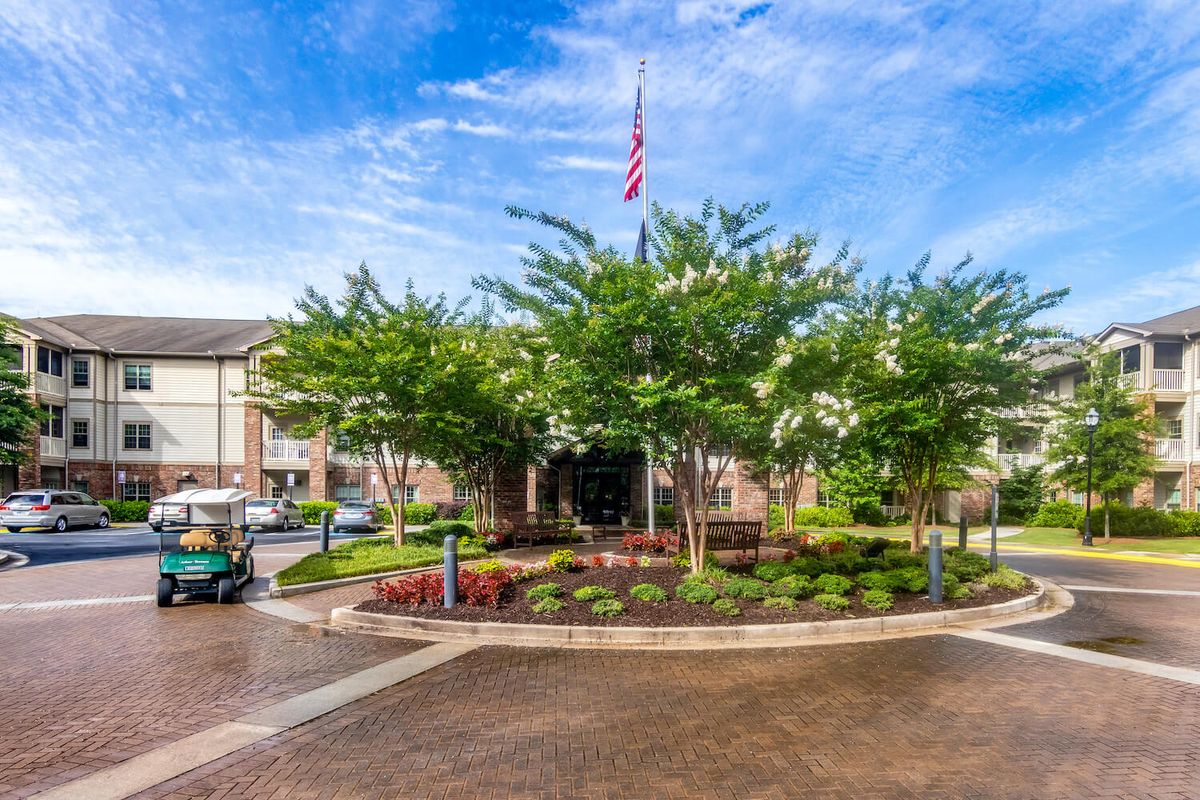
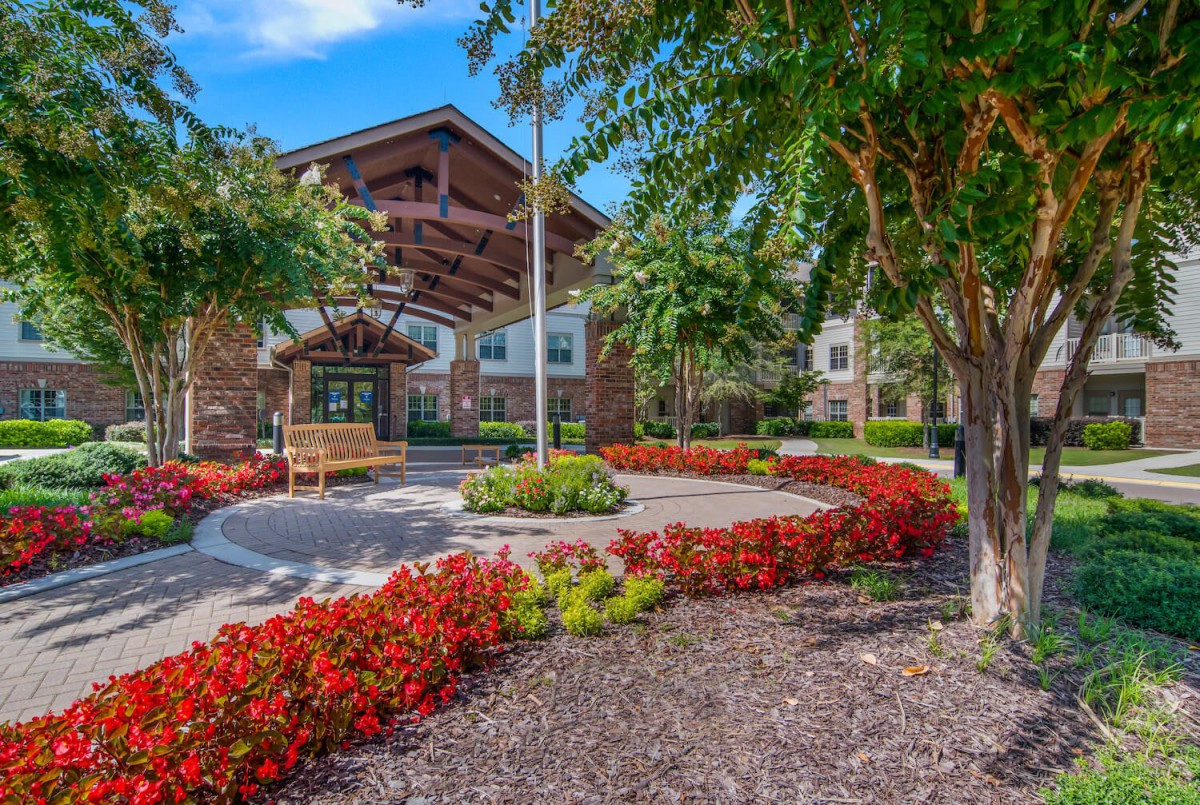
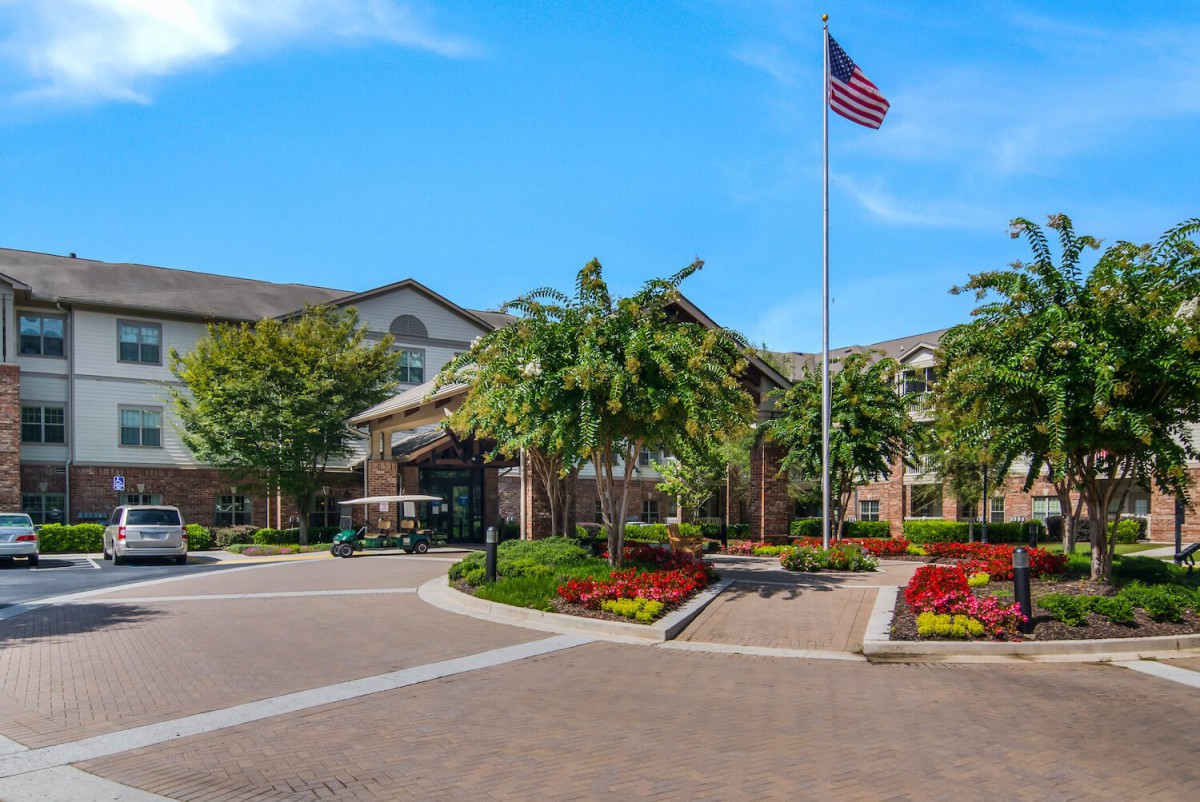
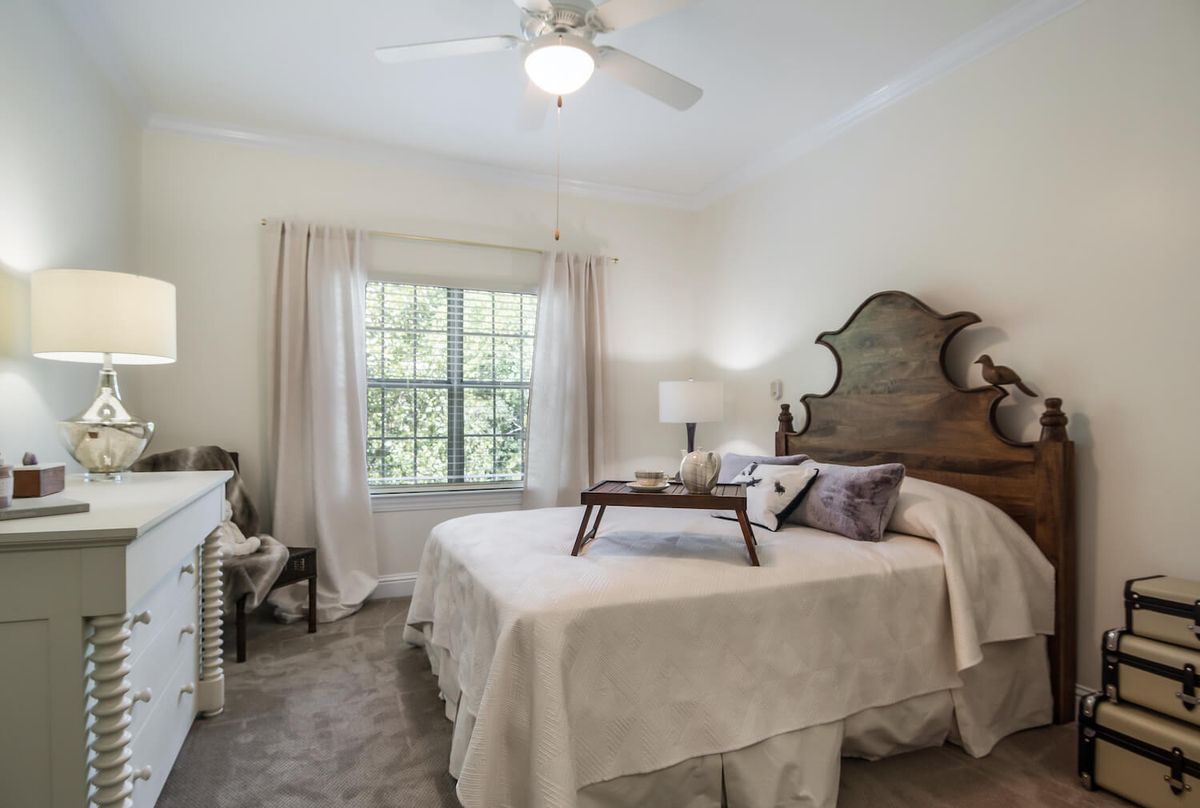
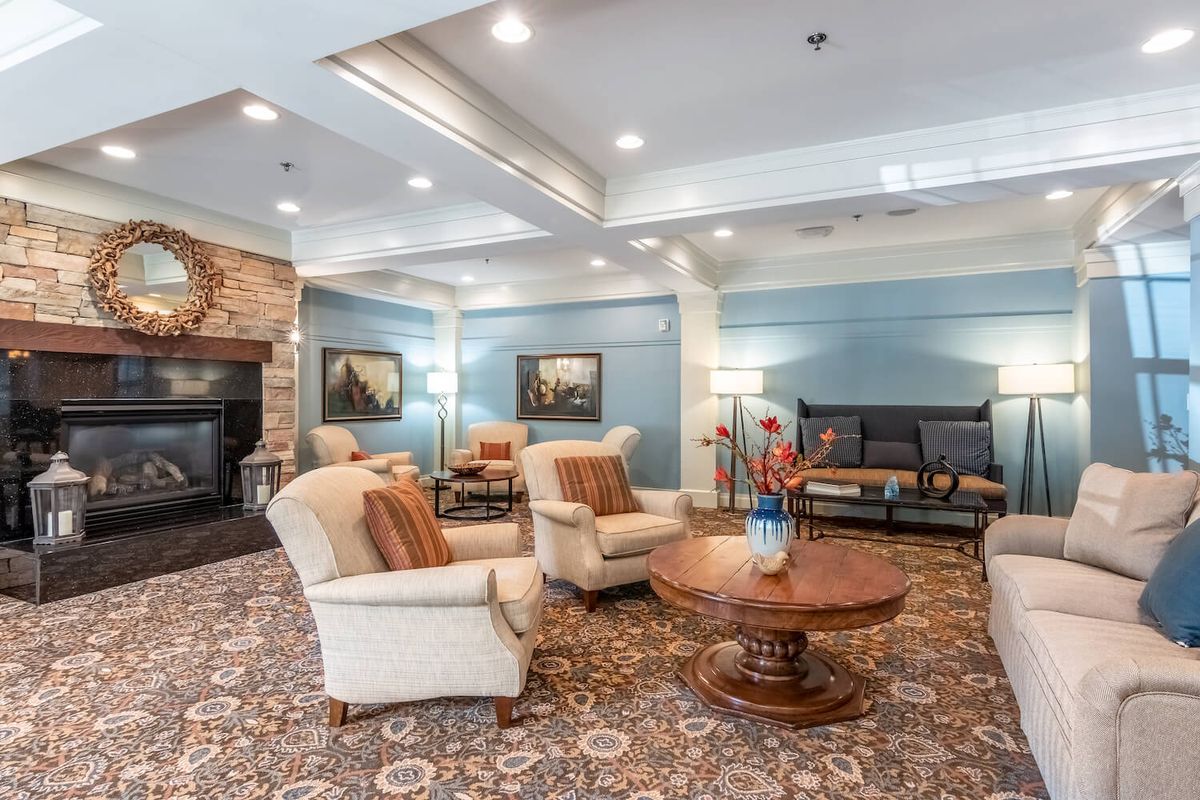
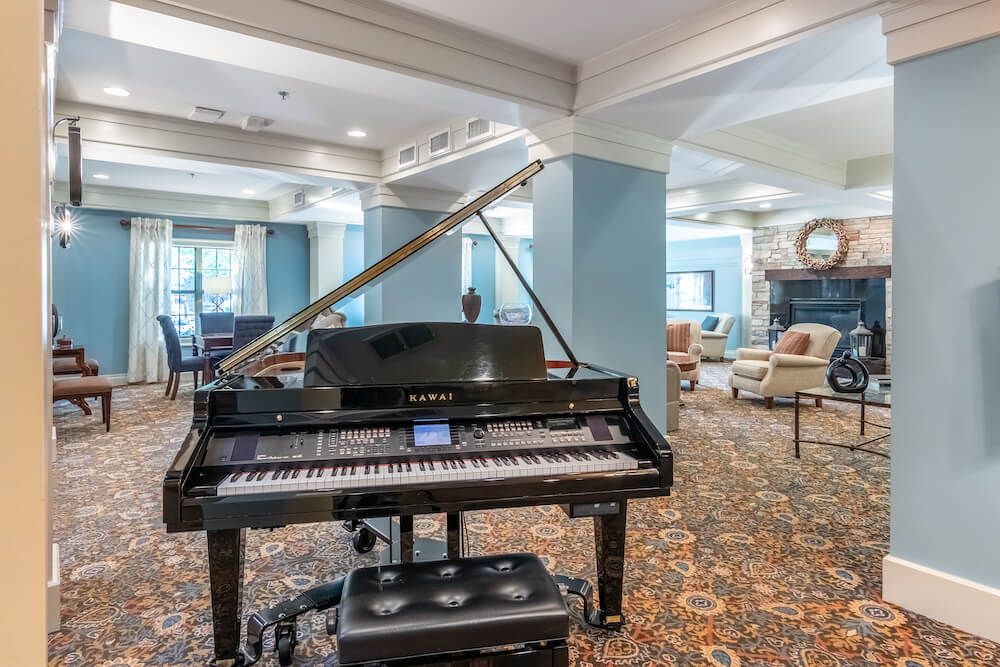
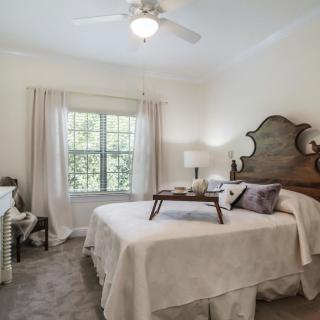
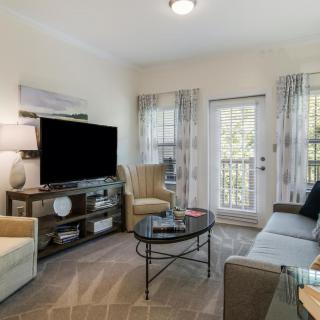
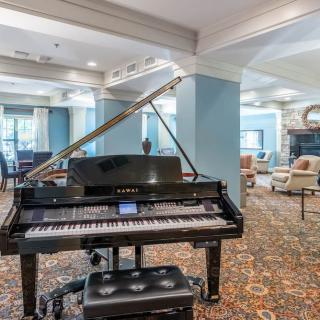
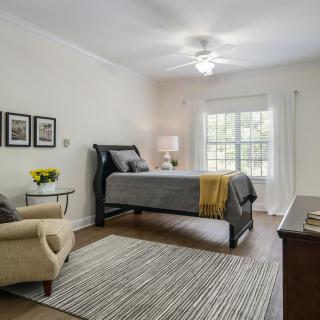
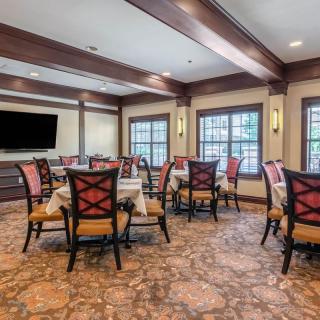
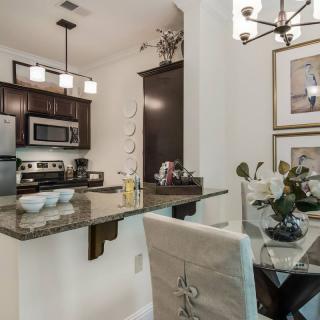
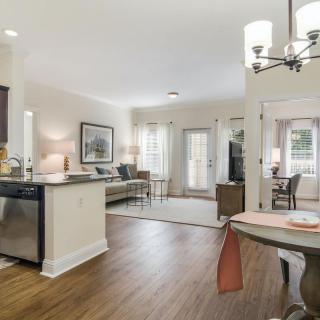
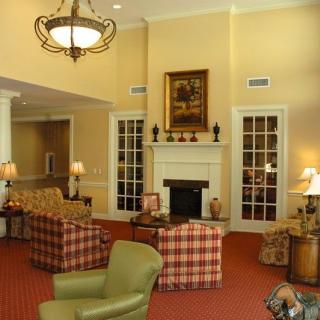
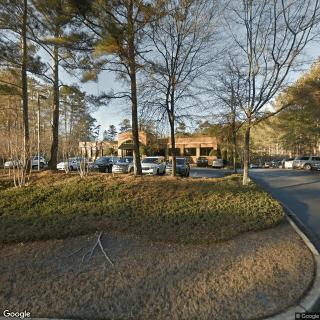
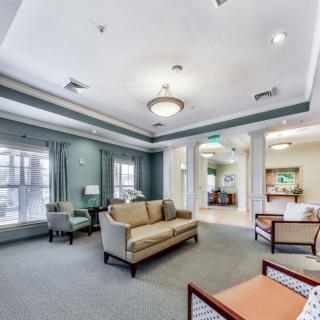
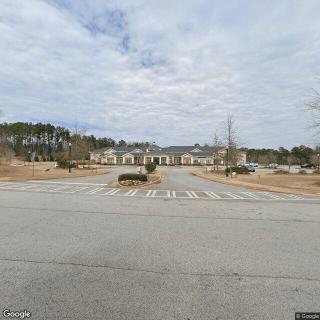
Arbor Terrace Peachtree City on seniors.fyi includes 53 photos including images showing landscaping, interior, decor, trees, bedroom, building, dining, outdoor, and more.
Nearby Communities
Senior Helpers - Peachtree City, GA
Peachtree City, GA
4.7 from 60 reviews
Friendly, flexible staff with strong caregiver compatibility.
Home Instead - Peachtree City, GA
Peachtree City, GA
4.9 from 44 reviews
Serene setting with easy access to amenities and healthcare.
2nd Family Home Care and Support Services
Peachtree City, GA
5 from 2 reviews
Compassionate, personalized care in a tranquil Peachtree City setting with rich nearby dining, parks, and healthcare options.
A New Well, Inc - Peachtree City
Peachtree City, GA
4.4 from 45 reviews
Flexible scheduling and caring staff when present.
High Hope Personal Care Home
Fayetteville, GA
4.3 from 27 reviews
Small, home-like setting with round-the-clock staff and personalized care.
The Reserve At Peachtree City
Peachtree City, GA
4.6 from 111 reviews
$3,550 to $6,700 / month
Caring, professional staff; clean, welcoming environment with engaging activities and good dining.
Hope Center Memory Care
Fayetteville, GA
4.4 from 99 reviews
$4,250 to $5,750 / month
Compassionate, knowledgeable staff with clean facilities, engaging activities, and uniform units that ease transitions.
Azalea Estates of Fayetteville
Fayetteville, GA
4.4 from 82 reviews
$3,800 to $4,975 / month
Welcoming staff, abundant activities and amenities, and well-maintained grounds.
Ansley Park Health And Rehabilitation
Newnan, GA
3.1 from 83 reviews
Kind, respectful care with a strong therapy program and pleasant environment.
Assisted living facilities provide support for older adults needing help with daily activities without extensive medical care, but their costs can be high and vary by location and services offered. Families often seek various funding options and financial strategies to manage these expenses effectively while considering future needs and potential price increases.
The article discusses assisted living expenses, the importance of long-term care insurance in covering these costs, and various financing options, highlighting the need for careful policy review and early planning to address potential needs. It also clarifies common misconceptions about Medicare and private health insurance limitations regarding long-term care coverage.
Assisted living facilities offer crucial support for older adults needing help with daily activities but come with varying and significant costs, which can be financed through personal savings, government assistance programs, long-term care insurance, and home equity options. Professional guidance from experts can aid families in navigating these financial complexities to establish a sustainable budgeting approach for assisted living services.
Get PricingAsk A QuestionSchedule A TourContact Senior Advisor
By clicking submit, you agree to our Partner's Terms of Use. You
also consent to receive calls and texts, which may be autodialed, from our Partner. Your consent is not a condition to
using our Partner's service. Please visit our Partner's Privacy Policy for information about their privacy practices.







 49 resident community capacity
 1-bedroom apartments
 Assisted Living
 Independent Living
 Skilled Nursing Facility
 Activities off-site
 Air-conditioning
 Bath tubs
 Beautician on-site
 Cable or satellite TV
 Computer center
 Devotional services off-site
 Dining room
 Financial aid
 Full kitchen
 Fully furnished
 Garden
 Ground floor units
 Guest parking
 Handicap accessible
 Housekeeping services
 Indoor common areas
 Laundry
 Move-in coordination
 Outdoor common areas
 Private bathrooms
 Respite or short term stays offered
 Swimming pool
 Telephone
 Wheelchair accessible showers
 Wi-Fi/high-speed internet available
 William B Hartsfield-Atlanta International (20 miles away)
 Transportation & parking
 24-hour call system
 Ambulatory care
 Assistance with bathing
 Assistance with dressing
 Assistance with transfers
 Diabetes diet
 Diabetic care
 Hospice waiver
 Incontinence care
 Meal preparation and service
 Medication management
 Mental wellness program
 Special dietary restrictions
 Transportation arrangement (medical)
 Art classes
 Catholic services
 Day trips and outings
 Educational speakers / life long learning
 Fitness programs
 Games
Games Jewish services
 Karaoke
 Live musical performances
 Live well programs
 Wii bowling
 English
 Friendly, flexible staff with strong caregiver compatibility.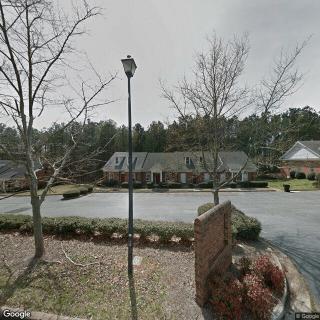
 Funding and Affording Assisted Living: A Thorough Overview
 Assisted Living Expenses and Long-Term Care Insurance: A Comprehensive Exploration
 Securing Financial Support for Assisted Living: A Comprehensive Overview