High Hope Personal Care Home

252 Nelms Road, Fayetteville, GA 30215

For more information about senior living options: (844) 490-3973

4.3 from 27 reviews
5 stars
21
4 stars
1
3 stars
0
2 stars
2
1 stars
3

Assisted Living Board and Care Home

What level of care are you interested in?

Assisted Living

Memory Care

Independent Living

Skilled Nursing Facility

Continuing Care Retirement Community (CCRC)CCRC

Other


Request a tour at High Hope Personal Care Home

    Overall Review of High Hope Personal Care Home

    Pros

    • pro The staff treated residents like family.
    • pro Residents received wonderful care at the Hope Center.
    • pro The activities are amazing and keep residents moving and engaged.
    • pro The facility is very clean.
    • pro Peyton is one of their brightest, shining stars who goes above and beyond.
    • pro Peyton spent personal time off to secure emergency admission for a family member, showing dedication.
    • pro Sheca and Tiffany are marvelous.
    • pro The caregivers are great and the staff is caring and compassionate.
    • pro The Hope Center is a jewel and should be seriously considered for memory care services.

    Cons

    • pro They put her mother in the hospital three times in one year for not giving medications and dehydration, with the last hospitalization nearly fatal in the ICU.
    • pro The staff did not effectively communicate with families and were grossly understaffed, with no apology for a bed sore.
    • pro The staff were uneducated and unprofessional, and no one acknowledged the bed sore or offered an apology.
    • pro Leadership did not engage with reviewers or follow up in a timely manner.
    • pro Delivering a denial of admission by text message without the option to ask questions was cruel.
    • pro The center is not trustworthy for loved ones on hospice or needing daily assistance due to lack of collaboration with hospice and perceived neglect.

    Review

    Hope Center, also referred to in some reviews as Hope Care Memory Center, appears in the slate of family experiences as a place that can feel like a lifeline or a source of deep concern, depending on who you ask and when you visit. The collection of comments paints a picture of a memory care facility that elicits strong, sometimes contradictory emotions from family members - ranging from heartfelt gratitude for compassionate, personalized care to alarming warnings about neglect and miscommunication. What is clear across the notes is that memory care is intensely personal for families, and the quality of experience often hinges on individual staff members, ongoing communication, and the center's ability to maintain staffing levels and procedural rigor.

    On the positive side, many families recount moments when Hope Center felt like the right home for their loved ones. One commenter describes their mother-in-law living there for just over three years and eventually receiving "wonderful care," with staff treating her like family and making her feel cherished. The sentiment is echoed by others who emphasize not only the safety of care but also the warmth and attentiveness of the team. Several reviews highlight the daily routines that keep residents engaged: organized activities, bus outings, and purposeful movements that help residents stay present and active. Families note the center's cleanliness as a standout feature and appreciate the emphasis on nourishment, with one reviewer mentioning that their family member gained weight under the center's care, which had previously been difficult at home. The presence of caring staff - described as compassionate, patient, and genuinely invested - appears to be a cornerstone of the goodwill many residents enjoy.

    Within this chorus of praise, particular staff members emerge as heroic figures in some stories. A recurring name is Peyton, who is repeatedly praised for going above and beyond, especially in urgent admissions scenarios. For a family member facing a dire situation, Peyton's late-night advocacy - cultivating contact with doctors, nurses, social workers, and hospital staff to secure an emergency admission - has left a lasting impression. In one account, Peyton's persistence and personal effort are credited with preventing the mother from being discharged into a situation the family couldn't manage; the reviewer even describes Peyton as one of the brightest, shining stars at the Hope Center. Other names surface as well - Sheca and Tiffany are described as marvelous and integral to the positive perception of the staff, underscoring the sense that a few dedicated caregivers can transform a facility's reputation in the eyes of families.

    Yet the ledger of reviews is not uniformly glowing. A number of families report serious concerns that pivot around safety, communication, and staffing. One reviewer explicitly warns that the Hope Center is not the best fit for residents who are on hospice or require daily assistance, alleging that the center did not work collaboratively with hospice services and failed to keep families adequately informed about a loved one's condition. In this account, a mother entered the facility in December 2021 and left in August 2021 with a stage 4 bedsore; the reviewer contends that staff were unresponsive, uneducated, and unprofessional, with no apologies offered. The impression is that the center's systems for communication with families and for monitoring and addressing serious medical issues were inadequate, casting doubt on the overall safety and reliability in critical moments.

    Other families recount alarming personal experiences that seem to stem from lapses in care and miscommunications. A reviewer recounts multiple hospitalizations for their mother - twice for medication omissions and once for dehydration - culminating in a near-fatal ICU incident. The narrator emphasizes that, aside from dementia, the parent was otherwise healthy, which makes the series of events especially troubling and leads them to a stark caution: do not assume that the family will always be able to advocate effectively for a loved one in this setting. The review explicitly asks others to stay away, signaling a breakdown in trust that can be devastating for families already navigating difficult decisions about care.

    There is also a narrative arc that centers on the organizational temperament and responsiveness of Hope Center's leadership. In a detailed update, a reviewer describes how leadership appeared to minimize engagement after a negative review, with follow-up conversations seeming unlikely or delayed for days. This perception of disengagement from executives and administrative staff persists for a time, coloring the overall impression of the facility as a place where concerns may not be prioritized equally. However, in a striking turnaround within the same thread, a later exchange shows the center responding promptly when approached directly, with Peyton supplying materials and initiating a productive discussion about costs and facility details. For this reviewer, the most telling metric was not only the facility's physical environment but the responsiveness and professional demeanor of the admissions representative; when Peyton demonstrated effective communication and empathy, the reviewer re-evaluated the facility and acknowledged that, if Peyton represents the standard, the Hope Center could be a strong option for some families.

    Taken together, these accounts sketch a landscape in which Hope Center can offer meaningful, heartfelt care and meaningful engagement for residents, especially when supported by attentive staff and robust family communication. Cleanliness, structured activities, and nutritional attention emerge as consistent positives in many reviews, reinforcing the notion that the center succeeds at creating a supportive daily rhythm for residents. Conversely, criticisms about consistency of care, the adequacy of staff-to-resident ratios, transparency with families, and coordination with external medical services illuminate real risks that families must weigh when choosing a memory care provider. The most compelling takeaway is the variability of experiences: the quality of care appears to hinge significantly on the level of staff engagement, the availability of caregivers, and the facility's ability to foster open, proactive communication with families and outside medical teams.

    In the end, what stands out most clearly is the power of individual staff members to shape a family's perception of the facility. Peyton's relentless advocacy in urgent admission scenarios, and the occasional praise for Sheca and Tiffany as integral, compassionate team members, demonstrate how one or two dedicated people can become the face of care for the entire family. At the same time, the warnings about insufficient coordination with hospice, delayed or impersonal communications, and the failure to address severe bedsores or medication gaps serve as cautionary notes that cannot be ignored. For families considering Hope Center, the recurring message seems to be this: you will likely encounter both exemplary, life-affirming care and troubling, even dangerous gaps - so pay careful attention to staff continuity, insist on transparent communication channels, and seek out the specific caregivers who have earned trust in the eyes of other families. If Peyton is representative of the standard you can expect from the admissions and care coordination team, Hope Center can be a strong fit for many loved ones - especially when paired with vigilant family oversight and clear collaboration with external medical teams.

    Features

    Housing

    • 6 resident community capacity 6 resident community capacity

    Types of Care

    • Assisted Living Assisted LivingAssisted living facilities provide crucial support and care for seniors who may need help with daily tasks such as medication management, bathing, and meal preparation. These communities offer a safe and comfortable environment where seniors can maintain their independence while receiving the assistance they need to thrive in their golden years.
    • Board and Care Home Board and Care HomeBoard and care homes provide a smaller, more intimate setting for seniors who require assistance with daily tasks but do not need the level of care offered by a nursing home. They offer personalized care, meals, and social activities in a homelike environment, ensuring that seniors receive individualized attention and support in their golden years.

    Amenities

    • Cable or satellite TV Cable or satellite TVCable or satellite TV is important for seniors because it provides entertainment, news, and companionship, helping to combat loneliness and boredom. It also offers a wide range of programming options tailored to different interests and preferences.
    • Dining room Dining roomDining rooms are important for seniors as they provide a space for socialization, connection, and nutritious meals. They offer opportunities for residents to bond over shared meals, foster a sense of community, and promote healthy eating habits. Dining rooms also ensure that seniors have access to well-balanced meals tailored to their dietary needs and preferences.
    • Fully furnished Fully furnishedFully furnished senior living communities are important for seniors because they provide convenience, comfort, and a hassle-free moving experience. Seniors can easily settle into their new living space without the stress of having to buy and move furniture. This allows them to focus on enjoying their new home and community.
    • Garden GardenGardens are important for seniors as they provide a peaceful and therapeutic environment for relaxation, physical activity, and socialization. Being in nature has been shown to reduce stress, improve mood, and promote overall well-being. Gardens also offer opportunities for seniors to engage in gardening activities, which can improve mobility, flexibility, and cognitive function. Additionally, gardens create a sense of community and connection with others who share a passion for plants and outdoor spaces.
    • Housekeeping services Housekeeping servicesHousekeeping services are important for seniors because they help maintain a clean and safe living environment, promote independence, and reduce the risk of accidents or illnesses. Additionally, having assistance with household chores can alleviate physical strain and allow seniors to focus on other aspects of their well-being.
    • Move-in coordination Move-in coordinationMove-in coordination is important for seniors because it helps ease the transition into their new living environment. It ensures that all logistics, such as packing, organizing movers, and setting up utilities are taken care of, allowing seniors to focus on settling in and adjusting to their new home. Having a smooth move-in process can alleviate stress and anxiety, making the transition smoother and more enjoyable for seniors.
    • Outdoor space Outdoor spaceOutdoor spaces are important for seniors as they provide opportunities for physical activity, social interaction, exposure to natural light and fresh air, and a sense of connection to nature. Having access to outdoor spaces can improve overall well-being and quality of life for older adults living in senior communities.
    • Telephone TelephoneTelephones are important for seniors as they provide a lifeline for communication with loved ones, emergency services, and healthcare providers. They offer a sense of security and independence, enabling seniors to stay connected and access assistance when needed.
    • Wi-Fi/high-speed internet available Wi-Fi/high-speed internet availableWi-Fi/high-speed internet is important for seniors to stay connected with loved ones, access online resources, and participate in virtual activities to combat feelings of loneliness and isolation. It also allows them to easily manage healthcare needs, access entertainment, and engage in lifelong learning opportunities.

    Transportation

    • William B Hartsfield-Atlanta International (17 miles away) William B Hartsfield-Atlanta International (17 miles away)

    Care Services

    • 24-hour supervision 24-hour supervision24-hour supervision is important for seniors to ensure their safety, well-being, and access to immediate assistance in case of emergencies or health issues. This constant support provides peace of mind for both seniors and their loved ones, allowing them to age in place with dignity and security.
    • Activities of daily living assistance Activities of daily living assistanceActivities of daily living assistance are important for seniors because they provide essential support with tasks such as eating, bathing, dressing, and mobility. This assistance helps seniors maintain their independence, dignity, and overall quality of life as they age.
    • Assistance with bathing Assistance with bathingAssistance with bathing is crucial for seniors as it helps maintain personal hygiene, prevents infections, and ensures their overall well-being and comfort. It also provides a sense of dignity and independence for seniors who may struggle with this task on their own.
    • Assistance with dressing Assistance with dressingAssistance with dressing is important for seniors because it helps maintain their independence, promotes personal hygiene, prevents accidents and injuries, and improves overall quality of life. This service ensures that seniors can continue to dress comfortably and confidently, despite any physical limitations they may have.
    • Assistance with transfers Assistance with transfersAssistance with transfers is crucial for seniors as it helps prevent falls and injuries, maintains their independence, and ensures they can safely navigate their living environment. It also provides peace of mind for both seniors and their loved ones.
    • Coordination with health care providers Coordination with health care providersCoordination with health care providers is crucial for seniors to ensure proper medical care, medication management, and overall well-being. This collaboration helps prevent overlapping treatments, track progress more effectively, and provide comprehensive support tailored to individual needs.
    • Diabetes diet Diabetes dietA diabetes diet is crucial for seniors as it helps manage blood sugar levels, reduce risks of complications, and improve overall health and well-being. By following a balanced and nutritious diet tailored to their specific needs, seniors can better control their diabetes and enhance their quality of life.
    • Meal preparation and service Meal preparation and serviceMeal preparation and service are crucial for seniors as they may have limited mobility or energy to cook nutritious meals. Having access to healthy and convenient food options can ensure they are getting the proper nutrition needed to maintain their overall health and well-being.
    • Medication management Medication managementMedication management is crucial for seniors to ensure they are taking the right medications at the correct dosages and times. This helps prevent adverse drug interactions, reduces the risk of medication errors, and promotes overall health and well-being. Proactive management also allows for adjustments as needed based on changing health conditions or new prescriptions.
    • Special dietary restrictions Special dietary restrictionsSpecial dietary restrictions are important for seniors because age-related changes in metabolism and health conditions can make it difficult for their bodies to process certain foods. By following a diet tailored to their specific needs, seniors can maintain their overall health and well-being, manage chronic conditions, and reduce the risk of complications such as malnutrition or food interactions with medications.
    • Transportation arrangement (medical) Transportation arrangement (medical)Transportation arrangements for medical purposes are essential for seniors as they may have difficulty driving themselves to appointments or accessing public transportation. Having reliable and safe transportation options ensures that seniors can receive timely medical care and maintain their health and well-being.
    • Transportation to doctors appointments Transportation to doctors appointmentsTransportation to doctors' appointments is crucial for seniors as it ensures they have access to necessary medical care and support for their health needs. Without reliable transportation, seniors may struggle to attend important appointments, leading to potential delays in treatment and health complications. Providing transportation services helps seniors maintain their overall well-being and quality of life.

    Dining

    • Diabetes diet Diabetes dietA diabetes diet is crucial for seniors as it helps manage blood sugar levels, reduce risks of complications, and improve overall health and well-being. By following a balanced and nutritious diet tailored to their specific needs, seniors can better control their diabetes and enhance their quality of life.
    • Special dietary restrictions Special dietary restrictionsSpecial dietary restrictions are important for seniors because age-related changes in metabolism and health conditions can make it difficult for their bodies to process certain foods. By following a diet tailored to their specific needs, seniors can maintain their overall health and well-being, manage chronic conditions, and reduce the risk of complications such as malnutrition or food interactions with medications.

    Activities

    • Community-sponsored activities Community-sponsored activitiesCommunity-sponsored activities are important for seniors as they provide opportunities for social interaction, mental stimulation, and physical activity. These activities can help improve overall well-being, combat loneliness and isolation, and promote a sense of belonging and purpose among older adults.
    • Scheduled daily activities Scheduled daily activitiesScheduled daily activities are important for seniors because they provide structure, socialization, mental stimulation, and physical activity. Engaging in regular activities can improve overall well-being and quality of life for seniors living in a community setting.

    Description

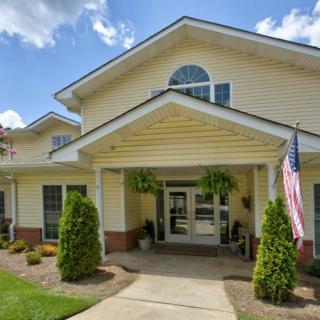
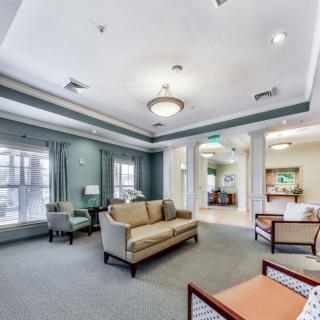
    High Hope Personal Care Home is a warm and welcoming board and care home located in Fayetteville, GA. Our community offers a comfortable and homelike environment for seniors who require assistance with daily activities. Whether it's help with bathing, dressing, or transferring, our trained staff is available round the clock to provide personalized care.

    Our fully furnished rooms ensure that residents feel right at home as soon as they move in. With housekeeping services included, residents can focus on enjoying their time and participating in the various activities available to them. Our outdoor space provides a tranquil setting for relaxation or gentle strolls through the garden.

    At High Hope Personal Care Home, we prioritize the well-being of our residents by coordinating with healthcare providers and offering medication management services. We understand the importance of maintaining a healthy lifestyle, which is why we offer diabetes diets and cater to special dietary restrictions when preparing meals.

    Transportation arrangements are made for medical appointments, ensuring that residents can easily access healthcare facilities. In addition, there are several nearby options for cafes, parks, pharmacies, physicians' offices, restaurants, places of worship, and hospitals.

    Our dining experience is designed to accommodate special dietary restrictions while also offering enjoyable meals that appeal to various tastes. Residents can socialize over delicious food in our dining room – a hub for building connections within our close-knit community.

    We believe in promoting an active lifestyle among our residents through scheduled daily activities. This includes engaging programs designed to stimulate both mental and physical well-being. Nearby parks provide opportunities for outdoor exploration and recreation.

    At High Hope Personal Care Home in Fayetteville, GA, we strive to create a supportive environment where seniors can thrive while receiving the care they need. Our amenities such as Wi-Fi/high-speed internet and telephone access keep residents connected with loved ones and the outside world.

    Come join us at High Hope Personal Care Home – where compassionate care meets comfort and companionship.

    Nearby Places of Interest

    Located in Fayetteville, Georgia, this area offers a variety of amenities and services that cater to senior living. With multiple places of worship nearby, including the Church of Jesus Christ of Latter Day Saints and St Paul Lutheran School, seniors have convenient access to spiritual support. In terms of healthcare, there are several physicians' offices specializing in pain management, eye care, allergies, pediatrics, and oral surgery within a few miles radius. Pharmacies like CVS and Walgreens are also easily accessible for medication needs. For leisure activities, there are cafes such as Starbucks and Panera Bread for socializing over coffee or a meal. Additionally, there are parks like Picnic Park and Blue Smoke Park where seniors can enjoy nature walks or picnics. For medical emergencies, Children's Healthcare of Atlanta and Piedmont Fayette Hospital are within close proximity. Overall, this area provides a safe and comfortable environment for seniors looking to settle down in Fayetteville.

    Places of Worship

    • Church of Jesus Christ of Latter Day Saints (2.1 miles)
    • St Paul Lutheran School (4.8 miles)
    • Whitewater Church (4.8 miles)
    • Woolsey Baptist Church (6.8 miles)

    Physicians

    • Interventional Pain and Wellness Institute (2.2 miles)
    • EyeCare Plus (2.3 miles)
    • Center for Allergy & Asthma of Georgia (2.3 miles)
    • Peachtree Pediatrics (2.3 miles)
    • SouthOMS - South Oral and Maxillofacial Surgery and Dental Implants (2.5 miles)
    • Southern Vein Care – Peachtree City (2.5 miles)
    • Family Medicine Specialist (2.6 miles)

    Cafes

    • Starbucks (2.3 miles)
    • Starbucks (4.4 miles)
    • Starbucks (4.4 miles)
    • Starbucks (4.4 miles)
    • Sam’s Club Cafe (5.6 miles)
    • Panera Bread (7.1 miles)

    Pharmacies

    • CVS Pharmacy (2.4 miles)
    • Walgreens (2.5 miles)
    • Walgreens (4.2 miles)
    • Eaudit Solutions (4.2 miles)
    • Walmart Pharmacy (4.3 miles)
    • CVS Pharmacy (4.4 miles)
    • Target Pharmacy (4.4 miles)

    Restaurants

    • McDonald's (2.4 miles)
    • Beef 'o' Brady's (2.5 miles)
    • Taco Bell (2.9 miles)
    • McDonald's (3.2 miles)
    • Franks At Old Mill (3.6 miles)
    • Due South Southern Cuisine (3.7 miles)
    • Carrabba's Italian Grill (3.8 miles)

    Parks

    • Picnic Park (3.2 miles)
    • Blue Smoke Park (3.7 miles)
    • McCurry Park (7.3 miles)

    Hospitals

    • Children's Healthcare of Atlanta (3.6 miles)
    • Piedmont Fayette Hospital (3.6 miles)

    Transportation

    • Peachtree City Airport-Falcon Field (FFC) (4 miles)

    Theaters

    • Cinemark Tinseltown 17 And Xd (7 miles)

    Frequently Asked Questions

    Where is High Hope Personal Care Home?

    Nearby Communities

    Related Resources

    • assisted living costUnderstanding the True Cost of Assisted Living in 2025: A Comprehensive Guide

      Assisted living in 2025 offers a crucial balance of independence and support for seniors, with costs varying from $2,500 to over $7,000 per month based on factors such as location and care level. Understanding pricing complexities, including regional differences and potential hidden fees, is essential for families to plan financially while ensuring quality care for their loved ones.

    • does medicaid pay for assisted livingUnderstanding Medicaid Coverage for Assisted Living: A Comprehensive Guide

      The guide outlines the complexities of Medicaid coverage for assisted living, highlighting significant state-to-state variations, limited coverage often restricted to personal care services, and the existence of specialized waivers for certain needs like memory care. It advises families to consult local Medicaid offices for options while emphasizing the importance of understanding state-specific regulations and facility policies.

    • does medicaid pay for assisted livingHow and When Medicaid May Cover Assisted Living Costs

      Medicaid coverage for assisted living varies by state and is primarily available to low-income individuals, with eligibility dependent on strict income and asset limits. Some states offer HCBS waivers for specific services in assisted living, but families must generally cover room and board costs, and should verify facility acceptance of Medicaid while considering potential waiting lists.


    Get Pricing Ask A Question Schedule A Tour Contact Senior Advisor