For more information about senior living options: (866) 208-4318
3.1 from 83 reviews
5 stars
32
4 stars
9
3 stars
6
2 stars
8
1 stars
28
Overall Review of Ansley Park Health And Rehabilitation
common2 reviews mention this
Clean facility and comfortable spaces
Residents and families frequently describe a consistently clean, well-kept environment.
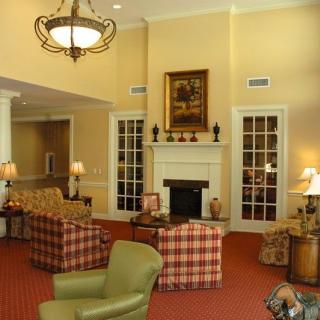
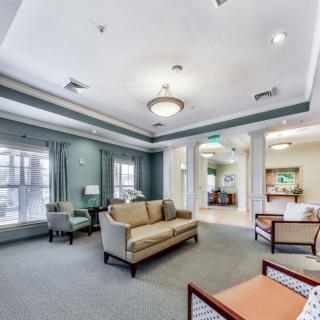
Several reviewers say the building is kept clean when they visit, and they describe it as maintained and pleasant. A few also mention comfortable, attractive common spaces and a home-like feel during their stay.
common5 reviews mention this
Activities keep residents engaged
Many reviews mention frequent activities and resident-friendly social time.
Reviews repeatedly point to ongoing activities, including almost daily programming. Families also describe celebrations and resident involvement like bingo and group events, along with additional sitting areas for downtime.
common15 reviews mention this
Staff communication and kindness
A large number of reviews highlight kind staff and helpful communication with families.
Many reviewers describe staff as caring, respectful, and attentive, including check-ins throughout the day. Several families say staff took time to explain care, reassure them when they had questions, and respond to concerns quickly.
caveat10 reviews mention this
Call light delays and staffing gaps
Some residents and families report slow call-light response and understaffing during stays.
A recurring negative theme is that staff sometimes do not respond promptly to call buttons, with reports of long wait times. Multiple reviewers also describe understaffing, limited coverage at certain times (including weekends), and situations where they felt care was missed or delayed.
caveat7 reviews mention this
Meals are a mixed experience
Dining quality varies, with reviewers split between appetizing meals and concerns about food.
Some reviewers describe meals as appetizing, served with choices, and aligned with special diets. Others criticize the food as poor or cold, including complaints about “diabetic” meals and not getting what was ordered from menus.
differentiator9 reviews mention this
Rehab and therapy are standout
Therapy experiences are frequently singled out as a major strength of the stay.
Several reviews praise physical and occupational therapy, describing therapists as great and sessions as effective or state-of-the-art. A few also note that rehab helped with progress after surgeries or falls, while others contrast therapy as the best part when other aspects of care were disappointing.
How we summarize
Counts show how many written reviews mention each theme; a review can touch several themes, and only frequently mentioned themes are displayed.
Features
Housing
66 resident community capacity
Types of Care
Skilled Nursing Facility
Amenities
Air-conditioning
Beauty salon
Cable or satellite TV
Computer center
Dining room
Fitness room
Fully furnished
Gaming room
Garden
Housekeeping services
Kitchenette
Move-in coordination
Outdoor space
Private bathrooms
Restaurant-style dining
Small library
Telephone
Wellness center
Wi-Fi/high-speed internet available
Transportation
Community operated transportation
Transportation arrangement
Transportation arrangement (non-medical)
Transportation to doctors appointments
Care Services
12-16 hour nursing
24-hour call system
24-hour supervision
Activities of daily living assistance
Assistance with bathing
Assistance with dressing
Assistance with transfers
Diabetes diet
High acuity care
Meal preparation and service
Medication management
Mental wellness program
Special dietary restrictions
Dining
Diabetes diet
Special dietary restrictions
Activities
Community-sponsored activities
Concierge services
Fitness programs
Planned day trips
Resident-run activities
Scheduled daily activities
Nearby Places of Interest
The area of Newnan, Georgia, in close proximity to Meda Phase and ENT Institute, offers a range of healthcare services including cancer treatment centers, gastroenterology clinics, and reputable physicians. There are several dining options nearby such as Art & Jakes Sports Bar & Grill and Waffle House for convenience. Pharmacies like CVS and Kroger Drive-Thru Pharmacy are easily accessible for medication needs. In case of emergencies, Cancer Treatment Centers of America and Piedmont Urgent Care are just a short distance away. The Regal Georgian theater is located within a mile for entertainment purposes. For relaxation and outdoor activities, Summergrove and Greenville Street Park provide tranquil green spaces to enjoy. Various places of worship including Sonrise Baptist Church and Christ Presbyterian Church cater to spiritual needs. Transportation options such as U-Haul Moving & Storage make it convenient for seniors to travel when needed. Overall, this area offers a mix of healthcare services, amenities, and recreational opportunities making it a suitable choice for senior living in Newnan.
Physicians
Meda Phase (0.2 miles)
ENT Institute (0.2 miles)
Cancer Treatment Centers of America - Gastroenterology (0.6 miles)
Sabrina Rene, MD (0.6 miles)
Craig A. Richman, MD, FACS | Otolaryngologist (0.6 miles)
Atlanta Gastroenterology Associates (0.8 miles)
Belkis Pimentel M.D. | Kaiser Permanente (1 miles)
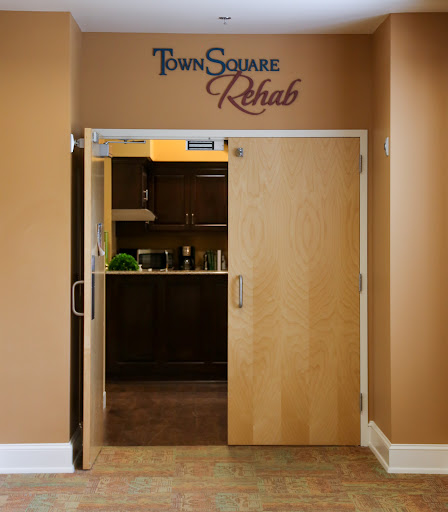
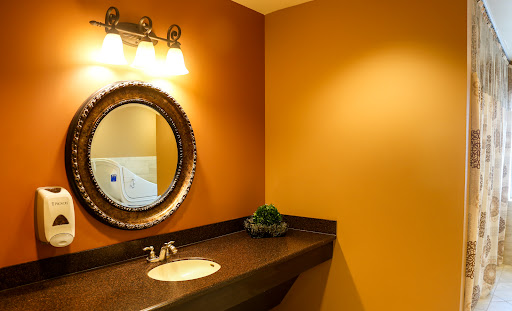
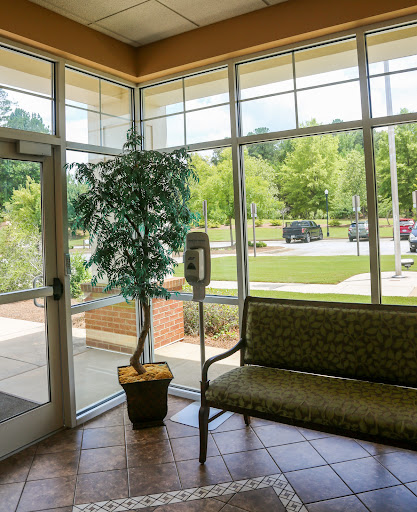
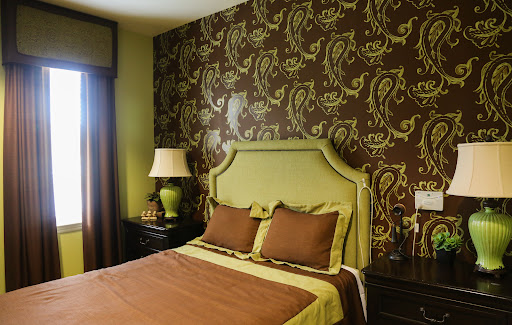
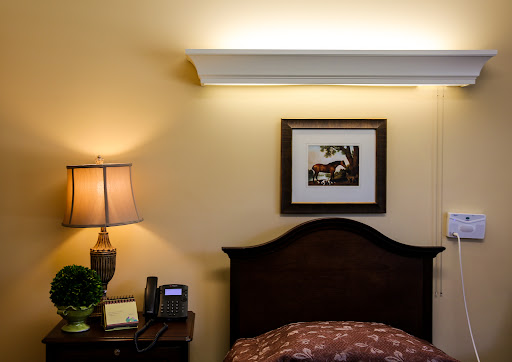
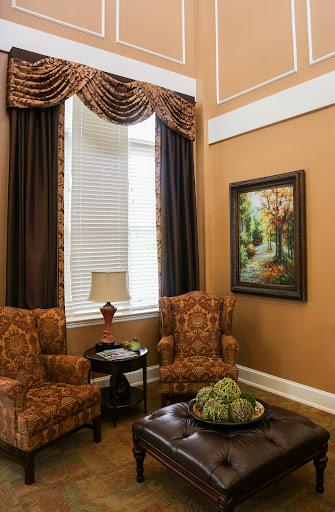
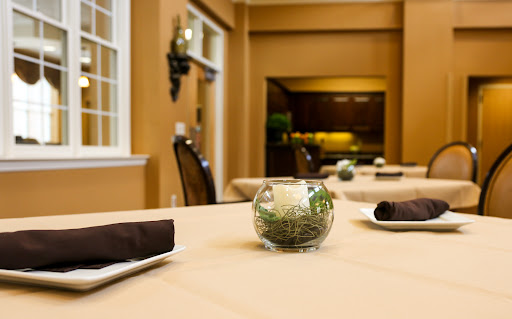
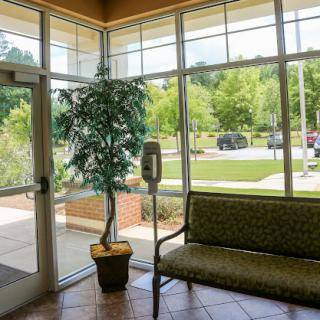
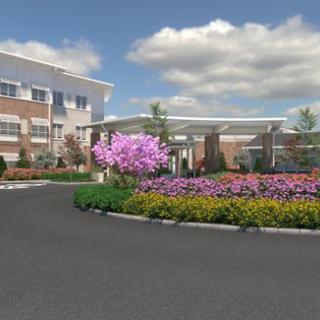
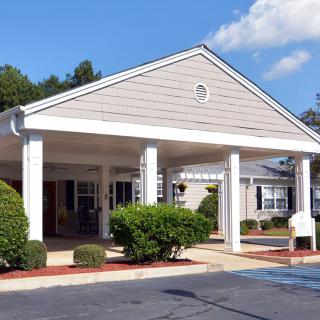
Ansley Park Health And Rehabilitation on seniors.fyi includes 11 photos including images showing landscaping, interior, decor, bedroom, dining, lighting, building, architecture, and more.
Nearby Communities
The Claiborne At Newnan Lakes
Newnan, GA
4.3 from 69 reviews
Comprehensive memory care with 24/7 supervision and robust amenities.
Benton House Of Newnan
Newnan, GA
4.2 from 50 reviews
$8,500 to $11,000 / month
Day Care at Benton House - Newnan
Newnan, GA
4.7 from 77 reviews
Caring, responsive staff in a clean, welcoming community with activities.
Benton House of Newnan Lakes
Newnan, GA
4.4 from 58 reviews
$3,300 to $5,100 / month
Compassionate staff with strong leadership and engaging activities.
Westhill Newnan Crossing
Newnan, GA
4.6 from 60 reviews
Memory care focus with 24/7 supervision, personalized care, specialized programming; furnished apartments with private baths and restaurant-style dining.
Westhills Newnan Crossing
Newnan, GA
4.3 from 68 reviews
$3,775 to $6,300 / month
Friendly, attentive staff in a well-maintained, activity-rich environment with good dining.
Brookdale Newnan
Newnan, GA
4.5 from 94 reviews
$2,485 to $5,755 / month
Friendly, attentive staff in a warm, close-knit community with varied activities.
The Reserve At Peachtree City
Peachtree City, GA
4.6 from 111 reviews
$3,550 to $6,700 / month
Caring, professional staff; clean, welcoming environment with engaging activities and good dining.
Hope Center Memory Care
Fayetteville, GA
4.4 from 99 reviews
$4,250 to $5,750 / month
Compassionate, knowledgeable staff with clean facilities, engaging activities, and uniform units that ease transitions.
Palliative care focuses on alleviating distress at any stage of a serious illness and can accompany curative treatments, while hospice care is for those nearing the end of life with a prognosis of six months or less, emphasizing comfort over curative measures. Both prioritize holistic care for patients and families but differ in timing, goals, and scope.
Fecal incontinence, prevalent among older adults, arises from factors like weakened pelvic muscles and nerve damage, significantly affecting well-being and social interactions. Diagnosis involves clinical evaluation and tests to inform tailored treatments, while caregivers and preventive measures can aid in managing the condition effectively.
Anticipatory grief is an emotional response to the impending loss of a loved one, characterized by complex emotions such as sadness and anger, and involves navigating stages similar to those identified by Kübler-Ross. Coping strategies are vital for managing this process, emphasizing compassionate communication, self-care, and support groups while recognizing the cultural influences on grieving.
Get PricingAsk A QuestionSchedule A TourContact Senior Advisor
By clicking submit, you agree to our Partner's Terms of Use. You
also consent to receive calls and texts, which may be autodialed, from our Partner. Your consent is not a condition to
using our Partner's service. Please visit our Partner's Privacy Policy for information about their privacy practices.










 66 resident community capacity
 Skilled Nursing Facility
 Air-conditioning
 Beauty salon
 Cable or satellite TV
 Computer center
 Dining room
 Fitness room
 Fully furnished
 Gaming room
 Garden
 Housekeeping services
 Kitchenette
 Move-in coordination
 Outdoor space
 Private bathrooms
 Restaurant-style dining
 Small library
 Telephone
 Wellness center
 Wi-Fi/high-speed internet available
 Community operated transportation
 12-16 hour nursing
 24-hour call system
 Activities of daily living assistance
 Assistance with bathing
 Assistance with dressing
 Assistance with transfers
 Diabetes diet
 High acuity care
 Medication management
 Mental wellness program
 Special dietary restrictions
 Concierge services
 Planned day trips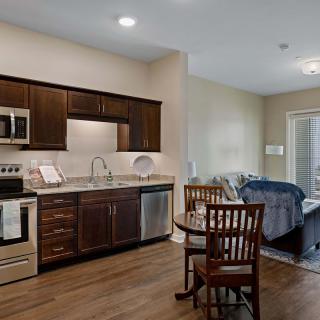
 Comprehensive memory care with 24/7 supervision and robust amenities.


 Understanding the Nuances of Palliative Care and Hospice: A Comprehensive Exploration
 Fecal Incontinence in Older Adults: A Comprehensive Guide
 Recognizing the Journey: Understanding and Navigating Anticipatory Grief