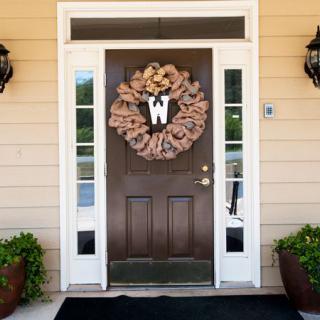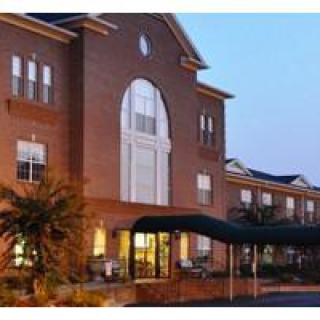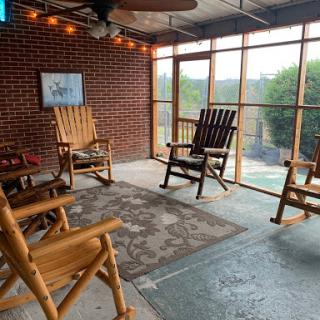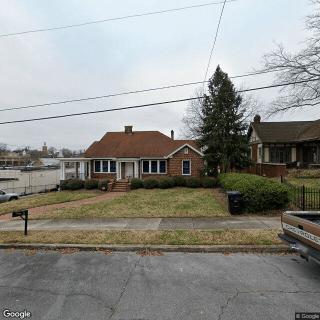
Allegiance Ministries Personal Care Home in Kingston, GA

Save
Allegiance Ministries Personal Care Home

Allegiance Ministries Personal Care Home in Kingston, GA

Information last verified:

142 Ward Mountain Road, Kingston, GA 30145

For more information about senior living options: (844) 490-3973

4 from 3 reviews
5 stars
0
4 stars
3
3 stars
0
2 stars
0
1 stars
0

Allegiance Ministries Personal Care Home Costs & Pricing

Allegiance Ministries Personal Care Home offers competitive pricing for its residents when compared to the broader market in Floyd County and the state of Georgia. For semi-private accommodations, the monthly cost at Allegiance is $1,800, significantly lower than the county average of $3,271 and even more so than the state average of $2,529. Similarly, private rooms at Allegiance are priced at $2,200, which not only stands in stark contrast to the higher county rate of $4,378 but also undercuts the state average of $2,864. This positioning reflects Allegiance Ministries' commitment to providing quality care without imposing a financial burden on families seeking supportive living environments for their loved ones.

Floor plansAllegiance Ministries Personal Care HomeFloyd CountyGeorgia
Semi-Private$1,800$3,271$2,529
Private$2,200$4,378$2,864

Overall Review of Allegiance Ministries Personal Care Home

Pros

  • pro The home is described as a very nice senior care home.
  • pro It is a smaller, residential-style community.
  • pro The whole place has a nice, warm family feel.

Cons

  • pro The owner did not think the loved one was a good fit for the community carewise.
  • pro Moves like that are very stressful on people with memory issues.

Review

Allegiance Ministries Personal Care Home is best suited for seniors who thrive in a small, residential setting that feels like a true home rather than a campus. The reviews consistently describe a compact, intimate environment with a warm, family-like atmosphere and staff who can deliver highly personalized attention. For families prioritizing comfort, familiar routines, and easier, more personal interactions with caregivers, this community offers a tangible sense of belonging and ease of conversation that larger facilities often cannot match. The pace here is gentle, and residents are often known by name, which can translate into steadier daily rhythms and a sense of security for those who resist impersonal care.

Those who may want to consider alternatives include families seeking robust medical oversight, comprehensive nursing services, or specialized memory care programs. If a resident requires higher levels of medical management or has behaviors that demand consistent, frequent adjustment in care plans, a larger, more academically structured setting may better meet those needs. Likewise, families who need longer settling-in periods or want to avoid the risk of abrupt placement changes would be wise to explore options with clearly defined admission criteria and a longer stabilization window. This community’s strength in warmth can be a mismatch for residents who require a more formalized, continuous care trajectory.

The strongest pros, an unusually home-like feel, a clearly intimate staff-to-resident ratio, and highly personalized interactions, partially offset the drawbacks by lowering stress around transitions and enabling quick, direct communication with the owner and caregivers. Families often find that in a smaller setting, caregivers notice subtle changes in mood or function that larger centers might miss. Yet these advantages do not fully counterbalance the main con surfaced in the reviews: the possibility of a rapid, decision-driven discharge if the resident’s care needs are judged not to fit the community. That dynamic introduces real risk for instability, especially for individuals still in the early stages of adjusting to a new environment.

Memory challenges become a particularly important lens in evaluating fit. The short stays described indicate the owner’s readiness to assess fit quickly, which can be practical for families seeking transparency and speed. However, for residents with memory issues, a week’s adjustment can be too abrupt and stressful, given the emotional weight of moving and the need to build trust with new caregivers. In this context, the home’s strength, intimacy and personal touch, becomes the same attribute that could destabilize a resident who requires more time to settle or whose care needs evolve rapidly after a move. The risk is not neglect but mismatched pace and expectations.

The decision framework here should center on admission criteria and the anticipated trajectory of care needs. Prospective residents and families should demand a clear, written understanding of how fit is evaluated, what constitutes a successful transition, and what recourse exists if a placement is deemed unsuitable after a brief period. Observations during the initial visit, how staff communicate with residents, how routines are structured, and how well the environment supports safety in memory-impaired moments, will reveal much about long-term feasibility. Clarify whether a trial period or staged transition is possible, and confirm how quickly adjustments to care plans can be implemented if needs shift.

In the end, Allegiance Ministries Personal Care Home serves as a strong option for those who prize a home-like, low-key atmosphere and direct, personal engagement with caregivers. It shines for residents who can quickly bond with a small team and who need less formal medical oversight. However, families must approach with a plan for potential turnover and an understanding that assessments of “fit” can lead to rapid changes in placement. For memory care needs or for families seeking stability through a longer settling-in period, it is prudent to compare with facilities that offer stronger continuity guarantees and more comprehensive memory-support programs. If this emphasis aligns with the resident’s profile, arranging a thorough visit, requesting a transparent admission policy, and negotiating a flexible transition plan will yield the most decisive, actionable insight.

Features

Types of Care

  • Board and Care Home Board and Care HomeBoard and care homes provide a smaller, more intimate setting for seniors who require assistance with daily tasks but do not need the level of care offered by a nursing home. They offer personalized care, meals, and social activities in a homelike environment, ensuring that seniors receive individualized attention and support in their golden years.
  • Day Program Day ProgramDay programs are important for seniors because they provide a safe and supportive environment where older adults can socialize, engage in activities, receive assistance with daily tasks, and access valuable resources and services. These programs help prevent isolation and loneliness, promote mental and physical well-being, and offer a sense of purpose and community for seniors.

Amenities

  • Activities off-site Activities off-siteEngaging in off-site activities is crucial for seniors to maintain social connections, stay active, and stimulate their minds. It promotes overall well-being and helps combat feelings of isolation and loneliness.
  • Activities on-site Activities on-siteActivities on-site are important for seniors because they provide opportunities for socialization, mental stimulation, physical activity, and overall well-being. Engaging in activities can help seniors stay active, maintain their independence, and improve their quality of life.
  • Devotional services off-site Devotional services off-siteDevotional services off-site are important for seniors as they provide spiritual nourishment, social engagement, and a sense of community outside of the senior living facility. This can enhance overall well-being and help combat feelings of isolation and loneliness often experienced by older adults.
  • Devotional services on-site Devotional services on-siteDevotional services on-site provide seniors with spiritual support and a sense of community, as well as an opportunity for reflection and guidance during their senior living experience. This can promote emotional well-being and connection to others, leading to a more fulfilling and enriching lifestyle in their later years.
  • Indoor common areas Indoor common areasIndoor common areas are crucial for seniors as they provide a space for socialization, recreation, and community engagement, promoting overall well-being and reducing feelings of isolation and loneliness.
  • Outdoor common areas Outdoor common areasOutdoor common areas are important for seniors as they provide a space for socialization, physical activity, and relaxation. Being outside in nature can improve mood and overall well-being, while also encouraging movement and engagement with others. These spaces can help combat feelings of isolation and promote a sense of community among residents.
  • Private PrivatePrivacy is important for seniors as it allows them to maintain their independence, dignity, and sense of control over their own lives. It also gives them the space and freedom to relax, reflect, and engage in activities that bring them joy and fulfillment. Creating private spaces within senior living facilities is crucial for promoting overall well-being and quality of life.
  • Respite or short term stays offered Respite or short term stays offeredRespite or short term stays provide seniors with a temporary solution when their regular caregiver is unavailable, offering them the opportunity to receive additional care and support during times of need, while also giving caregivers a chance to rest and recharge.
  • Swimming pool / hot tub Swimming pool / hot tubSwimming pools and hot tubs are important for seniors as they provide a safe and enjoyable way to stay active, improve mobility, reduce joint pain, and promote relaxation. Regular use of these amenities can contribute to overall well-being and quality of life for older adults living in senior communities.
  • Wheelchair accessible showers Wheelchair accessible showersWheelchair accessible showers are crucial for seniors as they provide a safe and independent bathing option for those with mobility challenges. These showers help prevent falls and allow seniors to maintain their dignity and autonomy while ensuring they can bathe comfortably.

Care Services

  • Ambulatory care Ambulatory care"Ambulatory care services provide essential medical support and treatment to seniors without requiring hospitalization, allowing them to maintain their independence and quality of life while managing chronic conditions or receiving routine medical care."
  • Diabetic care Diabetic careDiabetic care is crucial for seniors as they are more susceptible to developing diabetes due to aging and other health conditions. Proper management of diabetes can help prevent complications such as heart disease, vision loss, and nerve damage, improving the overall quality of life for seniors in senior living communities.
  • High acuity care High acuity careHigh acuity care is important for seniors because it provides specialized medical attention and support for individuals with complex medical needs. This level of care ensures that seniors receive the appropriate treatment and assistance to maintain their health and quality of life as they age.
  • Incontinence care Incontinence careIncontinence care is essential for seniors to maintain their dignity, hygiene, and overall quality of life. By addressing incontinence issues promptly and effectively, seniors can enjoy a sense of independence and comfort in their daily activities.
  • Medication management Medication managementMedication management is crucial for seniors to ensure they are taking the right medications at the correct dosages and times. This helps prevent adverse drug interactions, reduces the risk of medication errors, and promotes overall health and well-being. Proactive management also allows for adjustments as needed based on changing health conditions or new prescriptions.

Dining

  • Kosher KosherKosher options are important for seniors because they adhere to dietary laws that are significant to many Jewish individuals, providing them with peace of mind and an opportunity to maintain their cultural traditions and beliefs while living in a senior living community.
  • Meals provided Meals provided"Meals provided" are crucial for seniors in assisted living communities as it ensures they have access to nutritious, balanced meals without the stress of meal planning and preparation. This can help promote overall health and well-being for seniors who may have limited mobility or cognitive abilities.
  • Vegetarian VegetarianA vegetarian diet is important for seniors because it can help lower the risk of chronic diseases, maintain a healthy weight, and provide essential nutrients needed for aging bodies. Additionally, plant-based diets are often easier on digestive systems and can contribute to overall well-being in older adults.

Activities

  • Activities off-site Activities off-siteEngaging in off-site activities is crucial for seniors to maintain social connections, stay active, and stimulate their minds. It promotes overall well-being and helps combat feelings of isolation and loneliness.
  • Activities on-site Activities on-siteActivities on-site are important for seniors because they provide opportunities for socialization, mental stimulation, physical activity, and overall well-being. Engaging in activities can help seniors stay active, maintain their independence, and improve their quality of life.
  • Devotional activities offsite Devotional activities offsiteDevotional activities offsite are important for seniors because they provide social engagement, spiritual growth, and a sense of community outside of their living environment. This can improve overall well-being, mental health, and combat feelings of isolation or loneliness.
  • Devotional activities on-site Devotional activities on-siteDevotional activities on-site provide seniors with a sense of community, spiritual fulfillment, and emotional support, promoting overall well-being and a positive sense of purpose in their lives.

Description

Allegiance Ministries Personal Care Home in Kingston, GA is a warm and inviting assisted living community that provides excellent care for seniors. Our dedicated staff offers a comprehensive range of services to meet the unique needs of each resident.

At Allegiance Ministries, we offer a Day Program for seniors who require assistance during the day but prefer to stay at home at night. This program allows individuals to receive personalized care and engage in various activities while still maintaining their independence.

Our community boasts a wide range of amenities to ensure that our residents have an enjoyable and fulfilling lifestyle. We offer engaging on-site activities that cater to different interests and preferences. Additionally, we provide off-site devotional services, allowing residents to nurture their spiritual wellbeing. Our indoor and outdoor common areas provide opportunities for socializing and relaxation, while our swimming pool and hot tub promote wellness and enjoyment.

We understand the importance of maintaining personal hygiene and comfort, which is why our facility offers wheelchair accessible showers, ensuring that all residents can easily access bathing facilities. We also provide specialized care services such as diabetic care, high acuity care, incontinence care, and medication management.

Nutrition is a priority at Allegiance Ministries, with delicious meals provided for residents. We accommodate various dietary preferences including vegetarian options to cater to individual needs.

To foster an enriching environment for our residents, we organize a variety of activities both on-site and off-site for them to enjoy. These include devotional activities that allow residents to connect spiritually as well as engage in hobbies and interests they love.

The well-being of our residents is paramount; therefore, we have 1 pharmacy nearby and 3 physicians in close proximity to ensure immediate medical attention if needed.

At Allegiance Ministries Personal Care Home in Kingston, GA, we strive to create an inclusive community where every resident feels valued and cared for. Come join us today!

Nearby Places of Interest

The Kingston area of Georgia offers a variety of amenities for seniors looking to settle down in a peaceful and convenient location. With several pharmacies nearby such as Shannon Pharmacy, Walmart Pharmacy, and CVS Pharmacy, ensuring access to necessary medications is easily achievable. Additionally, there are reputable physicians like Dr. Chung John and the Skin Cancer & Cosmetic Dermatology Center for healthcare needs. The area also has a selection of places of worship including Christ Temple Holiness Church and Southern Baptist Convention for spiritual fulfillment. For dining options, restaurants like Rusans and McAlister's Deli offer delicious meals, while cafes such as Lumina Coffee and Panera Bread provide cozy spots for socializing with friends. Parks like Ridge Ferry Park and Banty Jones Park offer opportunities for outdoor recreation, while theaters like The Movies provide entertainment options. Hospitals like Harbin Clinic Orthopaedic Imaging and Kindred Hospital Rome ensure quality medical care is readily available if needed. Overall, Kingston, Georgia provides a well-rounded community with everything seniors could need for a comfortable lifestyle in their golden years.

Pharmacies

  • Shannon Pharmacy (4.4 miles)
  • Walmart Pharmacy (5.7 miles)
  • CVS Pharmacy (6.1 miles)
  • Ward's Pharmacy (6.2 miles)
  • Rome Community Pharmacy (6.5 miles)
  • Avery Drugs (6.7 miles)
  • CVS Pharmacy (6.9 miles)

Physicians

  • Chung John, MD (4.7 miles)
  • Skin Cancer & Cosmetic Dermatology Center (4.9 miles)
  • Dr Miniyar's Pediatrics (5 miles)
  • Rome Internal Medicine (5.1 miles)
  • Atlanta Oral and Facial Surgery (6 miles)
  • Atlanta Allergy & Asthma (6.3 miles)
  • Coosa Diagnostic Center (6.3 miles)

Places of Worship

  • Christ Temple Holiness Church (5.3 miles)
  • Southern Baptist Convention (5.8 miles)
  • Fifth Avenue Baptist Church (6.6 miles)
  • St James Ame Zion Church (6.8 miles)
  • Fishes & Loaves Ministry (7 miles)
  • Rome Action Ministries (7.1 miles)
  • South Broad United Methodist Church (7.2 miles)

Restaurants

  • Rusans (5.9 miles)
  • Bella Roma Grill (5.9 miles)
  • McAlister's Deli (6 miles)
  • Burger King (6.1 miles)
  • Fazoli's (6.1 miles)
  • Bojangles' Famous Chicken 'n Biscuits (6.2 miles)
  • Chili's Grill & Bar (6.2 miles)

Cafes

  • Lumina Coffee (6.1 miles)
  • Panera Bread (6.2 miles)
  • Starbucks (6.3 miles)
  • Swift & Finch Coffee (6.3 miles)

Parks

  • Ridge Ferry Park (6.3 miles)
  • Upper Avenue A Historic District (6.5 miles)
  • Banty Jones Park (6.8 miles)

Theaters

  • The Movies (6.6 miles)

Hospitals

  • Harbin Clinic Orthopaedic Imaging (6.8 miles)
  • Floyd Medical Center Rehabilitation Services (6.9 miles)
  • Specialty Hospital (6.9 miles)
  • Kindred Hospital Rome (6.9 miles)

Frequently Asked Questions

How much does it cost to live at Allegiance Ministries Personal Care Home in Kingston, GA?
Where is Allegiance Ministries Personal Care Home?

Nearby Communities

  • Evergreen Health And Rehabilitation Center

    Evergreen Health And Rehabilitation Center

    Rome, GA

    4.2 from 23 reviews
     

    pro 24/7 care with diverse amenities and activities.

  • Burton Road

    Burton Road

    Rome, GA


    pro Comprehensive assisted living with 24/7 supervision, ADL support, meal/diet accommodations, furnished rooms, housekeeping, and transportation to medical appointments.

  • Magnolia Place Assisted Living And Memory Care

    Magnolia Place Assisted Living And Memory Care

    Rome, GA

    3.6 from 7 reviews
    $2,490 to $5,400 / month

    pro Appealing, modern facility with extensive amenities and memory-care focus.

  • Southern Home Care Svc

    Southern Home Care Svc

    Rome, GA


    pro Strong access to nearby healthcare and amenities

  • Home Instead Senior Care - Rome,  GA

    Home Instead Senior Care - Rome, GA

    Rome, GA

    4.7 from 24 reviews
     

    pro Peaceful location with broad nearby amenities and accessible healthcare options.

  • Bridge Of Floyd County

    Bridge Of Floyd County

    Rome, GA

    4.7 from 74 reviews
    $2,750 to $4,750 / month

    pro Comprehensive assisted living with furnished accommodations, meals, housekeeping, healthcare support, transportation, and a full schedule of activities.

  • Winthrop Court Senior Living and Memory Care

    Winthrop Court Senior Living and Memory Care

    Rome, GA

    4.5 from 49 reviews
    $975 to $1,250 / month

    pro Caring staff, delicious meals, clean facilities, and an engaging, welcoming community.

  • Etowah Landing Care and Rehabilitation Center

    Etowah Landing Care and Rehabilitation Center

    Rome, GA

    4.3 from 110 reviews
    $4,700 / month

    pro Caring staff, clean rooms, and engaging activities.

  • Renaissance Marquis

    Renaissance Marquis

    Rome, GA

    4.4 from 36 reviews
    $1,795 to $2,895 / month

    pro Friendly staff, pleasant atmosphere, and well-kept outdoor area.

Related Resources

  • does medicare cover home health careNavigating Medicare Coverage for In-Home Care Services

    Medicare covers in-home health care services, which are medical and provided by licensed professionals under a physician's supervision, whereas non-medical personal assistance is generally not covered unless part of a broader skilled care plan. Eligibility for benefits depends on being homebound and needing intermittent skilled services from a Medicare-certified agency, with specific coverage limitations and additional resources available for navigating options.

  • how much does private home care cost per hourIn-Home Care Costs in 2025: A Detailed State-by-State Exploration

    In-home care is increasingly sought after by older adults for maintaining independence, with average private home care rates in 2025 varying by state and service type, reflecting geographical and local labor market influences. As demand rises, families are considering funding options like Medicaid waivers and long-term care insurance to manage costs effectively while ensuring quality care.

  • what is home health careUnderstanding Home Health Care: A Comprehensive Guide

    Home health care has become essential for supporting independence among the aging population, offering diverse services such as skilled nursing and rehabilitation in familiar environments, while also incorporating technology for personalized care. Despite its benefits, including improved recovery rates and emotional well-being, challenges like safety, staff availability, and insurance navigation must be managed for effective implementation.