











500 Eagle Lake Trail, Rome, GA 30165
For more information about senior living options: (866) 208-4318
Magnolia Place Assisted Living And Memory Care Costs & Pricing
Magnolia Place Assisted Living and Memory Care offers competitive pricing for its residents, particularly in comparison to the broader market in Floyd County and the state of Georgia. For a private room, Magnolia Place charges $2,490 per month, significantly lower than the county average of $4,378 and even below the state average of $2,864. However, when considering studio accommodations, the cost is notably higher at $5,400 per month - this is more than double the county's average rate of $3,526 and slightly above Georgia's statewide average of $3,520. This pricing structure highlights Magnolia Place's commitment to providing quality care while also reflecting the varied needs and preferences of potential residents.
| Floor plans | Magnolia Place Assisted Living And Memory Care | Floyd County | Georgia |
|---|---|---|---|
| Private | $2,490 | $4,378 | $2,864 |
| Studio | $5,400 | $3,526 | $3,520 |
Memory care communities with a similar price nearby
-
from -$140 / mo

Waldrop Residences
$2,350 to $3,200 / month16.7 miles away -
from -$90 / mo

Morning Pointe Of Calhoun
$2,400 to $3,500 / month21.9 miles away -
from -$484 / mo
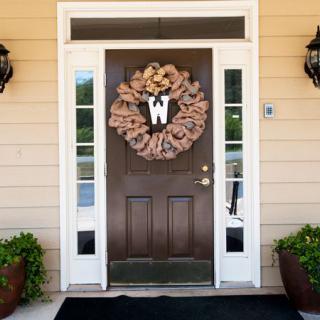
Big Springs Place
$2,006 to $4,955 / month17.4 miles away -
from -$240 / mo
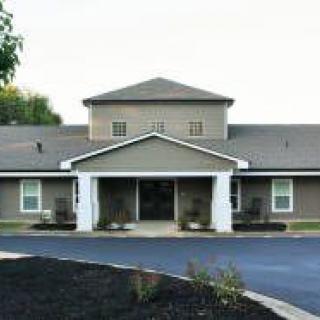
Brookside Cartersville
$2,250 to $3,300 / month18.9 miles away -
About the same

Cedar Hill Senior Living
$2,500 / month19.0 miles away
Overall Review of Magnolia Place Assisted Living And Memory Care
Pros
 The place is beautiful.
- The staff are very professional, prompt, clear in explanations, and caring.
- Magnolia Place looked great and was among the top two choices, considered excellent.
Cons
 The Memory Care Facility was lacking in activities.
- It was poorly operated.
- The facility showed a lack of compassion and care.
- It did not seem to take concerns seriously.
- The food was not of the quality expected; it was greasy and fried and not nutritious.
- The staff did not seem to care.
- The director was not responsive.
Review
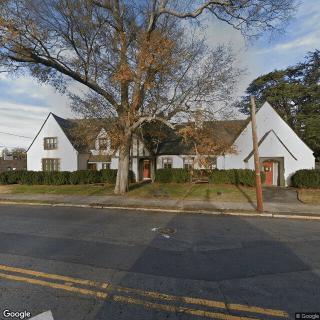
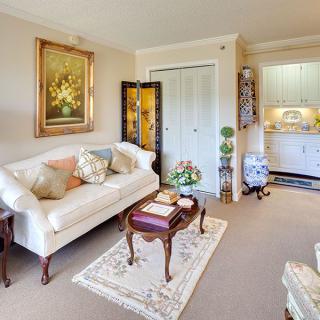
Magnolia Place Assisted Living and Memory Care in Rome, Georgia, is best suited for families seeking a polished, comfortable home base for general assisted living with a credible rehab pathway and a visually inviting environment. The facility consistently presents itself well, with a clean campus, neat rooms, and staff who convey confidence and warmth at intake. For families navigating a transition after a hospitalization or an Alzheimer’s diagnosis, Magnolia Place can offer a reassuring first impression and a straightforward care plan. However, the setting is not a cure for care-program gaps. When memory-care intensity, consistent leadership, and proactive engagement are non-negotiables, a closer look at alternatives is warranted before making a commitment.
Those who should consider other options include families prioritizing robust memory-care programming and weekend activity schedules, as well as those requiring steady, accessible leadership and timely responsiveness from the top administrator. The reviews raise red flags on care depth in the memory-care unit, and the absence of regular weekend activities or readily available management oversight makes ongoing interventions difficult. Nutrition and dining quality also become decisive factors for families who place a premium on meals as part of daily well-being. In short, Magnolia Place can meet general needs, but it may fall short for persistent or complex memory-care expectations.
On the upside, Magnolia Place checks several boxes that matter in daily life: attractiveness and a calm, home-like ambiance that helps reduce stress for aging adults and their families, plus professional, clear explanations from staff at critical touchpoints. One resident’s entry into the rehab track underscores the potential for a smooth transition when clinical communication is precise and teams operate with a professional posture. For families seeking a facility that looks and feels well-run at first glance, Magnolia Place delivers an appealing baseline and a hopeful story for recovery and adjustment.
Yet the memory-care side undermines those early strengths. Reviews describe memory care as poorly operated, with insufficient activities, a perceived lack of compassion, and concerns that resident concerns are not taken seriously. Communication gaps appear persistent: families report being left out of the loop, unanswered calls to the director, and frustration with the absence of structured weekend programming or an activities director. Food quality is another sore point, described as greasy and not nutritionally oriented, with reports of ongoing requests for improvements that do not materialize and ongoing resident turnover. Although the facility is newer, the operational machinery, especially around memory care leadership and programming, has not yet come together.
The benefit of strong aesthetics and initial professionalism is not insubstantial, but it cannot compensate for ongoing care-management gaps. For short-term rehab or early-stage memory care, Magnolia Place can provide a comfortable environment and clear information channels that help families feel informed and less uncertain. However, long-term memory care and daily living in the memory unit demand more consistent programming, reliable engagement, and visible leadership oversight. When weekend activities are missing, when staff show limited compassion in day-to-day interactions, and when management is slow to respond, the overall experience shifts from promising to precarious. In such a context, the favorable impression of the facility risks eroding as families observe ongoing gaps that affect mood, engagement, and safety.
When evaluating Magnolia Place, families should press for specifics: a detailed memory-care activity schedule, a named memory-care director or lead supervisor with predictable hours, and a plan for family communication that includes regular updates. Request a clear response to concerns, and ask about staffing levels, menu improvements, and resident-to-staff ratios in the memory unit. Compare Magnolia Place with other local options that offer stronger memory-care programming, more consistent leadership presence, and a robust weekend activity calendar. If choosing Magnolia Place, view the arrangement as a solid base for rehabilitation and general care, but treat ongoing memory-care quality as an area requiring active oversight and periodic reassessment. A well-structured trial period or short-term agreement can help determine fit before committing to a longer-term arrangement.
 72 resident community capacity
 Assisted Living
 Memory Care
 Activities on-site
 Air-conditioning
 Beautician on-site
 Cable or satellite TV
 Computer center
 Devotional services on-site
 Dining room
 Fitness room
 Fully furnished
 Gaming room
 Garden
 Ground floor units
 Handicap accessible
 Housekeeping services
 Indoor common areas
 Kitchenette
 Move-in coordination
 Outdoor common areas
 Private bathrooms
 Respite or short term stays offered
 Restaurant-style dining
 Small library
 Swimming pool / hot tub
 Telephone
 Wellness center
 Wheelchair accessible showers
 Wi-Fi/high-speed internet available
 Community operated transportation
 12-16 hour nursing
 24-hour call system
 Ambulatory care
 Assistance with bathing
 Assistance with dressing
 Assistance with transfers
 Diabetes diet
 Diabetic care
 High acuity care
 Hospice waiver
 Incontinence care
 Medication management
 Mental wellness program
 Special dietary restrictions
 Transportation arrangement (medical)
 Art classes
 Concierge services
 Cooking classes
 Day trips and outings
 Educational speakers / life long learning
 Happy hour
 Karaoke
 Live dance or theater performances
 Live musical performances
 Protestant services
 Wine tasting



 Exploring the Contrasts Between Assisted Living and Skilled Nursing
 Vibrant Senior Living: A Comprehensive Guide for Active Older Adults
 Assisted Living and Memory Care: Understanding Their Core Differences