Winthrop Court Senior Living and Memory Care Costs & Pricing
Winthrop Court Senior Living and Memory Care offers an inviting cost structure that significantly undercuts both Floyd County and the broader state of Georgia when it comes to monthly living expenses. For a studio apartment, residents can expect to pay $975, which is markedly lower than the county average of $3,526 and the state average of $3,520. Similarly, the one-bedroom option at Winthrop Court is available for $1,250, compared to Floyd County's average of $3,953 and Georgia's statewide average of $3,412. This appealing pricing not only highlights Winthrop Court's commitment to affordability but also enhances its attractiveness as a senior living solution in a competitive market.
Floor plans
Winthrop Court Senior Living and Memory Care
Floyd County
Georgia
Studio
$975
$3,526
$3,520
1 Bedroom
$1,250
$3,953
$3,412
Overall Review of Winthrop Court Senior Living and Memory Care
common16 reviews mention this
Care is praised, with medication help
Residents and families frequently praise the caregiving and responsiveness.
Many reviews describe staff who know residents personally and provide day-to-day support, including helping with needs like bathing, dressing, transfers, and medication management. Several families also mention safety follow-through after incidents, including falls, and being told what was going on afterward. A few reviews also point to a care-and-communication gap, but overall positive experiences with caregivers come up repeatedly.
common12 reviews mention this
Food quality comes up often
Dining is a standout topic in the reviews.
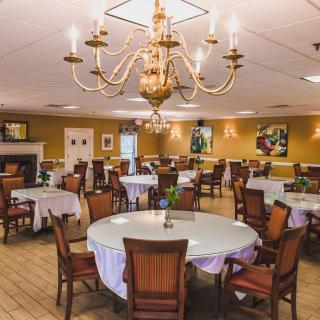
Across reviews, residents and families repeatedly comment on good food, including meals served three times a day and food described as homemade or excellent. The community also offers restaurant-style dining and room service, which matches the way dining shows up in residents’ and families’ experiences. Some reviewers specifically call out menu quality, while one mentions a concern with parts of the meal routine.
caveat4 reviews mention this
Pricing feels high to some
Cost is a recurring concern for some families.
Several reviews mention affordability issues, including one family saying they pay out of pocket and that the facility isn’t cheap, alongside another describing bills increasing while care declines. A separate review says the pricing was a reason not to choose the community, and another comments that pricing was lower than expected for a converted building. With the listed pricing spanning $975 to $1,250, families appear split between accepting the cost for care and feeling it does not match what they receive.
caveat3 reviews mention this
Rooms are described as small
Room size is a frequent practical complaint.
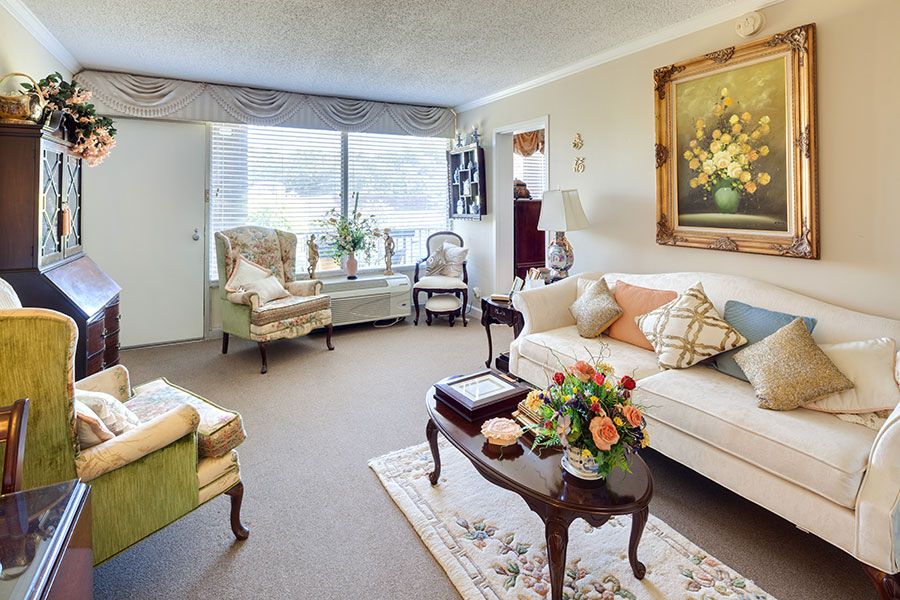
A few reviews focus on the physical layout of rooms, including comments that rooms can feel very small or motel-like in feel. One family describes a smaller room paired with a larger accessible bathroom, and another mentions room constraints tied to the building conversion. On the positive side, multiple reviews still describe cleanliness and comfort, including a comment about the facility feeling home-like despite the layout.
common7 reviews mention this
Activities and day trips are offered
Residents have daily activities and outings to choose from.
Reviews repeatedly mention activities, including residents participating in games and events, plus ongoing programming like fitness and trivia. Families also describe being able to see activities through communication like social posts, and at least one review mentions regular activity days for residents. The community’s activity options also include day trips and community-sponsored events, which align with the way residents’ routines are described.
common2 reviews mention this
A number of nearby conveniences
The location is described as convenient to common needs.
At least a couple of reviews mention convenience for getting around, including access to shopping and doctors’ offices. Nearby options also include pharmacy and healthcare services, supporting that day-to-day errands and appointments are within a short drive.
How we summarize
Counts show how many written reviews mention each theme; a review can touch several themes, and only frequently mentioned themes are displayed.
Features
Housing
100 resident community capacity
1-bedroom apartments
2-bedroom apartments
Studio apartments
Types of Care
Assisted Living
Independent Living
Respite Care
Skilled Nursing Facility
Amenities
Activities off-site
Activities on-site
Air-conditioning
Bath tubs
Beautician on-site
Beauty salon
Cable or satellite TV
Computer center
Devotional services on-site
Dining room
Financing advice
Fitness room
Full kitchen
Fully furnished
Gaming room
Garden
Handicap accessible
Housekeeping services
Indoor common areas
Kitchenette
Laundry
Move-in coordination
Outdoor common areas
Outdoor space
Party space
Private bathrooms
Respite or short term stays offered
Restaurant-style dining
Small library
Telephone
VA Benefits Consultation
Wellness center
Wheelchair accessible showers
Wi-Fi/high-speed internet available
Transportation
Community operated transportation
Transportation & parking
Transportation arrangement
Transportation arrangement (non-medical)
Transportation to doctors appointments
Care Services
12-16 hour nursing
24-hour call system
24-hour supervision
Activities of daily living assistance
Ambulatory care
Assistance with bathing
Assistance with dressing
Assistance with transfers
Diabetes diet
Diabetic care
Incontinence care
Meal preparation and service
Medication management
Mental wellness program
Special dietary restrictions
Dining
Diabetes diet
Gluten-free
Guest meals
International cuisine
Meals provided
Restaurant style dining
Room service
Special dietary restrictions
Special dining programs
Activities
Activities off-site
Art classes
Community-sponsored activities
Concierge services
Cooking classes
Day trips and outings
Devotional activities on-site
Educational speakers / life long learning
Fitness programs
Gardening club
Karaoke
Live dance or theater performances
Live musical performances
Live well programs
Planned day trips
Religious services
Resident-run activities
Scheduled daily activities
Stretching classes
Trivia games
Languages Spoken
English
Nearby Places of Interest
This part of Rome, Georgia offers a variety of amenities that may be appealing for senior living. There are several pharmacies located within a few miles, making it convenient to access medications and healthcare services. Additionally, there are multiple places of worship nearby for spiritual nourishment and a sense of community. Several parks provide opportunities for outdoor recreation and relaxation. A selection of restaurants and cafes offer dining options for those who prefer not to cook at home. Transportation services are easily accessible for getting around the area. Various medical facilities, including physicians, diagnostic centers, and hospitals, ensure quality healthcare is readily available. Overall, this neighborhood provides a well-rounded environment with essential services to support an active and comfortable lifestyle for seniors.
Pharmacies
CVS Pharmacy (0.8 miles)
Walmart Pharmacy (1.4 miles)
Rome Community Pharmacy (1.8 miles)
Lindale Hometown Pharmacy (2.1 miles)
CVS Pharmacy (2.3 miles)
Ward's Pharmacy (2.6 miles)
Avery Drugs (2.9 miles)
Places of Worship
Rome Action Ministries (1 miles)
Fishes & Loaves Ministry (1.5 miles)
South Broad United Methodist Church (2 miles)
Christ Temple Holiness Church (2.5 miles)
Fifth Avenue Baptist Church (2.7 miles)
St James Ame Zion Church (3.3 miles)
Southern Baptist Convention (4 miles)
Parks
Banty Jones Park (1.2 miles)
Upper Avenue A Historic District (2.9 miles)
Ridge Ferry Park (3.2 miles)
Restaurants
Captain D's (1.4 miles)
Bojangles' Famous Chicken 'n Biscuits (1.6 miles)
McDonald's (1.6 miles)
McAlister's Deli (1.9 miles)
The Shrimp Boat (1.9 miles)
Chef Chen Buffet (2 miles)
Fazoli's (2 miles)
Transportation
Salem Nationalease (1.4 miles)
Physicians
The Physicians Spine & Rehabilitation Specialists (1.7 miles)
Winthrop Court Senior Living and Memory Care offers an inviting cost structure that significantly undercuts both Floyd County and the broader state of Georgia when it comes to monthly living expenses. For a studio apartment, residents can expect to pay $975, which is markedly lower than the county average of $3,526 and the state average of $3,520. Similarly, the one-bedroom option at Winthrop Court is available for $1,250, compared to Floyd County's average of $3,953 and Georgia's statewide average of $3,412. This appealing pricing not only highlights Winthrop Court's commitment to affordability but also enhances its attractiveness as a senior living solution in a competitive market.
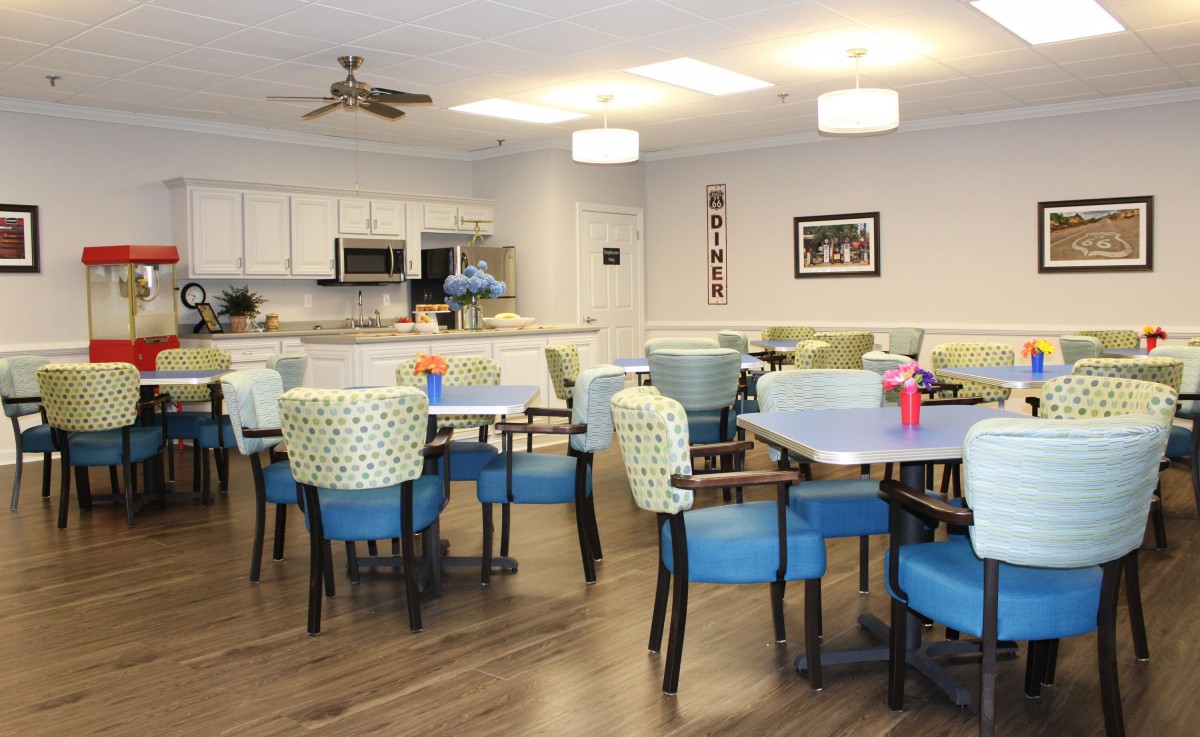
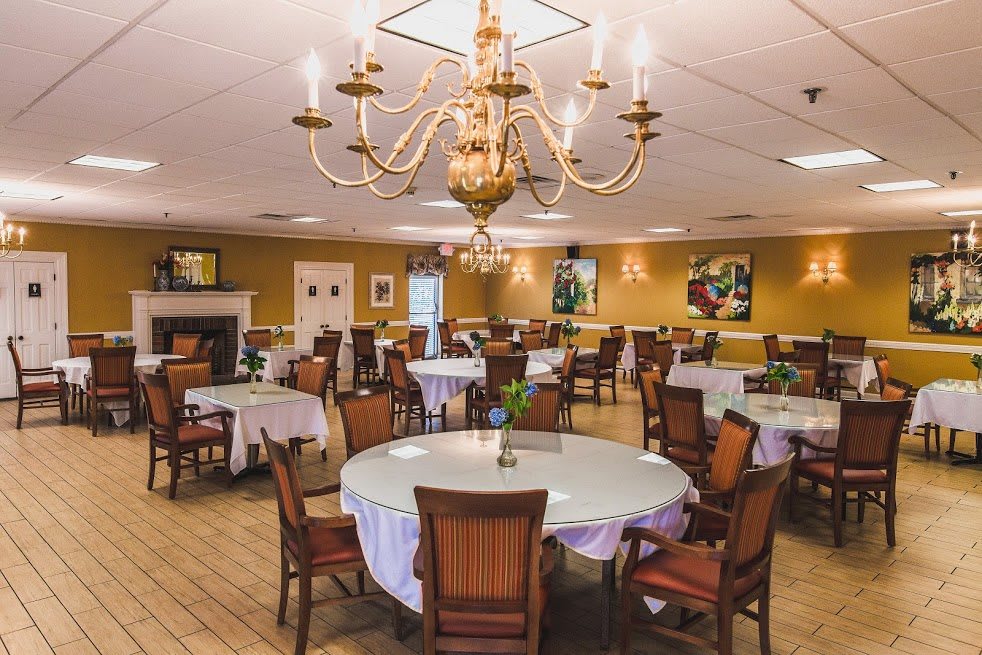
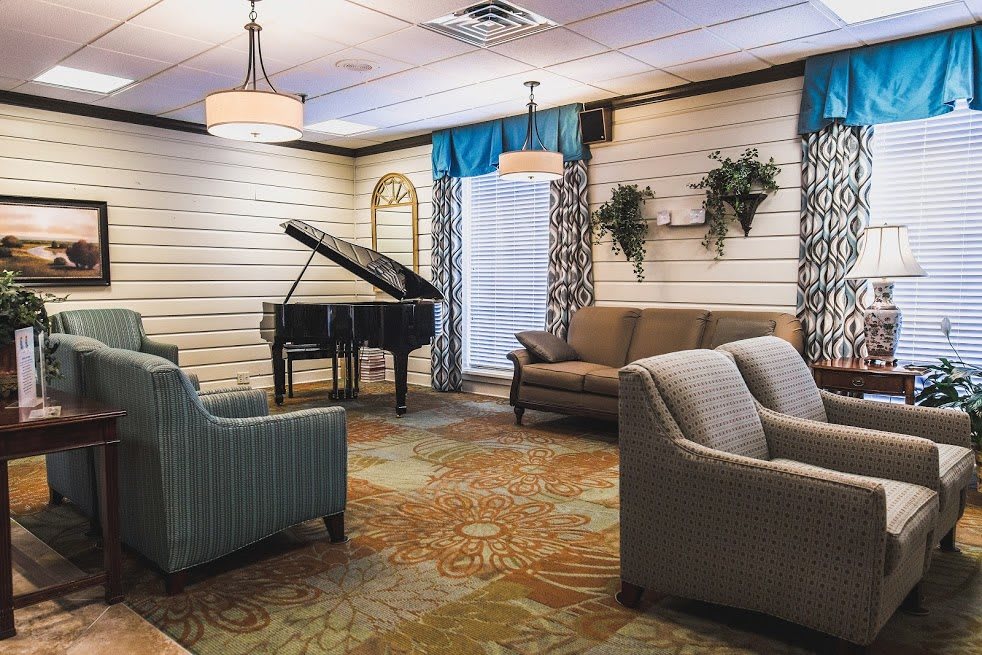
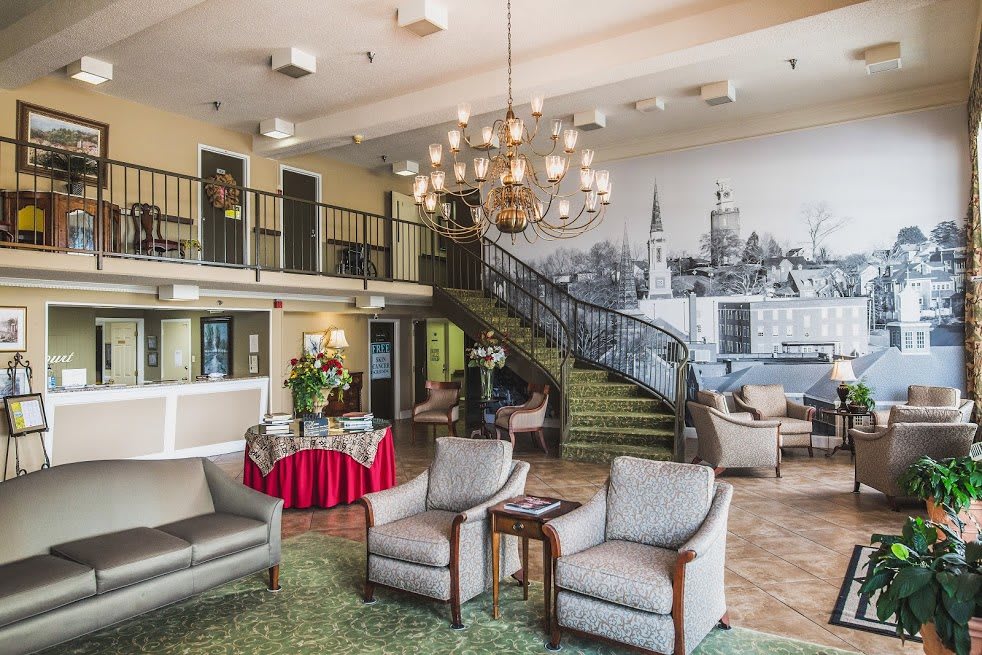
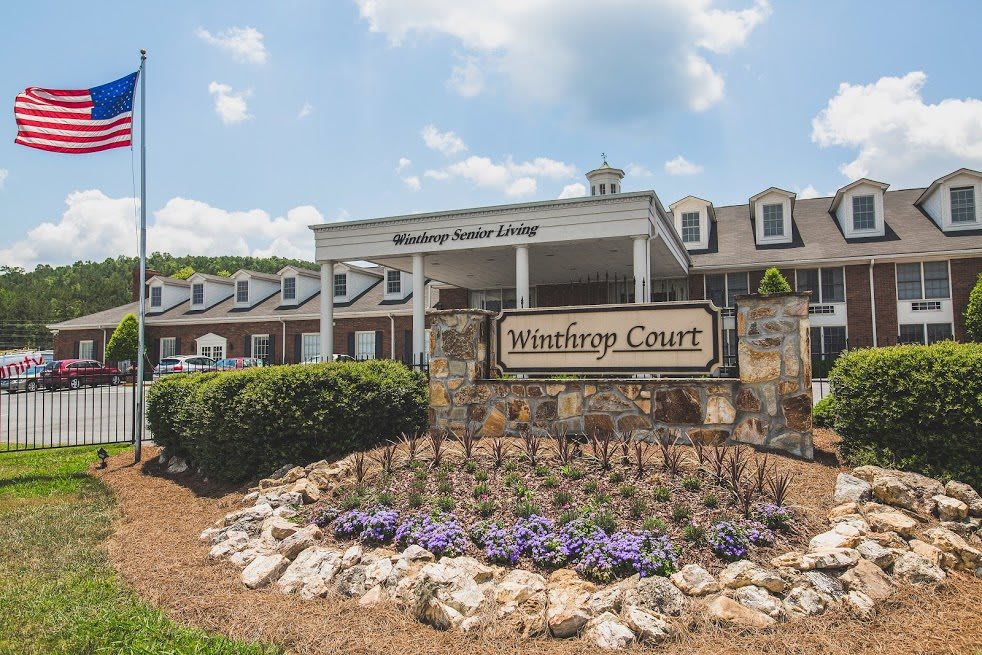
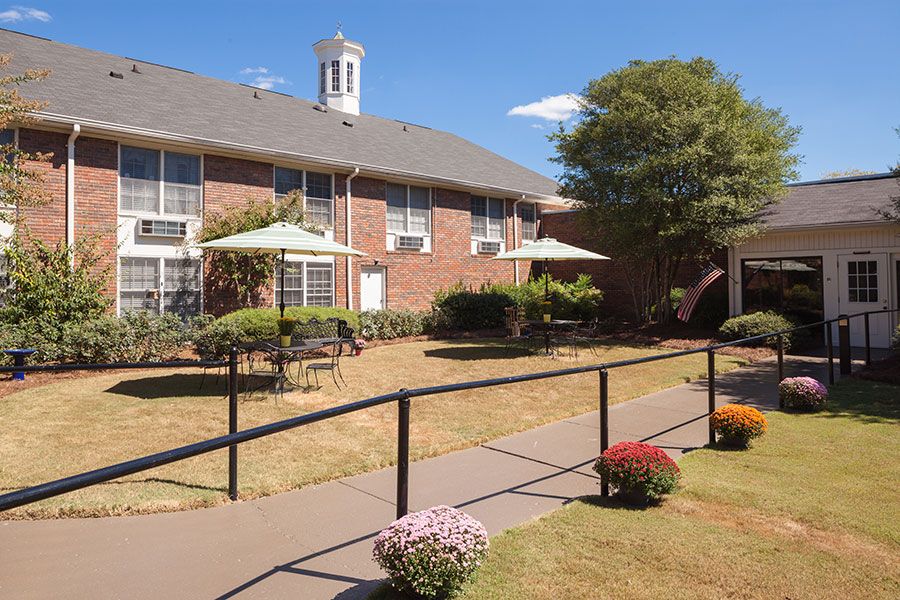
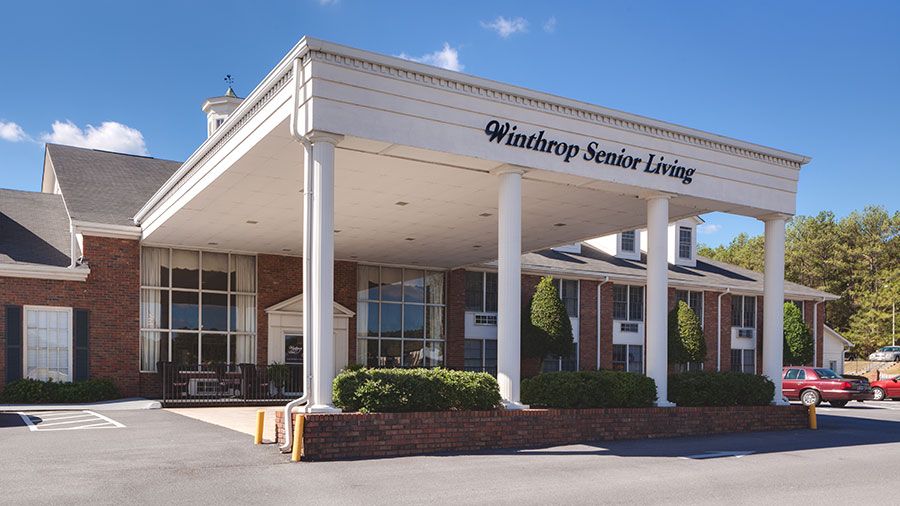
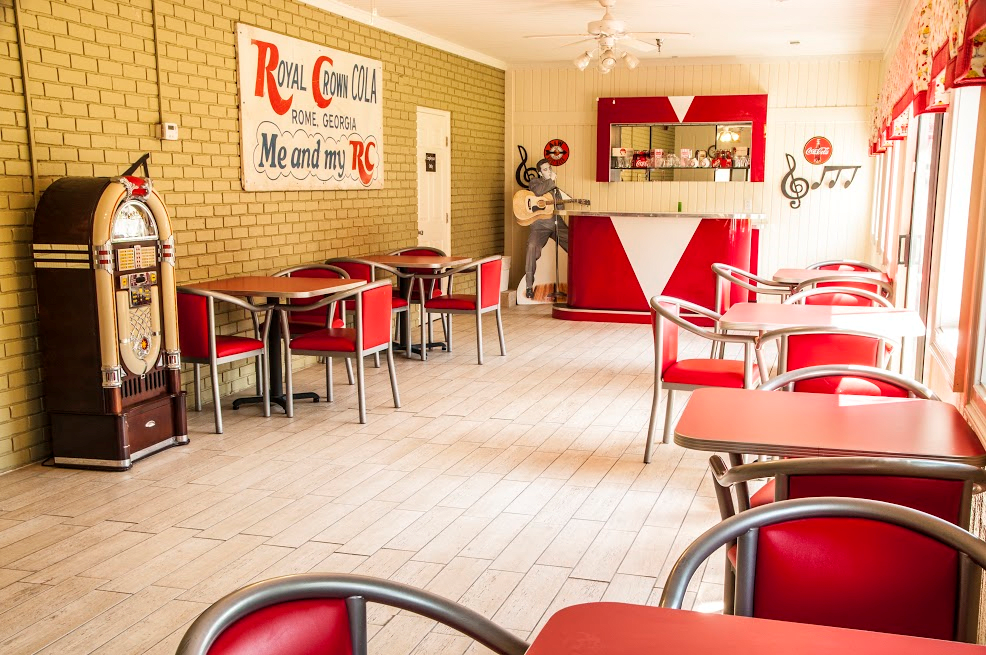
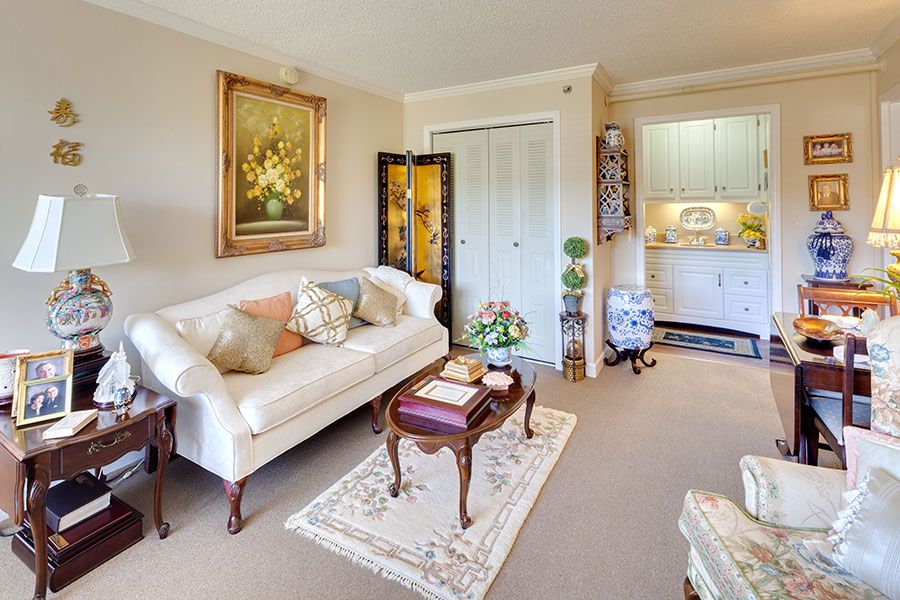
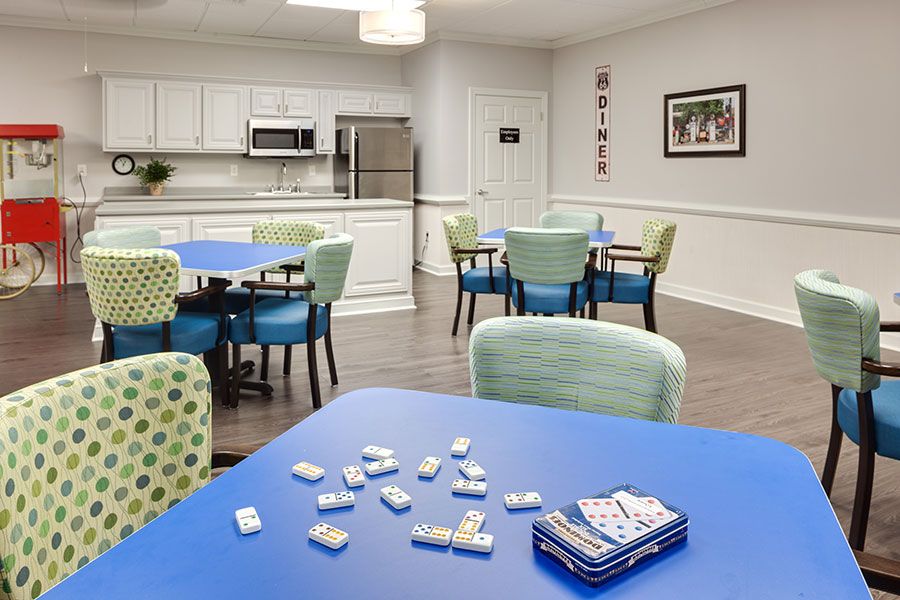
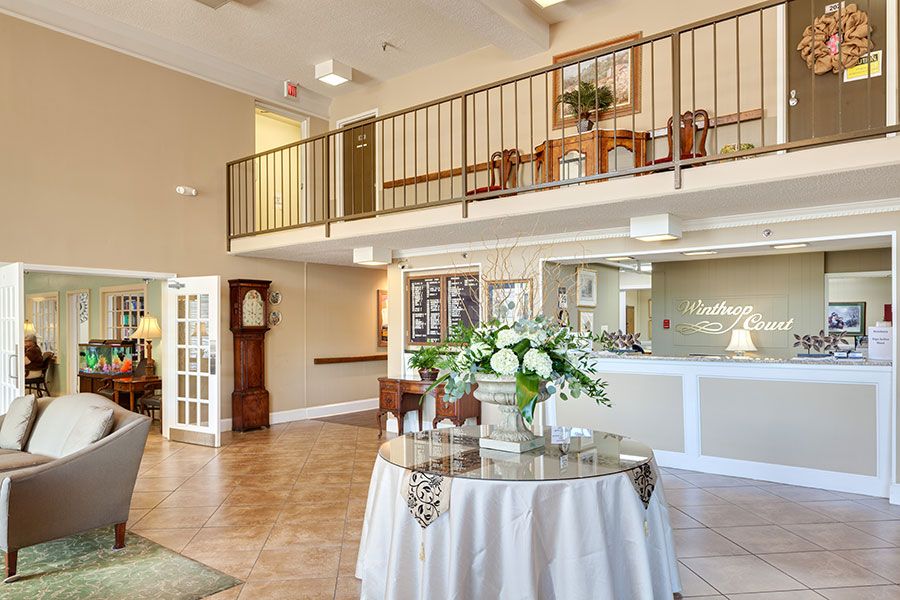
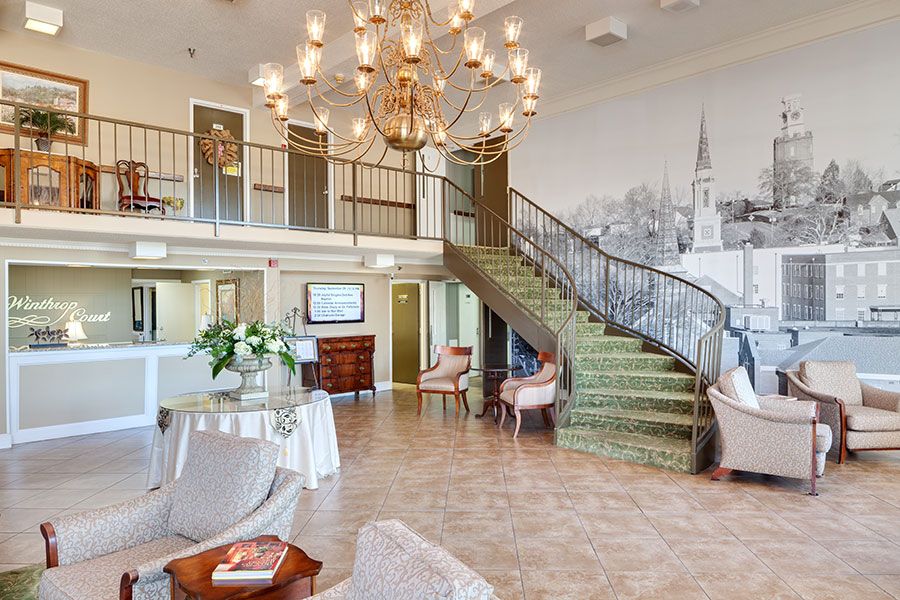
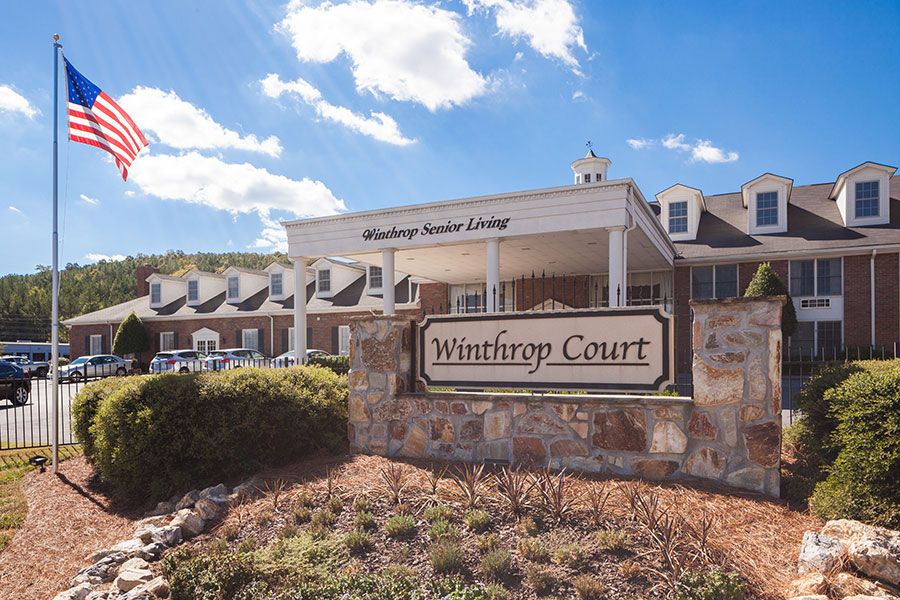
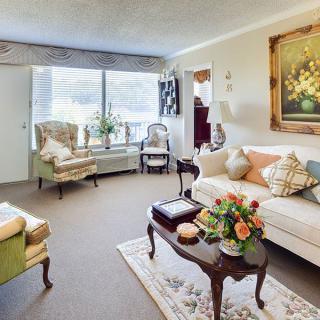
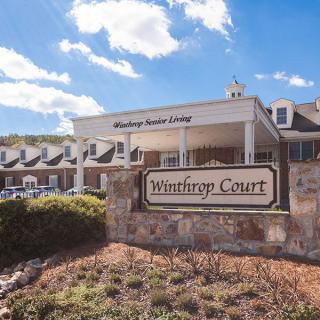
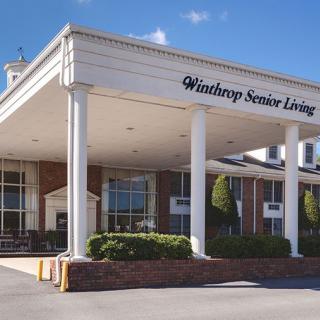
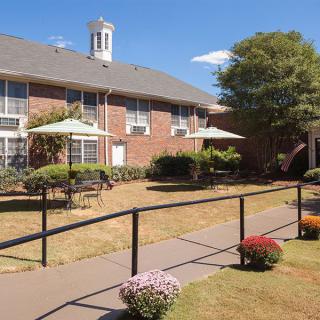
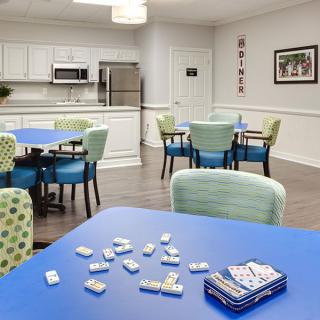
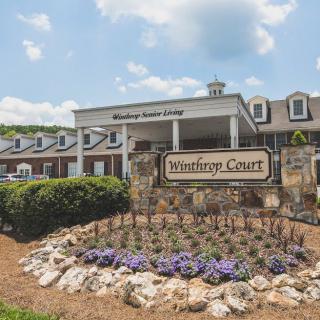
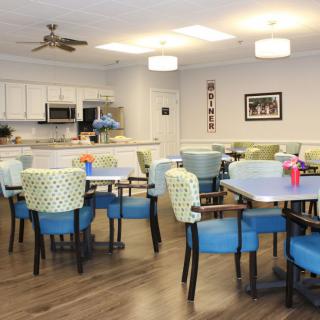
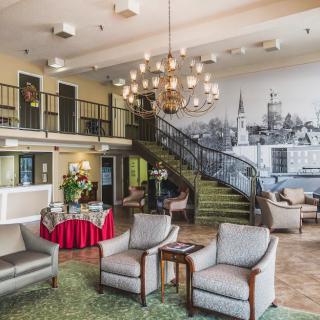
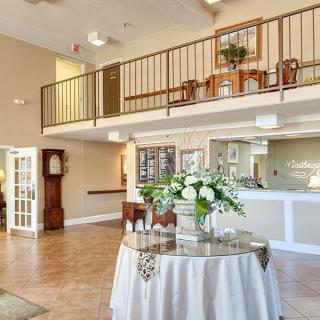
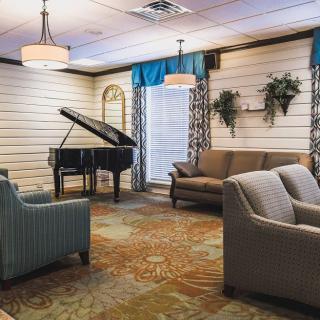
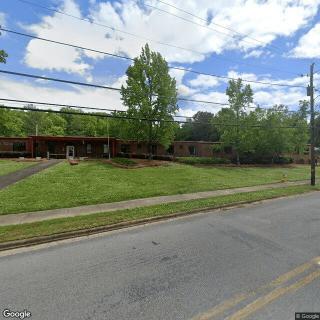
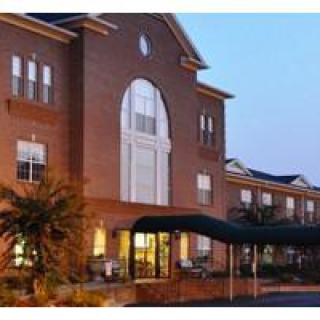
Winthrop Court Senior Living and Memory Care on seniors.fyi includes 14 photos including images showing interior, building, dining, chandelier, decor, living room, lobby, staircase, and more.
Nearby Communities
Winthrop Health And Rehabilitation
Rome, GA
4.1 from 40 reviews
$3,850 / month
Competitive private-room pricing with extensive amenities.
Bridge Of Floyd County
Rome, GA
4.7 from 77 reviews
$2,750 to $4,750 / month
Comprehensive assisted living with furnished accommodations, meals, housekeeping, healthcare support, transportation, and a full schedule of activities.
Macbeth
Rome, GA
Small, intimate setting with personalized care and 24/7 supervision, meals, and activities.
Etowah Landing
Rome, GA
4.4 from 100 reviews
Extensive on-site amenities with round-the-clock care.
Etowah Landing Care and Rehabilitation Center
Rome, GA
4.3 from 114 reviews
$4,700 / month
Caring staff, clean rooms, and engaging activities.
Fitz Personal Care
Rome, GA
4.7 from 24 reviews
Wide range of care services and amenities (24/7 supervision, meals, medication management, transportation, activities, and healthcare coordination).
Renaissance Marquis
Rome, GA
4.4 from 36 reviews
$1,795 to $2,895 / month
Friendly staff, pleasant atmosphere, and well-kept outdoor area.
Cedar Valley Nursing & Rehab Center
Cedartown, GA
4.2 from 34 reviews
Friendly staff and clean, engaging environment with activities.
The Fountains in Cartersville
Cartersville, GA
4.2 from 44 reviews
$3,950 / month
Clean, well-designed facility with engaging activities and an attentive memory care team.
Medicaid coverage for assisted living varies by state and is primarily available to low-income individuals, with eligibility dependent on strict income and asset limits. Some states offer HCBS waivers for specific services in assisted living, but families must generally cover room and board costs, and should verify facility acceptance of Medicaid while considering potential waiting lists.
Medicaid waivers for assisted living services provide vital support for seniors and individuals with disabilities in need of long-term care, with varying state-specific eligibility criteria and benefits. These waivers cover personal care and case management but often do not fully cover room and board, leading to waiting lists for many applicants.
The article examines the complexities of assisted living for individuals with disabilities, emphasizing the need for tailored care solutions that enhance quality of life and social inclusion, while addressing financial challenges and advocating for community integration. It discusses various housing options, the importance of financial assistance through public benefits, and highlights trends towards integrated and technology-driven solutions in disability-focused housing.
Winthrop Court Senior Living and Memory Care photos
×
Interior
Decor
Living Room
Building
Architecture
Trees
Dining
Landscaping
Kitchen
Seating Area
Lobby
Chandelier
Piano
Interior
Decor
Dining
Living Room
Landscaping
Windows
Building
Architecture
Trees, Garden, Outdoor, Pathway, Fence, Umbrellas, and Brick Building
Kitchen
Artwork
Chandelier
Seating Area and Wall Art
Entrance
Lobby
Appliances
Natural Light and Rug
Piano and Lounge
Clouds
Balcony and Reception Area
Staircase
Vintage
Additional Photos
Get PricingAsk A QuestionSchedule A TourContact Senior Advisor
By clicking submit, you agree to our Partner's Terms of Use. You
also consent to receive calls and texts, which may be autodialed, from our Partner. Your consent is not a condition to
using our Partner's service. Please visit our Partner's Privacy Policy for information about their privacy practices.




 100 resident community capacity
 1-bedroom apartments
 Assisted Living
 Independent Living
 Respite Care
 Skilled Nursing Facility
 Activities off-site
 Air-conditioning
 Bath tubs
 Beautician on-site
 Cable or satellite TV
 Computer center
 Devotional services on-site
 Dining room
 Financing advice
 Fitness room
 Full kitchen
 Fully furnished
 Gaming room
 Garden
 Handicap accessible
 Housekeeping services
 Indoor common areas
 Laundry
 Move-in coordination
 Outdoor common areas
 Party space
 Private bathrooms
 Restaurant-style dining
 Small library
 Telephone
 Wellness center
 Wheelchair accessible showers
 Wi-Fi/high-speed internet available
 Community operated transportation
 12-16 hour nursing
 24-hour call system
 Ambulatory care
 Assistance with bathing
 Assistance with dressing
 Assistance with transfers
 Diabetes diet
 Diabetic care
 Incontinence care
 Medication management
 Mental wellness program
 Special dietary restrictions
 Art classes
 Concierge services
 Cooking classes
 Day trips and outings
 Educational speakers / life long learning
 Karaoke
 Live dance or theater performances
 Live musical performances
 Trivia games
 English
 Competitive private-room pricing with extensive amenities.


 How and When Medicaid May Cover Assisted Living Costs
 A Detailed Exploration of Assisted Living Medicaid Waivers Across the United States
 Comprehensive Residential Support and Assisted Living Solutions for Individuals with Disabilities