

2107 Emory Street, Covington, GA 30014
For more information about senior living options: (866) 208-4318
Emory Manor Costs & Pricing
Emory Manor offers competitive pricing for its room types when compared to both Walton County and the broader state of Georgia. For a semi-private room, Emory Manor charges $2,500 per month, which is slightly higher than the county average of $2,304 but more affordable than the state average of $2,529. The private room option at Emory Manor comes in at $3,500 per month - this figure is notably above Walton County's average of $2,643 and also exceeds Georgia's state average of $2,864. While Emory Manor's costs are on the higher side for private accommodations, they may reflect added value in terms of services or amenities not provided by other facilities in the region.
| Floor plans | Emory Manor | Walton County | Georgia |
|---|---|---|---|
| Semi-Private | $2,500 | $2,304 | $2,529 |
| Private | $3,500 | $2,643 | $2,864 |
Assisted Living communities with a similar price nearby
-
About the same
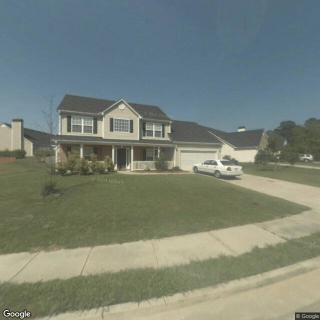
Eden Home Care
$2,500 / month19.7 miles away -
About the same

A & C Personal Care Home
$2,500 to $4,000 / month17.5 miles away -
from -$200 / mo
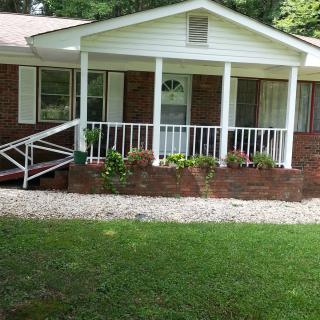
Comfort Care Personal Care Home
$2,300 / month22.2 miles away -
from -$300 / mo

JDM Adams Personal Care Home
$2,200 to $2,600 / month23.9 miles away -
from +$100 / mo

Mimosa Assisted Living
$2,600 to $3,500 / month20.7 miles away
Overall Review of Emory Manor
Pros
 They provide very good care for residents, giving visiting families peace of mind.
- They serve home-cooked meals.
- The home is very clean.
- They take residents to walks, church, and the mall.
- They are highly recommended and feel homey.
- The community is clean and the staff are caring to residents’ needs.
- They offer activities for residents to enjoy.
Review
Emory Manor in Covington, GA is best suited for seniors who want a warm, home-like living environment where caregivers know residents well, meals feel comforting and homemade, and daily life centers on gentle activity and social connection. The community’s strength lies in the sense of hominess, cleanliness, and reliable, attentive support that families notice on every visit. With a 4.6 rating from five reviews, families can expect consistency in atmosphere and care, and a clear signal that this is a place where residents settle into a familiar routine without feeling like a clinical facility.
This setting is most appropriate for those who do not require intensive, on-site medical interventions or memory-care specialization. Families considering alternatives should evaluate options if 24/7 licensed nursing on-site, complex wound care, or advanced dementia programming are primary needs. Emory Manor excels as a nurturing home base with dependable staff and routine, but it may not be the right fit for residents whose care plans demand broader clinical teams, hospital-style oversight, or specialized therapeutic programs found in larger assisted-living campuses or skilled-nursing communities.
Among the notable pros, the home-like atmosphere stands out as the defining advantage. Residents report a clean, inviting environment where staff are consistently caring and responsive to individual needs. The meals receive high marks for home-cooked quality and variety, reinforcing a sense of nourishment and familiarity that families value. Regular outings and activities, such as walks, church attendance, and mall trips, help maintain independence and social engagement, which in turn supports mood and overall well-being. This combination of warmth, cleanliness, and purposeful activity translates into tangible peace of mind for families that rely on visible, day-to-day attentiveness.
The strength of personal attention and social programming also serves to offset potential downsides inherent in smaller, non-medicalized settings. For residents who thrive on routine, interpersonal connection, and a predictable day, Emory Manor delivers a compelling value proposition. The consistency of care and the ability to participate in varied activities can lessen anxiety for families who worry about isolation or neglect in a less structured environment. In short, the pros, homey ambience, reliable staff, nourishing meals, and meaningful activities, compensate for the absence of heavy clinical infrastructure by emphasizing steadiness, safety, and engagement.
However, the implied trade-offs are worth weighing. The reviews do not present a landscape of advanced medical services or dementia-specific programming, suggesting that the resident profile best aligned with Emory Manor prioritizes comfort and companionship over high-acuity care. For families facing evolving medical needs, a plan that includes access to on-call nursing support, closer ties with medical providers, or a transition to a memory-care or skilled-nursing partner may be prudent as health requirements change. The decision should hinge on whether the anticipated level of medical oversight remains within acceptable bounds for the near to mid term.
For a practical path forward, use Emory Manor as the benchmark for a home-like, engaged living experience. Key decision criteria should include a candid check of medical capabilities, staff-to-resident ratios during peak hours, and the breadth of activities that align with the resident’s interests. Prospective residents and families should also compare costs and understand what is included versus what would require external services. If independence, sociability, and daily warmth are the priorities, Emory Manor delivers with convincing strength. If medical acuity or memory-care needs intensify, however, it is wise to explore larger assisted-living operators or facilities with on-site nursing to ensure seamless continuity of care.
 7 resident community capacity
 Assisted Living
 Board and Care Home
 Activities off-site
 Bath tubs
 Cable or satellite TV
 Devotional services off-site
 Dining room
 Fully furnished
 Garden
 Housekeeping services
 Indoor common areas
 Move-in coordination
 Outdoor common areas
 Private
 Private bathrooms
 Respite or short term stays offered
 Telephone
 Wi-Fi/high-speed internet available
 24-hour supervision
 Ambulatory care
 Assistance with bathing
 Assistance with dressing
 Assistance with transfers
 Diabetes diet
 Diabetic care
 Incontinence care
 Meal preparation and service
 Medication management
 Special dietary restrictions
 Transportation arrangement (medical)
 Transportation to doctors appointments








 Beyond the Bingo Hall: 50+ Enriching Activities for Seniors in Assisted Living
 Understanding the Distinctions: Assisted Living and Memory Care Explained
 Guiding Elderly Parents Who Refuse Assisted Living: 6 Practical Steps