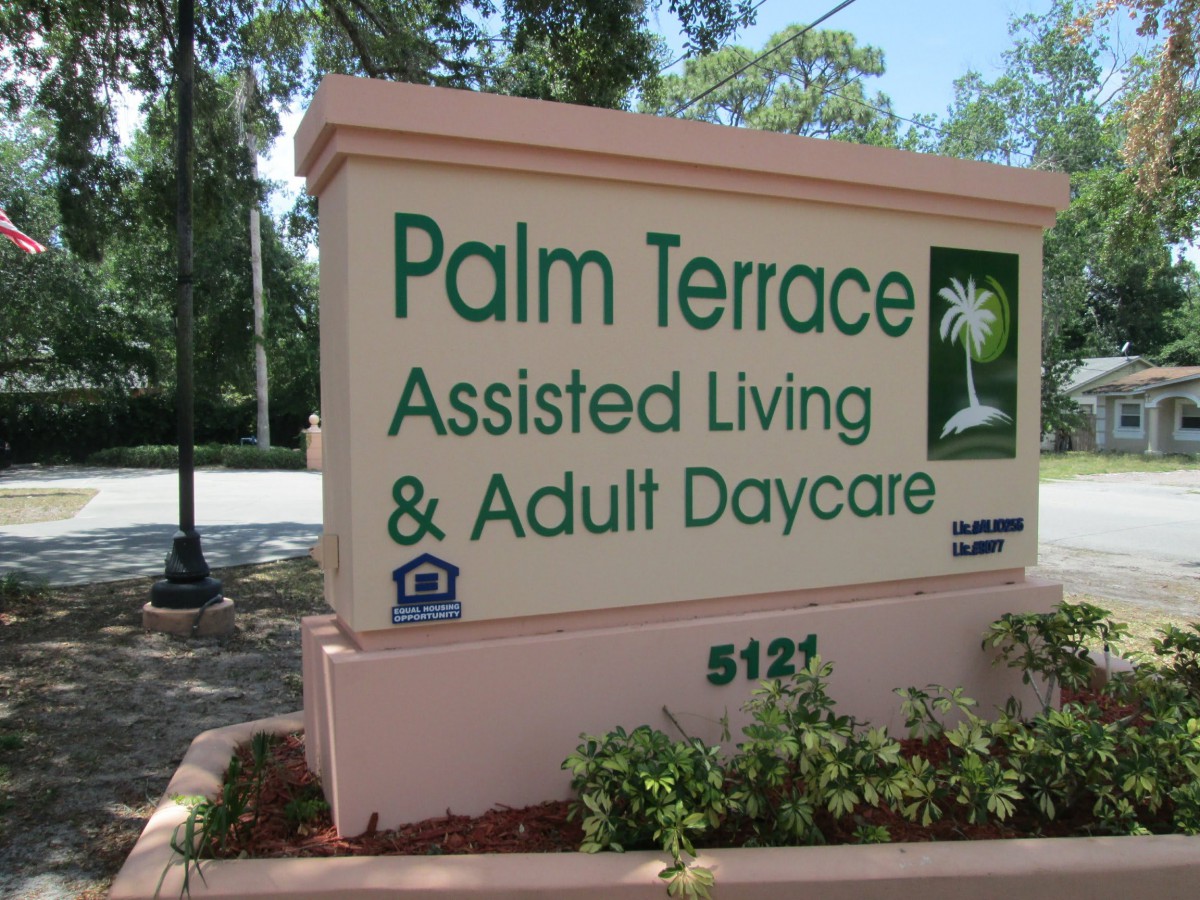
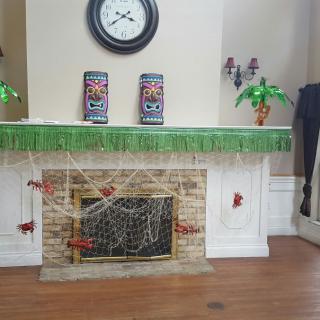
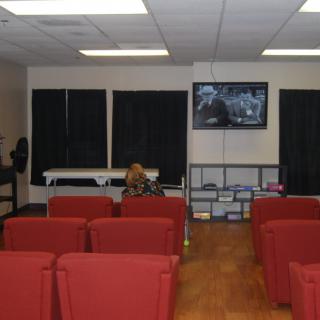
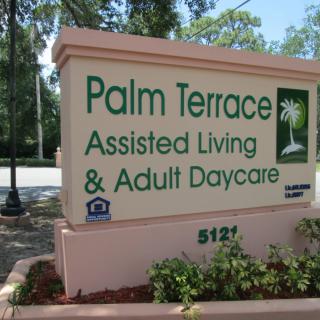
5121 E Serena Dr, Tampa, FL 33617
To contact a resident: (813) 988-0033
For more information about senior living options: (866) 208-4318
Palm Terrace Assisted Living Facility Costs & Pricing
Palm Terrace Assisted Living Facility offers competitive pricing compared to both Hillsborough County and the broader Florida market. For semi-private accommodations, residents enjoy a monthly fee of $2,650, which is notably lower than the county average of $3,096 and the state average of $3,009. Similarly, for those seeking a one-bedroom option, Palm Terrace charges $2,850 per month - significantly more affordable than the county's average of $3,786 and the statewide average of $3,864. This attractive pricing structure not only enhances accessibility for potential residents but also underscores Palm Terrace's commitment to providing quality care in a welcoming environment.
| Floor plans | Palm Terrace Assisted Living Facility | Hillsborough County | Florida |
|---|---|---|---|
| Semi-Private | $2,650 | $3,096 | $3,009 |
| 1 Bedroom | $2,850 | $3,786 | $3,864 |
Assisted Living communities with a similar price nearby
-
from -$450 / mo
Dorothy Cares Assisted Living Facility
$2,200 to $3,300 / month18.4 miles away -
from -$150 / mo
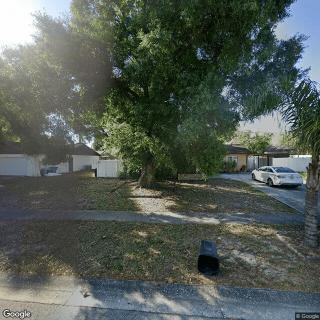
Garden Oasis Alf
$2,500 to $3,500 / month11.0 miles away -
from +$350 / mo
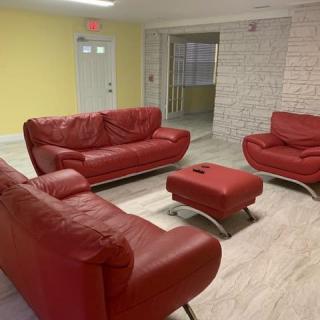
Mary's Assisted Living Facility House
$3,000 / month2.3 miles away -
About the same
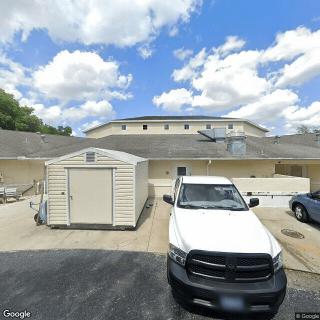
Alafia Village
$2,700 to $4,000 / month12.6 miles away -
from -$150 / mo

Mi Bello Hogar Living Facility
$2,500 / month7.1 miles away
Overall Review of Palm Terrace Assisted Living Facility
Pros
 The facility is excellent.
 - The staff is great and genuinely caring.
- The staff member is cheery, helpful, and consistently meets residents' needs.
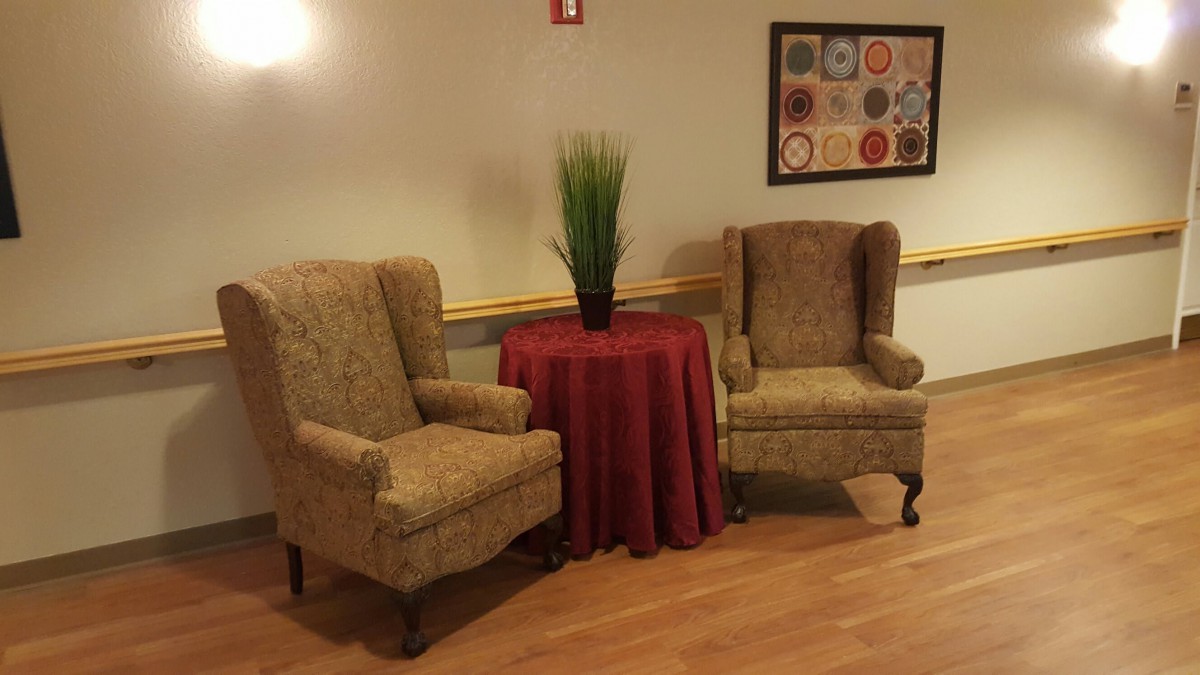
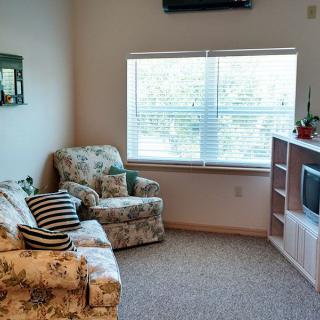
- The community is clean, well kept, and inviting.
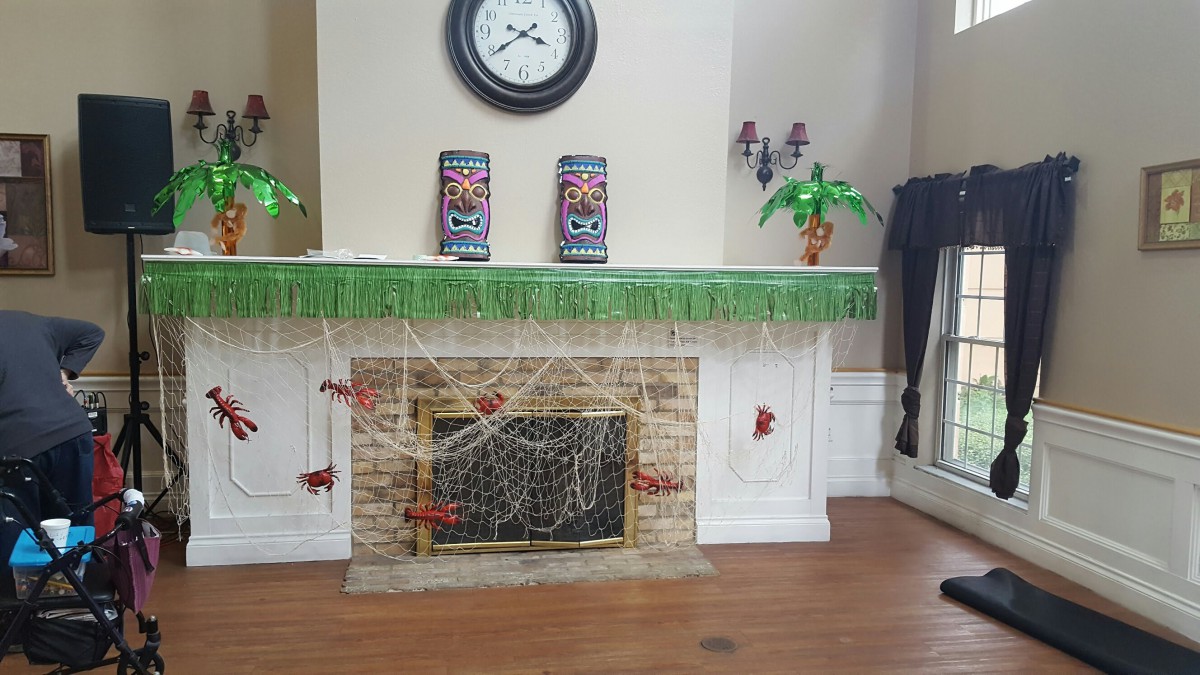
- The activities director is amazing and goes the extra mile to keep residents engaged.
- Residents are treated like family and feel warm, welcome, and valued.
- The meals and amenities meet residents' needs and expectations.
Cons
 The reviewer notes that belongings were lost, not shipped, and ultimately discarded, making them wary of the place.
- The reviewer states that the level of care and food was so bad that they would not give the facility even one star.
- The reviewer mentions that the staff did not seem capable of handling residents with dementia and appeared understaffed.
- The reviewer points out that residents in common areas were not offered any drinks and were told there was a machine in the front lobby.
- The reviewer observes that the activities director is spread thin and could use some help.
Review
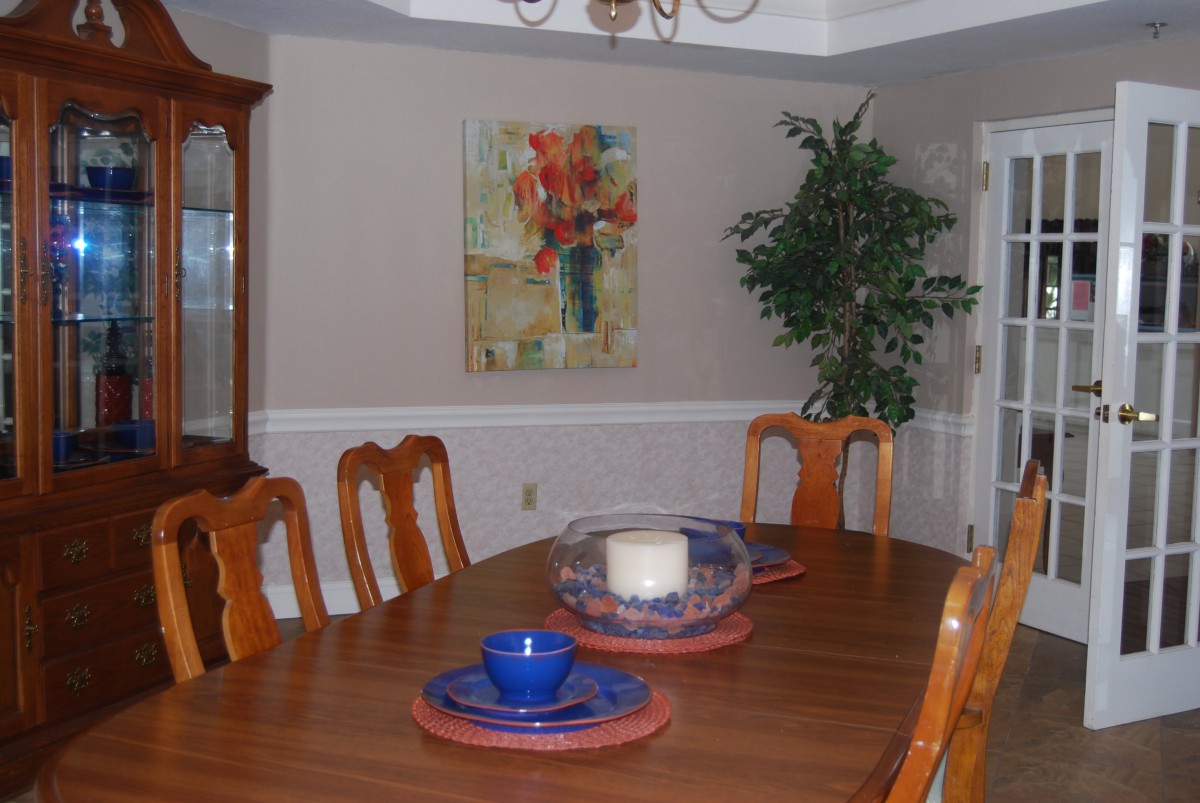
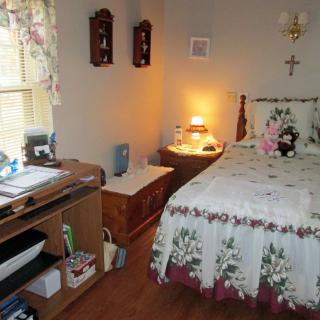
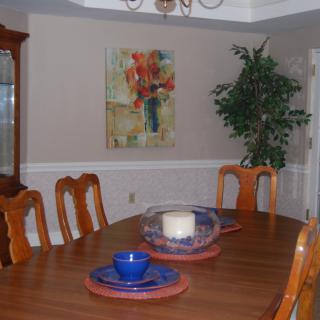
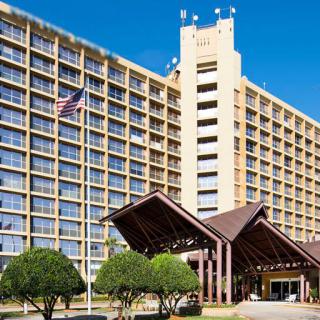
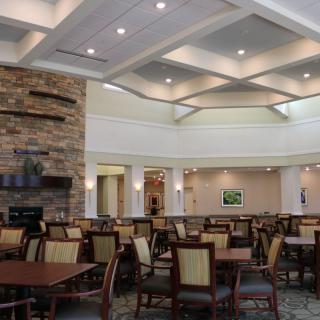
Palm Terrace Assisted Living in Tampa is best suited for seniors who want a warm, socially rich environment with genuinely engaged staff, dependable daily routines, and a home-like atmosphere. This community shines for residents who thrive on frequent caregiver interaction, predictable schedules, and a robust calendar of activities. Families seeking transparent, proactive communication and an adaptable option that accommodates daytime care needs will find Palm Terrace responsive and accessible. The facility’s clean, well-appointed spaces and appealing dining environment support a comfortable transition from independence while preserving a sense of belonging.
At the same time, certain realities merit careful consideration. Those facing or anticipating advanced memory needs or a rapid escalation in medical supervision should explore alternatives with stronger dementia care capabilities and higher nurse-to-resident staffing levels. Instances of belongings going missing or being discarded, even if later recovered, raise questions about accountability and procedures for personal property. For families prioritizing guaranteed hydration and vigilant oversight in common areas, or those needing immediate, hospital-level contingency planning, Palm Terrace may require closer scrutiny or comparison with higher-acuity options.
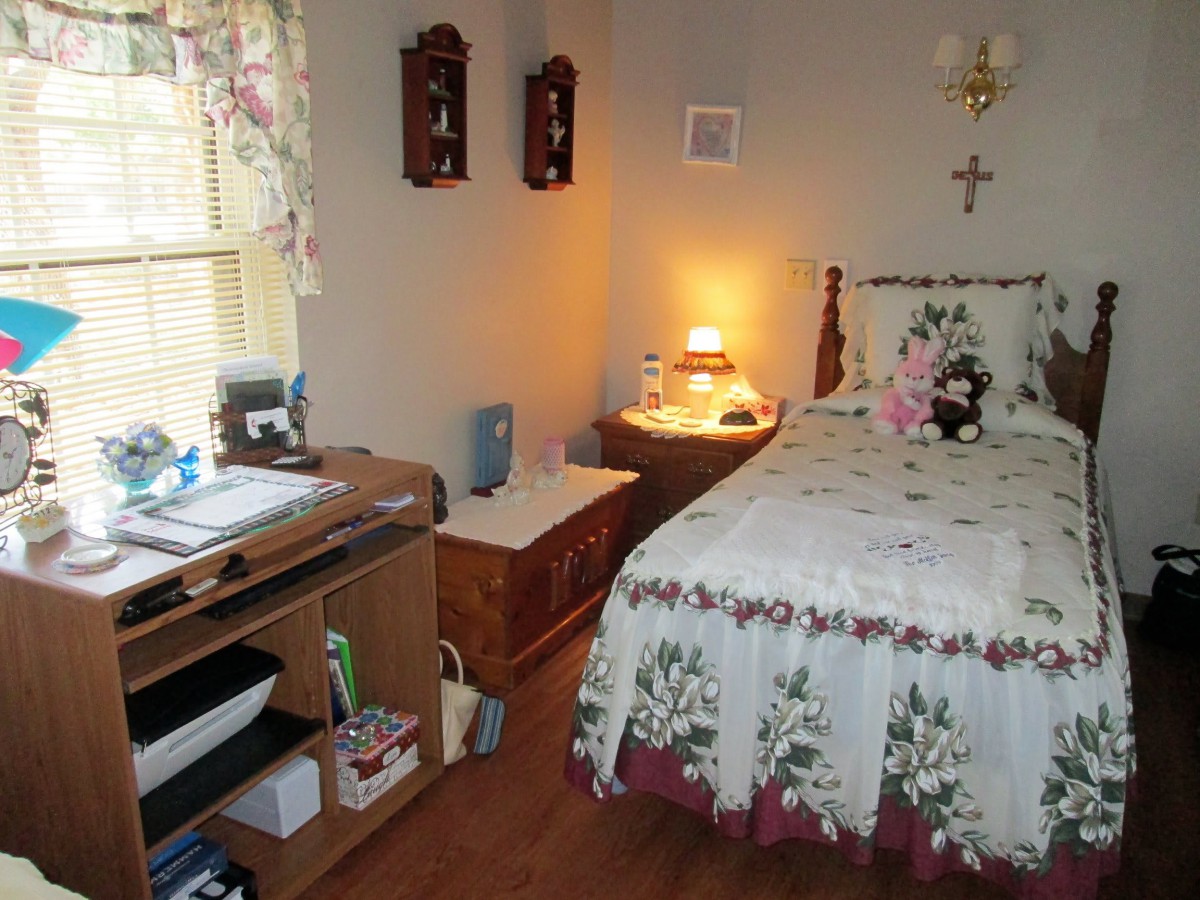
The core strengths of Palm Terrace offset most concerns for many residents. Staff members are consistently described as helpful, cheerful, and reliable, with particular praise directed at the admissions process and on-site caregivers who treat residents with genuine warmth. Family members report strong communication from administrators and care teams, which fosters trust during transitions and ongoing needs. The dining program earns accolades for quality, and the facility emphasizes cleanliness and updated interiors. The living spaces offer residents their own room, contributing to autonomy within a supportive, shared environment. A robust slate of activities, bingo, Jeopardy, and other engaging offerings, helps maintain social connection and cognitive stimulation, often coordinated by an activities director lauded for devotion and initiative.
However, these positives confront notable caveats. The most serious concerns center on dementia-capable care and staffing adequacy during peak times. A couple of reviews recount situations where a resident with dementia or higher care needs could not be adequately supported, delaying critical assistance or discharge coordination. Hydration in common areas was noted as an area needing improvement, with residents sometimes directed to a front-desk machine rather than being offered drinks directly. The lingering impression is that while the staff is caring and communicative, the facility’s capacity to scale up for complex medical needs or memory care is uneven, and operational gaps can impede seamless, round-the-clock support.
For families evaluating Palm Terrace, the decisive factor is alignment with the resident’s current care trajectory. If independence is paired with social engagement, good nutrition, and a dependable care partner who communicates well, Palm Terrace delivers substantial value and a sense of security. The strong personal connections, with staff who feel like an extension of the family, translate into a lived experience that many residents embrace and relive each day. The activities program, especially the proximity of an exceptionally capable activities director, helps maintain normalcy and enjoyment, while the option to utilize adult day care adds flexibility for caregivers seeking respite without sacrificing ongoing social contact for their loved one.
Yet, when memory impairment or high-acuity medical support appears likely in the near term, a candid comparison is advisable. Alternatives with dedicated memory-care wings, higher staffing levels, and more consistent on-site medical oversight may provide the steadier safety net some families require. Prospective residents should seek concrete, current answers about dementia-specific programming, staff ratios across shifts, emergency response protocols, and how belongings are safeguarded and recovered. A thorough tour should include direct conversations about hydration practices, meal accommodations, and the facility’s plan for escalating care as needs evolve. Palm Terrace remains a solid, practical choice for many families, but its suitability hinges on clear expectations about future care demands and the facility’s capacity to meet them without compromise.
 Assisted Living
 Day Program
 Beautician on-site
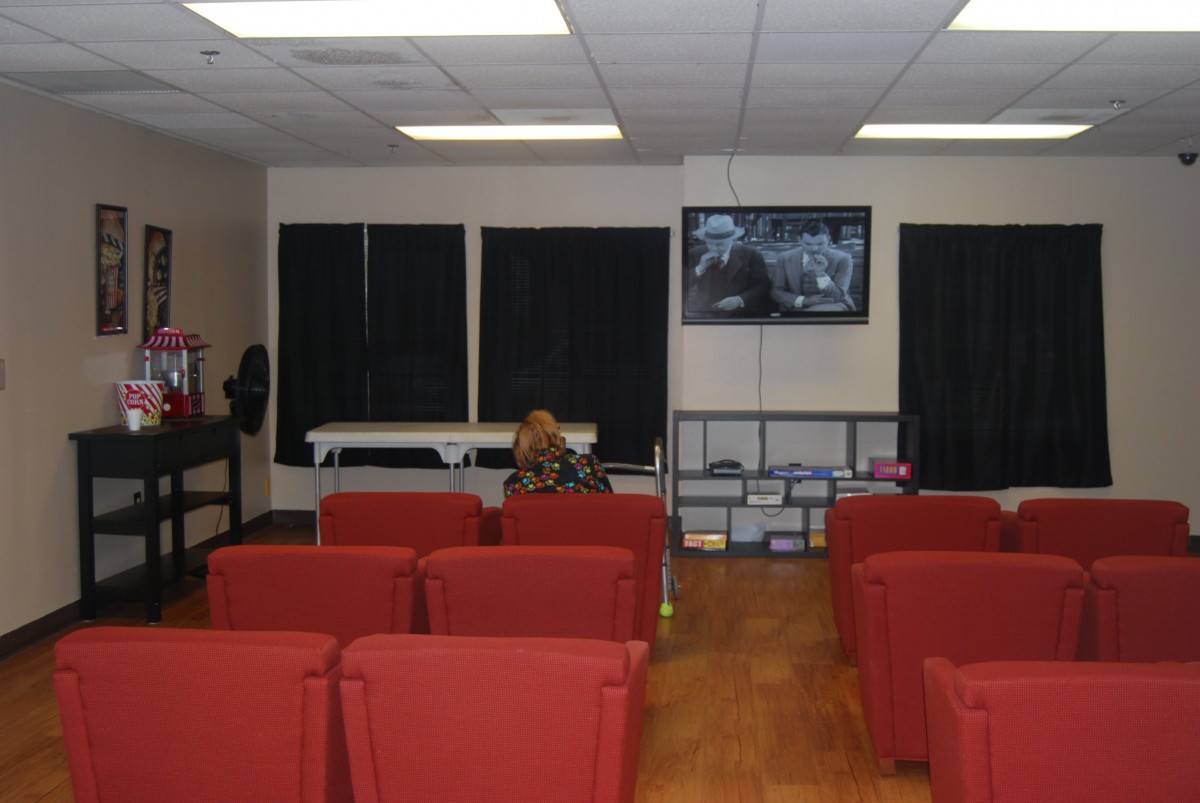
 Cable or satellite TV
 Devotional services off-site
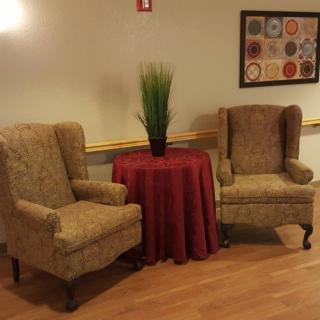
 Indoor common areas
 Kitchenette
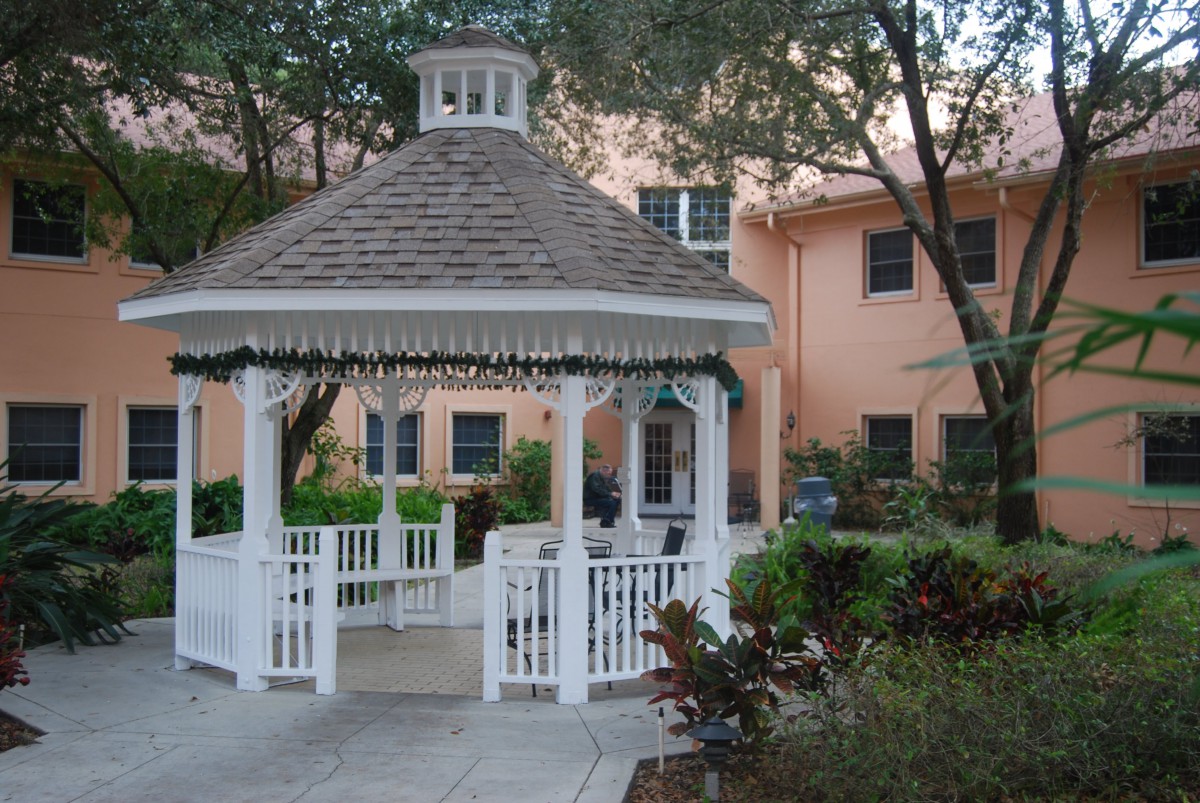
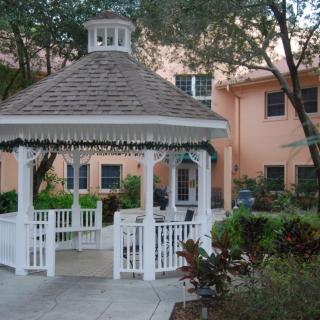
 Outdoor common areas
 Swimming pool / hot tub
 Tampa International (9 miles away)
 Ambulatory care
 Incontinence care
 Medication management
 Low / no sodium
 Art classes
 Day trips and outings
 Educational speakers / life long learning
 Live musical performances
 Live well programs
 Protestant services
 Exploring the Path to Senior Living: A Comprehensive Look at Independent Living and Assisted Living
 Is Assisted Living Deductible on Your Taxes? Understanding the Complexities of Assisted Living Expenses and Deductions
 Assisted Living Support for Veterans: A Complete and Detailed Overview