
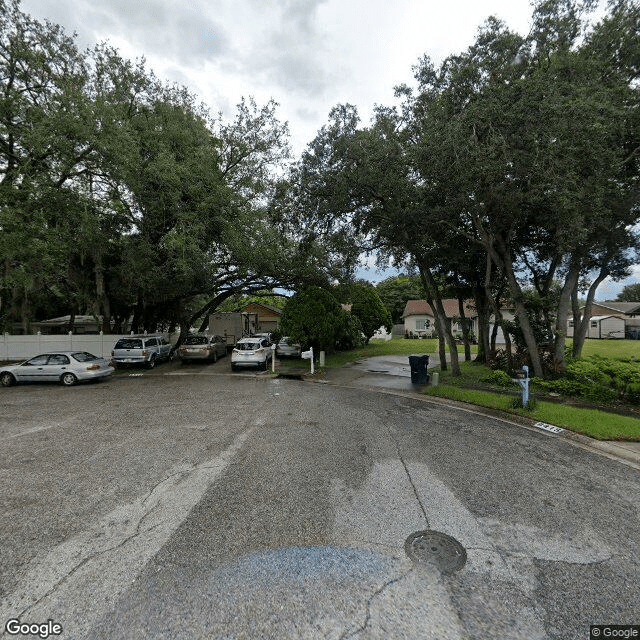
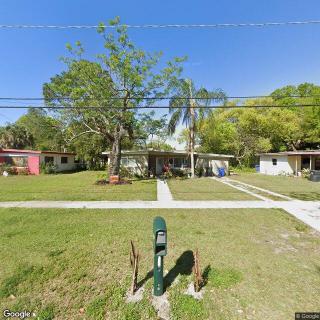
8416 Barrett Place, Tampa, FL 33617
To contact a resident: (813) 443-5121
For more information about senior living options: (866) 208-4318
DLM Home Care Services Assisted Living Facility Costs & Pricing
DLM Home Care Services Assisted Living Facility offers competitive pricing for its residents, providing a more affordable option compared to the average costs in Hillsborough County and the broader state of Florida. For a semi-private room, DLM charges $1,800 per month, significantly lower than the county average of $3,096 and the state average of $3,009. Similarly, their private rooms are priced at $2,100 per month, which is also below the county's average of $3,384 and the state's average of $3,699. This makes DLM Home Care Services an appealing choice for families seeking quality assisted living care without straining their budget.
| Floor plans | DLM Home Care Services Assisted Living Facility | Hillsborough County | Florida |
|---|---|---|---|
| Semi-Private | $1,800 | $3,096 | $3,009 |
| Private | $2,100 | $3,384 | $3,699 |
Senior living communities with a similar price nearby
-
from +$200 / mo
Caregivers Touch ALF
$2,000 to $3,000 / month7.3 miles away -
About the same
Benrac Home Alf
$1,800 to $4,263 / month11.8 miles away -
from +$200 / mo
Elderly Pride Assisted Living
$2,000 to $2,500 / month11.4 miles away -
from +$200 / mo
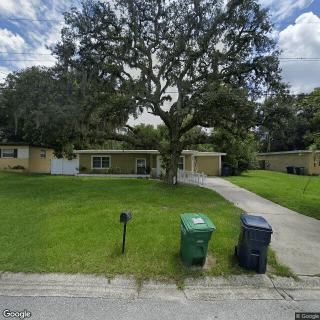
Assisted Living Facility Morning Dew
$2,000 to $2,500 / month1.6 miles away -
About the same
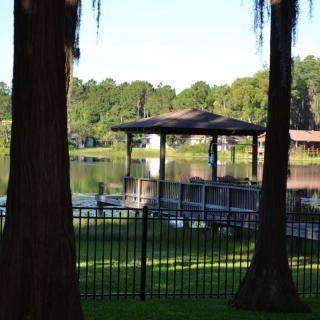
Home Space Assisted Living on Cypress Lake
$1,800 to $2,250 / month11.8 miles away
Overall Review of DLM Home Care Services Assisted Living Facility
Pros
 They have been doing okay since moving here.
- Everyone seems nice, including the staff and the residents.
- They are doing some of the activities offered and meeting new people.
- They like the food.
Review
This community is best suited for seniors who want a small, welcoming, social-focused assisted living option in Tampa, where staff are approachable and residents engage in regular activities. It fits individuals who have light to moderate need for assistance and who prize daily interaction, predictable routines, and a turnkey social scene over high-end amenities. Those who prefer a vibrant peer network, uncomplicated navigation, and a home-like atmosphere will find this setting appealing. It may not be ideal for residents needing intensive medical supervision, specialized memory care, or a cuisine or program with a premium or highly structured feel.
Among the most tangible positives, the staff and residents come across as consistently friendly, creating an inviting, low-stress atmosphere. The ability to participate in activities and meet new people is repeatedly cited as a core benefit, which translates into meaningful social engagement and reduced isolation. The food, while not described as exceptional, is deemed acceptable, and the overall tone suggests a place where meals and shared time together contribute to a sense of routine and belonging. For families, these elements, neighborly staff, easy integration into group activities, and a steady social calendar, offer reassurance that daily life will be manageable and supportive.
Yet the limited review data warrants caution. With only two reviews, both four-star, there is scant detail about clinical care quality, nurse availability, or the specifics of how daily care is delivered. There is no explicit information about memory care services, safety features, or staffing ratios, which leaves a meaningful gap for families evaluating whether medical oversight and emergency responsiveness align with individual health needs. The dining and amenity options lack standout depth in the public narrative, so prospective residents should verify the current menu quality and kitchen responsiveness. In short, the picture is positive but underspecified, making direct inquiries essential.
These strengths offset some potential drawbacks by anchoring the experience in human connection and dependable daily rhythms. A warm, approachable staff combined with regular social programming can compensate for a modest dining program and the absence of dramatic on-site extras. For seniors where companionship and routine take precedence over luxury, the environment can deliver reassurance, continuity, and a sense of community without the clinical feel that can accompany larger facilities. Families prioritizing a straightforward, budget-conscious option with a built-in social fabric will likely feel confident this setting supports ongoing well-being and day-to-day satisfaction.
Decision-making should center on practical validation. Arrange a tour and speak with current residents and staff to gauge warmth, responsiveness, and clarity of communication. Request a sample weekly activity calendar and a current menu to assess the depth and appeal of offerings. Review the care-planning process, frequency of health assessments, how changes are documented, and who has oversight during evenings and weekends. Inquire about transportation for appointments, medication administration, and any on-site medical personnel or partnerships with nearby clinics. Clarify room configurations, all-inclusive pricing, and potential add-ons. If memory care or higher medical oversight is anticipated, explore alternatives with stronger cognitive-support services; otherwise, confirm alignment with desired independence, social engagement, and budget.
Bottom line: this Tampa community delivers a warm, socially focused living experience that suits seniors seeking light assistance and steady engagement. It is a dependable choice for those who value a friendly staff, a collegial resident community, and predictable daily routines. For individuals with significant medical needs, complex memory care requirements, or a demand for premium dining and extensive on-site amenities, alternatives offering greater clinical oversight and specialized programming are prudent. A thorough on-site visit, clear cost breakdowns, and candid conversations about care goals will determine whether this community becomes a satisfying long-term home or if another option better matches the care trajectory and financial plan.
 Board and Care Home
 Activities off-site
 Beautician on-site
 Devotional services off-site
 Indoor common areas
 Outdoor common areas
 Private
 Wheelchair accessible showers
 Tampa International (8 miles away)
 Ambulatory care
 Diabetic care
 Incontinence care
 Medication management
 Meals provided

 Compassionate Conversations: How to Comfort Someone Who Is Grieving
 Home Health Care Aides: Understanding Their Role and Supporting Your Family
 Urinary Tract Infections in Older Adults: Comprehensive Insights on Symptoms, Treatment, and Prevention