
7517 N 40th St, Tampa, FL 33604
To contact a resident: (813) 985-4419
For more information about senior living options: (866) 208-4318
River Pines Apartments Costs & Pricing
River Pines Apartments offers a competitive pricing structure for its private room type, with a monthly cost of $3,500. This rate positions the apartment slightly above the average for Hillsborough County, where similar accommodations typically run around $3,384 per month. However, it remains more budget-friendly compared to the statewide average across Florida, which stands at $3,699. Overall, River Pines Apartments strikes a balance between quality and cost effectiveness within the local market, catering to those seeking comfortable living while still providing value relative to both county and state averages.
| Floor plans | River Pines Apartments | Hillsborough County | Florida |
|---|---|---|---|
| Private | $3,500 | $3,384 | $3,699 |
Independent Living communities with a similar price nearby
-
from +$340 / mo
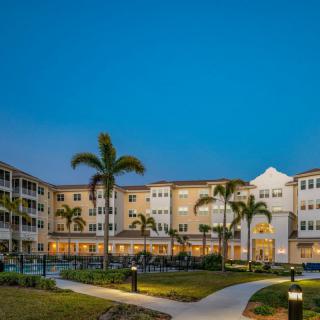
Arbor Terrace Citrus Park Independent Living
$3,840 to $4,440 / month11.0 miles away -
from +$200 / mo
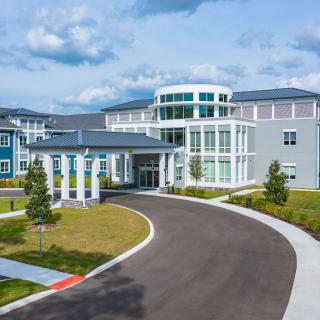
The Meridian at Brandon
$3,700 to $5,900 / month7.5 miles away -
from -$325 / mo

Arbor Terrace at Citrus Park
$3,175 to $5,999 / month11.0 miles away -
About the same

Allegro Hyde Park
$3,450 to $5,375 / month6.3 miles away -
from +$515 / mo
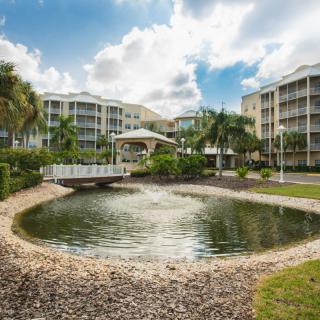
Regal Palms
$4,015 to $5,985 / month22.9 miles away
Overall Review of River Pines Apartments
Pros
 Michael Casanova does maintenance at River Pines and is appreciated by Velton Richardson and other residents.
- He does a wonderful job and takes pride in his work at the senior community.
- The residents thank him for a job well done.
- His dedication to quality service is valued by the complex.
- He consistently delivers reliable maintenance that enhances the community.
Review
River Pines Apartments in Tampa is best suited for seniors who want a straightforward, low-maintenance living arrangement and a small-community feel. This is a residence where independence is the core appeal: residents who can handle most daily routines with limited on-site support, and who appreciate a property that is clearly cared for and where repairs and upkeep are treated as a priority. The emphasis on a well-kept environment and reliable, visible pride in maintenance makes it attractive to those who want fewer hassles around upkeep and a sense that the basics, apartment interiors, common areas, and grounds, are consistently tended.
Those who may want to consider alternatives are residents who require regular personal care, medication management, or on-site clinical oversight. For families evaluating options, River Pines should be weighed against communities that provide licensed assisted living services, memory care, or more structured social programming. If daily living assistance, predictable care staffing, or more extensive activity calendars are non-negotiables, other communities will likely deliver a closer fit. In short, River Pines leans toward independence with minimal reliance on on-site caregiving, not toward a full-service care residence.
The strongest, most actionable pro here is the maintenance culture. A resident-centered maintenance ethic is not merely decorative; it translates into quicker responsiveness and a steadier standard of living. The public acknowledgment of a staff member, the maintenance technician who takes pride in his work and earns appreciation from Velton Richardson and other residents, signals reliability in responding to repair requests, preserving safety, and minimizing downtime when something in an apartment or the building infrastructure needs attention. That consistency matters for peace of mind, reduces daily friction, and helps prevent small issues from becoming larger, costlier problems.
However, the tangible advantages of strong maintenance cannot fully compensate for the absence of on-site care services. The community’s value proposition hinges on upkeep and a modest lifestyle, but it sits at a higher risk if health needs change. The limited feedback available, two reviews total, including a positive 5-star note about staff pride and a single 3-star rating, suggests both satisfaction and unresolved questions remain about amenities, programming, and the overall suitability for residents who will eventually require more comprehensive support. In practical terms, families should expect a solid housing foundation, with a potential trade-off in access to daily living assistance, structured activities, and real-time care oversight.
The narrow lens of the feedback implies a cautious approach to decision-making. Pros such as clean, well-maintained living spaces and a responsive maintenance team do offset some everyday anxieties about aging in place. They reduce the odds of nuisance repairs lingering and contribute to a safer, more comfortable environment. Yet the absence of clearly documented on-site care services or a robust activity program means this community is unlikely to satisfy households seeking turnkey assisted living or memory care. The decision hinges on whether the resident’s needs can be met through independent living with periodic maintenance support, rather than around-the-clock care.
For families moving through a structured decision process, concrete steps help separate fit from mismatch. Visit for a firsthand look at apartment conditions, common areas, grounds, and safety features such as lighting, handrails, and emergency response systems. Ask about what is included in monthly fees, what transportation options exist, meal arrangements, housekeeping, and any available wellness checks. Probe the current ceiling on support services, build a plan for changing needs, and solicit candid answers about how quickly maintenance requests are resolved. If the goal is a simple, well-kept home base with dependable upkeep, River Pines can be a strong match; if the goal is guaranteed daily care and a rich, on-site program, alternatives deserve serious consideration.
In the end, River Pines Apartments presents a credible option for independent seniors who prize reliability in housing maintenance and a calm, manageable environment. It stands out for the quality of its maintenance ethic, which translates into tangible daily relief. The question is whether that foundation is sufficient given potential future needs for personal care and more intensive programming. For families prioritizing hands-on care and a broad set of on-site services, alternatives should be pursued. For those prioritizing a dependable, modest living setting with responsive maintenance, River Pines warrants serious consideration.
 Independent Living
 Tampa International (8 miles away)
 Exploring the World of Home Health Nurses: Qualifications, Roles, and Hiring Tips
 Navigating Medicare Coverage for In-Home Care Services
 In-Home Care Costs in 2025: A Detailed State-by-State Exploration