
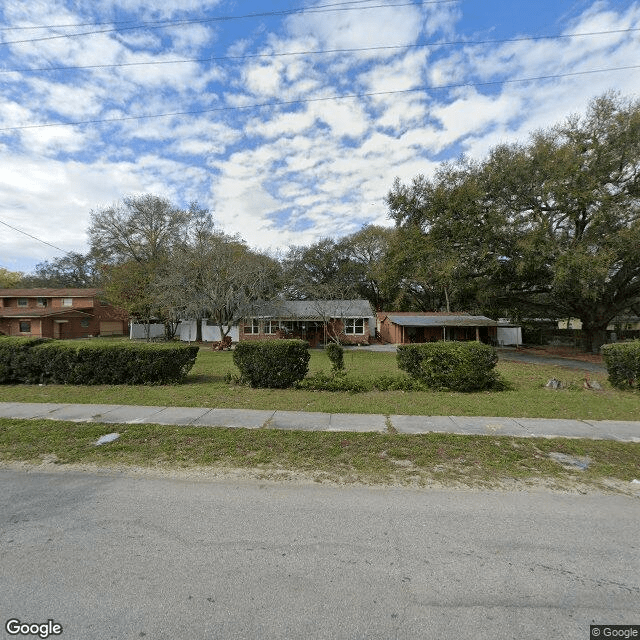
6916 N 30th St, Tampa, FL 33610
To contact a resident: (813) 237-5792
For more information about senior living options: (866) 208-4318
Overall Review of Jeanette Boston ALF
Pros
 It is a great place.
Cons
 Her room is old with holes in the ceiling and walls.
- The staff seem preoccupied with washing their cars rather than taking care of the residents.
- They wheel residents into the TV room and leave them.
- They let the residents sit on the porch without supervision.
Review
Jeanette Boston ALF in Tampa is best suited for independent seniors or those who need only light daily assistance and are prioritizing affordability over pristine interiors. This community works for residents who can manage modest supervision and do not require high-intensity care or a modern facility. Families should enter with realistic expectations about the building’s condition and the level of daily hands-on attention, and be prepared to participate actively in care planning to help safety and consistency hold steady.
Who should consider alternatives becomes clear quickly: residents who need frequent, hands-on care, robust monitoring, or specialized services will likely find this option insufficient. The combination of an aged interior, maintenance gaps, and staff divided attention creates a higher risk of delayed assistance and limited supervision. If dependable daily programming, modern amenities, and strong safety measures are non-negotiable, it’s prudent to explore other communities. A setting with more proactive engagement, clearer staffing commitments, and better upkeep will typically deliver a more predictable experience.
On the upside, the facility does offer basic social spaces that matter for mood and connection. A shared TV room provides a central spot for casual activity, and a porch offers outdoor time that can support social interaction and fresh air. The standout positive note, some reviewers calling it a “great place”, hints at moments when operations align and staff can deliver comfortable, supportive routines. Those favorable impressions matter for residents who value simple, everyday interactions and a straightforward social rhythm. Yet these positives are fragile if maintenance or supervision falters, and they do not cancel the underlying concerns present in several visits.
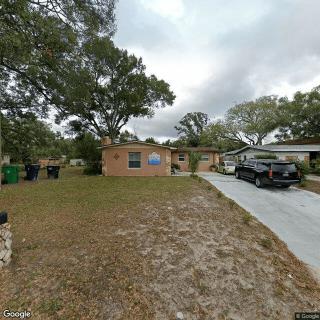
The most troubling concerns are concrete and recurring. Descriptions of rooms that are old or in disrepair, holes in ceilings and walls, signal ongoing upkeep problems that can escalate into safety issues. Reports that staff appear more focused on washing cars than addressing resident needs point to a misallocation of time and attention. The practice of wheeling residents into a TV room and leaving them there, combined with unsupervised outdoor space, points to a culture of minimal proactive care and limited real-time supervision. In practical terms, care here can feel reactive rather than protective, and the risk increases as residents’ needs grow or emergencies arise.
To decide with clarity, conduct a disciplined, detail-focused tour and press for specifics. Ask for a comprehensive maintenance schedule, recent upgrades, and a clear plan for ongoing repairs. Inquire about staff-to-resident ratios, consistency of caregiver assignments, and on-site supervision policies, especially in common areas and outdoor spaces. Probe daily programming, meals, medication management, and the exact process for emergency response and after-hours care. Speak with current residents and their families about response times and the quality of day-to-day support. If the answers reveal reliable staffing, timely help, and clean, well-kept surroundings, the drawbacks may be tolerable; otherwise, move on to options with stronger evidence of consistent care and safety.
Bottom line: Jeanette Boston ALF can be a workable choice for budget-conscious seniors who are largely independent and can tolerate an older building with lean staffing. It is not the right fit for residents who require steady, high-touch care, modern amenities, or rigorous supervision. Families assessing options should compare with communities offering stronger upkeep, more engaging programming, and clearer accountability in daily care. If choosing here, commit to close oversight, set concrete expectations, and be prepared to reassess quickly if care quality or safety indicators drift. For many, the wiser move is toward facilities that promise firmer staffing commitments and safer, cleaner environments where supervision and engagement are consistently present.
 7 resident community capacity
 Assisted Living
 Board and Care Home
 Cable or satellite TV
 Dining room
 Fully furnished
 Garden
 Housekeeping services
 Move-in coordination
 Outdoor space
 Telephone
 Wi-Fi/high-speed internet available
 Tampa International (7 miles away)
 24-hour supervision
 Activities of daily living assistance
 Assistance with bathing
 Assistance with dressing
 Assistance with transfers
 Diabetes diet
 Meal preparation and service
 Medication management
 Special dietary restrictions
 Transportation arrangement (medical)
 Transportation to doctors appointments


 Assisted Living Support for Veterans: A Complete and Detailed Overview
 Exploring the Contrasts Between Assisted Living and Skilled Nursing
 8 Key Indicators That Suggest It May Be Time to Transition from Assisted Living to Skilled Nursing Care