
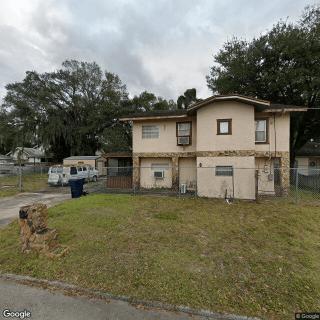
2400 E Henry Ave, Tampa, FL 33610
To contact a resident: (813) 272-2219
For more information about senior living options: (866) 208-4318
Overall Review of Tlc Graham Home
Pros
 The staff at Graham Home are amazing.
- The apartments are cozy and private, with independent living encouraged.
- The staff make residents feel welcome.
- The place is very clean.
- Residents are happy living there and would recommend it to other families.
Cons
 They claim Patty, the apartment manager, charged their mother $3,000 in rent after the fact, forced her to leave by a date written to her, and cannot be trusted; they say she caused their mother stress and anxiety.
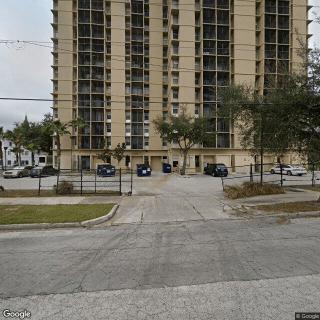
- They say the building is a joke, with elevators frequently down and no explanation; the office staff seem uncaring and tenant safety is neglected.
- They say they couldn’t find their father for two months; tenants aren’t notified when someone walks off; bedbugs and alcohol are in the building, showing they don’t care about tenants and it’s not suitable for elderly residents.
- They gave it zero stars.
- They say the Graham Home staff were insensitive and did not renew the lease, leaving them homeless.
Review
Tlc Graham Home in Tampa is best suited for seniors who prize a private, compact apartment and want to maintain independence with minimal daily support. The strongest positives center on a cozy living space that tenants can call their own, a level of cleanliness that some residents repeatedly praise, and staff interactions that feel welcoming when they are present. For residents who value a straightforward, independent-living setup and can tolerate administrative variability, the atmosphere can feel comfortable and personal, with enough resident-to-resident goodwill to make a private unit feel like a home.
Nevertheless, serious caveats accompany those positives. The most visible red flags are not cosmetic but procedural: disputes over leases and rent, allegations of heavy-handed actions by management, and the threat of being moved or even evicted with little predictability. In at least one account, a lease issue escalated into a six-figure financial demand after a move-out, casting doubt on trust and financial transparency. Other residents report a pattern of staff behavior that feels insensitive or untrustworthy, undermining the sense of security that families expect from senior housing.
On balance, the pros, private, clean apartments and a generally welcoming staff demeanor when operating smoothly, do not consistently offset the main cons. The recurring concerns about management practices, including alleged coercion, nonrenewals, and a lack of proactive communication, intensify the risk associated with long-term residency. Elevators that fail without clear explanations, limited staff responsiveness to basic safety needs, and reports of unsafe conditions such as unaddressed pest issues or unsupervised episodes within the building all contribute to an environment where day-to-day stability is not guaranteed. For families seeking steady oversight and predictable service, these shortcomings are more than mere irritants; they are potential disruptors of dignity and routine.
Safety and reliability emerge as the defining fault lines. Multiple reviews point to elevated concerns about resident well-being: delayed or opaque maintenance, inconsistent enforcement of building rules, and alarming anecdotes about residents leaving unexpectedly or being left without housing security. The absence of consistent, transparent procedures, especially around move-out timing, lease renewals, and dispute resolution, creates a climate where independent living can feel precarious rather than liberating. In practical terms, this translates into a higher burden on residents and families to vigilantly supervise administrative processes that should be safeguarded by competent property management.
For families considering options here, concrete due diligence is essential. Prior to any commitment, request sightlines into current management practices: who handles lease renewals, how rent adjustments are communicated, and what formal channels exist for grievances. Insist on a tour that includes a clear explanation of elevator service status, pest control measures, and documented safety protocols. Speak with several residents beyond a single glowing reference to gauge consistency in the experience. Seek specifics on maintenance response times, incident reporting, and any upcoming capital improvements that would reduce risk and improve day-to-day life. If possible, obtain written expectations about move-out procedures, refunds, and conflict resolution to minimize ambiguity.
Ultimately, this community may work for a subset of independent-minded seniors who can navigate imperfect administration and place a premium on a private, clean living space. For anyone prioritizing reliable, transparent management, guaranteed safety, and predictable processes, alternatives deserve serious consideration. Tampa offers other senior living options where leases, maintenance, and resident safety are less vulnerable to variability, with clearer accountability and more consistent communication. Decision-makers should weigh the comfort of a private apartment against the real-world likelihood of administrative friction and safety concerns, choosing a path that minimizes risk while maximizing the chance of a stable, respectful living experience.
 Board and Care Home
 Tampa International (6 miles away)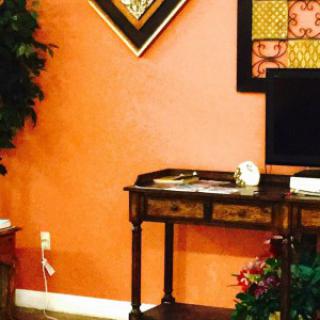

 Comprehensive Exploration of Living Wills and Other Advance Directives
 A Detailed Exploration of Living Wills and Advance Directives
 Comprehensive Guide to Medicare Coverage for Hospice Care