
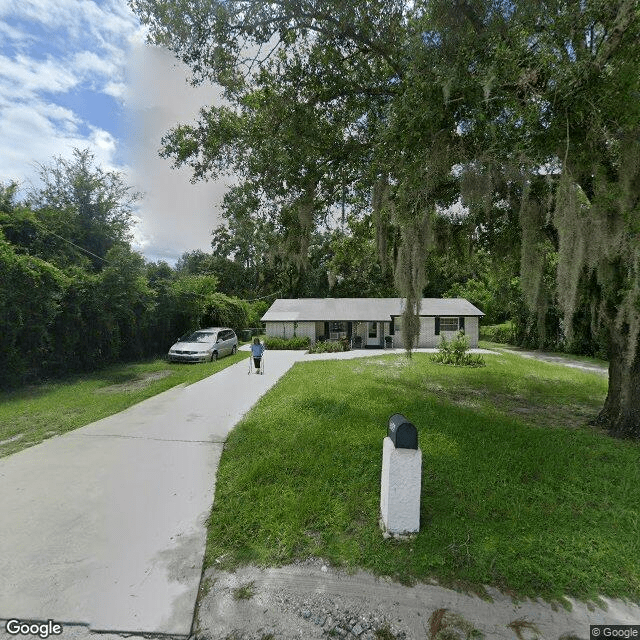
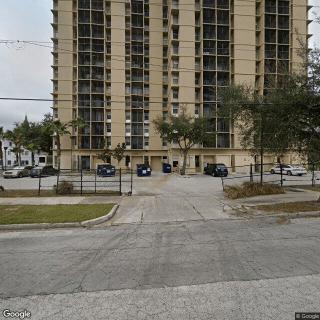
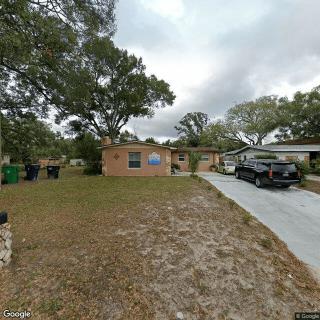
5906 N 32nd St, Tampa, FL 33610
To contact a resident: (813) 237-1330
For more information about senior living options: (866) 208-4318
Ruby's Residence Costs & Pricing
At Ruby's Residence, the monthly costs for accommodations reflect a premium level of care and comfort. For a semi-private room, residents can expect to pay between $3,750 and $6,000, which is noticeably higher than the average rates in Hillsborough County ($3,096) and across Florida ($3,009). Those opting for a private room will find the costs ranging from $4,900 to $8,900; again, this exceeds both county averages ($3,384) and the state average ($3,699). While these figures suggest that Ruby's Residence positions itself at the higher end of the market spectrum, they also indicate a commitment to providing enhanced services and amenities that cater to the needs of its residents.
| Floor plans | Ruby's Residence | Hillsborough County | Florida |
|---|---|---|---|
| Semi-Private | $3,750 to $6,000 | $3,096 | $3,009 |
| Private | $4,900 to $8,900 | $3,384 | $3,699 |
Senior living communities with a similar price nearby
-
from -$315 / mo
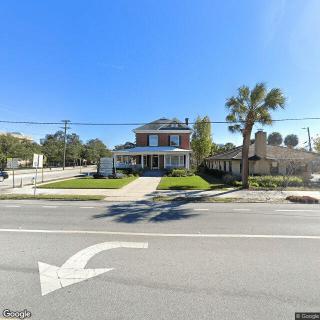
A Care Connection - Tampa, FL
$3,435 to $3,450 / month5.0 miles away -
About the same

Arbor Terrace Citrus Park Independent Living
$3,840 to $4,440 / month10.9 miles away -
from -$655 / mo
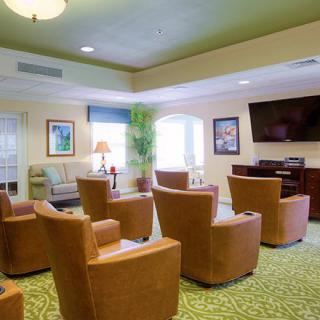
Homewood At Sun City Center
$3,095 to $6,500 / month20.1 miles away -
About the same
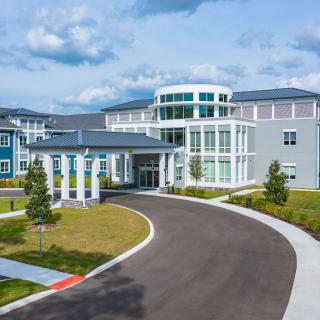
The Meridian at Brandon
$3,700 to $5,900 / month6.9 miles away -
from +$250 / mo

Ronny's Assisted Living
$4,000 / month8.9 miles away
Overall Review of Ruby's Residence
Pros
 The staff show compassion for the residents and go above and beyond.
- The staff are amazing.
- There is an at-home feeling at the facility.
- There is no better place for a loved one.
Review
Ruby's Residence in Tampa, Florida, is best suited for families seeking a smaller, intimate senior living option where caregiving is anchored in warmth and personal attention. The emphasis on a home-like atmosphere suggests comfort and familiarity for residents who respond well to consistent, relational care. This setting appeals to those who value staff who know them by name, notice subtle changes, and go above and beyond to support everyday living. In short, it serves as a strong choice for families prioritizing humane, compassionate caregiving and the reassurance that comes from a close-knit care team.
That said, several scenarios merit considering alternatives. If medical needs are complex, requiring high levels of clinical oversight, or if a broad calendar of structured activities and social programs on a larger campus is essential, this community may feel limited. Families with residents who require specialized memory care, intensive nursing, or around-the-clock supervision could prefer a setting with more extensive on-site resources. In these cases, exploring other options that offer deeper clinical staffing, expanded amenities, and clearer care pathways can prevent frustration later.
On the positive side, the standout attribute is compassionate care. The reviews highlight staff who consistently demonstrate patience and commitment, turning daily routines into experiences that feel supported rather than routine. That relational strength translates into an at-home feel that reduces anxiety for residents and provides families with visible reassurance. The sense that caregivers truly see the person behind the chart can improve mood, engagement, and perceived safety. In a setting where reliability and warmth are prized, these elements often outperform more clinical environments in terms of daily quality of life.
Yet the picture is not without caution. The community carries a modest footprint in the data available: only two reviews, with a 3-star overall rating based on those impressions, and one strongly positive voice alongside a clearly negative one. That combination signals potential variability in experience and results, not a uniform standard. Prospective families should probe for consistency in staffing, responsiveness, meal quality, and safety measures. The lack of breadth in public feedback means one should not assume uniform satisfaction, visits, written care plans, and direct conversations with staff are essential to validate fit.
Still, the favorable elements can materially offset the risks for the right resident. In a smaller team, caregivers often know preferences intimately, adapt routines quickly, and sustain continuity of contact during shifts. This can be especially valuable for seniors who fear change or who thrive on predictable, person-centered routines. For these residents, the warmth and attentiveness may trump the absence of a more expansive activity calendar or a high-end campus feel. The trade-off is acceptable when the priority is dignity, connection, and daily reassurance.
Practical next steps include scheduling an in-person tour focused on care dynamics, not just décor. Ask about staff-to-resident ratios during various shifts, hands-on areas like dressing, bathing, medication management, and how care plans are updated. Inquire about memory care options, emergency coordination with local hospitals, meal variety, and opportunities for social engagement. Speak with staff and current residents to gauge consistency of the positive experiences reflected in the ratings. If the mission aligns with the importance placed on compassion and a home-like rhythm, Ruby's Residence offers a compelling option; if medical complexity or broad program breadth is nonnegotiable, families should keep exploring.
 Board and Care Home
 Tampa International (7 miles away)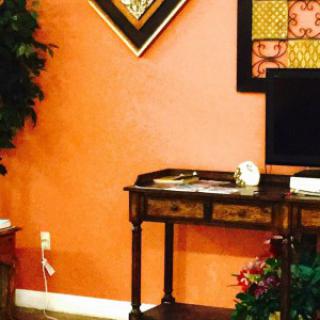

 Engaging Brain Games and Innovative Apps to Keep Senior Minds Active
 Effective Strategies for Keeping Seniors' Minds Active: A Deep Dive into Brain Games and Apps
 In-Depth Look at the VA Aid and Attendance Program