Residents and families repeatedly describe compassionate, attentive care from the staff.
Many reviews say staff members are caring, patient, and responsive to residents’ needs. Several also highlight good communication, with families feeling kept informed and supported. A few reviews add that teamwork and professionalism show up in day-to-day care and rehab progress.
common7 reviews mention this
Rehab therapies are a focus
Therapy services, including PT/OT and speech therapy, are a recurring part of the experience.
Multiple reviews mention physical and occupational therapy, and some add speech therapy as part of rehabilitation. Families describe encouraging therapy teams and improvements during the stay. There are also complaints from a few reviewers saying therapy wasn’t delivered as expected or that care coordination fell short.
common4 reviews mention this
Activities keep residents engaged
Residents are frequently described as staying engaged through scheduled activities and outings.
Reviews highlight activities that help residents stay active and involved, including day-to-day engagement and resident participation. Families also mention special events, including a Veteran’s Day event. When activities are praised, it’s often tied to residents feeling safe and supported while participating.
common3 reviews mention this
Dining improves in recent feedback
Food is mentioned in a few reviews, including comments about noticeable improvement.
Some families describe meal quality positively, including that the food has improved. Others mention how meals look and are prepared, connecting dining to the overall experience. The review set also includes residents receiving meals consistent with special diets mentioned in the care and dining details.
caveat5 reviews mention this
Clean facility, but odor complaints
Cleanliness gets praise, but multiple reviews cite strong odor issues.
Several reviews call out that the facility is clean, well-maintained, and even describe a welcoming smell. At the same time, other reviewers repeatedly complain about a persistent smell of urine and feces. Taken together, the feedback suggests cleanliness is inconsistent across visits and units.
caveat3 reviews mention this
Room crowding is a concern
A few reviewers criticize the shared-room setup and limited personal space.
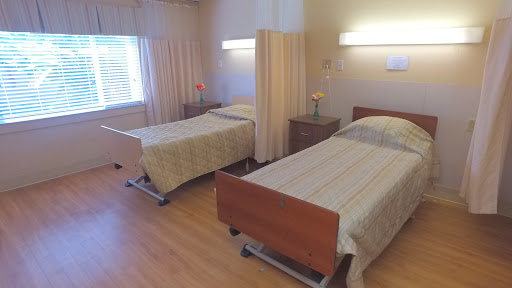
Some negative reviews describe rooms with four people and very tight personal space, including problems with noise when other residents are upset. Other feedback also mentions items going missing during the stay, adding to concerns about attention to details in day-to-day routines. Positive reviews describe the facility as maintained and pleasant, but the room layout complaints stand out as recurring negatives.
How we summarize
Counts show how many written reviews mention each theme; a review can touch several themes, and only frequently mentioned themes are displayed.
Features
Housing
236 resident community capacity
Types of Care
Assisted Living
Skilled Nursing Facility
Amenities
Activities on-site
Air-conditioning
Beauty salon
Cable or satellite TV
Computer center
Devotional services off-site
Dining room
Fitness room
Fully furnished
Gaming room
Garden
Housekeeping services
Indoor common areas
Kitchenette
Move-in coordination
Outdoor space
Private bathrooms
Restaurant-style dining
Small library
Telephone
Wellness center
Wi-Fi/high-speed internet available
Transportation
Tampa International (6 miles away)
St. Petersburg-Clearwater International (16 miles away)
Community operated transportation
Transportation arrangement
Transportation arrangement (non-medical)
Transportation to doctors appointments
Care Services
12-16 hour nursing
24-hour call system
24-hour supervision
Activities of daily living assistance
Ambulatory care
Assistance with bathing
Assistance with dressing
Assistance with transfers
Diabetes diet
Diabetic care
Meal preparation and service
Medication management
Mental wellness program
Special dietary restrictions
Dining
Diabetes diet
Meals provided
Special dietary restrictions
Activities
Activities on-site
Community-sponsored activities
Concierge services
Devotional activities offsite
Fitness programs
Planned day trips
Resident-run activities
Scheduled daily activities
Nearby Places of Interest
This area of Tampa, Florida offers convenient access to essential amenities and services for seniors. With several pharmacies including Winn-Dixie, Walmart, Walgreens, and CVS within a short distance, medication needs can be easily met. There are also a variety of dining options ranging from fast food to upscale restaurants like James Joyce Irish Pub & Eatery and Columbia Restaurant - Ybor City. For those looking to enjoy a cup of coffee or a light meal, cafes such as Starbucks and Panera Bread are nearby. In terms of healthcare, there are reputable physicians and hospitals like Florida Hospital Carrollwood and H Lee Moffitt Cancer Center in close proximity. Additionally, transportation options include train stations and Tampa International Airport for easy travel. Overall, this area provides a convenient and well-rounded living environment for seniors in Tampa.
Pharmacies
Winn-Dixie (0.7 miles)
Walmart Pharmacy (0.8 miles)
Walgreens (0.8 miles)
CVS Pharmacy (1.5 miles)
Walgreens (2.2 miles)
CVS Pharmacy (2.7 miles)
Walgreens (3.1 miles)
Restaurants
McDonald's (0.8 miles)
McDonald's (1.5 miles)
James Joyce Irish Pub & Eatery (1.7 miles)
Columbia Restaurant - Ybor City (1.8 miles)
Armature Works (2.1 miles)
Ulele (2.2 miles)
La La S Sangria B (2.6 miles)
Cafes
Starbucks (1.1 miles)
King State (1.2 miles)
JW Marriott Market Cafe (3.1 miles)
Starbucks | UT (3.2 miles)
Starbucks (3.3 miles)
Panera Bread (3.5 miles)
Starbucks (3.5 miles)
Parks
Rivercrest Park (1.4 miles)
Curtis Hixon Waterfront Park (2.8 miles)
McKay Bay Nature Park (2.8 miles)
Grant Park (2.9 miles)
Physicians
Medical Village Surgical Center (2.6 miles)
Tower Radiology Centers - Habana (2.8 miles)
Tampa Bay Cardi Ovascular (2.8 miles)
South Tampa Medical Center (4.3 miles)
Moffitt Cancer Center at International Plaza (4.4 miles)
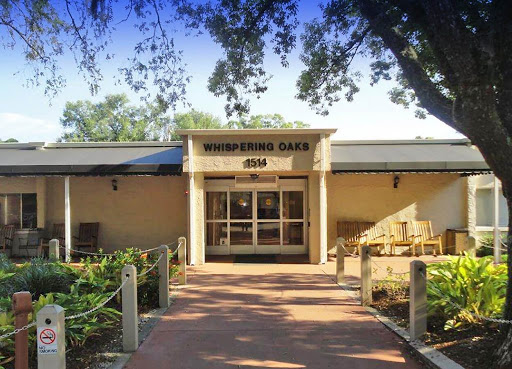
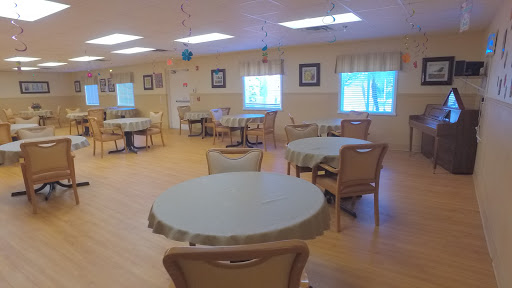
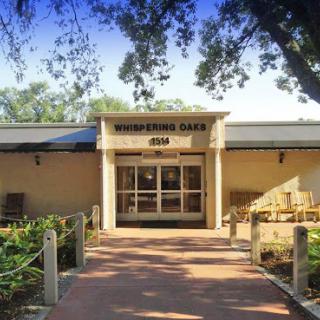
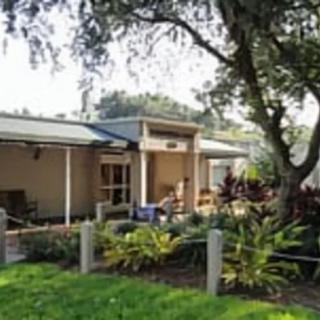
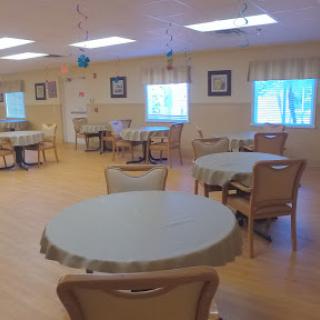
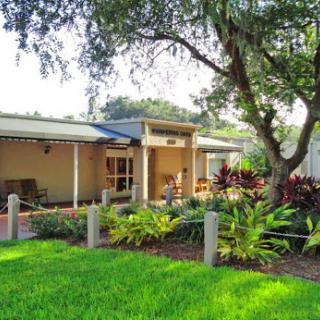
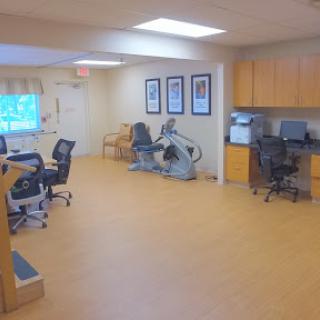
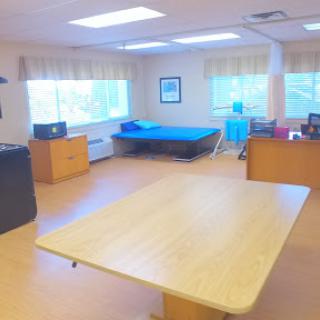
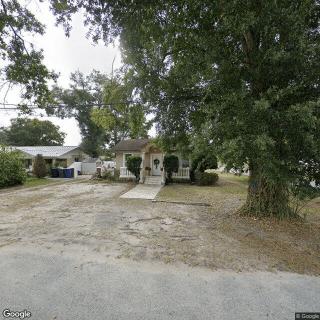
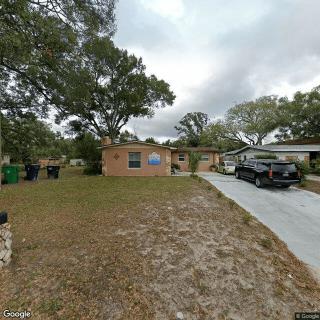
Whispering Oaks on seniors.fyi includes 8 photos including images showing landscaping, healthcare, interior, garden, outdoor, architecture, entrance, porch, and more.
Nearby Communities
Debra's Assisted Living Facility
Tampa, FL
4.9 from 30 reviews
$1,800 to $2,300 / month
Lower-than-average pricing for semi-private and private rooms.
FSJ Boarding Home
Tampa, FL
4 from 9 reviews
Excellent access to nearby amenities and healthcare (cafes, parks, pharmacies, doctors, restaurants, transit, hospital).
Gail's Alf
Tampa, FL
Intimate board-and-care with 24-hour supervision and comprehensive daily living support.
Caring For You Assisted Living Facility
Tampa, FL
3 from 2 reviews
Small, personalized care with 24-hour supervision.
Vintage Village
Tampa, FL
Small, intimate setting with personalized care.
Vintage Village, Inc
Tampa, FL
4.3 from 18 reviews
$2,000 to $2,500 / month
Inviting community with personalized care and memory care options; affordable pricing vs local averages; close to amenities and transit.
Palm Ave Baptist Tower
Tampa, FL
4.5 from 11 reviews
Welcoming community with organized activities and well-maintained, appliance-equipped apartments.
St Elizabeth Convent
Tampa, FL
5 from 3 reviews
$2,200 to $2,850 / month
Competitive pricing for semi-private ($2,200) and private ($2,850) rooms relative to local averages.
Comfort Care of Tampa Bay
Tampa Bay, FL
4.5 from 8 reviews
Convenient location with nearby dining, parks, healthcare, worship, theater, and a hospital.
The guide highlights the importance of assisted living facilities for aging veterans needing daily support, discusses unique challenges they face, and outlines available financial assistance from the VA, including the Aid and Attendance program. It emphasizes understanding eligibility criteria and navigating the VA system to access necessary benefits effectively.
The article compares assisted living and skilled nursing facilities, detailing their differing levels of assistance, medical support, cost structures, and day-to-day experiences. It emphasizes that assisted living is for those needing help with daily activities while maintaining independence, whereas skilled nursing facilities provide intensive medical care with 24-hour staff supervision.
The transition from assisted living to skilled nursing care is often prompted by complex medical needs that assisted living cannot meet, with key indicators including frequent health declines, increased falls, severe memory issues, and caregiver burnout. Families should recognize these signs early to discuss options with healthcare providers and prepare for the emotional and logistical aspects of moving to a facility that offers comprehensive medical support.
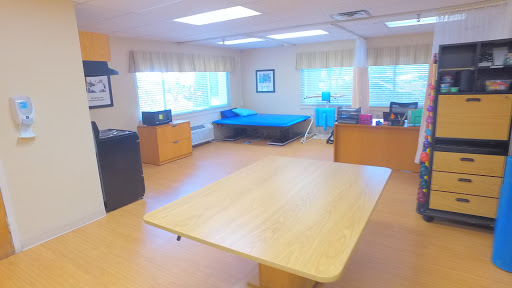
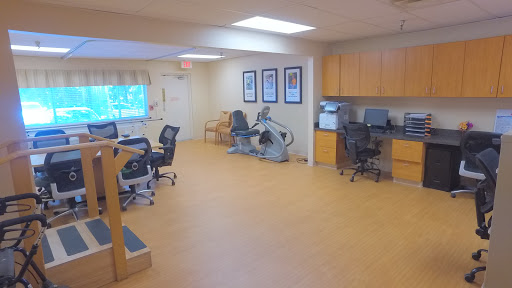
Exercise Equipment, Rehabilitation, Therapy Room, and Office Space
Healthcare
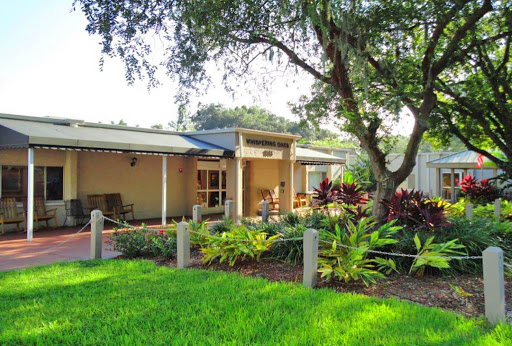
Porch and Tree
Office
Get PricingAsk A QuestionSchedule A TourContact Senior Advisor
By clicking submit, you agree to our Partner's Terms of Use. You
also consent to receive calls and texts, which may be autodialed, from our Partner. Your consent is not a condition to
using our Partner's service. Please visit our Partner's Privacy Policy for information about their privacy practices.

 236 resident community capacity
 Assisted Living
 Skilled Nursing Facility
 Activities on-site
 Air-conditioning
 Beauty salon
 Cable or satellite TV
 Computer center
 Devotional services off-site
 Dining room
 Fitness room
 Fully furnished
 Gaming room
 Garden
 Housekeeping services
 Indoor common areas
 Kitchenette
 Move-in coordination
 Outdoor space
 Private bathrooms
 Restaurant-style dining
 Small library
 Telephone
 Wellness center
 Wi-Fi/high-speed internet available
 Tampa International (6 miles away)
 Community operated transportation
 12-16 hour nursing
 24-hour call system
 Ambulatory care
 Assistance with bathing
 Assistance with dressing
 Assistance with transfers
 Diabetes diet
 Diabetic care
 Medication management
 Mental wellness program
 Special dietary restrictions
 Concierge services
 Planned day trips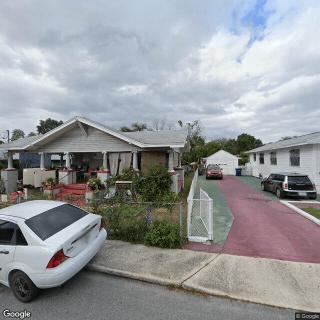
 Lower-than-average pricing for semi-private and private rooms.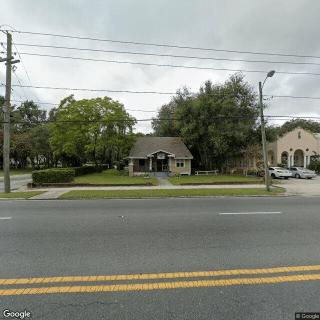

 Assisted Living Support for Veterans: A Complete and Detailed Overview
 Exploring the Contrasts Between Assisted Living and Skilled Nursing
 8 Key Indicators That Suggest It May Be Time to Transition from Assisted Living to Skilled Nursing Care