
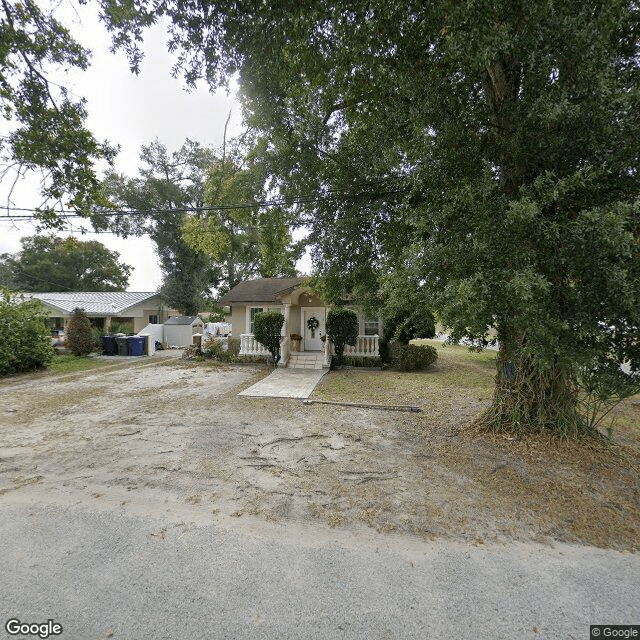
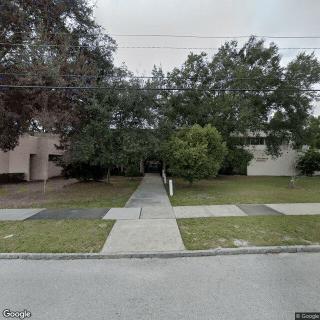
701 E Virginia Avenue, Tampa, FL 33603
To contact a resident: (813) 610-4200
For more information about senior living options: (866) 208-4318
Vintage Village, Inc Costs & Pricing
Vintage Village, Inc offers a competitive pricing structure for its room types when compared to the broader market in both Hillsborough County and the state of Florida. For instance, the monthly cost for a semi-private room at Vintage Village is $2,000, significantly lower than the county average of $3,096 and the state average of $3,009. Similarly, private rooms are priced at $2,500 at Vintage Village, while residents would typically pay about $3,384 in Hillsborough County and $3,699 across Florida. The studio accommodations also reflect this trend; Vintage Village provides them for $2,500 compared to the county's average of $3,685 and Florida's average of $3,823. Overall, Vintage Village demonstrates a commitment to affordability while maintaining quality care in a favorable market landscape.
| Floor plans | Vintage Village, Inc | Hillsborough County | Florida |
|---|---|---|---|
| Semi-Private | $2,000 | $3,096 | $3,009 |
| Private | $2,500 | $3,384 | $3,699 |
| Studio | $2,500 | $3,685 | $3,823 |
Memory care communities with a similar price nearby
-
About the same
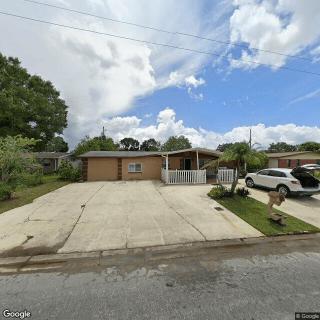
Caregivers Touch ALF
$2,000 to $3,000 / month4.5 miles away -
from +$200 / mo
Dorothy Cares Assisted Living Facility
$2,200 to $3,300 / month16.0 miles away -
About the same
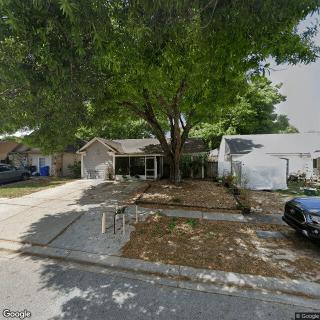
Elderly Pride Assisted Living
$2,000 to $2,500 / month12.5 miles away -
About the same
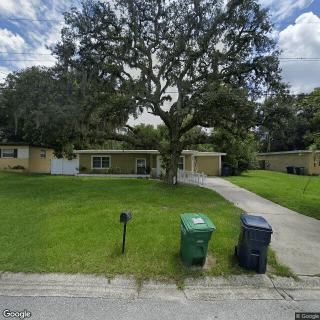
Assisted Living Facility Morning Dew
$2,000 to $2,500 / month2.8 miles away -
from -$105 / mo
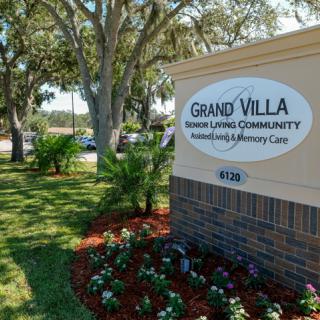
Grand Villa of New Port Richey
$1,895 to $3,595 / month24.1 miles away
Overall Review of Vintage Village, Inc
Pros
 Weinberg Village is a warm, safe, clean, and loving community.
- The staff and leadership at Weinberg Village are kind and professional.
- Weinberg Village serves kosher food and weaves Jewish culture and values throughout its operations.
- Roberta's leadership creates a loving, nurturing environment and ensures residents receive high-quality, personalized care.
- The ALF programming at Weinberg Village is fantastic, and the rooms feature modern bathrooms and kitchenettes.
- The meals are delicious and nutritious.
Cons
 Staff is rude and very unprofessional. Don't care about anything or anyone but themselves.
- Staff issues driver for residents very poor does not care about people in the community
Review
Vintage Village, Inc.’s Weinberg Village in Tampa is best suited for families seeking a warm, community-focused assisted living experience where Jewish values and kosher dining are a lived, everyday feature, and where stability of care is prioritized over cosmetic polish. The setting is clearly designed for residents who value a culturally connected environment, long-tenured caregiving teams, and a schedule of active engagement that feels like a small campus community. For families with memory-care needs, the integration of memory care into the same campus adds a practical continuity that can reduce transitions and anxiety for loved ones. In short, this is the choice for households prioritizing atmosphere, routine, and a strong sense of belonging.
Those who may want to consider alternatives are those who prefer a strictly secular environment, or who want a fully neutral cultural tone with no explicit religious or kosher elements. The Jewish-focused culture, kosher meals, and campus rhythms may feel intrusive or limiting for residents who do not share that background or who want more culinary flexibility. Additionally, occasional reports of staffing friction and transportation issues suggest that visitors who require flawless front-line service or reliable resident transport every day may want to compare options with a tighter track record in those areas. Finally, if a lower caregiver-to-resident ratio or more budget-friendly tier is essential, several other local communities may offer different trade-offs.
The strongest positives, dramatically offsetting the potential downsides, center on care quality, continuity, and a palpable sense of community. Multiple reviews highlight staff dedication and professionalism, including long-tenured team members who know residents well and create a stable, trusting environment. Leadership, especially the director’s role, is repeatedly praised for responsiveness, approachability, and hands-on involvement. The campus excels at making residents feel safe, seen, and connected, with nutritious meals, spacious modern rooms, and a robust program of activities that foster meaningful relationships among residents and with visiting families. Those elements collectively transform daily life into a well-orchestrated support system.
Another clear differentiator is the culture and amenities on offer. The facility’s kosher dining and culturally embedded programming are not merely marketing points but everyday realities that provide comfort for families seeking alignment with religious or dietary preferences. Reviews also speak to substantial improvements in living spaces, modern bathrooms and kitchenettes, that make daily life easier and more dignified. The emphasis on a warm, clean, and caring environment translates into tangible outcomes: families reporting improved quality of life for loved ones, residents forming genuine bonds, and visitors noting the ease of the visit and the openness of staff to communication.
Memory care integration is another practical strength. With dedicated attention to residents with memory impairments, the campus presents as a unified community rather than a split campus, reducing stress for families during transitions. When a family member notes a smooth move and ongoing advocacy from leadership, that signals a design where personalized attention and proactive problem-solving are not exceptions but the norm. The combination of specialized memory-care programming with versatile assisted-living amenities means Weinberg Village can accommodate a spectrum of needs without forcing families to reorganize their plans if a resident’s condition evolves.
In the end, Weinberg Village stands out as a practical, experienced choice for families who want a culturally coherent, compassionate environment with highly engaged staff and a strong leadership presence. It is less well-suited for those who require a strictly non-religious setting, flawless staffing at every moment, or highly economical options. For families who place high value on a warm community, kosher meals, long-term staff relationships, and a comprehensive activity slate, this community offers a compelling, well-supported path. Prospective residents should schedule a tour, meet the director, sample a meal, and see a memory-care unit in action to confirm that the culture and care feel right before making a decision.
 Board and Care Home
 Day Program
 Memory Care
 Private
 Tampa International (5 miles away)
 Ambulatory care
 Diabetic care
 High acuity care
 Incontinence care
 Medication management
 Understanding Dementia Behaviors: Practical Insights and Strategies for Caregivers
 When Dementia Sparks Anger and Aggression: Understanding the Connection and Ways to Cope
 Dementia Behaviors: In-Depth Understanding and Effective Coping Strategies