
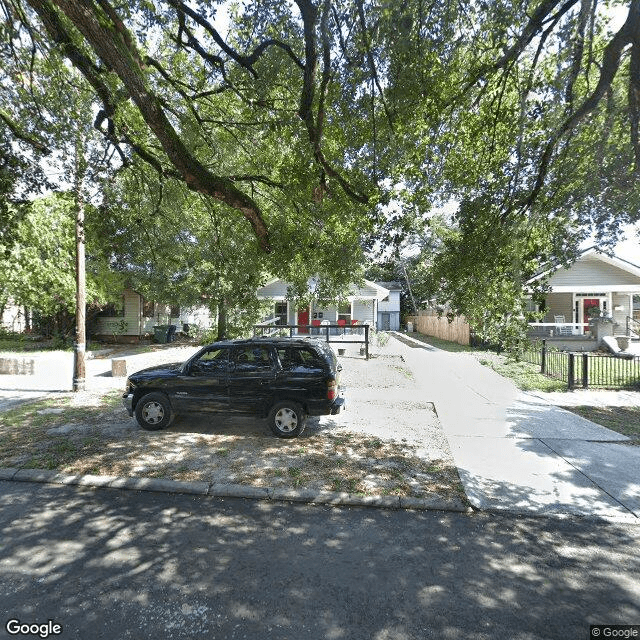
3405 N 12Th St, Tampa, FL 33605
To contact a resident: (813) 442-7776
For more information about senior living options: (866) 208-4318
Living With Friends ALF Costs & Pricing
Living With Friends ALF presents an attractive cost structure for those considering assisted living options in the region. With semi-private rooms priced at $1,800 per month, residents benefit from significantly lower expenses compared to the Hillsborough County average of $3,096 and the broader Florida state average of $3,009. For those seeking a more private living arrangement, the private room rate of $2,500 remains competitive against local and state averages of $3,384 and $3,699, respectively. This positioning not only reflects a commitment to affordability but also highlights Living With Friends ALF as a compelling choice for families looking for quality care without the financial strain often associated with such services.
| Floor plans | Living With Friends ALF | Hillsborough County | Florida |
|---|---|---|---|
| Semi-Private | $1,800 | $3,096 | $3,009 |
| Private | $2,500 | $3,384 | $3,699 |
Memory care communities with a similar price nearby
-
from +$200 / mo
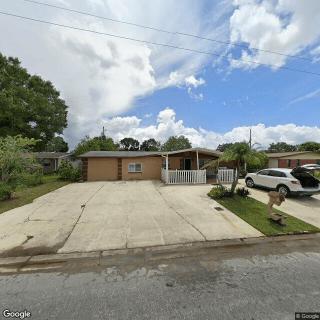
Caregivers Touch ALF
$2,000 to $3,000 / month5.0 miles away -
from +$200 / mo
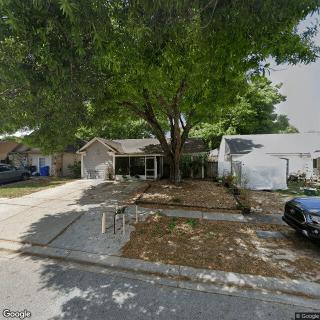
Elderly Pride Assisted Living
$2,000 to $2,500 / month12.1 miles away -
from +$200 / mo
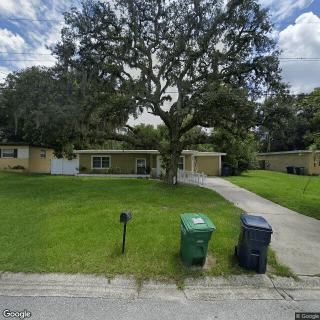
Assisted Living Facility Morning Dew
$2,000 to $2,500 / month2.8 miles away -
from +$95 / mo
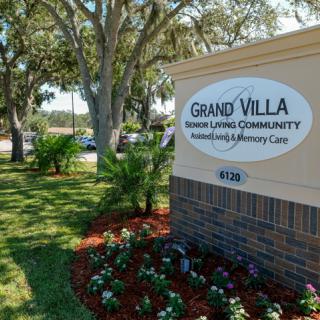
Grand Villa of New Port Richey
$1,895 to $3,595 / month24.6 miles away -
from +$190 / mo

Cabot Cove of Largo Assisted Living & Memory Care
$1,990 to $3,145 / month18.7 miles away
Overall Review of Living With Friends ALF
Pros
 The community experience was nice.
- They have a nice lanai in the back of the house.
- They are highly recommended.
- The staff had good interactions with each other.
Review
Living With Friends ALF in Tampa is best suited for seniors who want a warm, home-like assisted living experience where residents are treated as individuals rather than as a line item. The setting appears intimate, with a lanai at the back that invites relaxed outdoor time, and the feedback repeatedly emphasizes friendly, attentive staff interactions. For families prioritizing a steady, low-key routine and a neighborhood feel over a large campus, this community delivers comfort, familiarity, and a sense of belonging that can be hard to find in bigger facilities.
Those whose needs run toward robust medical oversight, expansive activity programming, or specialized care should consider alternatives. Large, multi-site assisted living communities or dedicated memory care facilities typically offer more on-site clinicians, structured daily schedules, more extensive transportation options, and a broader menu of social and therapeutic activities. For residents with complex medical regimens, significant mobility challenges, or the requirement for advanced memory support, the scale and resources of bigger settings often translate into greater peace of mind for families.
On the upside, the strongest advantages center on atmosphere and relationship quality. The home-like footprint, complemented by the lanai, provides a pleasant, uncluttered space for daily living and casual socializing. The reported consistency in staff engagement, responsive, personable interactions, can translate into reliable support during routine tasks, timely reminders, and a reassuring sense of safety. In a setting where personal attention matters, these elements elevate daily life more than any glossy amenities ever could.
Linked to that is the evident reliability underscored by multiple positive impressions. When care staff build genuine rapport with residents, concerns tend to be heard promptly and needs are anticipated rather than reacted to. This kind of relationship-based care reduces anxiety for families and residents alike, reinforcing trust that daily rhythms, meals, safety checks, and routine chores, will be handled with care and attentiveness. That emotional assurance is a meaningful counterweight to the potential constraints of a smaller operation.
However, the limited public detail about the exact care levels and programming means prospective residents should verify what is truly available day to day. The trade-off of a smaller home can include fewer on-site clinical resources, less formalized activity tracks, and potentially less flexibility in scheduling beyond what staff can reasonably accommodate. A prudent approach is to tour during a typical day, inquire about staffing coverage by shift, review how care plans are coordinated, and request an example activity calendar to see whether social engagement aligns with the loved one’s interests and energy levels.
To determine fit, approach the process with a practical checklist and clear questions. Seek clarity on staffing ratios and who oversees ongoing care and medication management, confirm what the monthly rate covers, and ask about meal options, housekeeping, laundry, and transportation if those are needs. Observe a mealtime and time with residents to gauge interaction quality, and assess how family communications are handled, whether updates are timely and whether there is a clear point of contact for concerns. If the lanai and the intimate, people-centered atmosphere resonate with the loved one’s preferences and the staff’s warmth translates into dependable daily support, Living With Friends ALF stands out as a compelling choice. If a broader network of clinical services and more expansive programming is essential, alternatives should be pursued with decisiveness.
 Board and Care Home
 Day Program
 Memory Care
 Indoor common areas
 Outdoor common areas
 Private
 Respite or short term stays offered
 Wheelchair accessible showers
 Tampa International (5 miles away)
 Ambulatory care
 Diabetic care
 Incontinence care
 Medication management
 Meals provided

 Assisted Living and Memory Care: Understanding Their Core Differences
 Choosing the Right Senior Care: A Detailed Exploration of Assisted Living and Nursing Homes
 Safeguarding Your Memory Through the Golden Years: Eight Ways to Preserve Cognitive Health