
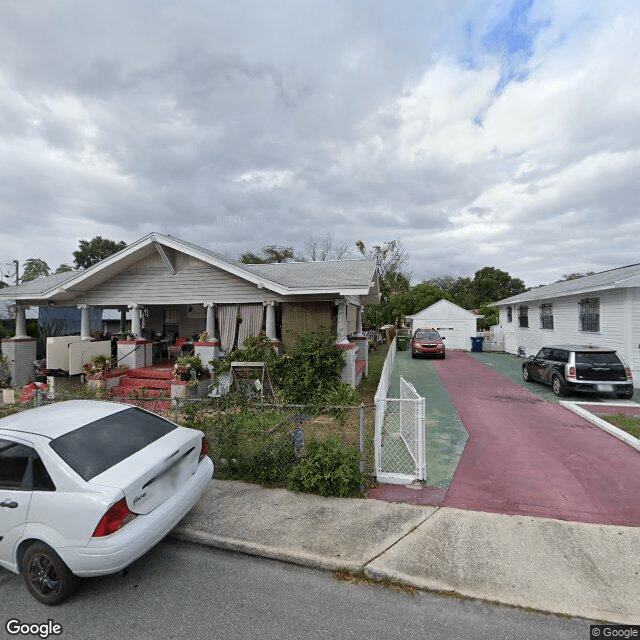
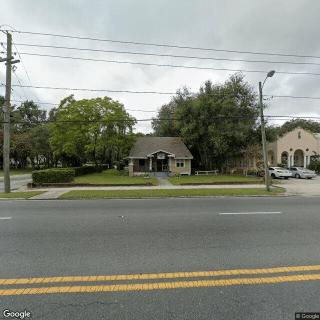
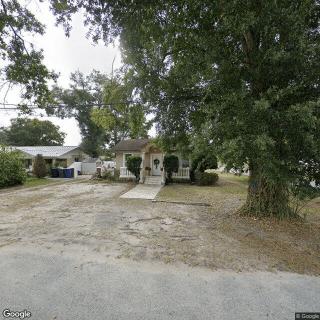
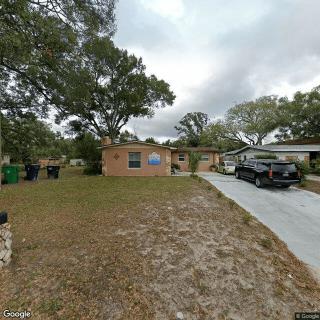
1314 East Louise Avenue, Tampa, FL 33603
For more information about senior living options: (866) 208-4318
Debra's Assisted Living Facility Costs & Pricing
Debra's Assisted Living Facility offers competitive pricing in comparison to both Hillsborough County and the broader state of Florida. For semi-private rooms, Debra's charges $1,800 per month, significantly lower than the county average of $3,096 and the state average of $3,009. Similarly, the facility's private rooms are priced at $2,300 - a notable contrast to Hillsborough County's average of $3,384 and Florida's statewide figure of $3,699. These rates not only reflect the facility's commitment to affordability but also position it as an attractive option for those seeking quality care without the financial strain commonly associated with assisted living services.
| Floor plans | Debra's Assisted Living Facility | Hillsborough County | Florida |
|---|---|---|---|
| Semi-Private | $1,800 | $3,096 | $3,009 |
| Private | $2,300 | $3,384 | $3,699 |
Assisted Living communities with a similar price nearby
-
About the same
Benrac Home Alf
$1,800 to $4,263 / month12.4 miles away -
from +$200 / mo
Elderly Pride Assisted Living
$2,000 to $2,500 / month12.0 miles away -
from +$200 / mo
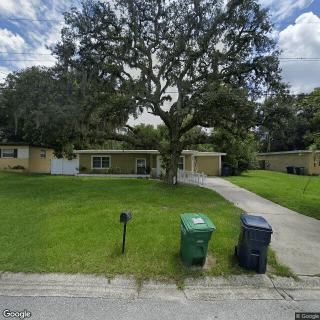
Assisted Living Facility Morning Dew
$2,000 to $2,500 / month2.4 miles away -
from +$95 / mo
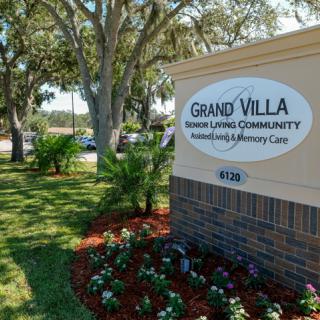
Grand Villa of New Port Richey
$1,895 to $3,595 / month24.5 miles away -
from +$190 / mo

Cabot Cove of Largo Assisted Living & Memory Care
$1,990 to $3,145 / month18.9 miles away
Overall Review of Debra's Assisted Living Facility
Pros
 The Abigail’s staff go above and beyond, lovingly attending to residents’ needs.
- Residents at The Abigail thrive, becoming engaged, active, and smiling during visits.
- The Abigail provides nutritious meals, regular bathing, and access to speech and physical therapy.
- The facility is immaculate and exudes a warm, home-like environment where residents are treated like family.
- The owners and staff are caring, compassionate, and highly attentive to both residents and their families.
- Families feel confident in the care, thanks to outstanding communication and professional service.
- The Alexa, Austin, and Abigail facilities are praised for incredible staff who genuinely care for residents.
- The care across these facilities is marked by dignity, respect, and a sense of being part of a loving family.
Cons
 The mother endured neglect and abuse at Hudson Manor on Davis Island.
- At Hudson Manor, she was not bathed and was fed poor-quality, "prison-like" food.
- She was overmedicated, chemically restrained, and bedridden to be easier to manage.
- A staff member struck her in the face, indicating a dangerous environment.
- The staff reportedly lacked proper qualifications, with many hires seemingly unlicensed or untrained.
- The facility was deemed too expensive.
Review
Debra's Assisted Living Facility in Tampa is best suited for families seeking a warm, home-like environment where caregiving feels personal and ongoing relationships with staff are prioritized. This setting works well for seniors who want daily assistance, predictable routines, and meals that feel like home, delivered with a respectful, compassionate touch. It’s especially appealing to families who value a smaller, house-like atmosphere over a clinical, hospital-like ambiance and who trust a close-knit team to know their loved one’s preferences and history.
Those weighing alternatives should consider options that emphasize stronger clinical oversight or specialized programming. If a resident requires round-the-clock nursing care, highly structured medical management, memory-care protocols, or behavior-support services beyond what a small, family-run operation typically provides, larger communities with on-site licensed nurses and dedicated clinical teams may be more suitable. Likewise, if transparency on pricing, staffing standards, or licensing history is a paramount concern, it is prudent to compare multiple facilities and demand detailed disclosures before making a move.
From the strengths observed in comparable Tampa-area communities, a couple of core advantages tend to matter most: a consistently clean, well-maintained environment; nutritious, well-prepared meals; and staff who genuinely treat residents like family. When these elements are present, residents stay engaged, enjoy social activities, and maintain dignity in daily care. Communication with families tends to be transparent and frequent, and staff often cultivate meaningful routines, assisting with grooming, coordinating with therapists, and coordinating with external programs to support ongoing wellness. These facets collectively mitigate common drawbacks like limited on-site clinical services or smaller activity programs.
However, several practical considerations merit close attention before choosing a small, family-focused facility starting with cost. In many cases, the premium paid for a high-touch, home-like experience is nontrivial, and families should verify what is included in monthly rates (meals, housekeeping, transportation, therapies, and care coordination). A second risk involves staffing stability; while the most caring teams deliver consistency, turnover or lighter staffing on certain days can affect responsiveness. Prospective residents should seek transparent staffing schedules, concrete information about caregiver qualifications, and assurances about continuous supervision and oversight.
To make a well-informed decision for Debra’s, prospective families should assemble a concrete checklist for visits. Inquire about staff-to-resident ratios across day, evening, and night shifts; verify licenses and ongoing training requirements; and request recent inspection or licensing reports to gauge compliance and safety history. Assess the on-site services that matter most, such as access to physical and speech therapy, medication management procedures, and the availability of regular medical coordination with outside providers. Tasteful, well-planned meals, consistent housekeeping, and a welcoming, home-like common area are non-negotiables, as are clear visitation policies, family conferences, and prompt incident reporting. Finally, observe whether staff greet residents by name, listen to preferences, and respond thoughtfully to concerns; the quality of everyday interactions often predicts long-term satisfaction more than any brochure.
In the end, Debra’s Assisted Living Facility should be evaluated as a strong option for families who want a trustworthy, person-centered environment where dignity, warmth, and everyday compassion drive care. If the facility can demonstrate steady staffing, transparent pricing, robust routine medical coordination, and a genuinely home-style atmosphere, it becomes a compelling choice for aging in place with a sense of family and continuity. If, instead, the emphasis lies on intensive clinical care, aggressive clinical monitoring, or highly specialized memory-support services, it is prudent to explore alternatives that offer stronger on-site medical infrastructure. The right match will blend heartfelt caregiving with practical governance, ensuring both comfort and safety for a loved one’s next chapter.
 6 resident community capacity
 Assisted Living
 Board and Care Home
 Dogs allowed
 Activities on-site
 Cable or satellite TV
 Devotional services off-site
 Dining room
 Fully furnished
 Garden
 Housekeeping services
 Indoor common areas
 Move-in coordination
 Outdoor space
 Private
 Respite or short term stays offered
 Telephone
 Wheelchair accessible showers
 Wi-Fi/high-speed internet available
 Tampa International (5 miles away)
 24-hour supervision
 Ambulatory care
 Assistance with bathing
 Assistance with dressing
 Assistance with transfers
 Diabetes diet
 Diabetic care
 Incontinence care
 Meal preparation and service
 Medication management
 Special dietary restrictions
 Transportation arrangement (medical)
 Transportation to doctors appointments
 Understanding the True Cost of Assisted Living in 2025: A Comprehensive Guide
 Understanding Medicaid Coverage for Assisted Living: A Comprehensive Guide
 How and When Medicaid May Cover Assisted Living Costs