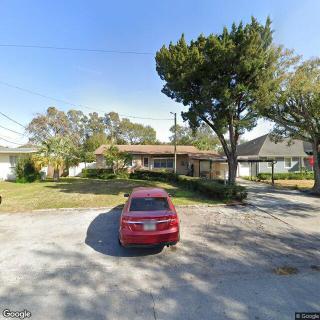
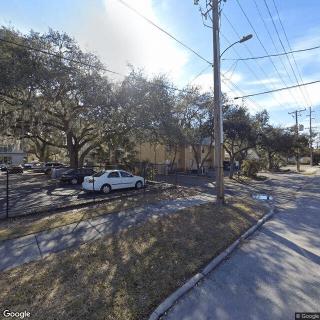
Amalia Gardens - ALF

2411 West North B Street, Tampa, FL 33609

For more information about senior living options: (844) 490-3973

4.9 from 30 reviews
5 stars
29
4 stars
0
3 stars
0
2 stars
0
1 stars
1

Assisted Living Board and Care Home Respite Care

Overall Review of Amalia Gardens - ALF

Pros

  • pro The Abigail Assisted Living has set a new standard for residents' well-being.
  • pro The staff at The Abigail go above and beyond, lovingly attending to residents' needs.
  • pro Residents at The Abigail are no longer bedridden; they are engaged, active, and smiling.
  • pro The Abigail provides nutritious meals, regular bathing, and access to speech and physical therapy.
  • pro The Abigail is described as amazing, with staff delivering care and love to residents.
  • pro The owner maintains excellent communication with families.
  • pro The staff take immaculate care of residents, provide great meals, and create a warm, home-like environment.
  • pro The caregivers are unbelievable and truly care about residents.
  • pro The facilities are beautiful, well-run, and treated like family by the owners.
  • pro Families feel that residents are treated with love, dignity, and respect, like family.

Cons

  • pro The reviewer described Hudson Manor on Davis Island as distressing and unacceptable, noting neglect and abuse toward their mother.
  • pro Hudson Manor deprived her of proper care by never bathing her, giving poor-quality "prison-like" food, and overmedicating her to keep her bedridden.
  • pro The reviewer witnessed a staff member strike her in the face at Hudson Manor.
  • pro The staff at Hudson Manor lacked proper qualifications, with many seemingly hired without the necessary licenses or training.
  • pro The reviewer found Hudson Manor to be too expensive.

Review

A moving testimonial unfolds around a difficult transition from a troubling experience to a place of genuine care. The author recounts a harrowing time at Hudson Manor on Davis Island, where neglect, substandard routines, and a shocking incident left a family member at risk and wanting something vastly better for her future. The description paints a stark contrast: a loved one who was never bathed, fed poorly, and kept in a state that felt more like restraint than care, all under the impression that the staff lacked proper training and qualifications. The most distressing moment cited is witnessing a staff member strike the mother in the face. This memory fuels the decision to seek a brighter path for her care.

The move to The Abigail Assisted Living in Hyde Park, Tampa marks a turning point. Almost immediately, the narrative shifts from concern to relief as the mother begins to thrive again. The new routine includes nutritious meals, regular hygiene, and a spectrum of therapies - speech and physical therapy - that help her regain strength and engagement. The staff at The Abigail are described as more than caregivers; they are attentive, loving partners in her daily life, consistently going above and beyond. What stands out most is her transformation from bedridden and withdrawn to active and animated, with a genuine smile that appears whenever the family member visits.

This experiential shift is underscored by threads of admiration for the facility's standards and the people who run it. The author credits high professional standards and a culture that treats residents like family. Manuel and Karen are specifically thanked, recognized for cultivating an environment where care feels personal, compassionate, and of high quality. The sense that the facility treats every resident as if they were their own mother or father appears repeatedly, reinforcing the impression that The Abigail operates with a family-first philosophy rather than a cold, corporate approach.

Several additional testimonials reinforce the intensely positive impressions. One speaker emphasizes how the mother received loving, immaculate care in a setting described as honest and heartfelt, with staff who collaborate with community programs to bolster care. The sense of a home-like atmosphere - where staff and owners communicate openly and consistently - appears as a recurring theme, contributing to a feeling that the residents are cherished members of a larger caregiving family. The stories convey more than medical attention; they evoke warmth, attentiveness, and a nurturing environment that feels safe and respectful.

The narrative extends beyond The Abigail to include related homes - Alexa and Austin - owned by Manny Rodriguez. A grateful tone runs through remarks about the comprehensive care network, highlighting how Daisy, a specific elder in need of special arrangements, was welcomed with generosity by the staff and administrators, with Christina Marshall, the administrative assistant, noted for extraordinary dedication. The family members describe witnessing consistent respect and tender care for residents, the kind that turns difficult circumstances into meaningful, dignified endings. This broader view paints a picture of a cohesive family of facilities delivering consistent values: love, dignity, and attentive, patient-centered care.

Across the collection of reflections, there is a consistent sense of community, cleanliness, and strong food service. People repeatedly commend the "best" in assisted living - great meals, a warm, safe home environment, and staff who are described as caring, devoted, and familial. The sentiments emphasize that the residents are treated with reverence and that the staff are considered part of the family, contributing to a supportive atmosphere where families feel seen and heard. The overall message is one of gratitude for care that respects both the resident's dignity and the family's peace of mind.

Yet a final note roots the story in authenticity: some reviewers acknowledge the financial realities of care, with mentions that the services can be expensive. Even so, the prevailing voice remains one of deep appreciation for the care quality, the personal connections formed with staff and owners, and the transformative impact on their loved ones. The shared experiences culminate in a strong endorsement of The Abigail and its associated homes as places where compassionate, professional, and family-centered care truly makes a difference - restoring vitality, dignity, and happiness to residents and reassurance to their families.

Features

Housing

  • 6 resident community capacity 6 resident community capacity

Types of Care

  • Assisted Living Assisted LivingAssisted living facilities provide crucial support and care for seniors who may need help with daily tasks such as medication management, bathing, and meal preparation. These communities offer a safe and comfortable environment where seniors can maintain their independence while receiving the assistance they need to thrive in their golden years.
  • Board and Care Home Board and Care HomeBoard and care homes provide a smaller, more intimate setting for seniors who require assistance with daily tasks but do not need the level of care offered by a nursing home. They offer personalized care, meals, and social activities in a homelike environment, ensuring that seniors receive individualized attention and support in their golden years.
  • Respite Care Respite CareRespite care provides temporary relief for caregivers, allowing them to recharge and attend to their own needs. It also gives seniors the opportunity to socialize, receive professional care, and experience a change of scenery, promoting overall well-being and reducing feelings of isolation.

Amenities

  • Cable or satellite TV Cable or satellite TVCable or satellite TV is important for seniors because it provides entertainment, news, and companionship, helping to combat loneliness and boredom. It also offers a wide range of programming options tailored to different interests and preferences.
  • Dining room Dining roomDining rooms are important for seniors as they provide a space for socialization, connection, and nutritious meals. They offer opportunities for residents to bond over shared meals, foster a sense of community, and promote healthy eating habits. Dining rooms also ensure that seniors have access to well-balanced meals tailored to their dietary needs and preferences.
  • Fully furnished Fully furnishedFully furnished senior living communities are important for seniors because they provide convenience, comfort, and a hassle-free moving experience. Seniors can easily settle into their new living space without the stress of having to buy and move furniture. This allows them to focus on enjoying their new home and community.
  • Garden GardenGardens are important for seniors as they provide a peaceful and therapeutic environment for relaxation, physical activity, and socialization. Being in nature has been shown to reduce stress, improve mood, and promote overall well-being. Gardens also offer opportunities for seniors to engage in gardening activities, which can improve mobility, flexibility, and cognitive function. Additionally, gardens create a sense of community and connection with others who share a passion for plants and outdoor spaces.
  • Housekeeping services Housekeeping servicesHousekeeping services are important for seniors because they help maintain a clean and safe living environment, promote independence, and reduce the risk of accidents or illnesses. Additionally, having assistance with household chores can alleviate physical strain and allow seniors to focus on other aspects of their well-being.
  • Move-in coordination Move-in coordinationMove-in coordination is important for seniors because it helps ease the transition into their new living environment. It ensures that all logistics, such as packing, organizing movers, and setting up utilities are taken care of, allowing seniors to focus on settling in and adjusting to their new home. Having a smooth move-in process can alleviate stress and anxiety, making the transition smoother and more enjoyable for seniors.
  • Outdoor space Outdoor spaceOutdoor spaces are important for seniors as they provide opportunities for physical activity, social interaction, exposure to natural light and fresh air, and a sense of connection to nature. Having access to outdoor spaces can improve overall well-being and quality of life for older adults living in senior communities.
  • Telephone TelephoneTelephones are important for seniors as they provide a lifeline for communication with loved ones, emergency services, and healthcare providers. They offer a sense of security and independence, enabling seniors to stay connected and access assistance when needed.
  • Wi-Fi/high-speed internet available Wi-Fi/high-speed internet availableWi-Fi/high-speed internet is important for seniors to stay connected with loved ones, access online resources, and participate in virtual activities to combat feelings of loneliness and isolation. It also allows them to easily manage healthcare needs, access entertainment, and engage in lifelong learning opportunities.

Transportation

  • Tampa International (3 miles away) Tampa International (3 miles away)
  • St. Petersburg-Clearwater International (13 miles away) St. Petersburg-Clearwater International (13 miles away)

Care Services

  • 24-hour supervision 24-hour supervision24-hour supervision is important for seniors to ensure their safety, well-being, and access to immediate assistance in case of emergencies or health issues. This constant support provides peace of mind for both seniors and their loved ones, allowing them to age in place with dignity and security.
  • Activities of daily living assistance Activities of daily living assistanceActivities of daily living assistance are important for seniors because they provide essential support with tasks such as eating, bathing, dressing, and mobility. This assistance helps seniors maintain their independence, dignity, and overall quality of life as they age.
  • Assistance with bathing Assistance with bathingAssistance with bathing is crucial for seniors as it helps maintain personal hygiene, prevents infections, and ensures their overall well-being and comfort. It also provides a sense of dignity and independence for seniors who may struggle with this task on their own.
  • Assistance with dressing Assistance with dressingAssistance with dressing is important for seniors because it helps maintain their independence, promotes personal hygiene, prevents accidents and injuries, and improves overall quality of life. This service ensures that seniors can continue to dress comfortably and confidently, despite any physical limitations they may have.
  • Assistance with transfers Assistance with transfersAssistance with transfers is crucial for seniors as it helps prevent falls and injuries, maintains their independence, and ensures they can safely navigate their living environment. It also provides peace of mind for both seniors and their loved ones.
  • Coordination with health care providers Coordination with health care providersCoordination with health care providers is crucial for seniors to ensure proper medical care, medication management, and overall well-being. This collaboration helps prevent overlapping treatments, track progress more effectively, and provide comprehensive support tailored to individual needs.
  • Diabetes diet Diabetes dietA diabetes diet is crucial for seniors as it helps manage blood sugar levels, reduce risks of complications, and improve overall health and well-being. By following a balanced and nutritious diet tailored to their specific needs, seniors can better control their diabetes and enhance their quality of life.
  • Meal preparation and service Meal preparation and serviceMeal preparation and service are crucial for seniors as they may have limited mobility or energy to cook nutritious meals. Having access to healthy and convenient food options can ensure they are getting the proper nutrition needed to maintain their overall health and well-being.
  • Medication management Medication managementMedication management is crucial for seniors to ensure they are taking the right medications at the correct dosages and times. This helps prevent adverse drug interactions, reduces the risk of medication errors, and promotes overall health and well-being. Proactive management also allows for adjustments as needed based on changing health conditions or new prescriptions.
  • Special dietary restrictions Special dietary restrictionsSpecial dietary restrictions are important for seniors because age-related changes in metabolism and health conditions can make it difficult for their bodies to process certain foods. By following a diet tailored to their specific needs, seniors can maintain their overall health and well-being, manage chronic conditions, and reduce the risk of complications such as malnutrition or food interactions with medications.
  • Transportation arrangement (medical) Transportation arrangement (medical)Transportation arrangements for medical purposes are essential for seniors as they may have difficulty driving themselves to appointments or accessing public transportation. Having reliable and safe transportation options ensures that seniors can receive timely medical care and maintain their health and well-being.
  • Transportation to doctors appointments Transportation to doctors appointmentsTransportation to doctors' appointments is crucial for seniors as it ensures they have access to necessary medical care and support for their health needs. Without reliable transportation, seniors may struggle to attend important appointments, leading to potential delays in treatment and health complications. Providing transportation services helps seniors maintain their overall well-being and quality of life.

Dining

  • Diabetes diet Diabetes dietA diabetes diet is crucial for seniors as it helps manage blood sugar levels, reduce risks of complications, and improve overall health and well-being. By following a balanced and nutritious diet tailored to their specific needs, seniors can better control their diabetes and enhance their quality of life.
  • Special dietary restrictions Special dietary restrictionsSpecial dietary restrictions are important for seniors because age-related changes in metabolism and health conditions can make it difficult for their bodies to process certain foods. By following a diet tailored to their specific needs, seniors can maintain their overall health and well-being, manage chronic conditions, and reduce the risk of complications such as malnutrition or food interactions with medications.

Activities

  • Community-sponsored activities Community-sponsored activitiesCommunity-sponsored activities are important for seniors as they provide opportunities for social interaction, mental stimulation, and physical activity. These activities can help improve overall well-being, combat loneliness and isolation, and promote a sense of belonging and purpose among older adults.
  • Scheduled daily activities Scheduled daily activitiesScheduled daily activities are important for seniors because they provide structure, socialization, mental stimulation, and physical activity. Engaging in regular activities can improve overall well-being and quality of life for seniors living in a community setting.

Description

Amalia Gardens is an assisted living community located in Tampa, FL. We offer a range of care services to meet the individual needs of our residents, including board and care home options as well as respite care for temporary stays.

Our community provides a comfortable and inviting environment for our residents. Each living space is fully furnished and we have a dining room where delicious meals are prepared and served to accommodate any special dietary restrictions.

At Amalia Gardens, we strive to create a homely atmosphere with our beautiful garden and outdoor spaces where residents can relax and socialize. Housekeeping services ensure that the community remains clean and well-maintained at all times.

We understand the importance of staying connected, which is why we offer amenities such as telephone service and Wi-Fi/high-speed internet access throughout the community. Residents can easily stay in touch with loved ones or browse the internet at their convenience.

Our dedicated staff is available to provide assistance with activities of daily living, such as bathing, dressing, and transfers. We also coordinate with health care providers to ensure that each resident's medical needs are properly managed. Medication management services are provided for those who require assistance in this area.

To enhance our residents' quality of life, we offer a variety of scheduled daily activities for them to participate in. This includes both on-site and off-site options, including transportation arrangements for medical appointments or visits to nearby doctors.

Families can find comfort knowing that there are numerous amenities nearby to cater to various needs. With 11 cafes, 5 parks, 22 pharmacies, 8 physicians' offices, 28 restaurants, and 9 transportation options nearby, residents can easily access additional services or enjoy outings in the local area.

Overall, Amalia Gardens is a caring assisted living community that prioritizes the well-being of its residents while providing a comfortable and supportive environment for them to thrive.

Nearby Places of Interest

Cafes

  • Caffeine Roasters (0.2 miles)
  • Buddy Brew Coffee (0.4 miles)
  • Starbucks (0.6 miles)
  • Buddy Brew (1 miles)
  • Starbucks | UT (1.1 miles)
  • Starbucks (2 miles)
  • JW Marriott Market Cafe (2 miles)

Restaurants

  • Acropolis Greek Taverna (0.4 miles)
  • Soho Saloon (0.5 miles)
  • McDonald's (0.7 miles)
  • On Swann (1 miles)
  • Shake Shack (1.1 miles)
  • True Food Kitchen (1.2 miles)
  • McDonald's (1.4 miles)

Physicians

  • South Tampa Medical Center (0.6 miles)
  • Moffitt Cancer Center at International Plaza (2.1 miles)
  • Shady Grove Fertility (2.7 miles)
  • Tower Radiology Centers - Habana (2.8 miles)
  • Tampa Bay Cardi Ovascular (3.1 miles)
  • Medical Village Surgical Center (3.4 miles)
  • Women's Care Florida (3.5 miles)

Pharmacies

  • CVS Pharmacy (0.7 miles)
  • Winn-Dixie (0.8 miles)
  • Walgreens (1.1 miles)
  • CVS Pharmacy (1.2 miles)
  • CVS Pharmacy (1.4 miles)
  • Walgreens (1.4 miles)
  • CVS Pharmacy (2.2 miles)

Parks

  • Curtis Hixon Waterfront Park (1.5 miles)
  • Beach Park (2.5 miles)
  • Rivercrest Park (3.1 miles)
  • McKay Bay Nature Park (3.9 miles)
  • Ballast Point Park (4 miles)
  • Grant Park (5.9 miles)

Transportation

  • National Car Rental (3.2 miles)
  • Hertz Rent A Car (3.2 miles)
  • Airside A (3.5 miles)
  • TSA Screening (3.5 miles)
  • Tampa International Airport (TPA) (3.7 miles)
  • Main Terminal Tpa Tampa (3.7 miles)
  • American Airlines Ticket Counter (3.7 miles)

Hospitals

  • Florida Hospital Carrollwood (4.7 miles)
  • Tampa Community Hospital (6.6 miles)

Theaters

  • AMC Veterans 24 (6.9 miles)

Frequently Asked Questions

Where is Amalia Gardens - ALF?

Nearby Communities

Related Resources

  • assisted living waiver programA Detailed Exploration of Assisted Living Medicaid Waivers Across the United States
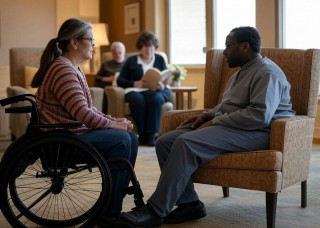
    Medicaid waivers for assisted living services provide vital support for seniors and individuals with disabilities in need of long-term care, with varying state-specific eligibility criteria and benefits. These waivers cover personal care and case management but often do not fully cover room and board, leading to waiting lists for many applicants.

  • assisted living for disabled adultsComprehensive Residential Support and Assisted Living Solutions for Individuals with Disabilities

    The article examines the complexities of assisted living for individuals with disabilities, emphasizing the need for tailored care solutions that enhance quality of life and social inclusion, while addressing financial challenges and advocating for community integration. It discusses various housing options, the importance of financial assistance through public benefits, and highlights trends towards integrated and technology-driven solutions in disability-focused housing.

  • assisted living for disabled adultsComprehensive Supportive Living Arrangements for Adults with Disabilities

    Assisted living for adults with disabilities has transformed to provide personalized care and support services aimed at improving residents' quality of life while balancing independence and assistance. However, low-income individuals often face challenges in affording these services, requiring navigation of various financial resources and advocacy for better policies and solutions.