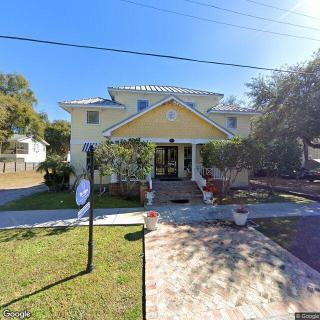
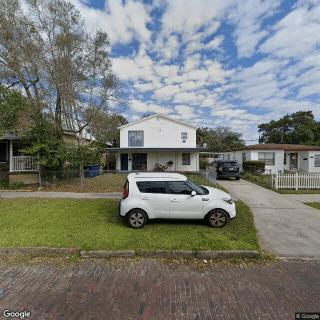
Albany Avenue Adult Congregate Living Facility in Tampa, FL

Information last verified:

211 North Albany Avenue, Tampa, FL 33606

For more information about senior living options: (844) 490-3973

4.4 from 14 reviews
5 stars
10
4 stars
2
3 stars
0
2 stars
1
1 stars
1

Overall Review of Albany Avenue Adult Congregate Living Facility

Pros

  • pro The facility was a great place for residents, and they were greatly cared for.
  • pro Communication with the staff and owner was never an issue.
  • pro The staff went the extra mile repeatedly.
  • pro Being next to St Joe's and other medical facilities helps save time on transfers, especially in critical situations.
  • pro Aguilas Assisted Living takes special care of its residents.
  • pro The facility is compassionate, clean, and loving, with staff who feed residents well.
  • pro The care provided was exceptional in every way, with loving and kind staff and a supportive owner.
  • pro The environment is warm, well-maintained, and safe, with attentive, patient, and gentle caregivers.
  • pro Families are kept up to date about health and care, and the owner is highly helpful.

Cons

  • pro The reviewer described the facility as a horrible place and would not recommend it.

Review

Albany Avenue Adult Congregate Living Facility in Tampa is best suited for families seeking a true home-like setting where daily care is intimate, consistent, and relationship-driven. The community earns strong marks for attentiveness: owners and staff who invest in getting to know each resident as an individual, a pattern families repeatedly highlight as the defining strength. The proximity to St. Joseph’s and other medical facilities is a practical plus for those who anticipate transfers or routine medical visits, offering faster access and less stress when health changes occur. Several reviews praise a warm, compassionate culture, clean, well-maintained spaces, and meals that residents enjoy, all of which help create a sense of stability for elders with routine or memory care needs. The combination of a hands-on owner, family-style atmosphere, and clear lines of communication makes Albany Avenue ALF a strong match for seniors who want to stay anchored in a familiar neighborhood while receiving steady daily assistance.

Those who must consider alternatives tend to be families with residents who require higher-acuity medical supervision, more formal dementia programming, or language support that targets English-first interaction above all else. A small number of reviewers hint at variability in experience; one reviewer labeled the place “horrible,” underscoring that outcomes can hinge on who staffs the front lines on any given day. For families prioritizing a highly clinical environment, or seeking a facility with a dedicated memory-care unit staffed by nurses trained for complex conditions, another community with a larger care staff ratio might be a better fit. Similarly, if a setting with minimal reliance on Spanish-speaking staff is essential, this might require additional considerations or a different locale.

On the upside, the strongest asset is ongoing, transparent communication. Families consistently report timely updates and accessible ownership, which reduces the anxious guesswork that accompanies elder care decisions. Caregivers are described as loving, patient, and attentive, with several stories noting individualized attention, help with dressing, meals, medications, and daily routines carried out with dignity and kindness. The physical environment supports safety and comfort: bright common areas, wide hallways, clean rooms with personal touches, and a homey feel rather than a clinical veneer. The team’s accessibility to external health professionals, annual optometrist visits, podiatry, a visiting nurse or doctor on call, and even on-site hair styling, means medical oversight is practical and integrated, not standoffish. The staff’s willingness to tailor activities around dementia and memory needs helps residents stay engaged without feeling boxed in.

Yet, any decision involves weighing downsides, and Albany Avenue ALF is not without caveats. A minority of reviews signal inconsistent experiences, reminding that care quality can vary with staffing and day-to-day dynamics. For families evaluating high-acuity needs, this facility does not substitute for more intensive medical environments; it remains an assisted living setting rather than a full-time clinical campus. Language dynamics can matter for English-only families, even though staff routinely bridge communication gaps with residents who speak primarily Spanish. Prospective residents should inspect care plans, ask for staff-to-resident ratios, and meet the caregiver team to assess whether the level of daily supervision aligns with the required level of independence or assistance.

Overall, the advantages tend to offset these concerns when matched with the right resident profile. The combination of near-hospital access, compassionate caregiving, and a truly relational approach produces measurable relief for families managing dementia, memory care, or the need for consistent daily routines. The proactive maintenance of a clean, safe environment and the emphasis on family updates create a predictable cadence that reduces worry about a loved one’s status. To validate fit, families should request a meet-and-greet with the owner, review a current care plan, observe a meal and activity, and probe for the responsiveness of the on-call medical team. Confirm language needs upfront and, if bilingual interaction matters, verify that staff can meet those needs or arrange translation support. This diligence ensures the positives, care, communication, and community, outweigh the potential drawbacks.

For families prioritizing warmth, reliability, and practical memory-care support within a Tampa locale, Albany Avenue ALF stands out as a compelling choice. It is especially well-suited for seniors who value personal attention, stable routines, and easy medical access, with a caregiving team that treats residents like family. Those seeking a more clinical pace, or requiring a facility with formal dementia units and aggressive medical oversight, should explore alternatives with higher acuity capabilities. The right decision will come from direct engagement: an in-person tour, conversations with the owner, and a careful review of care plans and staff interactions. When alignment exists, this community offers a solid, humane home where residents receive not only assistance but genuine, sustaining companionship.

Features

Housing

  • 25 resident community capacity 25 resident community capacity

Types of Care

  • Assisted Living Assisted LivingAssisted living facilities provide crucial support and care for seniors who may need help with daily tasks such as medication management, bathing, and meal preparation. These communities offer a safe and comfortable environment where seniors can maintain their independence while receiving the assistance they need to thrive in their golden years.
  • Respite Care Respite CareRespite care provides temporary relief for caregivers, allowing them to recharge and attend to their own needs. It also gives seniors the opportunity to socialize, receive professional care, and experience a change of scenery, promoting overall well-being and reducing feelings of isolation.

Amenities

  • Beauty salon Beauty salonBeauty salons are important for seniors because they provide a space for them to feel pampered, socialize, and maintain their personal grooming and hygiene. Regular visits to a beauty salon can help boost seniors' self-esteem and overall well-being.
  • Cable or satellite TV Cable or satellite TVCable or satellite TV is important for seniors because it provides entertainment, news, and companionship, helping to combat loneliness and boredom. It also offers a wide range of programming options tailored to different interests and preferences.
  • Dining room Dining roomDining rooms are important for seniors as they provide a space for socialization, connection, and nutritious meals. They offer opportunities for residents to bond over shared meals, foster a sense of community, and promote healthy eating habits. Dining rooms also ensure that seniors have access to well-balanced meals tailored to their dietary needs and preferences.
  • Fully furnished Fully furnishedFully furnished senior living communities are important for seniors because they provide convenience, comfort, and a hassle-free moving experience. Seniors can easily settle into their new living space without the stress of having to buy and move furniture. This allows them to focus on enjoying their new home and community.
  • Garden GardenGardens are important for seniors as they provide a peaceful and therapeutic environment for relaxation, physical activity, and socialization. Being in nature has been shown to reduce stress, improve mood, and promote overall well-being. Gardens also offer opportunities for seniors to engage in gardening activities, which can improve mobility, flexibility, and cognitive function. Additionally, gardens create a sense of community and connection with others who share a passion for plants and outdoor spaces.
  • Housekeeping services Housekeeping servicesHousekeeping services are important for seniors because they help maintain a clean and safe living environment, promote independence, and reduce the risk of accidents or illnesses. Additionally, having assistance with household chores can alleviate physical strain and allow seniors to focus on other aspects of their well-being.
  • Kitchenette KitchenetteKitchenettes are important for seniors living in senior living communities because they provide the convenience and independence of being able to prepare simple meals and snacks in the comfort of their own living space. This can help promote a sense of autonomy and well-being for seniors, allowing them to maintain some level of control over their dietary choices and daily routines.
  • Move-in coordination Move-in coordinationMove-in coordination is important for seniors because it helps ease the transition into their new living environment. It ensures that all logistics, such as packing, organizing movers, and setting up utilities are taken care of, allowing seniors to focus on settling in and adjusting to their new home. Having a smooth move-in process can alleviate stress and anxiety, making the transition smoother and more enjoyable for seniors.
  • Outdoor space Outdoor spaceOutdoor spaces are important for seniors as they provide opportunities for physical activity, social interaction, exposure to natural light and fresh air, and a sense of connection to nature. Having access to outdoor spaces can improve overall well-being and quality of life for older adults living in senior communities.
  • Restaurant-style dining Restaurant-style diningRestaurant-style dining is important for seniors because it allows them to enjoy delicious, nutritious meals in a social and upscale setting. This enhances their dining experience, promotes healthy eating habits, and fosters socialization with fellow residents, ultimately contributing to their overall well-being and quality of life.
  • Small library Small librarySmall libraries are important for seniors as they provide access to a variety of reading materials, including books, newspapers, and magazines. This can help stimulate their minds, keep them engaged, and provide a sense of community through book clubs and other social activities. Additionally, reading has been shown to improve cognitive function and overall mental well-being in older adults.
  • Telephone TelephoneTelephones are important for seniors as they provide a lifeline for communication with loved ones, emergency services, and healthcare providers. They offer a sense of security and independence, enabling seniors to stay connected and access assistance when needed.
  • Wi-Fi/high-speed internet available Wi-Fi/high-speed internet availableWi-Fi/high-speed internet is important for seniors to stay connected with loved ones, access online resources, and participate in virtual activities to combat feelings of loneliness and isolation. It also allows them to easily manage healthcare needs, access entertainment, and engage in lifelong learning opportunities.

Transportation

  • Tampa International (4 miles away) Tampa International (4 miles away)
  • St. Petersburg-Clearwater International (13 miles away) St. Petersburg-Clearwater International (13 miles away)

Care Services

  • 24-hour call system 24-hour call system24-hour call systems are important for seniors because they provide peace of mind and immediate assistance in case of emergencies. This technology ensures that help is always available, promoting safety and security for elderly individuals living alone or in assisted living facilities.
  • 24-hour supervision 24-hour supervision24-hour supervision is important for seniors to ensure their safety, well-being, and access to immediate assistance in case of emergencies or health issues. This constant support provides peace of mind for both seniors and their loved ones, allowing them to age in place with dignity and security.
  • Activities of daily living assistance Activities of daily living assistanceActivities of daily living assistance are important for seniors because they provide essential support with tasks such as eating, bathing, dressing, and mobility. This assistance helps seniors maintain their independence, dignity, and overall quality of life as they age.
  • Assistance with bathing Assistance with bathingAssistance with bathing is crucial for seniors as it helps maintain personal hygiene, prevents infections, and ensures their overall well-being and comfort. It also provides a sense of dignity and independence for seniors who may struggle with this task on their own.
  • Assistance with dressing Assistance with dressingAssistance with dressing is important for seniors because it helps maintain their independence, promotes personal hygiene, prevents accidents and injuries, and improves overall quality of life. This service ensures that seniors can continue to dress comfortably and confidently, despite any physical limitations they may have.
  • Assistance with transfers Assistance with transfersAssistance with transfers is crucial for seniors as it helps prevent falls and injuries, maintains their independence, and ensures they can safely navigate their living environment. It also provides peace of mind for both seniors and their loved ones.
  • Diabetes diet Diabetes dietA diabetes diet is crucial for seniors as it helps manage blood sugar levels, reduce risks of complications, and improve overall health and well-being. By following a balanced and nutritious diet tailored to their specific needs, seniors can better control their diabetes and enhance their quality of life.
  • Meal preparation and service Meal preparation and serviceMeal preparation and service are crucial for seniors as they may have limited mobility or energy to cook nutritious meals. Having access to healthy and convenient food options can ensure they are getting the proper nutrition needed to maintain their overall health and well-being.
  • Medication management Medication managementMedication management is crucial for seniors to ensure they are taking the right medications at the correct dosages and times. This helps prevent adverse drug interactions, reduces the risk of medication errors, and promotes overall health and well-being. Proactive management also allows for adjustments as needed based on changing health conditions or new prescriptions.
  • Mental wellness program Mental wellness programMental wellness programs are essential for seniors as they promote cognitive stimulation, emotional support, and social engagement. These programs help prevent isolation, depression, and cognitive decline, ultimately enhancing the overall quality of life for older adults.
  • Special dietary restrictions Special dietary restrictionsSpecial dietary restrictions are important for seniors because age-related changes in metabolism and health conditions can make it difficult for their bodies to process certain foods. By following a diet tailored to their specific needs, seniors can maintain their overall health and well-being, manage chronic conditions, and reduce the risk of complications such as malnutrition or food interactions with medications.

Dining

  • Diabetes diet Diabetes dietA diabetes diet is crucial for seniors as it helps manage blood sugar levels, reduce risks of complications, and improve overall health and well-being. By following a balanced and nutritious diet tailored to their specific needs, seniors can better control their diabetes and enhance their quality of life.
  • Special dietary restrictions Special dietary restrictionsSpecial dietary restrictions are important for seniors because age-related changes in metabolism and health conditions can make it difficult for their bodies to process certain foods. By following a diet tailored to their specific needs, seniors can maintain their overall health and well-being, manage chronic conditions, and reduce the risk of complications such as malnutrition or food interactions with medications.

Activities

  • Community-sponsored activities Community-sponsored activitiesCommunity-sponsored activities are important for seniors as they provide opportunities for social interaction, mental stimulation, and physical activity. These activities can help improve overall well-being, combat loneliness and isolation, and promote a sense of belonging and purpose among older adults.
  • Resident-run activities Resident-run activitiesResident-run activities are important for seniors as they encourage social interaction, creativity, and a sense of autonomy. These activities empower seniors to stay engaged and active in their community while fostering meaningful connections with their peers.
  • Scheduled daily activities Scheduled daily activitiesScheduled daily activities are important for seniors because they provide structure, socialization, mental stimulation, and physical activity. Engaging in regular activities can improve overall well-being and quality of life for seniors living in a community setting.

Description

Albany Avenue Adult Congregate Living Facility is an assisted living community located in Tampa, FL. We specialize in providing respite care services to individuals who require temporary assistance and support.

Our facility offers a range of amenities to ensure our residents' comfort and well-being. Each room is fully furnished and equipped with cable or satellite TV, telephone, and Wi-Fi/high-speed internet access. Our dining room provides restaurant-style dining where residents can enjoy delicious meals prepared by our skilled kitchen staff. Additionally, we have a small library where residents can relax and engage in reading.

We understand the importance of maintaining a clean and organized living space, which is why we provide housekeeping services to all our residents. Our outdoor spaces, including a garden, offer a peaceful environment for relaxation and socialization.

At Albany Avenue Adult Congregate Living Facility, we prioritize the health and safety of our residents. Therefore, our trained staff provides 24-hour supervision and assistance with activities of daily living such as bathing, dressing, and transfers. We also offer medication management services to ensure that residents receive their prescribed medications on time.

We believe in promoting mental wellness among our residents, which is why we have a dedicated mental wellness program in place. This program focuses on emotional well-being through various activities and therapies.

In terms of dining options, we accommodate special dietary restrictions to cater to the unique needs of each resident. Our kitchen staff prepares meals that are tailored to diabetes diets and other specific dietary restrictions.

To keep residents engaged and active, we offer resident-run activities as well as scheduled daily activities planned by our staff members. These activities aim to promote social interactions among residents while also catering to their individual interests.

Conveniently located near various amenities, Albany Avenue Adult Congregate Living Facility offers easy access to cafes, parks, pharmacies, physicians' offices, restaurants, transportation options, and hospitals.

Visit us at Albany Avenue Adult Congregate Living Facility in Tampa, FL, where we provide compassionate care and a supportive community for individuals in need of respite care services.

Nearby Places of Interest

Cafes

  • Buddy Brew Coffee (0.2 miles)
  • Caffeine Roasters (0.3 miles)
  • Starbucks (0.3 miles)
  • Buddy Brew (0.8 miles)
  • Starbucks | UT (0.8 miles)
  • Starbucks (1.7 miles)
  • JW Marriott Market Cafe (1.7 miles)

Restaurants

  • McDonald's (0.4 miles)
  • Soho Saloon (0.5 miles)
  • Acropolis Greek Taverna (0.7 miles)
  • On Swann (0.7 miles)
  • Eddie & Sam's Ny Pizza (1.3 miles)
  • Ciro's Speakeasy and Supper Club (1.4 miles)
  • Armature Works (1.4 miles)

Pharmacies

  • CVS Pharmacy (0.7 miles)
  • Winn-Dixie (0.7 miles)
  • Walgreens (1.1 miles)
  • Walgreens (1.4 miles)
  • CVS Pharmacy (1.5 miles)
  • CVS Pharmacy (1.5 miles)
  • CVS Pharmacy (2.4 miles)

Physicians

  • South Tampa Medical Center (0.7 miles)
  • Moffitt Cancer Center at International Plaza (2.4 miles)
  • Tower Radiology Centers - Habana (2.8 miles)
  • Shady Grove Fertility (3.1 miles)
  • Tampa Bay Cardi Ovascular (3.2 miles)
  • Medical Village Surgical Center (3.5 miles)
  • Fast Track Urgent Care Center (3.8 miles)

Parks

  • Curtis Hixon Waterfront Park (1.2 miles)
  • Beach Park (2.8 miles)
  • Rivercrest Park (3.1 miles)
  • McKay Bay Nature Park (3.6 miles)
  • Ballast Point Park (4 miles)
  • Grant Park (5.6 miles)

Transportation

  • National Car Rental (3.5 miles)
  • Hertz Rent A Car (3.6 miles)
  • Airside A (3.7 miles)
  • TSA Screening (3.7 miles)
  • Tampa International Airport (TPA) (4 miles)
  • Main Terminal Tpa Tampa (4 miles)
  • American Airlines Ticket Counter (4 miles)

Hospitals

  • Florida Hospital Carrollwood (4.8 miles)
  • Tampa Community Hospital (6.9 miles)

Frequently Asked Questions

Where is Albany Avenue Adult Congregate Living Facility?

Nearby Communities

  • Amalia Gardens ALF

    Amalia Gardens ALF

    Tampa, FL

    4.9 from 34 reviews
    $2,500 to $3,200 / month

    pro Warm, family-run, intimate setting with personalized care and home-cooked meals.

  • Amalia Gardens - ALF

    Amalia Gardens - ALF

    Tampa, FL

    4.9 from 30 reviews
     

    pro Cozy, homelike ALF with garden and comprehensive care.

  • Arthur Home Assisted Living Facility

    Arthur Home Assisted Living Facility

    Tampa, FL

    3.1 from 20 reviews
    $3,000 to $3,500 / month

    pro Safe, clean environment with friendly staff and good meals.

  • Hailes Boarding Home

    Hailes Boarding Home

    Tampa, FL

    2.5 from 2 reviews
     

    pro Personal, attentive care with onsite owner involvement.

  • The Abigail

    The Abigail

    Tampa, FL

    4.9 from 34 reviews
    $4,000 / month

    pro Intimate, well-maintained environment with attentive staff, good dining, and convenient location.

  • Jones,  Erma

    Jones, Erma

    Tampa, FL


    pro Excellent access to nearby dining, parks, pharmacies, physicians, hospitals, and transportation.

  • Jewish Center Towers

    Jewish Center Towers

    Tampa, FL

    4 from 13 reviews
    $1,118 / month

    pro Strong community feel with spacious apartments and on-site amenities.

  • Allegro Hyde Park

    Allegro Hyde Park

    Tampa, FL

    4.8 from 91 reviews
    $3,450 to $5,375 / month

    pro Warm, attentive staff with a rich activity calendar in a well-maintained, upscale setting.

  • The Estate At Hyde Park

    The Estate At Hyde Park

    Tampa, FL

    4.4 from 72 reviews
    $6,985 to $9,460 / month

    pro Convenient South Tampa location with engaging activities and friendly, dedicated staff.

Related Resources

  • senior move managementSenior Transition Services: Understanding Their Role, Cost, and Importance

    Senior move management services assist older adults in the relocation process by providing emotional support and organizational help, addressing unique challenges like downsizing and moving from long-term homes. These specialists collaborate with real estate agents and manage logistics, making the transition smoother for seniors and their families.

  • independent living vs assisted livingExploring the Path to Senior Living: A Comprehensive Look at Independent Living and Assisted Living

    The article examines senior housing options, detailing the distinctions between independent living and assisted living, along with the emerging "independent assisted living" model that blends both approaches. It highlights the importance of assessing individual needs, preferences, and financial factors in making informed decisions about suitable living arrangements for seniors.

  • is assisted living tax deductibleIs Assisted Living Deductible on Your Taxes? Understanding the Complexities of Assisted Living Expenses and Deductions

    The deductibility of assisted living expenses on taxes hinges on factors like the individual's medical condition and service nature, typically requiring the resident to be "chronically ill" per IRS definitions. Taxpayers may deduct eligible medical expenses related to personal care services but generally not rent unless primarily for medical care, and they should maintain thorough documentation to support claims while considering itemizing versus standard deductions.