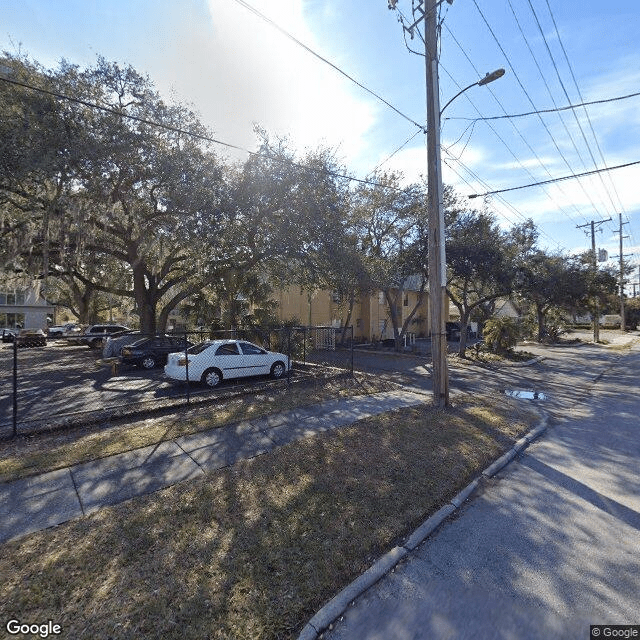
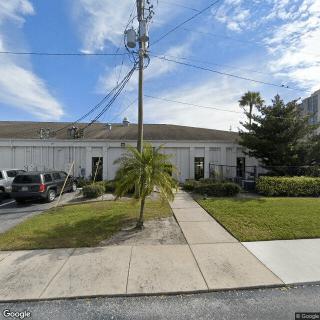
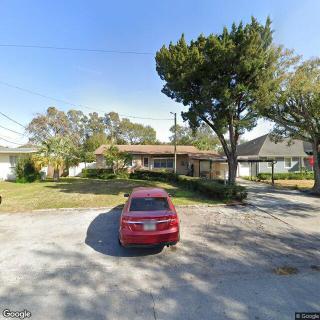
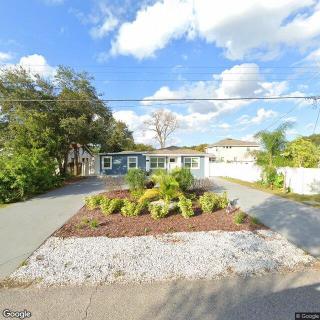
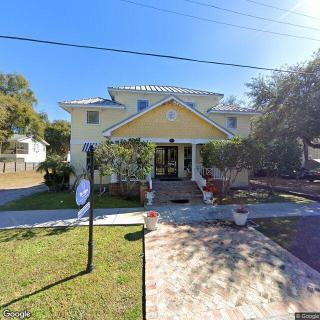
Hyde Park Assisted Living
Save
3011 W De Leon St, Tampa, FL 33609
For more information about senior living options: (844) 490-3973
Hyde Park ALF is a place that draws a wide spectrum of opinions from families, visitors, and staff, and the range is striking. On one hand, there are accounts that praise the facility for its compassionate care, attentive administration, and consistently high standards. Characters in these accounts emphasize an excellent team that treats residents with kindness, careful notes and documentation, and a strong, positive rapport between residents and workers. Some reviewers describe the environment as clean and well-maintained, with staff who seem genuinely invested in the well-being and happiness of the people living there. They note good communication with families, timely responses, and a sense that the staff goes above and beyond to create a warm, welcoming atmosphere. In these narratives, Hyde Park ALF is portrayed as a place where meals are appealing, common areas feel inviting, and residents appear engaged and content, with frequent celebrations and thoughtful touches for holidays and special occasions. For many families, this is exactly the kind of supportive, well-run community they hoped to find.
But there is a darker, more cautionary thread that runs through many other experiences. Several reviewers report severe problems with cleanliness and pest control, describing roaches and rats within walls and living spaces, and rooms that feel dirty and neglected. Some write that conditions aren't just mediocre but "deplorable" and that the facility struggles to meet basic standards or up to code. Cleaning closets and storage areas are mentioned as visibly dirty or broken, and there is a recurring sense that housekeeping is inconsistent or insufficient. The contrast between the positive and negative descriptions is stark, with some days smelling fresh and clean and other days painting a picture of filth and disarray.
Staffing levels and responsiveness are another central point of contention. A number of reviewers describe a "skeleton crew" or consistently short-staffed shifts, with criticism focused on the lack of assistance for residents who need non-emergent help. Some say that only medication technicians are present in certain situations, which leaves families worried about assistance with daily activities, mobility, and dietary needs. The implications of understaffing extend to communication as well; several reports indicate difficulty reaching the facility by phone, with one account noting a main number that sounds like a fax machine and another line that fills up with no way to leave a message. In some narratives, families express frustration at not being able to connect with their loved ones promptly, which compounds anxiety during already stressful times.
Medical and dietary accountability is another hot-button issue. A recurring concern is the lack of accommodations for allergies or special diets, including diabetes-friendly plans, salt-restricted regimens, or other medical dietary restrictions. Some reviewers feel that food quality is inconsistent, ranging from meals that look and taste appealing to statements that the food is only edible at best. In the most alarming claims, there are accusations that medications are mishandled or inappropriately distributed, with one stark note that narcotics are "passed out to patients like candy." Another troubling claim suggests a patient nearly died after exposure to harmful substances, underscoring fears about medication management and safety protocols. These accusations, whether from a single account or reinforced by others, significantly color the perceived risk of residing there for families considering placement.
There are also personal anecdotes that offer a more balanced, mixed picture. Some reviewers recount positive interactions with specific staff members who leave a lasting, favorable impression - people who take pride in their work, maintain a clean and orderly space, and respond promptly to needs. One account highlights a caregiver named Gloria who stands out for the quality of care she provides. There are even stories of families discovering Hyde Park ALF after visiting other facilities and feeling relieved by the friendliness, the greeted-by-smiling-staff atmosphere, and the reassurance that their relative would be well cared for. In some of these narratives, families describe regular visits, open lines of communication, and a sense that the right staff can make all the difference in the resident's day-to-day experience.
In the balance of perspectives, some reviewers describe Hyde Park ALF as a place that initially showed promise - clean, well-run, and responsive to questions - yet later revealed significant concerns about ongoing operations, safety, and overall quality of life for residents. The optimism of the early impressions often gives way to warnings about staff shortages, inconsistent housekeeping, and resistance to accommodating individual health needs. The most urgent messages in these accounts tend to center on the practical realities of care: whether residents can receive timely help, access appropriate meals, and live in a space that feels safe and respectful. The tone ranges from hopeful and grateful to urgent and alarmed, suggesting that experiences at Hyde Park ALF can vary substantially from one family to the next and from one time to another.
For anyone considering Hyde Park ALF, the takeaways are clear and pragmatic. There is evidence of strong, heartfelt care in some corners of the facility, with caring staff, clean environments, and positive interpersonal dynamics that create a home-like atmosphere for residents and families who are fortunate to experience it. At the same time, there are serious, well-documented concerns about pests, cleanliness, staffing levels, food and dietary accommodations, and safety around medications. The breadth of experiences implies that due diligence is essential: visit in person when possible, talk to multiple staff members and families, verify how dietary restrictions are handled, and assess whether the facility's current staffing and operational practices can meet the specific needs of a given loved one. The decision to place a family member here should rest on a careful weighing of the strong positives against the substantial risks described by others, with a plan in place to monitor quality of care and communication on an ongoing basis.
Hyde Park Assisted Living in Tampa, FL is a vibrant and welcoming community that offers a range of amenities and services to cater to the needs and preferences of its residents. Our residents have the option to participate in devotional services off-site, providing them with an opportunity for spiritual enrichment and connection.
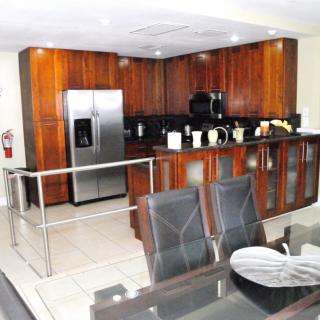
Our indoor common areas provide a comfortable and inviting space for socializing, relaxation, and engaging in various activities. Residents can enjoy spending time with their peers, playing games, or simply unwinding in these communal spaces.
At Hyde Park Assisted Living, we understand the importance of specialized care for individuals with diabetes. That's why we offer diabetic care services to ensure our residents receive the necessary support in managing their condition.
We believe in promoting an active and fulfilling lifestyle for our residents. To this end, we organize devotional activities offsite that cater to diverse religious affiliations, allowing our residents the chance to practice their faith in a meaningful way.
Our community is conveniently located near various amenities and facilities that enhance the quality of life for our residents. With 11 cafes nearby, there are plenty of options for dining out or meeting friends for a cup of coffee. Five parks within close proximity offer opportunities for outdoor walks, picnics, or enjoying nature. The presence of 20 pharmacies ensures easy access to medication and healthcare supplies. With eight physicians nearby, medical care is readily available whenever needed.
For those who enjoy dining out or trying new cuisines, our community is surrounded by 27 restaurants offering an array of gastronomic experiences. Additionally, transportation options are readily accessible with nine transportation services available nearby.
At Hyde Park Assisted Living, we strive to create an enriching environment where seniors can feel at home while receiving the support they need. Our commitment to excellent care combined with an abundance of nearby amenities make us an ideal choice for assisted living in Tampa, FL.
This part of Tampa, Florida offers a convenient and diverse range of amenities for seniors looking to settle in the area. With several medical centers nearby, including South Tampa Medical Center and Moffitt Cancer Center, residents can easily access quality healthcare services. There are also numerous pharmacies in close proximity for medication needs. For recreational activities, there are parks such as Curtis Hixon Waterfront Park and Beach Park within a short distance, providing opportunities for outdoor enjoyment. Additionally, there are various dining options like Acropolis Greek Taverna and True Food Kitchen, as well as cafes like Caffeine Roasters and Starbucks for socializing or grabbing a quick bite. Transportation options such as car rental services and proximity to Tampa International Airport make traveling convenient for seniors living in this area. Overall, this part of Tampa offers a well-rounded living environment with easy access to essential services and recreational opportunities.
Hyde Park Assisted Living is located at 3011 W De Leon St, Tampa, FL 33609 in Hillsborough County, Florida
Lifepath Hospice-Hillsborough
Tampa, FL
Strong access to nearby amenities (cafes, parks, pharmacies, physicians, restaurants, transport).
Lifepath Hospice-Hillsborough reviews
Lifepath Hospice-Hillsborough images
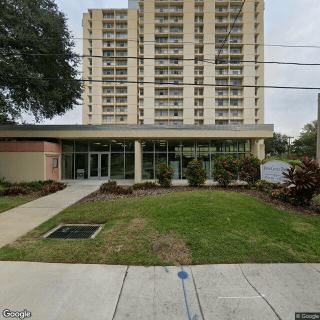
Jewish Center Towers
Tampa, FL
Strong community feel with spacious apartments and on-site amenities.
Jewish Center Towers costs
Jewish Center Towers reviews
Jewish Center Towers images
Amalia Gardens ALF
Tampa, FL
Warm, family-run, intimate setting with personalized care and home-cooked meals.
Amalia Gardens ALF costs
Amalia Gardens ALF reviews
Amalia Gardens ALF images
Aguila Adult Care Center
Tampa, FL
Cozy, homelike setting with memory care and comprehensive support (24/7 supervision, ADL assistance, medication management, meals) plus transportation and healthcare coordination.
Aguila Adult Care Center reviews
Aguila Adult Care Center images
The Estate At Hyde Park
Tampa, FL
Convenient South Tampa location with engaging activities and friendly, dedicated staff.
The Estate At Hyde Park costs
The Estate At Hyde Park reviews
The Estate At Hyde Park images
Allegro Hyde Park
Tampa, FL
Warm, attentive staff with a rich activity calendar in a well-maintained, upscale setting.
Allegro Hyde Park costs
Allegro Hyde Park reviews
Allegro Hyde Park images
Choosing the Right Senior Care: A Detailed Exploration of Assisted Living and Nursing Homes

Choosing between assisted living and nursing homes involves evaluating emotional and financial factors, with assisted living offering independence and support for daily activities at a lower cost, while nursing homes provide intensive medical care for individuals with significant health needs. The decision is influenced by personal preferences, health status, cognitive function, and varying Medicaid coverage across states.
Understanding the True Cost of Assisted Living in 2025: A Comprehensive Guide

Assisted living in 2025 offers a crucial balance of independence and support for seniors, with costs varying from $2,500 to over $7,000 per month based on factors such as location and care level. Understanding pricing complexities, including regional differences and potential hidden fees, is essential for families to plan financially while ensuring quality care for their loved ones.
Understanding Medicaid Coverage for Assisted Living: A Comprehensive Guide
The guide outlines the complexities of Medicaid coverage for assisted living, highlighting significant state-to-state variations, limited coverage often restricted to personal care services, and the existence of specialized waivers for certain needs like memory care. It advises families to consult local Medicaid offices for options while emphasizing the importance of understanding state-specific regulations and facility policies.