Lifepath Hospice-Hillsborough
Save
3010 W Azeele St, Tampa, FL 33609
For more information about senior living options: (844) 490-3973
The collection of reviews paints a picture of hospice care that runs the gamut from deeply compassionate and professionally attentive to frustratingly disorganized and distressing. On the one hand, there are heartfelt tributes to staff who offered spiritual comfort, patient guidance, and steady presence during some of the hardest moments families face. On the other hand, there are stark accounts of missed communications, delayed medications and supplies, and a sense that some families were left to navigate end-of-life decisions without the steady hands they expected. Taken together, the responses reveal both the human empathy that some teams bring to care and the systemic gaps that can undermine it.
Several reviewers describe encounters with teams that felt genuinely caring, supportive, and well-coordinated. One caregiver praises a team described as "divinely guided by the goodness of God," noting that every contact with staff was professional, courteous, patient, and uplifting for both the patient's family member and the caregiver. They emphasize the staff's respectful attentiveness and the comforting, sincere manner in which care was delivered. Additional praise highlights a specific group referred to as the "pink team," where nurses, a nurse practitioner, triage nurses, and a chaplain were repeatedly described as dependable, available for calls, and steadfast in meeting the family's needs. There are mentions of a nurse, a social worker, and a chaplain who offered compassionate end-of-life support, with thanks for their kindness and the reassurance they provided during a difficult period. In some testimonials, families feel grateful for timely, responsive care that allowed a loved one to pass with minimal suffering and with loved ones nearby.
But alongside the praise, there are many sobering, often detailed accounts of failures in the care process. Several reviewers recount experiences in which no one appeared at home to provide guidance when a patient was brought home, leaving families in a state of fear and uncertainty. One account describes a discharge where medications were not ready, supplies such as wipes and briefs were unavailable, and subsequent phone calls to a 24-hour line did not yield immediate help. The frustration is compounded by fees paid out of pocket for essential items, and by repeated assurances that a specific nurse would follow up - assurances that did not materialize in a timely fashion. The sense of abandonment in the face of urgent symptoms - suspected infections, delirium, and sundowning - permeates many negative narratives, underscoring how critical timely information and medications are in hospice care.
Particularly challenging are the stories of inconsistent nurse coverage and delays in care, especially after discharge from rehab facilities. One reviewer details a sequence starting with an impatient intake nurse who left before the doctor could discuss medications, followed by a family forced to manage care with minimal guidance and uncertain when nurses would arrive. The absence of prompt medical orders and supplies was felt across several days, with some family members having to advocate loudly just to get basic comfort measures or to confirm a diagnosis (UTI versus other causes of agitation). The narrative builds a picture of a system that sometimes relies on heroic family members and a few dedicated staff to bridge the gaps, rather than providing reliable, timely, professional care.
The most painful aspects center on the medical handling of a patient's last days. In one detailed account from Tampa, despite a nurse's arrival, care was described as disorganized and hurried, with some staff appearing overwhelmed or unprepared to handle escalating delirium and aggression. The family notes that the night staff and the on-call clinicians sometimes offered only a limited set of options - such as subcutaneous morphine - without robust discussion of alternatives or the broader goals of comfort, safety, and dignity. There are observations of a lack of coordinated medical attention during the active dying phase, with social workers and chaplains described as comforting but the medical interventions insufficiently present. The reviewer ends with a strong warning against this agency in that region, highlighting that the overall experience did not align with the promised standard of compassionate, medically informed end-of-life care.
Amid the chaos, there are glimmers of what well-run hospice can look like. Several families acknowledge moments when intake nurses and late-night specialists provided extraordinary support, and when some caregivers - like a certain physician's assistant or a nurse described as "great" - addressed urgent needs with competence and empathy. One family specifically recounts an intake process that worked well enough to bring a father home promptly, coupled with compassionate chaplains and responsive social workers. In another instance, a nurse who visited the home late in the evening helped calm a distressed patient, and the team's ability to coordinate with a hospice house for additional support was appreciated amid a difficult day. These moments serve as illustrations of how effective hospice care can be, especially when staffing is reliable, communication is proactive, and medical orders are timely.
Taken as a whole, the reviews underscore a critical tension in hospice care: the power of compassionate, person-centered staffing when it is present, and the real harm that can occur when coordination breaks down. Families deserve clear guidance well before a transition home, reliable access to medications and supplies, and a consistent, responsive medical team that communicates openly about what to expect and when to expect it. The experiences call for stronger protocols around intake, medication management, nurse coverage by region, and more proactive follow-up with families. While some teams are repeatedly praised for their empathy, professionalism, and support, others illustrate how fragile and stressful the end-of-life landscape can become when staffing shortages, miscommunication, or delayed care intersect with patients' and families' deepest needs. The overall message is clear: excellent palliative care is possible and profoundly meaningful, but it requires reliable systems, coordinated teams, and a steadfast commitment to dignity, comfort, and humanity at every step.
Lifepath Hospice-Hillsborough in Tampa, FL is an assisted living community designed to provide comprehensive care and support to seniors in a comfortable and compassionate environment. Located conveniently near various amenities, this community ensures that residents have easy access to cafes, parks, pharmacies, physicians, restaurants, and transportation services.
With 11 cafes nearby, residents can enjoy a variety of dining options and socialize with their peers over coffee or snacks. For those who appreciate spending time in nature, the presence of 5 parks nearby offers opportunities for outdoor activities, peaceful walks, or simply enjoying the beauty of nature.
The community also prioritizes the well-being of its residents by offering close proximity to 20 pharmacies. This allows for convenient access to medications and healthcare supplies as needed. Additionally, having 8 physicians nearby ensures that seniors can receive timely medical attention and regular check-ups from trusted professionals.
When it comes to dining out or enjoying meals outside their own residences, residents are spoilt for choice with the presence of 27 restaurants nearby. These establishments offer a diverse range of cuisines and dining experiences for seniors to savor.
Furthermore, Lifepath Hospice-Hillsborough realizes the importance of maintaining independence and providing options for transportation. With 9 transportation services available nearby, residents have easy access to local attractions or can attend appointments without any hassle.
Overall, Lifepath Hospice-Hillsborough offers a supportive assisted living community where residents can enjoy the benefits of nearby amenities while receiving professional care in nurturing surroundings.
This part of Tampa, Florida offers a convenient and diverse range of amenities for individuals considering senior living. With several medical centers nearby such as South Tampa Medical Center and Moffitt Cancer Center, residents can easily access healthcare services. Additionally, there are numerous dining options including Acropolis Greek Taverna and True Food Kitchen for those who enjoy dining out. Pharmacies like Walgreens and CVS Pharmacy provide easy access to medications and other essentials. For leisure activities, parks such as Curtis Hixon Waterfront Park and Beach Park offer opportunities for outdoor recreation. In terms of transportation, National Car Rental and Hertz Rent A Car are available for any travel needs. Overall, this area provides a well-rounded environment with various services tailored to meet the needs of seniors.
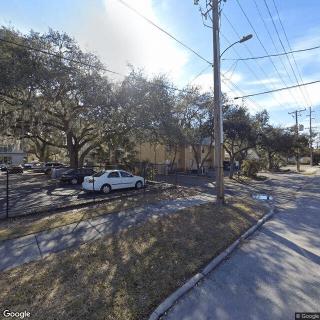
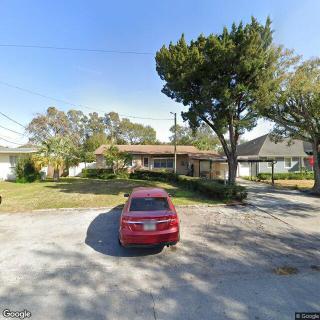
Lifepath Hospice-Hillsborough is located at 3010 W Azeele St, Tampa, FL 33609 in Hillsborough County, Florida
Hyde Park Assisted Living
Tampa, FL
Diabetes-focused care in a vibrant, activity-rich community.


Hyde Park Assisted Living reviews
Hyde Park Assisted Living images
Jewish Center Towers
Tampa, FL
Strong community feel with spacious apartments and on-site amenities.
Jewish Center Towers costs
Jewish Center Towers reviews
Jewish Center Towers images
Amalia Gardens ALF
Tampa, FL
Warm, family-run, intimate setting with personalized care and home-cooked meals.
Amalia Gardens ALF costs
Amalia Gardens ALF reviews
Amalia Gardens ALF images
Aguila Adult Care Center
Tampa, FL
Cozy, homelike setting with memory care and comprehensive support (24/7 supervision, ADL assistance, medication management, meals) plus transportation and healthcare coordination.
Aguila Adult Care Center reviews
Aguila Adult Care Center images
The Estate At Hyde Park
Tampa, FL
Convenient South Tampa location with engaging activities and friendly, dedicated staff.
The Estate At Hyde Park costs
The Estate At Hyde Park reviews
The Estate At Hyde Park images
Allegro Hyde Park
Tampa, FL
Warm, attentive staff with a rich activity calendar in a well-maintained, upscale setting.
Allegro Hyde Park costs
Allegro Hyde Park reviews
Allegro Hyde Park images
Fecal Incontinence in Older Adults: A Comprehensive Guide

Fecal incontinence, prevalent among older adults, arises from factors like weakened pelvic muscles and nerve damage, significantly affecting well-being and social interactions. Diagnosis involves clinical evaluation and tests to inform tailored treatments, while caregivers and preventive measures can aid in managing the condition effectively.
Recognizing the Journey: Understanding and Navigating Anticipatory Grief

Anticipatory grief is an emotional response to the impending loss of a loved one, characterized by complex emotions such as sadness and anger, and involves navigating stages similar to those identified by Kübler-Ross. Coping strategies are vital for managing this process, emphasizing compassionate communication, self-care, and support groups while recognizing the cultural influences on grieving.
Encouraging Participation in Adult Day Care: A Guide to Supporting a Hesitant Parent
Adult day care programs offer essential support and activities for older adults, yet many hesitate to participate due to concerns about independence and stigma. To alleviate these apprehensions, families should facilitate open discussions, explore financial resources, suggest trial visits, and collaborate with healthcare providers to highlight the benefits of such services for both the participants and their caregivers.