Allegro St. Augustine

Save

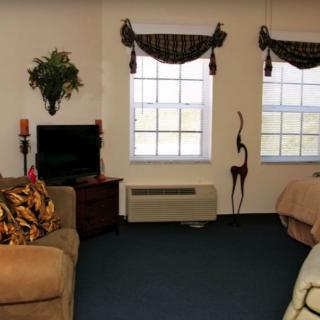
  • Interior

    A cozy home theater with comfortable seating and popcorn ready for a movie night.
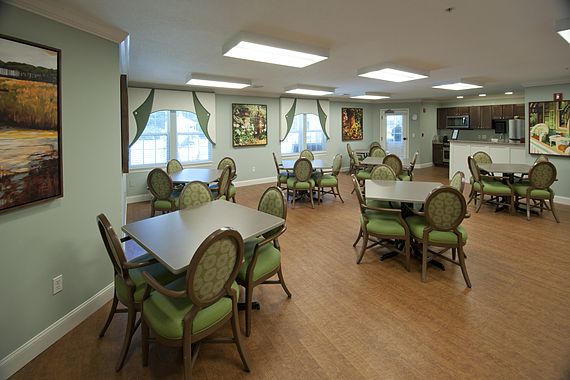
  • Windows

    An elegant dining area with green chairs and square tables, featuring large windows with drapes.
  • Dining

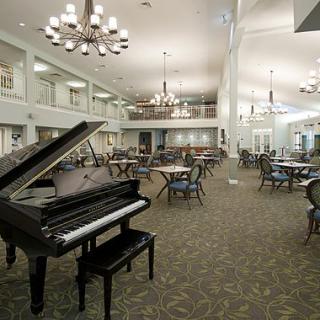
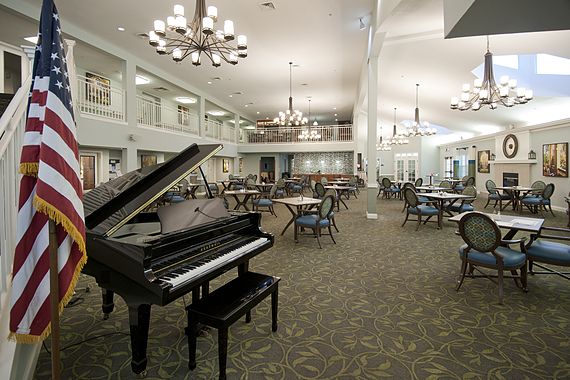
    An elegant dining area with a grand piano and chandeliers.
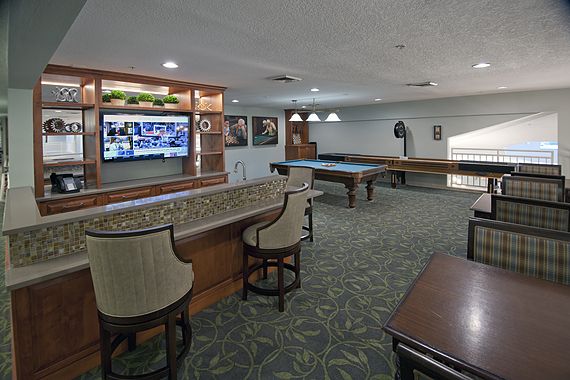
  • Seating Area

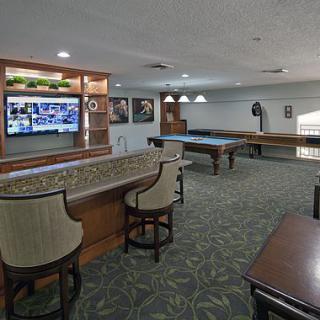
    A recreational room featuring a bar, large TV, and pool tables.
  • Television

    A cozy home theater setup with comfortable seating and popcorn ready for a movie night.
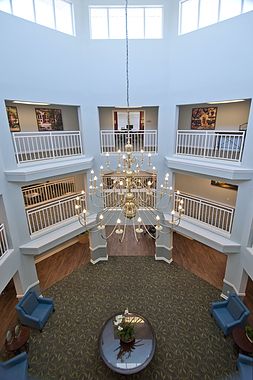
  • Lobby

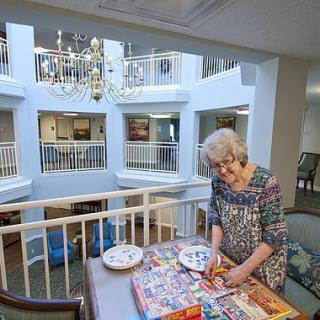
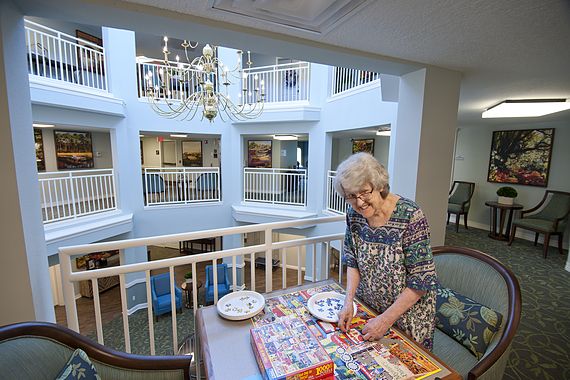
    An elderly woman enjoying a puzzle in a bright and spacious lobby area.
  • Bookshelves

    A cozy library reading room with bookshelves, comfortable chairs, and a computer.
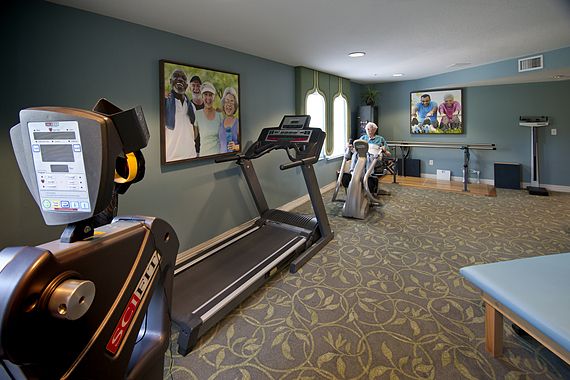
  • Exercise Equipment

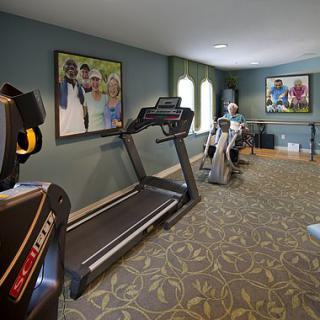
    A small fitness room equipped with treadmills and exercise machines.

Allegro St. Augustine

1101 Plantation Island Drive S, St. Augustine, FL 32080

For more information about senior living options: (844) 490-3973

4.8 from 24 reviews
5 stars
21
4 stars
1
3 stars
1
2 stars
1
1 stars
0

Assisted Living Independent Living

Overall Review of Allegro St. Augustine

Pros

  • pro Julie Brendle has a warm smile and a sincere presence.
  • pro The facility is beautiful.
  • pro The residents appear engaged in life and happy.
  • pro The staff seem present and truly concerned about residents' well-being.
  • pro Julie Brendle gave thoughtful information that came from the heart.
  • pro Julie Brendle provided an in-depth tour and made the visitor feel welcome.
  • pro The facility is truly lovely with everything residents will need or want for their future home.
  • pro Everyone at Allegro seemed happy, from employees to residents.
  • pro Julie Brendle is an amazing resource.
  • pro The staff, including Julie, interact with residents in a positive and caring manner.
  • pro The staff are wonderful and make residents feel at home.
  • pro The Allegro staff have gone above and beyond to support families during transitions.

Cons

  • pro The new manager has replaced long-term employees with friends and relatives, signaling leadership problems.
  • pro Kitchen and dining operations run with reduced hours and no permanent leadership.
  • pro Staff from other departments are frequently moved to dining duties, leaving regular departments understaffed.
  • pro Housekeeping is described as poor.
  • pro Corporate management is no longer present and seems remote and uninterested.
  • pro Maintenance issues persist, including outlets in living areas waiting for repair.
  • pro Resident needs appear to take a backseat to budget considerations, and there is no open-door policy among management.

Review

Allegro Senior Living in St. Augustine sits at the center of a widely varied chorus. For many families and longtime residents, the community is described as a warm, engaged, and welcoming place that feels like a large, caring family. Visitors consistently point to the beauty of the facility, the lively array of activities, and the obvious dedication of many staff members. Several accounts highlight Julie Brendle as a standout guide through the process of choosing care, noting her warmth, attentiveness, and thoughtful approach to questions and concerns. In contrast, a few voices raise concerns about leadership decisions and evolving management practices, suggesting that while the setting itself is appealing, the way the operation is run can shift - sometimes in ways that affect how resident needs are prioritized and how stable leadership feels to families.

For a family newly evaluating Allegro, the experience can begin with real-world, hands-on impressions. One couple who lived there for more than two years described the property as above average and the staff as friendly and courteous, but pointed to a reliance on budgeting that sometimes places resident needs in the background. They warned that "first impressions are not always what they seem," and they ultimately moved a loved one to a different community that they felt offered a more consistently caring environment. Their perspective foregrounds a crucial theme for many prospective residents: beautiful surroundings and friendly desk staff matter, yet ongoing attention to the needs and voices of residents and their families remains essential.

That sense of real-world care shows up clearly in stories about the transition for an older parent. One reviewer shared that they moved their mother into Allegro in July and found her settling in well, making friends, and enjoying independence. They praised the maintenance team, noting a need for more hands on deck and specifically mentioning that some outlets in the living area were awaiting repair. The reviewer spoke positively about the housekeeper, and singled out Julie and Toni as "great to work with." They acknowledged that pricing sits a bit higher than they'd prefer, but they also saw enough positive elements to feel that, overall, the move could be worth it depending on the person's needs.

The experience of touring Allegro is another recurring strand of praise. Several reviewers shared that when they walked through the door, they were greeted with a welcome card bearing their name and were quickly connected with Julie Brendle. The tone in these accounts is consistently warm: a "very warm smile," "sincere presence," and a quiet, focused conversation where Julie listened carefully and asked insightful questions. Reviewers described the facility as beautiful and the residents as engaged and happy. The sense that staff and residents are interacting in a positive, caring manner is a common thread, with words like "thoughtful information that seemed to come from the heart" and "felt understood" appearing in multiple testimonials. For those still weighing options, the impression is often that Allegro, in the hands of staff like Julie, can offer a thoughtful, educated path forward for families facing dependent or assisted living choices.

Beyond individual tours and move-in stories, Allegro is frequently portrayed as a place where residents have meaningful opportunities to stay mentally and socially active. One unique angle comes from a local Brain Fitness class provider who partners with the community. As the owner of Sage Brain Academy LLC, the narrator described teaching Brain Fitness Classes to Allegro residents several times a month and praised the residents as "active, vibrant" and engaged in lifelong learning. The classes supposedly draw robust attendance and serve as a social and cognitive outlet, a testament to Allegro's commitment to programming that adds value to daily life.

Family members who have experienced transitions with loved ones through Allegro consistently point to the staff as the defining feature. Several reviews celebrate specific team members - Dawn, Shane, Gwen, Michelle, Emily, Gary, and others - whose compassionate, attentive care during difficult moments, like grieving and adjustment to new living arrangements, stands out. One reviewer offered heartfelt thanks for the entire assisted-living team during a time of loss, expressing appreciation for the sincerity and supportive behavior that helped a father endure a painful period. The sentiment is echoed by others who describe staff as consistently responsive, kind, and present, turning a challenging transition into a more manageable and dignified experience for families and residents alike.

On the other side of the spectrum, a concern voiced by a minority of reviewers centers on leadership and operational changes. One review, in particular, described a shift that began with a new manager replacing longtime staff with people connected to management's social circles. The critique extended to the kitchen and dining operations, noting reduced hours and a lack of permanent leadership, with staff frequently pulled from other departments to fill in. The reviewer described housekeeping as poor and suggested that corporate management had become remote and less engaged. This perspective acknowledges the strengths of the assisted-living team while signaling that broader leadership and organizational issues can affect day-to-day consistency and the overall sense of stability.

Despite those concerns, the broader narrative about Allegro's character remains largely affirmative. Many reviewers emphasize that Allegro's community feels like a family - warm, welcoming, and supportive. Some describe Allegro as a rare combination of comfort, elegance, and practical, life-enriching programming. People speak of a place where residents have opportunities to engage in games, outings to parks and theaters, local restaurant visits, nightly movies, and social events like happy hours and music-filled experiences. The sentiment is that Allegro is not only a place to live but a place to belong, with a leadership team and staff whose passion for excellence shows in the daily care and the smiles of residents.

For anyone considering Allegro in St. Augustine, the overarching portrait is nuanced: a community that can deliver an exceptionally positive living experience - beautiful facilities, engaged residents, and staff who go the extra mile to support families and preserve independence. The presence of Julie Brendle as a dependable, caring guide through the exploration and transition process is highlighted repeatedly as a major asset. The place's strengths are underscored by consistent praise for activities, education opportunities, and the sense of home that many residents feel. Yet there is a clear reminder that management dynamics and staffing structures can shape the consistency of daily life, and price remains a consideration for many families weighing their options.

In the end, Allegro's St. Augustine location emerges as a place of strong character and genuine warmth, with many people who speak from the heart about care, community, and connection. It is a setting where beautiful living spaces, thoughtful programming, and devoted staff combine to create a nurturing atmosphere for seniors who want to stay active, engaged, and connected with family and friends. As with any senior living choice, families would do well to weigh the glowing testimonials against the more cautionary notes about leadership and operations, and to meet with the team - especially Julie Brendle - to understand how Allegro can align with their specific needs, expectations, and budget.

Features

Housing

  • 46 resident community capacity 46 resident community capacity

Types of Care

  • Assisted Living Assisted LivingAssisted living facilities provide crucial support and care for seniors who may need help with daily tasks such as medication management, bathing, and meal preparation. These communities offer a safe and comfortable environment where seniors can maintain their independence while receiving the assistance they need to thrive in their golden years.
  • Independent Living Independent LivingIndependent living communities are important for seniors because they offer a safe and supportive environment where older adults can live independently while still having access to amenities and services that enhance their quality of life. These communities provide social opportunities, recreational activities, and assistance with daily tasks, promoting overall well-being and allowing seniors to maintain their independence for as long as possible.

Amenities

  • Beauty salon Beauty salonBeauty salons are important for seniors because they provide a space for them to feel pampered, socialize, and maintain their personal grooming and hygiene. Regular visits to a beauty salon can help boost seniors' self-esteem and overall well-being.
  • Cable or satellite TV Cable or satellite TVCable or satellite TV is important for seniors because it provides entertainment, news, and companionship, helping to combat loneliness and boredom. It also offers a wide range of programming options tailored to different interests and preferences.
  • Dining room Dining roomDining rooms are important for seniors as they provide a space for socialization, connection, and nutritious meals. They offer opportunities for residents to bond over shared meals, foster a sense of community, and promote healthy eating habits. Dining rooms also ensure that seniors have access to well-balanced meals tailored to their dietary needs and preferences.
  • Fully furnished Fully furnishedFully furnished senior living communities are important for seniors because they provide convenience, comfort, and a hassle-free moving experience. Seniors can easily settle into their new living space without the stress of having to buy and move furniture. This allows them to focus on enjoying their new home and community.
  • Garden GardenGardens are important for seniors as they provide a peaceful and therapeutic environment for relaxation, physical activity, and socialization. Being in nature has been shown to reduce stress, improve mood, and promote overall well-being. Gardens also offer opportunities for seniors to engage in gardening activities, which can improve mobility, flexibility, and cognitive function. Additionally, gardens create a sense of community and connection with others who share a passion for plants and outdoor spaces.
  • Housekeeping services Housekeeping servicesHousekeeping services are important for seniors because they help maintain a clean and safe living environment, promote independence, and reduce the risk of accidents or illnesses. Additionally, having assistance with household chores can alleviate physical strain and allow seniors to focus on other aspects of their well-being.
  • Kitchenette KitchenetteKitchenettes are important for seniors living in senior living communities because they provide the convenience and independence of being able to prepare simple meals and snacks in the comfort of their own living space. This can help promote a sense of autonomy and well-being for seniors, allowing them to maintain some level of control over their dietary choices and daily routines.
  • Move-in coordination Move-in coordinationMove-in coordination is important for seniors because it helps ease the transition into their new living environment. It ensures that all logistics, such as packing, organizing movers, and setting up utilities are taken care of, allowing seniors to focus on settling in and adjusting to their new home. Having a smooth move-in process can alleviate stress and anxiety, making the transition smoother and more enjoyable for seniors.
  • Outdoor space Outdoor spaceOutdoor spaces are important for seniors as they provide opportunities for physical activity, social interaction, exposure to natural light and fresh air, and a sense of connection to nature. Having access to outdoor spaces can improve overall well-being and quality of life for older adults living in senior communities.
  • Telephone TelephoneTelephones are important for seniors as they provide a lifeline for communication with loved ones, emergency services, and healthcare providers. They offer a sense of security and independence, enabling seniors to stay connected and access assistance when needed.
  • Wi-Fi/high-speed internet available Wi-Fi/high-speed internet availableWi-Fi/high-speed internet is important for seniors to stay connected with loved ones, access online resources, and participate in virtual activities to combat feelings of loneliness and isolation. It also allows them to easily manage healthcare needs, access entertainment, and engage in lifelong learning opportunities.

Care Services

  • 24-hour call system 24-hour call system24-hour call systems are important for seniors because they provide peace of mind and immediate assistance in case of emergencies. This technology ensures that help is always available, promoting safety and security for elderly individuals living alone or in assisted living facilities.
  • 24-hour supervision 24-hour supervision24-hour supervision is important for seniors to ensure their safety, well-being, and access to immediate assistance in case of emergencies or health issues. This constant support provides peace of mind for both seniors and their loved ones, allowing them to age in place with dignity and security.
  • Activities of daily living assistance Activities of daily living assistanceActivities of daily living assistance are important for seniors because they provide essential support with tasks such as eating, bathing, dressing, and mobility. This assistance helps seniors maintain their independence, dignity, and overall quality of life as they age.
  • Assistance with bathing Assistance with bathingAssistance with bathing is crucial for seniors as it helps maintain personal hygiene, prevents infections, and ensures their overall well-being and comfort. It also provides a sense of dignity and independence for seniors who may struggle with this task on their own.
  • Assistance with dressing Assistance with dressingAssistance with dressing is important for seniors because it helps maintain their independence, promotes personal hygiene, prevents accidents and injuries, and improves overall quality of life. This service ensures that seniors can continue to dress comfortably and confidently, despite any physical limitations they may have.
  • Assistance with transfers Assistance with transfersAssistance with transfers is crucial for seniors as it helps prevent falls and injuries, maintains their independence, and ensures they can safely navigate their living environment. It also provides peace of mind for both seniors and their loved ones.
  • Coordination with health care providers Coordination with health care providersCoordination with health care providers is crucial for seniors to ensure proper medical care, medication management, and overall well-being. This collaboration helps prevent overlapping treatments, track progress more effectively, and provide comprehensive support tailored to individual needs.
  • Diabetes diet Diabetes dietA diabetes diet is crucial for seniors as it helps manage blood sugar levels, reduce risks of complications, and improve overall health and well-being. By following a balanced and nutritious diet tailored to their specific needs, seniors can better control their diabetes and enhance their quality of life.
  • Meal preparation and service Meal preparation and serviceMeal preparation and service are crucial for seniors as they may have limited mobility or energy to cook nutritious meals. Having access to healthy and convenient food options can ensure they are getting the proper nutrition needed to maintain their overall health and well-being.
  • Medication management Medication managementMedication management is crucial for seniors to ensure they are taking the right medications at the correct dosages and times. This helps prevent adverse drug interactions, reduces the risk of medication errors, and promotes overall health and well-being. Proactive management also allows for adjustments as needed based on changing health conditions or new prescriptions.
  • Mental wellness program Mental wellness programMental wellness programs are essential for seniors as they promote cognitive stimulation, emotional support, and social engagement. These programs help prevent isolation, depression, and cognitive decline, ultimately enhancing the overall quality of life for older adults.
  • Special dietary restrictions Special dietary restrictionsSpecial dietary restrictions are important for seniors because age-related changes in metabolism and health conditions can make it difficult for their bodies to process certain foods. By following a diet tailored to their specific needs, seniors can maintain their overall health and well-being, manage chronic conditions, and reduce the risk of complications such as malnutrition or food interactions with medications.
  • Transportation arrangement (medical) Transportation arrangement (medical)Transportation arrangements for medical purposes are essential for seniors as they may have difficulty driving themselves to appointments or accessing public transportation. Having reliable and safe transportation options ensures that seniors can receive timely medical care and maintain their health and well-being.
  • Transportation to doctors appointments Transportation to doctors appointmentsTransportation to doctors' appointments is crucial for seniors as it ensures they have access to necessary medical care and support for their health needs. Without reliable transportation, seniors may struggle to attend important appointments, leading to potential delays in treatment and health complications. Providing transportation services helps seniors maintain their overall well-being and quality of life.
Dining

  • Diabetes diet Diabetes dietA diabetes diet is crucial for seniors as it helps manage blood sugar levels, reduce risks of complications, and improve overall health and well-being. By following a balanced and nutritious diet tailored to their specific needs, seniors can better control their diabetes and enhance their quality of life.
  • Special dietary restrictions Special dietary restrictionsSpecial dietary restrictions are important for seniors because age-related changes in metabolism and health conditions can make it difficult for their bodies to process certain foods. By following a diet tailored to their specific needs, seniors can maintain their overall health and well-being, manage chronic conditions, and reduce the risk of complications such as malnutrition or food interactions with medications.

Activities

  • Community-sponsored activities Community-sponsored activitiesCommunity-sponsored activities are important for seniors as they provide opportunities for social interaction, mental stimulation, and physical activity. These activities can help improve overall well-being, combat loneliness and isolation, and promote a sense of belonging and purpose among older adults.
  • Scheduled daily activities Scheduled daily activitiesScheduled daily activities are important for seniors because they provide structure, socialization, mental stimulation, and physical activity. Engaging in regular activities can improve overall well-being and quality of life for seniors living in a community setting.

Description

Allegro St. Augustine is an independent living community located in St. Augustine, FL. Our residents enjoy the comfort of fully furnished apartments with amenities such as cable or satellite TV, Wi-Fi/high-speed internet, and telephone services. Each apartment also has a kitchenette for those who prefer to prepare their own meals.

Our dedicated staff is available 24 hours a day to provide assistance with activities of daily living, including bathing, dressing, and transfers. We also coordinate with healthcare providers to ensure our residents receive the necessary medical care. Our medication management services help residents stay on track with their medications.

At Allegro St. Augustine, we prioritize our residents' mental wellness by offering a comprehensive mental wellness program. This includes scheduled daily activities that promote engagement and socialization among our community members. Our beautiful outdoor spaces and garden provide an inviting atmosphere for relaxation.

We understand that dietary needs vary, which is why we offer special dietary restrictions options for our residents. Our chefs prepare delicious meals that cater to specific dietary requirements such as diabetes diets.

For added convenience, we provide move-in coordination services and transportation arrangements for medical appointments. We are located near several cafes, parks, pharmacies, physicians' offices, restaurants, places of worship, and hospitals.

Overall, Allegro St. Augustine provides a vibrant and caring community where seniors can enjoy an independent lifestyle while receiving the support they need.

Videos

Nearby Places of Interest

Physicians

  • First Coast Heart and Vascular Center (0.1 miles)
  • Florida Retina Institute (0.1 miles)
  • First Coast Cardiovascular Institute, P.A. (0.1 miles)
  • Ashfaq Latif Kudia (0.1 miles)
  • Depasquale Kalpana S DO (0.1 miles)
  • Strout Stephen, DMD, MS (0.1 miles)
  • Integrative Pain Solutions (0.1 miles)

Restaurants

  • Amici Italian Restaurant (0.8 miles)
  • McDonald's (0.9 miles)
  • Applebee's (1.5 miles)
  • Chili's Grill & Bar (1.6 miles)
  • Anastasia Kitchen (1.6 miles)
  • Terra & Acqua (1.6 miles)
  • Everything Bagel (1.6 miles)

Parks

  • Ron Parker Park (1 miles)
  • Dr Robert B. Hayling Freedom Park (1.2 miles)
  • Anastasia State Park (1.4 miles)
  • Maria Sanchez Lake (2.1 miles)

Cafes

  • Beachside Diner (1.8 miles)
  • Kekes Breakfast Café (2 miles)
  • The Kookaburra (2 miles)
  • Panera Bread (2.1 miles)
  • The Kookaburra (2.3 miles)
  • Relampago Coffee Lab (2.4 miles)
  • Harbor View Cafe (2.4 miles)

Hospitals

  • St Augustine Surgery Center (1.8 miles)

Pharmacies

  • CVS Pharmacy (1.9 miles)
  • Winn-Dixie (2.2 miles)

Places of Worship

  • Memorial Presbyterian Church (2.5 miles)

Frequently Asked Questions

Where is Allegro St. Augustine?
What photos are available for Allegro St. Augustine in St. Augustine, Florida?

Nearby Communities

Related Resources

  • assisted living insuranceAssisted Living Expenses and Long-Term Care Insurance: A Comprehensive Exploration

    The article discusses assisted living expenses, the importance of long-term care insurance in covering these costs, and various financing options, highlighting the need for careful policy review and early planning to address potential needs. It also clarifies common misconceptions about Medicare and private health insurance limitations regarding long-term care coverage.

  • how to pay for assisted livingSecuring Financial Support for Assisted Living: A Comprehensive Overview

    Assisted living facilities offer crucial support for older adults needing help with daily activities but come with varying and significant costs, which can be financed through personal savings, government assistance programs, long-term care insurance, and home equity options. Professional guidance from experts can aid families in navigating these financial complexities to establish a sustainable budgeting approach for assisted living services.

  • assisted living for seniors on social securitySocial Security Benefits and Assisted Living: Navigating Options Across the U.S.
    Assisted living costs often exceed Social Security benefits, necessitating a combination of funding sources like state aid and Medicaid. Understanding the interaction between Social Security programs and available financial support is essential for affording such care.