
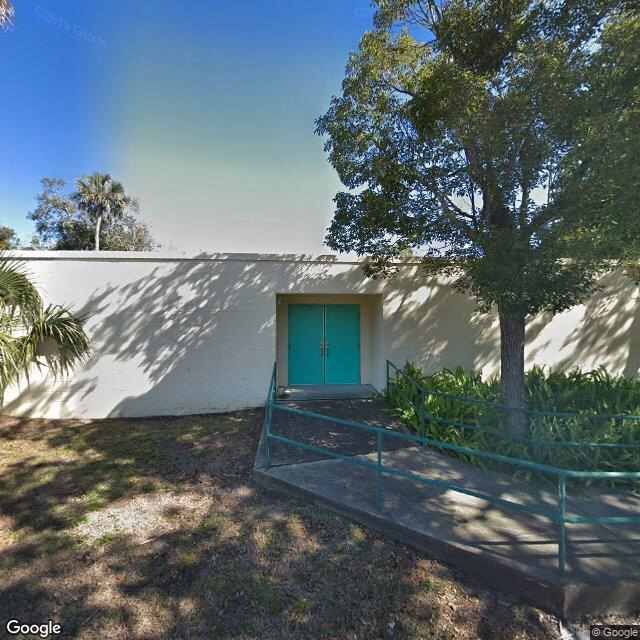
169 M L King Ave, St. Augustine, FL 32084
To contact a resident: (904) 829-9315
For more information about senior living options: (866) 208-4318
Overall Review of Buckingham Smith Assisted Living Facility
Pros
 The home is spotless and has a pleasant scent, making it feel welcoming.
- The residents rest comfortably under attentive care.
- Barbara takes time to discuss the services she provides, showing a genuine passion for caregiving.
- Barbara’s dedication and expertise reflect her 30 years of nursing experience running the business.
- Families can feel confident entrusting their loved ones to her care.
- Mrs. Jackson and her nurse staff are described as kind and compassionate.
- The facility feels like a real home with a warm, homelike atmosphere.
- The staff provide personal care, socialization, and opportunities for residents to go outside.
- The place is regarded as a rare gem with standout people who make a lasting positive difference.
Cons
 They had horrible experiences with two other mainstream facilities before finding Loving Care.
- They had a very traumatic experience at a larger local Assisted Living/Memory Care Facility.
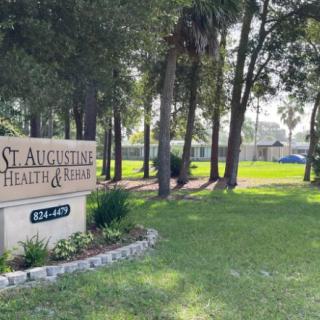
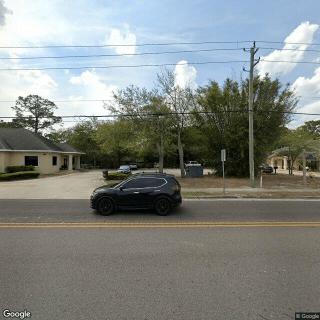
- The facility might not look like much from the outside.
Review
This community is best suited for families seeking an intimate, home-like setting where seniors receive highly personalized attention from an experienced, on-site professional. Buckingham Smith Assisted Living Facility is effectively run as a small, caregiver-focused operation, with eight residents or fewer when at full capacity. The owner, Barbara Jackson, is a registered nurse with three decades of experience who brings hands-on expertise and a true caregiving mindset to daily life. For families prioritizing calm, consistent supervision and a warm, residential atmosphere over institutional scale, this setting delivers the kind of reassurance that can be hard to find in larger facilities.
Those who may want to consider alternatives are families facing specific needs that a small home may not fully satisfy. If memory-care specialization, secured dementia programming, or a wide array of formal group activities is a priority, larger memories-care communities or campuses with dedicated units will likely offer more structure. Likewise, if medical complexity requires constant, on-site skilled nursing beyond what a small team can sustain, or if 24/7 physician coverage and broader on-site therapy services are essential, a bigger community may be a better fit. For families seeking extensive amenities and a bustling, resort-like environment, a larger facility may also be more appropriate.
The strongest pros are clear and compelling. The home environment, cleanliness, and a consistently pleasant atmosphere make daily life predictable and comfortable for residents. The 30-year nursing perspective that shapes the operation translates into attentive oversight and a level of professional rigor that is evident in both routine care and interactions with families. The small resident roster fosters deeply personalized care: staff know each resident’s routines, preferences, and limitations, and visits feel truly open and flexible. The ability for family members to drop in at almost any time and to encounter familiar faces contributes to a sense of security that is rare in larger settings, and residents are reported to be calm, well cared for, and socially engaged within a manageable social circle.
The main trade-off for this intimate model is scale. A limited number of residents means fewer minds circulating in the daily routine, which can translate into highly individualized attention but may also constrain the breadth of activities and peer engagement available on any given day. The size can also limit staff coverage for complex medical needs or sudden shifts in health status, and some families may prefer a more formal, program-driven schedule or more extensive on-site therapeutic options. Yet the reviews consistently frame these constraints as the price paid for true, hands-on care and a home-like cadence that many families deeply value.
In practice, Buckingham Smith Assisted Living Facility presents a clear decision path. If the priority is a trusted, nurse-led environment where compassion and continuity trump scale, this community is a standout option. It excels for seniors who thrive in a small, predictable setting, for families who want intimate oversight and ready access to the person directing care, and for residents who benefit from strong social connectivity within a tight-knit group. If, however, a family’s needs center on memory-care specialization, extensive on-site rehabilitation services, or a broad range of daily programming anchored by a larger team and more resources, alternatives warrant serious consideration.
Practical next steps: verify the current resident census and typical staff-to-resident ratios, confirm the on-site medical oversight model (is a nurse always present, or on-call only?), and ask for the latest sample weekly activity calendar to gauge how social programming aligns with expectations. Inquire about admissions specifics such as pricing transparency, what respite or short-term stays look like, and the process for escalating medical concerns. Finally, visit with a focus on real-time interactions, note how staff engage with residents, how quickly concerns are addressed, and whether the home environment continues to feel as calm and respectful as indicated by prior experiences. This will reveal whether Buckingham Smith meets the family’s essential priorities or if a larger, more structured setting better aligns with long-term care goals.
 Assisted Living
 Activities on-site
 Devotional services off-site
 Indoor common areas
 Ambulatory care
 Diabetic care
 Meals provided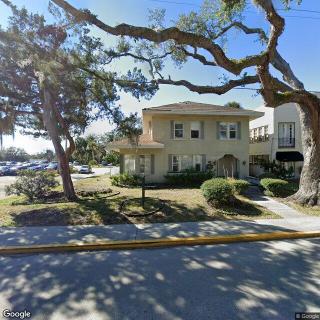



 Assisted Living Expenses and Long-Term Care Insurance: A Comprehensive Exploration
 Securing Financial Support for Assisted Living: A Comprehensive Overview
 Social Security Benefits and Assisted Living: Navigating Options Across the U.S.