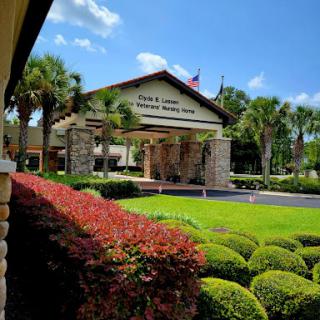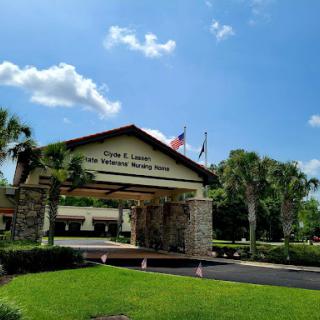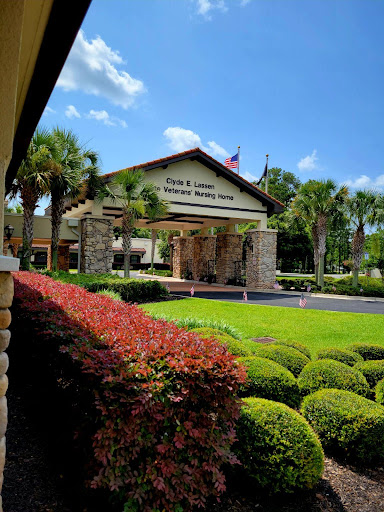
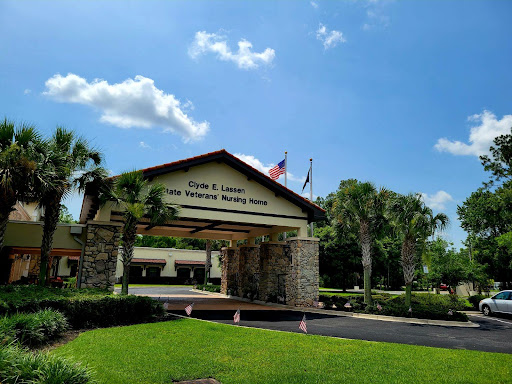
4650 State Road 16, Saint Augustine, FL 32092
For more information about senior living options: (866) 208-4318
Overall Review of Clyde E Lassen State Veterans Nursing Home
Pros
 The home is described as lovely and inviting.
- The staff are caring, professional, and truly treat residents like family.
- The facility is very clean and well maintained.
- The care is phenomenal with a good staff-to-resident ratio and constant availability.
- Residents are treated with respect and great love.
- Families have complete peace of mind knowing their loved ones are cared for there.
- The facility offers frequent activities and off-campus outings that keep residents engaged.
- The place is praised as an example of how nursing homes should be run.
Cons
 The place is roach-infested to the point roaches are in the kitchen.
- The nursery allegedly allowed a crackhead to hypnotize someone, and the reviewer warns not to let them hypnotize children like they did.
- They have completely lost the resident’s walker, two electric razors, and numerous clothes bearing his name.
- Staff were rude and refused donated puzzles, insisting only brand-new ones are accepted, despite needing more funding.
- The nursing home refused to admit a veteran with later-stage dementia after previously accepting him, claiming he wasn’t a good fit.
- The facility is described as incompetent and unprofessional in every sense and should be shut down.
- They question the point of having professional medical care if they can’t care for a dementia patient.
Review
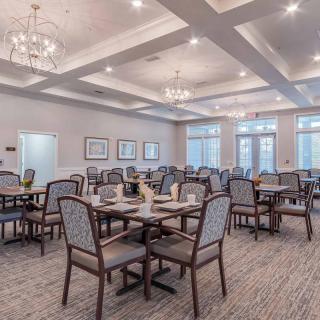
Clyde E Lassen State Veterans Nursing Home is best suited for veterans and their families who want a warm, home-like environment backed by attentive, professional staff, and who value a strong sense of community. The reviews consistently praise cleanliness, friendliness, and a staff-to-resident ratio that makes assistance readily available. The facility’s newer construction and private-style living options give residents a comfortable domestic setting rather than a stark hospital atmosphere. Families seeking robust daily programming, on-site activities, off-site outings, and performances, will find regular engagement that helps deter boredom and isolation. In short, this community is a practical fit for residents who prioritize humane care, consistent contact with caregivers, and a welcoming milieu.
However, several reviews flag substantial red flags that should push decision-makers toward alternatives if risk tolerance is low. Instances of pests, loss of personal items, and allegations of unprofessional behavior are not trivial in a nursing setting. A report of dementia policy that refused late-stage dementia admission after initial acceptance raises serious questions about intake and clinical judgment. Donor and donation policies also reveal rigidity that could frustrate families hoping to support the facility. For families weighing long-term care options, these issues underscore the importance of a thorough, up-front vetting process and contingency planning.
Pros are clear and meaningful. Residents repeatedly describe compassionate caregivers who treat families like their own, a clean and inviting physical plant, and a strong schedule of activities and social opportunities. The staff’s evident dedication translates into reliable assistance and a sense of security for residents with varying needs. The ratio of staff to residents, when effective, means help is available without excessive waiting. The facility’s engagement program, off-campus trips, group performances, and varied enrichment, gives life to daily routines and supports cognitive and emotional well-being. For families seeking peace of mind that care is hands-on and personal, these are the decisive positives.
On the downside, the most jarring concerns involve operations and safety. Allegations of roach infestation in the kitchen are not only unpleasant but raise questions about pest control and overall sanitation. Reports of lost walkers, razors, and clothing erode trust in accountability and property management. A perceived rigidity around donations and a lack of courtesy in at least one interaction suggest inconsistent front-line experience. And the incident where a veteran with late-stage dementia was not admitted, despite earlier acceptance, signals a potential mismatch between policy and compassionate care. Weekend programming variability may also disappoint families seeking steady engagement.
Those serious concerns do not entirely negate the positive experiences described by many families, but they do anchor the decision in reality. When care is steady, staff are engaged, and the environment feels like a supportive community, Lassen delivers tangible value for veterans who need dependable daily assistance and meaningful activity. The critical task is to verify current conditions: pest control effectiveness, item-tracking practices, and the specific dementia-care policy as it applies today. If the aim is a facility with high staff responsiveness and a living community atmosphere, this campus can meet those needs, provided admission criteria are clearly understood and ongoing supervision remains strong.
Practical decision guidance centers on clarity and diligence. Schedule a visit with administrators and request candid conversations with frontline staff, current residents, and family members. Confirm the current status of pest control, room/item accountability, and the exact dementia-care policies that would apply to a future resident. Probe the weekend programming and overall activity cadence to ensure it aligns with the resident’s interests. If dementia progression is a possibility, explicitly compare Lassen’s capabilities to specialized memory-care options. Finally, weigh budget against the value of a trusted, veteran-focused community with a proven, passionate staff, recognizing that strong positives exist but must be balanced against documented concerns.
 120 resident community capacity
 Skilled Nursing Facility
 Air-conditioning
 Beauty salon
 Cable or satellite TV
 Computer center
 Dining room
 Fitness room
 Fully furnished
 Gaming room
 Garden
 Housekeeping services
 Kitchenette
 Move-in coordination
 Outdoor space
 Private bathrooms
 Restaurant-style dining
 Small library
 Telephone
 Wellness center
 Wi-Fi/high-speed internet available
 Community operated transportation
 12-16 hour nursing
 24-hour call system
 Activities of daily living assistance
 Assistance with bathing
 Assistance with dressing
 Assistance with transfers
 Diabetes diet
 High acuity care
 Medication management
 Mental wellness program
 Special dietary restrictions
 Concierge services
 Planned day trips





 Ten Vital Duties of a Senior Caregiver: A Comprehensive Guide
 9 Stimulating Memory Activities for Seniors: Puzzles, Cards, and Much More
 Managing Nursing Home Expenses After Medicare Coverage Ends