Glenmoor in Saint Augustine, FL

230 Towerview Drive, Saint Augustine, FL 32092

For more information about senior living options: (844) 490-3973

4.4 from 54 reviews
5 stars
43
4 stars
3
3 stars
0
2 stars
1
1 stars
7

Assisted Living Continuing Care Retirement Community (CCRC) Respite Care Skilled Nursing Facility

Overall Review of Glenmoor

Pros

  • pro Westminster St. Augustine is described as a beautiful, clean campus with a warm, welcoming community.
  • pro The staff is fantastic and clearly cares about residents.
  • pro It offers top-tier amenities, engaging activities, and a warm environment that helps residents thrive.
  • pro The dining, fitness programs, and variety of activities are reported as fabulous and well organized.
  • pro Residents say the community feels like home thanks to friendly staff and neighbors.
  • pro The World Golf Village setting is beautiful and well-maintained.
  • pro The activity team is creative, friendly, and does a wonderful job with events for residents and their families.
  • pro The health center and care teams are professional, compassionate, and provide high-quality care.

Cons

  • pro The nurses are terrible.
  • pro The nurses are the rudest people the reviewer has ever met.
  • pro The entrance is overpriced with promises of care they can't keep.
  • pro The billing office will not respond to questions.
  • pro The facility was in poor condition, with floor cracks repaired with duct tape and stained, worn furniture.
  • pro It was insolvent for years.
  • pro The Estates of deceased residents were placed on long waiting lists to get their deposits back.
  • pro A relative who broke his hip received care that the reviewer described as unsafe.

Review

Westminster St. Augustine (formerly Glenmoor) is best suited for active seniors who want a vibrant, socially engaged lifestyle with the security of a true Continuing Care Retirement Community. The campus is designed for people who like to stay busy - fitness classes, lectures, clubs, live entertainment, and a robust dining program sit alongside on-site health services. For couples and friends who value proximity to a picturesque setting, easy walking access to amenities, and a strong sense of community, this campus delivers a life that feels both energized and well-supported. The comprehensive on-site health continuum - independent living, assisted living, skilled nursing, and memory care - provides a clear path as needs evolve, reducing the stress of future transitions.

Those who may want to consider alternatives are typically more cost-conscious or require a more targeted care environment. Some families worry about the consistency of nursing care and maintenance responsiveness, which have appeared as warnings in a minority of reviews. A handful of residents indicate experiences with particular departments or staff members that don't reflect the overall standard. Prospective movers who prioritize ultra-quiet, secluded settings, or who seek a smaller, boutique feel may find the scale of Westminster less intimate. And for families prioritizing aggressive pricing, lower upfront deposits, or a sharply streamlined rehab focus, other local options could align more closely with expectations.

The strongest positives here are concrete and meaningful. The grounds are well maintained, offering scenic walks along the Green Mile, lakefront views, and easy access to a broad slate of activities that can be tailored to individual interests. Staff consistently come across as warm, attentive, and genuinely invested in residents' well-being, with many residents praising the everyday kindness and reliability of team members. The dining experience and menus receive frequent praise, and the range of fitness programs - often included in monthly fees - supports independence without nickel-and-diming. The on-site health center, with its continuum of care, provides peace of mind that medical and rehabilitative needs can be managed without moving off campus.

Acknowledged drawbacks focus on a few pockets of service variance. A minority of residents report issues with nursing care, particularly around consistency or responsiveness in skilled nursing and rehab phases. Maintenance requests can occasionally drag, and there are whispered concerns about billing or administrative communications in isolated cases. Such feedback is not universal, but it does matter for families evaluating risk in a future health scenario. The perception that some departments or personnel have a higher degree of turnover or slow response times cannot be dismissed, even as the overall culture remains overwhelmingly positive.

When weighed against the cons, the pros still carry substantial weight. The breadth of amenities, the richness of programs, and the ability to stay in one campus as health needs change create real value and security. Families frequently highlight the genuine warmth of residents and staff, the sense of belonging, and the fact that there is real opportunity to participate - without coercion - in a wide array of activities. The community's financial stability and corporate backing add a layer of confidence that promises ongoing investment in facilities, programs, and care quality. For many seniors, Westminster St. Augustine represents a sustainable, engaging lifestyle that ages with them on familiar grounds.

Practical guidance for families evaluating Westminster St. Augustine includes asking for current staffing ratios in the health center and details about any recent turnover, clarifying pricing structures, and reviewing what is included in monthly fees versus add-ons. Prospective residents should tour multiple times, meet current residents, and specifically query how memory care and rehab services are managed day-to-day. If memory support or high-contact rehab is a priority, seek recent outcomes and patient stories, and compare with other CCRCs or dedicated memory-care facilities. For those seeking an active, socially rich retirement with the reassurance of on-site health options, Westminster St. Augustine is a strong, well-structured choice - provided expectations are aligned with the campus's robust, sometimes busy, environment.

Features

Housing

  • 36 resident community capacity 36 resident community capacity

Types of Care

  • Assisted Living Assisted LivingAssisted living facilities provide crucial support and care for seniors who may need help with daily tasks such as medication management, bathing, and meal preparation. These communities offer a safe and comfortable environment where seniors can maintain their independence while receiving the assistance they need to thrive in their golden years.
  • Continuing Care Retirement Community (CCRC) Continuing Care Retirement Community (CCRC)Continuing Care Retirement Communities (CCRCs) are important for seniors because they provide a range of housing options and care services all in one location. This allows seniors to age in place and receive the level of care they need as their health changes, without having to move to a new facility. CCRCs provide a sense of security and peace of mind for seniors and their families, knowing that they will be taken care of no matter what the future holds.
  • Respite Care Respite CareRespite care provides temporary relief for caregivers, allowing them to recharge and attend to their own needs. It also gives seniors the opportunity to socialize, receive professional care, and experience a change of scenery, promoting overall well-being and reducing feelings of isolation.
  • Skilled Nursing Facility Skilled Nursing FacilitySkilled Nursing Facilities are crucial for seniors as they provide round-the-clock medical care, rehabilitation services, and assistance with daily activities. These facilities ensure that seniors receive the specialized care they need to maintain their health and well-being as they age.

Amenities

  • Beauty salon Beauty salonBeauty salons are important for seniors because they provide a space for them to feel pampered, socialize, and maintain their personal grooming and hygiene. Regular visits to a beauty salon can help boost seniors' self-esteem and overall well-being.
  • Cable or satellite TV Cable or satellite TVCable or satellite TV is important for seniors because it provides entertainment, news, and companionship, helping to combat loneliness and boredom. It also offers a wide range of programming options tailored to different interests and preferences.
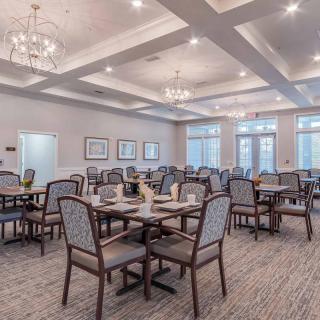
  • Dining room Dining roomDining rooms are important for seniors as they provide a space for socialization, connection, and nutritious meals. They offer opportunities for residents to bond over shared meals, foster a sense of community, and promote healthy eating habits. Dining rooms also ensure that seniors have access to well-balanced meals tailored to their dietary needs and preferences.
  • Fully furnished Fully furnishedFully furnished senior living communities are important for seniors because they provide convenience, comfort, and a hassle-free moving experience. Seniors can easily settle into their new living space without the stress of having to buy and move furniture. This allows them to focus on enjoying their new home and community.
  • Garden GardenGardens are important for seniors as they provide a peaceful and therapeutic environment for relaxation, physical activity, and socialization. Being in nature has been shown to reduce stress, improve mood, and promote overall well-being. Gardens also offer opportunities for seniors to engage in gardening activities, which can improve mobility, flexibility, and cognitive function. Additionally, gardens create a sense of community and connection with others who share a passion for plants and outdoor spaces.
  • Housekeeping services Housekeeping servicesHousekeeping services are important for seniors because they help maintain a clean and safe living environment, promote independence, and reduce the risk of accidents or illnesses. Additionally, having assistance with household chores can alleviate physical strain and allow seniors to focus on other aspects of their well-being.
  • Kitchenette KitchenetteKitchenettes are important for seniors living in senior living communities because they provide the convenience and independence of being able to prepare simple meals and snacks in the comfort of their own living space. This can help promote a sense of autonomy and well-being for seniors, allowing them to maintain some level of control over their dietary choices and daily routines.
  • Move-in coordination Move-in coordinationMove-in coordination is important for seniors because it helps ease the transition into their new living environment. It ensures that all logistics, such as packing, organizing movers, and setting up utilities are taken care of, allowing seniors to focus on settling in and adjusting to their new home. Having a smooth move-in process can alleviate stress and anxiety, making the transition smoother and more enjoyable for seniors.
  • Outdoor space Outdoor spaceOutdoor spaces are important for seniors as they provide opportunities for physical activity, social interaction, exposure to natural light and fresh air, and a sense of connection to nature. Having access to outdoor spaces can improve overall well-being and quality of life for older adults living in senior communities.
  • Restaurant-style dining Restaurant-style diningRestaurant-style dining is important for seniors because it allows them to enjoy delicious, nutritious meals in a social and upscale setting. This enhances their dining experience, promotes healthy eating habits, and fosters socialization with fellow residents, ultimately contributing to their overall well-being and quality of life.
  • Small library Small librarySmall libraries are important for seniors as they provide access to a variety of reading materials, including books, newspapers, and magazines. This can help stimulate their minds, keep them engaged, and provide a sense of community through book clubs and other social activities. Additionally, reading has been shown to improve cognitive function and overall mental well-being in older adults.
  • Telephone TelephoneTelephones are important for seniors as they provide a lifeline for communication with loved ones, emergency services, and healthcare providers. They offer a sense of security and independence, enabling seniors to stay connected and access assistance when needed.
  • Wi-Fi/high-speed internet available Wi-Fi/high-speed internet availableWi-Fi/high-speed internet is important for seniors to stay connected with loved ones, access online resources, and participate in virtual activities to combat feelings of loneliness and isolation. It also allows them to easily manage healthcare needs, access entertainment, and engage in lifelong learning opportunities.

Care Services

  • 24-hour call system 24-hour call system24-hour call systems are important for seniors because they provide peace of mind and immediate assistance in case of emergencies. This technology ensures that help is always available, promoting safety and security for elderly individuals living alone or in assisted living facilities.
  • 24-hour supervision 24-hour supervision24-hour supervision is important for seniors to ensure their safety, well-being, and access to immediate assistance in case of emergencies or health issues. This constant support provides peace of mind for both seniors and their loved ones, allowing them to age in place with dignity and security.
  • Activities of daily living assistance Activities of daily living assistanceActivities of daily living assistance are important for seniors because they provide essential support with tasks such as eating, bathing, dressing, and mobility. This assistance helps seniors maintain their independence, dignity, and overall quality of life as they age.
  • Assistance with bathing Assistance with bathingAssistance with bathing is crucial for seniors as it helps maintain personal hygiene, prevents infections, and ensures their overall well-being and comfort. It also provides a sense of dignity and independence for seniors who may struggle with this task on their own.
  • Assistance with dressing Assistance with dressingAssistance with dressing is important for seniors because it helps maintain their independence, promotes personal hygiene, prevents accidents and injuries, and improves overall quality of life. This service ensures that seniors can continue to dress comfortably and confidently, despite any physical limitations they may have.
  • Assistance with transfers Assistance with transfersAssistance with transfers is crucial for seniors as it helps prevent falls and injuries, maintains their independence, and ensures they can safely navigate their living environment. It also provides peace of mind for both seniors and their loved ones.
  • Diabetes diet Diabetes dietA diabetes diet is crucial for seniors as it helps manage blood sugar levels, reduce risks of complications, and improve overall health and well-being. By following a balanced and nutritious diet tailored to their specific needs, seniors can better control their diabetes and enhance their quality of life.
  • Meal preparation and service Meal preparation and serviceMeal preparation and service are crucial for seniors as they may have limited mobility or energy to cook nutritious meals. Having access to healthy and convenient food options can ensure they are getting the proper nutrition needed to maintain their overall health and well-being.
  • Medication management Medication managementMedication management is crucial for seniors to ensure they are taking the right medications at the correct dosages and times. This helps prevent adverse drug interactions, reduces the risk of medication errors, and promotes overall health and well-being. Proactive management also allows for adjustments as needed based on changing health conditions or new prescriptions.
  • Mental wellness program Mental wellness programMental wellness programs are essential for seniors as they promote cognitive stimulation, emotional support, and social engagement. These programs help prevent isolation, depression, and cognitive decline, ultimately enhancing the overall quality of life for older adults.
  • Special dietary restrictions Special dietary restrictionsSpecial dietary restrictions are important for seniors because age-related changes in metabolism and health conditions can make it difficult for their bodies to process certain foods. By following a diet tailored to their specific needs, seniors can maintain their overall health and well-being, manage chronic conditions, and reduce the risk of complications such as malnutrition or food interactions with medications.

Dining

  • Diabetes diet Diabetes dietA diabetes diet is crucial for seniors as it helps manage blood sugar levels, reduce risks of complications, and improve overall health and well-being. By following a balanced and nutritious diet tailored to their specific needs, seniors can better control their diabetes and enhance their quality of life.
  • Special dietary restrictions Special dietary restrictionsSpecial dietary restrictions are important for seniors because age-related changes in metabolism and health conditions can make it difficult for their bodies to process certain foods. By following a diet tailored to their specific needs, seniors can maintain their overall health and well-being, manage chronic conditions, and reduce the risk of complications such as malnutrition or food interactions with medications.

Activities

  • Community-sponsored activities Community-sponsored activitiesCommunity-sponsored activities are important for seniors as they provide opportunities for social interaction, mental stimulation, and physical activity. These activities can help improve overall well-being, combat loneliness and isolation, and promote a sense of belonging and purpose among older adults.
  • Resident-run activities Resident-run activitiesResident-run activities are important for seniors as they encourage social interaction, creativity, and a sense of autonomy. These activities empower seniors to stay engaged and active in their community while fostering meaningful connections with their peers.
  • Scheduled daily activities Scheduled daily activitiesScheduled daily activities are important for seniors because they provide structure, socialization, mental stimulation, and physical activity. Engaging in regular activities can improve overall well-being and quality of life for seniors living in a community setting.

Description

Glenmoor in Saint Augustine, FL is a premier assisted living community offering a range of care services and amenities to meet the needs of its residents. As a Continuing Care Retirement Community (CCRC), Glenmoor provides various levels of care, including Respite Care and Skilled Nursing Facility services, ensuring that residents can age in place and have access to the care they require as their needs change.

The community boasts an array of amenities designed to enhance residents' comfort and convenience. Each living space is fully furnished and comes with cable or satellite TV, Wi-Fi/high-speed internet, and a telephone for staying connected with loved ones. Residents can enjoy delicious meals in the dining room or choose from restaurant-style dining options. In addition, Glenmoor features a small library, outdoor spaces, and gardens for relaxation and leisure.

Glenmoor places great emphasis on providing exceptional care services to its residents. With 24-hour supervision, assistance with activities of daily living such as bathing and dressing is readily available. The community also offers assistance with transfers to ensure resident safety. Medication management is provided, along with special dietary programs such as diabetes diets to promote health and well-being.

To enrich the lives of its residents further, Glenmoor offers a range of engaging activities. Resident-run activities allow individuals to actively participate and bond with fellow residents while scheduled daily activities keep them entertained and stimulated.

Conveniently located near 2 pharmacies, 6 physicians' offices, 4 restaurants, and places of worship nearby, Glenmoor ensures easy access to essential amenities within the local community.

Overall, Glenmoor in Saint Augustine provides exceptional assisted living services within an inviting environment equipped with modern facilities and compassionate staff dedicated to meeting residents' individual needs while promoting independence and wellness.

Videos

Nearby Places of Interest

Physicians

  • Spartan Orthopedic Institute (0.7 miles)
  • First Coast Oral and Facial Surgery (0.7 miles)
  • Village Pediatrics (0.7 miles)
  • Martinez Emanuel MD & Associates PA (0.8 miles)
  • LifeSounds Hearing Aids (1.4 miles)
  • Beaches Dermatology (1.7 miles)
  • Florida Center for TMS (5.3 miles)

Restaurants

  • Burger King (0.8 miles)
  • Murray Bros. Caddyshack (0.9 miles)
  • Wendy's (1.6 miles)
  • Cinco De Mayo (1.7 miles)
  • Waffle House (5.5 miles)
  • Ford's Garage St. Augustine (5.6 miles)
  • Hurricane Grill & Wings (5.9 miles)

Pharmacies

  • Walgreens (1.8 miles)
  • CVS Pharmacy (1.8 miles)
  • CVS Pharmacy (5.4 miles)
  • Winn-Dixie (5.5 miles)
  • Walgreens (5.8 miles)
  • Bluebird Pharmacy and Spa (6.1 miles)
  • Winn-Dixie (10.1 miles)

Places of Worship

  • Turning Point At Calvary (4.4 miles)
  • St John Paul II Catholic Church (9.8 miles)
  • Mission of Nombre de Dios & La Leche Shrine (11.4 miles)
  • Memorial Presbyterian Church (11.8 miles)

Cafes

  • Starbucks (5.5 miles)
  • Joint Bagel Co. (5.6 miles)
  • Starbucks (5.6 miles)
  • Starbucks (6.5 miles)
  • Starbucks (7.7 miles)
  • The Spot Cafe (9.2 miles)
  • Dos Coffee & Wine (10.5 miles)

Parks

  • Palencia Park (5.9 miles)
  • Aberdeen Park (9.3 miles)
  • Herbie & Annette Wiles Park (11 miles)
  • Davenport Park (11 miles)

Theaters

  • Cinemark Durbin Park And Xd (8 miles)

Transportation

  • Northeast Florida Regional Airport (UST) (8.5 miles)
  • Avis Rent A Car (9.6 miles)

Hospitals

  • Baptist Medical Center South (11 miles)

Frequently Asked Questions

Where is Glenmoor?

Nearby Communities

  • Westminster St. Augustine

    Westminster St. Augustine

    St. Augustine, FL

    4.4 from 87 reviews
    $2,818 to $4,928 / month

    pro Attentive staff in a warm, well-maintained, activity-rich setting.


  • Cascades at World Golf Village

    Cascades at World Golf Village

    Saint, FL


    pro Comprehensive care with meal service, medication management, and Wi?Fi.

  • Bridge Bay at Bannon Lakes

    Bridge Bay at Bannon Lakes

    Saint, FL

    4.8 from 15 reviews
     

    pro Intimate 6-bed community with personalized dining and on-site care.

  • Clyde E Lassen State Veterans Nursing Home

    Clyde E Lassen State Veterans Nursing Home

    Saint Augustine, FL

    4.3 from 24 reviews
     

    pro Strong care with attentive staff and engaging activities.

  • Senior Living at the Greens

    Senior Living at the Greens

    St. Augustine, FL

    4.9 from 123 reviews
    $4,100 to $6,300 / month

    pro Beautiful, well-kept community with engaging activities and attentive staff.

  • Benton House Of St Johns

    Benton House Of St Johns

    Saint Augustine, FL

    4.7 from 65 reviews
    $4,200 to $6,900 / month

    pro Clean, newly built facility with kind staff and strong family communication.

  • The Atwater at Nocatee

    The Atwater at Nocatee

    Ponte Vedra Beach, FL

    4.2 from 94 reviews
    $1,855 to $2,600 / month

    pro Friendly staff, a strong sense of community, and well-maintained apartments.

  • Canopy of Duval Station

    Canopy of Duval Station

    Jacksonville, FL

    4.3 from 52 reviews
    $3,850 to $4,350 / month

    pro Attentive staff with personalized care and engaging activities.

  • HarborChase of Mandarin

    HarborChase of Mandarin

    Jacksonville, FL

    4.3 from 76 reviews
    $4,195 to $6,495 / month

    pro Friendly staff, clean and inviting environment with engaging activities and quality dining.

Related Resources

  • how to pay for assisted livingSecuring Financial Support for Assisted Living: A Comprehensive Overview

    Assisted living facilities offer crucial support for older adults needing help with daily activities but come with varying and significant costs, which can be financed through personal savings, government assistance programs, long-term care insurance, and home equity options. Professional guidance from experts can aid families in navigating these financial complexities to establish a sustainable budgeting approach for assisted living services.

  • assisted living for seniors on social securitySocial Security Benefits and Assisted Living: Navigating Options Across the U.S.

    Assisted living costs often exceed Social Security benefits, necessitating a combination of funding sources like state aid and Medicaid. Understanding the interaction between Social Security programs and available financial support is essential for affording such care.

  • aid and attendance vaAn Extensive Exploration of the VA Aid and Attendance Benefit

    The VA Aid and Attendance benefit provides financial support to veterans needing assistance with daily living due to medical conditions or disabilities, augmenting standard VA pensions for services like in-home care. Eligibility is based on service duration, wartime status, income, and medical needs, with a detailed application process required to access funds for caregiving and home modifications.