
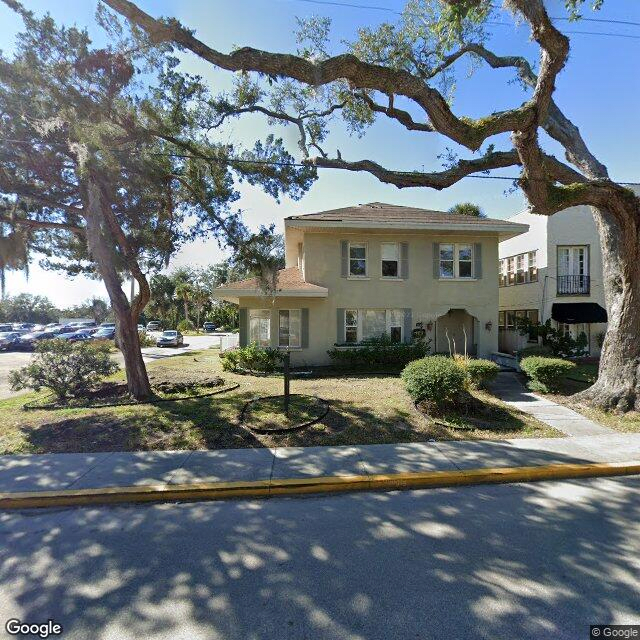
168 Marine Street, Saint Augustine, FL 32084
For more information about senior living options: (866) 208-4318
Overall Review of Grafton House
Pros
 The Grafton House provides a one-on-one feel with caregivers and residents.
- It offers home-cooked meals, including steak and mashed potatoes.
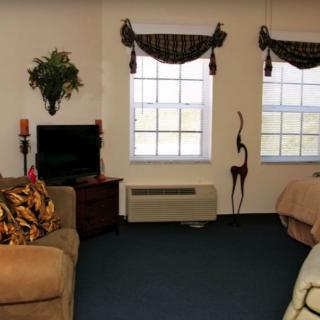
- The facility is fully serviced with internet, private or double rooms, television, and laundry.
- The Grafton House feels like a home within a home and is family operated.
- It is conveniently located near downtown St. Augustine, with transportation to the downtown, bay, and beach.
- It supports independence without rushing residents and fosters lasting friendships with friendly staff and residents.
Cons
 The retirement home was a death sentence for her grandmother.
- The reviewer regrets not suing and wishes they could go back in time.
- Furniture fell on her.
- Bed sores set in.
- She died within a year of being there.
- Their last meal was a peanut butter and jelly sandwich.
- The facility is described as a place where loved ones would not be cared for.
Review
Grafton House in Saint Augustine is best suited for seniors who want a small, home-like setting where care feels personal and the pace stays intimate. It works well for residents who prize direct contact with caregivers, flexible routines, and a neighborhood feel that keeps social connections thriving without a large, impersonal campus. For someone who wants to preserve a high degree of independence while still having nearby support, this community offers a tempered balance: enough structure to stay safe, but enough freedom to avoid the feeling of being institutionalized. It is not a fit for those who require consistent, hands-on medical oversight or specialized memory care, as the smaller operation naturally concentrates resources and staffing in ways larger facilities can.
Those considering alternatives should weigh the needs of loved ones who require significant ongoing nursing, wound care, or 24/7 monitoring. The most pressing caveat is safety and medical responsiveness in a small setting. Families facing high risk of falls, complex care regimens, or frequent medical interventions may find larger communities with dedicated nursing staff and on-site physicians a more reliable match. The stark contrast between the highly positive impressions in one review and the severe safety failings alleged in another makes it essential to scrutinize staffing levels, supervision, and incident history before deciding to commit.
On the upside, the strongest pro is the one-on-one, homey atmosphere. The smaller size is described as a gateway to close relationships with both staff and fellow residents, and the environment is portrayed as less rushed than bigger facilities. Added amenities that matter: private or double rooms, in-room internet, television, and laundry, with a sense that daily life can resemble living in a true home rather than a clinical setting. The ability to tailor meals, along with home-cooked options, contributes to comfort and continuity for residents who value dignity and familiar routines. Proximity to downtown Saint Augustine and access to transportation for excursions to the bay or the beach further enhances quality of life for independent-minded seniors who still want social outings or a welcome taste of the local scene.
Those pros, however, must be weighed against the most serious concerns raised by unhappy families. The most alarming report describes a scenario in which a resident suffered severe neglect, furniture toppling, bed sores forming, and a decline culminating in death within a year. Even if this account is not universally representative, it signals a risk plain enough to demand aggressive inquiry: ask about staff-to-resident ratios, training, wound-care protocols, and how quickly staff respond to urgency. Observations during visits, conversations with current residents, and a careful review of state licensing inspections can uncover whether such cautions reflect an isolated lapse or a recurring vulnerability. In other words, the positive buzz about intimate care does not erase the need for rigorous due diligence.
For families choosing where to place a loved one, the decision hinges on a trade-off between intimate attention and formal safety guarantees. If independence, social warmth, and a home-like routine take priority, and if the resident has relatively modest medical needs, the Grafton House model can deliver meaningful quality of life. But if the calculus shifts toward predictable medical support, clear safety protocols, and a track record of consistent clinical oversight, it is prudent to explore alternatives first. Prospective residents should insist on a current tour focused on caregiver engagement, review the latest licensing reports, and request a direct conversation with the nursing staff to gauge whether the pace and proficiency align with expectations.
In the final analysis, Grafton House is a strong contender for families seeking a compact, familial setting near downtown with genuine opportunities for friendship and personal attention. It is not a universal remedy for all aging needs. The right resident is someone who wants to preserve autonomy in a smaller, more personalized environment and is comfortable with a potential trade-off in formal medical resources. Those who cannot accept even a remote risk of care gaps, or who require robust, on-site medical and wound-care support, should systematically compare other options, preferably with live observations, transparent staffing data, and a clearly demonstrated safety record, before making a commitment.
 20 resident community capacity
 Studio apartments
 Assisted Living
 Board and Care Home
 Respite Care
 Activities on-site
 Beautician on-site
 Cable or satellite TV
 Devotional services off-site
 Dining room
 Fully furnished
 Garden
 Housekeeping services
 Indoor common areas
 Kitchenette
 Laundry
 Move-in coordination
 Outdoor space
 Telephone
 Wi-Fi/high-speed internet available
 24-hour call system
 Ambulatory care
 Assistance with bathing
 Assistance with dressing
 Assistance with transfers
 Diabetes diet
 Diabetic care
 Meal preparation and service
 Medication management
 Mental wellness program
 Special dietary restrictions
 Transportation arrangement (medical)
 Transportation to doctors appointments
 English






 Choosing the Right Senior Care: A Detailed Exploration of Assisted Living and Nursing Homes
 Understanding the True Cost of Assisted Living in 2025: A Comprehensive Guide
 Understanding Medicaid Coverage for Assisted Living: A Comprehensive Guide