For more information about senior living options: (866) 208-4318
4.9 from 118 reviews
5 stars
109
4 stars
7
3 stars
0
2 stars
0
1 stars
2
Overall Review of Home Instead - Orlando, FL
common18 reviews mention this
Caregivers show real compassion
Residents and families repeatedly describe caregivers as compassionate and patient.
Many reviews focus on how caregivers treat clients with patience, respect, and kindness. People specifically mention caregivers taking their time, being gentle, and going beyond what they expected. A recurring point is that compassion shows up not just in the care itself, but in how supported families feel day to day.
common10 reviews mention this
Communication is helpful and responsive
Families describe responsive check-ins and staff who answer questions.
Several reviews mention that staff are easy to reach and follow up to confirm things are going well. Some reviewers also describe quick call-backs and ongoing communication after care starts. Others highlight care consults or assessments where they felt informed and able to ask questions comfortably.
differentiator24 reviews mention this
Training prepares care professionals
The training experience is consistently described as organized, informative, and supportive.
A large share of reviews talk about classes and hands-on training, with instructors described as knowledgeable and clear. Reviewers mention learning useful skills, feeling comfortable in the training environment, and being prepared to work with clients. Multiple comments also describe the training setting as clean and structured, along with trainers who explain paperwork and sessions in detail.
caveat2 reviews mention this
Home care discussed as alternative
Some families compare the service directly to skilled nursing for at-home recovery.
At least a couple of reviewers position the service as a better fit than skilled nursing for their family situation. Others describe using it for recovery or ongoing support while a loved one stays at home. While the reviews are positive about outcomes, the comparison suggests families may be choosing it for an at-home approach rather than facility-based care.
How we summarize
Counts show how many written reviews mention each theme; a review can touch several themes, and only frequently mentioned themes are displayed.
Features
Transportation
Orlando International (9 miles away)
Nearby Places of Interest
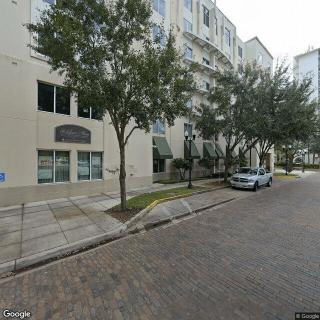
This area of Orlando, Florida, offers a variety of healthcare options with several physicians' offices, hospitals, pharmacies, and specialized centers within close proximity. There are also numerous dining establishments ranging from fast food to sit-down restaurants for convenient dining options. The presence of parks provides opportunities for outdoor recreation and relaxation. Additionally, access to public transportation like Lynx Central Station allows for easy travel around the city. Places of worship are also nearby for spiritual fulfillment. Overall, this part of Orlando provides a well-rounded community with essential services and amenities that may appeal to seniors looking for a comfortable and convenient living environment.
Physicians
Diabetes and Endocrine Center of Orlando (0.3 miles)
Orlando Immunology Center (1.6 miles)
First Choice Pediatrics (1.8 miles)
Florida Hospital Medical Plaza (2.2 miles)
Bliss Healthcare Services (2.5 miles)
Florida Cancer Specialists & Research Institute - Winter Park (2.8 miles)
The guide on blood pressure charts for older adults stresses the importance of understanding normal and high blood pressure readings influenced by age, genetics, and lifestyle, while emphasizing regular monitoring and lifestyle modifications to prevent serious health issues. It provides insights into blood pressure categories, dietary recommendations, medication considerations, and the role of caregivers in supporting healthy habits.
The article explores the complexities of using Social Security to finance long-term nursing home care in the U.S., detailing eligibility requirements and misconceptions, while emphasizing that these benefits often do not cover full costs and highlighting the need for strategic financial planning and professional guidance.
Pneumonia significantly affects older adults due to weakened immune systems and atypical symptoms that complicate diagnosis, necessitating early detection and tailored treatment. Risk factors include chronic diseases and cognitive impairments, with preventive measures like vaccinations and healthy lifestyles being crucial for reducing risk.
Get PricingAsk A QuestionSchedule A TourContact Senior Advisor
By clicking submit, you agree to our Partner's Terms of Use. You
also consent to receive calls and texts, which may be autodialed, from our Partner. Your consent is not a condition to
using our Partner's service. Please visit our Partner's Privacy Policy for information about their privacy practices.

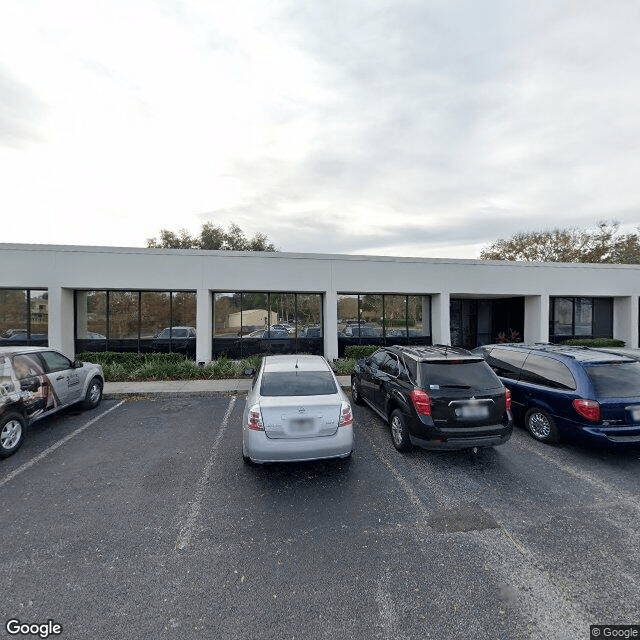
 Orlando International (9 miles away)
 Excellent urban access to dining, parks, and healthcare nearby.


 Comprehensive Guide to Blood Pressure Charts for Older Adults: Understanding Normal and High Readings by Age
 Financing Long-Term Nursing Home Care Through Social Security: A Thorough Exploration
 Essential Knowledge on Pneumonia in Older Adults