Orlando Lutheran Towers and Windsor Place CCRC Costs & Pricing
Orlando Lutheran Towers and Windsor Place CCRC offer competitive pricing for their housing options when compared to the broader market in Orange County and across Florida. For instance, a studio at these facilities is priced at $2,070 per month, significantly lower than the county's average of $4,288 and Florida's average of $3,823. One-bedroom units similarly reflect this trend, with costs at $2,697, which is more affordable than the county rate of $3,903 and nearly on par with the state average of $3,864. The two-bedroom apartments also showcase a favorable position; priced at $3,854, they remain below both the county's cost of $4,577 and Florida's average monthly expense of $4,711. These pricing dynamics illustrate Orlando Lutheran Towers and Windsor Place as attractive options for potential residents seeking quality living arrangements without the premium often associated with similar services in the region.
Floor plans
Orlando Lutheran Towers and Windsor Place CCRC
Orange County
Florida
Studio
$2,070
$4,288
$3,823
1 Bedroom
$2,697
$3,903
$3,864
2 Bedrooms
$3,854
$4,577
$4,711
Skilled Nursing Facilities with a similar price nearby
Overall Review of Orlando Lutheran Towers and Windsor Place CCRC
common15 reviews mention this
Staff warmth comes up often
Residents and families frequently describe staff as friendly, attentive, and professional.
Across many reviews, residents and visitors talk about staff being welcoming and helpful, with repeated mentions of kind greetings and good day-to-day support. Several reviewers describe nurses and CNAs as reassuring during rehab, and others highlight clean, well-kept common areas paired with attentive staff. A few reviews temper the experience with stronger complaints about care quality, but the positive staff impressions are widespread.
common11 reviews mention this
Dining quality is a mixed bag
Food is frequently discussed, with some praising it and others reporting problems.
Some reviewers specifically praise meals and desserts, while others describe food as not edible, not appealing, or not matching expectations—especially during rehab stays. A separate thread of feedback mentions service issues like slow dining, wrong items, or limited take-home portions. Even with praise for menu variety or meal satisfaction, the reviews overall show dining can be inconsistent from one person’s experience to the next.
caveat10 reviews mention this
Communication and medical oversight vary
Several residents report gaps in communication and medical oversight during care.
A recurring concern in negative reviews is missed or delayed updates, including situations where refills, discharge planning, or therapy expectations were not clearly communicated. Other complaints focus on medical oversight, such as medication running out, inadequate attention, or issues with assistance and safety during rehab. While some people describe therapy teams positively, the negative reviews show that the quality of coordination and oversight can be uneven.
caveat6 reviews mention this
Rehab can be hit or miss
Rehabilitation experiences are inconsistent across reviews.
Some reviewers describe rehab stays as going well, crediting nurses, CNA support, and therapy teams for helping recovery progress. Others describe rehab as falling short, with reports of problems like inadequate therapy, difficulty getting pain relief, or not feeling valued during the stay. The pattern suggests rehab outcomes depend heavily on the specific circumstances and staffing or processes at the time of the visit.
caveat4 reviews mention this
Costs are a recurring concern
Multiple reviews flag the overall cost as high.
Several reviews raise affordability concerns, including mentions of very expensive monthly arrangements or high entry fees. One reviewer also describes feeling misled about how costs would relate to future care needs, especially around transitions from independent living to assisted living. At the same time, some residents say the community delivered good value for the fees they paid, but cost remains a recurring point of tension.
common3 reviews mention this
Downtown location is frequently praised
The downtown Orlando location and nearby conveniences are frequently mentioned.
Reviewers commonly mention the downtown setting, including proximity to Lake Eola and easy access to shops or community destinations. People also describe walking or exploring nearby areas and valuing the quiet street feel despite being central. This shows up alongside comments about parking access for visits and a sense of being connected to the area.
How we summarize
Counts show how many written reviews mention each theme; a review can touch several themes, and only frequently mentioned themes are displayed.
Features
Housing
1-bedroom apartments
2-bedroom apartments
Studio apartments
Types of Care
Assisted Living
Independent Living
Skilled Nursing Facility
Pets
Cats allowed
Dogs allowed
Amenities
Activities on-site
Beautician on-site
Cable or satellite TV
Cafe
Computer center
Devotional services off-site
Dining room
Full kitchen
Garden
General store
Home sale assistance
Housekeeping services
Indoor common areas
Kitchenette
Laundry
Private cleaning services
Resident parking
Security gate
Spa
TV room
VA Benefits Consultation
Wi-Fi/high-speed internet available
Transportation
Orlando International (8 miles away)
Transportation & parking
Care Services
Ambulatory care
Diabetic care
Medication management
Physical therapy
Dining
Guest meals
Kosher
Low / no sodium
Meals provided
No Sugar
Professional chef
Restaurant style dining
Room service
Vegetarian
Activities
Activities off-site
Activities on-site
Arts and crafts
Book club
Cooking club
Devotional activities offsite
Educational speakers / life long learning
Fitness programs
Games
Gardening club
Live musical performances
Religious services
Languages Spoken
English
Nearby Places of Interest
This part of Orlando, Florida offers a convenient and accessible location with a variety of essential services nearby. With multiple pharmacies, hospitals, and physicians offices within a few miles radius, seniors can rest assured knowing that their healthcare needs are easily met. The area also boasts a selection of dining options ranging from fast food to sit-down restaurants, as well as cafes for a relaxing coffee break. For recreational activities, there are parks such as Lake Eola Park for leisurely strolls and outdoor relaxation. Additionally, transportation options like Lynx Central Station provide easy access to public transit. Overall, this neighborhood provides a well-rounded living environment for seniors looking for convenience and accessibility in their daily lives.
Pharmacies
Walgreens (0.4 miles)
CVS Pharmacy (1.1 miles)
Walgreens (1.6 miles)
Walgreens (1.9 miles)
Winn-Dixie (2 miles)
CVS Pharmacy (2.1 miles)
Walgreens (2.7 miles)
Parks
Lake Eola Park (0.4 miles)
Blue Jacket Park (3.1 miles)
Restaurants
Gringos Locos (0.5 miles)
The Thirsty Topher (1.7 miles)
McDonald's (1.7 miles)
Chipotle Mexican Grill (1.8 miles)
Florida Hospital Welch Cafeteria (2.5 miles)
McDonald's (3.7 miles)
Sixty Vines (4 miles)
Hospitals
Orlando Health Medical Pavilon (0.7 miles)
Orlando Regional Medical Center (1 miles)
Florida Hospital Ginsburg Tower (2.4 miles)
Florida Hospital Womens Center (2.5 miles)
Florida Hospital- South Campus (2.5 miles)
Florida Hospital (2.5 miles)
FH Engineering Services (2.6 miles)
Transportation
Lynx Central Station (0.8 miles)
Fox Rent A Car Orlando (5.6 miles)
Lyft Parking Lot (7.1 miles)
Physicians
Orlando Health Heart Institute (0.9 miles)
Colon & Rectal Clinic of Orlando (1 miles)
Bliss Healthcare Services (1.9 miles)
Orlando Immunology Center (2 miles)
Diabetes and Endocrine Center of Orlando (2.3 miles)
Orlando Lutheran Towers and Windsor Place CCRC offer competitive pricing for their housing options when compared to the broader market in Orange County and across Florida. For instance, a studio at these facilities is priced at $2,070 per month, significantly lower than the county's average of $4,288 and Florida's average of $3,823. One-bedroom units similarly reflect this trend, with costs at $2,697, which is more affordable than the county rate of $3,903 and nearly on par with the state average of $3,864. The two-bedroom apartments also showcase a favorable position; priced at $3,854, they remain below both the county's cost of $4,577 and Florida's average monthly expense of $4,711. These pricing dynamics illustrate Orlando Lutheran Towers and Windsor Place as attractive options for potential residents seeking quality living arrangements without the premium often associated with similar services in the region.
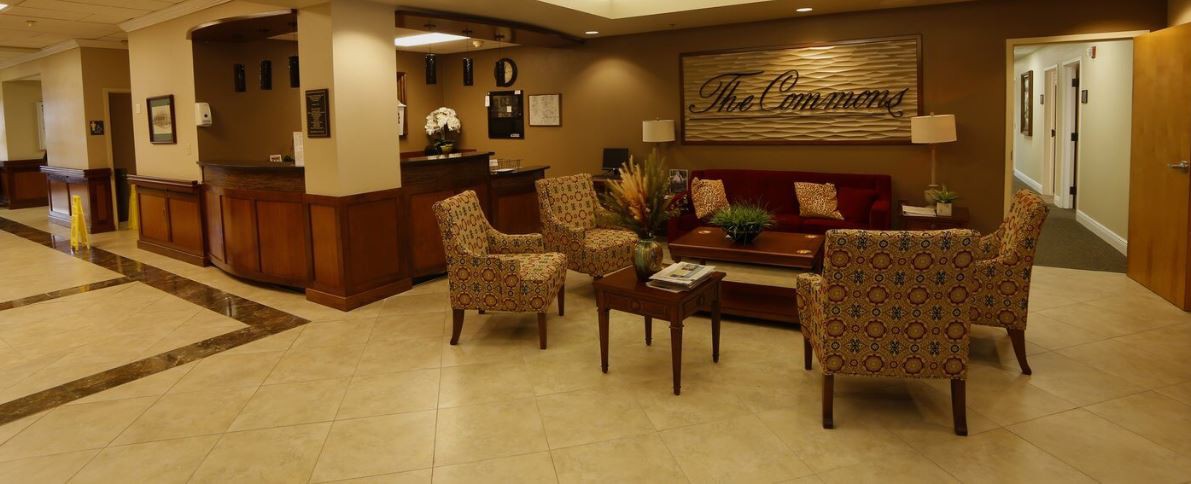
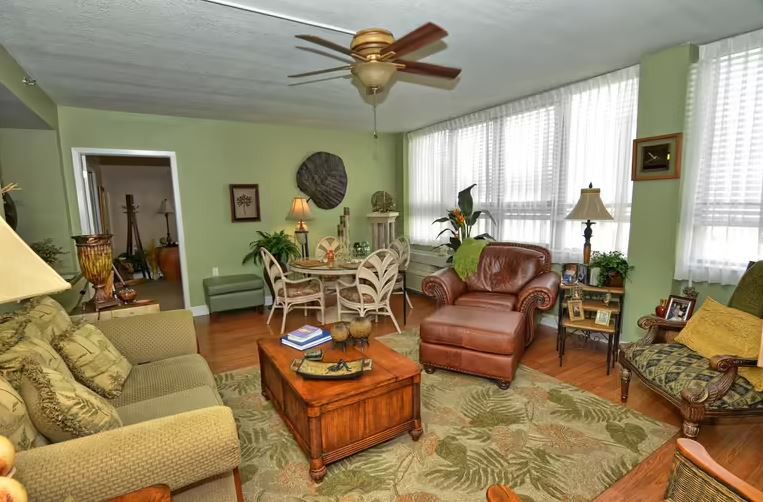
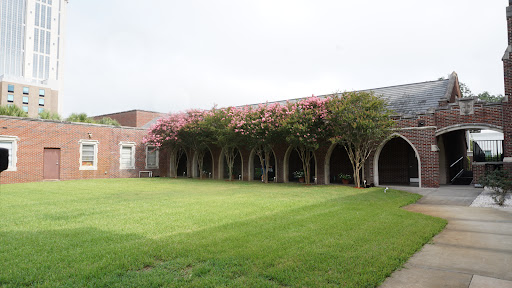
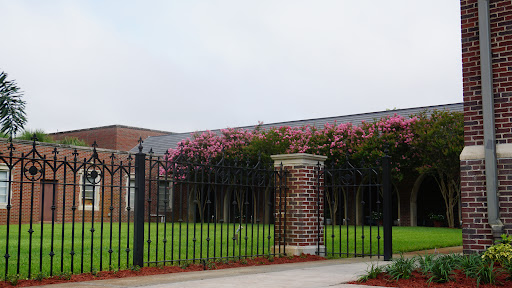
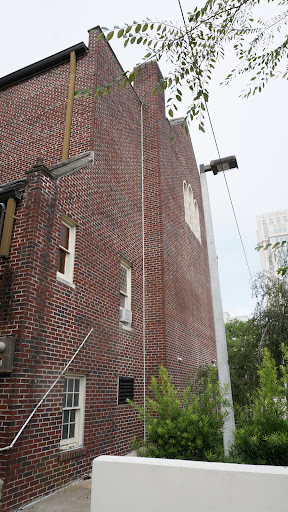
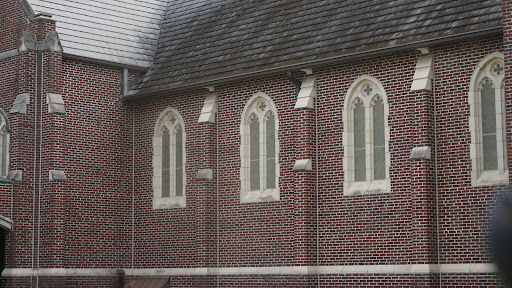
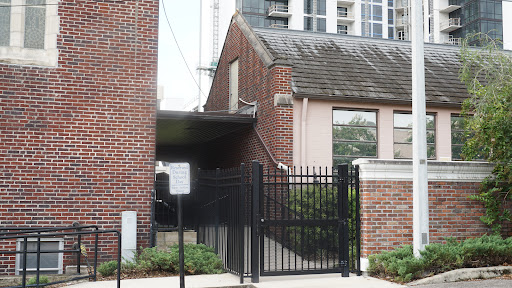
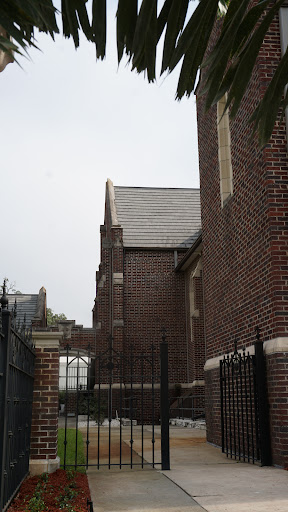
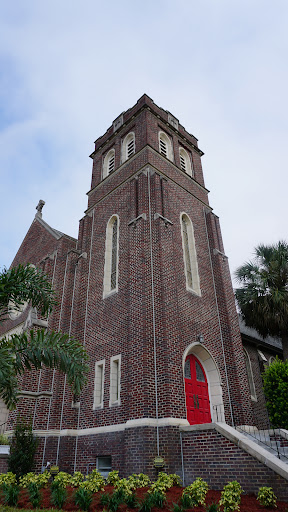
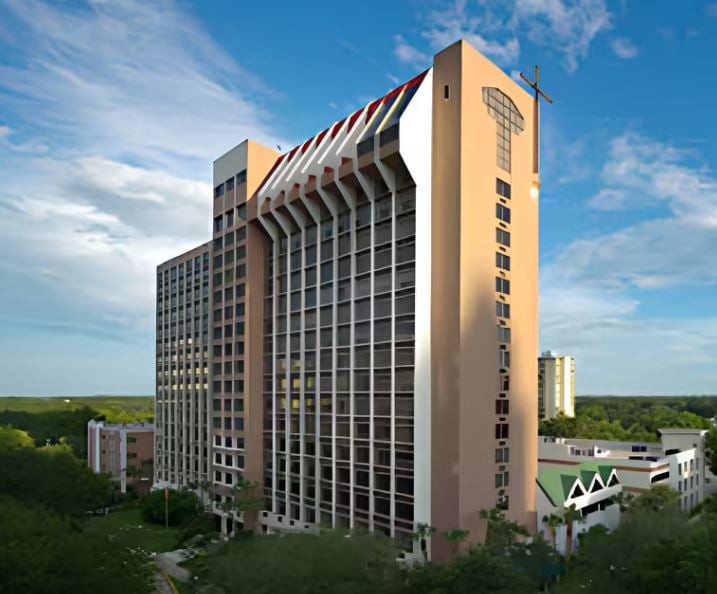
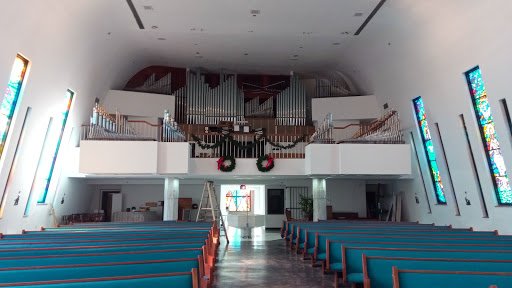
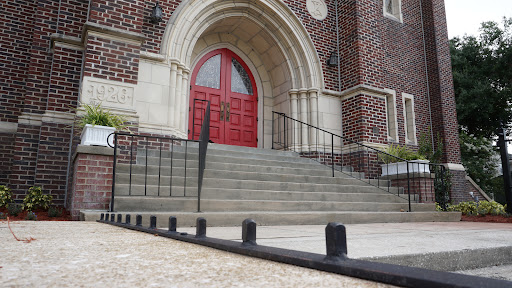
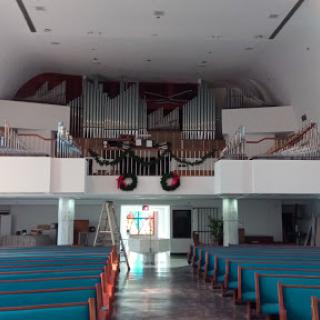
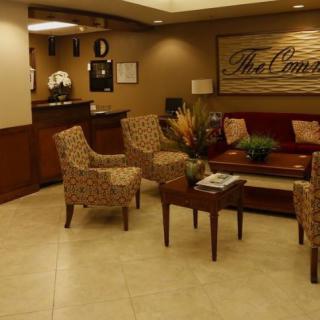
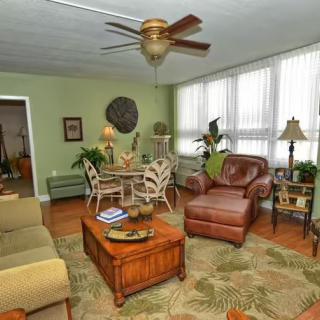
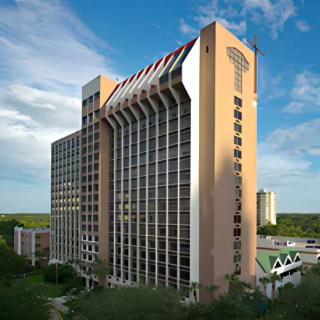
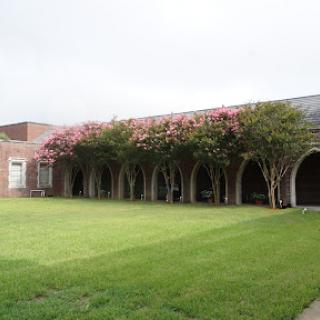
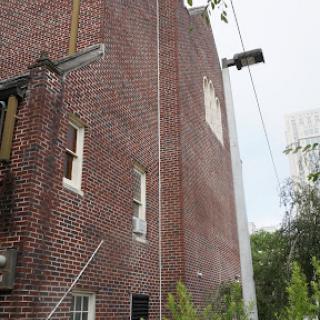
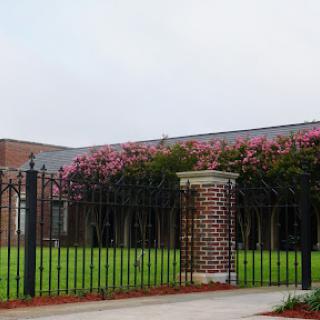
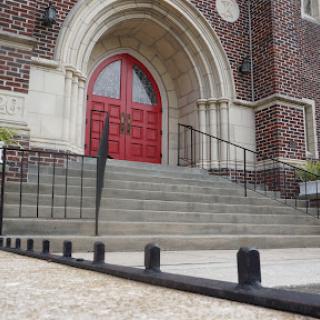
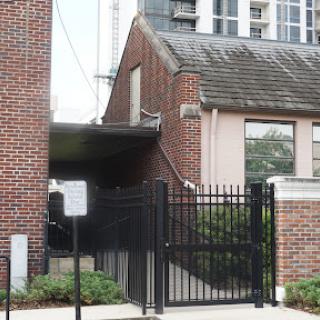
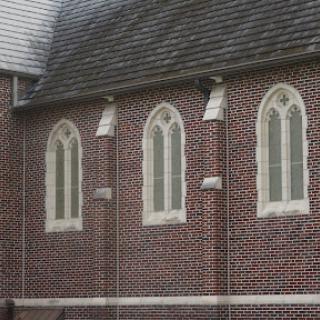
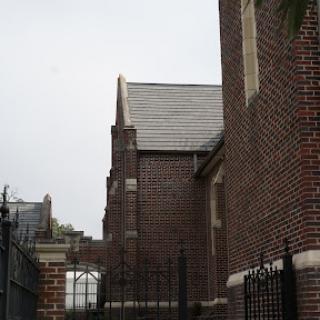
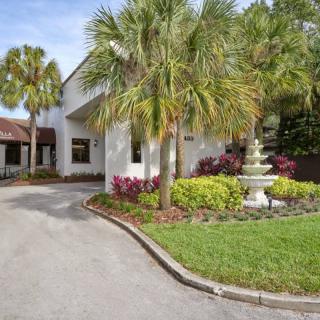
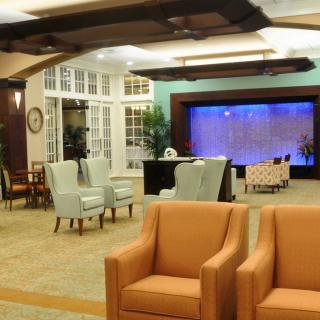
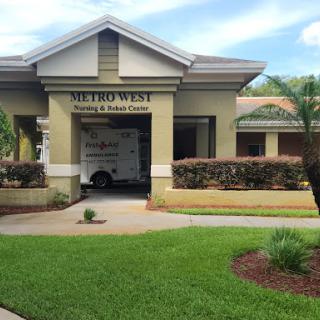
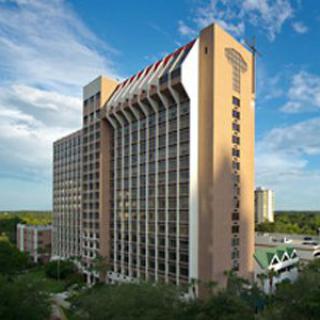
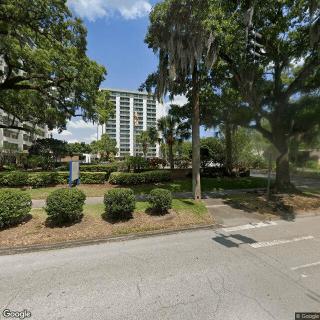
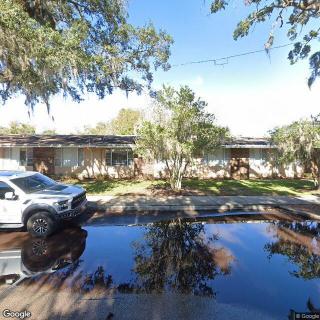
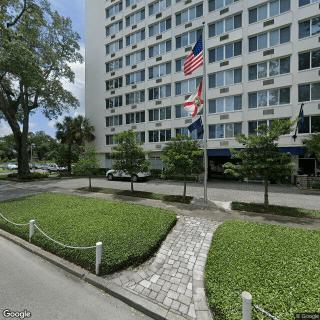
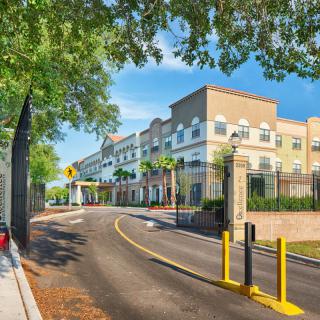
Orlando Lutheran Towers and Windsor Place CCRC on seniors.fyi includes 16 photos including images showing architecture, building, church, urban, dining, interior, outdoors, windows, and more.
Nearby Communities
Orlando Central Towers Inc
Orlando, FL
Specialized diabetic care with off-site devotional services and strong nearby amenities
Commons At Orlando Lutheran Towers
Orlando, FL
3.5 from 64 reviews
Compassionate staff and a clean, activity-rich environment.
Orlando Lutheran Towers
Orlando, FL
3.9 from 77 reviews
Strong sense of community with caring, long-tenured staff; clean, modern facility with diverse activities and on-site care options.
Superior Care Home Care LLC
Orlando, FL
3.9 from 11 reviews
Excellent access to healthcare providers and nearby dining/entertainment options
HomeWell Care Services of Orlando
Orlando, FL
4.8 from 41 reviews
Convenient access to amenities and nearby healthcare.
Kinneret Apartments
Orlando, FL
3.8 from 26 reviews
Excellent access to dining, parks, healthcare, transportation, and cultural activities nearby.
Delaney Park Health And Rehabilitation Center
Orlando, FL
3.3 from 79 reviews
Aesthetically pleasing, clean facility with friendly staff and solid rehabilitation services.
Hillcrest Hampton House Inc
Orlando, FL
4.4 from 41 reviews
Excellent staff and a convenient, walkable location with nearby amenities.
Assisted living for adults with disabilities has transformed to provide personalized care and support services aimed at improving residents' quality of life while balancing independence and assistance. However, low-income individuals often face challenges in affording these services, requiring navigation of various financial resources and advocacy for better policies and solutions.
Assisted living facilities provide support for older adults needing help with daily activities without extensive medical care, but their costs can be high and vary by location and services offered. Families often seek various funding options and financial strategies to manage these expenses effectively while considering future needs and potential price increases.
The article discusses assisted living expenses, the importance of long-term care insurance in covering these costs, and various financing options, highlighting the need for careful policy review and early planning to address potential needs. It also clarifies common misconceptions about Medicare and private health insurance limitations regarding long-term care coverage.
Orlando Lutheran Towers and Windsor Place CCRC photos
×
Interior
Outdoors
Decor
Living Room
Building
Architecture
Windows
Dining
Landscaping
Entrance
Clouds
Fence
Brick
Urban
Interior
Decor
Dining
Living Room and Dining Table
Landscaping
Windows
Building
Architecture
Trees, Outdoor, Nature, Grass, and Courtyard
Garden
Entrance
Outdoors
Lobby
Fence
Clouds
Brick
Brick Wall
Urban
Brick Building
Church
Railing
Get PricingAsk A QuestionSchedule A TourContact Senior Advisor
By clicking submit, you agree to our Partner's Terms of Use. You
also consent to receive calls and texts, which may be autodialed, from our Partner. Your consent is not a condition to
using our Partner's service. Please visit our Partner's Privacy Policy for information about their privacy practices.





 1-bedroom apartments
 Assisted Living
 Independent Living
 Skilled Nursing Facility
 Cats allowed
 Dogs allowed
 Activities on-site
 Beautician on-site
 Cable or satellite TV
 Cafe
Cafe Computer center
 Devotional services off-site
 Dining room
 Full kitchen
 Garden
 General store
 Home sale assistance
 Housekeeping services
 Indoor common areas
 Laundry
 Resident parking
 Security gate
 Spa
Spa Wi-Fi/high-speed internet available
 Orlando International (8 miles away)
 Transportation & parking
 Ambulatory care
 Diabetic care
 Medication management
 Physical therapy
 Guest meals
 Arts and crafts
 Book club
 Cooking club
 Educational speakers / life long learning
 Fitness programs
 Games
Games Live musical performances
 English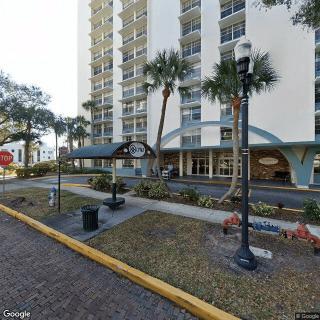
 Specialized diabetic care with off-site devotional services and strong nearby amenities

 Comprehensive Supportive Living Arrangements for Adults with Disabilities
 Funding and Affording Assisted Living: A Thorough Overview
 Assisted Living Expenses and Long-Term Care Insurance: A Comprehensive Exploration