
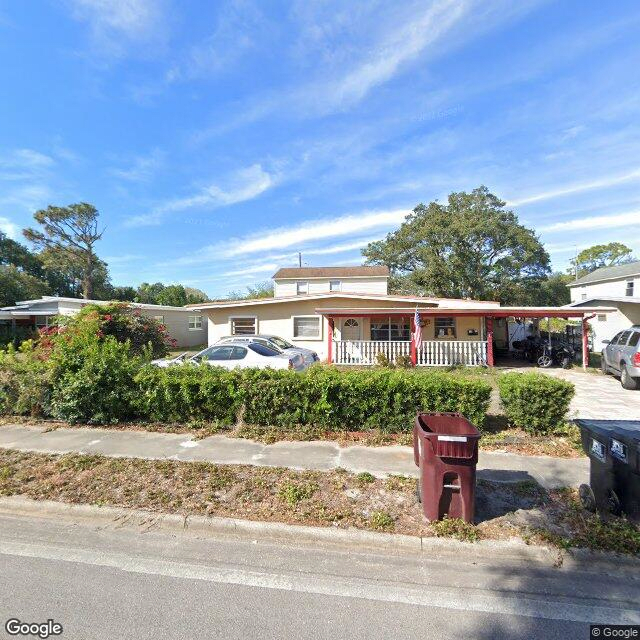
1504 Bennett Road, Orlando, FL 32803
For more information about senior living options: (866) 208-4318
Good Ole Days Adult Living Facility Costs & Pricing
Good Ole Days Adult Living Facility offers competitive pricing for its semi-private accommodations, with a monthly cost of $3,000. This rate positions the facility slightly below the county average of $3,041 for similar services in Orange County and is also competitive compared to the state average of $3,009 across Florida. Such an offering underscores Good Ole Days' commitment to providing quality care at an accessible price point, making it an appealing option for those seeking supportive living arrangements in a vibrant community setting.
| Floor plans | Good Ole Days Adult Living Facility | Orange County | Florida |
|---|---|---|---|
| Semi-Private | $3,000 | $3,041 | $3,009 |
Memory care communities with a similar price nearby
-
from -$400 / mo
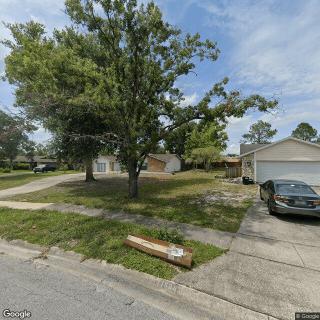
Faith House Of Winter Park
$2,600 to $3,100 / month6.2 miles away -
About the same
Spring Hills Hunters Creek
$3,000 to $5,000 / month14.9 miles away -
from -$100 / mo

Oakmonte Village Of Lake Mary
$2,900 to $4,200 / month12.8 miles away -
About the same

Gentry Park
$3,025 to $4,455 / month6.7 miles away -
from -$305 / mo

Vitality Living Lake Forest
$2,695 to $4,795 / month17.0 miles away
Overall Review of Good Ole Days Adult Living Facility
Pros
 The home is loving and filled with joy, laughter, and family time.
- The assisted living facility treats its residents like family.
- Good Ole Days far exceeds other large assisted living facilities in caring, attention, and love.
- The staff does what other assisted living facilities won't.
- The place is highly recommended for families who care about their loved ones.
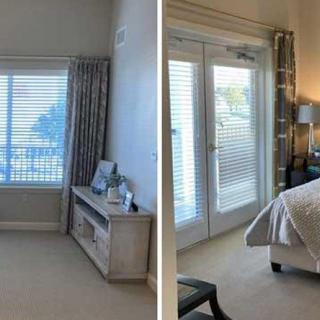
- The facility is very clean, with friendly staff, and feels like a home environment.
Review
This community is best suited for families seeking a warm, home-like assisted living experience in Orlando where staff genuinely treats residents as family and where emotional well-being is a central goal. The consensus from families points to a loving environment infused with joy, laughter, and genuine togetherness. Residents are described as being part of a close-knit, home-like setting rather than a clinical, impersonal campus. Cleanliness and a comfortable, lived-in atmosphere further reinforce a sense of continuity and security. For seniors who prize daily warmth, personal attention, and relationships that feel familial, Good Ole Days stands out as a top option in a crowded market.
The model here clearly favors intimate, relationship-driven care over a formal, institutional cadence. This is a good match for residents who want to be known by name, who appreciate staff who remember personal details, and who thrive when care feels proactive and affectionate. The environment seems designed to reduce friction and stress by reinforcing a sense of belonging, neighbors and caregivers become part of a family unit. For families seeking assurance that their loved one is not just accommodated but cherished, this approach delivers tangible emotional value that can translate into calmer days and more meaningful engagement.
Alternatives warrant consideration for those with more specialized medical or programmatic needs. If a resident requires intensive clinical supervision, memory-care programming tailored to wandering or heavy cognitive impairment, or a broader calendar of on-site therapies and group activities, a larger facility with dedicated units and broader medical staffing may better meet those demands. Similarly, if consistent, robust transportation, expansive social programming, or access to a wider array of ancillary services is a priority, exploring other options could prevent missed opportunities for engagement and oversight. In short, the strengths here are profoundly compelling for many seniors; for others, the trade-off may be worth pursuing elsewhere.
Pros such as a genuine home atmosphere, meticulous cleanliness, and consistently attentive staff create a strong offset to potential gaps. The emphasis on treating residents like family translates into reliable daily routines, prompt responses to requests, and visible warmth from caregivers. In a setting where fear of isolation or neglect is a common concern, this personal touch can outperform larger communities that offer more activities but less individualized attention. The challenge, if it rises to one, is the potential paucity of high-level medical resources or specialized programming. When those needs are minimal or well-managed, the balance tilts decisively in favor of Good Ole Days; when they are not, risk increases that a higher-acuity option is warranted.
Practical next steps anchor the decision process. Prospective families should arrange direct visits at different times of day to observe how staff interact with residents and how conversations unfold around daily routines, meals, and safety checks. Engage with the administrator about care planning, medication management, and how families stay informed about changes in health or mood. Inquire about the availability of specialized services, transportation specifics, and the pace of activity calendars to ensure alignment with personal preferences. A trial stay or short-term respite arrangement can also clarify whether the home-like vibe sustains comfort over time and under evolving needs.
In sum, Good Ole Days Adult Living Facility represents a compelling choice for those prioritizing a loving, clean, and intimately managed living arrangement where residents are treated as family. The standout strength is an environment built on personal connection, warmth, and consistent attentiveness that can profoundly improve day-to-day quality of life. This makes it a particularly strong fit for seniors who will thrive on belonging, predictable routines, and heartfelt care. However, families with residents who require advanced clinical services, extensive memory-care programs, or a broader spectrum of on-site therapies should weigh alternatives that emphasize medical resources and expansive programming to ensure all needs are met over the long term.
 5 resident community capacity
 Assisted Living
 Board and Care Home
 Memory Care
 Respite Care
 Activities off-site
 Bath tubs
 Beautician on-site
 Cable or satellite TV
 Devotional services on-site
 Dining room
 Fully furnished
 Garden
 Housekeeping services
 Indoor common areas
 Kitchenette
 Move-in coordination
 Outdoor common areas
 Telephone
 Wi-Fi/high-speed internet available
 Orlando International (10 miles away)
 24-hour supervision
 Ambulatory care
 Assistance with bathing
 Assistance with dressing
 Assistance with transfers
 Diabetes diet
 High acuity care
 Incontinence care
 Meal preparation and service
 Medication management
 Special dietary restrictions
 Transportation arrangement (medical)
 Transportation to doctors appointments
 BBQs or picnics
 Bible study group
 Book club
 Cards / pinochle club
 Day trips and outings
 Resident band or musicians
 Stretching classes
 Walking club
 Wine tasting




 Delving into the Inner World of Dementia: Insights into Thoughts and Awareness
 Five Subtle Dementia Indicators to Observe: An In-Depth Guide to Understanding “Does My Mom Have Dementia?”
 Dementia, Paranoia, and Caregiver Guidance: Understanding the Connection