At Sunflower Springs - Trinity, the monthly costs for various room types reflect a premium compared to both Pasco County and the broader Florida market. For instance, a studio apartment at Sunflower Springs is priced at $4,100, significantly exceeding the county average of $3,320 and the state average of $3,823. Similarly, a one-bedroom unit is offered at $4,200, again above local and state averages of $3,450 and $3,864 respectively. The semi-private option stands out with a cost of $5,000, which is notably higher than Pasco County's average of $2,898 and Florida's average of $3,009. Lastly, the two-bedroom units at Sunflower Springs are priced at $5,400 - above both county ($4,282) and state ($4,711) averages. These figures suggest that while residents may be paying more for accommodations at Sunflower Springs - Trinity compared to regional standards, they might also be benefitting from enhanced services or amenities that accompany these elevated costs.
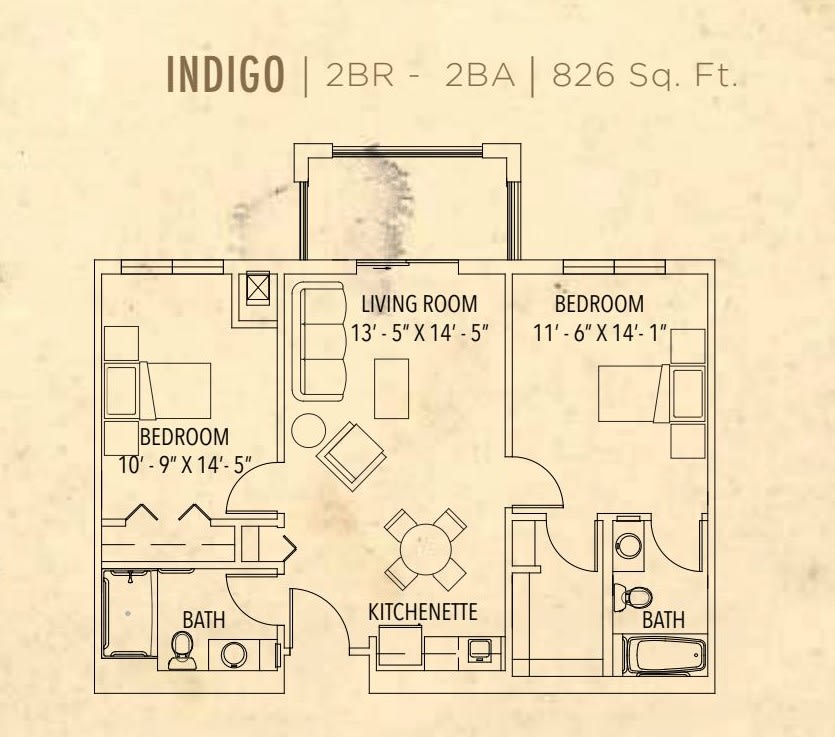
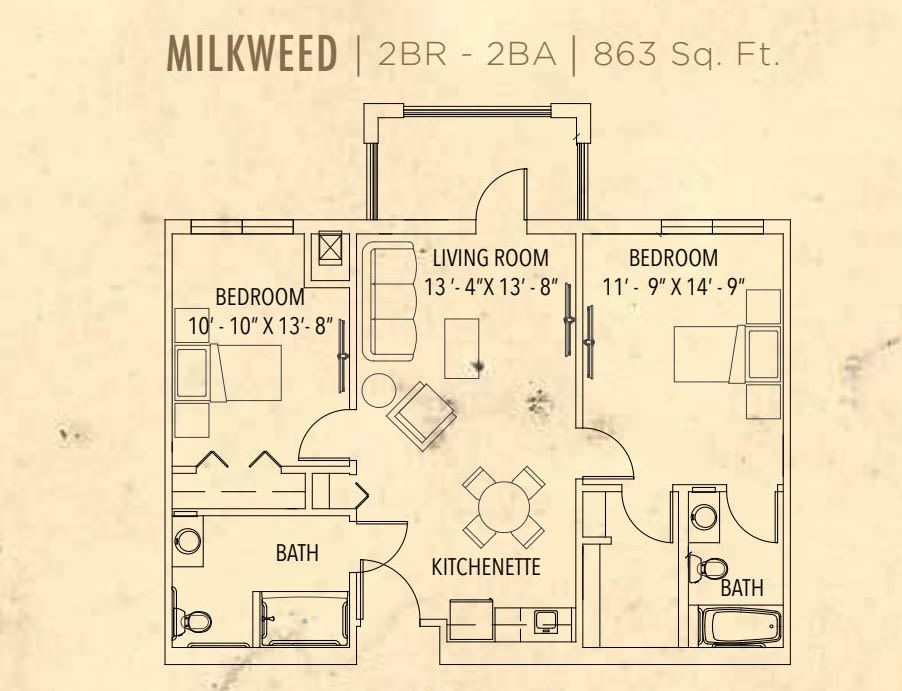
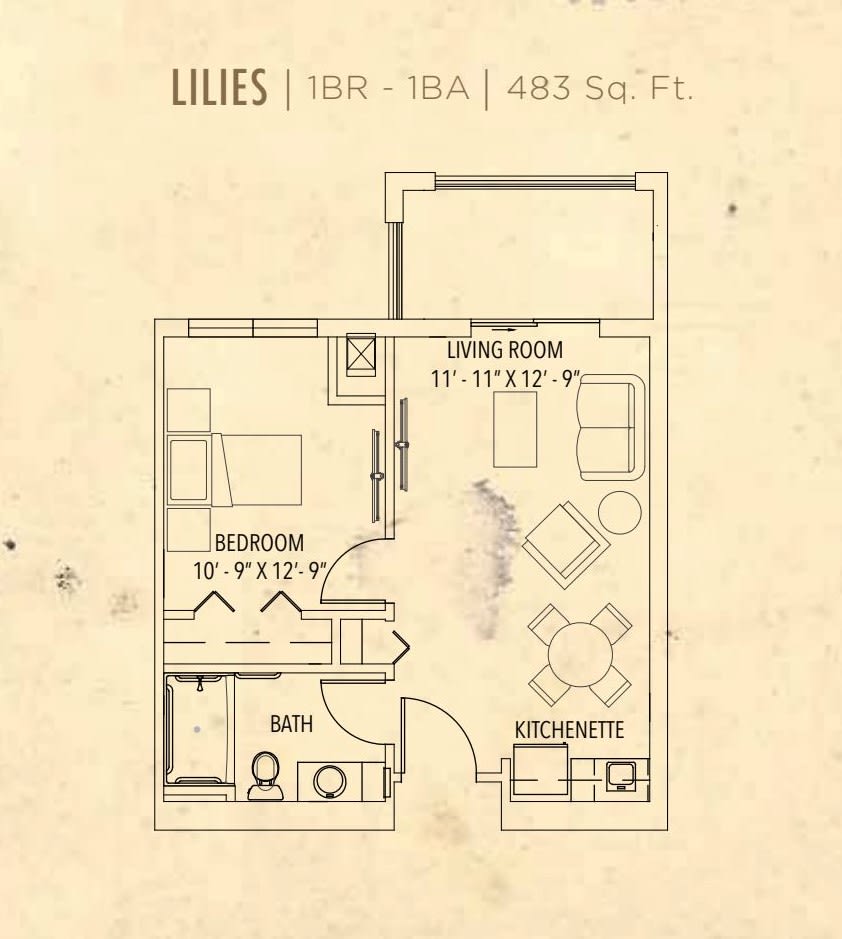
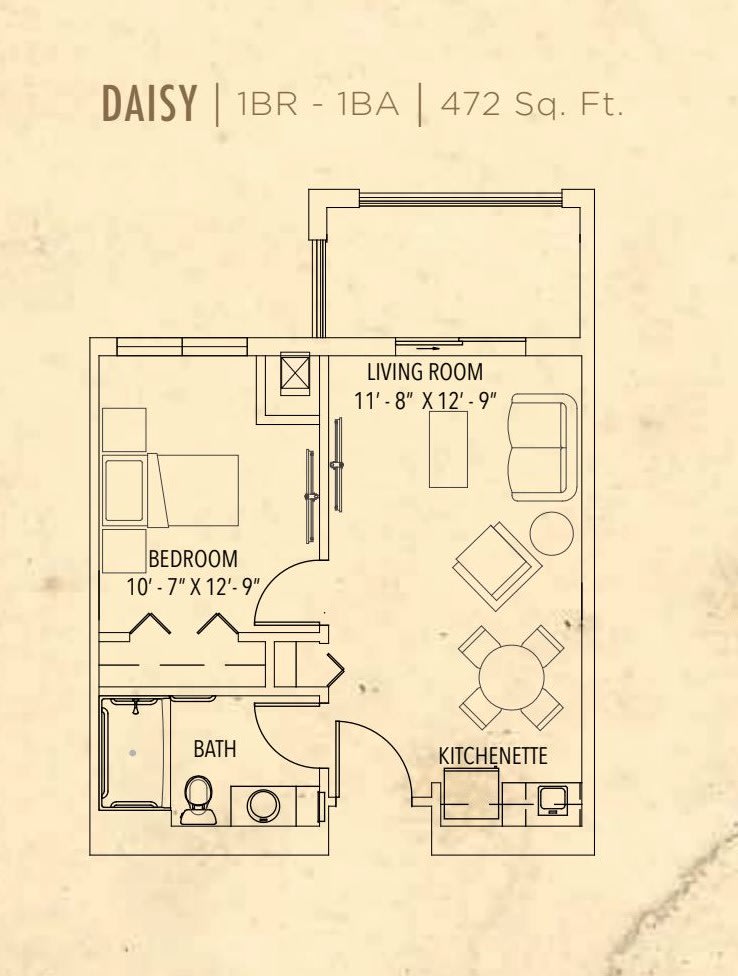
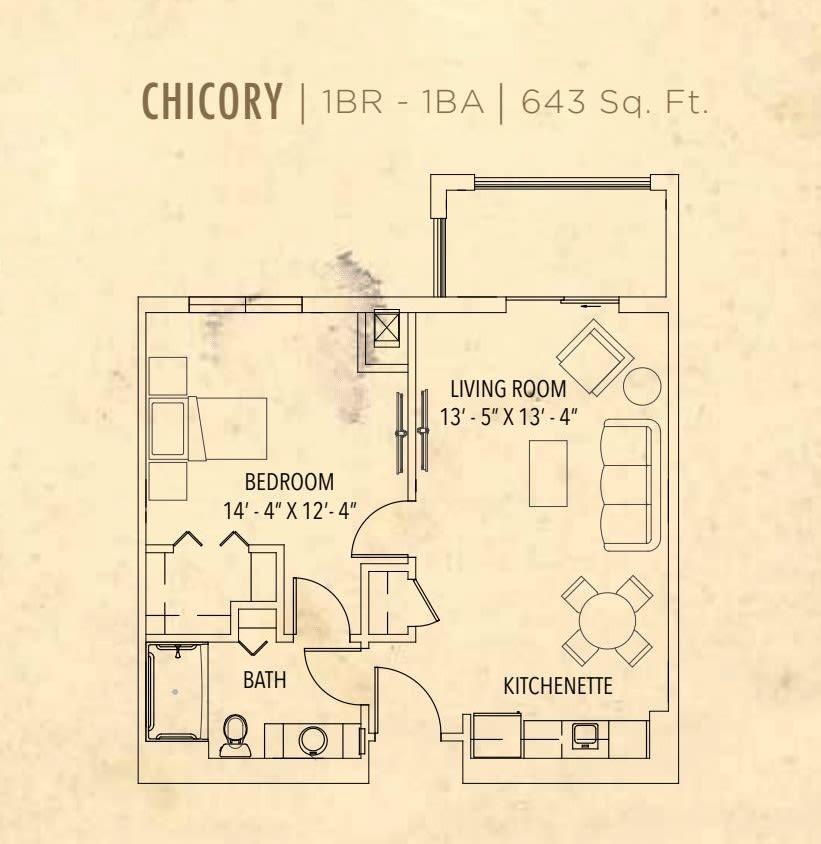
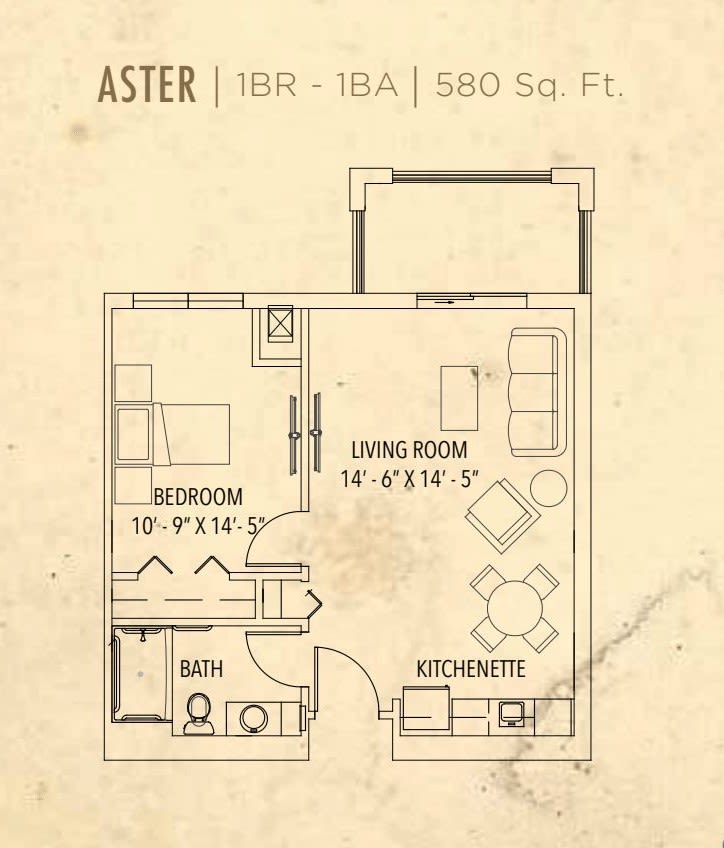
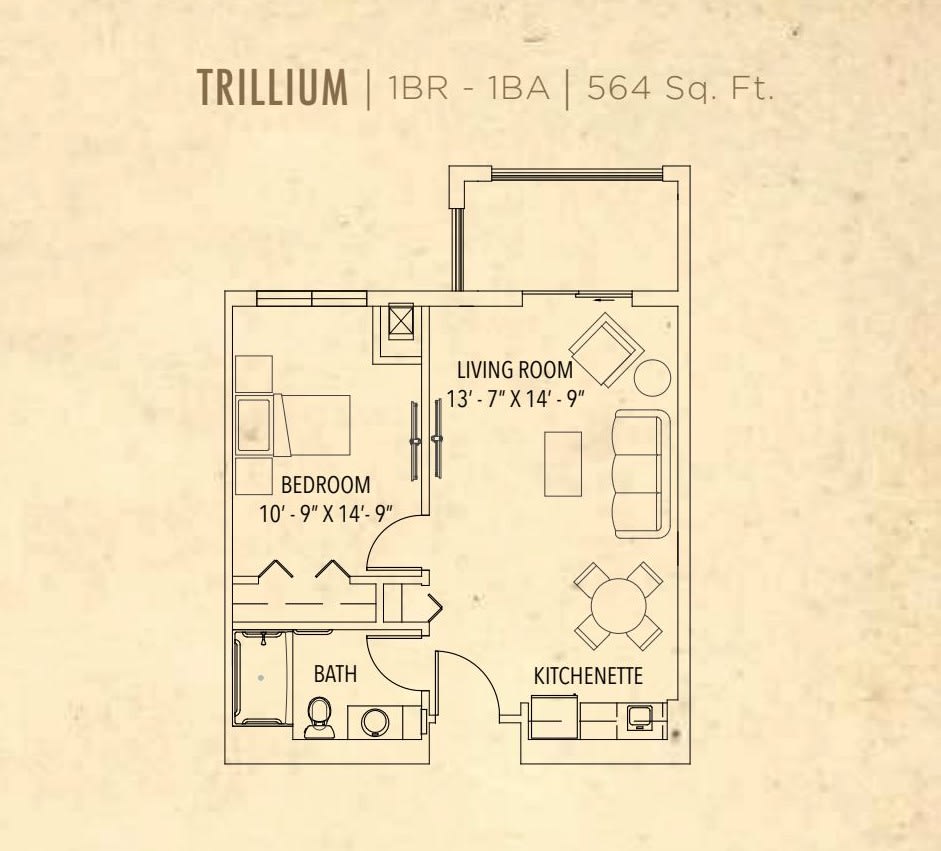
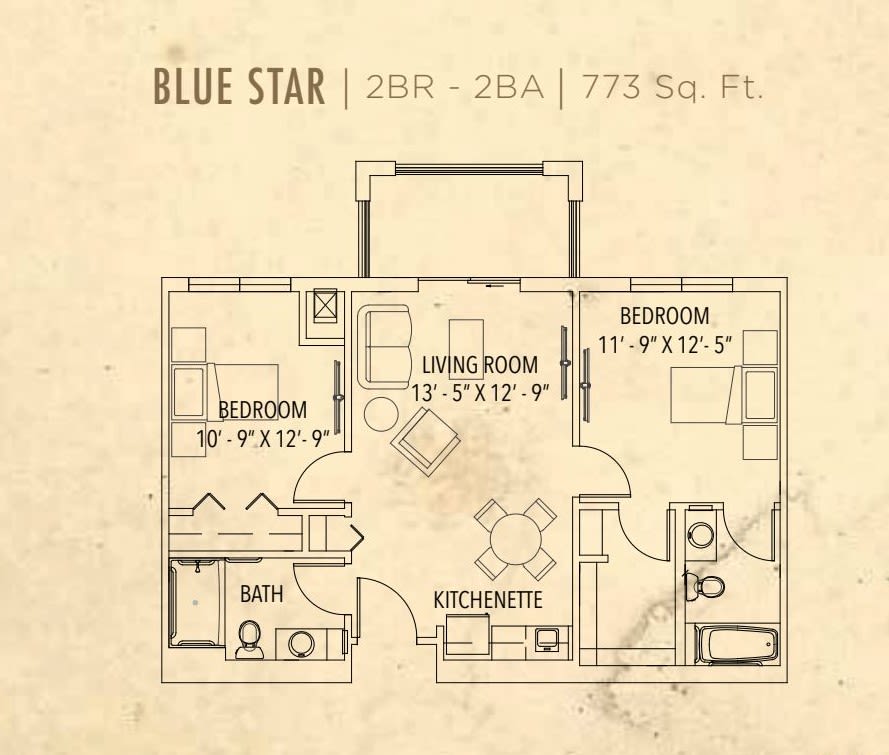
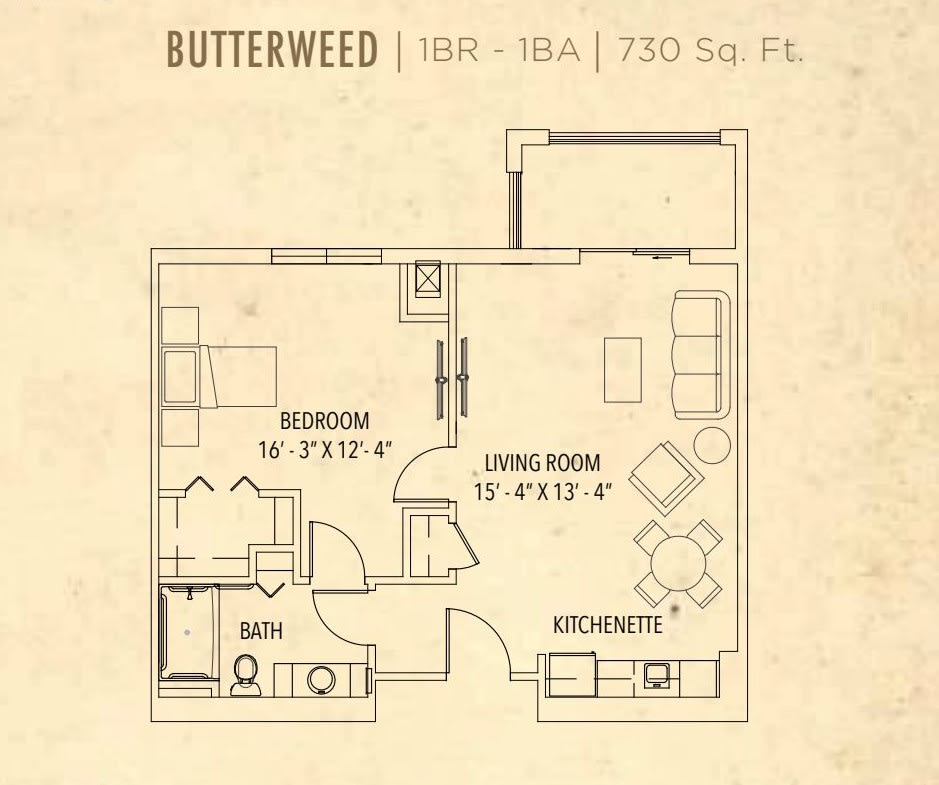
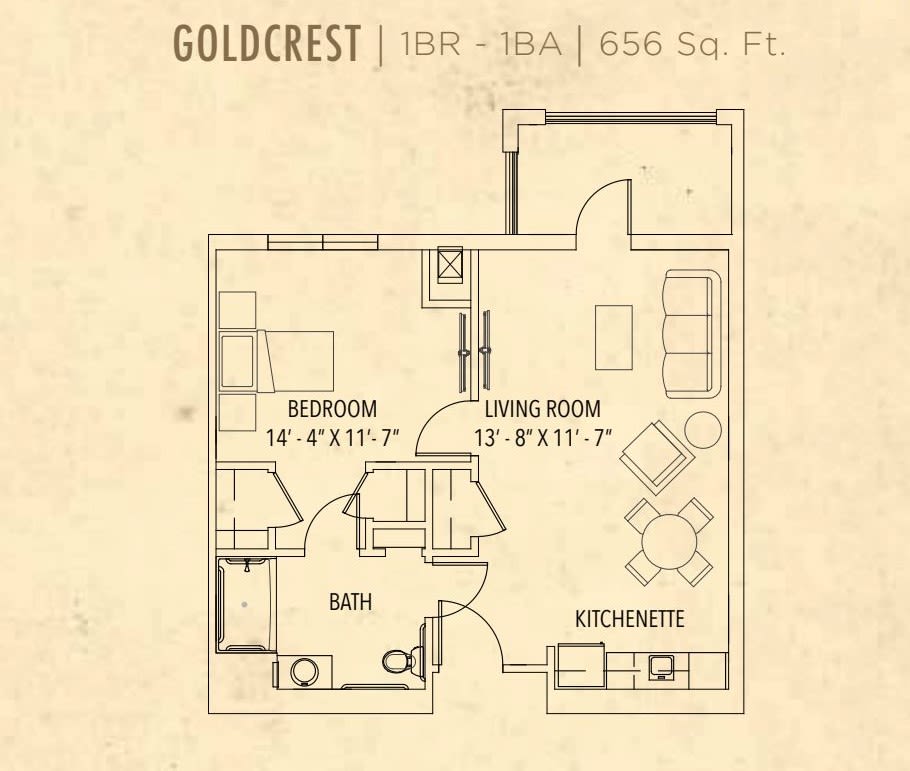
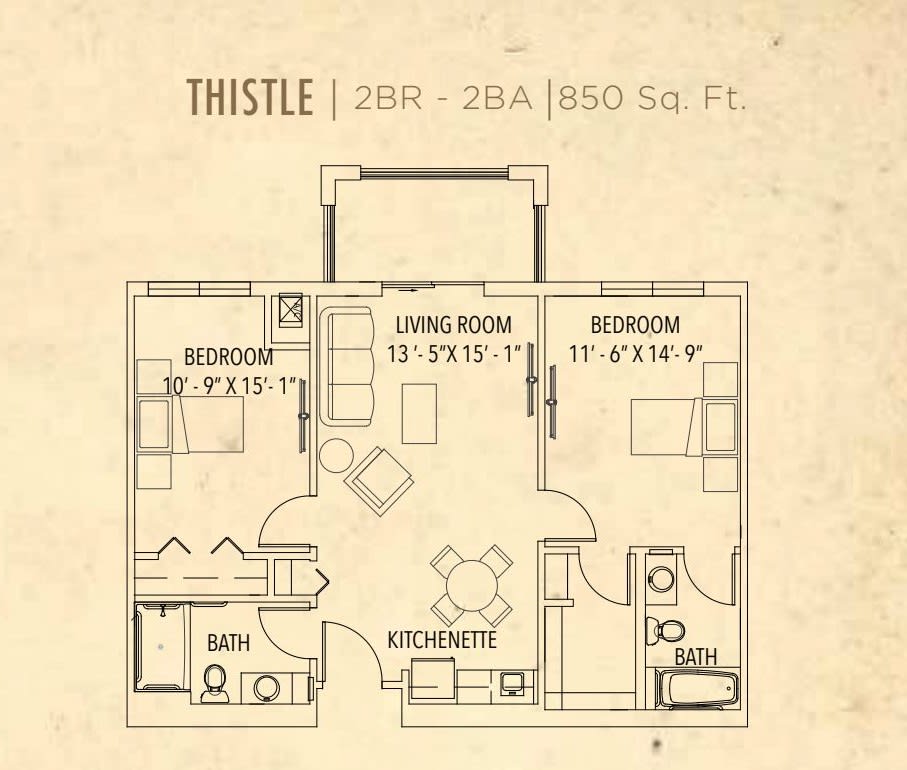
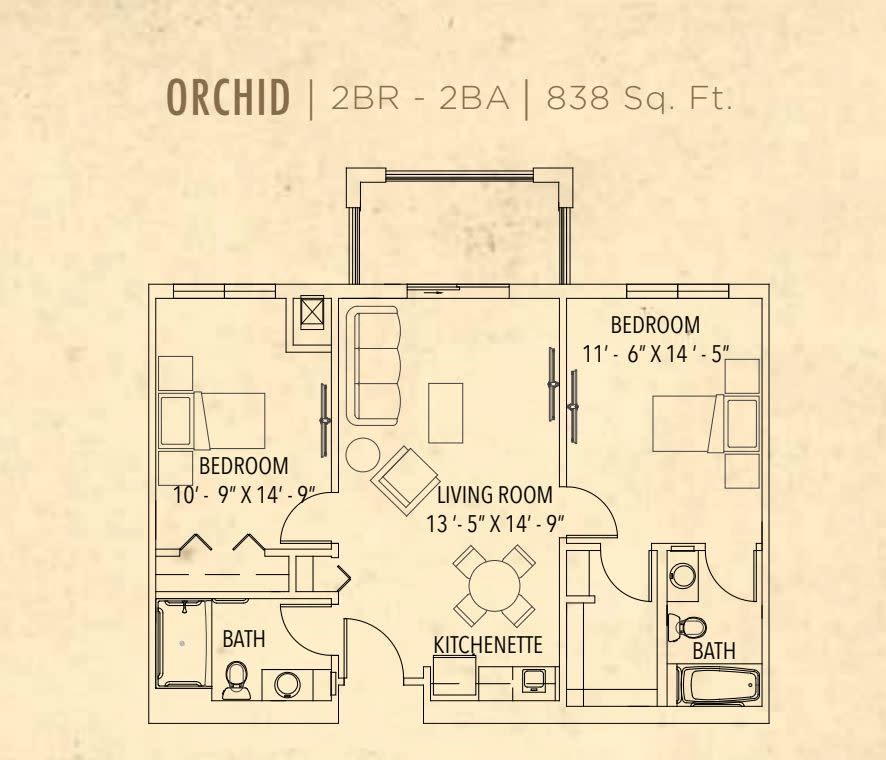
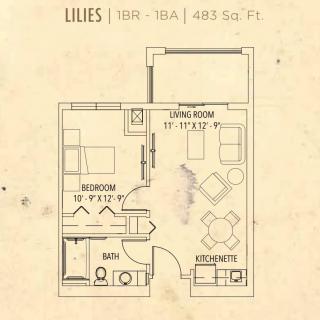
Floor plans
Sunflower Springs - Trinity
Pasco County
Florida
Studio
$4,100
$3,320
$3,823
1 Bedroom
$4,200
$3,450
$3,864
Semi-Private
$5,000
$2,898
$3,009
2 Bedrooms
$5,400
$4,282
$4,711
Memory care communities with a similar price nearby
Some residents report serious problems in memory care.
While several families describe overall care positively, two reviews specifically call out memory care as a negative experience. One review says the memory care area felt filthy and depressing and that residents were neglected, while another describes memory-care activities and care as inconsistent due to staffing turnover. These comments are in contrast with other reviews that praise activities and cleanliness in the broader community.
caveat6 reviews mention this
Staffing and responsiveness are uneven
Residents and families report missed help sometimes.
Beyond general friendliness, several reviews describe times when staffing or response was not reliable. Some residents or families mention delayed assistance when help is requested, including during the night or when call buttons are pressed, while others describe shortages on the floor and problems following through on concerns. A few reviews also tie the quality of care to staffing levels at the time, which suggests the experience can vary.
common5 reviews mention this
Dining quality gets mixed feedback
Dining is a point of both praise and criticism.
Some reviews praise meals and even highlight specific items like soups, and families describe being offered alternatives when food does not work. At the same time, other reviews say the food is not gourmet, is sub-par, or that portions are small. Even when dining is generally acceptable, at least one review suggests meal service timing and activity options after dinner could be improved.
common8 reviews mention this
Clean, newer facilities are repeatedly noted
Many reviews emphasize cleanliness and a newer feel.
Cleanliness comes up frequently, with multiple reviews describing the facility as clean and well maintained. Several families also mention the property feeling newer and upscale, and some describe apartments and common areas as bright or in excellent condition. A few negative reviews still exist, including one that describes an unacceptable apartment condition during a quarantine period, but most feedback points to strong upkeep.
common7 reviews mention this
Activities are important, but vary
Residents and families mention a range of activities.
Many reviews describe residents staying engaged through activities such as arts and crafts and scheduled events, and some families say the community makes it easy to participate. Other reviews express concerns about limited activities or weaker engagement in memory care, especially when staffing changes. Overall, activity programming appears to be a meaningful part of the daily experience, but the consistency is not uniform across care areas.
caveat3 reviews mention this
Pricing is described as high
Several reviews say the community feels expensive.
Cost is a recurring concern in a handful of reviews. At least one review calls out expectations not matching the price, while another says the facility is fairly expensive and points to complaints about staffing and food value. One review discussing care needs also mentions pricing considerations directly in the context of how services are adjusted.
How we summarize
Counts show how many written reviews mention each theme; a review can touch several themes, and only frequently mentioned themes are displayed.
Features
Housing
1-bedroom apartments
2-bedroom apartments
Studio apartments
Types of Care
Assisted Living
Memory Care
Pets
Cats allowed
Dogs allowed
Amenities
Activities off-site
Activities on-site
Air-conditioning
Bath tubs
Beautician on-site
Cable or satellite TV
Devotional services off-site
Devotional services on-site
Ground floor units
Handicap accessible
Indoor common areas
Kitchenette
Outdoor common areas
Private bathrooms
Wheelchair accessible showers
Wi-Fi/high-speed internet available
Transportation
Tampa International (19 miles away)
St. Petersburg-Clearwater International (21 miles away)
Care Services
Ambulatory care
Diabetic care
High acuity care
Incontinence care
Medication management
Dining
Gluten-free
Guest meals
Kosher
Low / no sodium
Meals provided
No Sugar
Professional chef
Restaurant style dining
Room service
Special dining programs
Vegan
Vegetarian
Activities
Art classes
Catholic services
Cooking classes
Devotional activities offsite
Devotional activities on-site
Educational speakers / life long learning
Jewish services
Mormon/LDS services
Other religious services
Protestant services
Visiting Rabbi
Visiting chaplain or priest
Nearby Places of Interest
This part of Trinity, Florida is a vibrant and convenient neighborhood with a variety of amenities nearby. There are several reputable physicians in the area, including specialists in acupuncture, cancer care, family medicine, eye care, and pediatric care. Additionally, there are plenty of dining options ranging from fast food chains like Wendy's and McDonald's to sit-down restaurants like Chili's and Chick-Fil-A. Residents can also easily access pharmacies such as CVS and Walgreens for their medication needs. For leisure activities, there are cafes like Panera Bread and Starbucks for socializing or enjoying a cup of coffee. The Medical Center Of Trinity is conveniently located for healthcare needs, and there are also nearby places of worship and parks for relaxation. Overall, this neighborhood offers a mix of medical services, dining options, and recreational activities that may appeal to seniors looking for a well-rounded community to call home.
At Sunflower Springs - Trinity, the monthly costs for various room types reflect a premium compared to both Pasco County and the broader Florida market. For instance, a studio apartment at Sunflower Springs is priced at $4,100, significantly exceeding the county average of $3,320 and the state average of $3,823. Similarly, a one-bedroom unit is offered at $4,200, again above local and state averages of $3,450 and $3,864 respectively. The semi-private option stands out with a cost of $5,000, which is notably higher than Pasco County's average of $2,898 and Florida's average of $3,009. Lastly, the two-bedroom units at Sunflower Springs are priced at $5,400 - above both county ($4,282) and state ($4,711) averages. These figures suggest that while residents may be paying more for accommodations at Sunflower Springs - Trinity compared to regional standards, they might also be benefitting from enhanced services or amenities that accompany these elevated costs.
Sunflower Springs - Trinity offers medication management to ensure that residents receive their prescribed treatments in a timely and accurate manner, which is critical for individuals with dementia or Alzheimer's who may struggle with memory and organization. This service mitigates the risk of missed doses or incorrect medications, thereby promoting both physical health and cognitive stability. Additionally, incontinence care is vital in providing dignity and comfort to residents dealing with cognitive decline; personalized support in this area not only addresses basic hygiene needs but also alleviates anxiety associated with such challenges. Together, these features create a supportive environment that enhances overall well-being while respecting the individual needs of each resident.
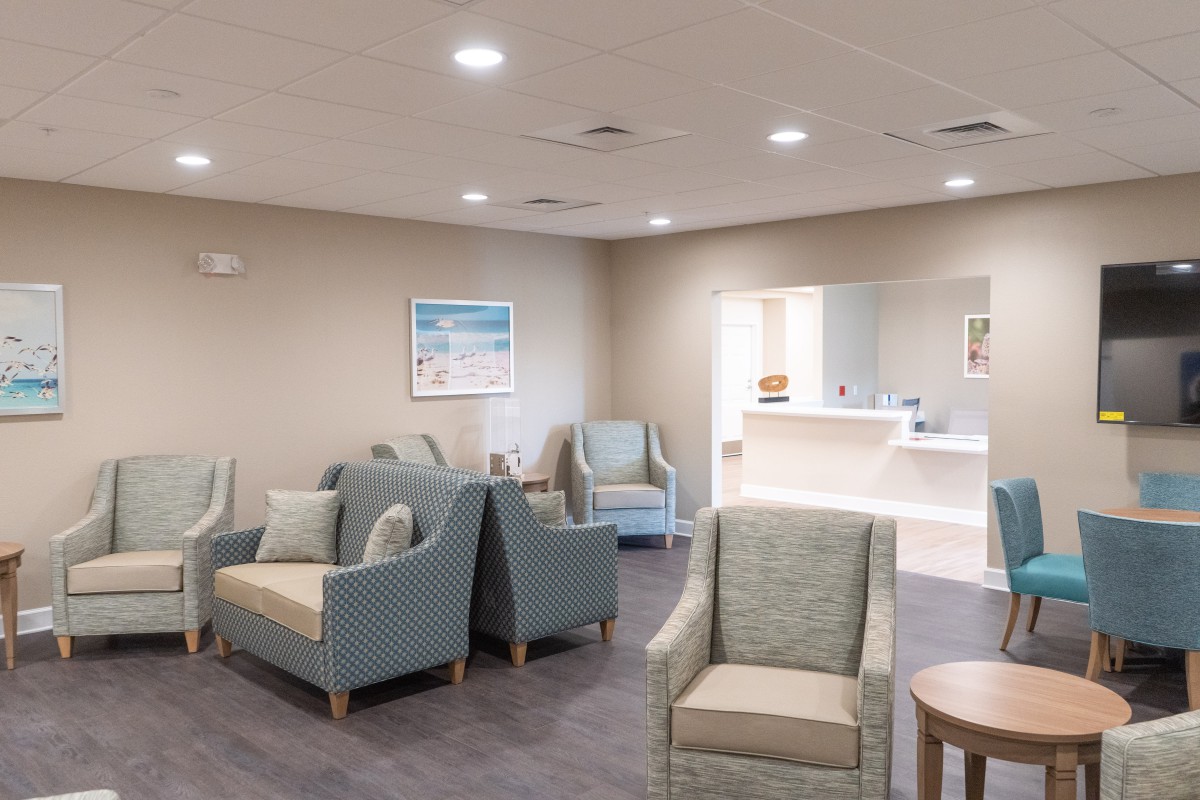
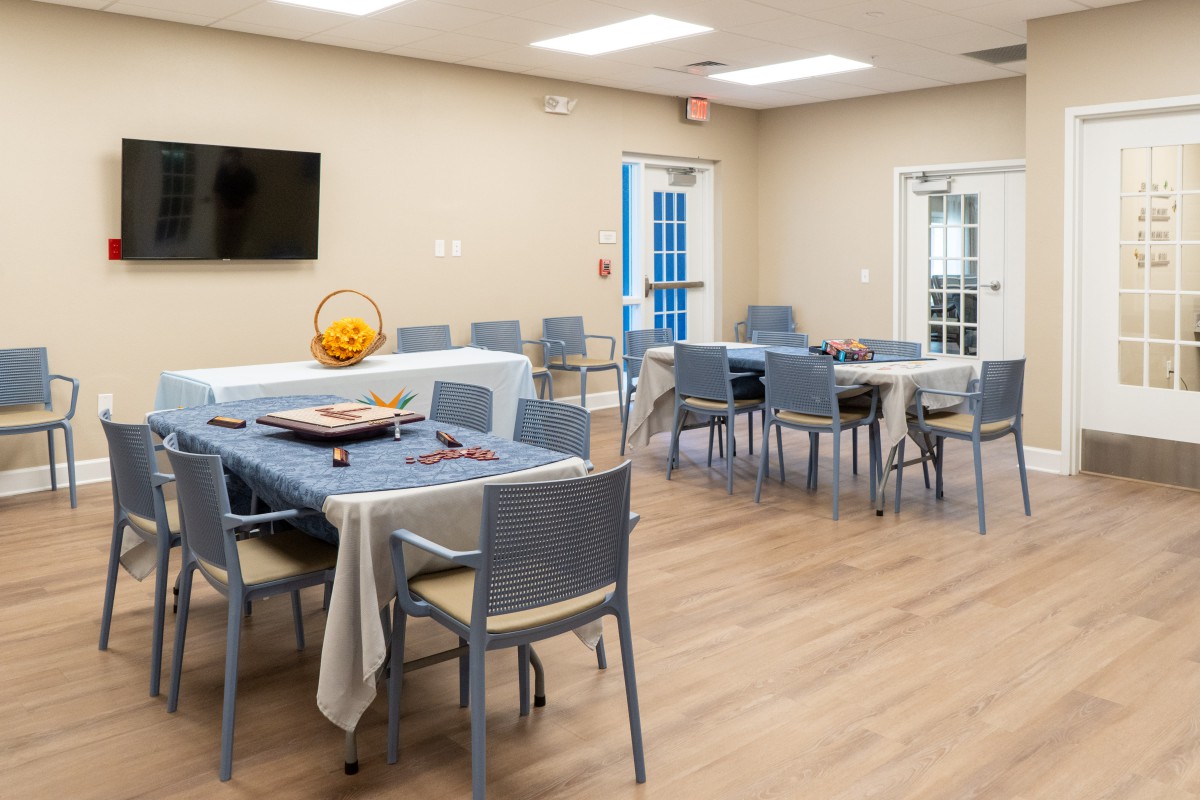
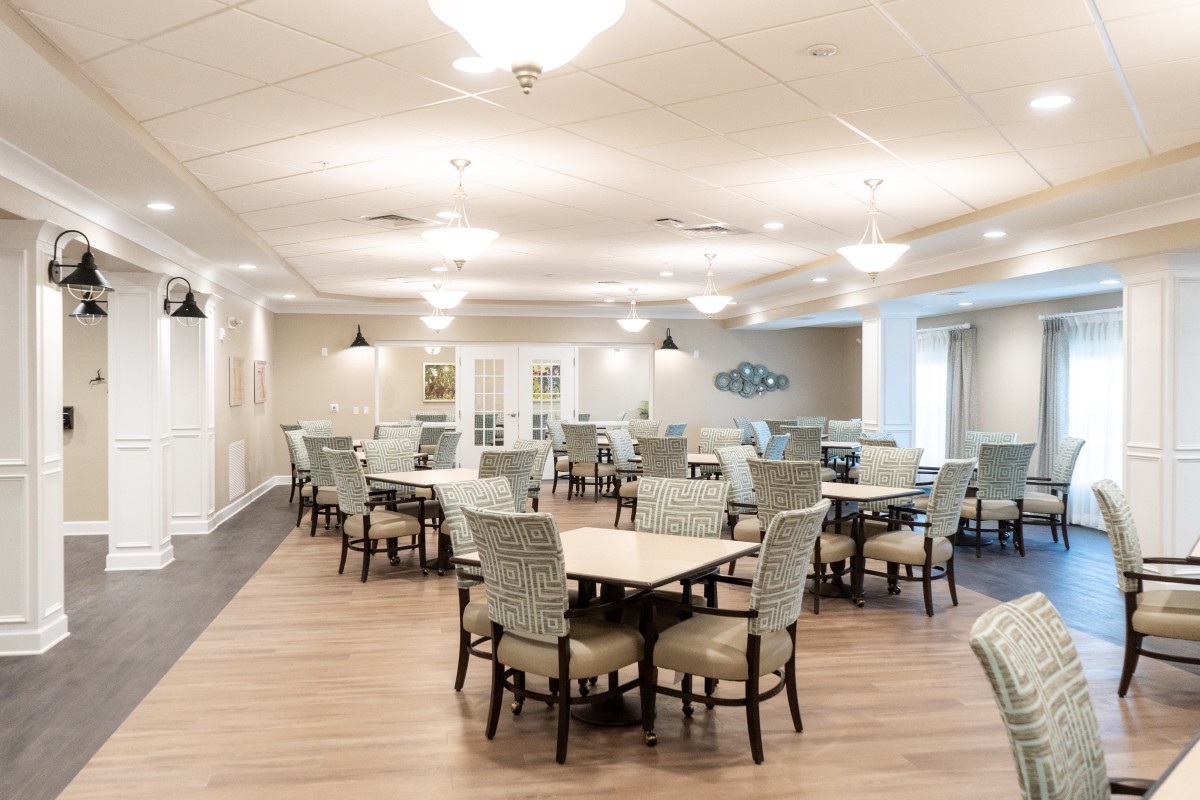
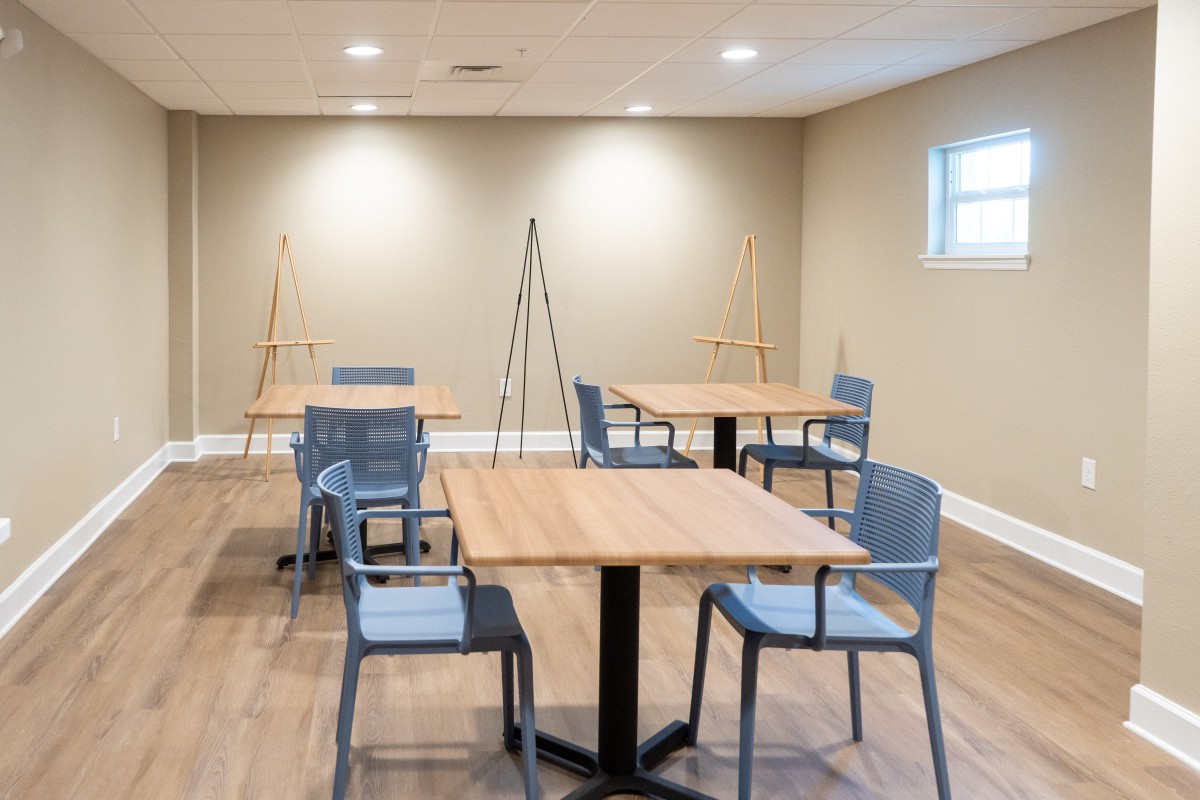
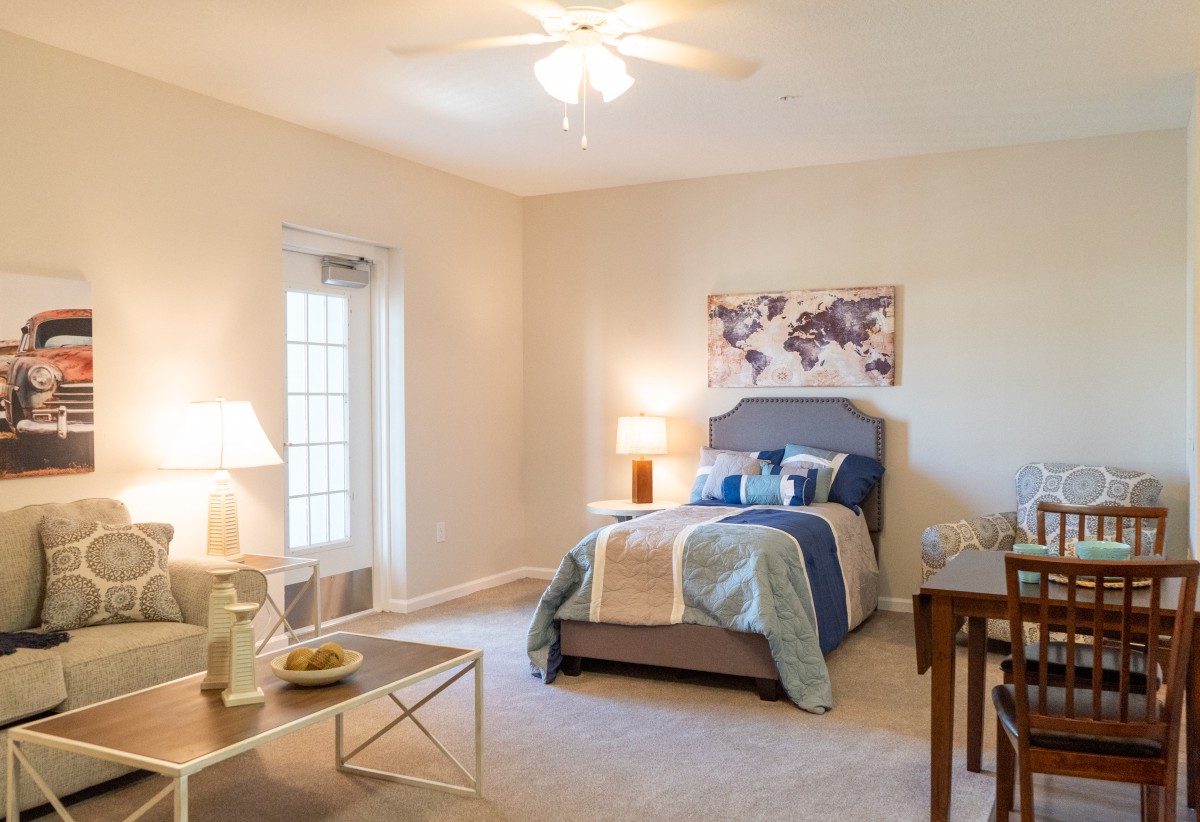
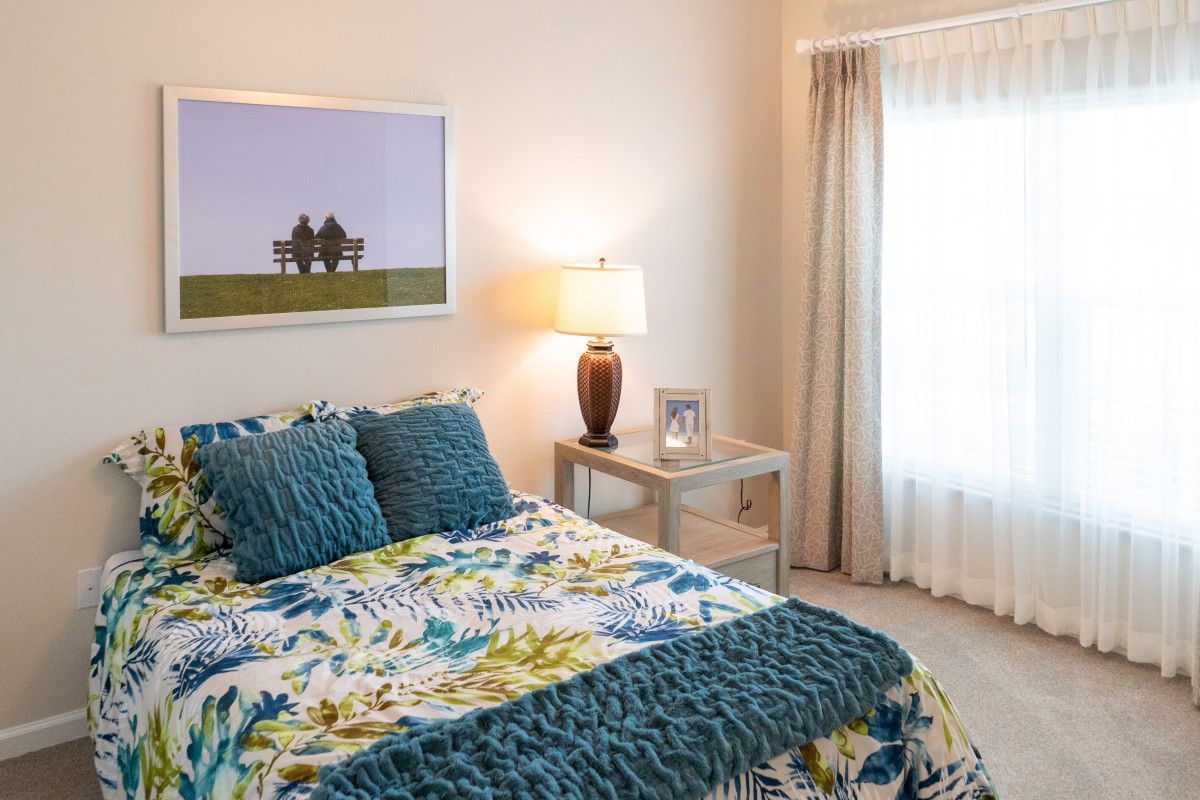
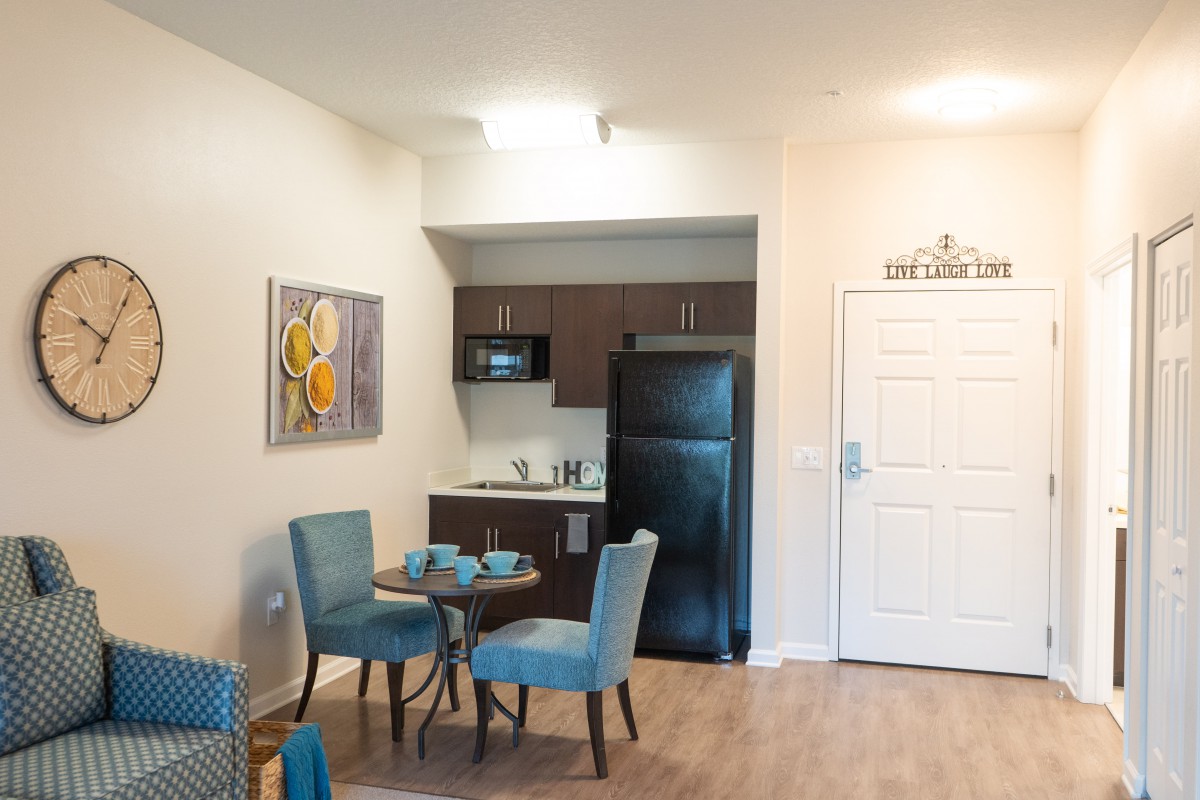
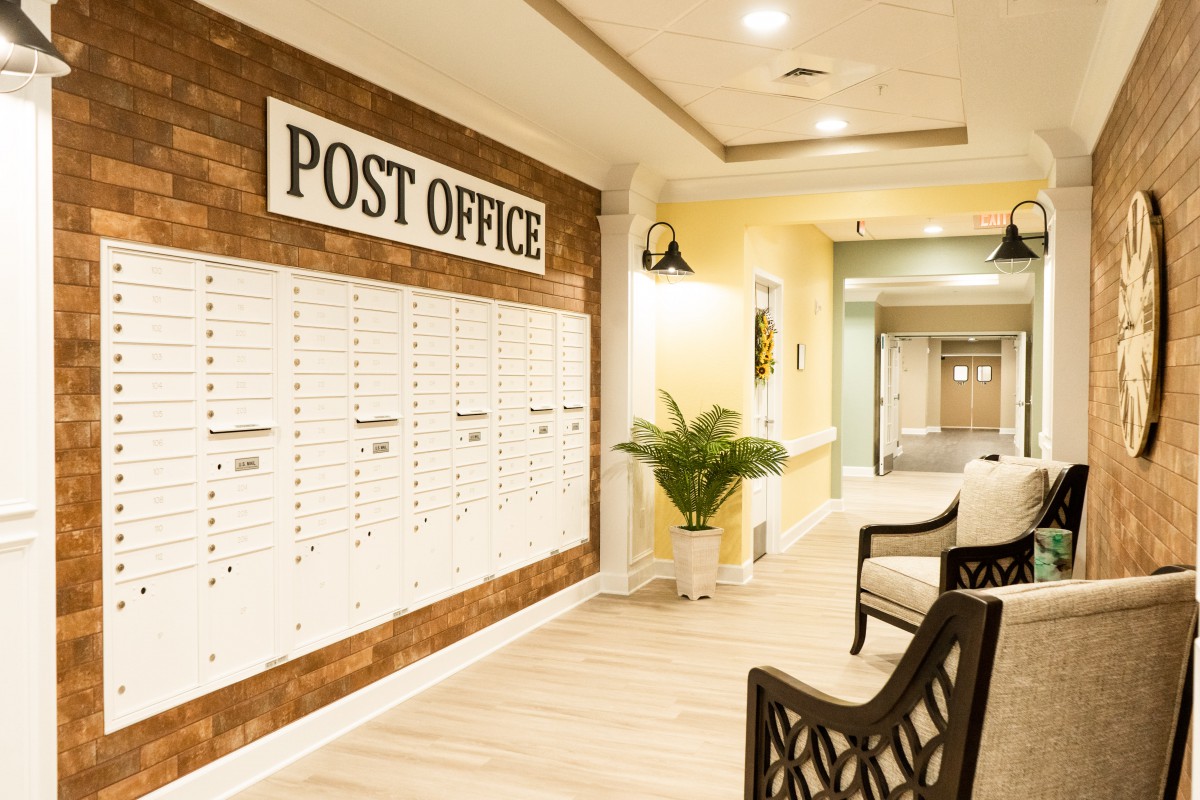
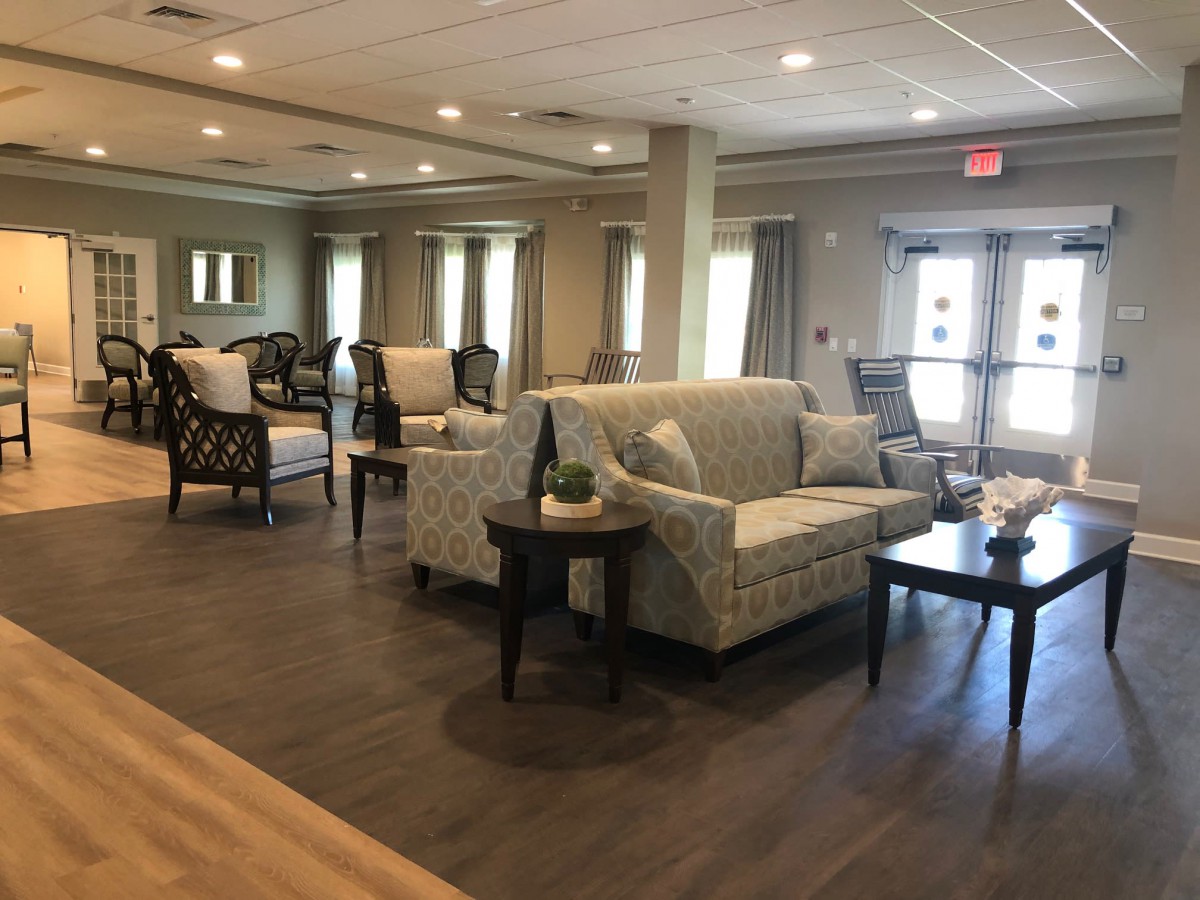
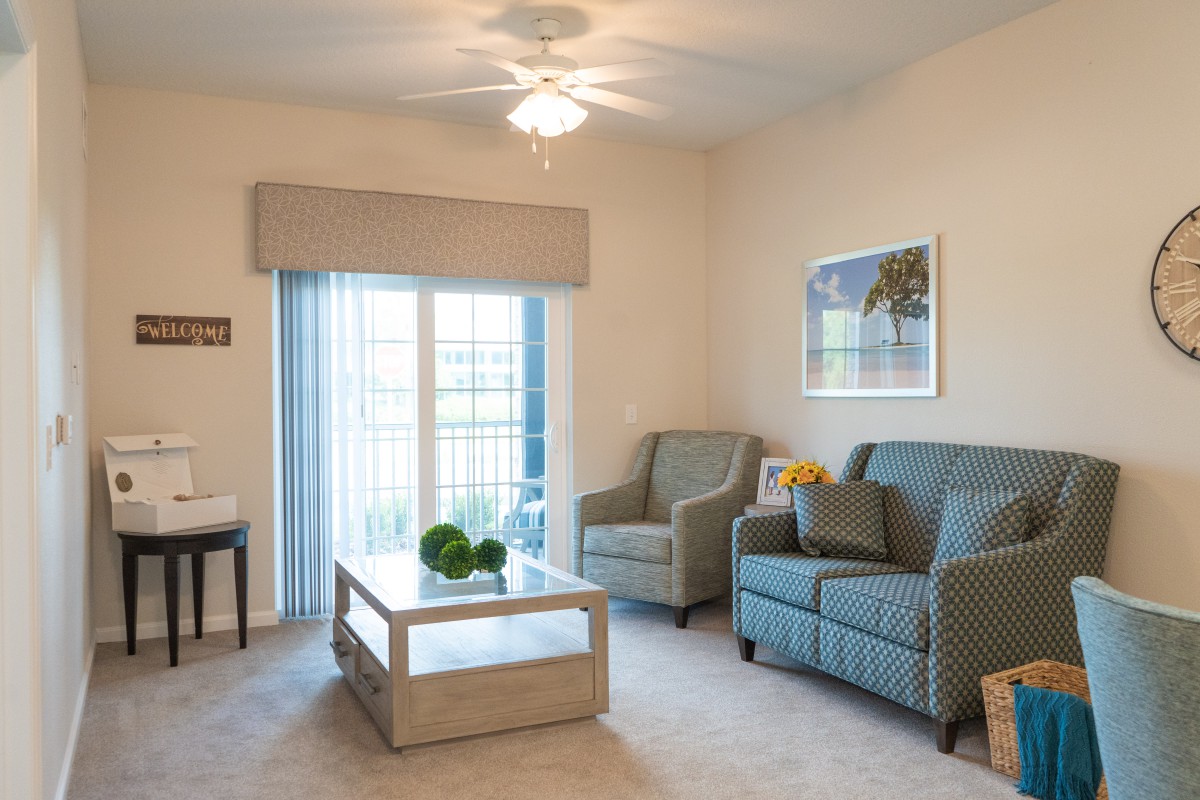
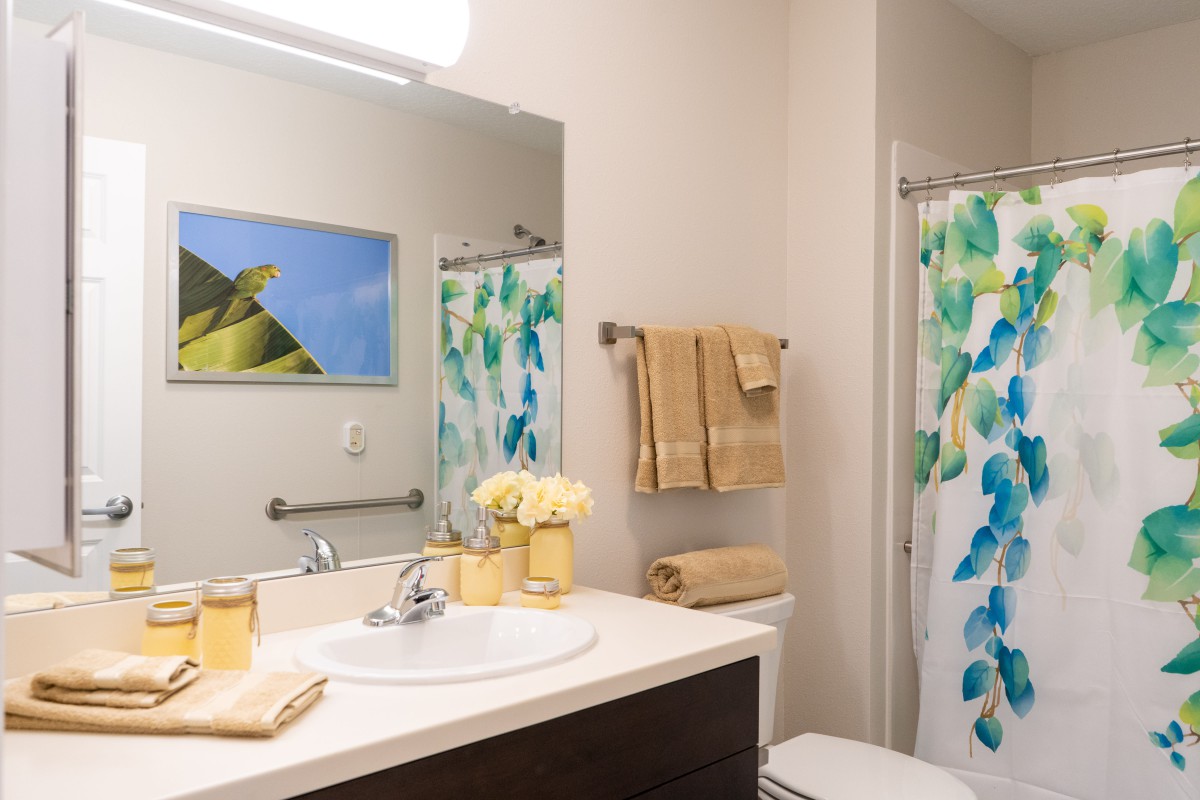
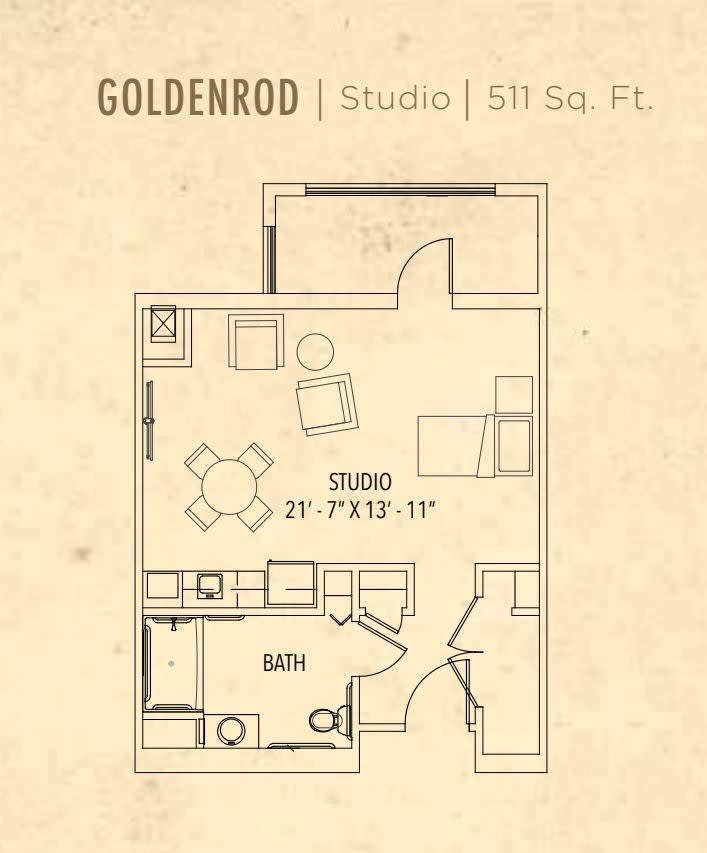
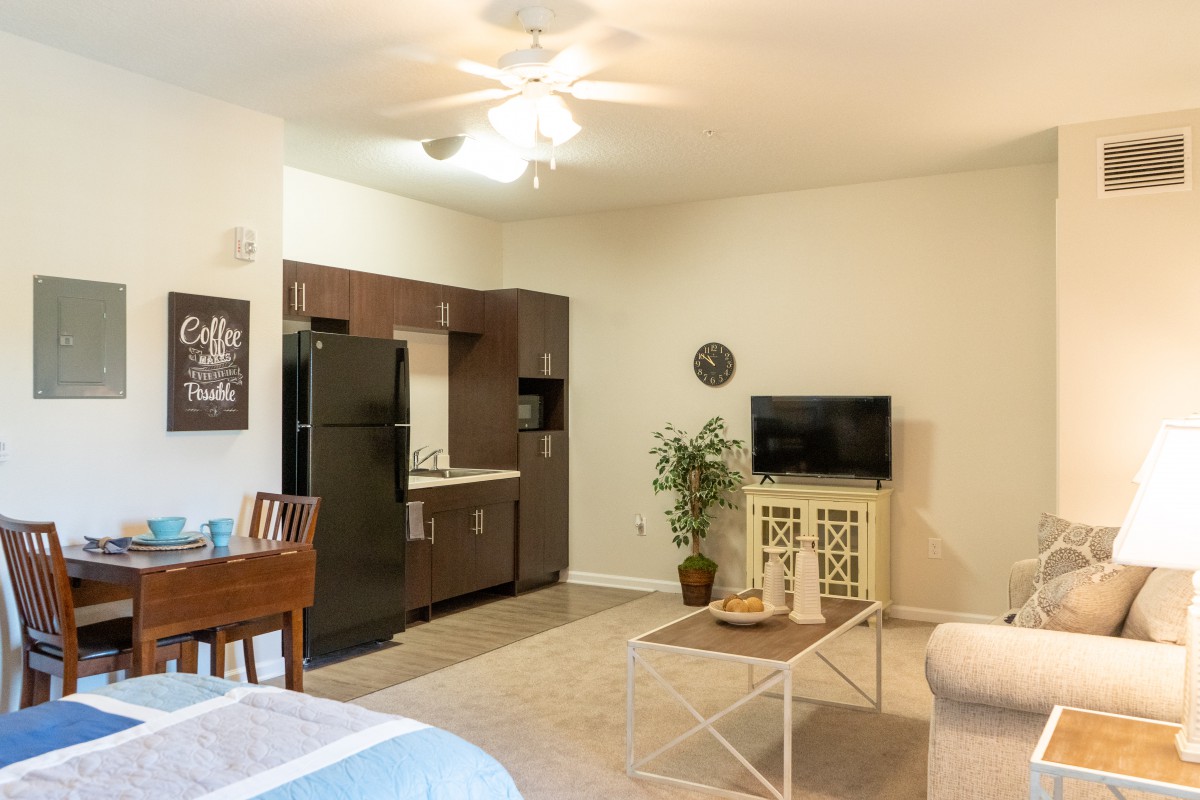
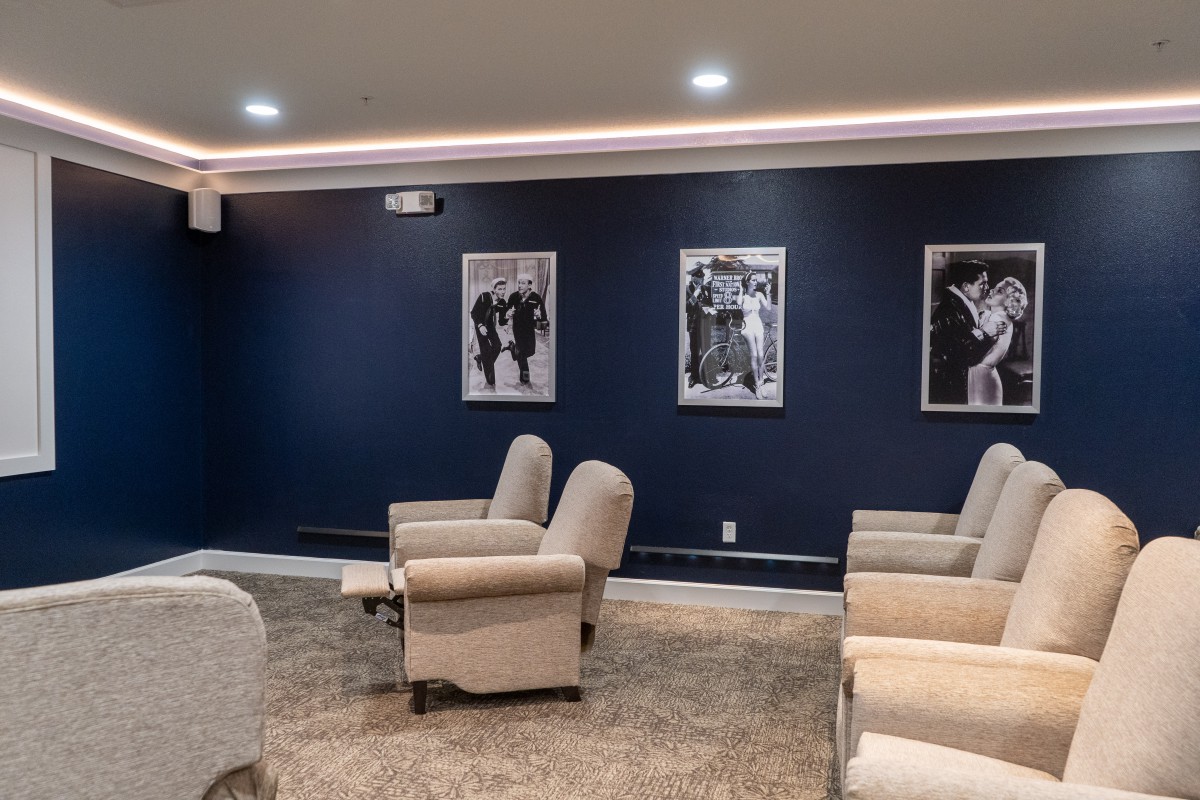
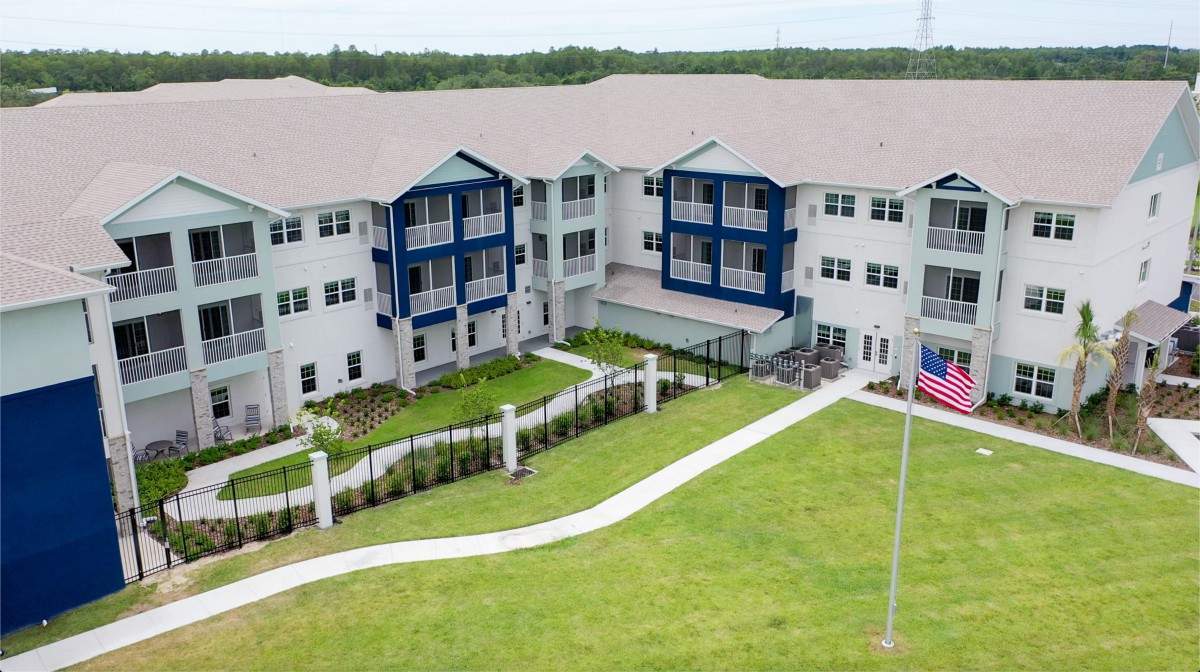
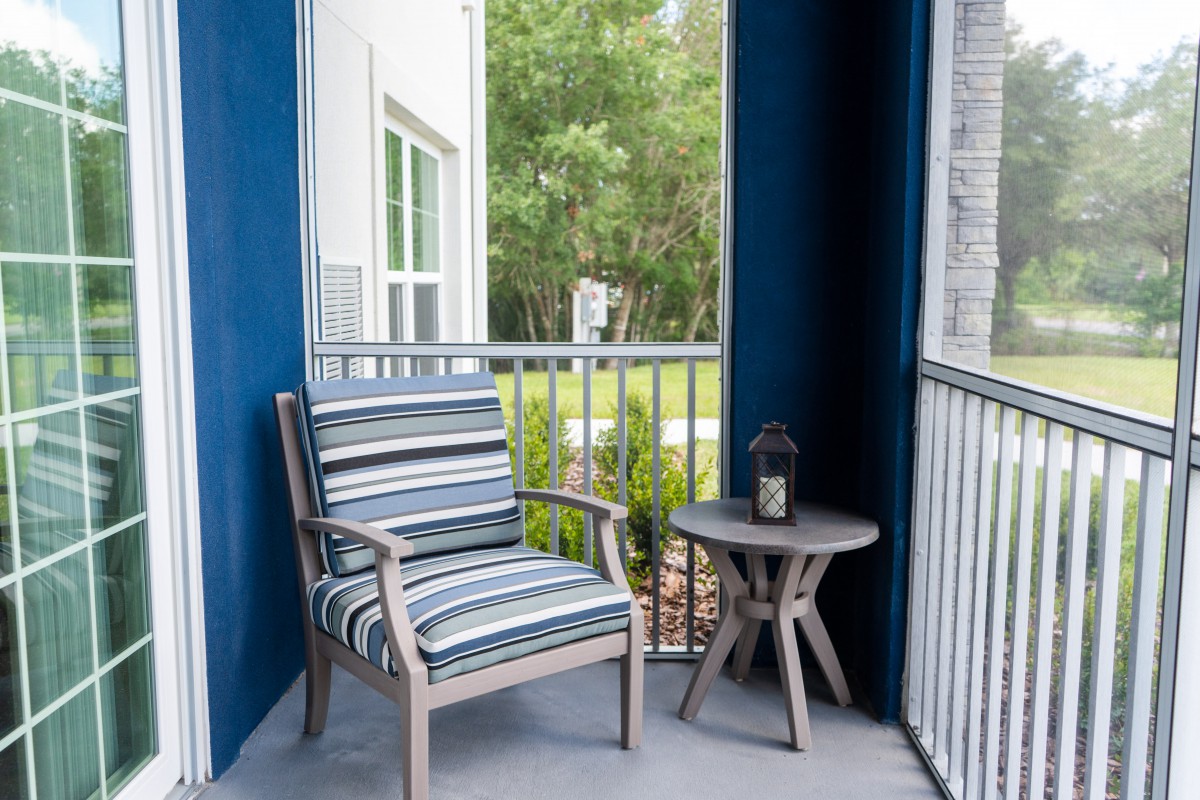
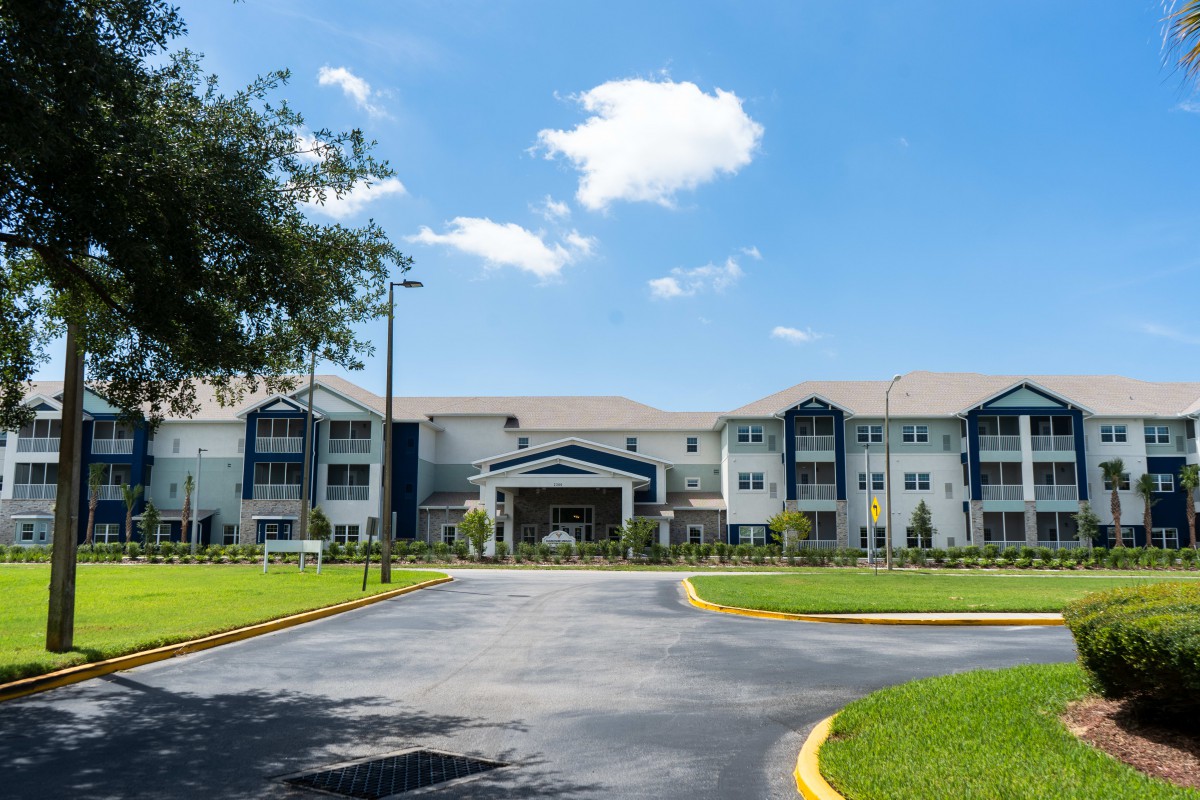
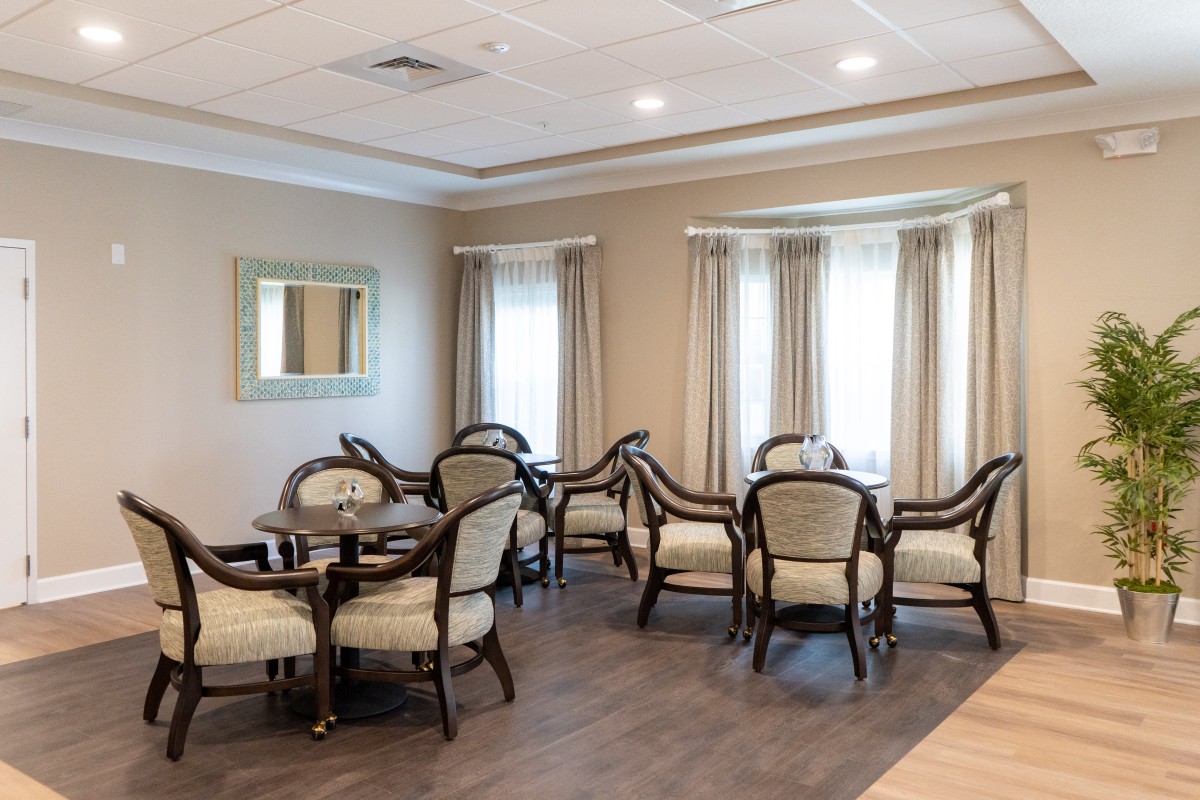
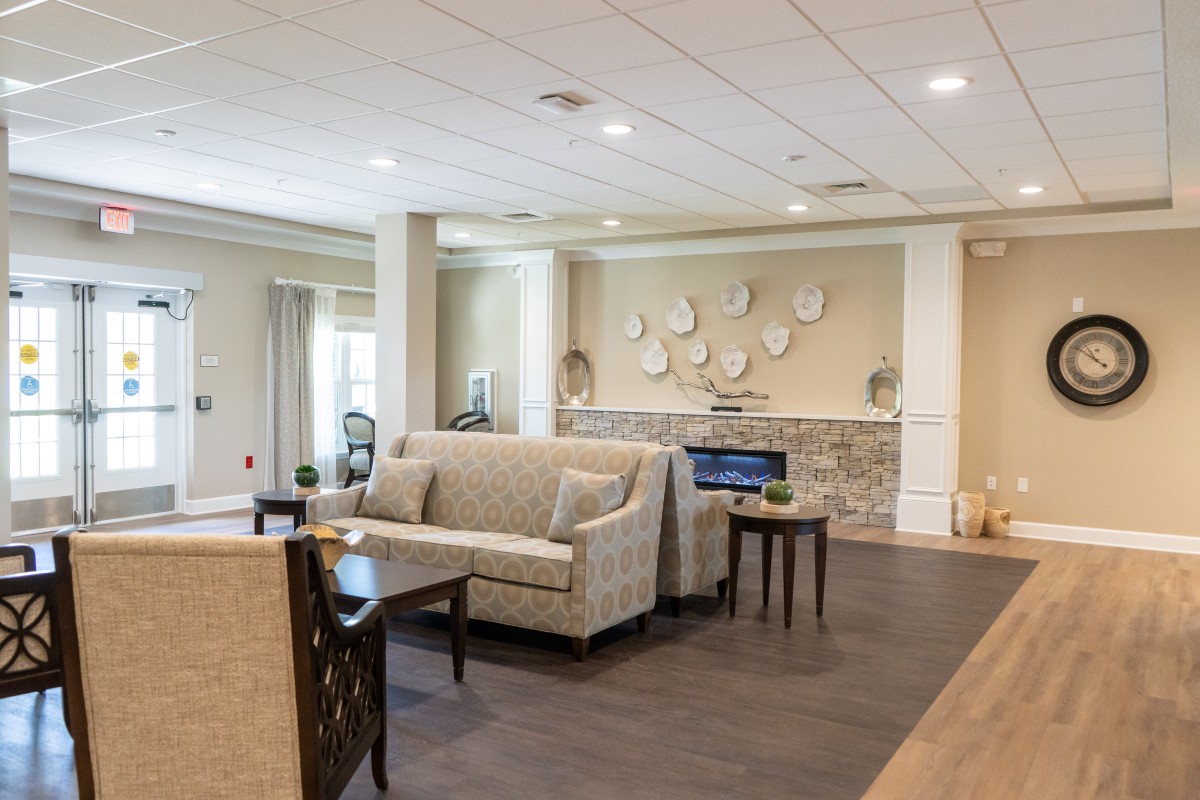
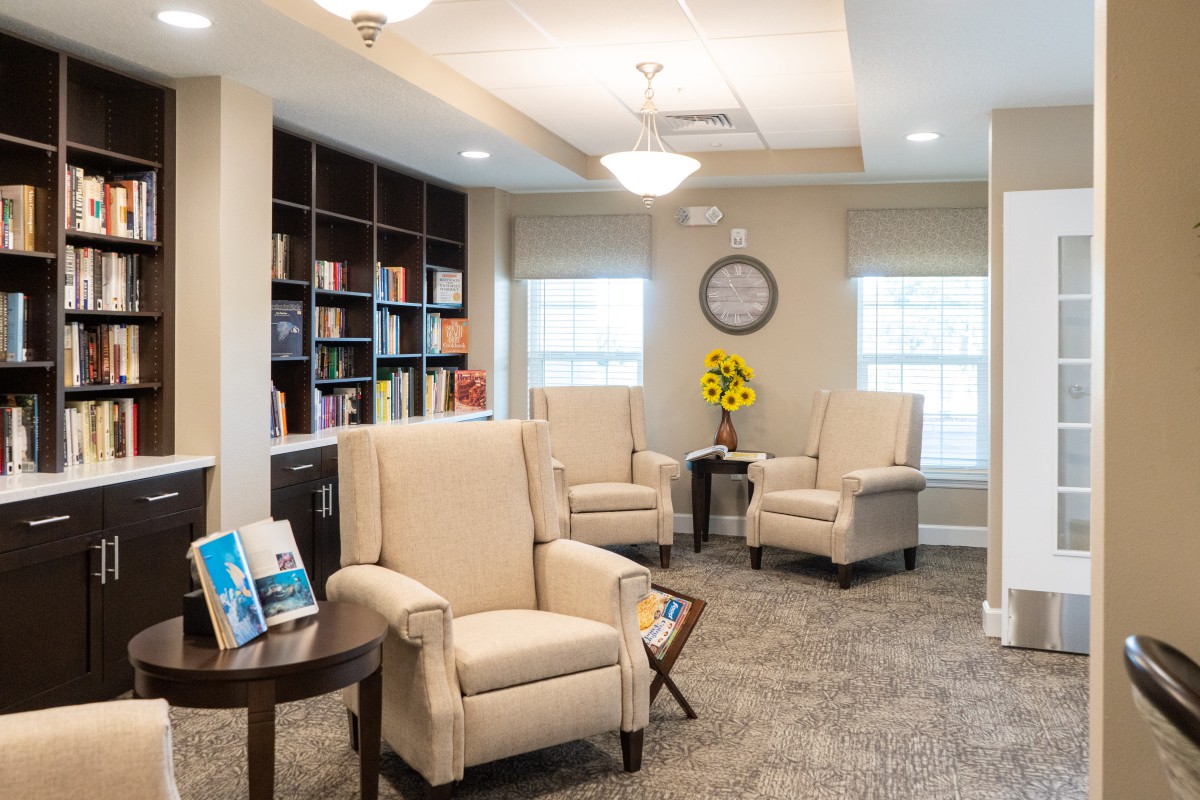
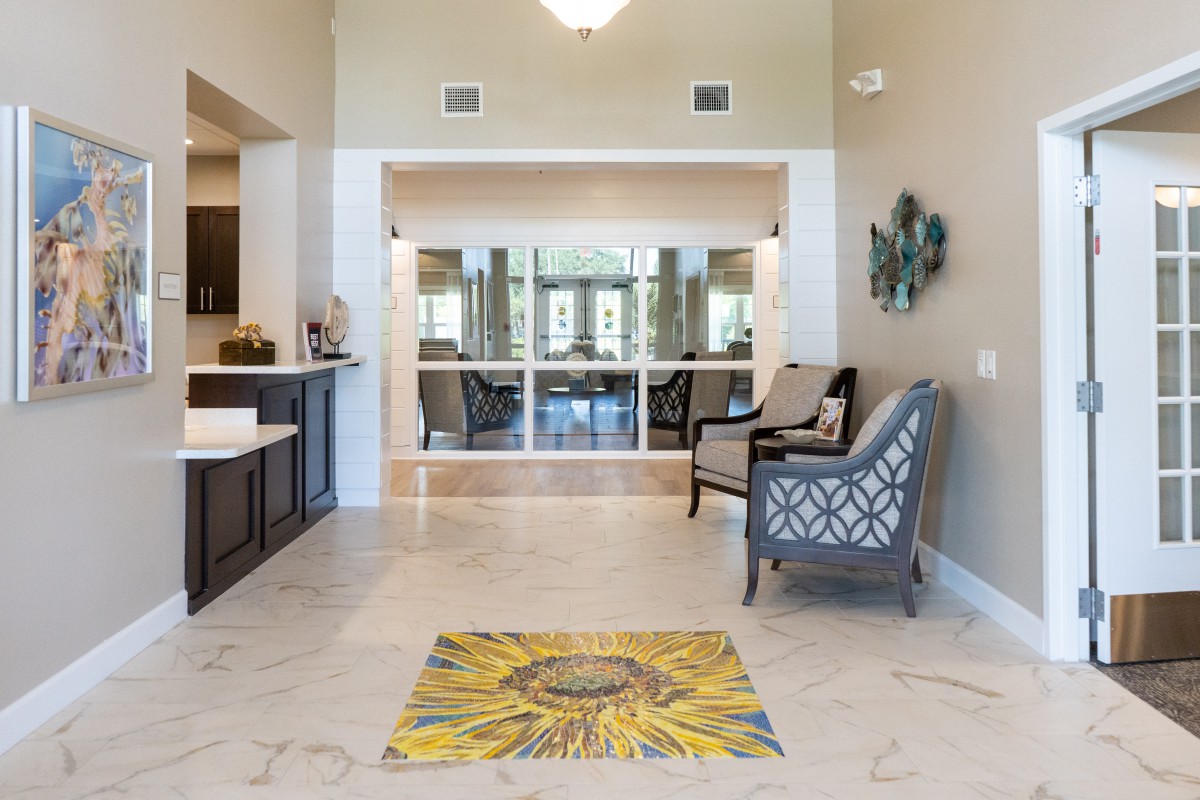
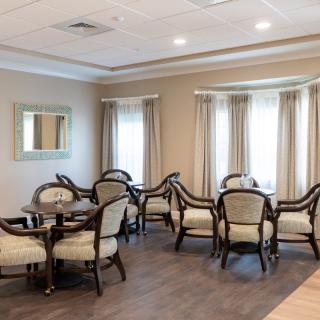
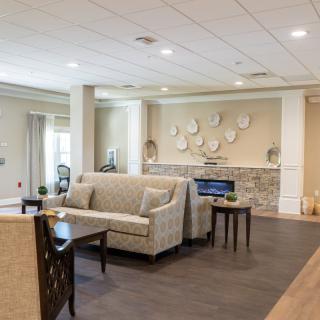
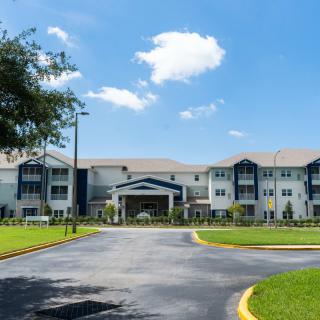
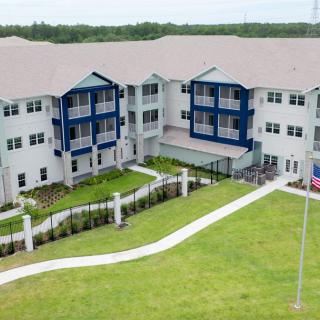
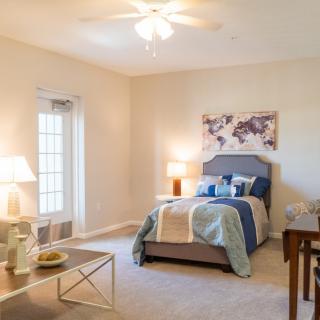
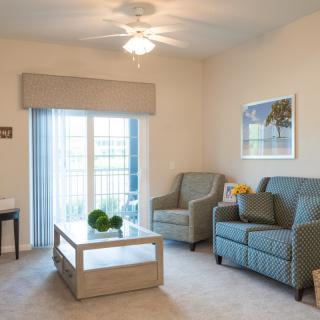
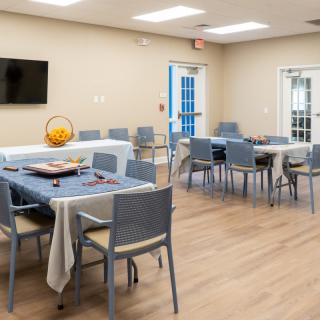
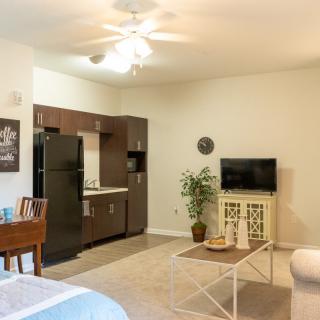
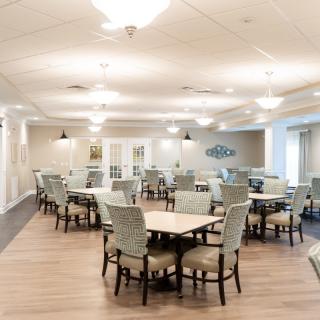
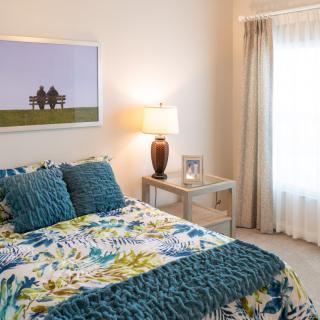
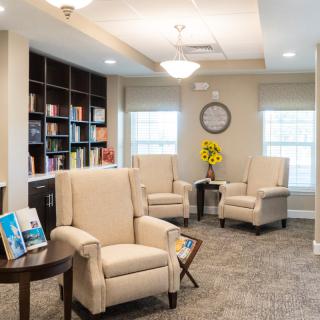
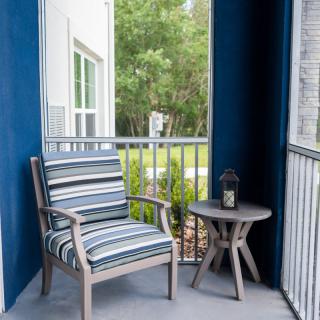
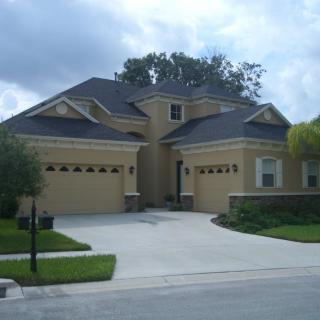
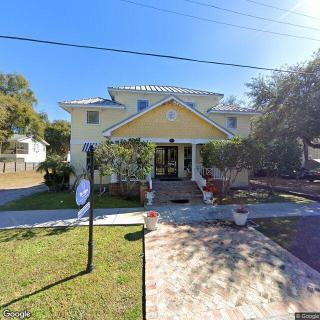
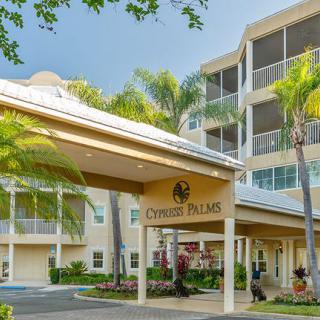
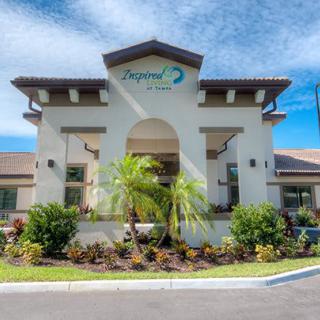
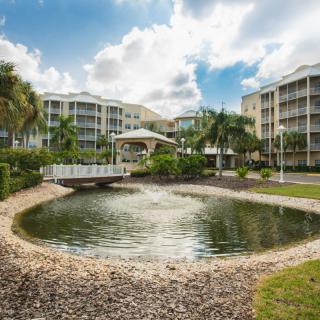
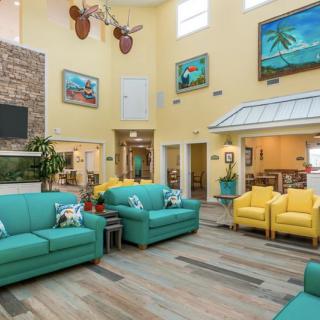
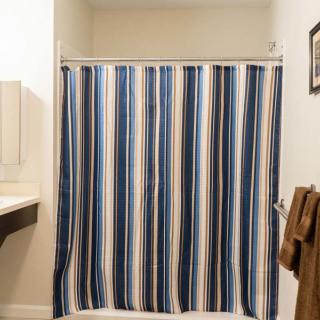
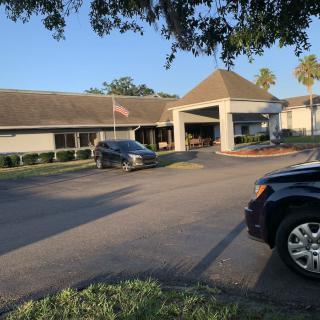
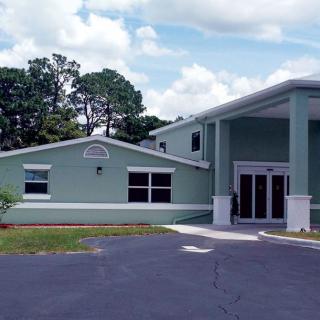
Sunflower Springs - Trinity on seniors.fyi includes 34 photos including images showing floor plan, interior, bedroom, living room, decor, kitchen, bathroom, seating area, and more.
Nearby Communities
Villas at Hunters Ridge
New Port Richey, FL
4.6 from 108 reviews
$1,050 to $1,675 / month
Policy updates and flexible gym hours; unique villa living with a natural pool.
Home Helpers Home Care of Westchase - Trinity, FL
Trinity, FL
5 from 27 reviews
Personalized care in a homely setting with nearby parks, dining, and healthcare.
Tandem Health Care
New Port Richey, FL
3.9 from 85 reviews
Personalized care including diabetic management and active on-site social spaces.
Consulate Health Care Of New Port Richey
New Port Richey, FL
3.9 from 119 reviews
Caring staff and engaging resident activities.
Seven Springs Manor
New Port Richey, FL
Convenient access to healthcare and nearby amenities.
Trinity Place Assisted Living
New Port Richey, FL
4.4 from 56 reviews
$2,350 to $3,450 / month
Professional, friendly staff in a bright, welcoming, family-like atmosphere.
Sunflower Springs At Trinity
Trinity, FL
4.5 from 101 reviews
Specialized memory care with 24/7 supervision and extensive on-site amenities.
Oakview Terrace
New Port Richey, FL
2.9 from 73 reviews
$2,000 to $3,300 / month
Friendly staff, quality meals, and attractive dining areas with a pleasant garden.
Angels Senior Living In New Port Richey
New Port Richey, FL
4.4 from 45 reviews
Clean facility with caring staff in a smaller, personal setting and engaging activities.
Dementia leads to cognitive impairment and can cause emotional and behavioral changes, including aggression that arises from frustration, confusion, or fear. Effective coping strategies for caregivers include understanding dementia's nature, recognizing triggers, using empathetic communication, and employing non-pharmacological interventions like music and art therapy.
Dementia causes cognitive decline and challenging behaviors that caregivers must manage, necessitating an understanding of the neurological basis of these issues. Effective strategies and self-care for caregivers can enhance support for those with dementia and improve their daily lives.
The content outlines five key early indicators of dementia, including significant memory loss and confusion about time and place, while emphasizing the need for professional evaluation and emotional support for both individuals showing symptoms and their caregivers. It encourages family members to monitor these signs closely and use online quizzes for initial awareness.
Get PricingAsk A QuestionSchedule A TourContact Senior Advisor
By clicking submit, you agree to our Partner's Terms of Use. You
also consent to receive calls and texts, which may be autodialed, from our Partner. Your consent is not a condition to
using our Partner's service. Please visit our Partner's Privacy Policy for information about their privacy practices.

 1-bedroom apartments
 Assisted Living
 Memory Care
 Cats allowed
 Dogs allowed
 Activities off-site
 Air-conditioning
 Bath tubs
 Beautician on-site
 Cable or satellite TV
 Devotional services off-site
 Ground floor units
 Handicap accessible
 Indoor common areas
 Kitchenette
 Outdoor common areas
 Private bathrooms
 Wheelchair accessible showers
 Wi-Fi/high-speed internet available
 Tampa International (19 miles away)
 Ambulatory care
 Diabetic care
 High acuity care
 Incontinence care
 Medication management
 Gluten-free
 Art classes
 Catholic services
 Cooking classes
 Educational speakers / life long learning
 Jewish services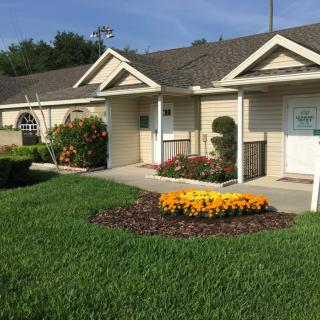
 Policy updates and flexible gym hours; unique villa living with a natural pool.

 When Dementia Sparks Anger and Aggression: Understanding the Connection and Ways to Cope
 Dementia Behaviors: In-Depth Understanding and Effective Coping Strategies
 5 Early Indicators of Dementia and What You Can Do