Tandem Health Care

8417 State Road 54, New Port Richey, FL 34655

For more information about senior living options: (844) 490-3973

3.9 from 85 reviews
5 stars
53
4 stars
10
3 stars
0
2 stars
1
1 stars
21

Assisted Living

Overall Review of Tandem Health Care

Pros

  • pro Michael, Heather, the front office staff, and social worker Veronica are terrific people.
  • pro Joan deserves a raise for her dedication.
  • pro Friar Place staff were over-the-top helpful, especially the CNA Jon and the 7-3 nurse.
  • pro The dietary staff and the housekeeper are praised for their excellent service.
  • pro The facility is described as having a caring, family-like environment with an amazing team.
  • pro Alicia is valued for her honesty, straightforwardness, and genuine care.
  • pro The property is very nice, with staff described as awesome.

Cons

  • pro The facility is extremely dirty, with urine odors in almost every wing, sticky floors, and filthy rooms.
  • pro The staff are overwhelmed and understaffed, leading to slow or missing care and residents not being changed regularly.
  • pro Call bells are often ignored for hours, leaving patients waiting for assistance.
  • pro Management and several staff members are described as rude, unprofessional, or unresponsive.
  • pro Personal belongings disappear, and funds or checks related to residents are mishandled or delayed.
  • pro Residents suffer neglect: wounds, bedsores, infections, and being left in soiled conditions with poor hygiene.
  • pro Families feel compelled to contact the news or lawyers to address neglect or mismanagement.
  • pro The environment lacks privacy and dignity, especially during end-of-life or grieving moments.

Review

This facility presents a striking contrast: in some moments you meet kind, caring people who seem genuinely invested in the residents, while in others you walk into scenes that feel negligent, chaotic, and distressingly unclean. On one hand, Michael and Heather, along with the front office staff and Veronica the social worker, are described as terrific people who bring warmth and attentiveness. On the other hand, the environment itself frequently feels dirty and poorly managed, with persistent complaints about cleanliness, odor, and a sense that the needs of the residents are not being met consistently.

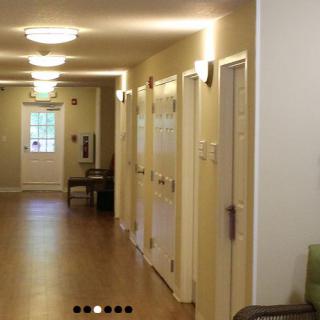
The physical condition of the place is a frequent source of alarm. The front hallway is often described as a bright entry to a gloomy reality, with every other wing reportedly carrying a heavy urine smell. Floors are described as sticky and dirty, creating an atmosphere that makes even routine visits feel unsafe. Rooms are called out as horrible, and visitors repeatedly note that there is rarely anyone around when a patient presses the call button. Several reviewers insisted that staff seem overwhelmed or understaffed, which they believe directly impacts the level of care and attention given to each resident.

A number of first-hand accounts detail specific moments that underscore concerns about cleanliness and responsiveness. In one visit, a patient's room was left in a hazardous state: a roommate had spilled juice, and when an attendant finally cleaned it, the method involved wiping with a blanket rather than using a mop or soap. The attendant's demeanor appeared matter-of-fact, as if the mess were unworthy of attention or urgency. These kinds of episodes are not isolated anecdotes; they recur in multiple entries, with families reporting that floors stay sticky, odors linger, and nurses or aides arrive hours after a call button is pressed. The result is a grim reality in which visitors feel compelled to "hold their breath" and avoid touching surfaces, often cleaning the area themselves during visits.

The human cost of these conditions is most painfully evident in stories about loved ones who require ongoing rehabilitation and routine care. One caregiver recounts staying with a mother who had Alzheimer's and found the hospital's rehab services severely lacking. The caregiver felt that the facility was not prepared to provide the level of support necessary for someone who needed constant supervision and assistance. In another account, a patient's family watched a wheelchair-bound relative remain in soiled conditions for hours, with fungus and open sores developing on the legs and buttocks. The family claims improper documentation, missed notes in medical records, and a lack of timely changes or interventions. They took pictures to highlight the situation and contemplated legal action, underscoring a fear that neglect might be systemic rather than incidental.

There are also stories of specific staff members who stand out - both positively and negatively. A caregiver praises Alicia for being forward, honest, and deeply caring, noting that Alicia has tried to get to know her mom and to advocate effectively. Yet even with praise for dedicated individuals, other experiences reveal troubling patterns. The management, particularly a person named Ashley, is described as unprofessional and unhelpful, with complaints about blocked phone numbers, delays in processing checks for the family's accounts, and a perceived lack of sympathy during a time of loss. These elements paint a complex picture where compassion can exist side-by-side with bureaucratic coldness and miscommunication.

In several narratives, there is a sense that the facility has pockets of excellence that are offset by broader systemic problems. One reviewer recounts how the Friar Place wing has staff who go "over the top" in their helpfulness, including a CNA named Jon and a nurse who deserve recognition, along with dietary and housekeeping staff who contribute positively. But this positive experience is tempered by continual grievances about underfunded and overworked teams, insufficient staffing ratios, and a management culture that some families feel is unsympathetic or obstructive - especially when money matters, records, or communications about a loved one's care come into play.

Overall, the collection of experiences reads as a distressing testimony to the fragility of elder care when resources are thin and accountability is inconsistent. There are moments of genuine care, but they are frequently overshadowed by repeated complaints about cleanliness, delays in response to call lights, inadequate supervision of residents, and poor handling of medical and personal needs. Families describe a painful tension between appreciation for individual staff members who show up with kindness and the hard reality of a facility that many feel does not consistently provide the level of safety, dignity, and respect that elders deserve. The stories end with a call for more oversight, better staffing, and a renewed commitment to treating residents with the dignity and thorough care that their years deserve.

Features

Types of Care

  • Assisted Living Assisted LivingAssisted living facilities provide crucial support and care for seniors who may need help with daily tasks such as medication management, bathing, and meal preparation. These communities offer a safe and comfortable environment where seniors can maintain their independence while receiving the assistance they need to thrive in their golden years.

Amenities

  • Activities on-site Activities on-siteActivities on-site are important for seniors because they provide opportunities for socialization, mental stimulation, physical activity, and overall well-being. Engaging in activities can help seniors stay active, maintain their independence, and improve their quality of life.
  • Devotional services off-site Devotional services off-siteDevotional services off-site are important for seniors as they provide spiritual nourishment, social engagement, and a sense of community outside of the senior living facility. This can enhance overall well-being and help combat feelings of isolation and loneliness often experienced by older adults.
  • Indoor common areas Indoor common areasIndoor common areas are crucial for seniors as they provide a space for socialization, recreation, and community engagement, promoting overall well-being and reducing feelings of isolation and loneliness.

Transportation

  • Tampa International (18 miles away) Tampa International (18 miles away)
  • St. Petersburg-Clearwater International (20 miles away) St. Petersburg-Clearwater International (20 miles away)

Care Services

  • Ambulatory care Ambulatory care"Ambulatory care services provide essential medical support and treatment to seniors without requiring hospitalization, allowing them to maintain their independence and quality of life while managing chronic conditions or receiving routine medical care."
  • Diabetic care Diabetic careDiabetic care is crucial for seniors as they are more susceptible to developing diabetes due to aging and other health conditions. Proper management of diabetes can help prevent complications such as heart disease, vision loss, and nerve damage, improving the overall quality of life for seniors in senior living communities.

Dining

  • Meals provided Meals provided"Meals provided" are crucial for seniors in assisted living communities as it ensures they have access to nutritious, balanced meals without the stress of meal planning and preparation. This can help promote overall health and well-being for seniors who may have limited mobility or cognitive abilities.

Activities

  • Activities on-site Activities on-siteActivities on-site are important for seniors because they provide opportunities for socialization, mental stimulation, physical activity, and overall well-being. Engaging in activities can help seniors stay active, maintain their independence, and improve their quality of life.
  • Devotional activities offsite Devotional activities offsiteDevotional activities offsite are important for seniors because they provide social engagement, spiritual growth, and a sense of community outside of their living environment. This can improve overall well-being, mental health, and combat feelings of isolation or loneliness.

Description

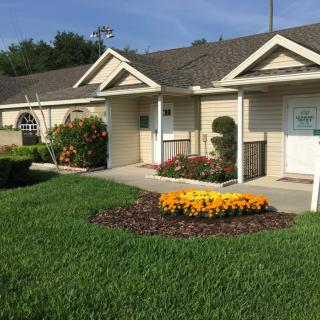
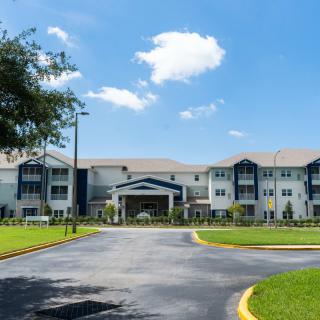
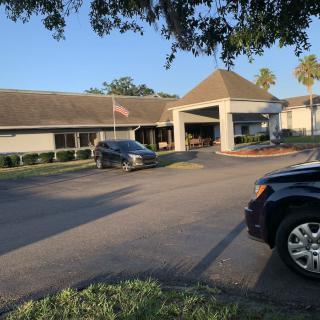
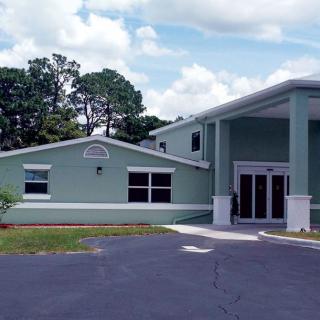
Tandem Health Care in New Port Richey, FL is a top-rated assisted living community that offers a range of amenities and care services to ensure the well-being and comfort of its residents. With a focus on providing a nurturing environment, Tandem Health Care offers devotional services off-site, allowing individuals to maintain their spiritual practices and beliefs.

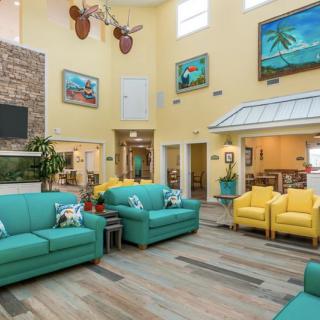
The indoor common areas provide ample space for residents to socialize and engage in activities together. These spaces are designed to foster a sense of community and encourage interaction among the residents.

Tandem Health Care also specializes in diabetic care, ensuring that individuals with diabetes receive the necessary support and assistance in managing their condition. The trained staff members are equipped to address specific needs related to diabetes and work closely with residents to create personalized care plans.

In addition to the comprehensive care provided, Tandem Health Care recognizes the importance of maintaining an active lifestyle. Devotional activities off-site allow residents to participate in meaningful religious or spiritual experiences outside of the community.

Conveniently located within close proximity to various amenities, individuals residing at Tandem Health Care can easily access two cafes, two parks, twelve pharmacies, twenty-five physicians, eighteen restaurants, one place of worship, and one hospital nearby. This ensures that all their essential needs are met efficiently without any inconvenience.

Overall, Tandem Health Care offers a warm and inviting atmosphere where seniors can live comfortably while receiving personalized care tailored to their specific needs.

Nearby Places of Interest

Physicians

  • Dr Chen Accupuncture (0.4 miles)
  • Optimum Family Care PA (0.6 miles)
  • Florida Cancer Affiliates (0.6 miles)
  • Schulz Eye Care (1 miles)
  • Pediatric Specialists Medical Group (1.2 miles)
  • East Lake Pediatrics (1.3 miles)
  • Trinity Medical Associates (1.3 miles)

Restaurants

  • Chili's Grill & Bar (0.6 miles)
  • Chick-Fil-A (0.7 miles)
  • Craft Street Kitchen (0.8 miles)
  • Zim Zari (0.8 miles)
  • Wendy's (1.1 miles)
  • Checkers (1.2 miles)
  • Papa John's Pizza (1.3 miles)

Cafes

  • Panera Bread (0.7 miles)
  • Starbucks (2.1 miles)
  • Starbucks (5.7 miles)
  • Panera Bread (6.4 miles)

Hospitals

  • Medical Center Of Trinity (1 miles)

Pharmacies

  • CVS Pharmacy (1.3 miles)
  • Walgreens (1.5 miles)
  • Walgreens (2.2 miles)
  • CVS Pharmacy (2.2 miles)
  • CVS Pharmacy (2.7 miles)
  • Walgreens (3.7 miles)
  • Winn-Dixie (3.8 miles)

Parks

  • Cunningham Park (3.7 miles)
  • Jay B Starkey Wilderness Park (4.1 miles)
  • Anclote Key Preserve State Park (6.5 miles)

Places of Worship

  • Metropolitan Ministries (3.8 miles)

Frequently Asked Questions

Where is Tandem Health Care?

Nearby Communities

Related Resources

  • activities of daily livingComprehensive Insights into Activities of Daily Living (ADLs) and Their Assessment

    Activities of Daily Living (ADLs) are fundamental tasks vital for an individual's independence, particularly in older adults over 85, and include functions like bathing and dressing; assessing ADLs alongside Instrumental Activities of Daily Living (IADLs) helps determine the level of required assistance due to age-related health challenges. Tailored support plans, involving family and community resources, are essential for maintaining dignity and autonomy in assisted living environments.

  • does medicare pay for assisted livingMedicare Coverage for Assisted Living: An In-Depth Exploration

    Medicare does not cover assisted living costs, as it focuses on acute medical needs and short-term care, with exceptions for certain medically necessary services like physical therapy. Individuals must explore other options such as Medicaid, veterans' benefits, or long-term care insurance to manage these expenses effectively.

  • assisted living vs nursing homeChoosing the Right Senior Care: A Detailed Exploration of Assisted Living and Nursing Homes

    Choosing between assisted living and nursing homes involves evaluating emotional and financial factors, with assisted living offering independence and support for daily activities at a lower cost, while nursing homes provide intensive medical care for individuals with significant health needs. The decision is influenced by personal preferences, health status, cognitive function, and varying Medicaid coverage across states.