
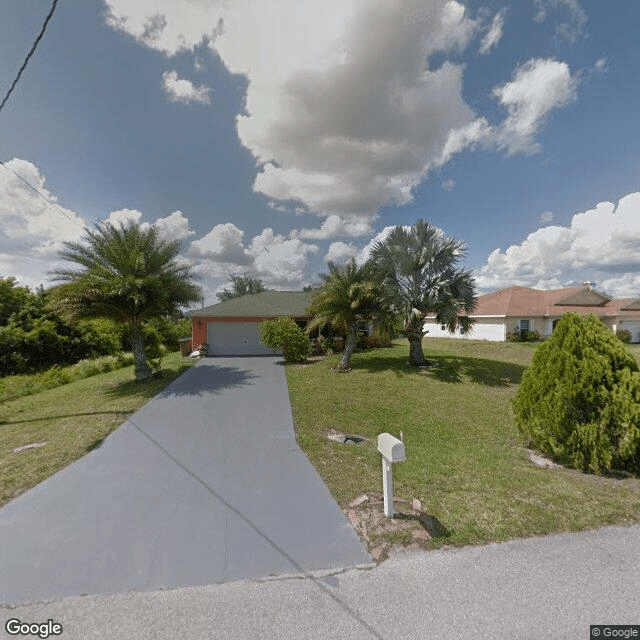
317 Pennfield St, Lehigh, FL 33974
To contact a resident: (239) 887-7708
For more information about senior living options: (866) 208-4318
Adult Family Care Home Costs & Pricing
The costs associated with Adult Family Care Homes in Lee County, Florida, reflect a nuanced landscape when compared to both county and state averages. For a studio accommodation, the monthly rate at an Adult Family Care Home is approximately $2,600, which is notably more economical than the county average of $3,874 and the state average of $3,823. In contrast, semi-private rooms are offered at $3,700 - slightly above the county's rate of $3,538 but significantly higher than the state average of $3,009. Private rooms present a more marked divergence; priced at $4,500 within an Adult Family Care Home context, they exceed both the county's figure of $4,293 and the state's lower average of $3,699. This data indicates that while some options are competitively priced within Lee County's landscape for assisted living arrangements, others may require careful consideration against regional pricing trends.
| Floor plans | Adult Family Care Home | Lee County | Florida |
|---|---|---|---|
| Studio | $2,600 | $3,874 | $3,823 |
| Semi-Private | $3,700 | $3,538 | $3,009 |
| Private | $4,500 | $4,293 | $3,699 |
Assisted Living communities with a similar price nearby
-
from -$300 / mo
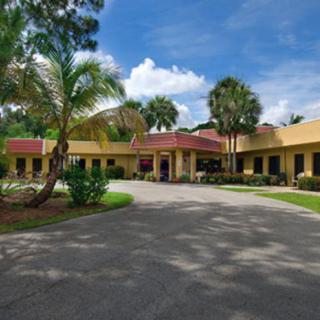
Noble Senior Living at Fort Myers
$2,300 to $3,800 / month14.2 miles away -
from -$95 / mo
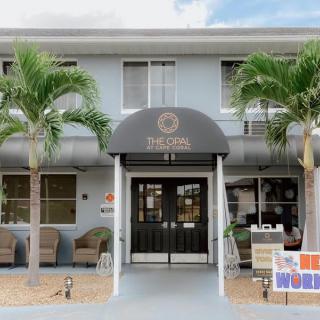
The Opal at Cape Coral
$2,505 to $3,870 / month19.0 miles away -
from +$500 / mo
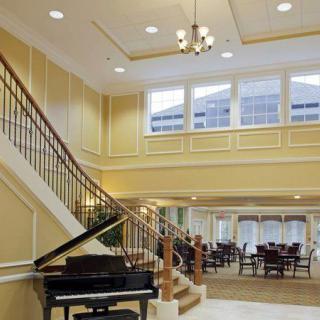
Canterfield of Fort Myers
$3,100 to $6,200 / month13.8 miles away -
from -$100 / mo
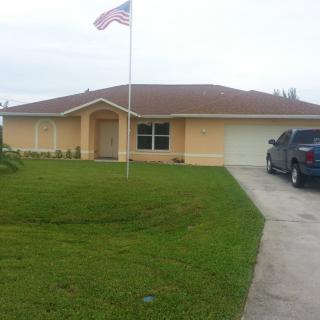
Village I Assisted Living Facility
$2,500 to $4,300 / month19.8 miles away -
About the same

Discovery Commons Cypress Point
$2,625 to $6,000 / month12.0 miles away
Overall Review of Adult Family Care Home
Cons
 It is described as the worst assisted living facility.
- The staff are incompetent.
- There is a lack of nutritional meals.
- Meals consist only of a hotdog on a bun with ketchup for lunch.
- The residentā€™s preferences were not consulted.
- The employees lack experience dealing with seniors.
- The reviewer feels ripped off.
- It is advised not to take a loved one there.
- The service is a huge disappointment.
- A refund is desired.
Review
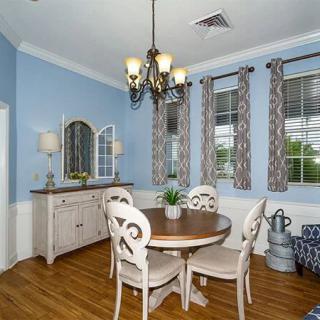
This community is best suited for families seeking a very small, home-like setting in Lehigh, where care feels intimate and daily contact with caregivers is routine. The model appears to center on a single residence operated with a family-feel, where residents can be known individually and where family members may be part of the daily rhythm. For seniors who thrive on personal attention, a low resident-to-staff ratio, and a more relaxed, home-style routine, this AFCH can deliver comfort and familiarity. But that upside rests on stable, capable staffing and consistent day-to-day structure; without those, the intimate setting can become an unreliable platform for ongoing care.
Those considering alternatives should weigh the needs for professional nursing oversight, structured nutrition, and formal care planning. The strongest concerns raised point to gaps in staff training and meal quality, suggesting that residents who require regular licensed nursing, wound care, medication administration, or highly planned diets may be better served elsewhere. Larger assisted living communities with licensed nurses, certified dietary programs, and clearly documented care protocols typically offer higher levels of accountability and predictable routines. In short, if clinical reliability and standardized nutrition are priorities, exploring other options is prudent.
The potential advantages of a small, home-like environment can offset some downsides when families are prepared to stay actively involved and bring in supplemental supports. Direct access to caregivers and a familiar, less clinical setting can work well for residents who rely on routine and reassurance from known faces. However, the negative feedback emphasizes real costs to care quality when staff experience is limited: reports of mismanagement, a lack of senior-care expertise, and the perception that problems are blamed on residents. The existence of a 5-star review signals that positive experiences exist for some, but without consistent patterns, those positives cannot be assumed. Overall, the homey appeal is undermined by questions about reliability and professional readiness.
The core cons present clear implications for decision-makers. Inexperience among caregivers translates into safety risks, inconsistent help with daily routines, and potential gaps in personal care. Mealtime quality matters just as much as meals themselves; a limited or poorly planned menu can undermine health, nutrition, and satisfaction, especially for residents with dietary restrictions or specific preferences. Additional concerns about accountability, such as feeling blamed for issues or sensing a disconnect between staff and family, and unclear communication channels further complicate the picture. These signals demand direct interrogations about staffing credentials, training programs, and the operations behind meal planning and daily care.
To decide with confidence, a thorough, structured evaluation is essential. Schedule a comprehensive tour, observe a mealtime, and request to see a typical shift in action. Ask about staff qualifications, turnover, supervision, and who on-site provides medical oversight. Review licensing records and any recent survey findings, and request sample menus to assess nutrition rigor. Speak with multiple residents or family members about day-to-day experiences, communication frequency, and responsiveness to concerns. Verify visitation policies, care plan accessibility, and how incidents or complaints are handled. Compare these findings against other AFCH options and larger facilities to gauge where this community truly fits on the spectrum of safety, nutrition, and consistent care.
Bottom line: this Lehigh AFCH represents a mixed-value proposition. It is potentially well-suited for families who want a small, family-style setting and are prepared to actively supervise care, supplement services, and manage nutrition independently. It is less appropriate for residents who require dependable, licensed clinical care, predictable, nutritionally complete meals, and consistently trained staff. If choosing this option, proceed with a rigorous vetting process and clear contingency plans, understanding that the strongest protections come from verified staff qualifications, transparent meal programs, and open lines of communication with caregivers. For those prioritizing reliability and professional standards, exploring better-aligned options is a prudent precaution.
 Assisted Living
 Board and Care Home
 Activities on-site
 Devotional services off-site
 Indoor common areas
 Southwest Florida International (7 miles away)
 Ambulatory care
 Diabetic care
 Meals provided
 Small, intimate ALF with 24/7 supervision, ADL support, diabetes-friendly meals, and coordinated medical care.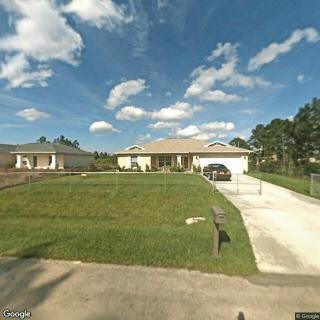


 Vibrant Senior Living: A Comprehensive Guide for Active Older Adults
 When to Transition from Assisted Living to Memory Care: Key Indicators, Steps, and Finding the Right Community
 Assisted Living and Memory Care: Understanding Their Core Differences