
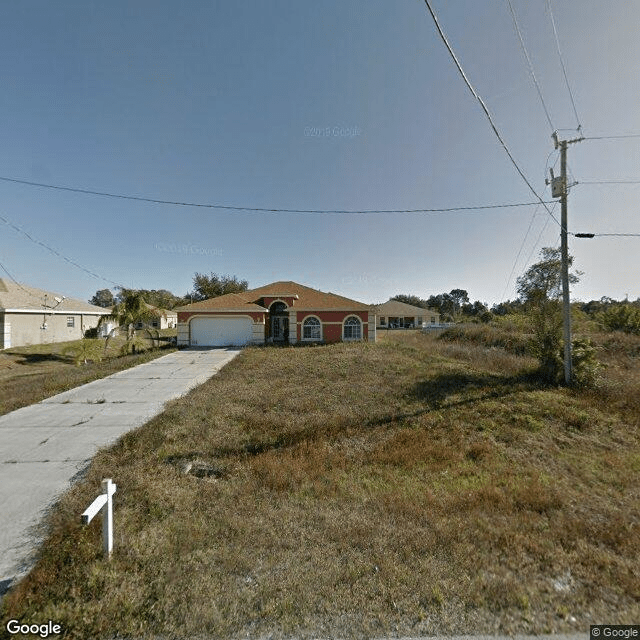
118 Grant blvd, Lee High Acres, FL 33974
To contact a resident: (941) 900-8566
For more information about senior living options: (866) 208-4318
Overall Review of Francilia Adult Family Care Home
Cons
 It is the worst assisted living facility.
- The staff is incompetent.
- There is a lack of nutritious meals.
- The lunch consisted of a hotdog on a bun with ketchup.
- The employees have no experience dealing with seniors.
- One should not take their loved ones there.
- It is a huge disappointment.
- They would like a refund.
Review
Francilia Adult Family Care Home in Lee High Acres is best suited for families seeking a very small, home-like setting where close, hands-on involvement is feasible and where a resident can function with minimal professional intervention. This model can work for someone who values a domestic atmosphere and expects simple supervision rather than clinical, skilled care. However, it is not appropriate for individuals who require consistent nursing oversight, strict medical monitoring, or guaranteed, nutritionally reliable meals. Families needing dependable staffing, standardized meal programs, and predictable routines should look at larger licensed assisted living communities or other AFC homes with documented staffing levels, menu standards, and care protocols.
In the right circumstances, the intimate footprint can translate into a sense of familiarity and easier family engagement. A resident who thrives on direct communication with caregivers and who benefits from a less institutional vibe may enjoy the closer, more informal day-to-day interactions. Yet those advantages vanish when staff lack competence or stability. When caregivers have limited experience with seniors, the small setting quickly becomes a recipe for confusion, miscommunication, and missed care tasks. The potential warmth hinges on consistently capable, well-trained personnel, which this home apparently struggles to sustain.
Nutrition and meals emerge as a critical weakness. Reported offerings were described as unbalanced and unsatisfying, with examples such as a hotdog on a bun for lunch and little attention to dietary needs or preferences. The setting’s model, where many family members come and go and where privacy can be limited due to proximity to neighbors, further compounds dietary and daily routine concerns. For a senior with appetite, digestion, or medical dietary restrictions, that kind of menu signals ongoing nutritional risk. In a small home, meals should be easily adjustable with family input; instead, they read as a reactive afterthought that undermines trust in the care provided.
Accountability appears to be a serious issue. The staff are described as inexperienced with seniors, and problems are blamed on the resident rather than addressed with concrete fix outlines. The sense of being charged without corresponding outcomes, articulated as a refund request, speaks to questionable financial transparency and value. A pattern of fault-finding rather than problem-solving signals a management gap that cannot be ignored. In short, weak supervision, limited care expertise, and perceived financial mismatches combine to form a high-risk proposition for families counting on reliable, dignity-preserving care.
Do the apparent pros offset the cons? Practically, rarely. The appeal of a warm, domestic setting and unfettered family access does not compensate for staffing instability, inadequate meals, and opaque accountability. The resident’s safety, dignity, and daily needs demand trained, consistent caregivers, formal care plans, and reliable supervision, areas where Francilia seems to fall short. Unless a family is prepared to assume a significant role in ongoing oversight, insist on verifiable caregiver qualifications, and demand measurable improvements, the risk remains elevated. In this calculus, the favorable elements do not meaningfully mitigate the core deficiencies.
For families willing to proceed with disciplined due diligence, concrete steps are essential. Request full caregiver qualifications and state licenses; review the proposed meal plan and insist on a structured menu aligned with the resident’s dietary requirements; insist on a written, dated care plan with daily tasks, medications, and escalation steps; arrange a defined trial period with clear benchmarks for progress and satisfaction; meet current residents and their families to gauge actual day-to-day experiences; verify staffing ratios and supervision during all shifts. If these assurances cannot be guaranteed, or if even modest medical oversight is needed, pursue alternatives. The strongest options include larger, licensed assisted living communities with trained staff or other AFC homes that demonstrate consistent staffing, nutritional standards, and accountable care delivery.
 Board and Care Home
 Southwest Florida International (9 miles away)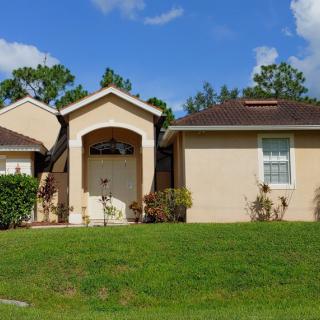
 Intimate setting with individualized, one-on-one care.


 A Detailed Exploration of Living Wills and Advance Directives
 Comprehensive Guide to Medicare Coverage for Hospice Care
 Caring for Those Who Care: Recognizing, Understanding, and Overcoming Caregiver Burnout