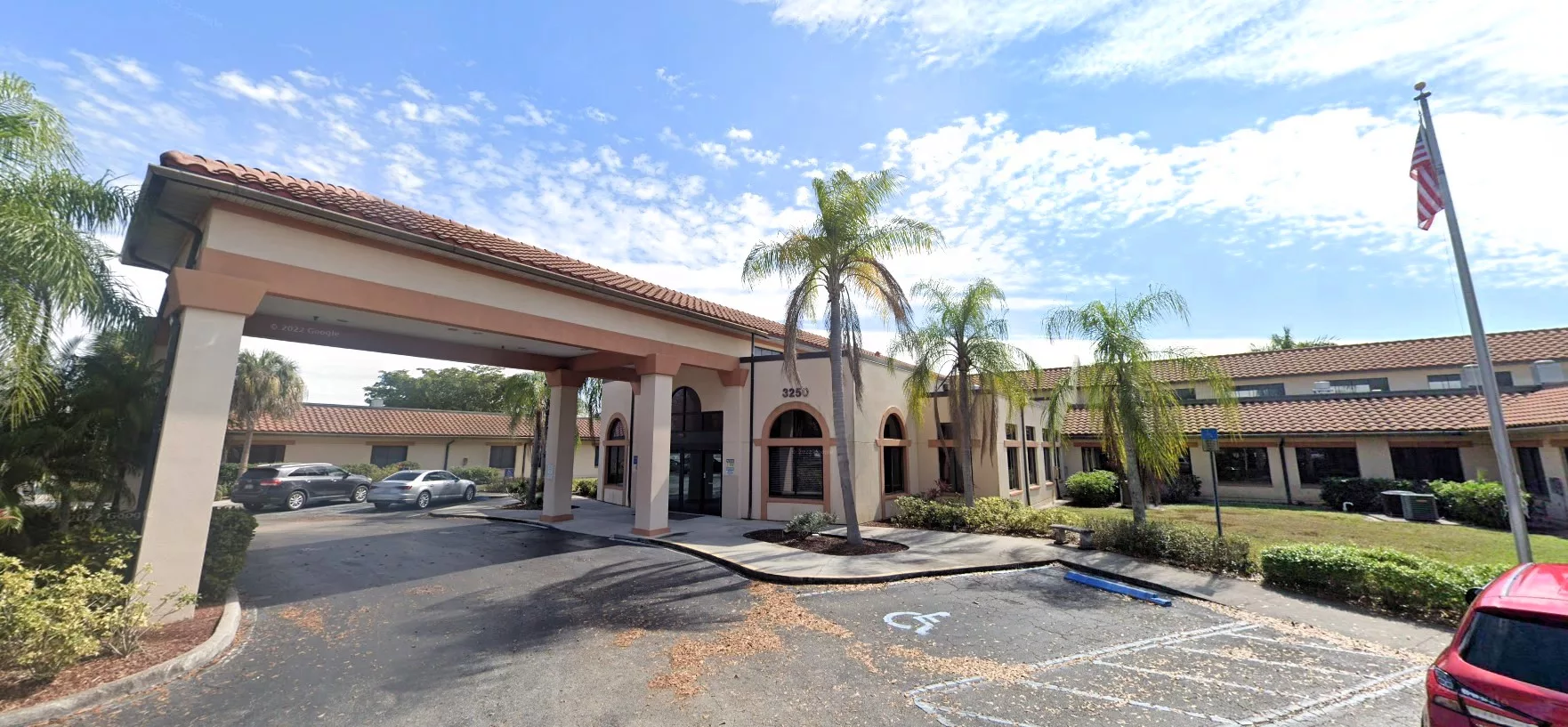
3250 Winkler Avenue Extension, Fort Myers, FL 33916
For more information about senior living options: (866) 208-4318
3.4 from 119 reviews
5 stars
62
4 stars
7
3 stars
4
2 stars
5
1 stars
41
Overall Review of Winkler Court
differentiator12 reviews mention this
Physical rehab gets strong praise
Residents and families frequently credit the rehab team for meaningful progress during recovery.
A recurring theme is that physical rehab staff helped residents regain strength and function, with several reviewers describing noticeable improvement and successful discharge home. Some reviews also note the therapy team stays engaged with follow-ups and addresses concerns that come up during care. A few mentions temper expectations by pointing to broader staffing or responsiveness issues beyond therapy, even when rehab itself was viewed positively.
common18 reviews mention this
Staff compassion is often noted
Many reviewers describe staff as compassionate, attentive, and supportive to residents and families.
Across the reviews, families frequently say caregivers take concerns seriously and show patience and kindness. Several people mention feeling reassured by communication from leaders or by staff being visible and responsive while a loved one is there. The tone is not uniform: a substantial set of lower ratings complain about rough treatment or a lack of timely help, which contrasts with the positive experiences.
common16 reviews mention this
Cleanliness is a recurring point
Cleanliness is mentioned often, with feedback ranging from spotless praise to serious cleanliness concerns.
Some reviewers specifically call out a clean facility, spotless rooms or bathrooms, and overall upkeep during visits. Others describe strong odors, dirty rooms, and maintenance problems, including issues with linens and unclean bathrooms. Because these comments appear on both sides, cleanliness seems to vary by unit, timing, or the level of day-to-day oversight people observed.
caveat14 reviews mention this
Call lights and wait times draw complaints
Several residents and families report delays reaching staff or unanswered call systems.
A recurring criticism is difficulty getting assistance when residents press call buttons, with multiple reviewers describing long waits or needing to search for someone. Some accounts also describe phone access problems and limited follow-through when families ask for updates or help. Even among reviewers who were satisfied overall, there are intermittent mentions of being hard to reach or waiting too long for care-related needs.
caveat10 reviews mention this
Food quality is mixed
Dining feedback is inconsistent, with both positive meal comments and serious complaints about food.
Some reviewers mention receiving good meals, adequate portions, and satisfaction with meal quality during rehab. Others describe meals as inedible or barely edible, and a few mention missing meals for periods of time. Because both praise and strong complaints show up, dining experience appears uneven across residents and visits.
How we summarize
Counts show how many written reviews mention each theme; a review can touch several themes, and only frequently mentioned themes are displayed.
Features
Housing
120 resident community capacity
Types of Care
Skilled Nursing Facility
Amenities
Air-conditioning
Beauty salon
Cable or satellite TV
Computer center
Dining room
Fitness room
Fully furnished
Gaming room
Garden
Housekeeping services
Kitchenette
Move-in coordination
Outdoor space
Private bathrooms
Restaurant-style dining
Small library
Telephone
Wellness center
Wi-Fi/high-speed internet available
Transportation
Southwest Florida International (7 miles away)
Community operated transportation
Transportation arrangement
Transportation arrangement (non-medical)
Transportation to doctors appointments
Care Services
12-16 hour nursing
24-hour call system
24-hour supervision
Activities of daily living assistance
Assistance with bathing
Assistance with dressing
Assistance with transfers
Diabetes diet
Meal preparation and service
Medication management
Mental wellness program
Special dietary restrictions
Dining
Diabetes diet
Special dietary restrictions
Activities
Community-sponsored activities
Concierge services
Fitness programs
Planned day trips
Resident-run activities
Scheduled daily activities
Videos
Nearby Places of Interest
Physicians
Gardner Orthopedics (0.2 miles)
Dr Gary Pynckel (0.9 miles)
Cardiovascular Concepts Fort Myers (0.9 miles)
Stuart B Krost Md Pa (1.2 miles)
Associates In Cosmetic Surgery (1.2 miles)
Dr. Carlos Sanchez & Associates (1.3 miles)
Constantine A. Mantz - 21st Century Oncology (1.4 miles)
Restaurants
Miller's Ale House (0.4 miles)
Sidelines Sports Bar & Grill (0.5 miles)
McDonald's (0.6 miles)
Popeyes Louisiana Kitchen (1.4 miles)
Ginza (1.5 miles)
Hooters (1.6 miles)
McDonald's (1.6 miles)
Pharmacies
Rx To Go (0.4 miles)
Walgreens (1.7 miles)
Lee Health Pharmacy (1.7 miles)
Walgreens (2.4 miles)
CVS Pharmacy (2.6 miles)
CVS Pharmacy (3.2 miles)
Walgreens (3.6 miles)
Cafes
Starbucks (1.2 miles)
Panera Bread (2.1 miles)
First Watch - Colonial (2.2 miles)
Starbucks (2.9 miles)
Starbucks (3.2 miles)
Panera Bread (3.9 miles)
Hospitals
Johns Hopkins All Children's Outpatient Care (1.7 miles)
LPG Orthopedics - The Sanctuary (2.6 miles)
Healthpark Medical Center (3.1 miles)
Transportation
U-Haul Moving & Storage (2.5 miles)
Places of Worship
St Cecilia's Catholic Church (2.6 miles)
Unitarian Universalist Church of Fort Myers (4.2 miles)
Blessed Pope John the XXIII Catholic Church (4.3 miles)
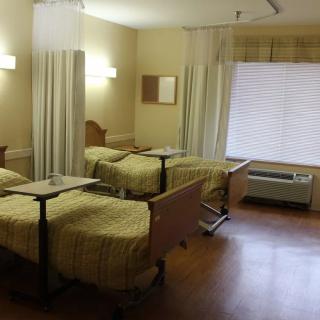
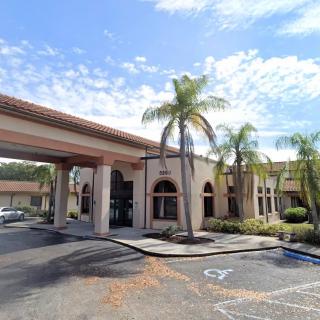
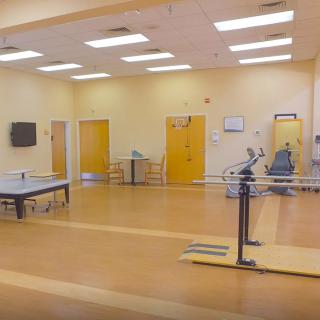
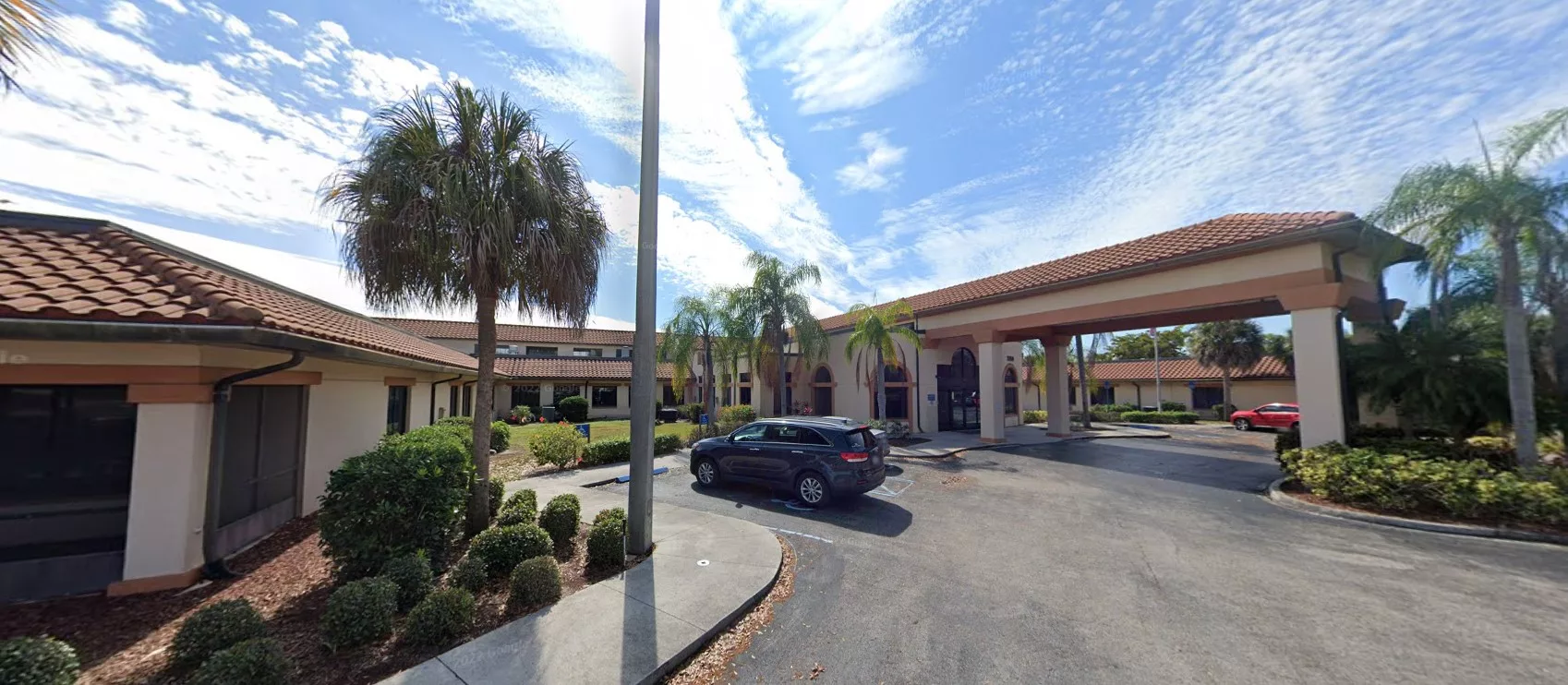
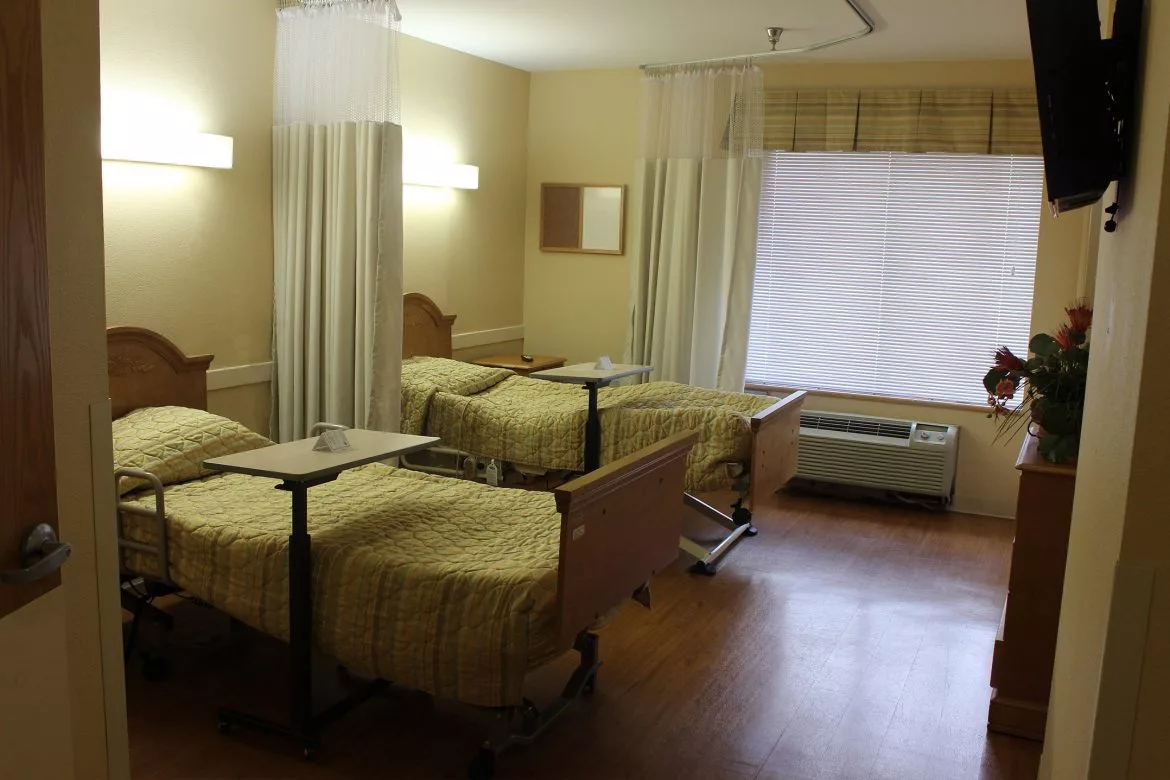
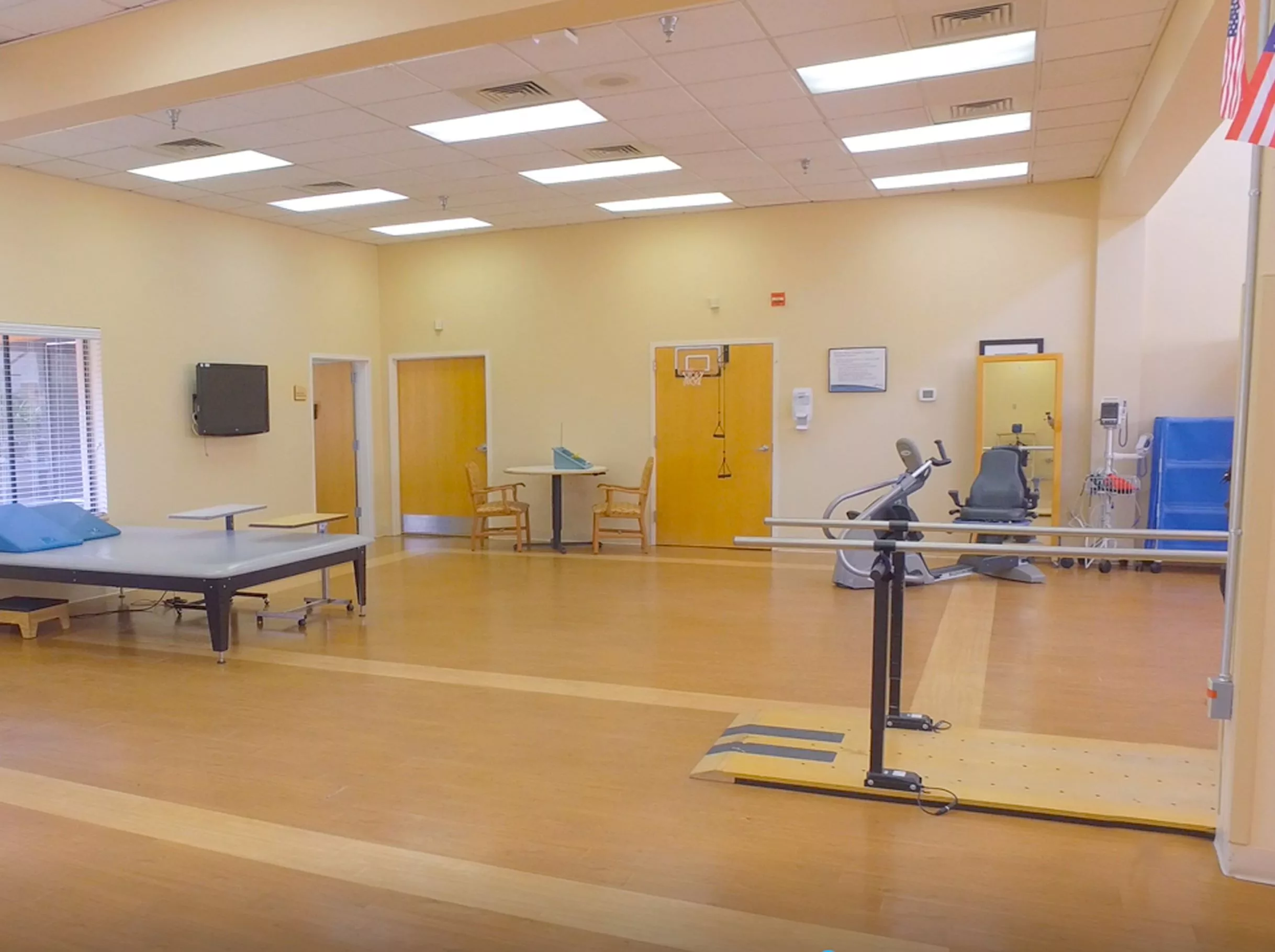
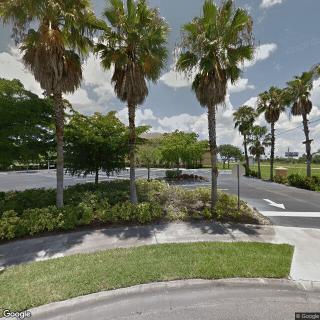
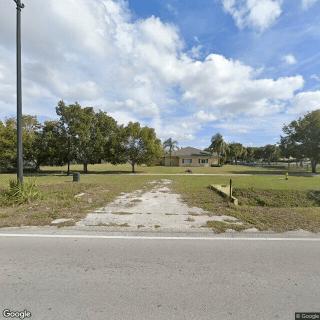
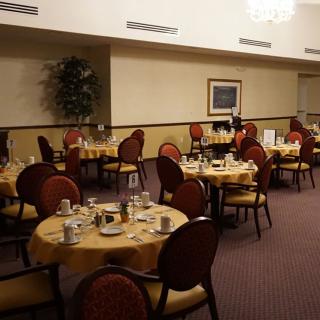
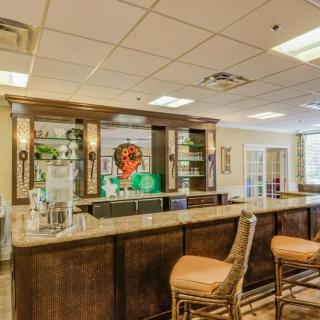
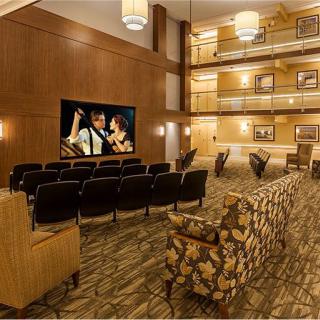
Winkler Court on seniors.fyi includes 5 photos including images showing entrance, building, palm trees, parking, healthcare, interior, architecture, bedroom, and more.
Nearby Communities
The Palms Of Fort Myers
Fort Myers, FL
4.7 from 178 reviews
Clean, welcoming environment with friendly staff and an active community.
Associated Home Health
Fort Myers, FL
3.9 from 7 reviews
Excellent access to healthcare and nearby amenities.
Southwest Regional Medical Ctr
Fort Myers, FL
Advocate In-Home Care - Fort Myers
Fort Myers, FL
4.8 from 46 reviews
Compassionate, well-trained caregivers; flexible care options; light housekeeping.
Ft Myers Nursing Agency
Fort Myers, FL
Convenient Fort Myers location with extensive nearby healthcare, dining, and transportation options.
Evans Health Care
Fort Myers, FL
2.7 from 126 reviews
Friendly staff and a clean facility with rehabilitation services.
The Rose Garden of Fort Myers
Fort Myers, FL
4 from 96 reviews
Affordability with a clean, welcoming environment and attentive staff.
Merrill Gardens At Barkley Place
Fort Myers, FL
4.5 from 103 reviews
$1,900 to $2,950 / month
Friendly, attentive staff and engaging activities.
Calusa Harbour
Fort Myers, FL
4.5 from 134 reviews
$2,000 to $3,280 / month
Clean facility with high-quality meals and a friendly, active community by the river.
Anticipatory grief is an emotional response to the impending loss of a loved one, characterized by complex emotions such as sadness and anger, and involves navigating stages similar to those identified by Kübler-Ross. Coping strategies are vital for managing this process, emphasizing compassionate communication, self-care, and support groups while recognizing the cultural influences on grieving.
Adult day care programs offer essential support and activities for older adults, yet many hesitate to participate due to concerns about independence and stigma. To alleviate these apprehensions, families should facilitate open discussions, explore financial resources, suggest trial visits, and collaborate with healthcare providers to highlight the benefits of such services for both the participants and their caregivers.
Living wills and advance directives are crucial legal documents that outline an individual's healthcare preferences when they cannot make decisions themselves, enhancing patient autonomy and alleviating family stress during medical crises. The article emphasizes the need for these documents to be personalized, legally valid, and regularly updated, while also encouraging communication about end-of-life wishes among family members and healthcare providers.
Exercise Equipment, Rehabilitation, and Physical Therapy
Get PricingAsk A QuestionSchedule A TourContact Senior Advisor
By clicking submit, you agree to our Partner's Terms of Use. You
also consent to receive calls and texts, which may be autodialed, from our Partner. Your consent is not a condition to
using our Partner's service. Please visit our Partner's Privacy Policy for information about their privacy practices.

 120 resident community capacity
 Skilled Nursing Facility
 Air-conditioning
 Beauty salon
 Cable or satellite TV
 Computer center
 Dining room
 Fitness room
 Fully furnished
 Gaming room
 Garden
 Housekeeping services
 Kitchenette
 Move-in coordination
 Outdoor space
 Private bathrooms
 Restaurant-style dining
 Small library
 Telephone
 Wellness center
 Wi-Fi/high-speed internet available
 Southwest Florida International (7 miles away)
 Community operated transportation
 12-16 hour nursing
 24-hour call system
 Activities of daily living assistance
 Assistance with bathing
 Assistance with dressing
 Assistance with transfers
 Diabetes diet
 Medication management
 Mental wellness program
 Special dietary restrictions
 Concierge services
 Planned day trips
 Clean, welcoming environment with friendly staff and an active community.
 Recognizing the Journey: Understanding and Navigating Anticipatory Grief
 Encouraging Participation in Adult Day Care: A Guide to Supporting a Hesitant Parent
 Comprehensive Exploration of Living Wills and Other Advance Directives